Best Time to Trek Rice Terraces Near Ubud Blissful Dawn
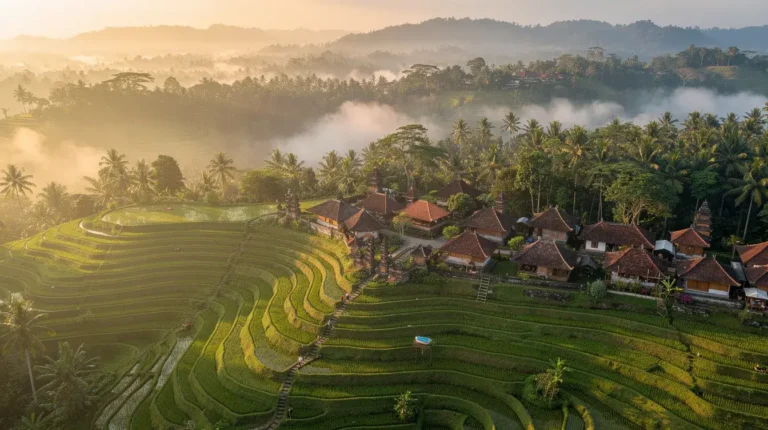
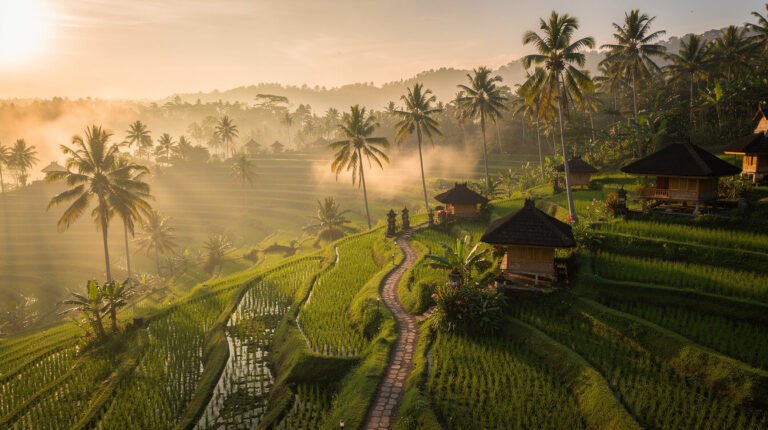
Ever dreamed of slipping past the crowds and wandering the rice terraces (stepped fields glowing emerald at sunrise) all to yourself? Picture the soft rustle of dew underfoot and the cool morning mist wrapping the hills.
Pure bliss.
It’s not just about waking up at dawn – oops, let me rephrase that. It’s all in the season. From April’s fresh sprouts to September’s golden haze, we’ve picked the five best windows for your early-morning Ubud trek.
By the way, each window wraps you in a sweet hush before the village stirs. Your blissful dawn escape is set to transform every emerald row into a scene of peace.
Best Seasons & Ideal Months for Rice Terrace Trekking near Ubud
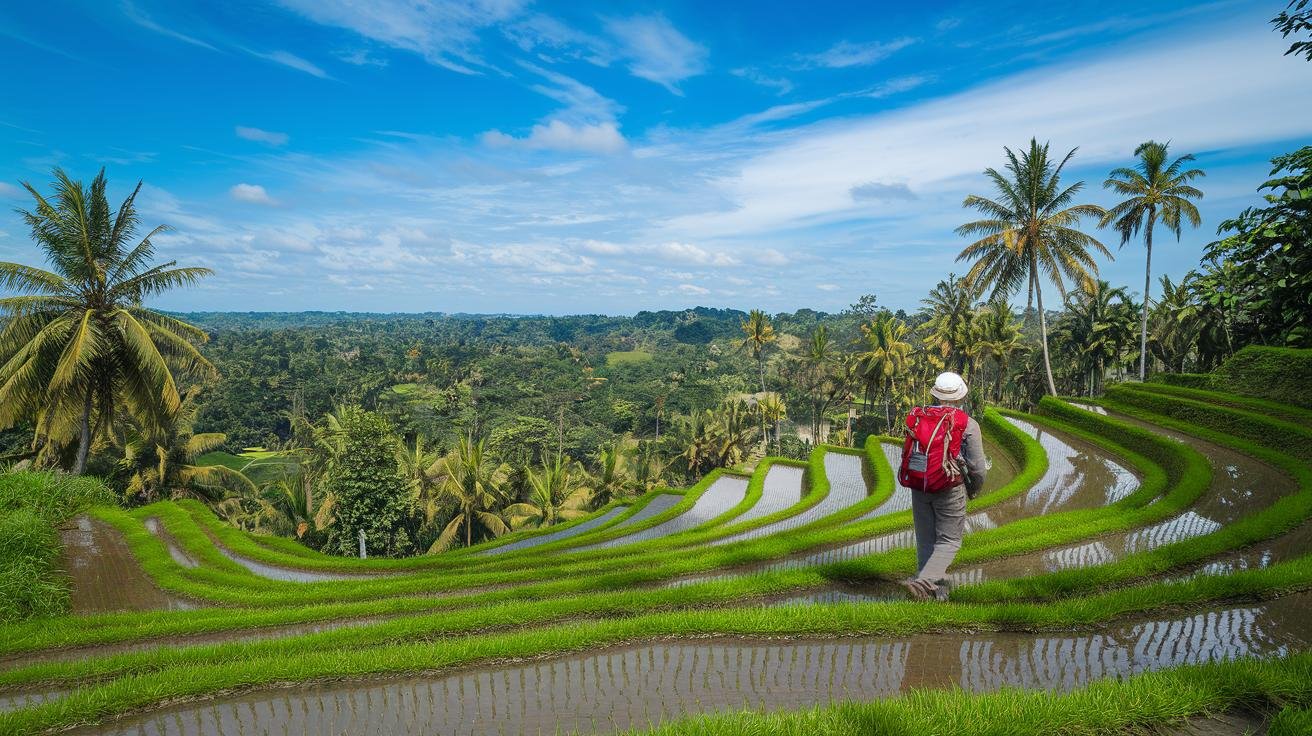
Ever dreamed of wandering through emerald rice terraces (stepped fields that glow with dawn’s light)? April through September is our sweet spot, with clear skies overhead, firm earth underfoot, and the gentle rustle of palm fronds in the breeze. Mornings are cool and misty, just right for sunrise photos without the usual crowd rush. Pure bliss!
But heads up. July and August along with December and January tend to be the busiest. If you crave a quieter wander among the Tegalalang and Jatiluwih fields (UNESCO-listed rice landscapes), try April to June or swing by in September. You’ll find those emerald rows all to yourself!
Oops let me rephrase that. October through March ushers in the monsoon. The showers bring a deep, lush green to the paddies, but trails can get slippery and puddles might block narrow paths. Farmers sometimes pause irrigation work during storms, so some hidden routes close until things dry up. You’ll want sturdy shoes, maybe an umbrella, and a dash of adventure.
By the way, for up-to-date rain and trail tips, check Ubud Bali weather forecast for travelers: https://villaamrita.com/?p=7439
Monthly Breakdown of Trekking Windows at Ubud Rice Terraces
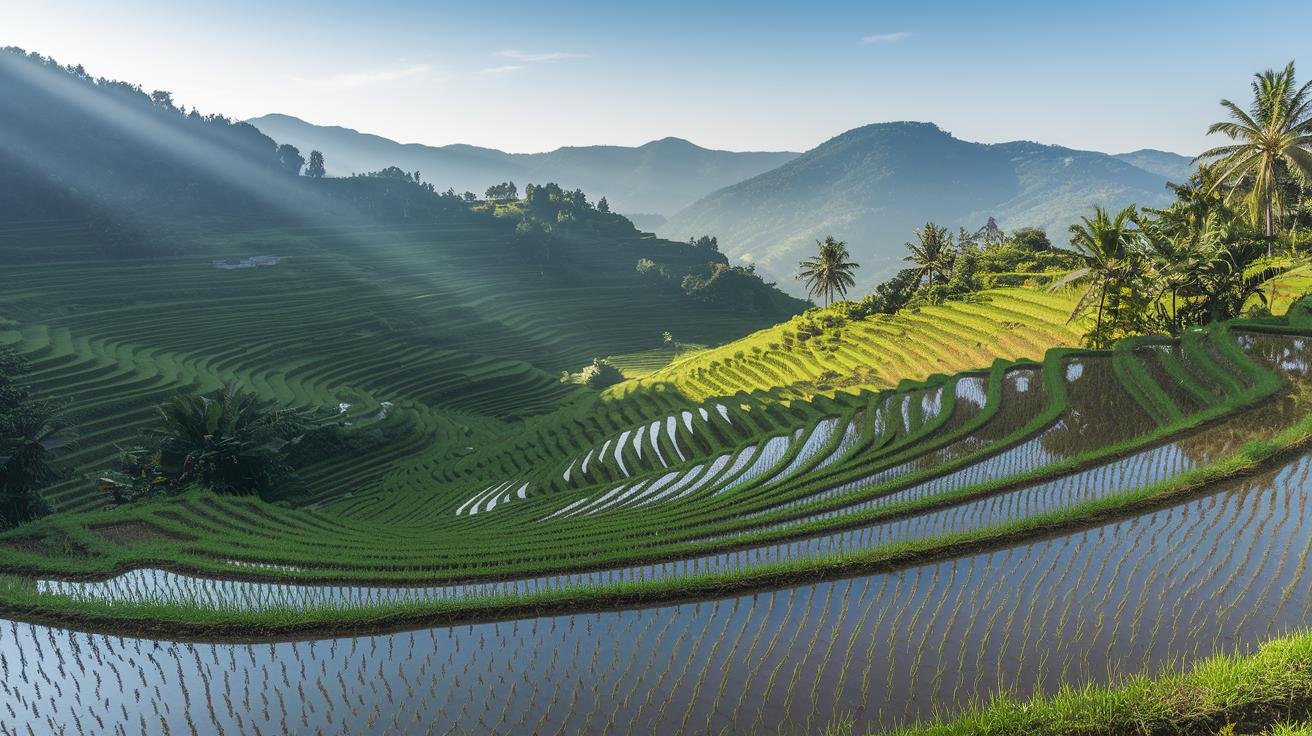
Ever thought about timing your trek so the paddies sparkle under soft skies? Here’s a friendly month-by-month peek at how the rice terraces (stepped fields that glow emerald at sunrise) shift from fresh green shoots to golden harvest hues. You’ll even spot the best months for that iconic shot on the Tegallalang trek (the lush slopes near Ubud).
| Month | Rice Growth Stage | Average Rainfall (mm) |
|---|---|---|
| April | Newly planted sprouts | 80 |
| May | Sapling shoots | 60 |
| June | Vibrant emerald green | 40 |
| July | Lush canopy | 30 |
| August | Early harvest gold | 20 |
| September | Harvest wind-down | 50 |
April and May bring those first bright green shoots under a gentle drizzle. Crowds stay moderate so you can wander quieter paths. If you’re eyeing Jatiluwih rice terraces (sweeping UNESCO-listed fields), these months feel like a secret shared between friends.
June and July mark the peak emerald moment for the Tegallalang trek (the lush ridges near Ubud). You’ll bump into fellow hikers and local warungs (food stalls) fill up fast – oops, let me rephrase that, they buzz with energy. But trust me, the view makes it all feel like an instant postcard.
August and September drape the paddies in soft gold as farmers start their early harvest. Trails stay dry and the rain holds off. Fewer visitors wander these quiet tracks. Pure bliss.
By October the skies begin to sigh with rain and the paddies refill. From November through March heavy showers make the paths slick and some channels pause. It’s a wilder season – perfect if you’re craving a rainy-day trek and muddy boots.
Best Time to Trek Rice Terraces Near Ubud Blissful Dawn
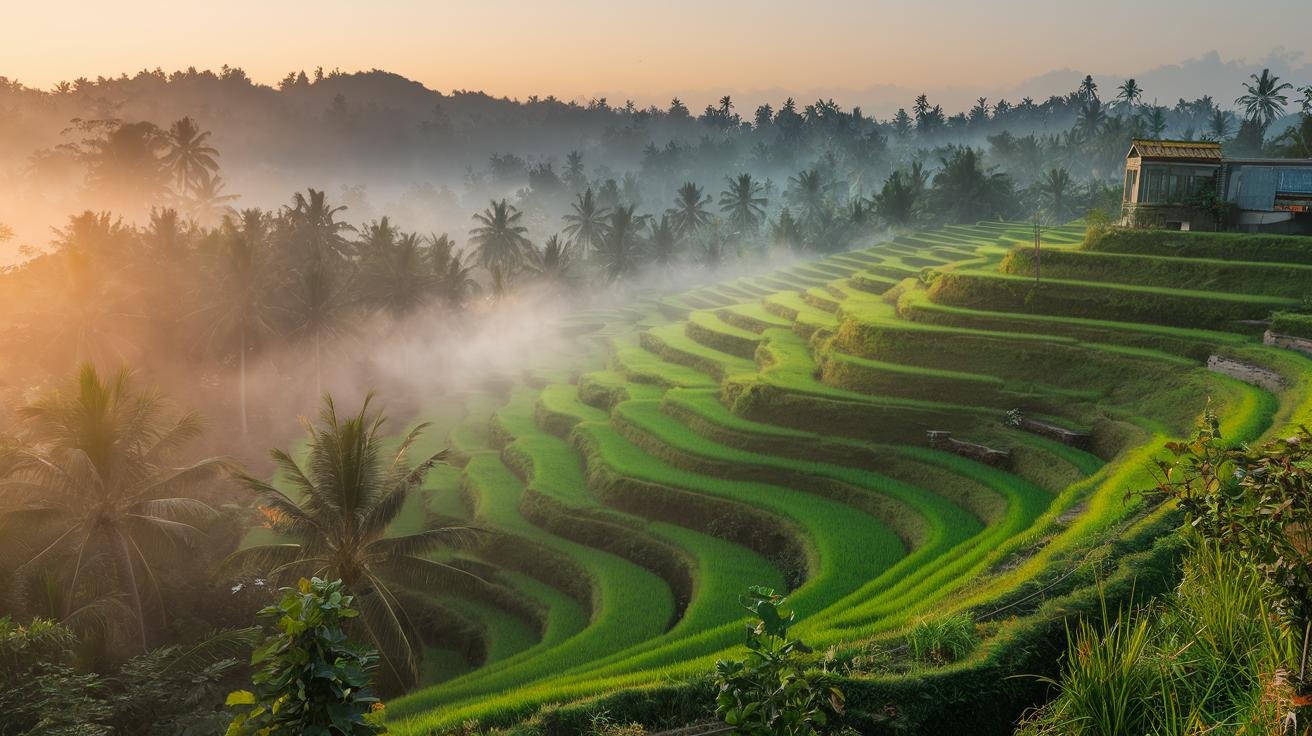
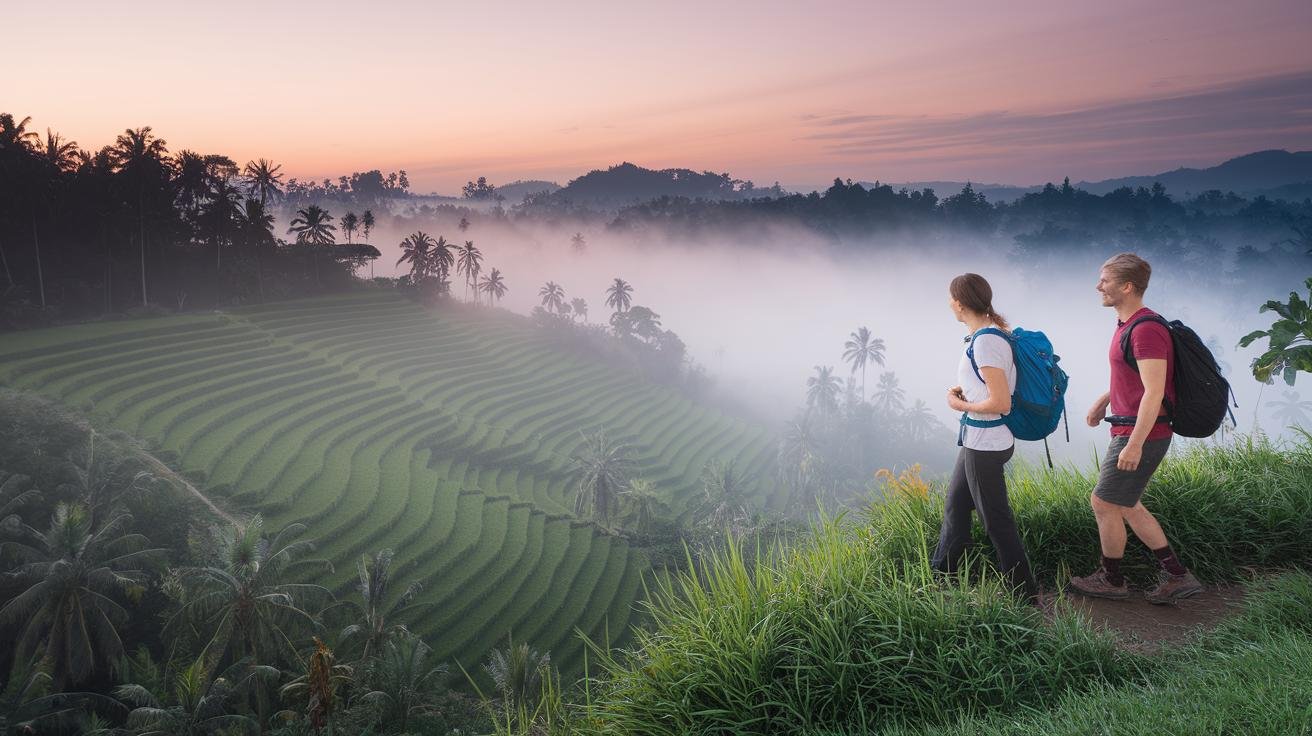
Ever wondered how to see those stepped emerald rice terraces (stepped fields that glow emerald at sunrise) in their softest light? For that dreamy shot, plan a sunrise trek in Tegallalang between 6 and 7 a.m. You’ll feel a cool breeze of about 65 to 70 °F, and you’ll watch gentle mist drift over the paddies. At this hour farmers open their irrigation so the water catches the light like silver ribbons.
But if dawn feels too early, give late afternoon a try. From 4 to 6 p.m. the sun dips low, bathing each tier in a warm golden hug. Temps settle around 75 to 78 °F and most tour buses have called it a day. Trails feel almost all yours, with just a few fellow hikers lingering for that last magical moment. Pure bliss.
Midday can soar to 90 °F and the paths get crowded. So unless you love a bustling scene, you might want to skip 12 to 2 p.m.
Here’s a quick rundown:
- Sunrise trek (6–7 a.m.): cool air, soft mist, near solitude
- Late-afternoon trek (4–6 p.m.): warm glow, fewer people
- Midday trek (12–2 p.m.): hot sun, crowded trails
Rice Terrace Routes & Permit Details near Ubud
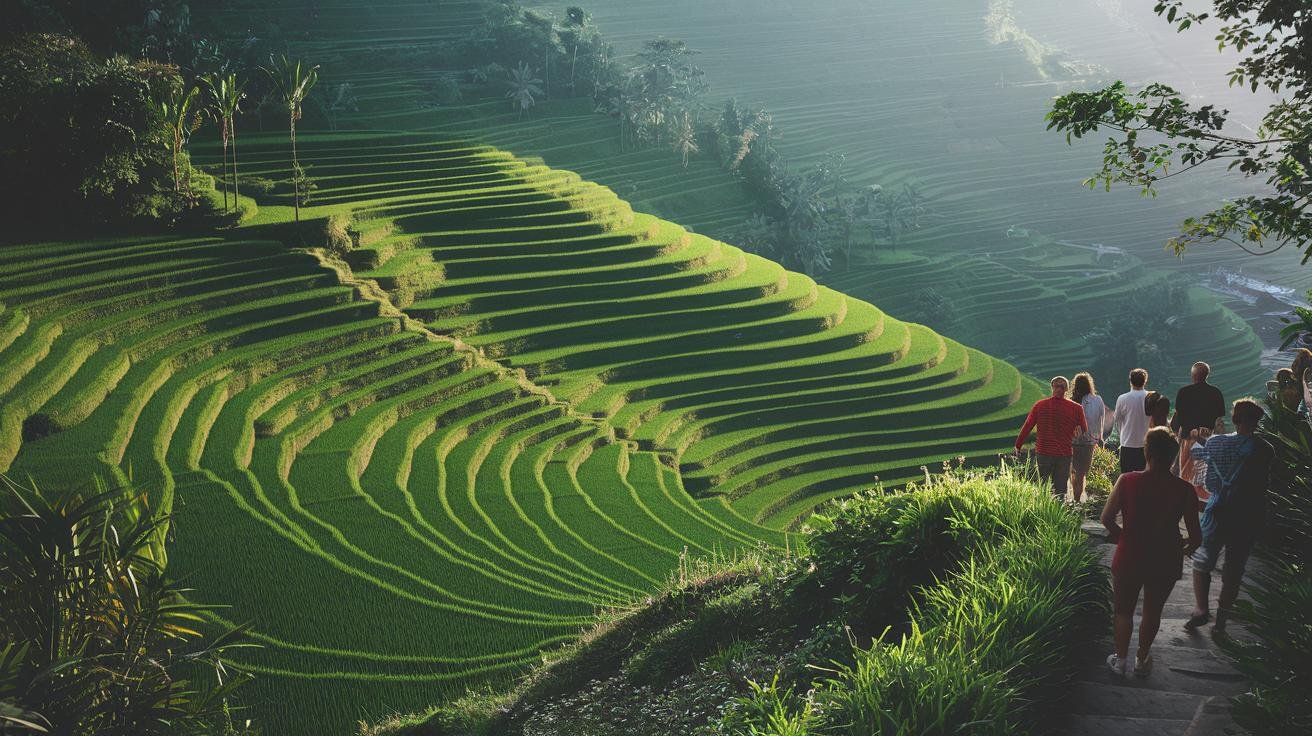
Tegalalang sits about 20 minutes north of Ubud. The soft rustle of rice terraces (stepped fields glowing emerald at sunrise) welcomes you as you pay IDR 15,000–20,000 (about US $1–$1.30) plus a tiny parking fee. Ever dreamed of floating by on the famous Bali swing? At IDR 150,000 (US $10) a go, you’ll swoop above those tiers. Pure bliss. For tips on parking spots, winding paths, and that swooping view, check Tegalalang rice terrace trek guide.
By the way, Mupu Rice Terrace is just down the road. Families leave small donations here to help keep the walking paths smooth. Those gentle trails wind past tiny hammocks and a stall pouring fresh coconut water. Perfect for you if you crave a quieter pace.
Next, Jatiluwih is a UNESCO site about an hour and a half west of Ubud near Mount Batukaru. Rolling hills of rice terraces (stepped fields glowing emerald at sunrise) stretch as far as you can see. Adults pay IDR 75,000 (US $4.50), kids IDR 50,000 (US $3). Local guides (IDR 200,000–300,000 per group) will explain subak irrigation (traditional water temples and canals) and share village tales. Tranquility.
Oops, there is no formal trekking permit to apply for ahead of time in Bali. You choose your adventure. A self-guided hike lets you wander hidden alleys and feel free. A guided trek in the Ubud region offers insider stories, supports locals, and points out secret viewpoints. Either way, pack sturdy shoes, bring a sense of wonder, and um… enjoy.
Managing Crowds & Off-Peak Advantages near Ubud Rice Terraces
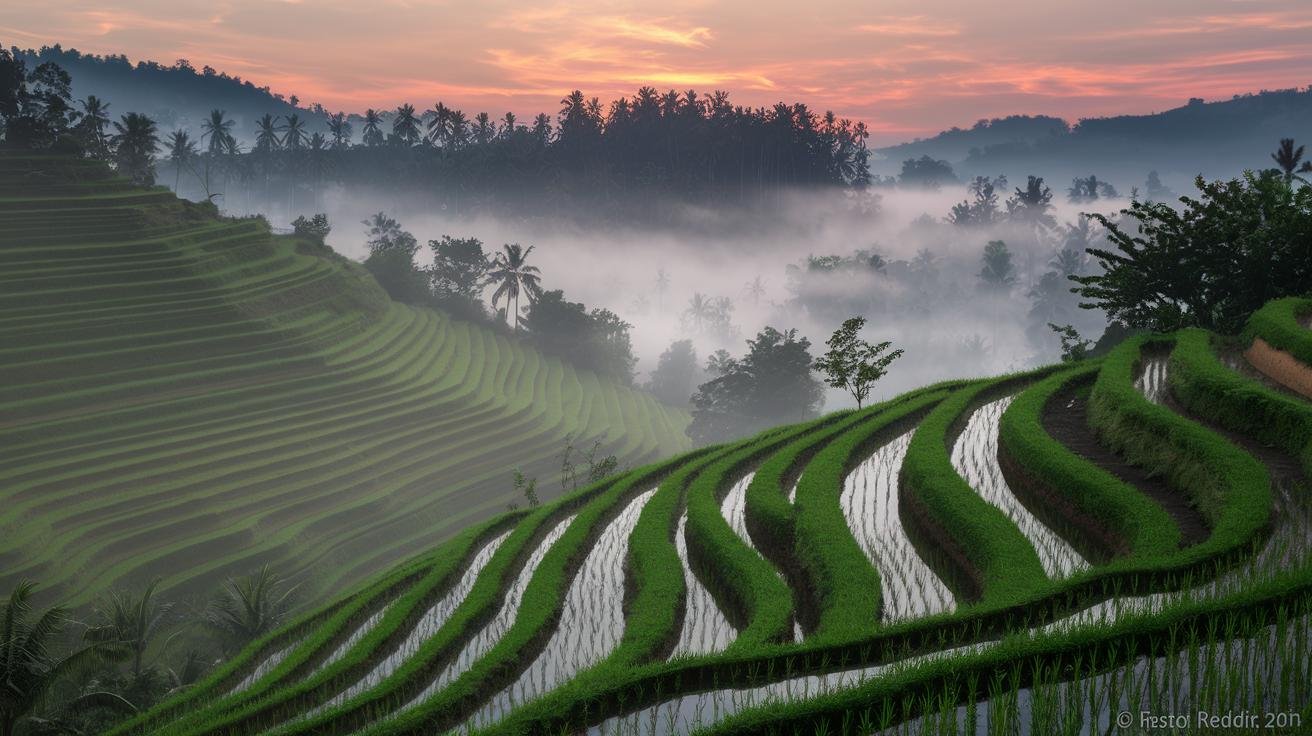
Thinking of exploring the Ubud rice terraces? Aim for April through June or September. Trails feel calm and entry fees slip down. By sunrise, the rice terraces (stepped fields that glow emerald at sunrise) shimmer under a blush sky, and you’re often the only soul there.
Lower entry fees in off-peak months make the morning stroll sweeter. Early treks dodge tour buses and drone buzz. You’ll inhale crisp dawn air and find nearly empty warungs (small food stalls).
By the way, wander past Tegallalang to Mupu and Pejeng rice fields (free entry; donations welcomed). Here, shady hammocks invite you to drift while the soft murmur of subak irrigation (traditional water canals) plays in the background. You’ll glimpse daily farm life, no selfie sticks in sight.
Simple magic.
Essential Gear & Safety Tips for Rice Terrace Treks near Ubud
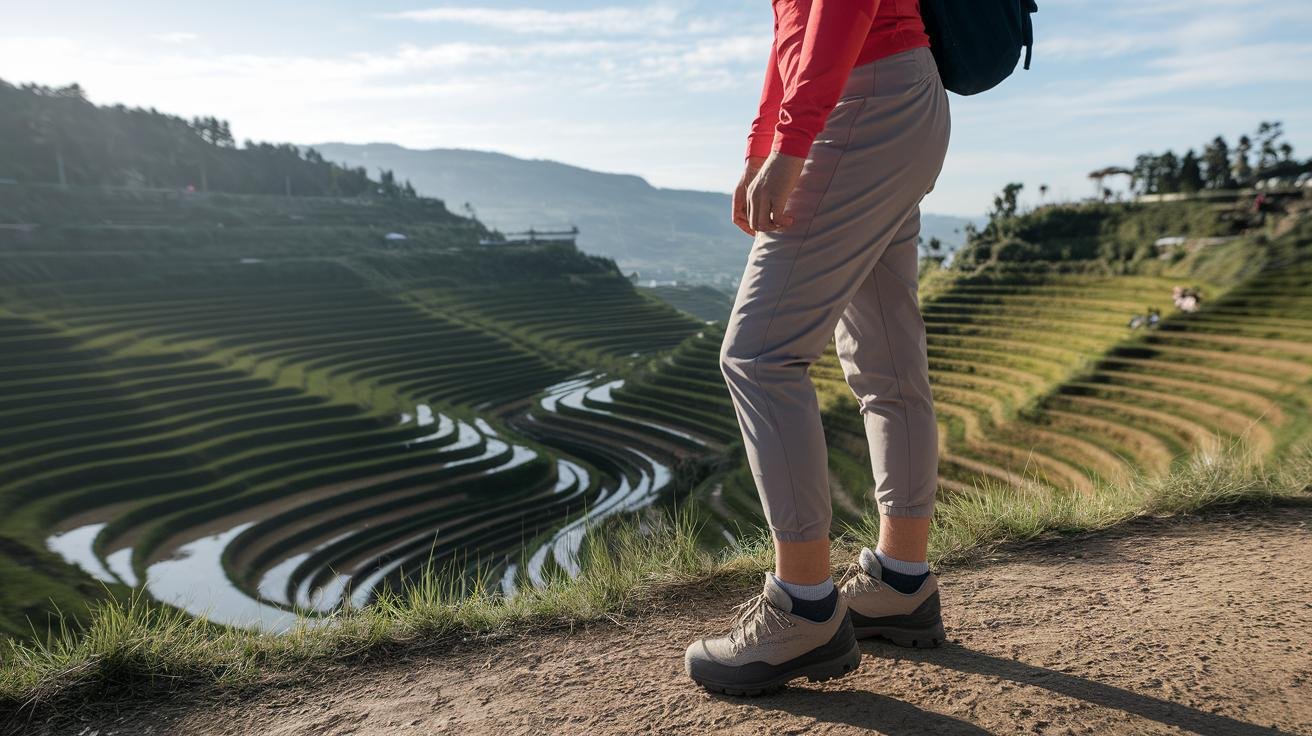
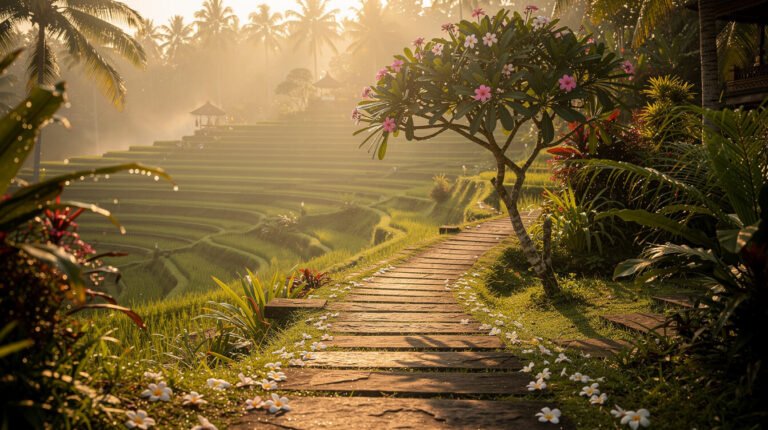
So you’re ready to wander the rice terraces (stepped fields that glow emerald at sunrise) around Ubud? Those narrow paths can get slick after a rain shower, and the uneven stone steps love to surprise you! Tranquility.
Sturdy closed-toe shoes, like sneakers or hiking sandals, are your best friend here. And light, breathable clothing helps you fend off Bali’s midday heat while giving you freedom to move when you pause for photos. Oops, let me rephrase that: you’ll stay cool and nimble on every step.
Don’t forget at least 1 liter of water in a reusable bottle. Sip often under that warm sun.
Tuck a wide-brimmed hat and reef-safe sunscreen (gentle on coral) into your daypack so you can linger longer without burning. A small first-aid kit with bandages and antiseptic wipes plus mosquito repellent (spray to keep bites at bay) round out the essentials. Ever hiked with all this? You’ll thank yourself when the trail gets muddy.
Here’s a quick packing list for your rice hike:
- Sturdy closed-toe shoes (sneakers or hiking sandals)
- Lightweight, breathable clothing (long sleeves for sun cover)
- Wide-brimmed hat
- Reef-safe sunscreen (gentle on coral)
- 1–1.5 L water in a reusable bottle
- Mosquito repellent (spray to keep bites at bay)
- Small first-aid kit (bandages, antiseptic wipes)
- Baby carrier or sling for little explorers
Keep an eye on those slick stones. Move at your own pace, you’re here to soak it all in. If clouds roll in, slip your phone into a waterproof pouch and keep strolling. Pure bliss.
Accommodation & Transportation Options for Rice Terrace Trekkers near Ubud
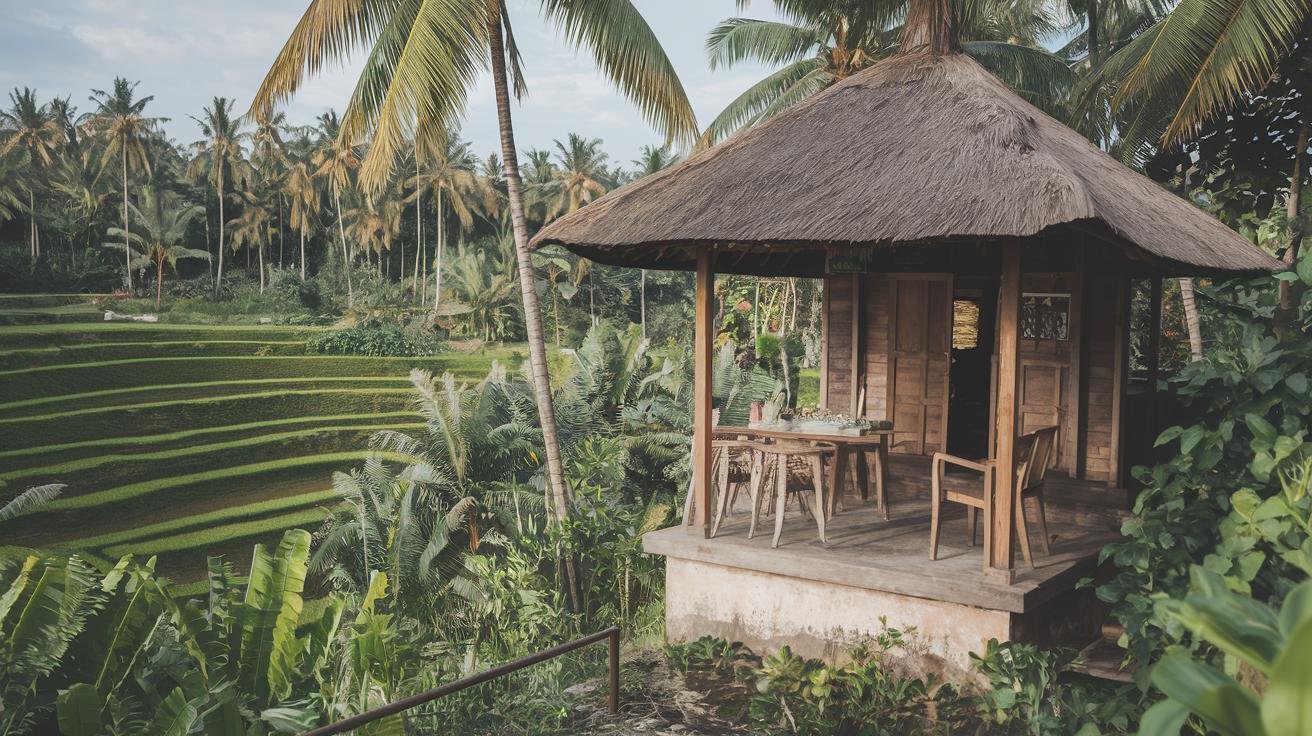
Stay just steps from the rice terraces (stepped fields that glow emerald at sunrise) in a family-run homestay. Imagine waking to roosters crowing and mist drifting over those emerald steps outside your window. You’ll slip into a simple wooden room, then savor a homemade breakfast as you hear the soft murmur of irrigation canals. Next, if you’re craving a hint of glam, try glamping near Jatiluwih. You’ll snuggle into a plush tent under coconut palms while fireflies dance at dusk.
Ubud center hotels are a quick ride away and offer pools, yoga decks, and spa treats, perfect for unwinding after dawn treks. But when the sun peeks over the terraces, you’ll be glad you stayed close. Rolling out of bed, you’re on the trails before most tour buses even stir.
Getting to Tegalalang is as easy as tapping a ride-share app. Gojek or Grab runs about IDR 50,000–100,000 per ride. You just call, hop in, and off you go. Want more freedom? Rent a scooter (motorbike) for around IDR 70,000 a day. Zoom along back roads, pause at hidden viewpoints, and chase the sun wherever it leads.
For fuss-free comfort, book a private driver (about IDR 500,000 per day). They know every winding farm lane, drop you at the best sunrise spots, and wait while you snap that perfect shot. No rushing. Pure bliss.
Final Words
Right away, we explored how April through September bring crisp trails and emerald views in the dry season. A month-by-month guide helped you spot the lushest fields and avoid rain delays.
We pinpointed sunrise, sunset and mapped routes from Tegalalang to Jatiluwih with entry fees and guide tips. Then we shared crowd hacks, gear must-haves, and cozy stay options close to the paddies.
Now you’re set to choose the best time to trek rice terraces near Ubud and make every step count.
FAQ
What is the entrance fee for Tegalalang Rice Terrace?
The entrance fee for Tegalalang Rice Terrace typically ranges from IDR 15,000 to IDR 20,000 per person. Additional charges apply if you want the famous Bali swing, starting around IDR 150,000 per ride.
What is the best month to visit Bali’s rice terraces?
The best month to visit Bali’s rice terraces falls within the dry season from April through September. June and July show peak emerald greenery and promise clear skies, perfect for trekking and photography.
What time of day is ideal to go to Tegalalang Rice Terrace?
The ideal time of day to trek Tegalalang Rice Terrace is early morning, between 6 and 7 a.m., or late afternoon, around 4 to 6 p.m., for cooler temperatures, soft golden light, and fewer crowds.
What are the opening hours of Tegalalang Rice Terrace?
Tegalalang Rice Terrace is generally open daily from sunrise until sunset. Entry tickets are sold roughly between 7 a.m. and 6 p.m., though paths remain accessible at dawn and dusk for early or late visits.
How far is Tegalalang Rice Terrace from Ubud?
Tegalalang Rice Terrace sits about 7 kilometers north of Ubud. You can reach it by car or scooter in roughly 20 to 25 minutes, depending on traffic and road conditions along the scenic route.
Is visiting Tegalalang Rice Terrace in November recommended?
Visiting Tegalalang Rice Terrace in November means navigating the early wet season. Expect rain showers, muddy paths, and fewer visitors, but the paddies turn a lush, deep green, creating a dramatic backdrop for photos.
Where can I watch the best sunset views near Tegalalang Rice Terrace?
The best sunset view near Tegalalang Rice Terrace appears around 5 p.m. from western lookout points. The terraces glow golden under the fading light, and fewer tours arrive at this off-peak hour.
Which rice terrace near Ubud offers the best experience?
Tegalalang Rice Terrace offers cliffside steps, iconic swings, and easy access from Ubud. Jatiluwih Rice Terraces deliver UNESCO-listed, expansive fields with fewer crowds, tranquil hiking paths, and authentic subak irrigation displays.
When is the worst time to travel to Bali?
The worst time to travel to Bali falls in December and January during the monsoon. Heavy rains, occasional flooding, and unpredictable weather can disrupt outdoor plans, though fewer tourists make off-peak stays quieter.