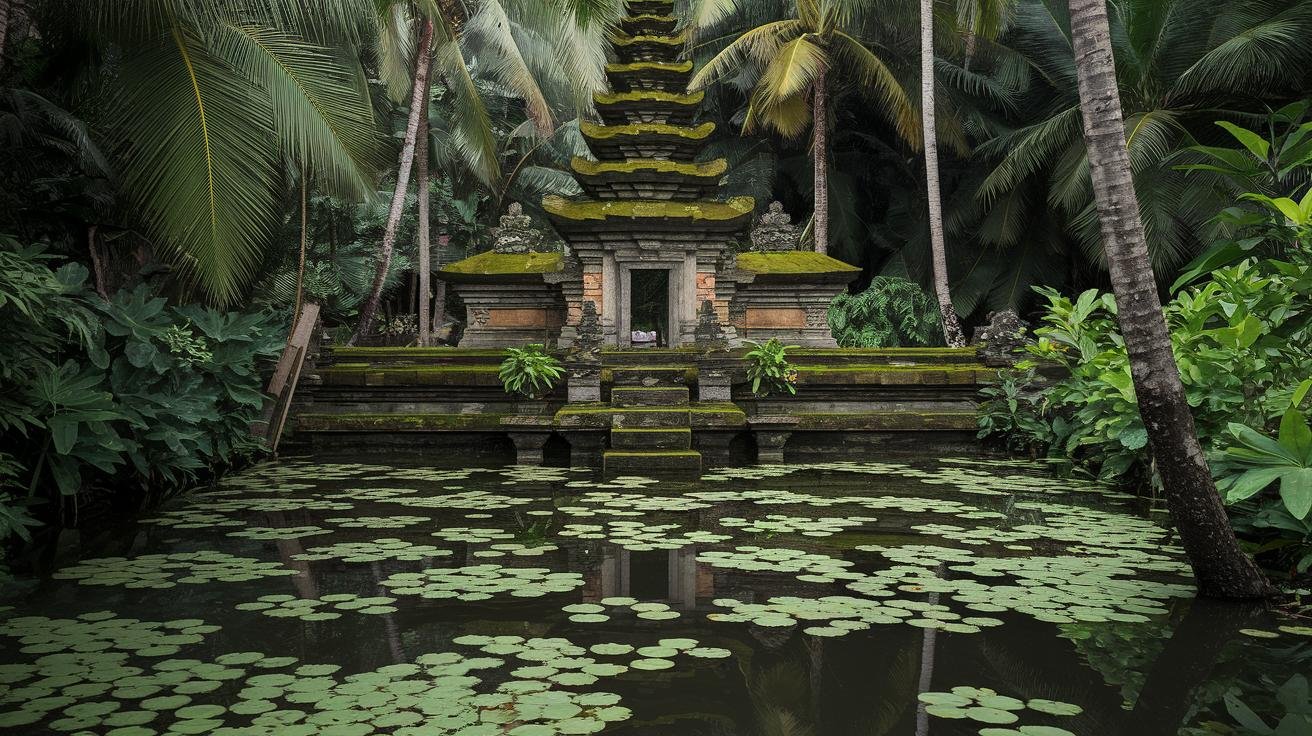
Underrated Temples In Bali Offer Serene Photogenic Charm
Think every Balinese temple is a crowded cliffside with a postcard sunset? Think again.
Venture beyond Ubud and you’ll find small, quiet shrines. Carved stone, still pools, and frangipani (sweet‑scented flowers) make them feel like secret scenes meant for slow, soulful photos.
Come at dawn. The light is soft, rituals feel intimate, and the views reward patience with calm, camera‑ready moments.
Bring a sarong (temple wrap) and move gently around canang sari (small daily offerings). Breathe in the warm scent of incense and frangipani as you wander.
Ever wanted your photos to match the island’s slow breath? Right here. Pure bliss.
Underrated Temples In Bali Offer Serene Photogenic Charm
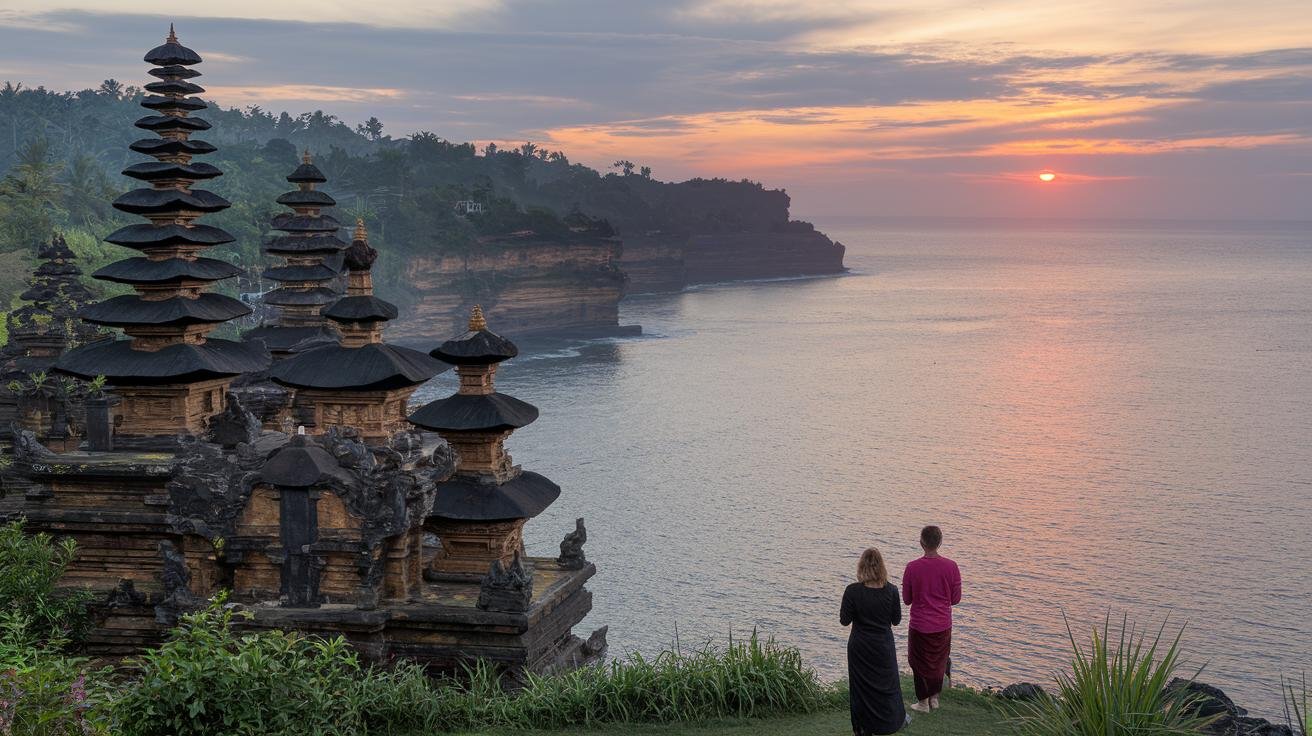
Step beyond Ubud and you’ll find quiet temples that feel like secret stage sets, carved stone, still water, and views that beg for a slow photo. Pura (temple) culture here is gentle and private, perfect for a reflective morning.
- Pura Dalem Jagaraga (East): A 12th-century tri-mandala (three-part temple layout) with Rangda (mythical guardian) carvings. The stone faces catch soft dawn light.
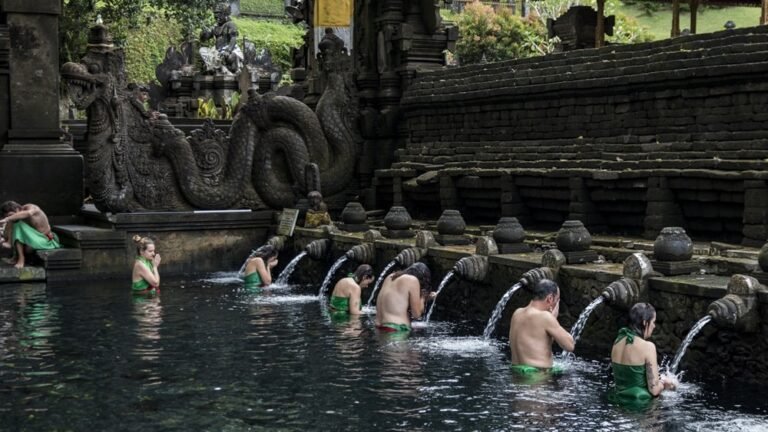
- Pura Dalem Mendira (East): Watch a dawn Melukat (purification ritual) beside the Karangasem rice terraces (stepped fields that glow emerald at sunrise). It’s peaceful and quietly alive.
- Pura Dalem Tamblingan (Central): A lakeside shrine at 1,217 m (about 3,993 ft). Mist often curls over the water, perfect for reflective photos.
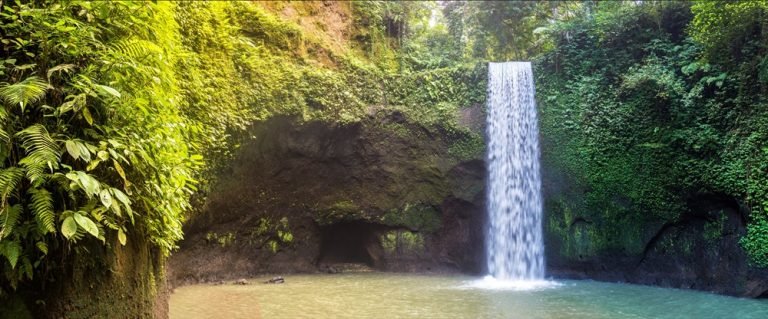
- Taman Beji Griya (Central): A waterfall temple where sacred spring rites still happen. Listen for the fall of water and smell the cool stone.
- Pura Batu Karu (North): A cliff-top sanctuary with wide sea views, a real standout among underrated temples in Bali.
- Small Cliffside Temple (West): A hidden coastal shrine that glows at sunset. Bring a light jacket for the breeze.
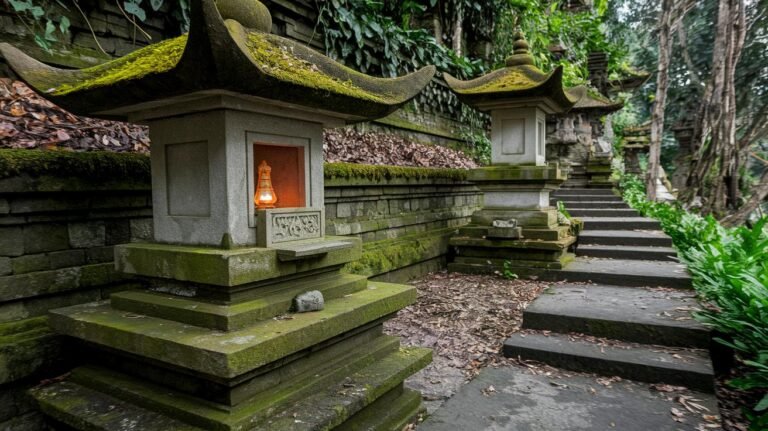
- Pura Batu Lumbung (West): A forest temple beside waterfall trails, mossy steps and frangipani (sweet-scented flowers) along the path.
Visit at dawn for the softest light. Bring a sarong (temple wrap), step around offerings like canang sari (small daily baskets), and move slowly to feel each place. Ever dreamed of a quiet morning where your camera and your breath match the rhythm of the island? Pure tranquility.
East Bali’s Underrated Temple Sanctuaries
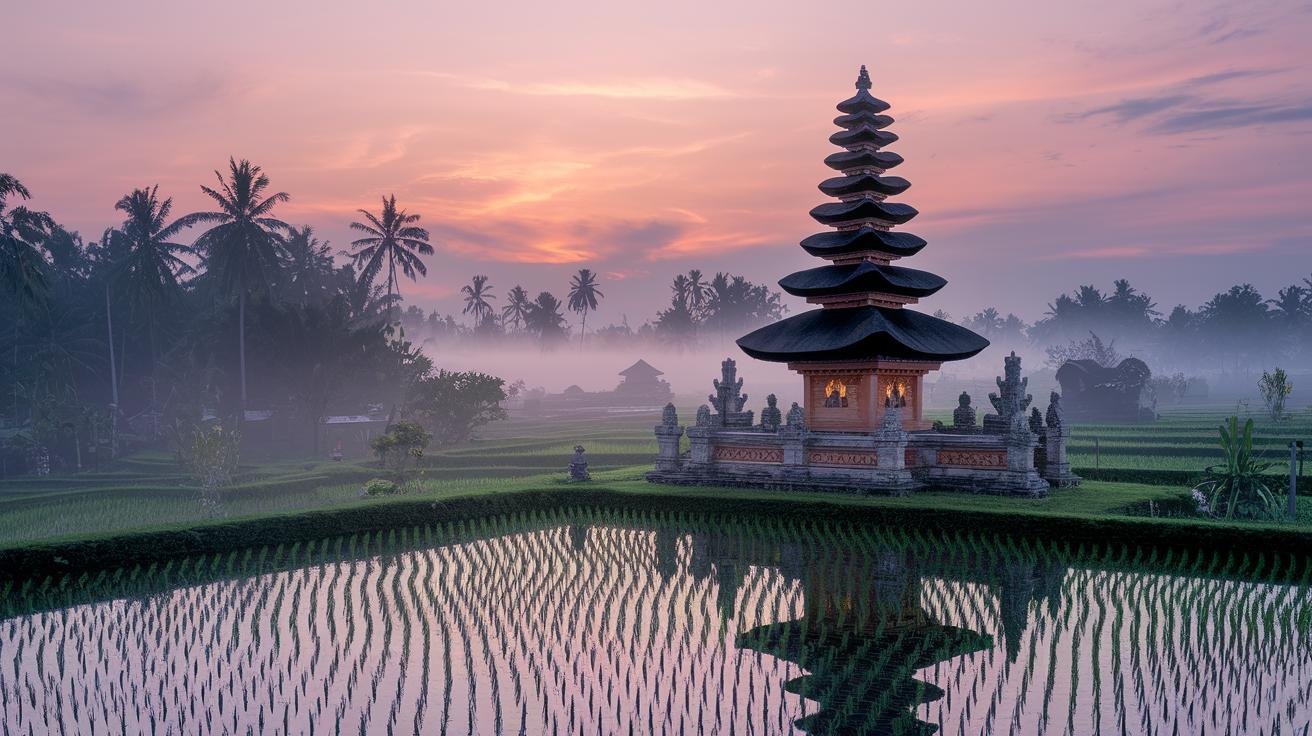
East Bali hides quiet temple sanctuaries where carved stone and rice-field life meet a salty sea breeze. They’re the kind of places made for slow mornings, soft light, and tiny temples that reward patient visitors with calm, clear photos.
Tranquility. Right here.
Pura Dalem Jagaraga
Pura Dalem Jagaraga dates to the 12th century and uses a tri-mandala (three-part temple layout) that frames each courtyard like a quiet stage. The stonework is full of carved Rangda (mythical guardian figure) faces and, delightfully odd, Dutch-colonial reliefs , think a Ford Model T and early airplanes tucked into the carvings.
You’ll find it near Kerobokan Beach, about 30 km north of Ulun Danu Beratan, and roughly an hour by car from central Ubud on mostly quiet roads. It’s open 8:00 AM to 6:00 PM and entry is free.
For photos, aim for the eastern courtyards at sunrise when the light softens the stone and the air feels cool. Keep your phone low and respectful during rituals, and slip on a sarong (temple wrap) before entering the inner compounds. The stone smells warm, the breeze is salt-kissed. Pure calm.
Pura Dalem Mendira
Pura Dalem Mendira sits surrounded by Karangasem rice terraces (stepped fields that glow emerald at sunrise). It’s a village shrine where locals come for Melukat (water purification rites), which often start around 7:00 AM.
Gates open 6:00 AM to 6:00 PM and there’s no entrance fee, though parking is small , arrive early if you’re driving. The best photos are the narrow paths threading between paddies and the shallow shrine pool just before the ritual begins. Quiet moments, soft reflections.
When you visit, bring a lightweight sarong (temple wrap) and a polite smile. Always ask before photographing worshippers. Then, after you’ve soaked in the morning, grab a strong local coffee at a nearby warung (small local café) and let the day unfold.
Central Bali’s Quiet Offbeat Underrated Temples
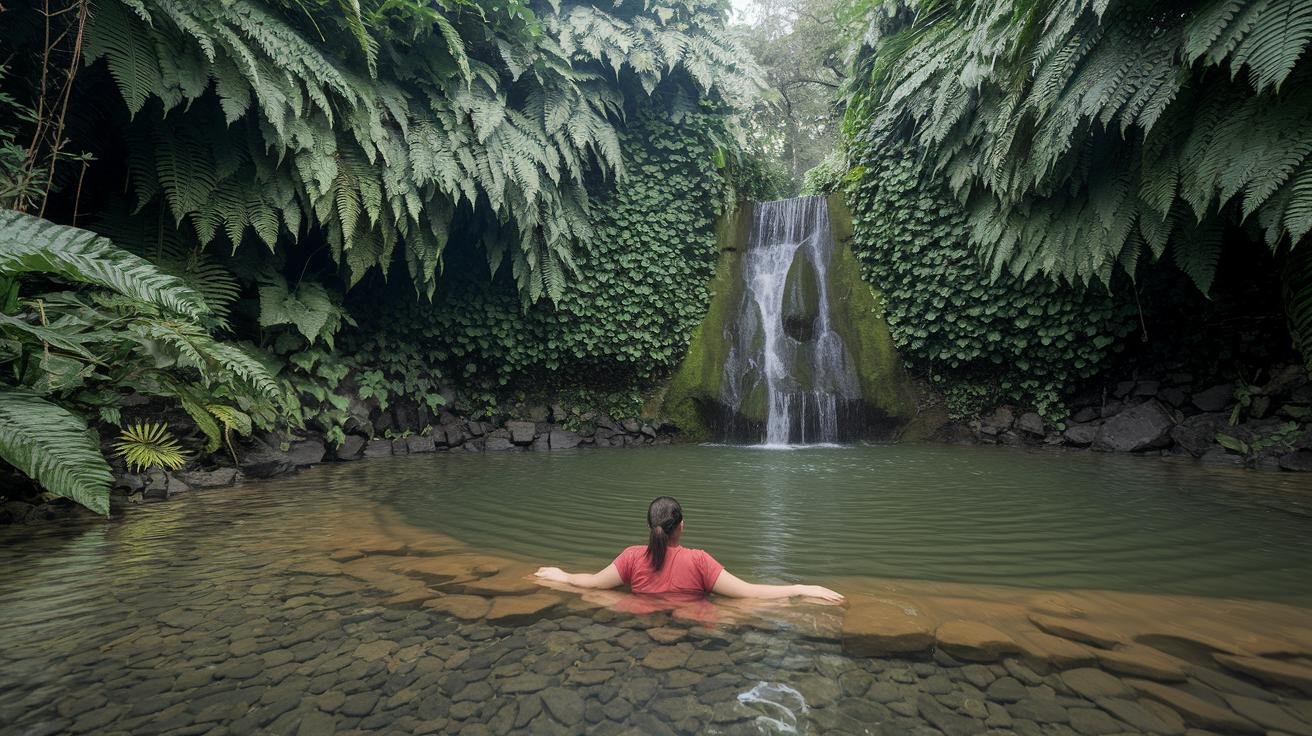
Central Bali’s lesser-known temples are all about water and soft light, perfect for slow photos and gentle reflection. These sacred shrines sit beside lakes and waterfalls, where mist kisses stone and mornings feel hushed. Pure bliss.
Pura Dalem Tamblingan perches on the shore of Lake Tamblingan (about 1,217 m / 3,993 ft). It’s open 24 hours and asks a small entrance fee, usually IDR 10–30k. Morning mist curls off the water and the best shots are the calm reflections right after first light. Try a low angle and use a polarizer to cut glare and make colors pop. Ever tried waiting in silence until the lake mirrors the temple? Magic.
Taman Beji Griya hides a 15 m waterfall and offers Melukat (water purification ritual) for visitors. It’s open from 8:00 AM to 6:00 PM. The standard visitor package is about IDR 100k and usually includes a hot drink and parking. If you want a deeper look at Ubud’s sacred water rites, consider an Ubud water temple tour that explains local meaning and timing.
Practical tips for visiting less-crowded temples and holy springs:
- Arrive before sunrise for empty temples and the softest light.
- Wear a sarong (temple wrap) and keep your shoulders covered.
- Bring quick-dry shoes for slippery paths and a waterproof bag for your gear.
- Move slowly around rituals, ask before photographing people, and follow guides’ instructions.
- Respect the space. Quiet steps and a soft voice go a long way.
Your camera will thank you. And you’ll leave feeling a little quieter, a little more grounded.
North & West Bali’s Secluded Underrated Temple Experiences
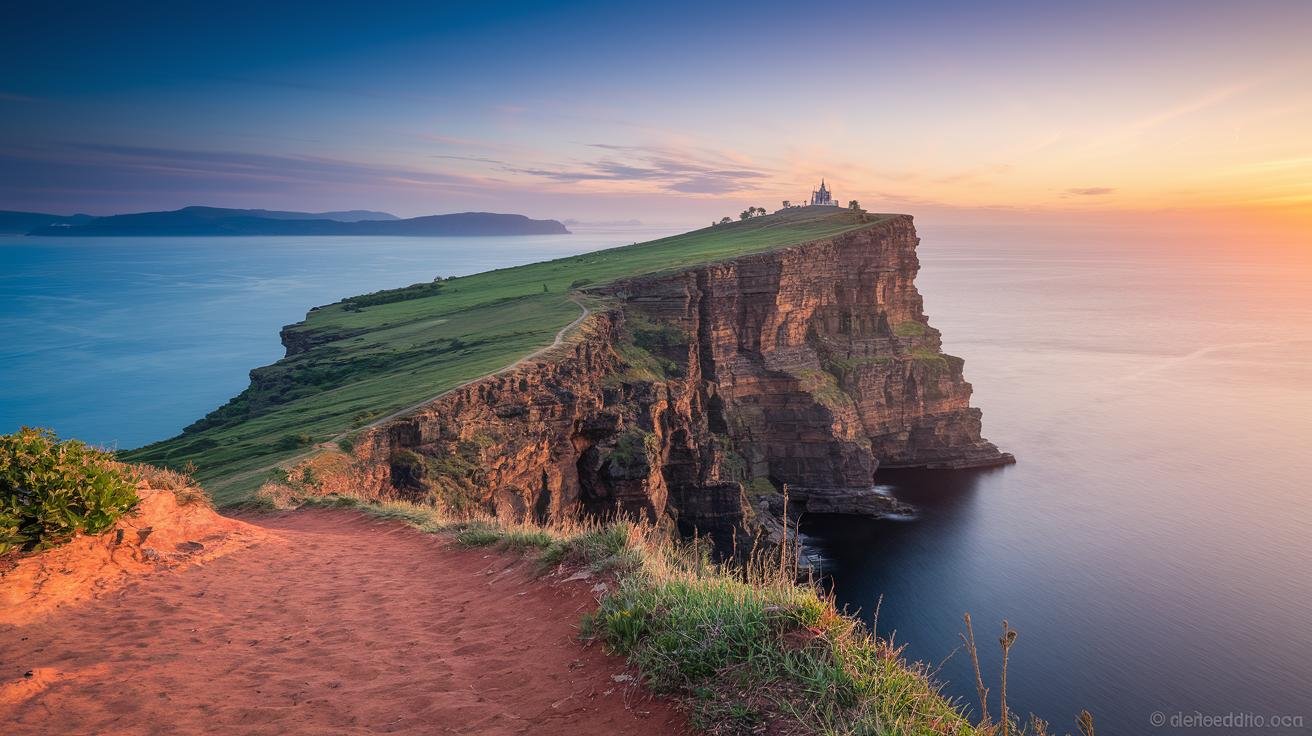
Quiet coasts and shady ridgelines hold some of Bali’s most private temple moments. If you’re poking around North Bali for lesser-known temples or scouting West Bali for hidden shrines, expect rutted tracks, short hikes, sea air, and places that reward slow walking and steady breath. Think salt on your skin, warm stone underfoot, and long quiet views.
Pura Batu Karu
Pura (Balinese temple) Batu Karu sits on a cliff above Buleleng (a coastal regency in North Bali). A rugged 45-minute hike climbs from the coastal road to the headland. Follow the footpath through village gardens and scrub brush, then pick up stone steps toward the shrine, and watch for loose rocks. It’s moderate, so steady footing helps.
Open 7:00 AM to 5:00 PM and there’s no entry fee. Sunrise gives softer light across the stonework; sunset turns the sea gold but the return path can be dark, so bring a headlamp or hire a local guide for calm. Tip: type "Pura Batu Karu, Buleleng" into your GPS and park where villagers indicate.
Small Cliffside Temple
This little windswept shrine sits down a 20-minute coastal trail. The path is narrow and rocky and parking is roadside only, so wear sturdy sandals and a light jacket, the wind can bite. Best photos are in the last half hour before sunset, when the cliffs silhouette against the sky.
There are no facilities here, so pack water and leave no trace. Pure quiet. You might be the only one there.
Pura Batu Lumbung
Pura Batu Lumbung hides under tall trees beside waterfall trails, perfect for a secret, shaded visit. The approach follows a mossy path and a singing stream (a small creek that hums over stones), especially lovely after light rains when the forest smell is rich and the stones seem to glow. It’s open dawn to dusk with no fee.
Rainy-season visits deepen the greens and thin the crowds, so you may have the whole place to yourself. Move quietly and enjoy the hush. Ever dreamed of a temple all to yourself? This is the spot.
Practical Etiquette, Transport & Timing for Bali’s Underrated Temples
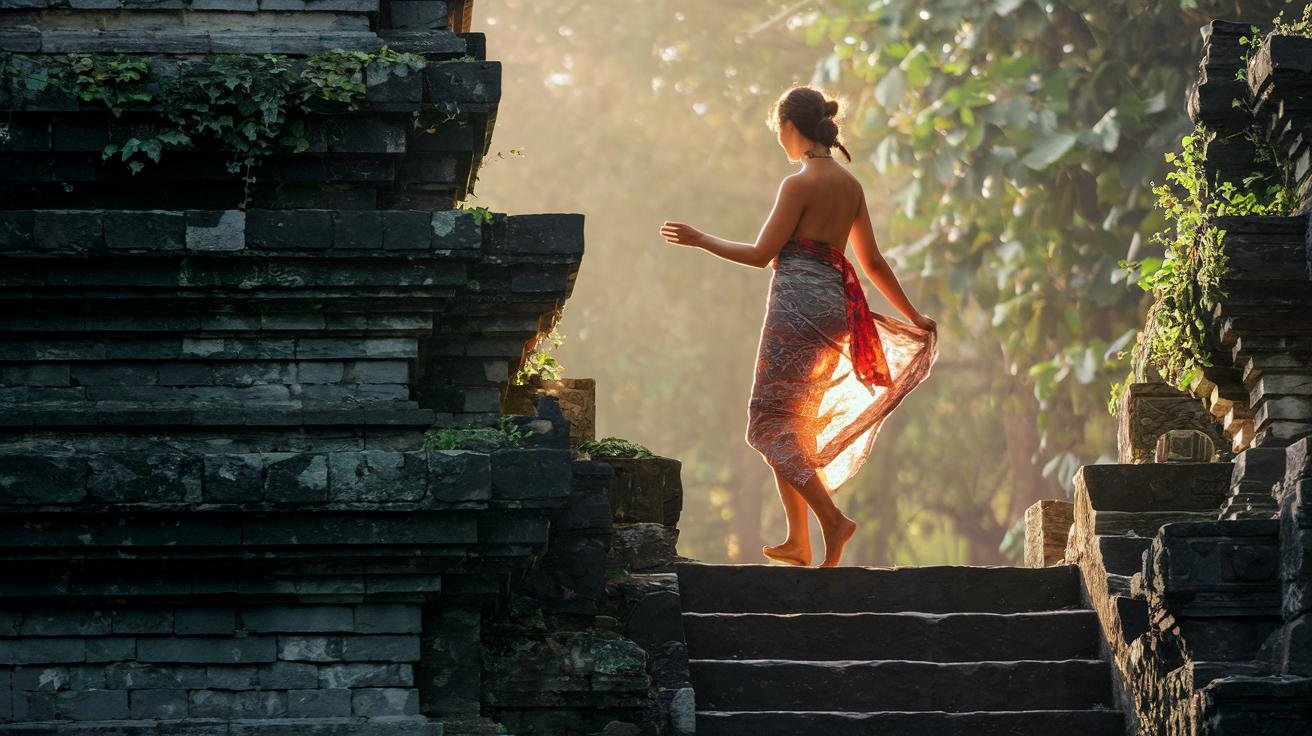
A quick, friendly cheat sheet for visiting smaller temples: what to wear, how to get there, best times to go, and simple manners that keep your visit calm and respectful. Think soft morning light, the scent of incense, and the gentle rustle of coconut palms as you walk the path.
Temple etiquette
Cover your shoulders and knees. Many inner temple compounds require a sarong (temple wrap) and sometimes a white sash (a slim belt worn over the sarong). You can rent a sarong onsite for about IDR 10–20k if you didn’t pack one.
Remove your shoes before stepping into sacred areas. Don’t touch offerings, canang sari (small Balinese offerings of flowers, rice, and incense), and always ask before photographing worshippers. Speak softly and move slowly around rituals. Pure respect.
Transport tips
Scooters are the nimble option, roughly IDR 60k per day, but only take one if you’re comfortable on narrow, winding roads and you wear a helmet. If roads are steep or you’re short on time, hire a private driver instead. Many rural shrines have limited parking and rough access, so park where villagers point and expect a short walk on uneven paths. Ask your villa to recommend a trusted rental place or driver.
Beat the crowds
Aim for 6:00–8:00 AM for quiet courtyards and the best soft light. Shoulder seasons (April–June and September–November) usually mean fewer people and kinder weather. Weekdays are generally quieter too. If there’s a temple festival or ceremony, expect larger crowds and lively rituals, very beautiful, but different.
Safety basics
Carry water, sunscreen, and a small first-aid kit. Wear shoes with grip and watch for uneven stone steps and river crossings. Stay aware on narrow roads. Learn a few Bahasa Indonesia phrases like permisi (excuse me) and terima kasih (thank you) , locals always appreciate the effort. Stay hydrated.
Sarong tips
Keep a lightweight sarong handy. It doubles as a respectful cover, a sun shade, or a picnic mat. Handy, right? You’ll use it more than you think.
A little courtesy and simple prep will make these tucked-away shrines feel calm, safe, and unforgettable. Tranquility.
Final Words
Step off the main roads into quiet courtyards. This guide points to seven shrines with carved reliefs, lakeside calm and cliff-top sunsets.
We toured East’s Pura Dalem Jagaraga and Mendira, Central’s Pura Dalem Tamblingan and Taman Beji, and North/West’s Pura Batu Karu, the cliffside shrine and Pura Batu Lumbung.
You’ll find timing, transport and etiquette tips, early mornings, sarong rentals and plenty of water make visits easy.
Quiet mornings are pure calm. Let these underrated temples in bali be a gentle highlight of your next trip.
FAQ
Frequently Asked Questions — Bali Temples
What are the most famous or must-see temples in Bali?
The most famous must-see temples in Bali are Besakih (the Mother Temple and largest complex), Tanah Lot (sea rock), Uluwatu (cliff shrine), Ulun Danu Beratan (lakeside), and Tirta Empul (holy spring).
Which Balinese temples are on the water?
Temples on the water include Tanah Lot on a coastal rock, Ulun Danu Beratan on Lake Beratan, and lakeside shrines like Pura Dalem Tamblingan for calm waterside views.
How many temples are there in Bali?
Bali has thousands of temples; estimates vary, with many village shrines, family temples and major pura complexes scattered across towns, rice fields and hills.
Which temple in Bali has fish?
Some temples have fish ponds or sit beside lakes; Ulun Danu Beratan and Lake Tamblingan temples often feature fish and tranquil waters ideal for quiet photos.
What are some underrated temples in Bali worth visiting?
Underrated temples worth visiting include Pura Dalem Jagaraga, Pura Dalem Mendira, Pura Dalem Tamblingan, Taman Beji Griya, Pura Batu Karu, a small cliffside shrine, and Pura Batu Lumbung.
What is the least touristy part of Bali and where to find quieter temples?
The least touristy parts are North and East Bali; travel to Buleleng and Karangasem for quieter temples like Pura Batu Karu and Pura Dalem Mendira amid coastal and village scenery.
Is it okay to wear red in Bali?
Wearing red in Bali is generally okay, but the priority is modesty: cover shoulders and knees, and wear a sarong and sash when visiting temple compounds or ceremonies.
Is $1,000 enough for a week in Bali?
A $1,000 budget for a week in Bali is usually enough for comfortable lodging, meals, transport and a few activities, though costs rise with luxury villas, guided tours, or peak-season travel.
Which temples are best for photos in Bali?
The best temples for photos are Tanah Lot at sunset, Uluwatu on dramatic cliffs, Ulun Danu Beratan at dawn, and quieter lakeside spots like Lake Tamblingan for reflective, misty shots.