Balinese Cuisine Guide Delicious Authentic Flavors
Think Bali is just beaches? Think again. The island’s food tells a whole different story.
Balinese cooking mixes bright heat with smoky-sweet palm sugar (made from palm sap) and the creamy comfort of coconut milk. Flavors change with every forkful, so you’ll taste something new in each bite.
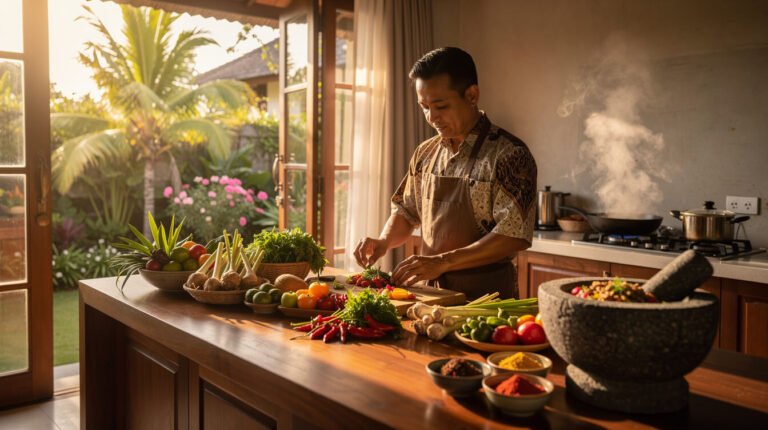
In village kitchens cooks pound turmeric, lemongrass (a citrusy stalk), and tiny fiery chilies into fragrant pastes that smell like home. You can almost feel the rhythm of the pestle.
Expect charcoal-grilled skewers with a smoky char and banana-leaf parcels (leaf parcels that lock in steam) that unfurl like little gifts. They come with simple rice plates to balance the spice. Comforting.
This guide points you to must-try dishes, easy spice pastes to try at home, and trusted warungs (local eateries) where your taste buds learn the island’s voice. Ready to taste Bali?
Balinese Food: Quick Overview of Flavors and Methods
Balinese food feels bright and bold. Sweet, spicy, and earthy flavors mingle on the plate, so each bite surprises you a little. Imagine smoky-sweet notes and creamy textures playing against fresh heat.
The cuisine leans on fresh coconut (shredded or turned into milk), lemongrass (a citrusy stalk), turmeric (a warm, golden root), and tiny Balinese chilies (very hot little peppers). You’ll taste palm sugar’s smoky sweetness (made from coconut sap) and grated coconut’s creamy lift. Sambals (spicy chile sauces) add a punch beside grilled meats and simple vegetable sides.
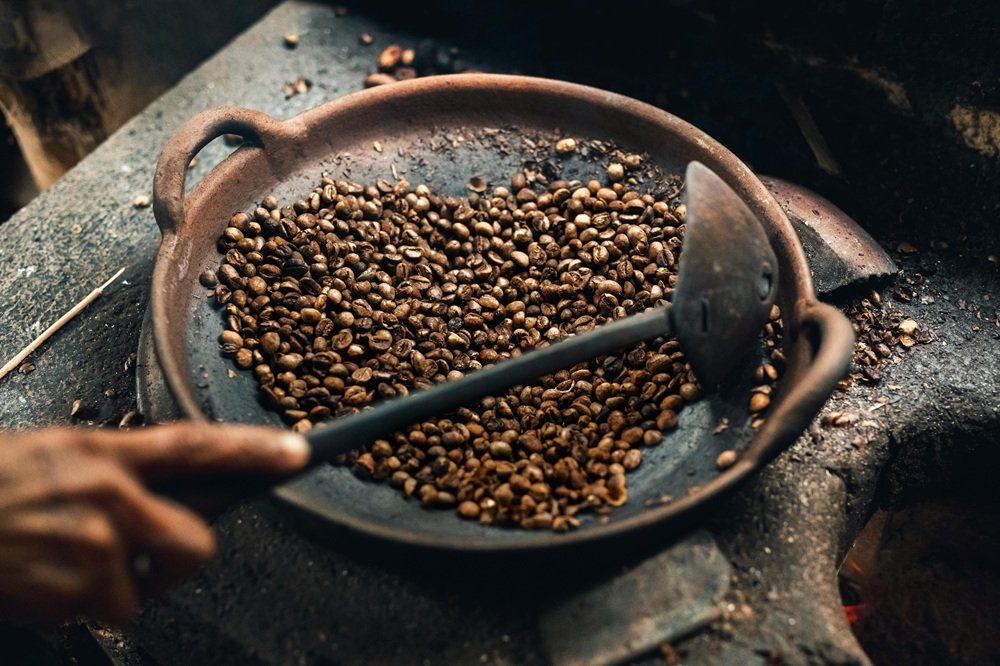
Cooking is hands-on and honest. Frying, goreng in local talk, is everywhere, and skewers are grilled over charcoal that gives food a faint smokey kiss. Lots of dishes are slow-steamed wrapped in banana leaves (leaf parcels that lock in steam), which keeps flavors gentle and bright. Clay pots hold steady heat, and mortar-and-pestle pastes release those warm, fragrant roots and seeds. Pure bliss.
That Balinese balance, heat, sweet, and fragrant spice, shows up whether you’re at a humble warung (small local eatery) or a leafy cafe. Ever dreamed of breakfast floating by your bedroom door? Next, you’ll want to try the signature dishes.
- Next: Signature Balinese dishes
- Next: Authentic spice paste recipes
- Next: Traditional cooking techniques
- Next: Top warungs and dining spots
Signature Balinese Cuisine Dishes: Must-Try Island Flavors
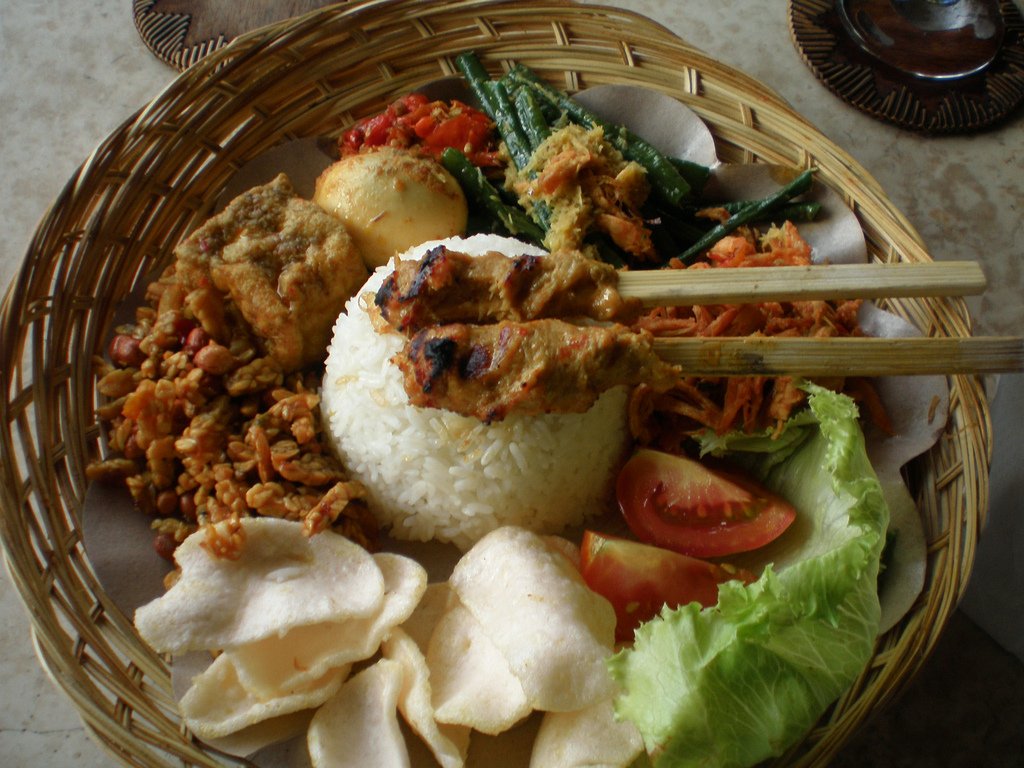
Balinese food is all about bold spice blends and simple, soulful cooking. Meals usually center on rice, with a handful of small bites that let you taste many flavors in one forkful. Expect smoky notes, crunchy textures, silky coconut, and a bright chili kick together. Pure bliss.
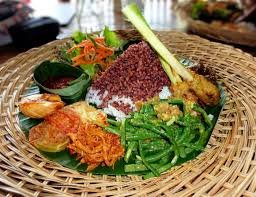
Nasi campur (mixed rice plate) is the easiest way to taste the island at once. A mound of rice with little portions of sate lilit (minced fish or pork wrapped around lemongrass sticks), tempeh (fermented soybean cake), peanuts, vegetables, and breaded chicken lets you try lots of things in one meal. You’ll usually find it served buffet-style at warungs (small local eateries) where you can sit under a fan or a frangipani tree (sweet-smelling flowering tree) and watch the day slow down.
Babi guling (Balinese spit roast) is a must for pork lovers. A whole pig is roasted with a basa gede spice mix of turmeric, garlic, lemongrass, and chiles, often finished with coconut milk and crisp crackling. Anthony Bourdain’s shout-out helped make it famous beyond the island. If you want a deeper read on the babi guling recipe and how it’s prepared, see what is babi guling: Balinese spit roast explained.
Bebek betutu (steamed duck) is a slow, fragrant celebration of spice. The duck is rubbed with a 16-spice paste and steamed until the meat is tender and perfumed, plan ahead because it can take a day to prepare. If you want something faster, bebek goreng (crispy fried duck) gives you crunchy skin, warm sambal, and plain rice.
Sate lilit shows how creative Balinese skewers can be. Made with minced fish or pork wrapped around lemongrass stalks, you’ll also find vegetable and mushroom versions at local spots. These dishes shine best at small warungs and night markets where the flavors feel honest, lively, and a little bit wild.
Authentic Balinese Cuisine Spice Blends and Pastes

Authentic spice blends are the backbone of Balinese cooking. The classic Balinese 8-spice blend, white pepper, black pepper, coriander, cumin, clove, nutmeg, sesame seed, and candlenut (a rich, creamy nut used to thicken and add body), gets ground into a fragrant base. You’ll find it in curries, on grilled meats, and folded into sticky sauces and glazes.
Fresh roots bring the mix to life. Shallots and garlic, plus greater galangal (a sharp, citrusy root), lesser galangal (peppery and a bit like radish), turmeric, and ginger. Pound them in a mortar and pestle and the oils bloom, warm and earthy. Your kitchen will smell like a market stall. Ever dreamed of breakfast with that kind of welcome?
Lawar paste is its own small world. Lawar (a Balinese chopped mix often served with rice) usually pairs toasted spice seeds with grated coconut and bright herbs. It can include minced meat or chopped vegetables. A little fermented fish paste adds deep savory notes, even if the aroma is bold. Palm sugar (a smoky, molasses-like sweetener) softens chiles and ties flavors together.
Sambal pointers, if you want true Balinese heat. Use tiny green or red Balinese chilies for sharp fire, and save the big red peppers when you want gentle sweetness. Toast the seeds for extra nuttiness and finish your sambal with a squeeze of lime. Coconut milk is everywhere here, mellowing curries, carrying spice flavors, and adding silk to sauces and desserts. Pure comfort.
Traditional Balinese Cuisine Cooking Techniques
Balinese food is all about quick hands, hot pans, and bright spice pastes that wake up every bite. Start by using coconut oil for stir-frying. It gives a sweet, nutty lift and helps vegetables stay crisp but tender. For example, “Sizzle garlic and shallots in coconut oil until the kitchen smells like a tropical morning.”
The texture of the spice paste matters as much as the ingredients. Pound spices in a mortar and pestle (a stone bowl and club for grinding) until slightly coarse. Tiny bits should cling to the sauce and vegetables. Aim for tiny flecks, not a velvet puree. Those bits hold flavor and give the sauce body. Oops, that sounded fussy. Keep it rustic.
Banana leaves (used for wrapping and plating) are softened briefly over a flame so they bend without cracking and release a faint smoky floral scent. Hold the leaf just a moment over the fire until it darkens, then bend it easily. Simple. Fragrant.
Must-have utensils for home cooks and warungs (small local eateries)
- Heavy cleaver for chopping roots and smashing spices
- Sturdy mortar and pestle for making pastes with a slightly coarse texture
- Clay pot for slow simmering and even heat
- Banana leaves and kitchen twine for wrapping and serving
- Lemongrass stalks for pressing mince in sate lilit (minced fish or meat wrapped around a stalk and grilled)
Quick tip. Press mince firmly onto a lemongrass stalk for sate lilit and grill it gently. The lemongrass steams and chars a little, giving a bright citrusy note in every bite. “Press the mix firm, grill gently, and you’ll get little bursts of lemongrass in every bite.”
Try these techniques at home and your kitchen will smell a little like Bali. Pure bliss.
Best Balinese Cuisine Warungs and Dining Spots
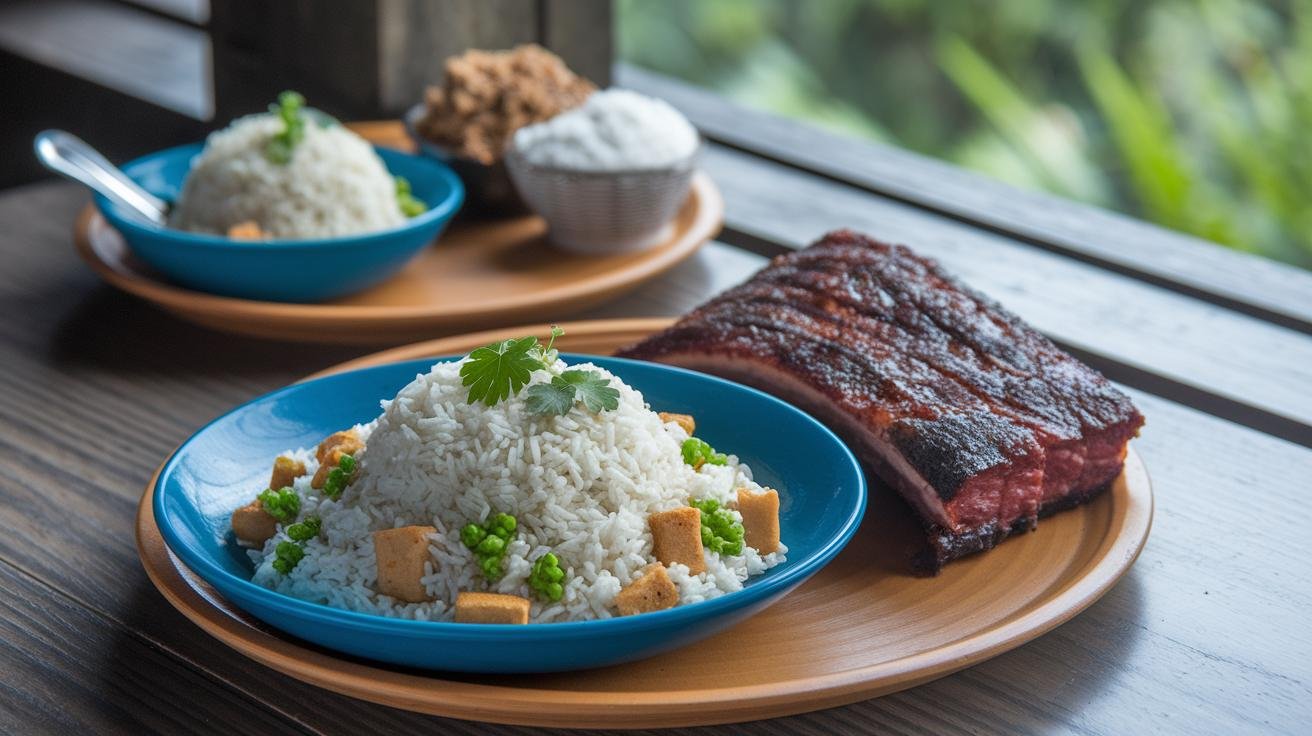
For the most honest Balinese flavors, look for small warungs (local eateries) and family-run cafes where spice pastes are made by hand and rice comes with a handful of sides. Think simple seating, generous sambal (chile condiments), and meals that arrive warm and comforting. You’ll find gems across Canggu, Seminyak, Jimbaran, and Ubud , each neighborhood has its own mood and must-try plates.
Revolver , Canggu (Jl. Nelayan No.5). Open 6 AM – 12 AM. Famous for its coffee and a surprise maple-glazed pumpkin salad that somehow sings. Great for a wake-up breakfast before the beach or a mellow brunch under shade.
Warung Sika , Canggu (Jl. Tanah Barak No.45). Budget-friendly nasi campur (mixed rice) style plates. About IDR 64,000 for two. Perfect when you want an authentic, no-frills meal where locals eat. Portions let you taste a bunch of things.
The Sloth , Canggu (Jl. Pantai Batu Mejan No.90A). Open 7 AM – 7:30 PM. A plant-forward spot serving vegan satay bowls and bright smoothie bowls. Fresh, light, satisfying.
Gron Espresso Bar & Kitchen , Tibubeneng (Jl. Raya Semat No.1). Open 8 AM – 9 PM. Stylish setting with seafood and creative meat dishes like roasted bone marrow or gyu tan don (ox tongue rice bowl). Nice for a night when you want a modern touch.
Naughty Nuri’s , Seminyak (Jalan Mertanadi No. 62). Open 11 AM – 10 PM. Legendary for barbecued pork ribs marinated with local spices and paired with bold cocktails. Lively, messy, delicious.
Chandi , Seminyak (Jl. Kayu Aya No.72). Open noon – midnight. If you plan ahead, order bebek betutu (steamed duck). The slow-spiced seasoning is worth every bite.
Sun Sun Warung , Ubud (Jl. Jembawan No.2). Open 11 AM – 9 PM. Try the blue nasi campur made with butterfly pea flowers (a bloom that turns rice a vivid blue). Humble, local, and unexpectedly beautiful on the plate.
Plant Bistro and 9 Angels , Ubud. Plant-focused kitchens with generous vegan buffets and creative local twists on classics. Handy if you’re eating plant-based and want true Balinese tastes.
Chasing street-food? Head to night markets and small warungs around temple hubs and markets. That’s where the most honest flavors live. Ever tried a late-night plate of nasi goreng (fried rice) under a frangipani tree (plumeria flower)? Pure comfort.
Balinese Cuisine Etiquette and Rituals
Meals here feel like a shared celebration. Plates and small bowls get passed around so everyone can taste a bit, the sharing-rice tradition (passing rice and little side dishes to share). You’ll often eat with your right hand when using fingers, so try it if you’re comfortable. Offer sambal (spicy chili paste) around the table so folks can add heat themselves. A quiet thank you goes a long way.
At tiny warungs (local eateries), it’s normal to point at the dishes you want or ask the server. If elders are present, wait a moment, they usually begin first. When you’re invited into a home or a temple feast, dress modestly and slip off your shoes where asked. And please don’t touch or move canang sari (small woven offerings placed as prayers); they’re sacred, not snacks.
During festivals like Galungan and Kuningan (major Balinese Hindu holidays), homes fill with the warm scent of turmeric and roasted coconut and families set out special rice cakes and vegetable dishes as offerings. Food-blessing ceremonies happen for births, weddings, and temple days. Guests are often invited to eat only after the blessing, so accept with a soft “thank you” and a smile.
Respect and sharing make every meal feel personal. Pure warmth.
Vegetarian and Vegan Balinese Cuisine Offerings
Bali is a dream for plant-based eaters. You’ll find family-run warungs (small casual Indonesian eateries) and cozy vegan cafes serving honest, flavorful plates that feel like home. Think fresh, bright flavors and simple, comforting dishes.
Gado gado (mixed vegetables with peanut sauce, often topped with a hard-boiled egg and tofu or tempeh) is a go-to vegetarian meal. The peanut sauce is rich and slightly sweet, the veggies have a nice crunch. It usually costs under IDR 30,000 (about $2). Ever tried it with extra sambal? Game changer.
Sayur urap (steamed or blanched vegetables tossed with spiced grated coconut) is everywhere , light, fragrant, and perfect between richer dishes. Pure freshness.
Tempeh (fermented soybean cake) appears in so many forms , grilled on skewers, folded into coconut curries, or fried and dressed with sambal. The texture is nutty and satisfying, you won’t miss meat. Bubur injin (black rice porridge) is a sweet treat, and jaje snacks (traditional sweets and cakes) are often naturally gluten-free. Little wins for dessert lovers.
Markets are a feast for the eyes and nose. You’ll see piles of turmeric, galangal, lemongrass, tiny Balinese chilies, and local greens like kangkung (water spinach) that lift simple dishes into something special. The scent of lemongrass in the morning , lovely.
Plant-based warung finds
- The Sloth , Canggu: bright vegan bowls and satay-style plates in a relaxed spot.
- Plant Bistro , Ubud: leafy dining with creative vegan mains and generous portions.
- 9 Angels , Ubud: budget-friendly vegan buffet where you can sample lots of small plates.
Most warungs are happy to leave out egg or fish sauce if you ask. Plant-based plates often cost less than $5, so you can taste a bunch without breaking the bank. Your tastebuds will thank you.
Balinese Cuisine Guide to Home Cooking: Sample Recipes
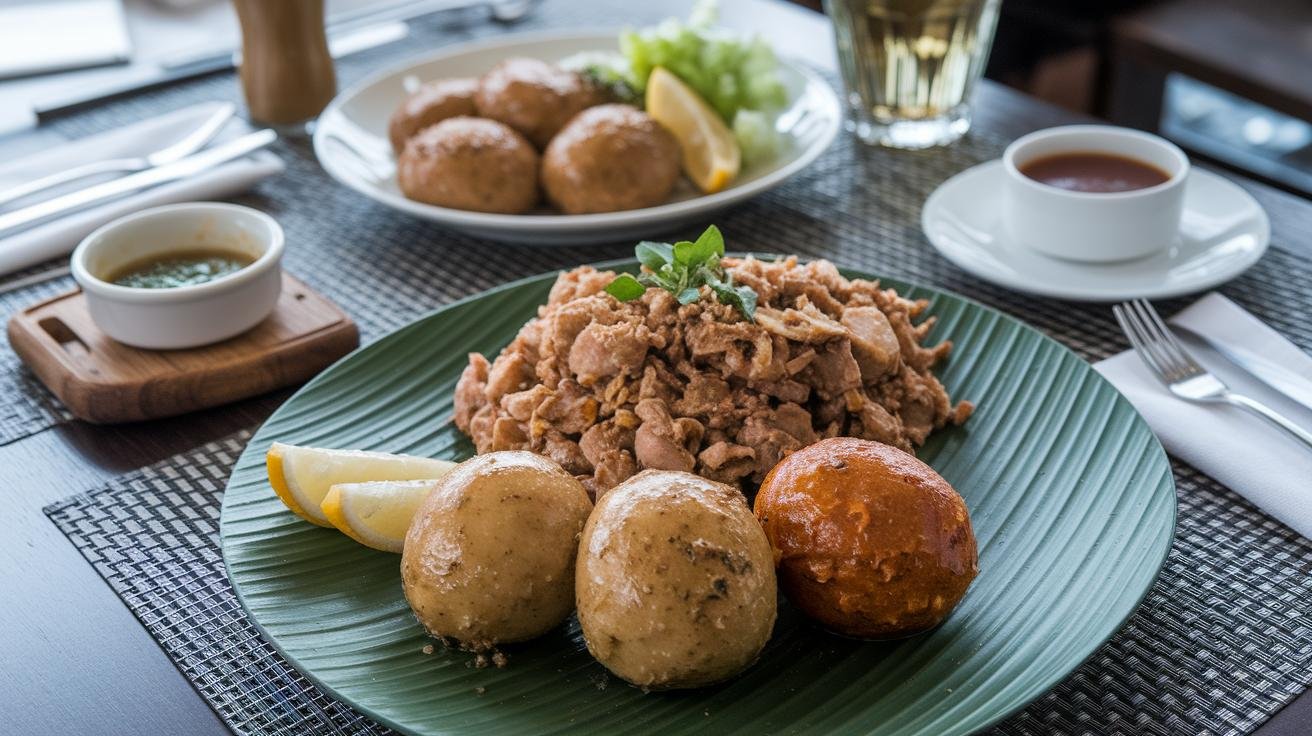
Bebek betutu (home method)
Slow-steamed Balinese duck with a rich, aromatic spice paste. Fun fact: Bebek betutu was once made for temple offerings and steamed until the meat fell off the bone. Imagine that gentle, spiced steam filling your kitchen.
Ingredients
- 1 whole duck (3–4 lbs), trimmed
- 8 shallots, peeled
- 6 garlic cloves
- 2 inches galangal, peeled (a root similar to ginger, with a citrusy, piney flavor)
- 2 inches fresh turmeric, peeled (or 1 tsp ground turmeric)
- 4 candlenuts (or 4 macadamia nuts or blanched almonds as a stand-in) (candlenuts add creaminess to Indonesian pastes)
- 6–8 small red chilies, adjust to taste
- 2 stalks lemongrass (white part only) (crush for fragrance)
- 1 tsp toasted ground coriander
- 1 tsp salt
- 2 tbsp coconut oil or neutral oil (for the paste)
- 1 cup coconut milk
Prep & cook time
- Prep: 30 minutes, plus 2–12 hours marinating
- Cook: 4–6 hours in the oven for a slow roast, or 8–12 hours if you steam-wrap it the traditional way
Equipment notes
- Oven method: use a large Dutch oven or roasting pan with a tight lid.
- Stovetop/steamer: use a big pot and a steam basket; wrap the bird in banana leaf (used for steaming and added aroma) or heavy foil to hold moisture.
- Banana-leaf alternative: layer heavy-duty foil with a piece of parchment to keep juices in.
Steps
- Make the spice paste. Blend shallots, garlic, galangal, turmeric, candlenuts (or substitute), chilies, lemongrass, toasted coriander, salt, and 2 tbsp oil to a coarse paste. The aroma will be instantly tropical.
- Massage half the paste under the duck skin, then rub the rest all over the bird. Tuck extra lemongrass into the cavity. Marinate 2 hours or overnight in the fridge.
- Wrap the duck in banana leaf or foil and place it in your Dutch oven. Pour coconut milk into the pan around the bird, not over it, to keep things moist. Cover tightly.
- Oven slow-roast at 300°F (150°C) for 4–6 hours until the meat is tender. Or for a deeper, old-world flavor, steam-wrap and cook for 8–12 hours. The kitchen will smell divine.
- Let it rest 15 minutes, then shred or carve. Serve with a simple sambal (chili paste) or a salted-egg salad for contrast.
Full step-by-step recipe at: https://villaamrita.com/?p=7542
Babi guling (home roast, simplified)
A spiced Balinese roast pork simplified for the home kitchen. Think crisp skin and fragrant, turmeric-scented meat.
Ingredients
- 4–5 lb pork shoulder or loin
- 8 garlic cloves
- 2 inches fresh turmeric (or 1 tsp ground turmeric)
- 2 stalks lemongrass (white parts)
- 1 tsp black pepper
- 1 tbsp roasted coriander powder
- 2 tsp salt
- 1 cup coconut milk
- 1–2 tbsp lime juice
Prep & cook time
- Prep: 30–60 minutes, plus 4–24 hours marinating
- Cook: 3–4 hours slow-roast in the oven
Equipment notes
- No spit? No problem. Use a roasting rack in a pan to catch drippings.
- For crackling skin, finish under a high broil for a few minutes while watching closely.
Steps
- Blend garlic, turmeric, lemongrass, pepper, roasted coriander, and salt into a fragrant paste.
- Rub the paste under the skin and into small slits across the roast. Marinate for at least 4 hours or overnight.
- Roast at 325°F (160°C) for 2–3 hours. In the last hour baste with coconut milk to keep the meat silky.
- Turn up the heat or broil briefly to crisp the skin, watching so it doesn’t burn. Rest 10–15 minutes before slicing. Pure bliss.
Urap salad (spiced grated-coconut salad)
A bright, textured salad of grated coconut and steamed greens. Fresh, tangy, and perfect as a side.
Ingredients
- 2 cups grated fresh coconut (unsweetened)
- 2 cups mixed steamed greens (kangkong/water spinach, green beans, spinach) (kangkong is a leafy water vegetable common in Southeast Asia)
- 2 red chiles, finely chopped
- Juice of 1 small lime
- 1 tsp palm sugar (or brown sugar)
Prep & cook time
- Prep: 10 minutes
- Cook: 5 minutes to steam the vegetables
Equipment notes
- For a nuttier flavor, toast the coconut briefly in a dry pan until just golden.
Steps
- Steam greens until just tender, then shock in cold water and drain very well.
- Mix grated coconut with chopped chiles, lime juice, and palm sugar. Taste and add salt if needed.
- Toss the cooled greens with the coconut mix and serve at room temperature.
Quick homemade sauce tips (proportions and swaps)
- Chunky peanut sauce – 1 cup roasted peanuts, 2 garlic cloves, 1 inch ginger, 1 small red chili, 1/2 cup coconut milk, 1 tbsp tamarind (or 1 tbsp lime juice), 1 tbsp palm sugar (or brown sugar), 1/2 tsp salt. Pulse so you keep tiny bits for texture.
- Roasting peanuts – oven at 350°F for 8–10 minutes, stir once; or use a medium pan on the stove for 6–8 minutes, shaking until golden. Cool before blending to keep them crunchy.
- Candlenut swap – use macadamia nuts or blanched almonds 1:1 by weight. They add creaminess without the slight bitterness of candlenuts.
- Fermented fish paste alternatives – try 1/2 tsp anchovy paste, or 1 tsp miso plus 1/2 tsp soy sauce for umami if you avoid fermented fish. Start light and taste as you go.
- Balancing sweet and heat – begin with 1 tbsp palm sugar per cup of sauce base, then add 1 tsp at a time. A little goes a long way.
- Texture control – loosen thick paste with coconut milk, 1 tbsp at a time, until the sauce coats the back of a spoon.
Cooking tips and little comforts
- Small prep step: brown the paste briefly in a pan with a splash of oil to deepen the flavor.
- Want more fragrance? Add torn kaffir lime leaves or a splash of lime juice at the end.
- Ever dreamed of hosting a Balinese feast at home? Start with these dishes and a chilled bottle of something crisp. You’ll be surprised how easily the flavors come together.
Enjoy the cooking. And if you try the duck, tell us how that spice-crumbled, tender meat makes your kitchen smell.
Final Words
Savoring the island’s aromas, you’ve jumped from quick flavor notes to signature plates, spice pastes, traditional methods and local warungs (open-air eateries).
We highlighted nasi campur, babi guling and bebek betutu, explained the Balinese eight-spice blends, and showed simple tools like clay pots and banana leaves.
Try a recipe, visit a favorite spot, or bring the spices home, it’s all approachable and deeply satisfying.
Keep this balinese cuisine guide close and let each meal be a small island celebration.
FAQ
Frequently Asked Questions — Balinese Cuisine
What are signature Balinese dishes and must-try island flavors?
Signature Balinese dishes include nasi campur (mixed-rice plate), babi guling (spit-roast pork), bebek betutu (spiced steamed duck), sate lilit (minced satay), lawar (coconut salad), and bebek goreng (crispy fried duck).
What recipes does a Balinese cuisine guide include?
A Balinese cuisine guide’s recipes include spice pastes, sambals, sate lilit, urap salad (vegetables with spiced coconut), plus overviews of babi guling and bebek betutu and tips for grilling, frying, and steaming.
Can vegetarians eat well in Bali?
Vegetarians in Bali can eat well with gado gado (mixed vegetables with peanut sauce), sayur urap (vegetables with grated coconut), tempeh dishes, bubur injin (black rice porridge), and many dedicated vegan warungs.
What are the essential Balinese spice blends and pastes?
The essential Balinese spice blends include the eight-spice mix (pepper, coriander, cumin, clove, nutmeg, sesame, candlenut), plus galangal, turmeric, shallots, palm sugar, and fermented fish paste for lawar and sambals.
How are traditional Balinese cooking techniques performed?
Traditional Balinese cooking techniques use stir-frying in coconut oil, charcoal grilling, slow steaming in banana leaves or clay pots, and pounding spice pastes with a mortar-and-pestle for rich, layered flavors.
Where can I find authentic Balinese food—top warungs and dining spots?
Top spots for authentic Balinese food include Revolver and Warung Sika (Canggu), Naughty Nuri’s and Chandi (Seminyak), Sun Sun Warung and Plant Bistro (Ubud), plus Jimbaran seafood stalls.
Can I cook Balinese dishes at home and which recipes are approachable?
Home cooks can make approachable Balinese dishes like urap, gado gado, sate lilit, and sambal; reserve bebek betutu or babi guling for a weekend project and grind fresh spices with a mortar-and-pestle.