Bali Traditional Clothes Elegant Cultural Styles
Can a sash and a single knot hold centuries of meaning?
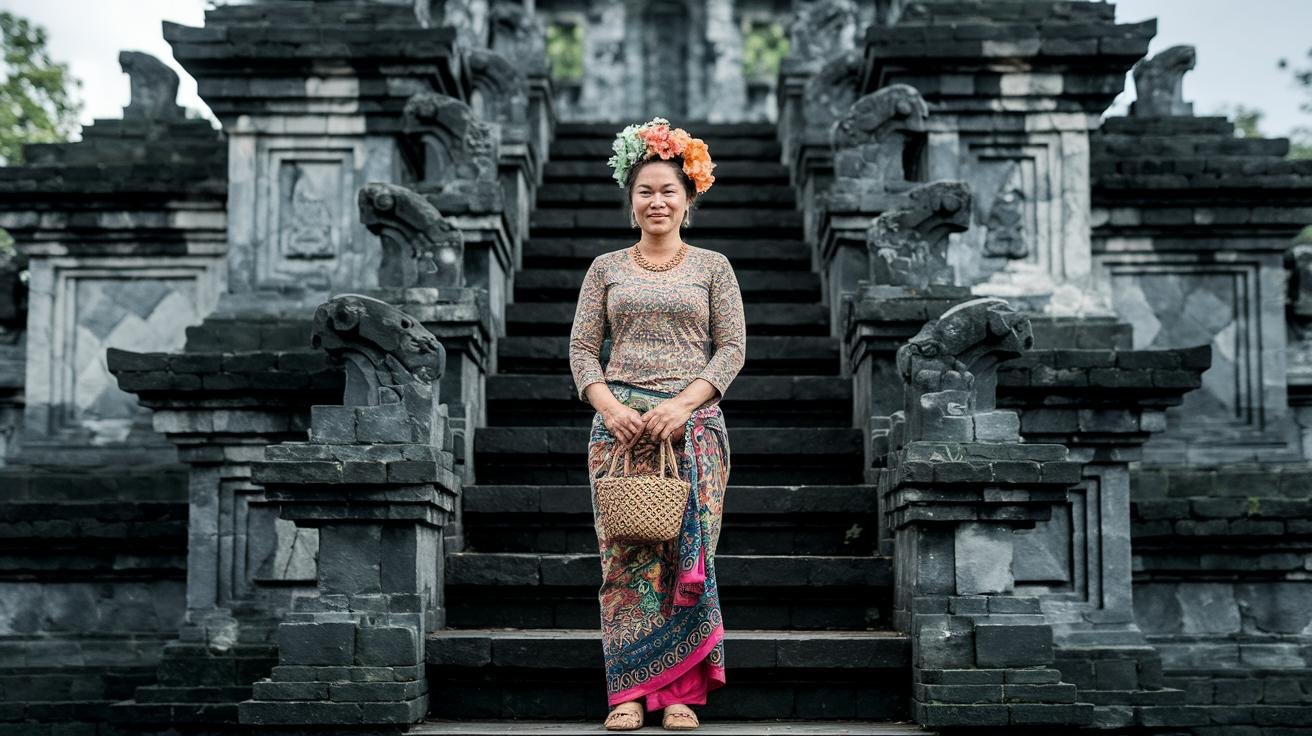
In Bali, traditional dress does just that. The kebaya (a close-fitting blouse), the kamen (a wrapped tube skirt), the prada belt (an ornamental sash), and the udeng (a folded headscarf with a centered knot) quietly mark moments of prayer, celebration, and dance.
We’ll walk through how a simple cut, a chosen color, the way a knot sits, or the soft rustle of fabric can turn everyday cloth into a gentle statement of role, faith, and care for the island. Ever notice how a fold can say more than a word?
I still remember seeing an udeng tied before a temple ceremony, the centered knot felt like a promise. Pure meaning.
Key Components of Bali Traditional Clothes
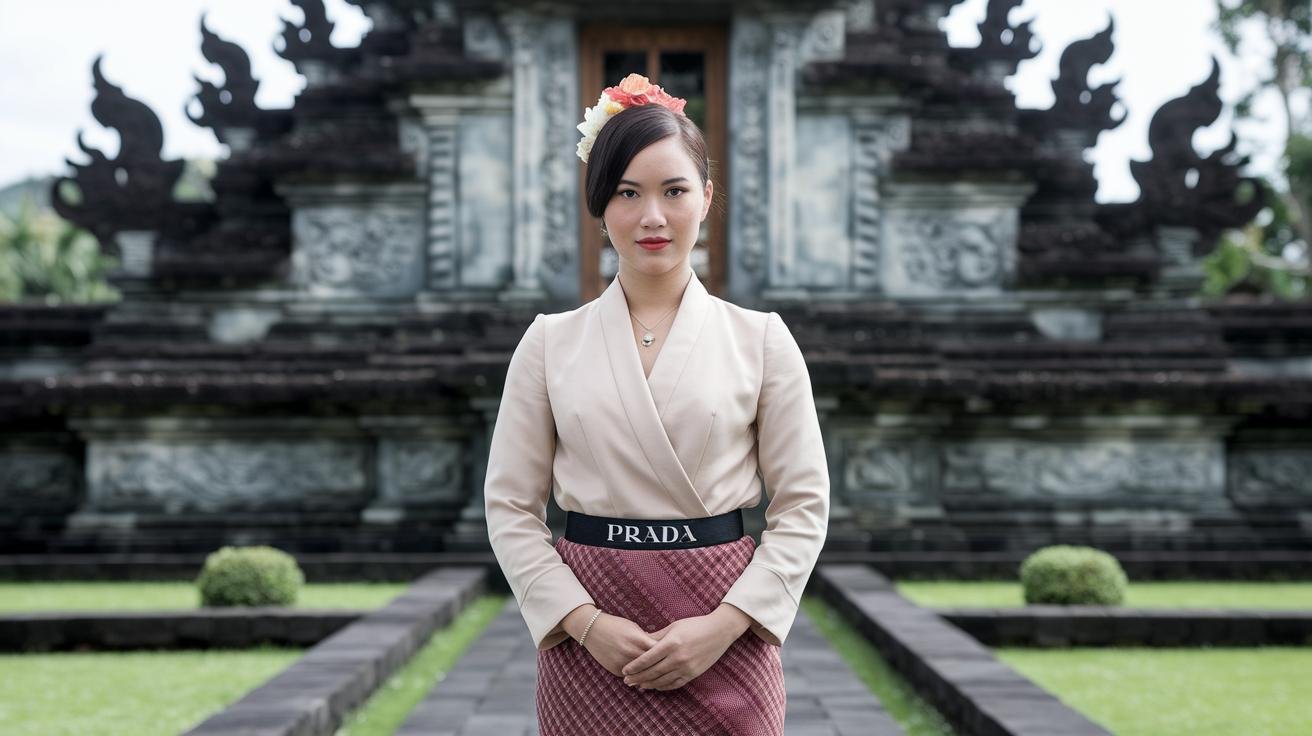
Bali traditional dress centers on four pieces: the kebaya (a close-fitting blouse), the kamen (a cloth wrap like a tube skirt), the prada belt (an ornamental sash at the waist), and the udeng headgear (a folded headscarf with a centered knot). Each piece has a simple shape and a clear purpose, everyday modest wear, temple prayers, wedding blessings, or dance identity.
The kebaya fits close to the body and ties the look together. For ceremonies it can be lace or finely embroidered, soft against the skin and detailed like jewelry. Daily kebayas stay light and breathable, often cotton or thin brocade so you move easily.
The kamen is a length of fabric folded and tucked to form a neat sarong. Both women and men wear it for modesty during prayer and public life. Picture the fabric’s gentle rustle as you walk, practical and graceful.
The prada belt sits at the waist as decoration and a quiet symbol of protection. It can be simple cloth or richly ornamented for special events. Subtle, yes, but it marks intention and place.
And the udeng? It’s a folded headscarf tied with a small knot that signals focus and role. Ever wondered how a single knot can mean “I’m at the temple” or “I’m part of the ceremony”? That’s the udeng.
Together these pieces make up traditional Balinese attire: practical, spiritual, and crafted by local hands. They tell a story at a glance, who’s praying, who’s married, who’s performing, and hold the island’s care in every stitch.
Symbolism and Cultural Significance of Bali Traditional Clothes
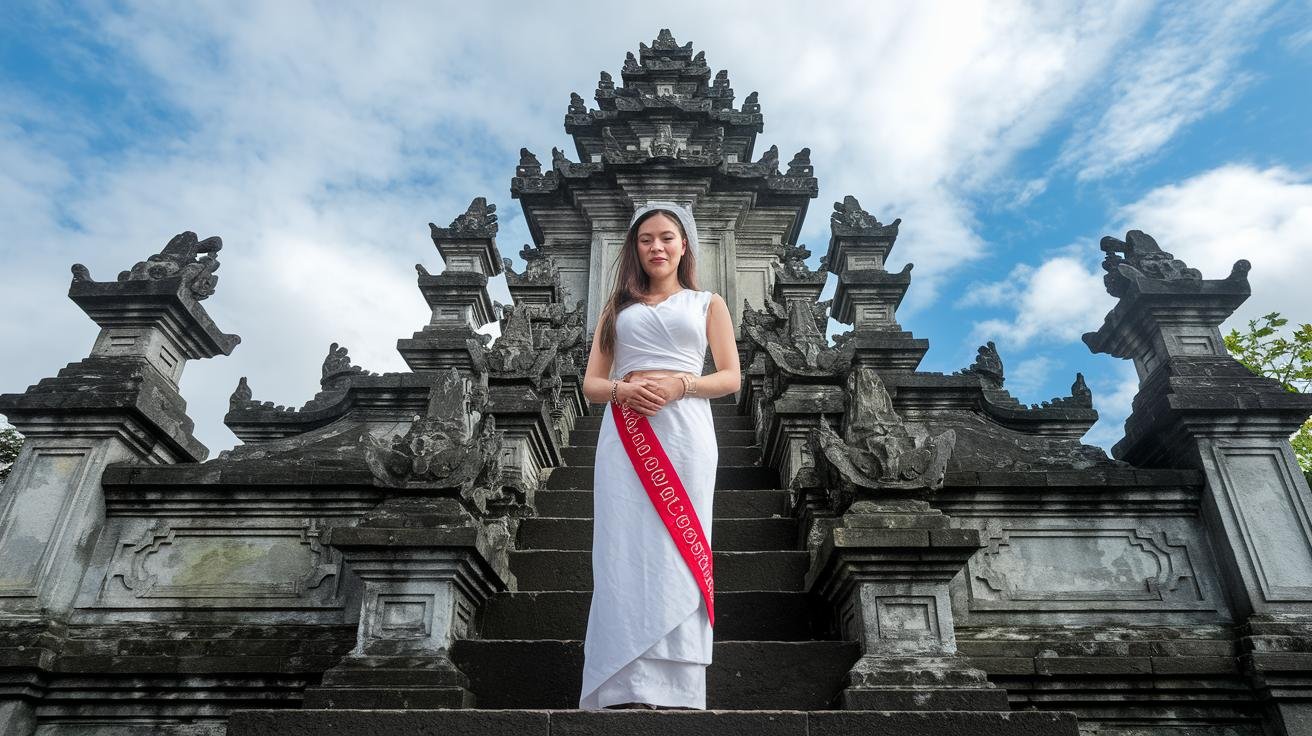
Bali’s Nawasanga color wheel (a nine-color set used in ceremonial dress) threads meaning through every fold. White stands for purity. Yellow signals prosperity. Brown, purple, and red mark special days. Black is for mourning. Imagine each color like a note in a melody played during a ceremony.
For a temple visit, dress simply and respectfully. Cover your shoulders and knees, wear a sarong (wrap skirt) and a sash (waist tie), and keep everything neat. Think of this as a ceremony attire guide for spiritual cleanliness. And, tradition holds that women on their period or anyone with open wounds do not enter sacred shrines. It’s a gentle rule meant to protect the sacred space.
Respect shows up in small gestures. Keep your kamen (waist wrap) smooth and wrinkle-free. Never step over or on Canang Sari (small palm-leaf offerings). Give priests room during rituals and move quietly. These acts honor the gods and ancestors and let the ceremony breathe.
A quick note on poleng cloth (black-and-white checked fabric): it marks balance between good and bad. You’ll see it wrapped around trees, statues, and used in offerings. The checks flutter in the breeze like a quiet reminder of balance.
Follow the ceremony attire guide and you’ll blend in with care and calm. Tranquility. Ever wondered what it feels like to enter a temple and notice every color and cloth speaking its own quiet language? You’ll feel it right away.
Bali Traditional Clothes for Special Occasions and Ceremonies
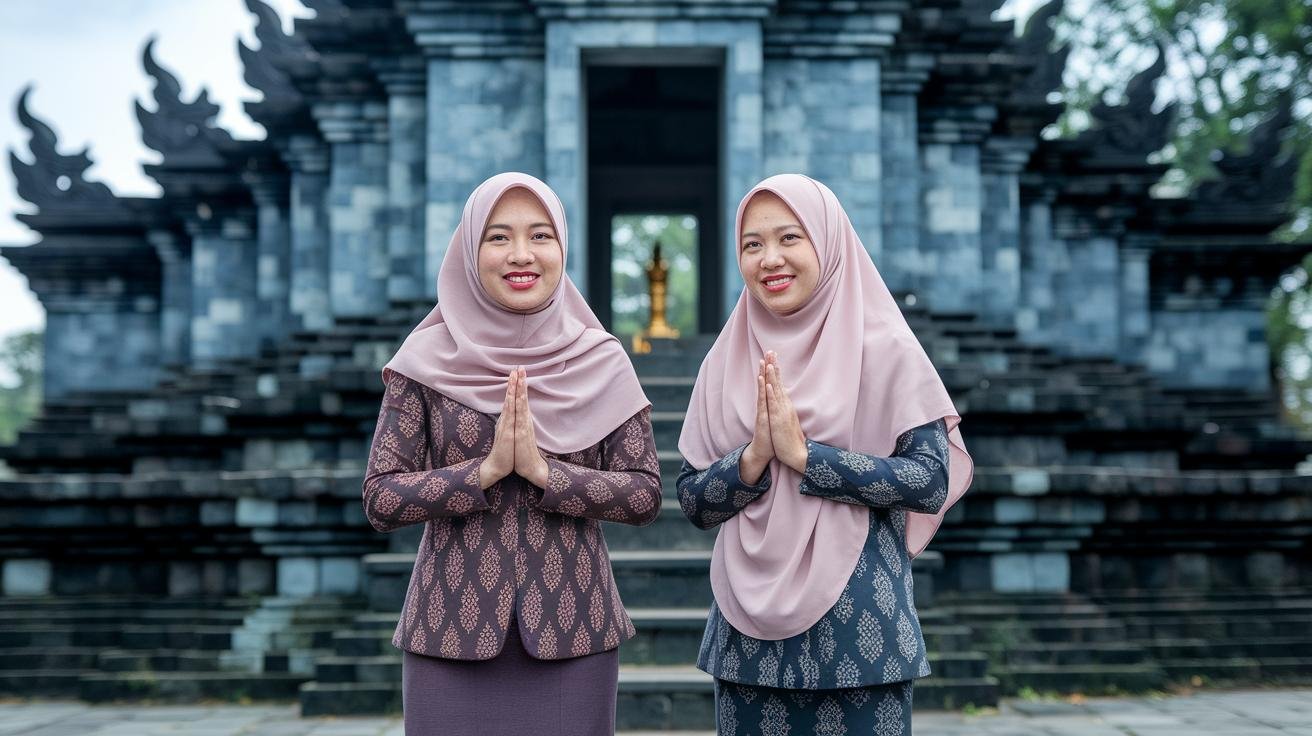
Madya (ceremonial) pieces lift fabric, ornament, and meaning above everyday Nista (daily) wear. Madya outfits use heavier songket (handwoven brocade with gold threads) and richer motifs, extra gilt, layered draping, and ritual flowers. Think weight, shine, and intentional detail. See "Key Components" and "Symbolism and Cultural Significance" for general etiquette and the Nawasanga color meanings (Nawasanga refers to the nine sacred directional colors).
Weddings go all in. Songket signals status and family ties, while gilded belts and jewelry catch the light in photos and on stage. The Gelungan Payas crown (a tall ceremonial crown) rises about 40 cm and can weigh roughly 3 to 4 kg. It’s built on a woven frame, covered in gold prada (gilding) and floral pins, and usually sits on a padded bun so the wearer can move yet stay steady. The crown sits like a small temple atop her head, heavy, gleaming, sacred.
Odalan sets are an amplified version of Madya for temple anniversaries. Expect dense gold embroidery, abundant fresh flowers, and many layers of cloth to honor ancestors during the ceremony. Nyepi calls for quiet white: a plain kebaya (blouse) and a simple kamen (wrap) with minimal jewelry to keep the focus inward. Simple. Respectful.
Legong costumes sparkle with bright songket, elaborate gilded headpieces, and stitched mirrors that catch stage light. Every step sends fabric into motion, and the dancers’ gestures make the gold wink like sun on water. Barong uses carved masks, layered endek (ikat) fabrics, textured fur, and added weight so the costume feels like a living spirit. Often more than one performer brings the Barong to life.
Ever wondered what to expect at a ceremony? Here’s a quick guide to help you picture each look.
| Occasion | Attire Features |
|---|---|
| Weddings | Rich songket (gold-thread brocade), gilded belts and jewelry, Gelungan Payas crown about 40 cm and 3–4 kg, padded base for wearability. |
| Legong Dance | Bright songket, elaborate gilded headpieces, stitched mirrors and gilt detailing to enhance movement and stage presence. |
| Barong Dance | Carved masks, layered endek (ikat) fabrics, textured fur and added weight to embody the spirit-beast; often multiple performers. |
| Odalan / Nyepi | Odalan: richer Madya sets with gold embroidery and many flowers. Nyepi: modest white dress, simple layers, minimal adornment for inward focus. |
How to Wear and Style Bali Traditional Clothes
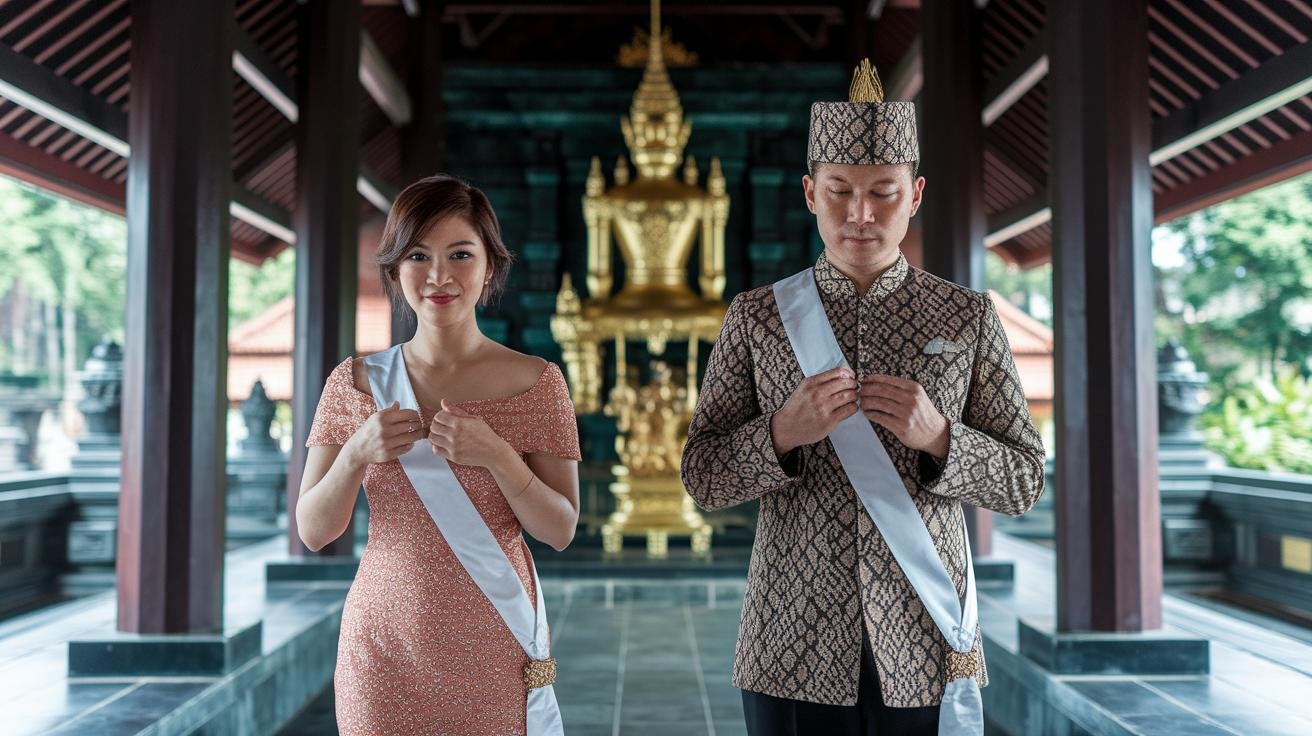
Putting on Bali traditional clothes is part ritual, part comfort. Think of it as dressing with care and a little ceremony, so the outfit looks beautiful and feels like yours.
-
Wrap the kamen (a wrapped skirt) first. Women wrap right to left to show acceptance. Men wrap left to right to show strength. Tuck the hem about an inch above the ankle or follow local custom, and smooth any folds so the fabric lies clean and flat against your skin.
-
Fasten the prada belt (waist belt) around your waist to hold the kamen in place. Pull it snug but not tight so you can breathe and move. This little belt is part sash, part symbol.
-
Put on the kebaya (a fitted blouse) over the belt, easing the fabric down and smoothing any creases. Adjust it so the shoulders sit comfortably and the waist does not bunch. A tidy silhouette looks elegant and feels easy.
-
Tie the udeng (men’s headcloth) with care. Fold the right edge higher than the left, place the central knot at the forehead, and tuck the outer edge up so it frames the face. Give a gentle nod to make sure it stays put and enjoy the cool fabric against your brow.
-
Finish with a sash (temple sash) for temple visits or formal events. Wrap, cross, and knot at the side or front, then press the fabric flat for modest coverage and neat lines. Your look should feel balanced and respectful.
Once you’re dressed, move around, sit, walk, bend, so hems stay in place and nothing pinches. If you’re renting an outfit, ask the staff to help tuck the kamen and tie the udeng. Little adjustments make the whole outfit feel like it was made just for you.
Where to Buy or Rent Bali Traditional Clothes
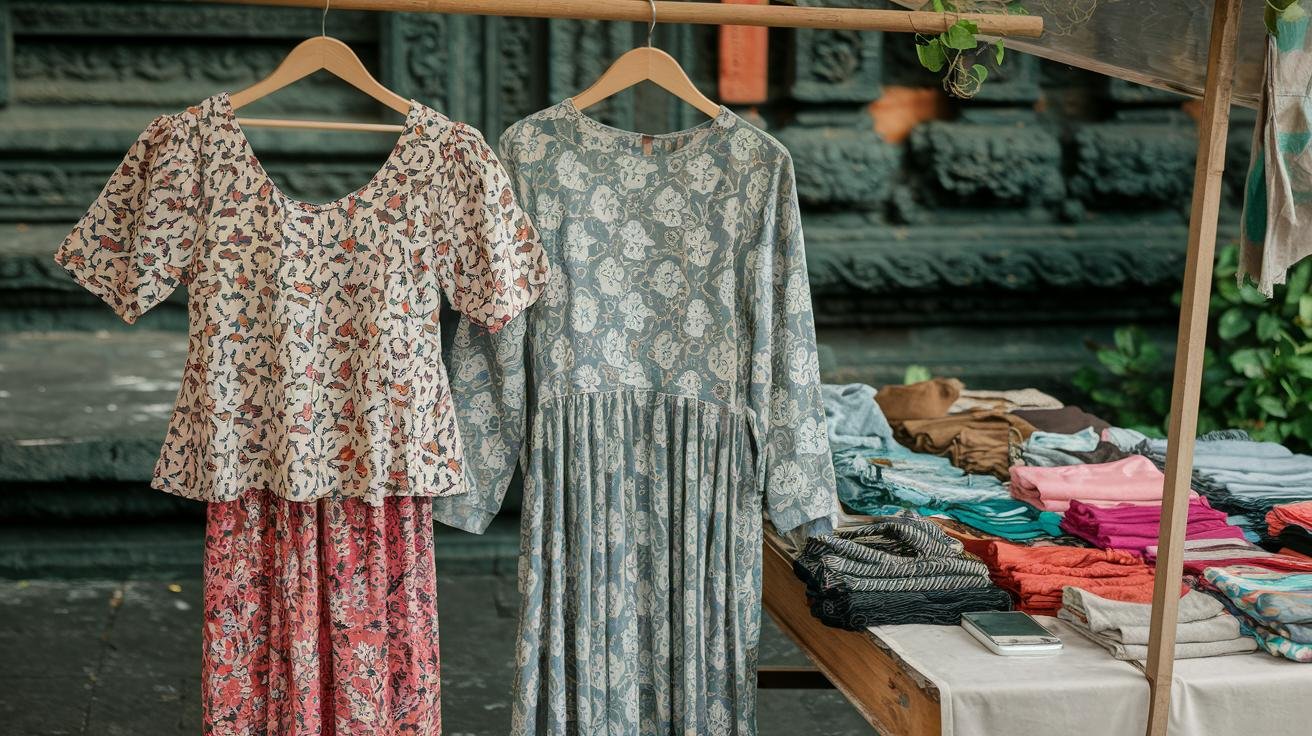
Ubud and Seminyak are the easiest places to find Balinese ceremonial clothes. You’ll see small boutiques tucked near temples and colorful market stalls selling full sets, kebaya (a delicate lace blouse), kamen (a wrapped skirt), prada belt (a decorative ceremonial belt), and udeng (a folded headcloth for men). Ever wondered what to wear to a temple ceremony? This is it.
Temples will often lend or rent sarongs (waist wraps) and sashes, but bringing your own saves a small fee and a bit of fuss. The fabrics range from soft cotton to richly woven songket (handwoven fabric with metallic threads) that catches the light.
- Rental rates near major temples like Pura Besakih and Tanah Lot: $5 to $15 per day for a complete set. Great for one ceremony or photos.
- Purchase options: simple sarongs from about $3, kebaya sets starting around $20, and songket fabrics from $30 and up.
- Staying longer or want a perfect fit? Ask about tailoring or custom fittings at Ubud textile shops for a cleaner silhouette.
Want a hand with shopping? Bring a Balinese markets guide when you head into town. Stall owners often haggle gently, and cloth quality varies by vendor.
For focused tips on Ubud stalls and what to look for, read this Ubud art market shopping guide. For practical bargaining and care pointers, see shopping ubud bali.
Short on luggage? Rent. Want to take Bali home? Buy. Simple. Pure bliss.
Fabric and Weaving Traditions Behind Bali Traditional Clothes
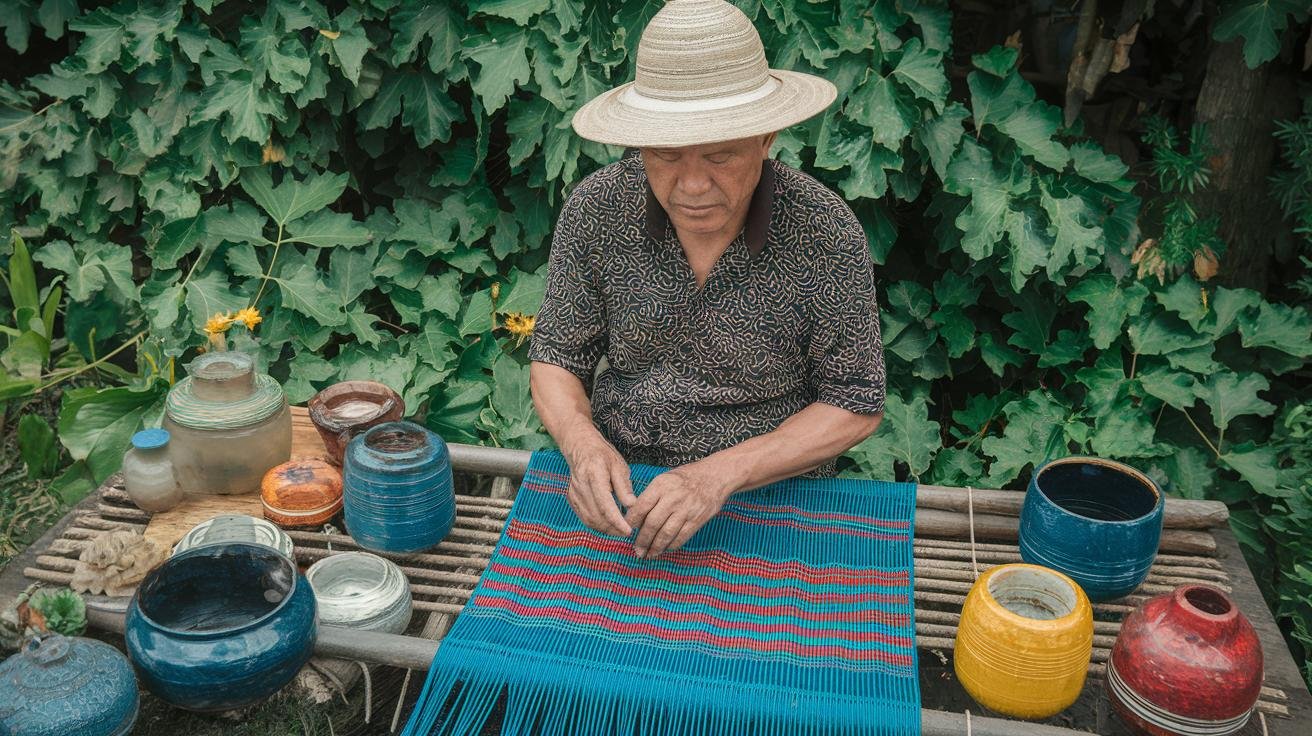
Balinese cloth-making centers on three long-loved styles: batik (wax-resist dyeing that creates delicate floral and geometric patterns), ikat (threads are tie-dyed before weaving so designs come out with a soft, blurred edge), and songket (handwoven brocade threaded with gold or silver that shimmers in the light). Each technique has its own voice: soft batik for everyday wear, ikat for local pride, and songket for celebrations.
Natural dyes still color many pieces. Mangosteen rind gives warm browns, turmeric spills bright yellow, and indigo baths pull a deep, steady blue into the thread. You can almost smell the dye pots, earthy and a little sweet, while the loom clicks away like a gentle heartbeat.
Ubud is full of weaving workshops where you can try the shuttle yourself and learn handloom weaving or double ikat (a complex method where both warp and weft threads are tie-dyed before weaving). Classes run from quick demos to half-day lessons. Expect patient teachers, a slow rhythm, and hands-on practice that makes you appreciate every meter of fabric.
Motifs often echo rice terraces (stepped fields that glow emerald at sunrise), temple carvings, or family stories. Buying from fair-trade centers or workshop cooperatives helps keep these skills alive and ensures makers get fair pay. Take a class. It will change how you look at a kebaya (a traditional blouse) or a prada belt (a gold-threaded ceremonial sash).
Pure bliss.
Final Words
Feel the prada belt snug at your waist and the udeng balanced on your brow, the kebaya blouse, kamen wrap, prada belt, and udeng shape the look and use for daily wear, temple rites, weddings, and dance. Pure ritual and craft.
We covered color meanings, temple dress rules, event garments, a simple five-step dressing guide, and where to buy or rent.
Whether you rent in Ubud or learn weaving in a workshop, wearing bali traditional clothes links you to skillful hands and warm customs. Try a set, feel the weave, and bring calm home.
FAQ
FAQ
What is the traditional clothing of Bali?
The traditional clothing of Bali is four core pieces: kebaya (blouse), kamen (wrap), prada belt (sash), and udeng (headscarf), worn daily, at temples, weddings, and dances.
What do men wear in traditional Balinese clothes?
Men’s traditional Balinese clothing is a kamen wrap worn left-to-right, secured with a prada sash, an udeng headscarf, and a simple shirt for temple rites and ceremonies.
What do women wear in traditional Balinese clothes?
Women’s traditional Balinese clothing is a kebaya blouse over a kamen wrap, fastened with a prada belt; ceremonial outfits often use songket fabric and ornate crowns for weddings or dance.
What is a Balinese sarong?
A Balinese sarong is the kamen (wrap): a long rectangular cloth wrapped at the waist by both men and women, usually secured with a sash for temple visits and ceremonies.
Can you wear red or black in Bali?
You can wear red and black in Bali, but red often marks special occasions while black signals mourning; for temple visits, wear modest, neat clothing that covers shoulders and knees.
Where can I buy or rent traditional Balinese clothing?
You can buy or rent traditional Balinese clothes at Ubud and Seminyak markets, boutique shops, and temple stalls; rentals often cost $5-$15/day, sarongs from $3, kebaya sets from $20+.
Are there photos or photoshoot options for Bali traditional dress?
You can find Bali traditional dress photos online and in market stalls; many studios near temples offer photoshoots with rented attire for authentic portraits and keepsakes.
What is traditional Balinese food?
Traditional Balinese food includes nasi campur (mixed rice), babi guling (roast suckling pig), lawar (spiced salad), and sate lilit (minced seafood skewers), fragrant with coconut and spices.