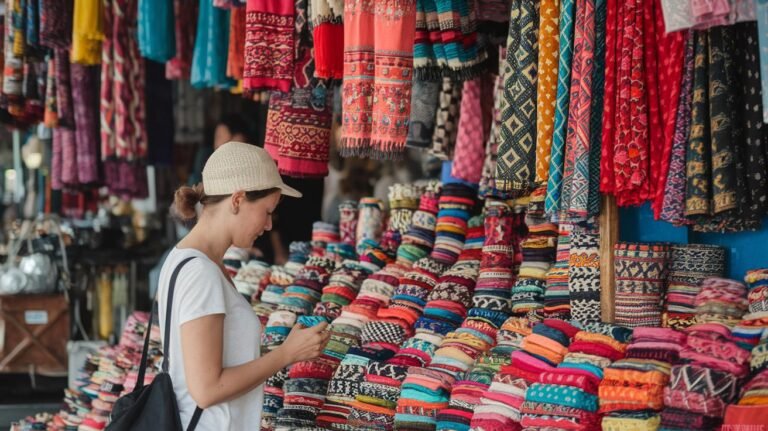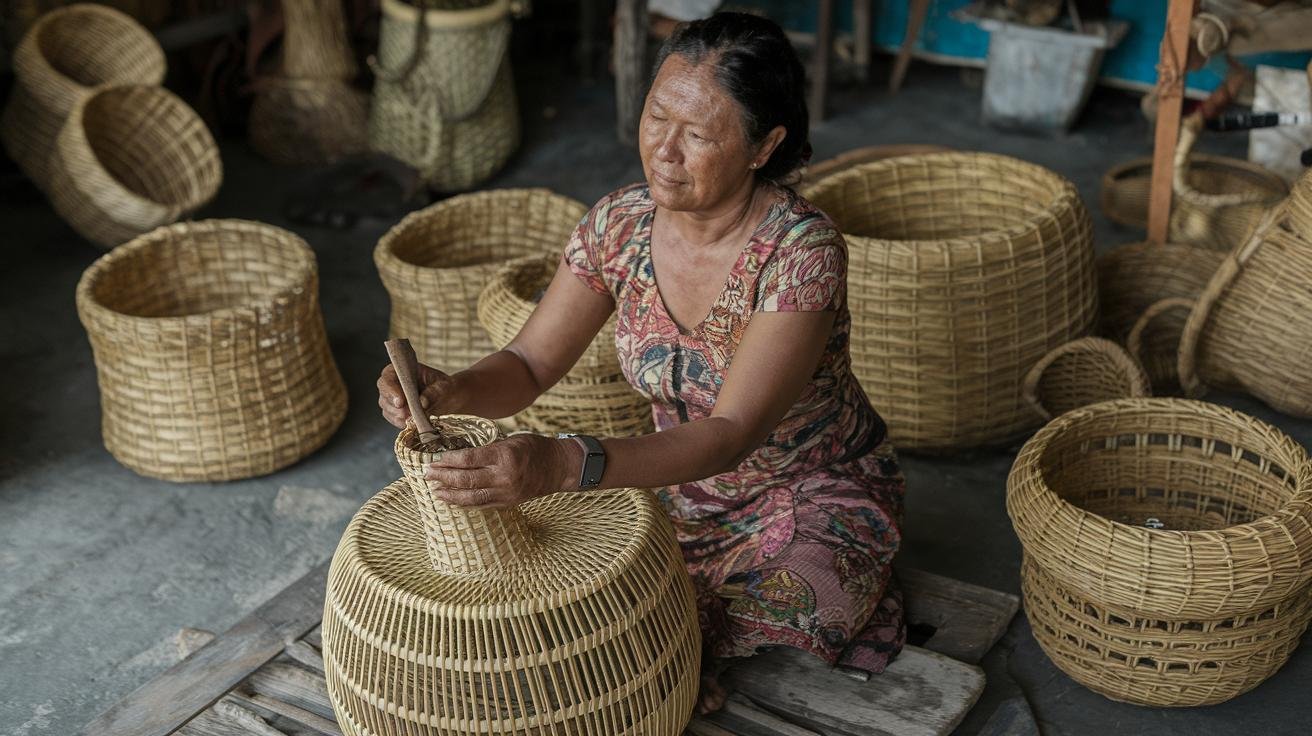
Artisan Workshops Near Ubud Delightful Hands-On Crafting
What if you went to Ubud and left without touching anything made here?
That would feel wrong, right?
Think small workshops like Celuk (a silver-smithing village), batik studios (wax-resist fabric dyeing), Mas (a wood-carving village), and Kamasan painting (traditional painting from Kamasan village).
You get to shape, wax, carve, or paint right alongside local makers. Ever wanted to try silverwork or carve a little wooden offering? Now’s the time.
You’ll use real tools and bring home something you made with your own hands.
Mornings are perfect for this , the light is soft, the studio is quiet, and the smell of wood shavings or coconut oil feels like a gentle welcome. Pure bliss.
This post compares the most popular classes, outlines typical durations and price ranges, and gives simple booking tips.
Think of it as a quick guide so you can pick the perfect hands-on morning without the guesswork.
Ready to roll up your sleeves? We’ll walk you through the best options and how to book them.
Key Artisan Workshops in Ubud: Quick Comparison
| Craft | Typical Duration | Price (approx.) | Where |
|---|---|---|---|
| Silver Jewelry Making (hand-shaping and soldering) | 3 hours | ≈ $20–36 (300,000–500,000 IDR) | Celuk village (silver-smithing village) / studios near Monkey Forest (sacred monkey sanctuary) |
| Batik Painting (wax-resist dyeing) | 3 hours | ≈ $18–25 (250,000–350,000 IDR) | Studios just outside Ubud |
| Wood Carving (hand-carved wooden sculptures) | 2–4 hours | ≈ $14–29 (200,000–400,000 IDR) | Mas village (wood-carving village) or central Ubud workshops |
| Balinese Painting (Kamasan – traditional style) | Half-day (4 hrs) to full-day (6–8 hrs) | ≈ $25–43 (350,000–600,000 IDR) | Kamasan school / Ubud art studios |
These are the most-loved artisan classes around Ubud, run by local studios and small teams of makers. You’ll use real tools and fresh materials, and instructors usually keep groups small so everyone gets one-on-one help. Feels more like learning in a neighbor’s studio than a big classroom.
Most workshops include all supplies, and some will even pick you up from your hotel – this is more common for silver classes and longer painting sessions. If you want the most hands-on experience, pick a morning slot when the light is soft and the studio is quiet. Ever tried shaping silver by hand or waxing and dyeing fabric? It’s oddly calming.
Quick tip: book ahead during high season so you don’t miss your preferred day. Think of booking like picking a date on a calendar – click, confirm, and your creative morning in Bali is set. Pure bliss.
Wood Carving Workshops in and around Ubud
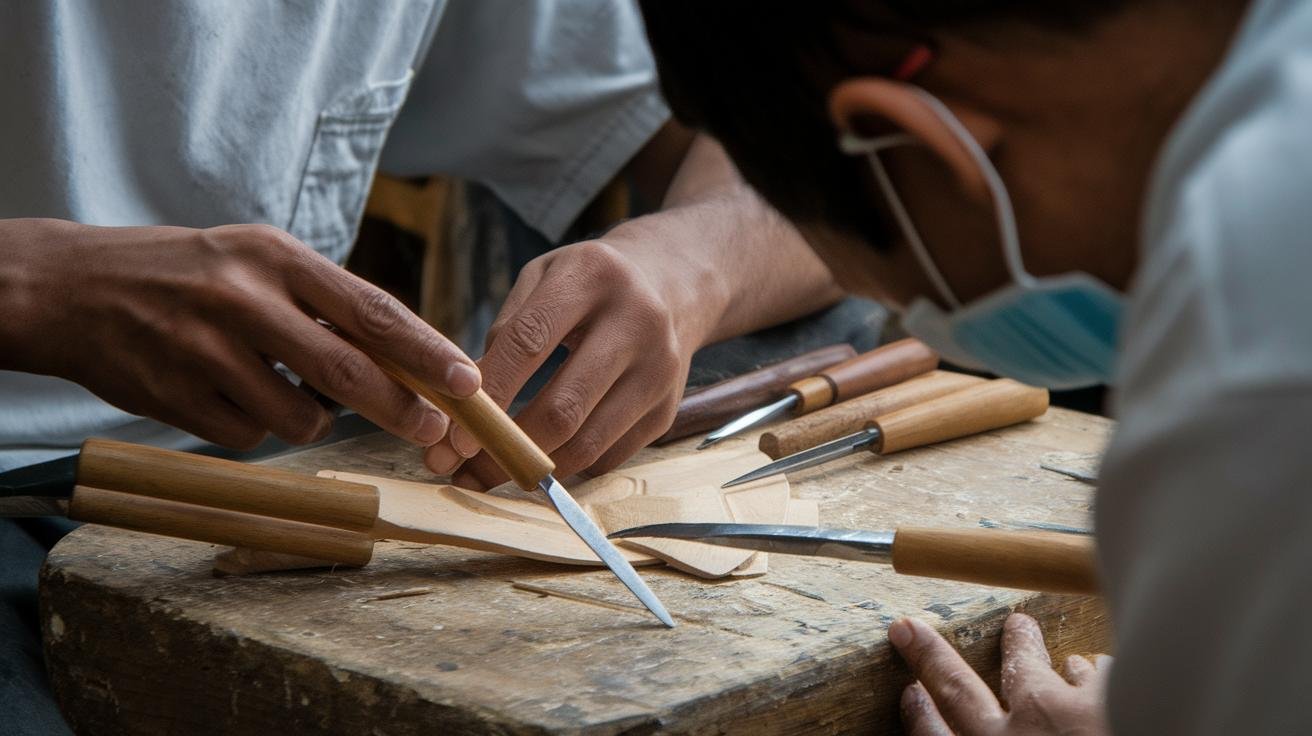
Wood carving is one of the warmest, most hands-on ways to meet Bali’s traditional crafts. Think small classes, real tools in your hands, and a finished piece you take home. Ever imagined whittling your own spoon or tiny mask? Pure fun.
You’ll learn basic knife grips, relief carving (making raised images on flat wood), sanding, and simple finishing techniques. The sessions are built for beginners and intermediate makers, with one-on-one guidance so you won’t feel lost.
Classes usually run 2-4 hours and cost about 200,000-400,000 IDR per person (roughly $13-$26 USD). Workshops are led by artisan carvers in Mas village (wood-carving village near Ubud) or at a wood carving studio in Ubud near the town center. Materials and safety gear like goggles and gloves are included.
Groups stay small, usually 4-10 people, so the instructor can offer personal tips and answer questions about traditional motifs and Balinese woodwork. You’ll smell fresh shavings, hear the steady tap of mallet on chisel, and leave with a modest sculpture or carved panel you helped shape.
Reserve your spot 24-48 hours ahead, especially during high season. Book directly with the studio, ask your villa concierge to call, or use a trusted local booking platform. Morning slots have the best light for detail work. Fancy a quick practice piece first? Go for a morning class and treat it like a creative coffee break.
Batik Painting Sessions Around Ubud
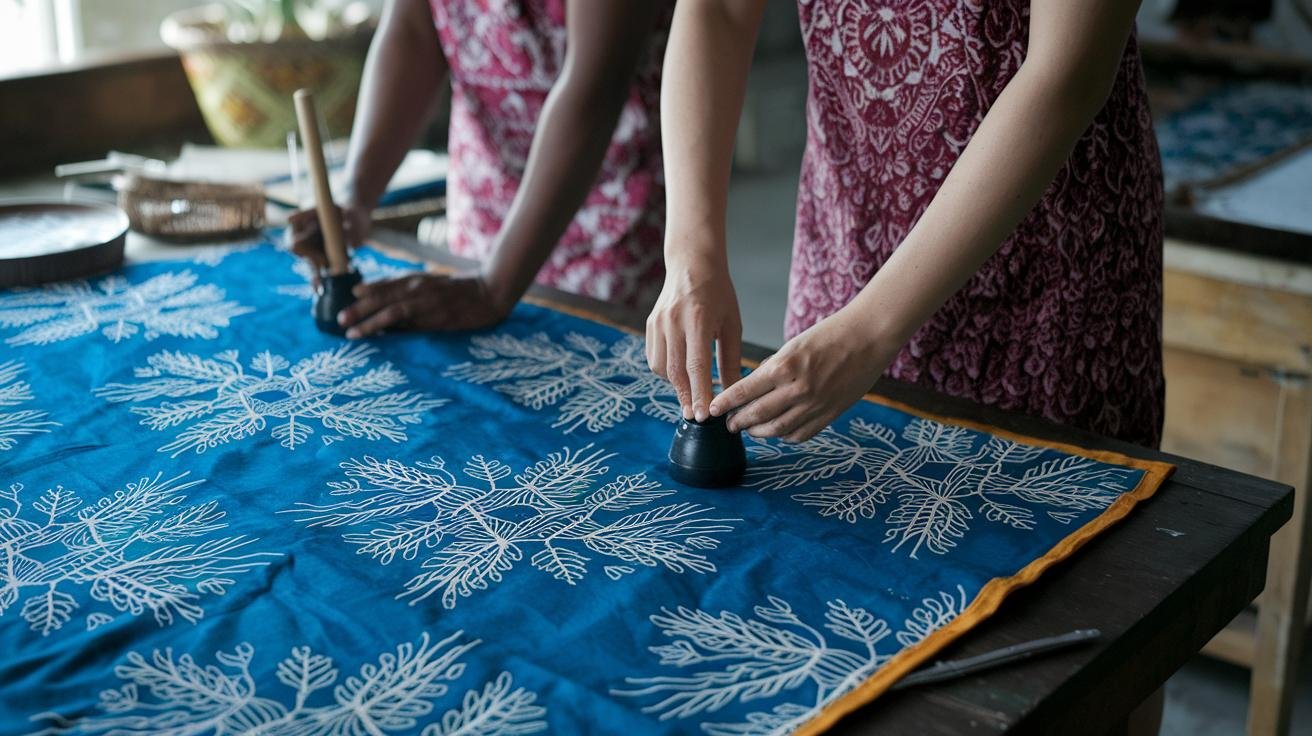
Imagine leaning over a length of cloth, sketching a motif, then tracing lines with a canting (small wax pen) as warm wax pops softly. You dye the fabric, then lift the wax to reveal layered patterns that feel like they hid there all along. The air carries the warm, earthy scent of natural dyes as colors slowly bloom.
These sessions are hands-on and unhurried. Instructors walk you through each step, so even first-timers leave with something they helped create. Ever dreamed of a keepsake that’s truly yours?
- Ask about drying time – some pieces need overnight drying before you can take them home.
- Ask whether the studio uses natural dyes (gentler on sensitive skin) and be sure to book ahead during high season.
Try this quick line to your host: "Do you use natural dyes, and will I need to leave my piece overnight to dry?"
Silver Jewelry Making Courses in Ubud’s Villages
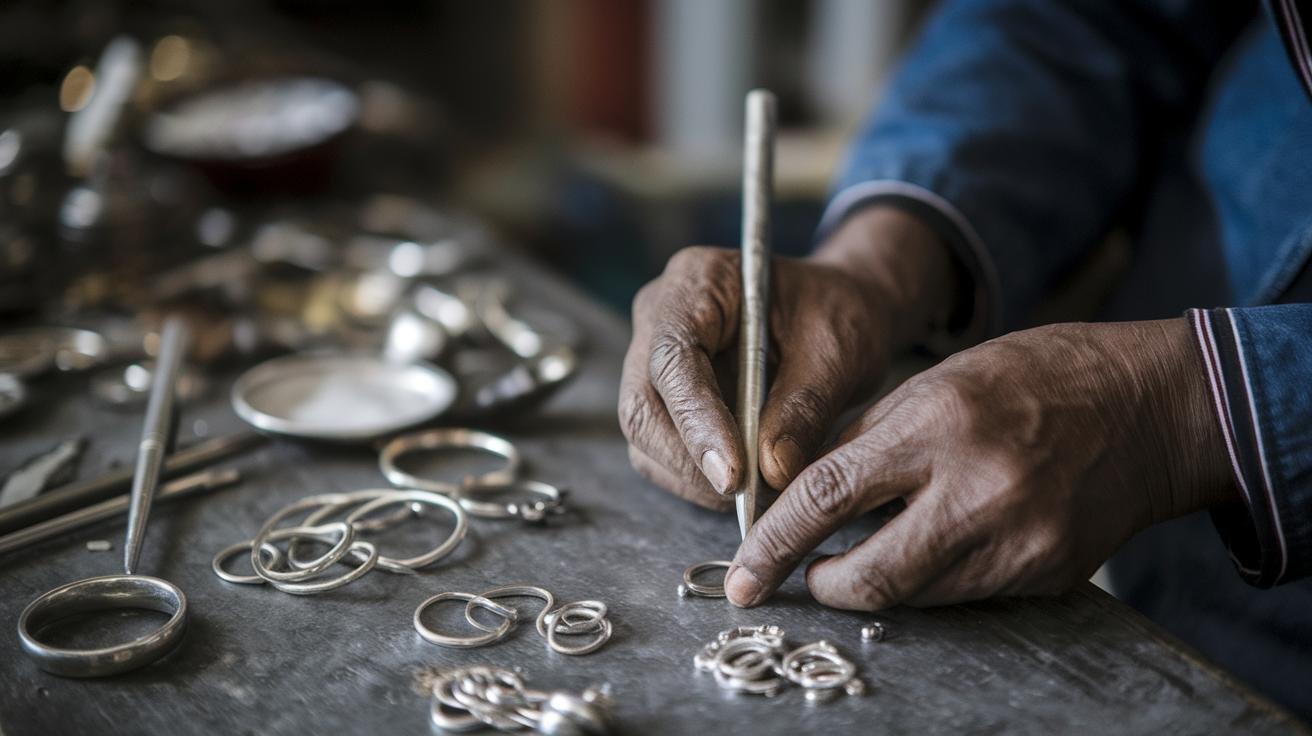
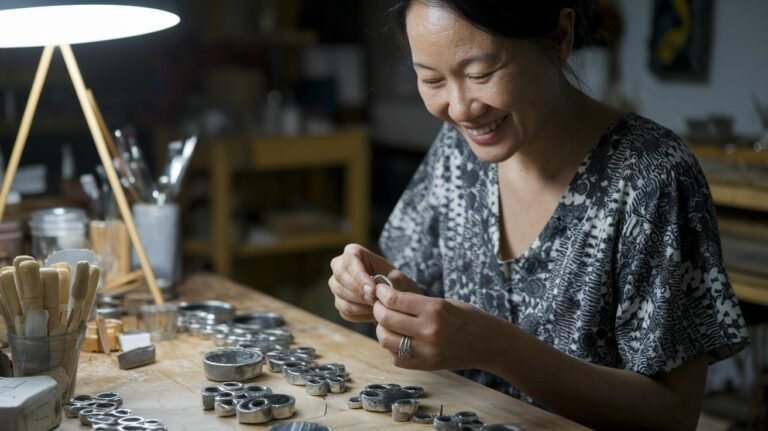
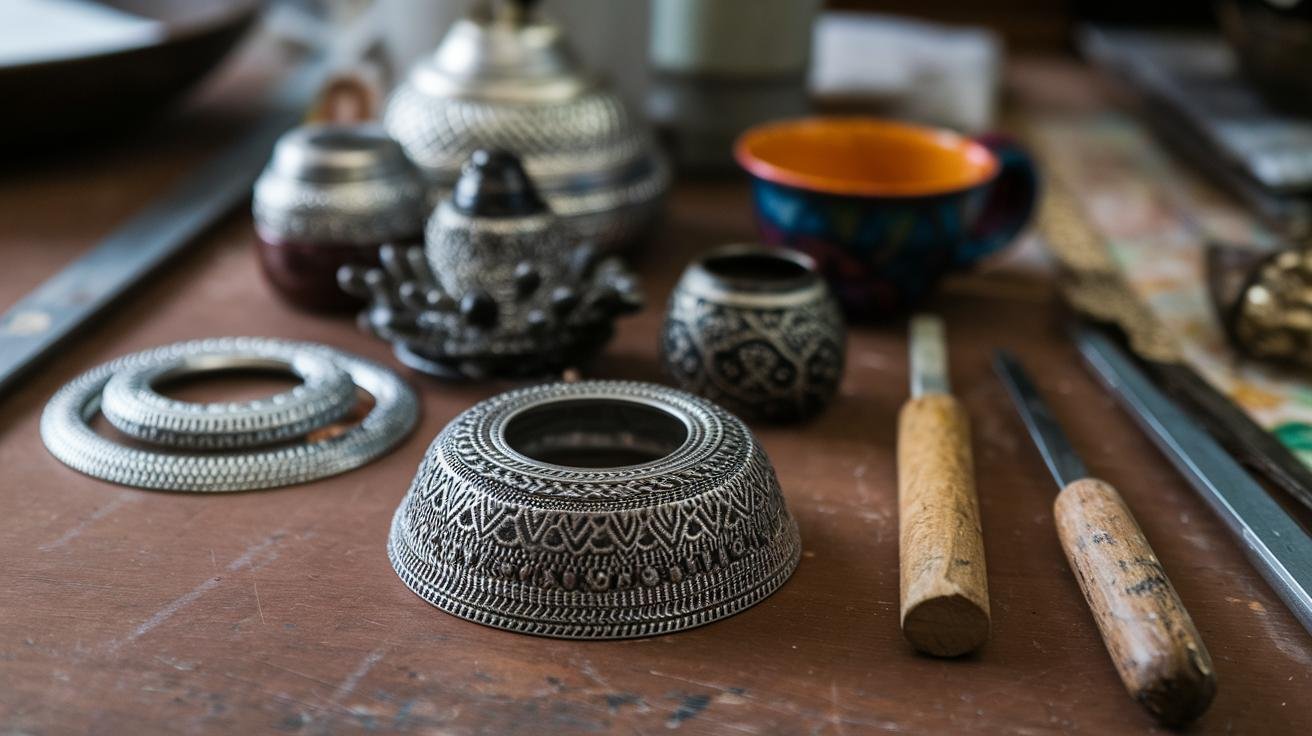
Silver jewelry making classes usually run about three hours and are perfect when you want a hands-on keepsake from Bali. Most classes happen in Celuk silver village (a traditional silversmithing village) or in studios near Monkey Forest (a sacred monkey sanctuary). You’ll notice the warm scent of heated silver and the quiet shimmer of polish in the air.
You’ll work with real silver under the watchful eye of local silversmiths (experienced village artisans). Typical steps you’ll try:
- shaping and cutting sheet silver with simple tools
- soldering (joining metal with heat), then filing away rough edges
- polishing to reveal the shine and adding small details like texture or a simple setting
Prices are about $75 (300,000-500,000 IDR). Classes are kept small so you get focused guidance, and many workshops include hotel transfers or short transport from central Ubud. Instructors are often family-run artisans who’ll share stories about traditional motifs and techniques as you work. The slow rhythm of hammer and file is strangely soothing.
Pure bliss.
If you want recommendations or a quick studio comparison, start with this helpful list: best silver jewelry making workshops in Ubud. Expect to leave with a ring, pendant, or pair of earrings you helped bring to life. Morning classes have the softest light for fine detail. Want gemstone options or engraved initials? Ask when you book so the studio can prepare materials.
Traditional Balinese Painting Classes & Art Styles
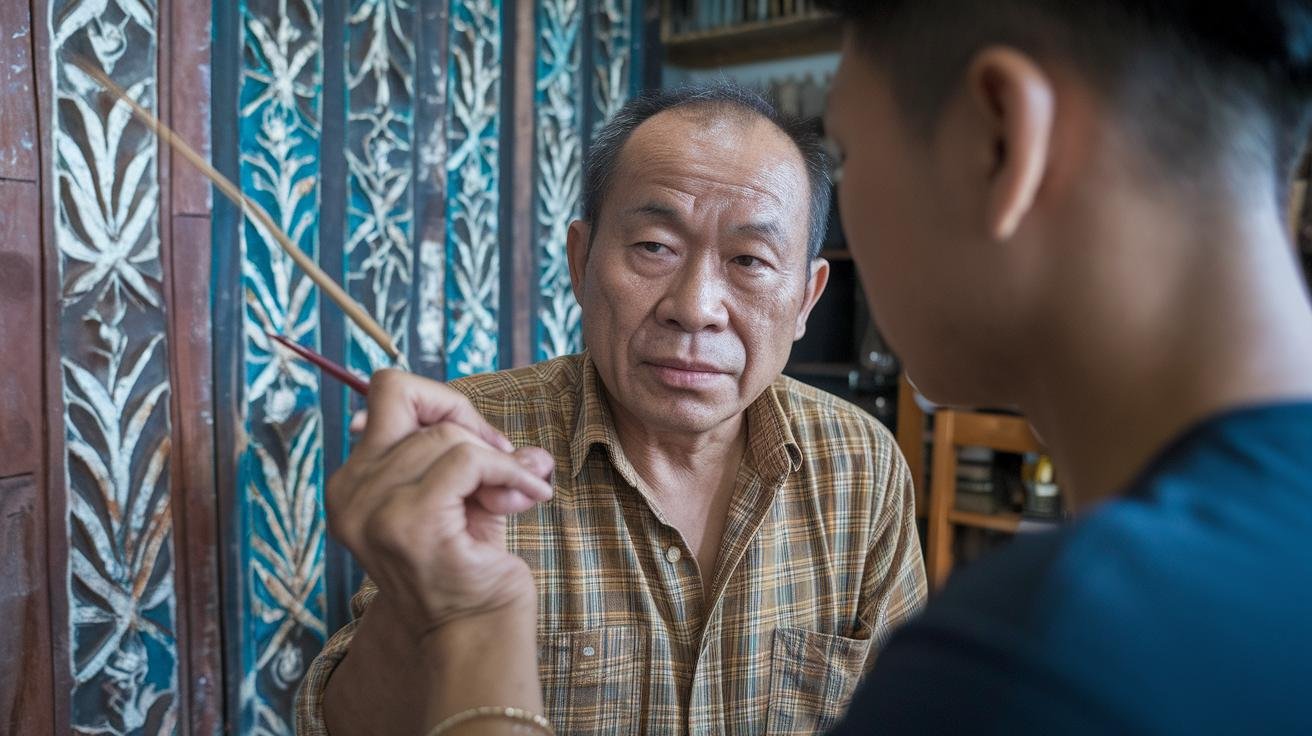
Light pours through a studio window and the warm scent of natural pigments rises as you mix color on a small palette. It feels calm and a little secret. Pure bliss.
Classes run from a half day (about 4 hours) to a full day (6 to 8 hours) at places like the Kamasan painting school (traditional painting village) or cozy studios tucked into Ubud art villages (artistic neighborhoods in Ubud). Prices are around 350,000 to 600,000 IDR and materials are provided.
You’ll learn Balinese iconography (mythic figures, temple scenes, and story panels), basic brushwork, color mixing with plant-based pigments (made from local leaves, roots, and bark), and how to prepare paper or canvas. Village artists guide each step and tell the old stories behind the motifs. Their pace is gentle. Strokes come slowly, like a practiced chant.
A half-day session covers composition, confident line work, and a finished small panel. A full-day lets you layer details, add traditional gold highlights, and refine a larger piece that’s frame-ready. Groups stay small so your instructor can move at your pace.
Ever tried a tiny gold leaf finish? It’s meditative. Morning light gives the truest colors, and most studios are happy for you to photograph your progress as the painting grows.
Want to give it a go? Think of booking as picking a date on a calendar. Click, confirm, and your creative day in Bali is set.
Booking Essentials
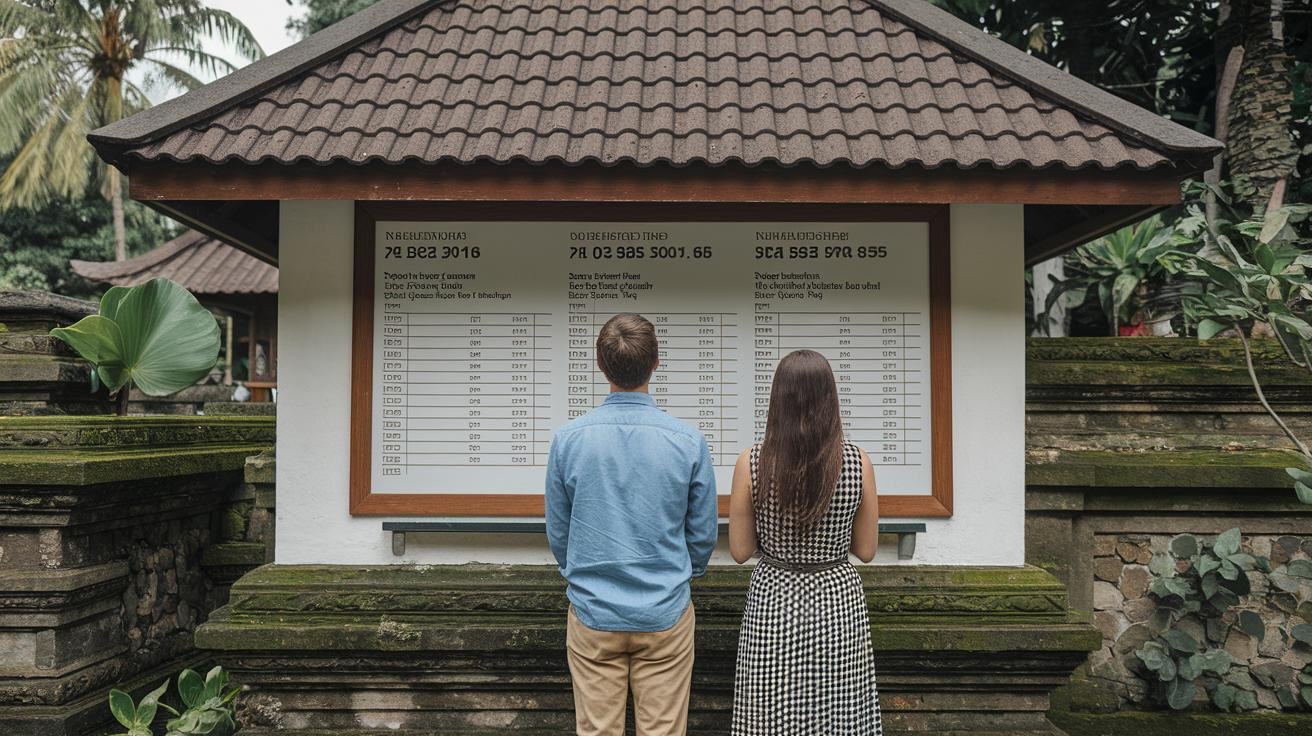
A short, handy sidebar to sit beside the craft details – no repetition, just the quick notes you need to choose.
-
Session times. Morning classes usually run 9 AM to 12 PM. Afternoon sessions are often 2 PM to 5 PM. Example: "I'd like the 9 AM to 12 PM slot, please."
-
Price bands. Rates vary from short 2-hour classes to half-day and full-day or masterclass options. See the comparison table for craft-specific pricing. Example: "Which table row shows full-day rates?"
-
Class size and lead time. Most groups are 4 to 10 people. Plan to book 24 to 72 hours ahead, and earlier in high season (July-August, December-January). Example: "Can you hold a spot for 48 hours?"
-
Transfers and pickup. Many studios include complimentary transfers from central Ubud (confirm meeting point). Always double-check pickup time when you book. Example: "Will you pick us up at the villa at 9:15?"
-
Reliable booking channels. Use the studio website, a trusted local agent, or your villa concierge for fastest confirmation. Example: "Please reserve via the studio website or with our concierge."
-
Practical checks to ask. Confirm pickup time, which materials are included, how long drying or firing takes before you can take your piece, and any group discounts for 4 or more guests. Example: "Does the price include materials and drying time? Any discount for four guests?"
Book early in high season. Simple. Friendly. Done.
Tips for a Memorable Art Experience in Ubud Workshops
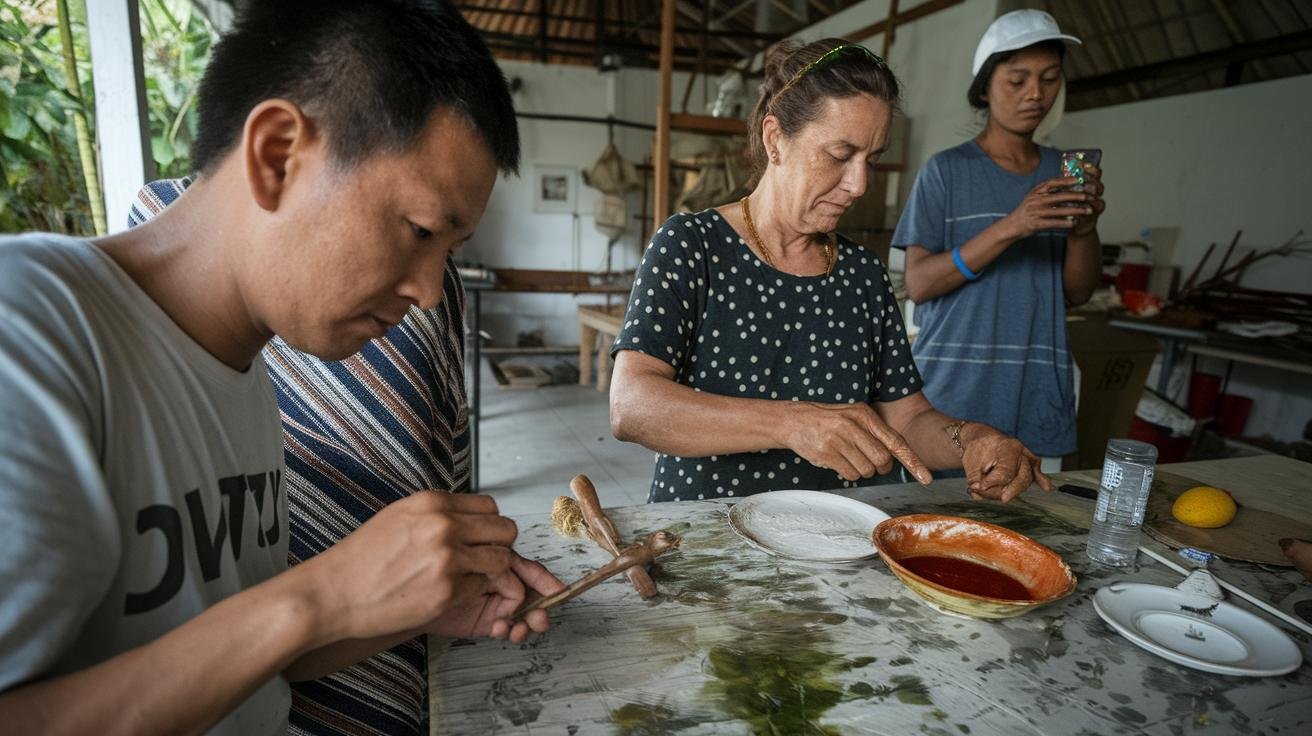
We’ve kept this short and left the basics in the Booking Essentials sidebar. These are the extra, practical notes that often make a workshop feel special in Ubud (Bali’s arts hub).
-
Accessibility: Ask about stairs, uneven paths, or long walks if mobility is a concern. People often forget to check for steps or raised platforms. Example: "Are there stairs or uneven paths? I use a cane and need level access."
-
Small groups: Aim for 4 to 10 people so the artisan can give you more one-on-one guidance. You’ll learn faster and get little tips that don’t come through in a big group. More hands-on time. More stories.
-
Child policy and safety gear: Always check minimum ages and whether helmets, goggles, or child-sized tools are available. Kiln work (clay-fired oven processes) and carving need proper gear. Example: "Do you have age limits or safety gear for kids doing carving or kiln work?"
-
Quick packing hint (also in Booking Essentials): Wear closed-toe shoes for carving, bring comfy clothes you don’t mind getting dusty, pack a camera or extra phone battery, and carry a little cash for snacks or small souvenirs. You’ll thank yourself later when your pockets aren’t empty.
-
Ask for maker stories: Request a short origin or technique note from the artisan. It turns a class into a memory and connects you with local craft in a way that feels personal. Example: "Can you share a brief story about this technique or your studio?"
Final Words
You’ve just toured Ubud’s top craft picks, silver jewelry, batik, wood carving and Balinese painting, so you know typical lengths, price ranges, and where each studio sits.
We covered booking basics, session times, group sizes and common transfer options, plus hands-on tips like choosing morning classes, wearing comfy clothes and bringing a camera.
Pick the craft that calls to you, book a morning slot, and let the colors and textures linger.
Your next Bali memory begins with artisan workshops near ubud. Pure hands-on joy.
FAQ
Ubud artisan workshops — FAQ
Free artisan workshops near Ubud?
Free artisan workshops near Ubud are rare, though some studios run short free demos or donation-based tasters; ask your guesthouse or the Ubud tourist center for current demo schedules.
What are the best artisan workshops near Ubud and what can I expect?
The best artisan workshops include silver jewelry, batik painting, wood carving, and Balinese painting. Expect small groups, local instructors, hands-on guidance, and a finished piece to take home.
Are there artisan workshops in Ubud suitable for adults only?
Yes—private silver, gold, and pottery sessions are available and offer focused instruction, flexible timing, and a more relaxed, grown-up atmosphere.
Where can I find pottery or ceramic workshops like Kevala Studio?
Pottery and ceramic workshops like Kevala Studio offer wheel and hand-building classes, glazing options, typical sessions of 2–4 hours, and prices commonly around 200,000–400,000 IDR.
What is a paint and sip workshop in Ubud like?
A paint and sip workshop is a relaxed guided painting session with drinks, friendly instruction, about 2–3 hours long, and you leave with your own finished canvas.
How do gold and silver jewelry making workshops differ in Ubud?
They differ by materials and cost: silver classes are more common and affordable, while gold classes use pricier metals, involve more advanced steps, and charge higher fees.
What do Alam Ubud, Parallel Universe, Monkey Forest Silver, Bali Purma, and Alas Arum offer?
Alam Ubud and Parallel Universe focus on creative jewelry and mixed media. Monkey Forest Silver and Alas Arum teach traditional silversmithing. Bali Purma runs painting and craft lessons with local tutors.
How long are typical Ubud artisan workshops and what do they cost?
Typical workshops run 2–4 hours for short classes and 4–8 hours for full-day formats. Costs are roughly 200,000–600,000 IDR depending on the craft, materials, and whether transfers are included.
How do I book a workshop and do I need to book in advance?
Book via studio websites, local agents, or your guesthouse. Booking ahead during high season is wise to secure small-group spots and preferred times.
Are Ubud workshops suitable for beginners and what should I bring?
Yes—most workshops are beginner-friendly and provide tools and materials. Bring comfortable clothes, a camera, sun protection, and a curious spirit.