One Pool Safety Tips For Families At Villas
Think a private villa pool is automatically kid-safe? Think again.
It’s a hard truth: children can drown silently in as little as one inch of water. Quiet water, quiet danger. Pause. Breathe. Plan.
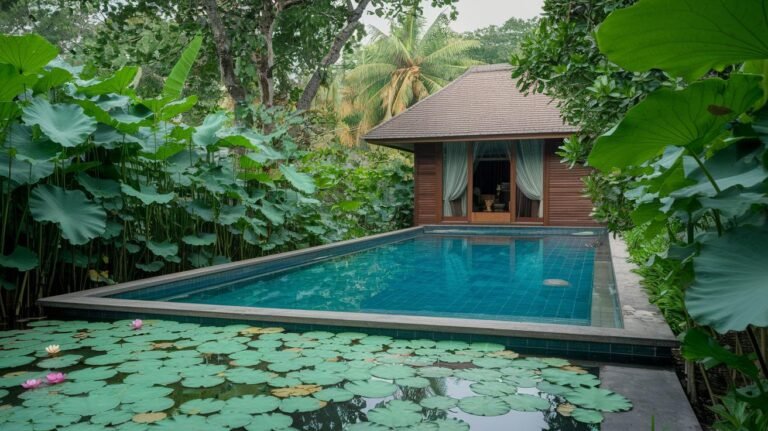
The pool’s gentle murmur and cool tile underfoot are part of the charm, but charm doesn’t watch kids. You’ll want a simple plan the minute you arrive.
Here are easy, action-ready steps you can use right away:
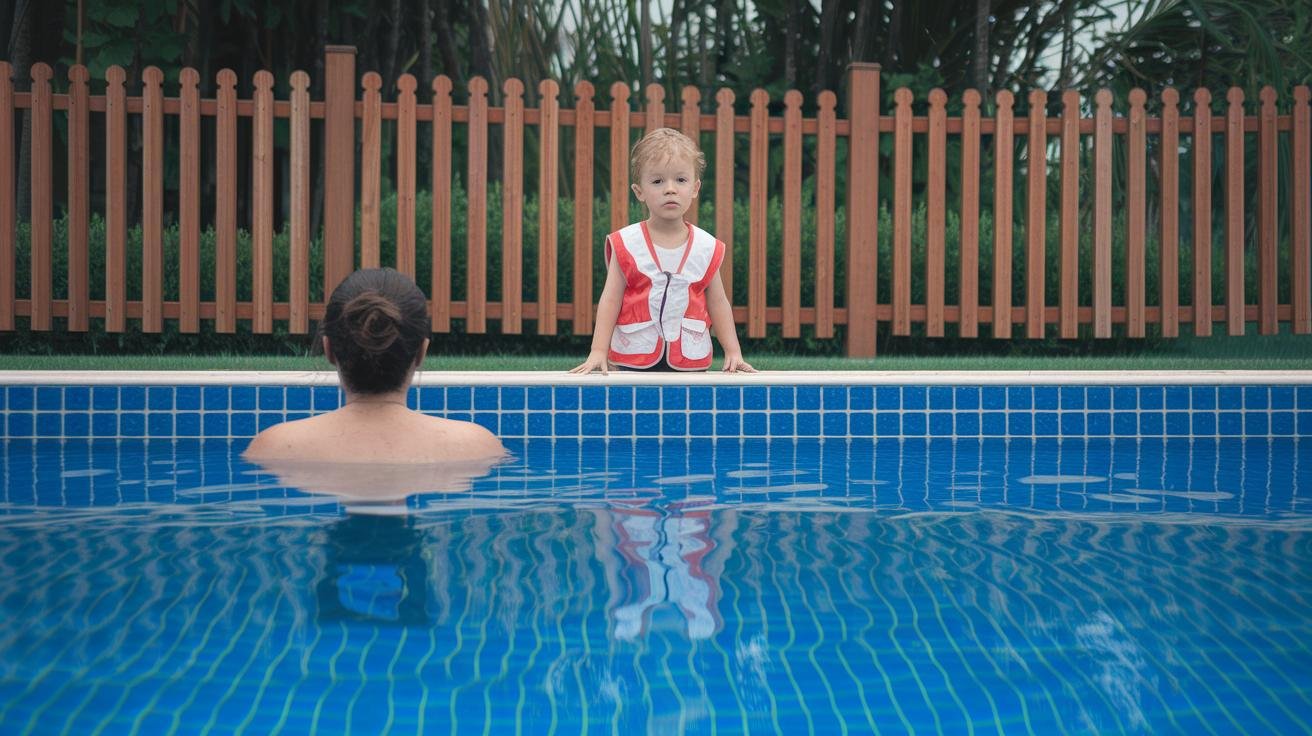
- Pick a distraction-free water watcher (an adult whose only job is watching the water, no phones, no side tasks).
- Confirm a four-sided, self-closing fence (locks the pool off from the house and yard) with a self-latching gate.
- Pack U.S. Coast Guard-approved life jackets (get the right size for each child).
- Post emergency contacts and brief CPR steps in a waterproof frame by the pool so anyone can find them fast.
- Keep a reach pole or shepherd’s hook and a rescue float within arm’s reach (a reach pole helps you pull someone to safety).
- Make sure someone on your trip knows basic CPR and where the first-aid kit is.
Simple moves. Practical checks. They keep fun from turning into fear.
Tranquility. Right here.
Quick‑Start Action Guide for Villa Pool Safety
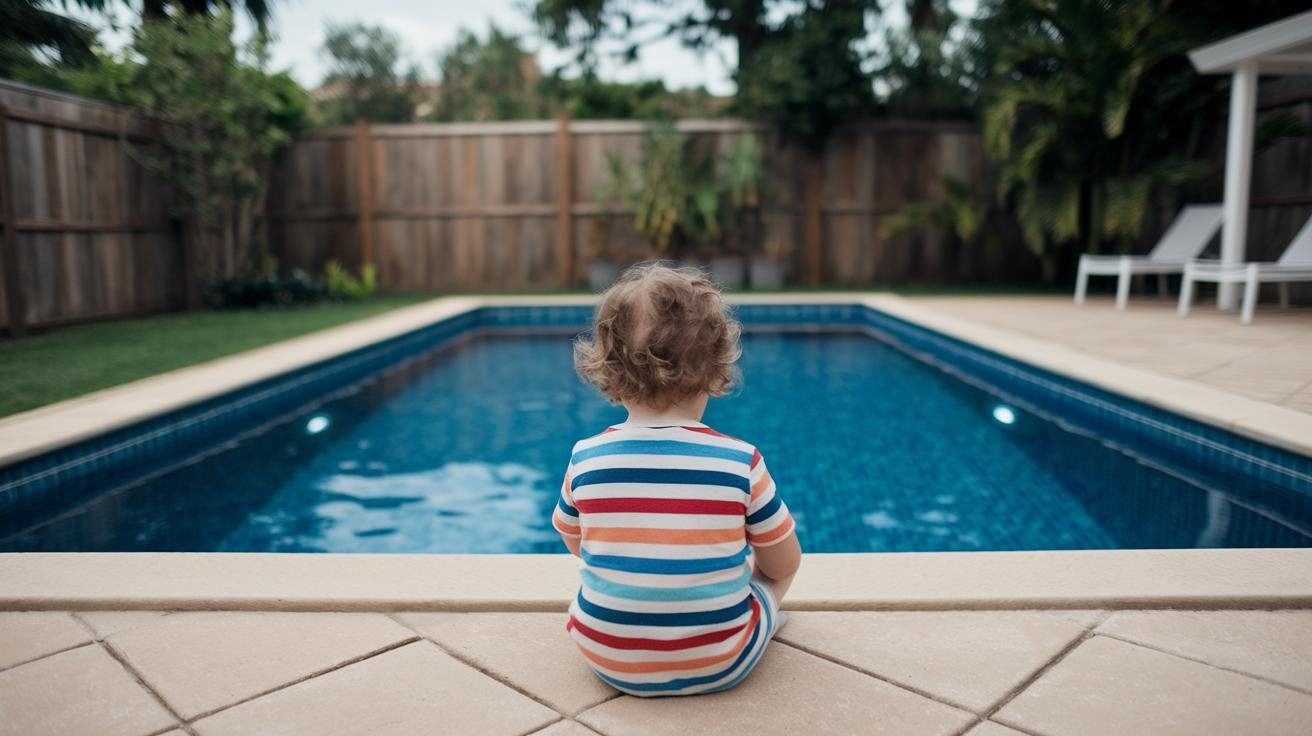
Two non-negotiables first. One: constant, dedicated adult supervision. Children can drown silently in as little as one inch of water. Two: a four-sided fence at least four feet high with a self-closing, self-latching gate. These two steps are the single biggest way to prevent a tragedy.
Quick, action-ready steps for families staying at villas:
-
Pick a distraction-free water watcher for every swim. No phones, no cooking, no loud music. Their only job is eyes on the water. This is the core swimming rule and the best way to keep kids safe.
-
Check the pool has four-sided fencing and a self-closing, self-latching gate before kids arrive. If the villa has odd steps, split levels, or a sunken lounge that changes sightlines, ask the host about the layout. By the way, see what to expect from a private pool at a villa for typical villa pool designs.
-
Use only U.S. Coast Guard‑approved life jackets for young or weak swimmers. Make sure learners get a basic swim orientation. Remember, floaties are toys, not life-saving gear.
-
Post emergency contacts and simple, step-by-step CPR instructions poolside. Keep a reaching pole, a life ring, and a stocked first-aid kit within arm’s reach. Each day, name one adult who holds the emergency contacts and knows the plan.
Quick checklist to run through when you arrive:
- Water watcher assigned
- Fence and gate checked
- Approved life jackets available
- Emergency contacts and CPR posted
A few final notes. The soft murmur of the pool is part of the villa charm, but safety can’t be on autopilot. Read on for simple ways to secure your villa pool with barriers, alarms, clear rules, and CPR training.
Implementing Effective Villa Pool Barriers and Alarm Systems
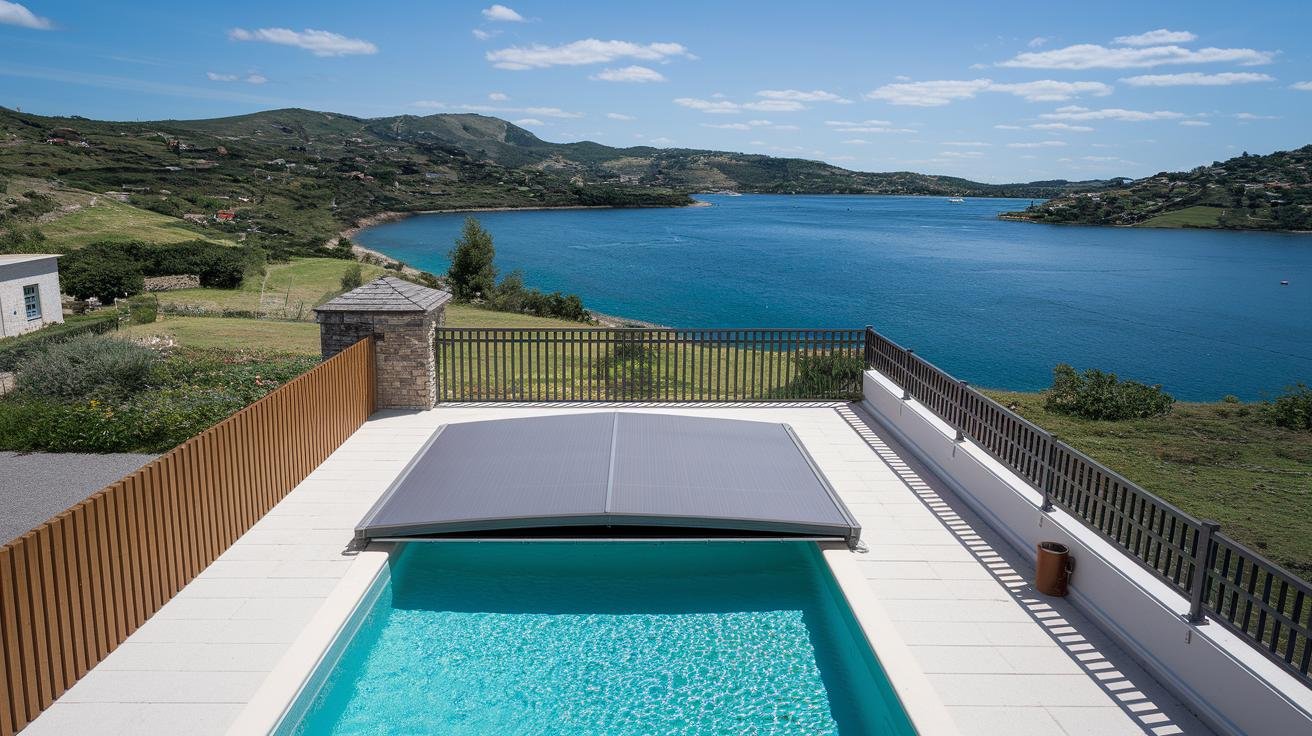
Think of the pool barrier as your first, quiet line of care. Start with a four-sided fence at least four feet high that fully surrounds the pool. Fit it with a self-closing, self-latching gate that swings outward and closes smoothly. Check those hinges and latches every week; a loose hinge is a tiny fault that can lead to a big problem.
Use a rigid safety cover or an automatic pool cover whenever the water is not in use. A solid cover that fits the whole surface keeps little feet off the water and gives adults real peace of mind. Motorized covers that lock add convenience. Close it at night and forget it.
Layer your alarms so supervision has reliable backups. Surface-entry alarms trigger when the water surface is disturbed (they’re quick at catching an unexpected splash). Gate alarms alert you if the pool gate opens. Wearable alarms for small children buzz if a child enters the water and can be lifesaving when attention lapses. Submerged sensors are another option to help detect unseen entries.
Routine testing is simple but crucial. Test gate closures, alarm batteries, and cover mechanisms before guests arrive and at least weekly during longer stays. Post a clear note by the gate with basic troubleshooting: how to silence a false alarm, who to call for tech help, and who’s responsible for daily checks.
Make barriers and alarms part of your arrival checklist. Think of them as invisible guardians you set before anyone dips a toe. Pure peace of mind.
Supervision Strategies and Family Swimming Guidelines at Villas
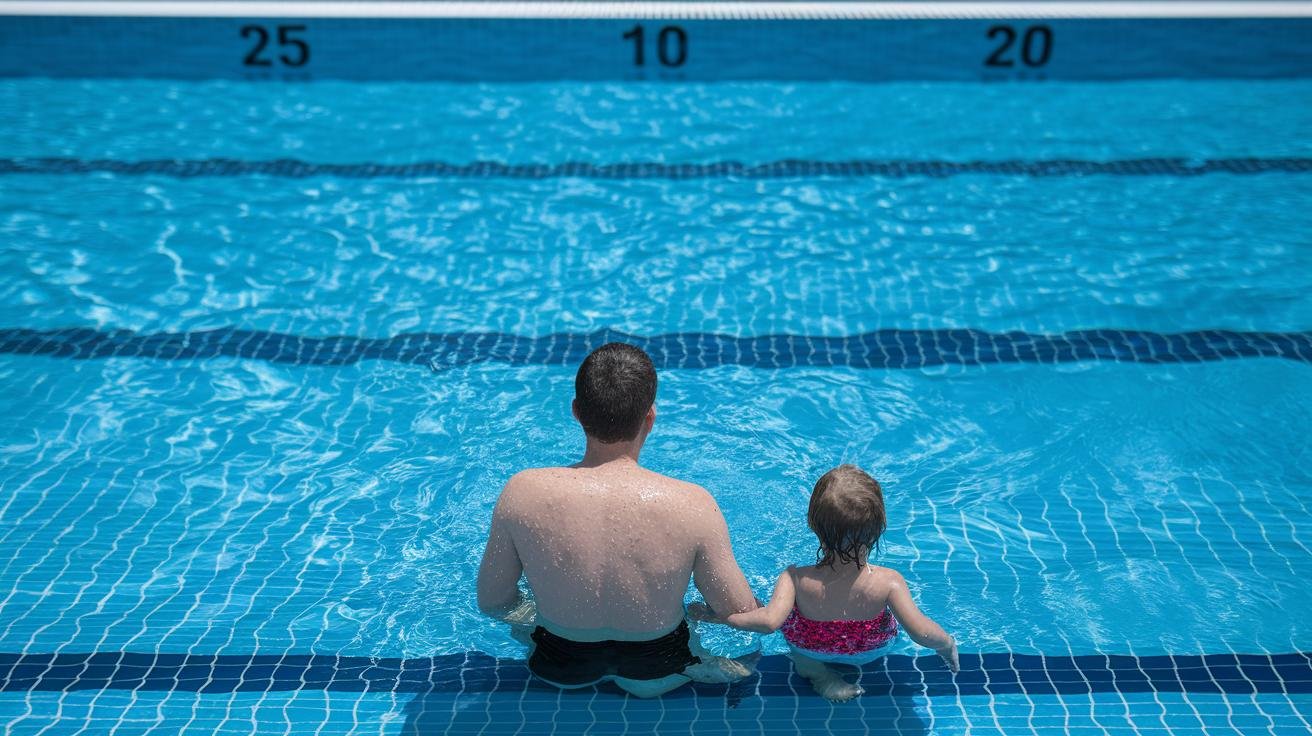
Start with a simple plan: pick one distraction-free adult to watch the pool during each swim session. Their only job is eyes on the water. Short shifts work best , forty-five minutes, then a swap , so focus stays sharp and tiredness doesn’t sneak in.
Keep these supervision ratios in mind:
- One adult per two children under five.
- One adult per four older children.
- Keep young or inexperienced swimmers within arm’s length, even if they’ve had lessons.
Think about swim lessons as part of your stay. Try to enroll kids around age four; basic skills and comfort in the water lower risk and build calm confidence. Add local swim-school contacts and booking options to the villa’s check-in notes so families can sign up quickly , see the guest registration and check-in process for how to include orientation steps.
On arrival, give every guest a five-minute pool orientation. Cover these quick points:
- Pool layout and depth markers, so you know where the shallow and deep ends begin.
- Hazard spots like steps, drains, and slippery ledges.
- Where life jackets and rescue gear live.
- House pool rules and who is the designated water watcher for each swim.
Practice short drills. Run a mock call for help and a quick retrieval with a pole so adults know their roles and feel composed if something goes wrong. A little rehearsal makes a big difference.
Planned supervision and early swim training keep kids visible and make every dip calmer. Tranquility.
Choosing and Maintaining Safe Pool Surfaces and Environments
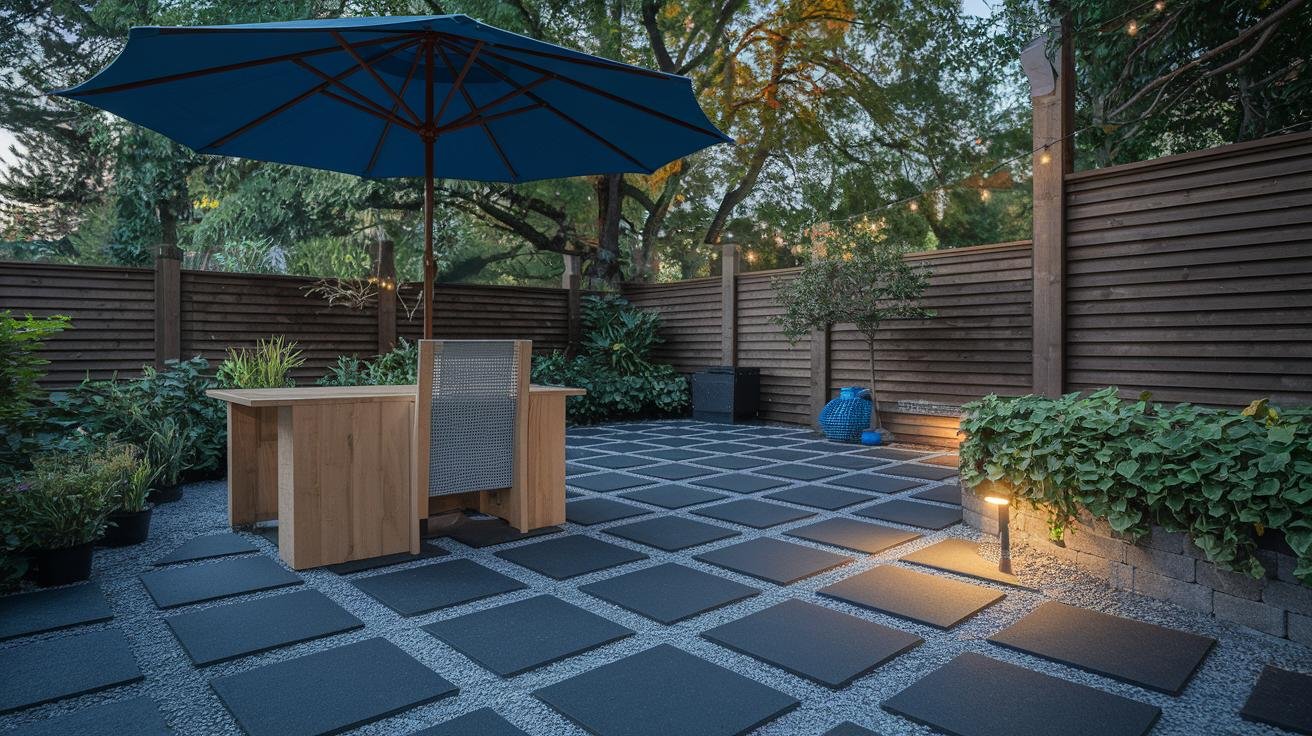
Start with non-slip deck materials. Choose rubberized tiles or textured concrete for the pool surround and steps so bare feet find grip when they get wet. The cool, textured surface cuts down on slips and even helps kids slow down instead of skidding.
Plan your nighttime lighting so swims after dusk feel safe and calm. Use soft ambient lights around the deck and brighter task lights at entries and stairs so you can see each step. Low-glare path lights mark the route back to the villa and make depth changes easier to spot. Ever wanted a moonlit dip? This helps.
Create shaded lounging spots for cool breaks and sun protection. Put umbrellas or a pergola near the pool, keep a water station and fresh towels within reach, and remind everyone to drink often so no one overheats. Pure bliss.
Keep chemical balance checks and water quality testing on a weekly rhythm. Test pH and chlorine, log the results, and ask the villa manager where the test kits live. Think of testing like a quick health check for the pool. If levels look off, keep swimmers out until the water is stable.
Run a monthly drainage and safety audit and post maintenance warnings when work is underway. Check grates, clear leaves and stray toys, and rope off any slippery or open areas until repairs are finished. Oops, simple stuff but important.
A well-kept deck, thoughtful lighting, and routine checks make pool time relaxed and safer for the whole family. Right here.
Age-Appropriate Flotation Devices and Skill-Building Support
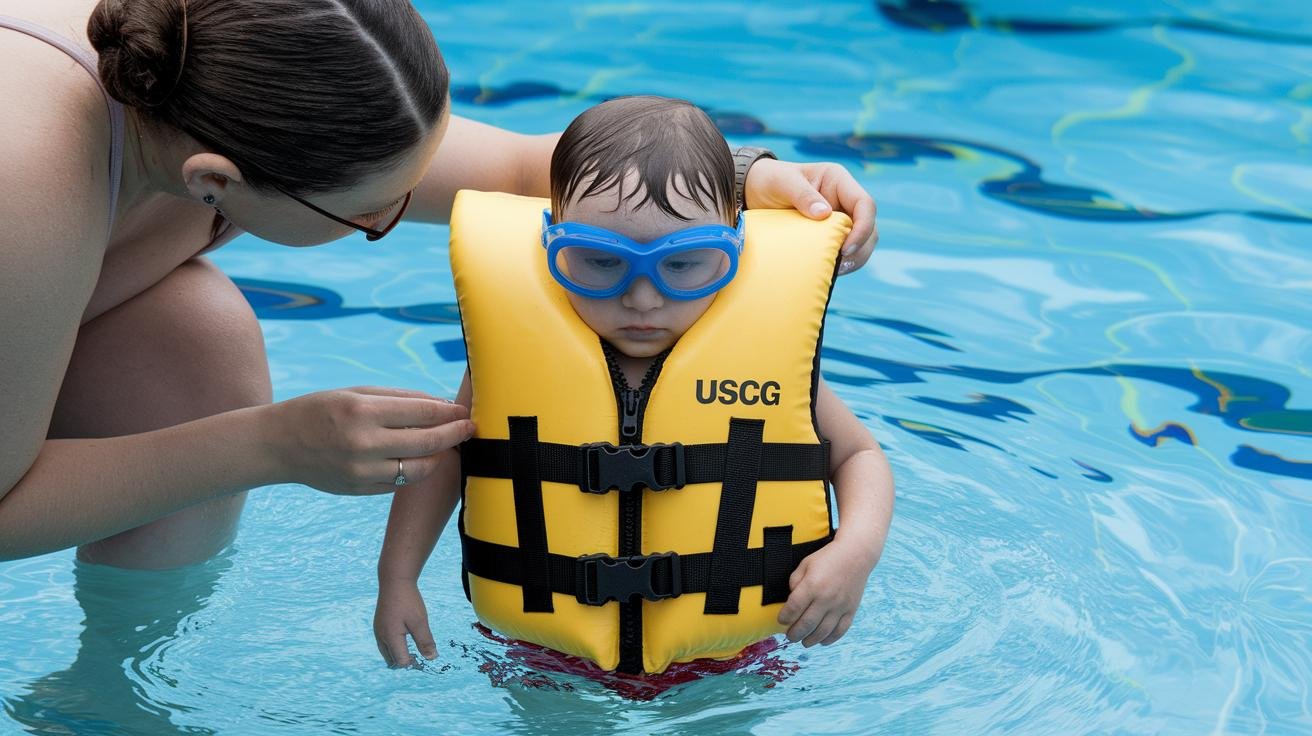
Choose life jackets that have U.S. Coast Guard approval for kids. For older guests who need extra help staying afloat, pick adult buoyancy aids sized for their weight and comfort. Fit matters more than looks. Straps should sit snug, buckles should be fastened before anyone gets to the water, and the jacket should not ride up when you gently lift a child by the shoulders (that’s the ride-up test).
For infants, use a properly sized flotation vest instead of ring floats. Ring floats can flip or let a little head tip forward. Look for secure straps, a crotch clip, and bright colors so you can spot them from the deck in a flash. Keep infants within arm’s reach at all times. Supervision never takes a break.
Treat inflatable toys as fun items, not safety gear. Before each use, check for tiny tears, soft spots, and make sure valves are fully seated. Store inflatables away from sharp edges and sunsplashed plastic furniture. Empty or deflate small inflatable pools after each session so kids aren’t tempted to lean over unsupervised.
Goggles cut eye irritation and build confidence. Pick a pair with a snug but gentle seal, try them on before you go in, and rinse them before and after swims to reduce eye and ear irritation. Anti-fog sprays or a bit of baby shampoo on the lenses can help, too.
Quick checks:
- Life jacket size and U.S. Coast Guard approval
- Vest straps and the ride-up test (lift by the shoulders)
- Inflatable inspection and safe storage
- Goggle fit and rinse after use
Establishing Clear Villa Pool Rules and Guest Orientation Protocols
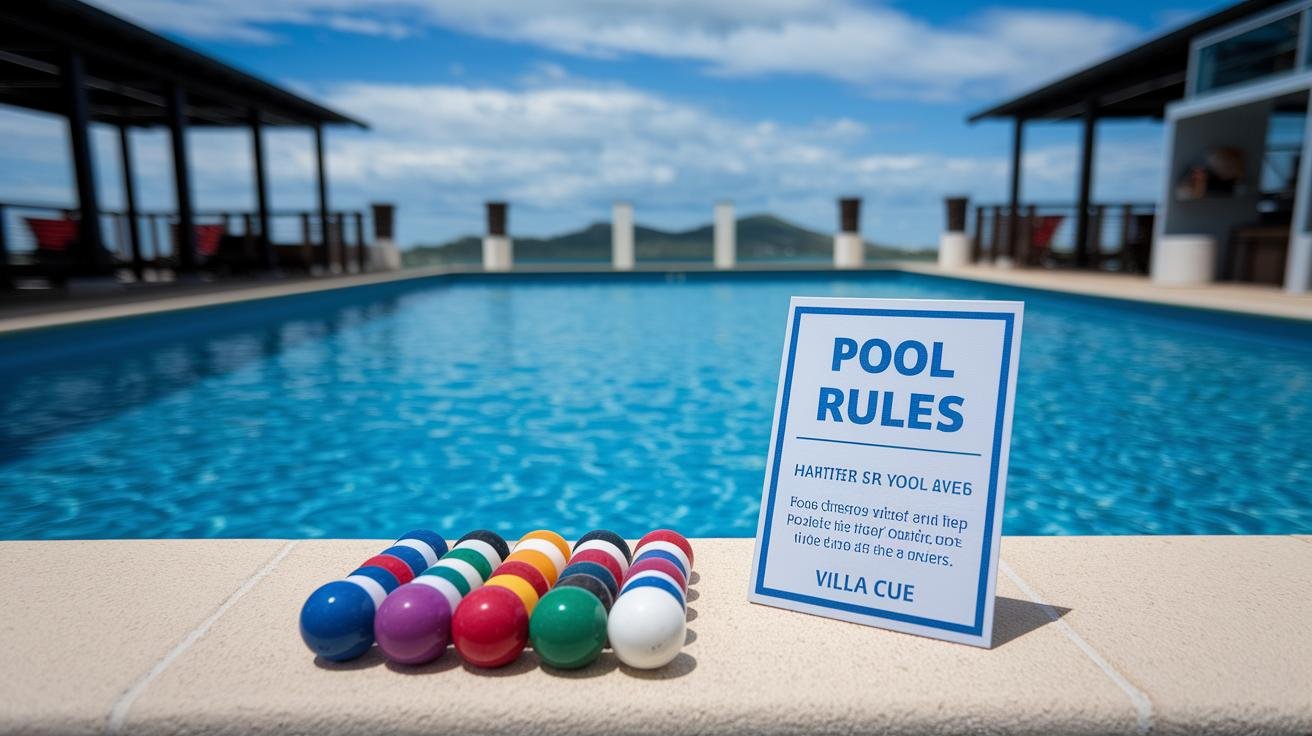
We like to make pool safety feel like a friendly promise, not a lecture. At check-in we ask guests to read and sign a short acknowledgement so everyone knows the house rules, who is responsible, and where to find emergency contacts and rental-villa liability details. The soft murmur of the pool should be relaxing, not worrying.
- Post the kids’ swim rules where they can’t be missed: no running on wet decks, no diving in shallow areas, no playing near drains or filters, and never swim alone. Use simple icons for quick reading and a short, kid-friendly line of text.
- Enforce the no-running rule with visible floor markings, laminated reminder cards at the pool steps, and a polite spoken reminder during the arrival tour. Small nudges work better than shouted warnings.
- Add a brief five-minute pool walk-through during orientation. Point out depth changes, where rescue gear lives, how the gate locks, and where life jackets are stored (life jackets are U.S. Coast Guard approved when noted).
- Include a clear guest handbook in the welcome pack. At minimum it should list emergency phone numbers, basic CPR steps (how to do chest compressions and call for help), the first-aid kit and reaching pole locations (a long pole to hook someone in trouble), and the signed house-rule acknowledgement form.
- Set flotation rules: use only U.S. Coast Guard approved life jackets for weak swimmers and young children. Keep inflatable toys out of the water when kids are unattended. Simple, consistent rules help caretakers make good calls.
- Be clear about consequences for breaking the rules: a verbal warning first, then assigned replacement supervision if needed, and temporary loss of pool privileges for repeated or serious breaches. Always log incidents in the guest journal so we can follow up.
Short, repeated cues help guests remember. Clear signage, a calm arrival briefing, and a concise handbook turn rules into shared care. Relax. We’ll take care of the water so you can enjoy the sun.
Preparing for Emergencies: CPR, First Aid, and Rescue Equipment
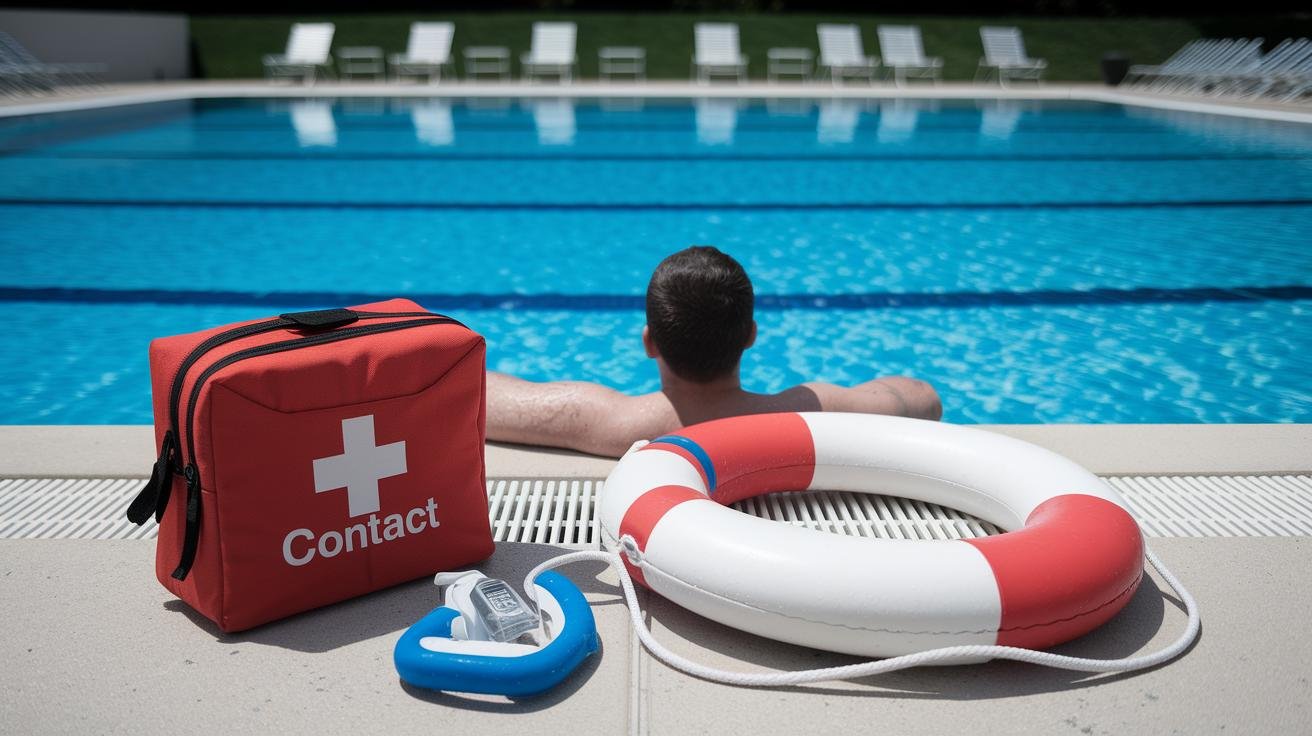
Treat emergency prep like the most important warm-up before any swim. Before anyone goes near the water, make sure at least one adult on site has a current CPR (cardiopulmonary resuscitation) certification. The American Red Cross is a solid option. And have a clear rescue plan with named roles so everyone knows what to do.
Quick placement and practice steps:
- Keep a fully stocked first-aid kit (bandages, antiseptic, scissors, allergy meds, etc.), a reaching pole, and a life preserver within 10 feet of the pool. Store them in a weatherproof, easy-to-open spot so you can grab them without thinking.
- Post waterproof signage with emergency numbers where they’re readable at a glance: 911, the local ambulance number, the nearest clinic, and the villa manager. Simple and visible wins.
- Ask one adult per visit to carry current CPR training; list their name as the responder. Rotate that role so someone is always ready and not exhausted.
- Keep an oxygen kit (portable oxygen supply) or a portable AED (automated external defibrillator) nearby. Note its location in the guest handbook and check batteries and seals every week.
- Place a charged phone in a waterproof pouch by the pool and post a short, step-by-step CPR cue card poolside for quick reference. Laminated cards work well.
Run a 60-second drill on arrival: call for help, grab the pole, start compressions, and hand off to the next person. Ever practice that with your group? It feels small, but those little rehearsals make a big difference.
Final Words
Right at the pool: two non-negotiables, one adult as a distraction-free water watcher and a four-sided fence with self-latching gates.
Quick steps matter too: designate the watcher, confirm fencing, fit approved flotation, and post emergency contacts poolside.
We also walked through barriers and alarms, supervision ratios and swim orientation, non-slip decks and lighting, flotation care, guest rules, and CPR-ready emergency gear.
A few small precautions keep splashes joyful and safe. Enjoy your villa stay with confidence, guided by these pool safety tips for families at villas.
FAQ
Where can I get a villa pool safety PDF and what California rules apply?
A villa pool safety PDF is usually available from your host or the villa website. In California, many pools must have four-sided fencing at least 4 feet high with self-closing, self-latching gates. Ask your host for the property-specific checklist.
What is the 25/10 rule in swimming?
The 25/10 rule is an interval drill: swim for 25 (seconds or yards/meters) at a steady effort, rest 10 seconds, then repeat. It’s used to build stamina and focus during lessons or family practice.
What are the 3 B’s of pool care?
The 3 B’s are: balance water chemistry (pH and chlorine), brush pool walls and steps, and backwash or clean filters regularly to keep water clear and reduce bacterial risk.
What are the top pool safety rules for kids (combining 10 rules and 7 tips)?
Top rules: assign a distraction-free water watcher; no running; use life jackets for weak swimmers; keep little ones within arm’s reach; have locked four-sided fencing; no diving in shallow areas; post emergency contacts; and have a CPR-trained adult present.
What should Airbnb hosts and guests know about pool rules and proper insurance?
Hosts must disclose pool hazards, post and review rules at check-in, and provide barriers. Hosts should carry short-term rental liability or umbrella insurance that covers pools. Guests should follow posted safety rules.