Ubud Market Friendly Tips For Smart Shoppers
Think a smile and a few small bills can't get you the best finds at Ubud Market? Try Pasar Seni Ubud (the Ubud Art Market) , it sits right across from the Ubud Royal Palace and brims with paintings, batik (wax-resist dyed fabric), rattan bags (woven palm fiber), silver, and morning fruit that smells like sun-warmed papaya. The stalls are a gentle chaos of color and sound. Pure delight.
I’ll share friendly, practical tips so you shop smart and leave with treasures, not regrets. Ever wondered when the market is easiest to navigate? Go early for the coolest air and freshest picks, or late afternoon for quieter stalls and better chats with sellers. Midday gets hot and crowded.
How to spot true handmade pieces. Look for small imperfections , uneven brush strokes, tiny knots in woven bags, slight color variation in natural dyes. Ask where it was made. If the artisan can describe the process, it’s a good sign. Hold metal items to feel the weight. Smell textiles for natural dyes or wax. Trust your eyes and your hands.
Polite haggling that actually works. Start with a friendly smile and a lower offer than you want to pay. Try lines like, "That’s lovely , would you do a special price if I buy two?" or "I really like this, but my budget is X , can we meet there?" Be calm, keep it kind, and be ready to walk away. Walking away often brings the best offers.
Quick checklist before you head in:
- Cash in small bills for easy change.
- Tote or reusable bag for fragile finds.
- Phone to take photos and compare prices later.
- Inspect seams, clasps, and paint before buying.
- Ask where and how it was made.
- Agree on the price and then pay. Simple.
By the way, don’t forget to breathe in the scents and sounds. Shopping here is part treasure hunt, part local greeting. See you at the stalls?
Ubud Market Friendly Tips For Smart Shoppers

Where: Pasar Seni Ubud, the Ubud Art Market, sits right across from the Ubud Royal Palace on Jalan Raya Ubud. Main walk-ins are on Jl. Raya Ubud and Jl. Dewisita, and the busiest row of stalls runs along Jl. Karna. It’s right in the heart of Ubud center, so you won’t miss it.
When: Open every day from 6:00 AM to 6:00 PM. Produce vendors set up at dawn, and most souvenir stalls are in place by midmorning. Early mornings feel cool and calm, perfect for photos.
Entry: Free to wander. Bring small bills for parking, scooter parking is about IDR 2,000 (roughly $0.12), car parking nearby about IDR 10,000 (roughly $0.60). Small change makes bargaining easier too.
Best time to visit: Arrive just after opening for gentle light, cooler air, and the old local belief that first customers get better luck when bargaining. If you like every stall open and plenty to choose from, late morning into early afternoon is ideal.
At-a-Glance
-
Traditional art and paintings: Most oil and watercolor works cluster near Jalan Karna. You’ll spot scenes of Balinese life and myth. Ask about an artist’s signature or small hand-drawn marks to tell originals from prints. A quick question can save you a lot.
-
Handicrafts and wearable goods: Look for handwoven ata grass (a local woven fiber) and rattan bags, batik textiles (traditional dyed fabric), carved wood pieces, and silver jewelry. Check stitching, dye variations, and carved details to judge real handmade work.
-
Fresh produce and quick refreshments: The western side turns into a local produce market at dawn, with tropical fruits, spices, and Bali coffee beans for tasting. Vendors sell fresh coconut water and simple juice stands to keep you cool while you browse.
Tips for smart shopping
- Bargain kindly. Start lower than you want to pay, smile, and meet halfway. You’ll be surprised how far a friendly haggle goes.
- Inspect closely. Small imperfections often mean handmade, good, not bad. Look for tidy stitching and natural dye variations.
- Carry a reusable bag. Easier to tote purchases home on a scooter or in a taxi.
- Try the local snacks. A quick coconut or coffee tasting makes the stroll more fun.
| Map Note | Details |
|---|---|
| Address | Jl. Raya Ubud, across Ubud Royal Palace (Pasar Seni Ubud) |
| Entrances | Jl. Raya Ubud and Jl. Dewisita (primary stalls on Jl. Karna) |
| Best Time | Just after 6:00 AM for quiet; midmorning for full stalls |
Navigating Ubud Market Layout and Stall Categories

The market feels like two neighborhoods in one. On the east side you’ll find the art market at Ubud’s heart: rows of paintings, carved wood, and handwoven textiles lining Jalan Karna (main market street). Morning light makes the colors sing.
The west side is more of the traditional market, with fresh fruit, heaps of spices, and everyday goods. You’ll catch the tang of chilies and the sweet scent of mango as you walk those stalls.
Enter from Jl. Raya Ubud or Jl. Dewisita. (Jl. stands for Jalan, meaning street.) Follow the main lane and it will lead you straight to the artisan booths. Many sellers work from small wooden stalls in semi-open alleys, so you’ll weave between shaded sections and sunlit aisles.
Keep an eye on the narrow walkways. Step aside to let people pass and you get a moment to study the details, brushstrokes, wood grain, delicate stitches. Little discoveries hide in plain sight.
If you want quieter browsing, come early and head east. Artists often arrive with fresh pieces and the crowds are smaller. For the fullest pick of produce and snacks, aim for the west by midmorning when vendors are fully set up.
The market has a rhythm that changes through the day. Pace yourself and enjoy both sides. Ever spot a tiny workshop tucked behind a stall? Pure delight. Pro tip: peek into side alleys for some of the best handmade work.
Best Handicrafts and Souvenirs at Ubud Market

If you're heading to Ubud Market for crafts, look for little imperfections. Those tiny quirks usually mean a human made it, not a factory. Ever wondered how to spot the real thing? Here’s a friendly cheat sheet.
-
Handwoven bags and baskets (ata grass, dried natural grass; rattan, a flexible palm vine): genuine pieces have tight but slightly uneven weaving and tucked ends. You’ll feel a bit of roughness where the joins meet and the item will hold its shape. Ask where it was made and whether the dye is natural.
-
Batik and traditional textiles (batik, wax-resist dyed fabric; ikat, tie-dyed threads; songket, handwoven cloth with metallic threads): natural dyes show soft color fades and small pattern slips. For batik, check the back for wax lines or uneven dye penetration. Those are good signs it’s handmade.
-
Wood carvings and masks (hand-carved wood art): look for tool marks and small asymmetries. Heavier, solid wood pieces sound different when tapped compared to hollow or resin copies. The warm scent of wood shavings is a nice giveaway.
-
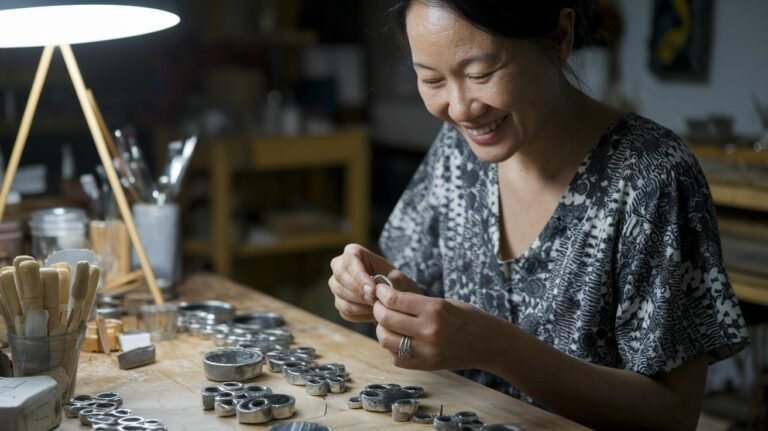
Silver jewelry (silver jewelry Ubud): ask for a .925 or sterling stamp and feel the weight. If something is too shiny and too cheap, it’s probably plated. Tiny scratches that reveal a different metal underneath are a red flag.
-
Paintings and decorative prints: originals have brush texture and often a signature or notes on the back. Prints look flat up close. Ask the seller where the artist is based.
-
Gemstone souvenirs (gemstone souvenirs Bali): real stones usually feel cool to the touch and are set in quality mounts. Be suspicious of very low prices and ask about the stone’s origin.
Bundle similar items to get a better price, and always inspect pieces before you haggle. Think of bargaining like picking a date on a calendar – ask, offer, agree, and you’re set.
For more pick ideas and specifics, see what to buy at Ubud local markets.
Culinary Highlights at Ubud Market

Morning on the west side feels like a foodie’s playground. Long tables pile high with tropical fruit: mango, rambutan, and papaya (sweet and tangy at sunrise), plus bowls of chilies and mounds of fresh spices that smell sharp and warm. Walk slowly. The colors and scents shift as the sun climbs.
- Fresh produce stalls: seasonal fruits and veggies, baskets of turmeric and ginger (earthy and bright), and packets of whole spices you can sniff before you buy.
- Coffee tastings: small vendors pour Bali coffee (kopi Bali), often brewing a tiny sample so you can taste the roasted, chocolatey notes and decide what to bring home.
- Coconut water and juice bars: vendors crack young coconuts right in front of you or squeeze mango and lime into a cool drink. By midmorning light snacks like banana fritters and grilled corn start to appear.
Most stalls take cash only, so bring Indonesian rupiah (IDR) in small bills. It makes paying and bargaining easier. A reusable water bottle comes in handy if you’re sampling lots of flavors and want to stay hydrated. Taste first, then buy. Those tiny paper cups tell you a lot about what’s local and fresh.
Bargaining and Shopping Strategies at Ubud Market

Bargaining is part of the market rhythm. Stalls hum with chatter, colors pop, and the scent of incense and spices drifts by. Vendors often start with a high price, so opening at about half of that is a solid move. Keep your tone warm and curious, smiles go a long way.
Ask the price, pause, then offer the number you actually want. If you’re buying several things, bundle them and ask for a package price. Carry small Indonesian rupiah notes (small bills make change easy) , exact cash speeds the exchange and keeps things friendly.
If the seller won’t budge, step away. Most vendors will call you back with a better offer. Don’t fake interest; genuine curiosity and gentle persistence usually work better than hard haggling. Ever tried a polite smile and a little patience? It often pays off.
Use short, polite lines like: "What’s your best price?" "Would you take X for these two?" "I’ll pay cash now if we agree." If a piece seems too cheap, ask about materials and workmanship , quality varies, and it’s okay to check.
Compare a few stalls before you commit; many sell similar items. Saving a little feels good, but paying more for true handmade work supports local makers and often feels right. Quick rule: start lower than you want and move up slowly. For example, if a seller asks IDR 200,000 (Indonesian rupiah), opening at IDR 100,000 is fine , and keep it friendly.
Trust your instincts. Happy hunting.
Transport, Parking & Arrival Tips

The market is an easy stroll from most central Ubud hotels and guesthouses. Wear comfy shoes and a light shirt , you’ll love the warm, fragrant air as vendors set up their stalls. Ever dreamed of popping out for a snack between temple visits? This is that kind of walk.
Scooter rental (motorbike) runs about IDR 75,000 per day. Rentals usually include a helmet, a full tank, roadside assistance, a phone holder, a small first-aid kit, and a rain poncho. Lock helmets and valuables when you leave the scooter, tuck bags under the seat, or use a tiny travel lock.
Scooter parking near Ubud Market is small, about IDR 2,000 per day. Car parking nearby is roughly IDR 10,000 per day. Spots fill quickly during peak hours, so plan a little extra time if you’re arriving midday.
Local shuttles like the Kura Kura Bus run from main hubs to Ubud for about IDR 50,000 per trip. They’re an easy, no-fuss option if you want to relax and not worry about directions.
Hiring a private driver, starting around IDR 400,000 per day, makes door-to-door travel simple and takes the stress out of parking. Great for grocery runs or a lazy day of exploring when you don’t want to carry bags.
Plan extra time for slow traffic if you’re coming from outside town. Carry small Indonesian rupiah notes for parking, tips, and quick purchases , exact change keeps things smooth. And if you’re exploring on foot from a central hotel, enjoy the short, fragrant stroll and quick photo stops. Pure bliss.
Nearby Attractions and Dining Surrounding Ubud Market

Step out of Pasar Seni Ubud (Ubud art market) and lunch or dinner is right there, just a short stroll.
Cafe Lotus (Jl. Raya Ubud No.14) sits beside a lotus pond, quiet, reflective water and a gentle breeze.
Cherry Pepper Ubud (Jl. Monkey Forest) offers casual bites close to the monkey path.
Queen’s of India (Jl. Suweta) is reliable for spiced favorites, and Tropical Restaurant Ubud (Jl. Monkey Forest No.03) is easygoing after a morning of browsing.
Pair the market with nearby sights for a full, easy day.
Walk the Campuhan Ridge Walk, a light hilltop trail with airy views and soft morning light.
The Sacred Monkey Forest Sanctuary gives you an up-close peek at playful long-tailed macaques (local monkeys known for their antics) , keep bags zipped.
Art lovers will enjoy the intimate Blanco Renaissance Museum gallery, and a short drive brings you to the Tegalalang Rice Terraces (stepped fields that glow emerald at sunrise).
Hungry? For curated meal picks and local dining tips see where to eat authentic balinese food in ubud.
Plan to leave time for a slow meal after shopping.
Nap, sip a fresh coconut, then wander to one of the nearby sights.
Easy, relaxed, and full of small pleasures.
Final Words
In the action, you’ve got the essentials: where to go (across from Ubud Royal Palace), when to arrive (6:00 AM–6:00 PM), entry (free), and that early mornings mean quieter stalls, softer light for photos, and stronger bargaining as one of the first customers.
The market splits into an east art lane and a west produce hub. You’ll find wood carvings, batik, silver, fresh fruit, and coffee tastings.
Pack small rupiah notes, wear comfy shoes, and enjoy the warm colors, scents, and smiles of ubud market.
FAQ
Ubud Market — FAQ
Ubud market hours, Ubud market day, Ubud market Sunday, Ubud Market Night — what are the opening times and best time to visit?
The Ubud market hours are 6:00 AM to 6:00 PM daily, so it’s not a night market. Early morning is best for quiet lanes, soft light, and stronger bargaining as one of the first customers.
Ubud market directions, where is Ubud Market, and which street is best for shopping in Ubud?
The Ubud Market is located across from the Ubud Royal Palace on Jalan Raya Ubud with entrances on Jl. Raya Ubud and Jl. Dewisita. Jalan Karna hosts many art and craft stalls.
Is Ubud Market worth visiting and are there good spots for photos?
Yes — the market is worth visiting for local crafts, fresh produce, and charming alleys. Early morning offers the best light, calmer scenes for photos, and more relaxed browsing.
Ubud market shopping, Ubud market clothes — what should I expect to buy?
Expect batik fabrics, locally sewn clothes, handwoven ata grass bags, wood carvings, and silver jewelry. Look for hand-carved details and artisan signatures to spot authenticity.
What is unique to buy in Ubud and what authentic handicrafts should I choose?
Unique buys include batik textiles dyed with natural pigments, handwoven rattan bags, myth-inspired wood masks, handmade silver pieces, and original paintings. Ask about materials and maker marks.
How much should I pay for a painting in Bali and what bargaining tips work at Ubud Market?
Price depends on size and skill. Start around 50% of the vendor’s first price, stay friendly, bundle items to get a better deal, and be ready to walk away if needed.
Ubud market photos, Ubud market food — what culinary treats and payment tips are there?
The market offers fresh fruits, local spices, Bali coffee samples, coconut water, and small juice bars. Most stalls take cash only, so bring Indonesian Rupiah in small notes.
Ubud market directions, parking, scooter rental, and arrival tips — how do I get there?
The market is walkable from central Ubud. Scooter rental ~IDR 75,000/day, scooter parking ~IDR 2,000, car parking ~IDR 10,000, or hire a private driver from about IDR 400,000/day for door-to-door ease.