5 what to buy at Ubud local markets Amazing Finds
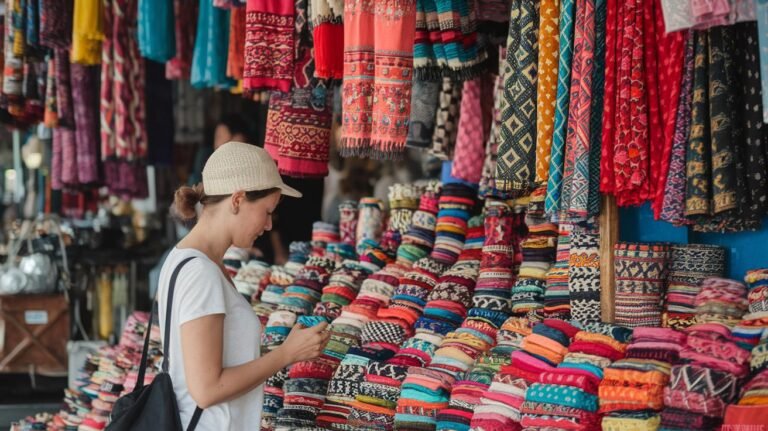
Ever wandered into Ubud’s market under Bali’s warm sun? Your senses come alive. You spot a rainbow of hand-woven textiles. You breathe in spices with spicy-sweet scents. And you hear the soft murmur of local chatter.
Those sarongs feel like dawn over rice terraces (stepped fields that glow emerald at sunrise). And that volcanic-smoked coffee teases your taste buds with each sip. I still remember the first time I tasted that brew – the smoky aroma felt like a warm hug. Each little treasure feels like a tiny island getaway. Pure bliss.
In this friendly guide, I’ll share five must-have finds from Ubud’s colorful stalls. They’re perfect for gifting, for building your own collection, or for savoring at home. Ready to find your next favorite keepsake?
Essential Purchases at Ubud Local Markets
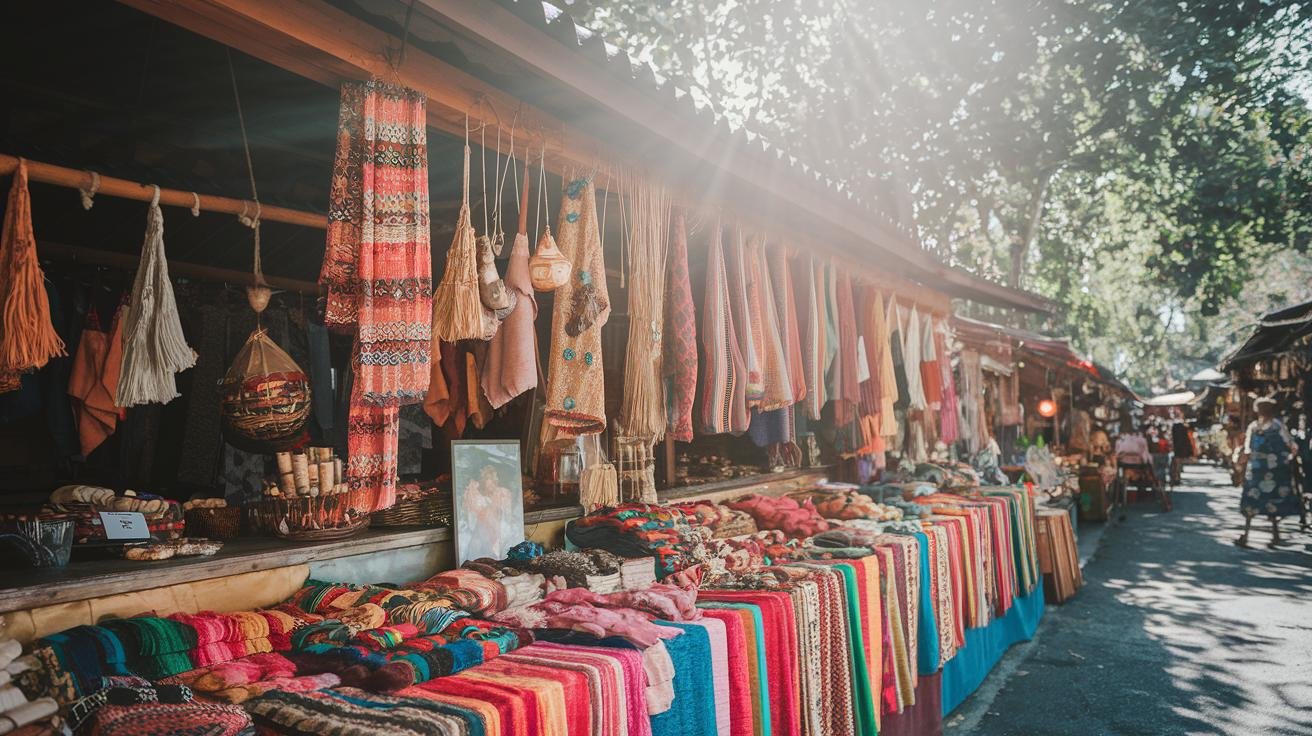
Ever wandered through Ubud’s winding lanes, tempted by treasures calling your name? The market buzz is alive with color, scent, and story. Every stall feels like a little secret waiting for you. Let’s explore the must-have finds.
-
Hand-woven textiles (Batik cloth is a wax-resist fabric and ikat uses threads tie-dyed before weaving)
Ever wrapped yourself in art? These sarongs glow like sunrise over rice terraces (stepped fields that glow emerald at sunrise). Pure bliss. -
Wood carvings
Local artisans sculpt everything from miniature mythic figures to grand panels of Balinese legends, each carved story under your fingertips. Oops, you’ll get lost tracing every fine detail. Storytime in wood. -
Handcrafted silverwork and artisan jewelry
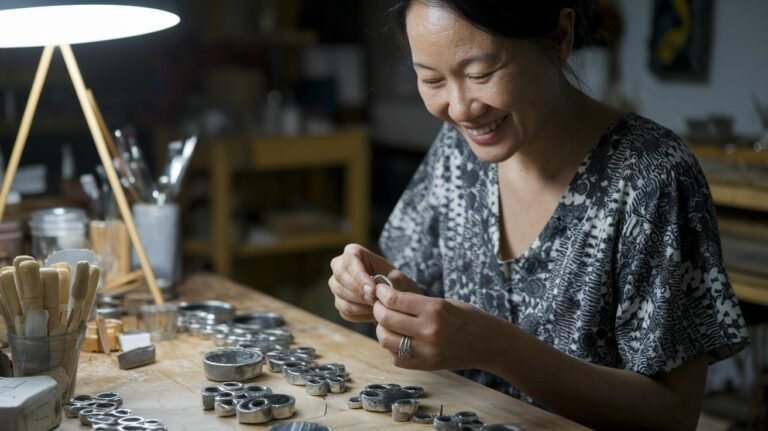
Filigree rings, earrings, and bracelets shimmer with tiny silver threads, each twist forming floral petals or geometric shapes. Each piece carries a generational secret of silversmithing, perfect for a gift or that keepsake you can’t stop wearing. -
Artisanal spices
Tiny sacks hold turmeric, clove, vanilla beans, and chili, like a dawn-scented spice garden. Sprinkle a pinch and your kitchen will smell like Bali’s morning market. Yum. -
Single-origin coffee beans
Kintamani farms (highland region around Mount Batur) grow beans with a bold body and a whisper of volcanic smoke. Imagine sipping your first espresso as the scent of coconut oil drifts by. Morning magic. -
Eco-friendly crafts
Upcycled bags, bamboo cooking spoons, and natural-fiber hats support local makers and the planet. You’ll feel good leaving with souvenirs that celebrate both Balinese creativity and green practice.
By the way, see the Price Ranges & Budget Planning section for typical price bands.
Navigating Ubud Local Market Layout for Authentic Finds
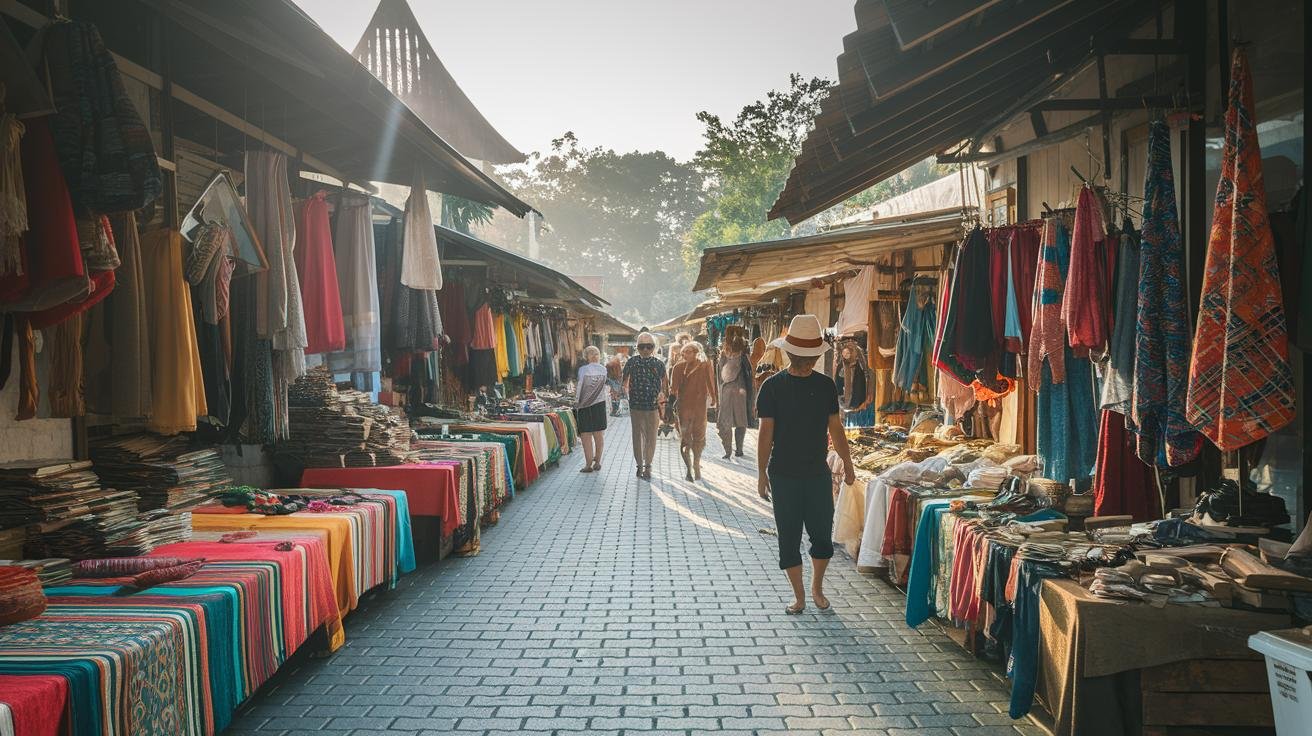
Picture this: a soft morning glow spilling over Pasar Seni Ubud along Jl. Karna, Jl. Dewisita, and Jl. Raya Ubud. You step in free of charge and the air feels cool. Vendors offer quiet hellos and smiles as you wander the stalls.
Stalls fall into three welcoming zones:
- Textiles & Fabric: batik cloth (wax-resist dyed fabric) and ikat sarongs (tie-dye woven wraps) hang like colorful curtains.
- Handicrafts & Woodwork: silversmiths shape filigree rings beside hand-carved wooden panels whispering Balinese myths.
- Food & Spices: you’ll find sacks of turmeric, fragrant vanilla pods, and Kintamani coffee beans (volcanic-grown brew) filling the air with earthy scents.
Parking can be tricky. You can leave a scooter for about 75,000 IDR a day or enjoy a stroll from Ubud center. Plotting your path helps you hit favorite stalls without doubling back.
By the way, ever dreamed of spotting that perfect bamboo basket as soon as you arrive? Check the Ubud art market shopping guide to map out your route through artisans’ stalls. You’ll breeze from silversmith galleries to hidden gems before the sun climbs too high.
Pure treasure hunt.
Effective Bargaining Tips for Ubud Local Markets
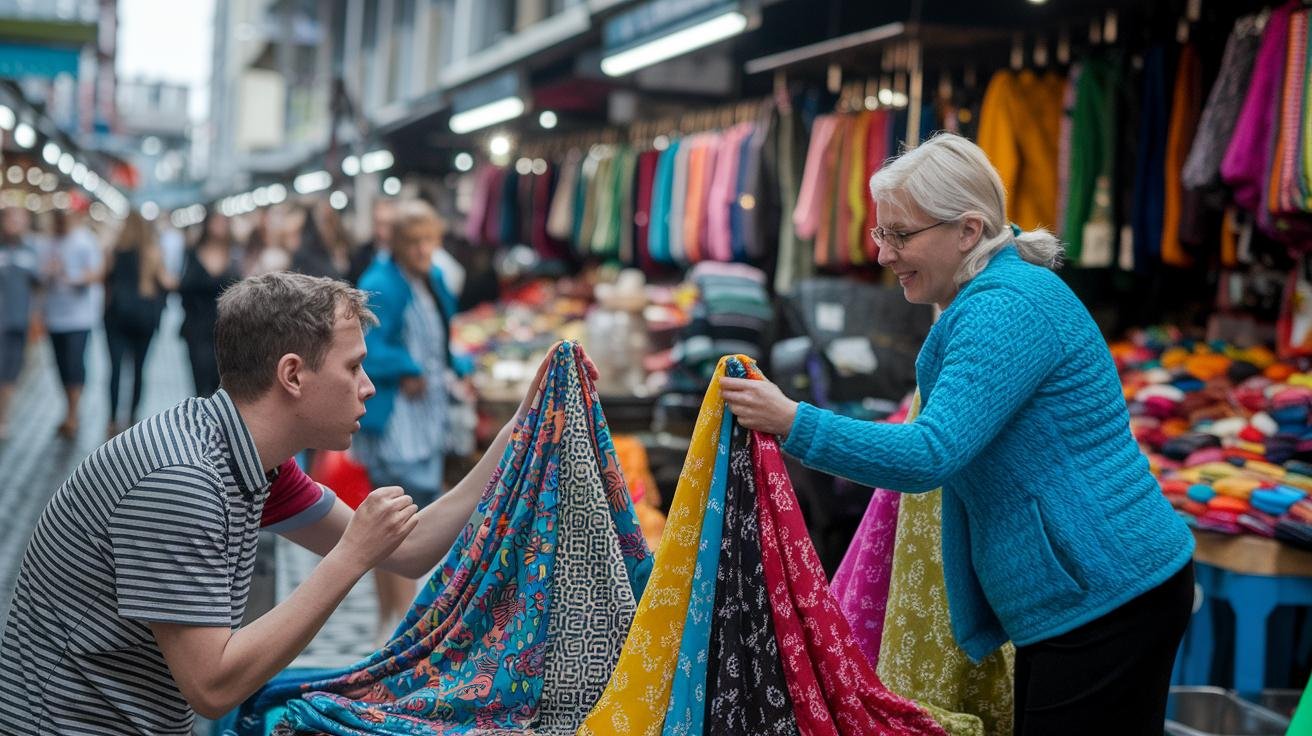
Ever wandered through Ubud’s morning bustle? The scent of frangipani (sweet tropical flowers) floats by, and stalls glow with handwoven textiles. Let’s talk haggling.
- Offer about half the sticker price to get the ball rolling. Most stall owners (those charming wooden booths) expect a friendly tug-of-war before landing on something fair.
- Flash a genuine smile. Balinese vendors appreciate warmth, sometimes a grin is all it takes to shave off a few rupiahs (Indonesian money).
- Be ready to walk away. I know, bold move. But once you turn, you’ll often hear someone calling you back with a sweeter deal.
- Bundle up your picks. Snag three sarongs (vibrant wraps you can wear as skirts) or a handful of stone-carved ornaments for a volume discount.
- Count your change right in front of the seller. Spot a missing bill? Point it out gently, you’ll keep the good vibes.
- Shop early, just as stalls open. Locals believe the first sale brings luck, so that 8 am stroll often means friendlier prices.
- Mind your hands around fragile pieces. A quick “Boleh sentuh?” (may I touch?) shows respect and keeps things chill, no broken keepsakes here.
Keep small bills in IDR on hand since cards only work at a few spots. Toss in a “Berapa?” (how much?) and wrap it with a heartfelt “Terima kasih” (thank you). Take one full loop first to see the usual rates, then circle back to your favorite stall confident you’re getting the best deal. Pure joy. Happy haggling.
Price Ranges & Budget Planning for Ubud Market Shopping
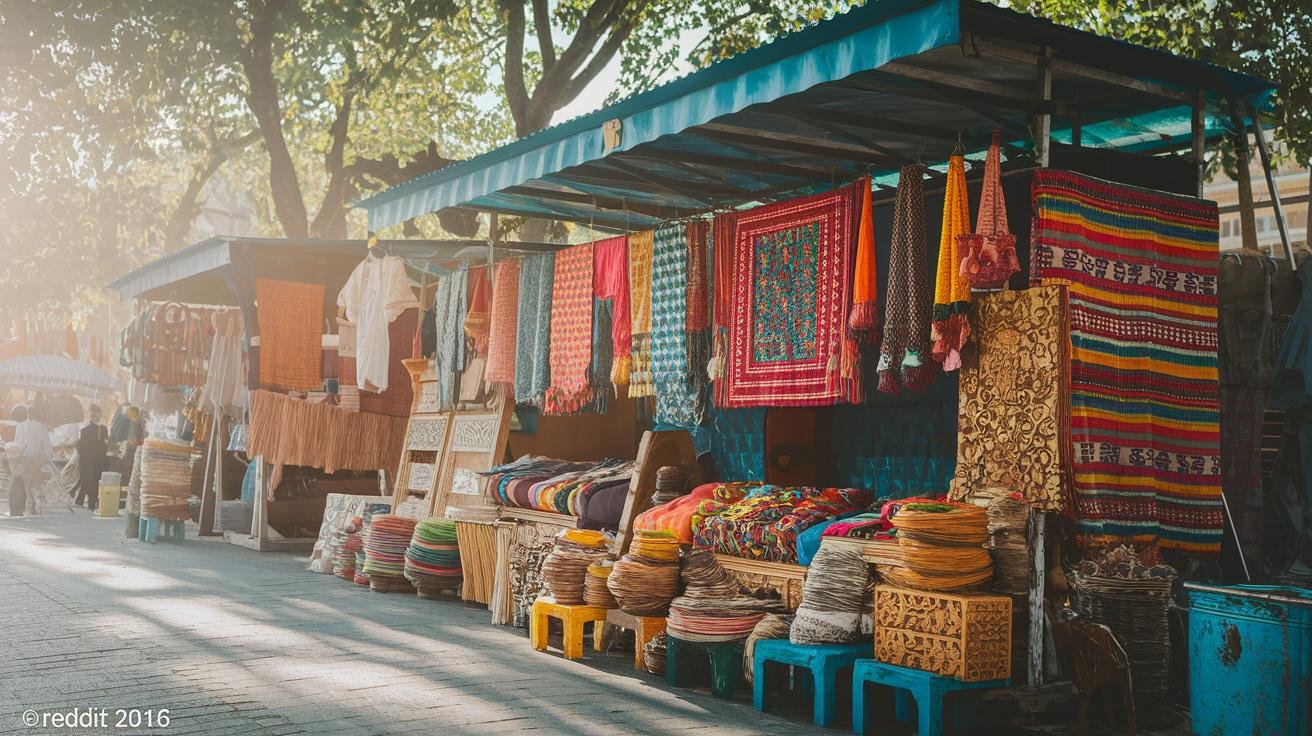
Ever wander through stalls heavy with spice (think clove, cinnamon)? Wonder how far your rupiah will carry you at Pasar Seni Ubud (Ubud Art Market)? It’s like a treasure hunt under a palm-fringed roof.
Dresses and sarongs (light cotton wraps) usually run 100,000–300,000 IDR. A simple silver bracelet (delicate filigree) often hovers around 200,000–500,000 IDR.
| Item Category | Price Range (IDR) |
|---|---|
| Textiles (Batik/Ikat) | 100,000–300,000 |
| Wood Carvings (teak or sandalwood) | 200,000–700,000 |
| Silver Jewelry | 200,000–1,500,000 |
| Woven Baskets & Bags | 50,000–400,000 |
| Spices & Coffee | 50,000–100,000 |
Spice sets and coffee samplers (fresh-roast Arabica) go for just 50,000–100,000 IDR each. If you’re aiming to stay under 500,000 IDR, grab a sarong and a woven basket, or a small pouch of vanilla beans.
If silverwork tempts you, remember the top end can climb above 1,000,000 IDR. But most filigree earrings charm at under 300,000. And when you eye those wood carvings, look for teak or sandalwood pieces. Bigger sculptures can hit 700,000 IDR, so stroll from stall to stall and compare.
Thinking of a snack break? A bag of banana chips or spiced peanuts drops in at 30,000–50,000 IDR. Crunchy, sweet, a perfect pick-me-up.
Eco-friendly finds like bamboo spoons or soy-wax candles sit between 75,000 and 150,000 IDR. Jot those numbers down so you can balance splurges on jewelry or larger carvings.
Plan on around 1,300,000 IDR (about $80 USD) for a full haul, dress, carving, bracelet, basket, and spice blend. Tuck in an extra 10–15 percent for that “just can’t leave it behind” trinket.
Next time I set aside 1,000,000 IDR, I walked away with two sarongs, a hand-carved mask, and fresh coffee beans, then added a small wooden panel. That little wiggle room means you never miss your perfect find.
Sustainable and Eco-Friendly Buys at Ubud Local Markets
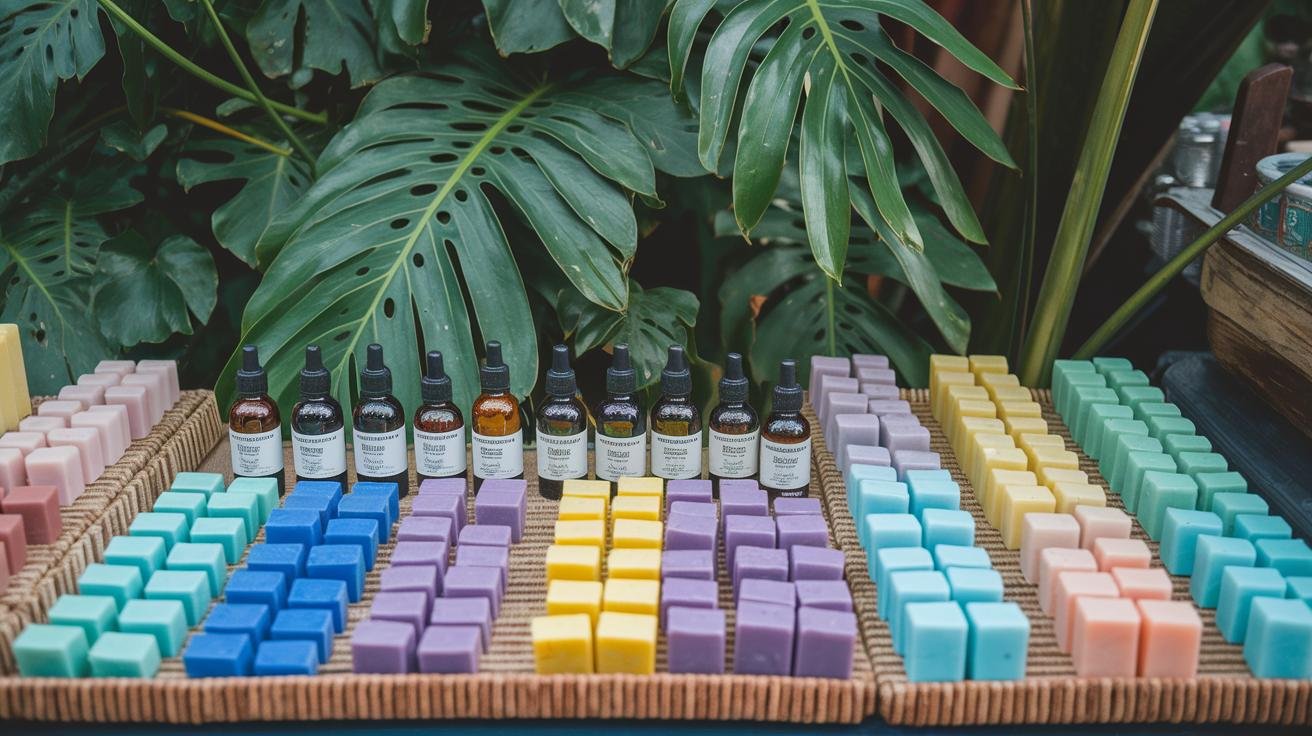
Ever wandered Ubud’s local markets? You’ll see stalls leaning into fair-trade crafts, upcycled (recycled materials) goods, and zero-plastic packaging. Small-batch treasures line every table, each one gentle on the earth and kind to your skin.
- Hand-poured candles made from soy and coconut wax (from local coconuts). You’ll catch whispers of creamy coconut or a zing of kaffir lime (aromatic citrus leaf).
- Organic artisan soaps bursting with turmeric (known to calm skin), lemongrass (bright and refreshing), or jasmine (softly floral). They come in packs, about 75,000 to 150,000 IDR, and each bar is tucked into banana leaf (broad leaf used for wrapping).
- Pure essential oils in 10 mL bottles, frangipani (sweet tropical flower), warm clove, or earthy sandalwood. A few drops into warm water or on your pulse points, and you’ll drift into a calm, spa-like moment. Prices hover between 100,000 and 300,000 IDR.
- Coconut oil creams whipped with fresh coconut milk (straight from the shell). They sink right in, leaving your skin with a soft, tropical glow.
- Upcycled fabric bags and bamboo home items, all hand-crafted by local artisans. They’re plastic-free and painted in bright patterns that echo Bali’s art and temples.
Breathe in that lemongrass scent, and feel good knowing you’re supporting fair wages and earth-friendly ways. By the way, many stalls will refill your coconut oil jars so you can skip single-use plastic. You’ll head home with keepsakes that pamper your skin and honor Balinese traditions.
Etiquette and Practical Tips for Shopping Ubud Local Markets
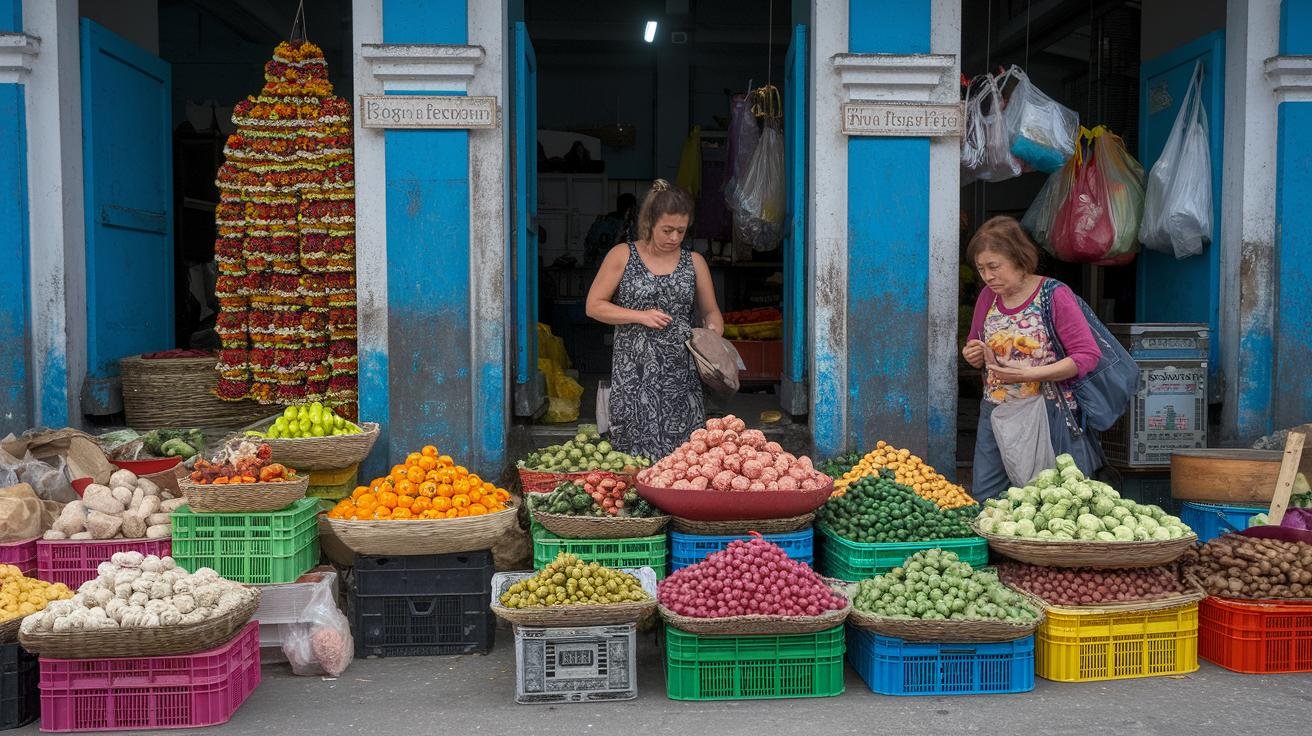
Notice the tiny canang sari sets (daily flower offerings) at each stall entrance. Please don’t step on them. These sweet little temple gifts honor the gods, and pausing to admire them shows you get the local vibe.
Carry a refillable water bottle, you’ll thank yourself under Bali’s sun. Tuck your valuables into a zipped pouch or money belt. When crowds swell around noon or on weekends, you’ll feel way more relaxed.
Planning your visit? Aim for just after 8 AM, when vendors are laying out silk scarves and fresh canang sari petals still glow. Or slip back in around 4:30 PM for last-call deals and quieter aisles before they close.
As you browse batik wraps and hand-carved masks, take a full loop before you buy. You’ll spot similar treasures and compare prices without feeling rushed. Give each piece a quick check, watch for loose threads, chipped paint, or tiny cracks in wood, so your souvenir comes home perfect.
Mind the local lingo: say “Boleh lihat?” (may I see?) before touching delicate pottery or intricate silverwork. A gentle nod and a smile go a long way. Simple pauses and quiet respect will help you score genuine finds, and friendly faces.
With these easy tips, you’ll shop Ubud’s stalls thoughtfully and leave with real treasures, and a grin from every vendor.
Final Words
Ubud’s markets overflow with hand-dyed Batik and ikat fabrics, silver jewelry, wood carvings, aromatic spices and local coffee beans.
Zones by Jl. Dewisita, Jl. Karna and Jl. Raya Ubud help you find textiles, crafts or snacks fast.
Friendly haggling at half the asking price and solid budget tips keep your haul both rich and wise.
Mind local offerings at stall doorways, shop in the cool hours and pick up upcycled crafts for a lighter footprint.
This quick guide to what to buy at Ubud local markets makes every visit stress-free and brimming with buys you’ll love.
FAQ
What should I buy at Ubud local markets?
At Ubud markets shop hand-dyed Batik and Ikat textiles (traditional dyed fabrics), carved wood statues, filigree silver jewelry, aromatic spice blends, single-origin coffee beans, and eco-friendly crafts.
What are Ubud market opening hours?
Ubud markets generally open around 8 AM and close by 6 PM daily, with most stalls ready early. Arrive before 10 AM for cooler crowds and fresh finds.
Where is the best place or street for shopping in Ubud?
The best place for shopping in Ubud is Pasar Seni Ubud along Jl. Karna, Jl. Dewisita, and Jl. Raya. Sukawati Art Market also offers budget-friendly crafts.
Is the Ubud Art Market worth visiting?
The Ubud Art Market is worth visiting for authentic handmade crafts at local prices. Expect friendly haggling, vibrant textiles, and detailed woodwork across hundreds of open-air stalls.
How much should I pay for a sarong in Ubud?
A sarong in Ubud typically ranges from 100,000 to 300,000 IDR. You can often negotiate mid-range prices around 150,000 to 200,000 IDR, especially early in the day.