What To Expect At Ubud Arts Festival Excitement
Think the Ubud Arts Festival is just dance and souvenirs? Think again.
For about three weeks in June and July the royal palace and open-air stages come alive. Mornings bring wayang kulit (shadow-puppet theater) and gamelan (bronze percussion orchestras). Daytime exhibitions fill the courtyards, and night concerts drift under the stars.
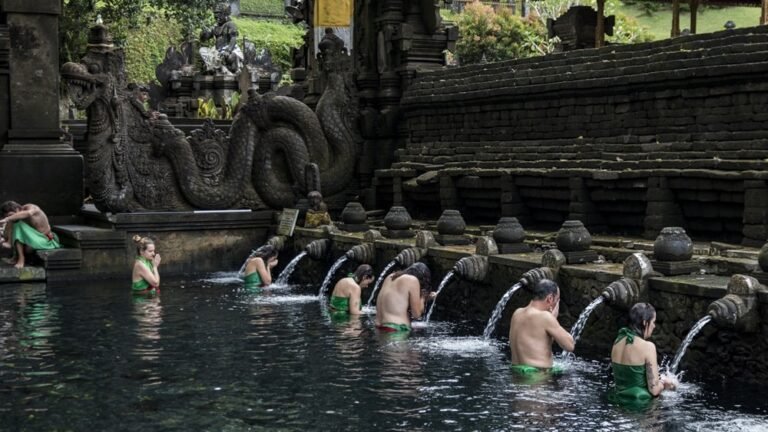
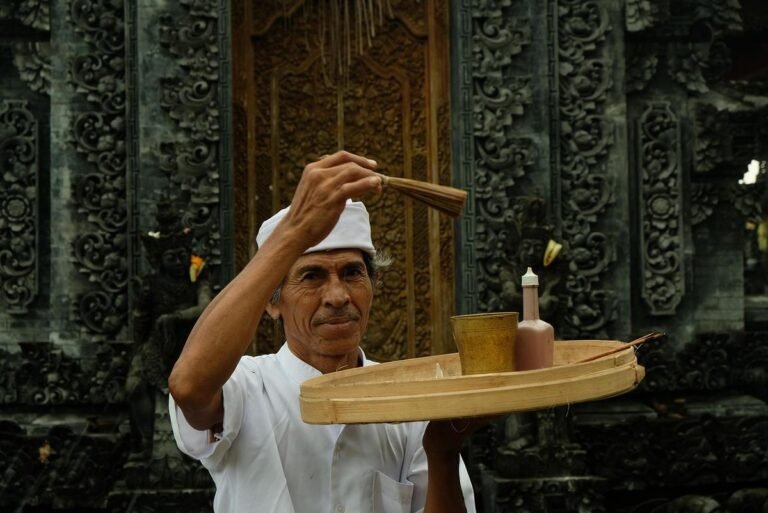
You’ll smell incense and frangipani (sweet, heady blossoms), hear bright bronze percussion, and feel the soft murmur of the crowd. Hands-on batik (wax-resist dyeing) and dance workshops sit alongside ritual performances , you can learn a step or just watch.
This little guide shows what to expect: daily rhythms, ticket tips, what to wear, and the best way to mix paid shows with free roaming so your visit is easy and full of small, delightful surprises.
Ubud Arts Festival Overview & Key Highlights
The Ubud Arts Festival runs about three weeks each June and July, centered around the Ubud Palace and nearby open-air stages, galleries, and public squares. Want to plan? Check the exact Ubud art festival dates 2024.
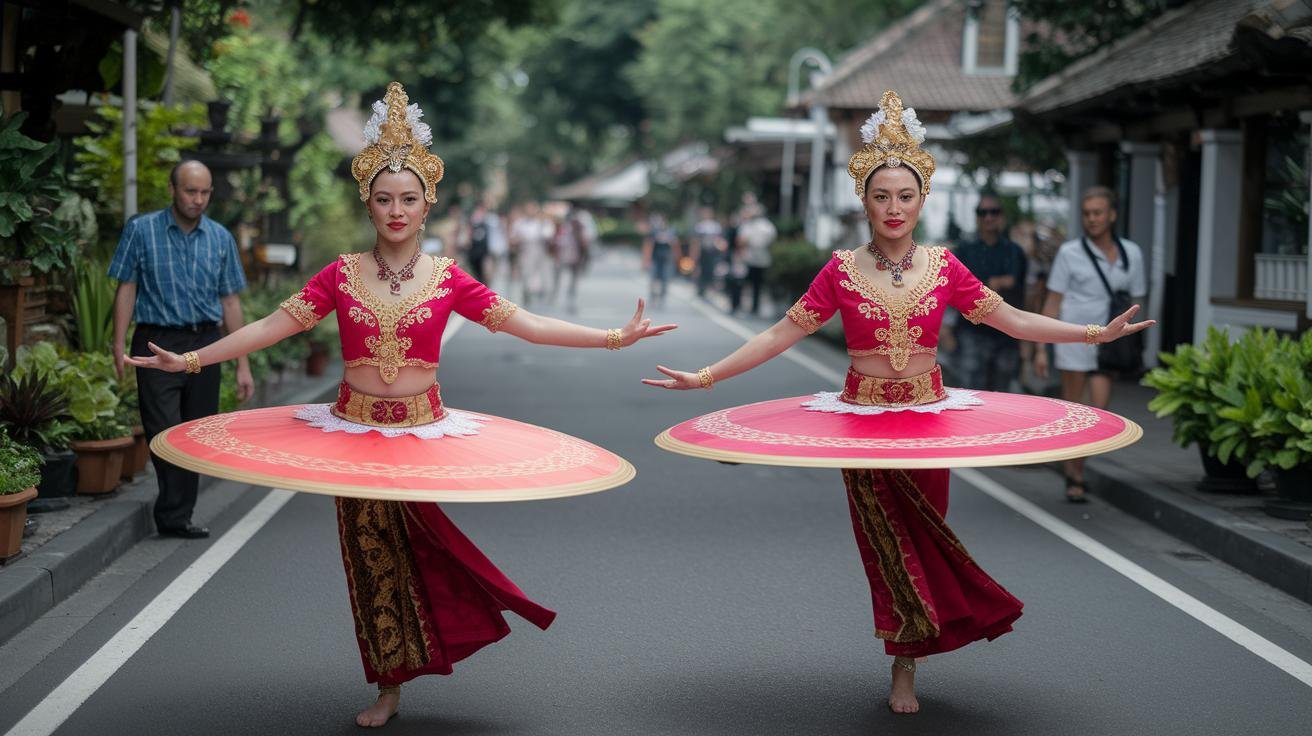
It started as a local push to keep traditional Balinese arts alive and now blends time-honored forms with fresh creative work. Think of each day like a rhythm: morning shadow-puppet shows, afternoons at the palace, and night concerts under the stars. Ever pictured that?
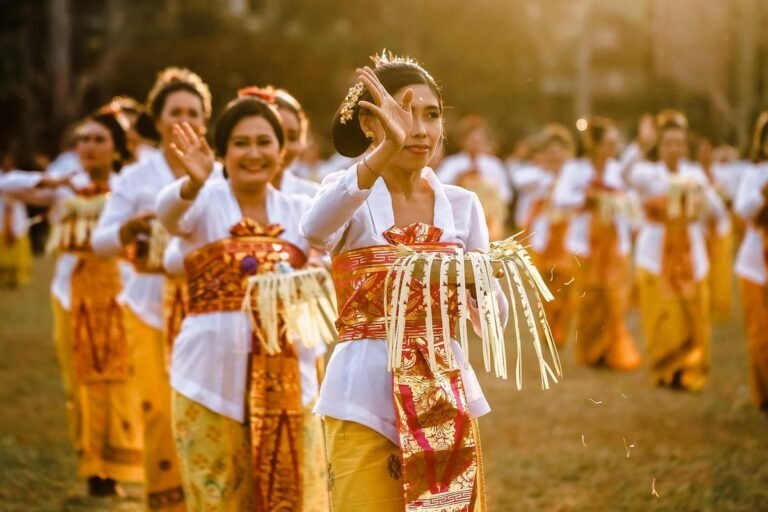
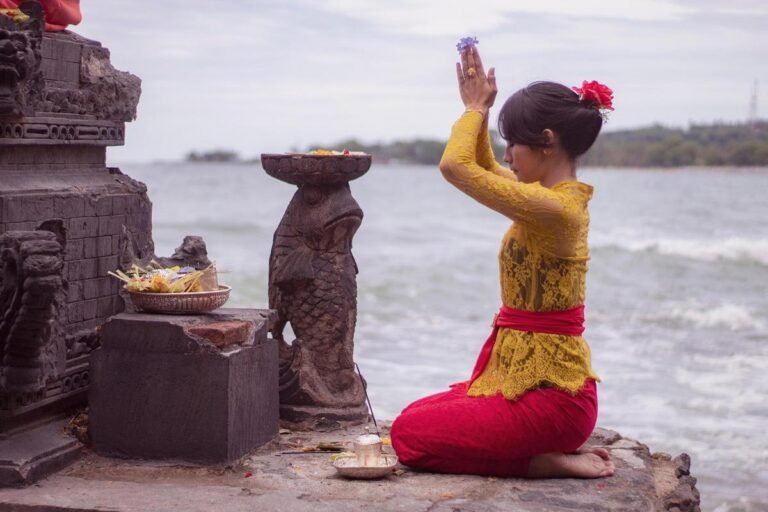
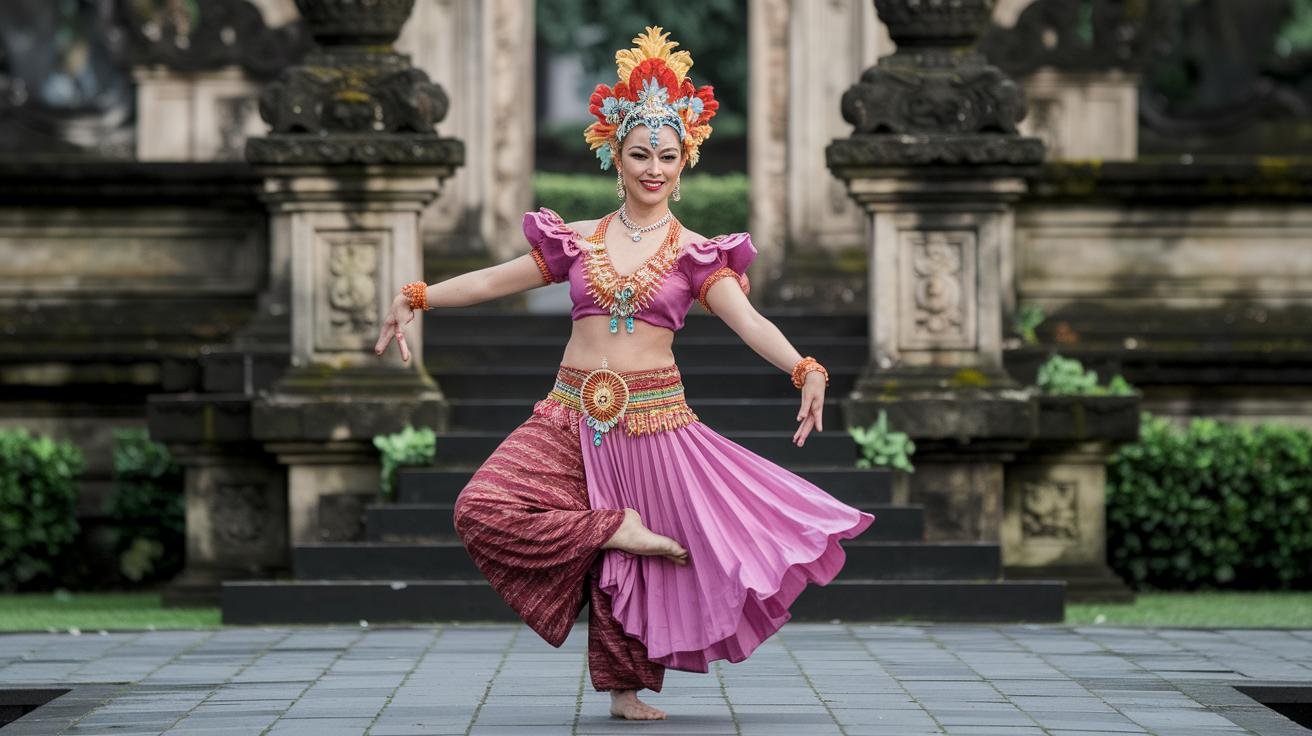
You’ll catch classical Balinese dance like Legong, and wayang kulit (shadow-puppet theater) in the mornings. Gamelan orchestra (traditional percussion orchestra) fills the open-air stages, while theater pieces and contemporary art exhibits appear around town. Special rituals and ceremony reenactments give a close look at spiritual life here.
There are hands-on workshops too , batik (wax-resist dyeing), dance moves, and basic gamelan rhythms , plus markets selling snacks and handcrafted souvenirs. Ticket prices for main performances usually run 50,000–150,000 IDR, and many events are free. So mix paid shows with free roaming to get the most out of your visit. For timing and seating tips check tips for attending Ubud art festival.
The festival is rich and easy to enjoy whether it’s your first visit or you’re returning. Expect lively percussion, pathways lined with art stalls, and incense-scented air. Bring a light sarong (wrap skirt) for temple-style shows, arrive early for popular performances, and leave room for a spontaneous workshop or two. Pure delight.
Daily Schedule & Signature Performances at the Ubud Arts Festival
Mornings are a slow, lovely wake-up. You’ll find wayang kulit (shadow-puppet theater) and short theatrical pieces in cool palace courtyards and small galleries. Listen for the gentle tap of the puppets and the low murmur of the audience as the day begins. Ever imagined starting a morning like that?
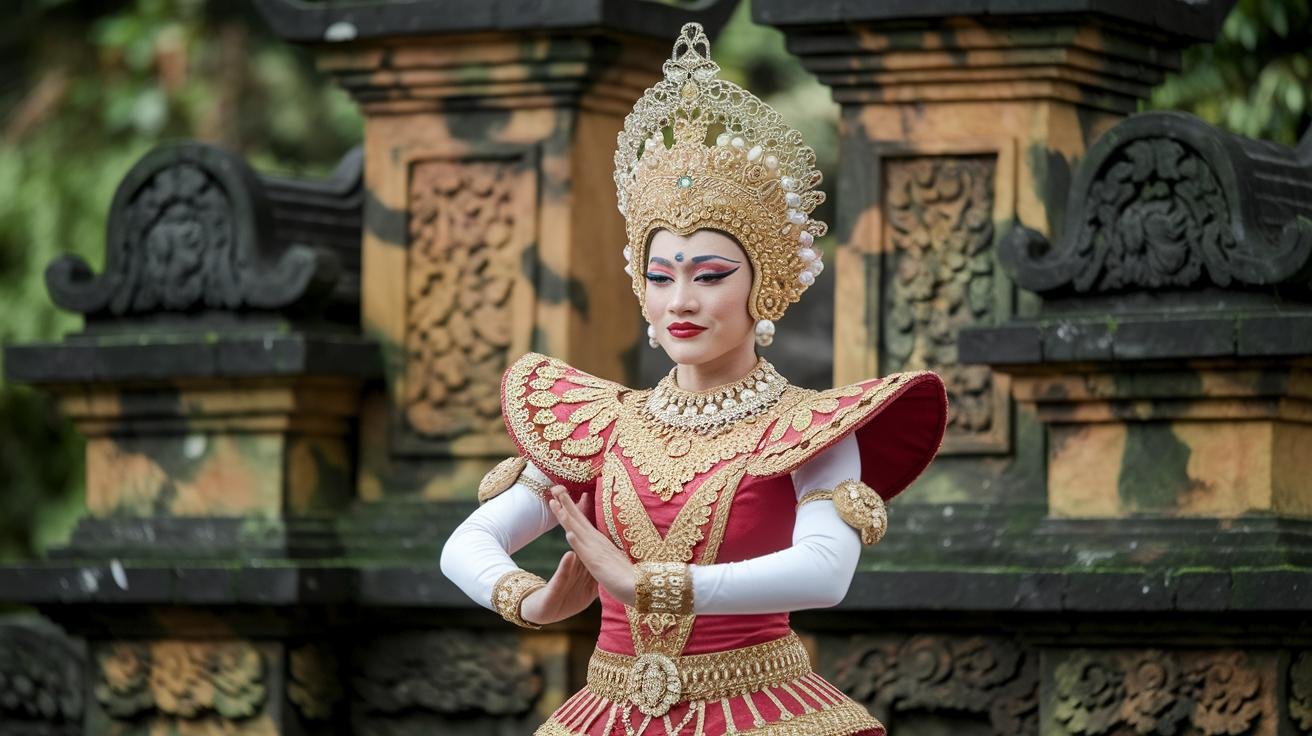
Afternoons brighten with color and rhythm. Watch Legong (youthful, precise classical dance) in its bright costumes while gamelan (percussion orchestra) plays the shimmering metallic rhythms. The dances feel intimate up close , the delicate hand gestures, the focused faces, the soft rustle of silk.
Evenings turn dramatic. Kecak (fire-chant dance) fills open-air stages with chanting voices and flickering flames, while jazz fusion and street performers bring a modern pulse. The air smells of incense and grilled snacks, people gather, lights glow. Pure magic.
| Time of Day | Event Type | Venue & Best Time to Attend |
|---|---|---|
| Morning | Wayang kulit (shadow-puppet theater), short theatrical plays | Ubud Palace courtyards, small galleries , early mornings or weekdays for a quieter experience |
| Afternoon | Legong (classical dance), gamelan (percussion orchestra) concerts | Ubud Palace main stage, Taman Arum Sumampan , early afternoons on weekdays see smaller crowds |
| Evening | Kecak (fire-chant dance), jazz fusion concerts, street performances | Open-air stages and large public squares like Puputan Renon (open ceremonial square) , arrive early for headline shows or choose weekday evenings |
The opening ceremony starts with ritual parades and dramatic costumes that set the festival’s tone. The closing ceremony gathers top acts for a grand finale , think a best-of showcase. For the most popular performances, like Kecak or headline jazz, roll in early to grab good seats, or pick weekday evenings and early-afternoon slots if you want fewer people around.
Interactive Workshops & Artisan Demonstrations at Ubud Arts Festival
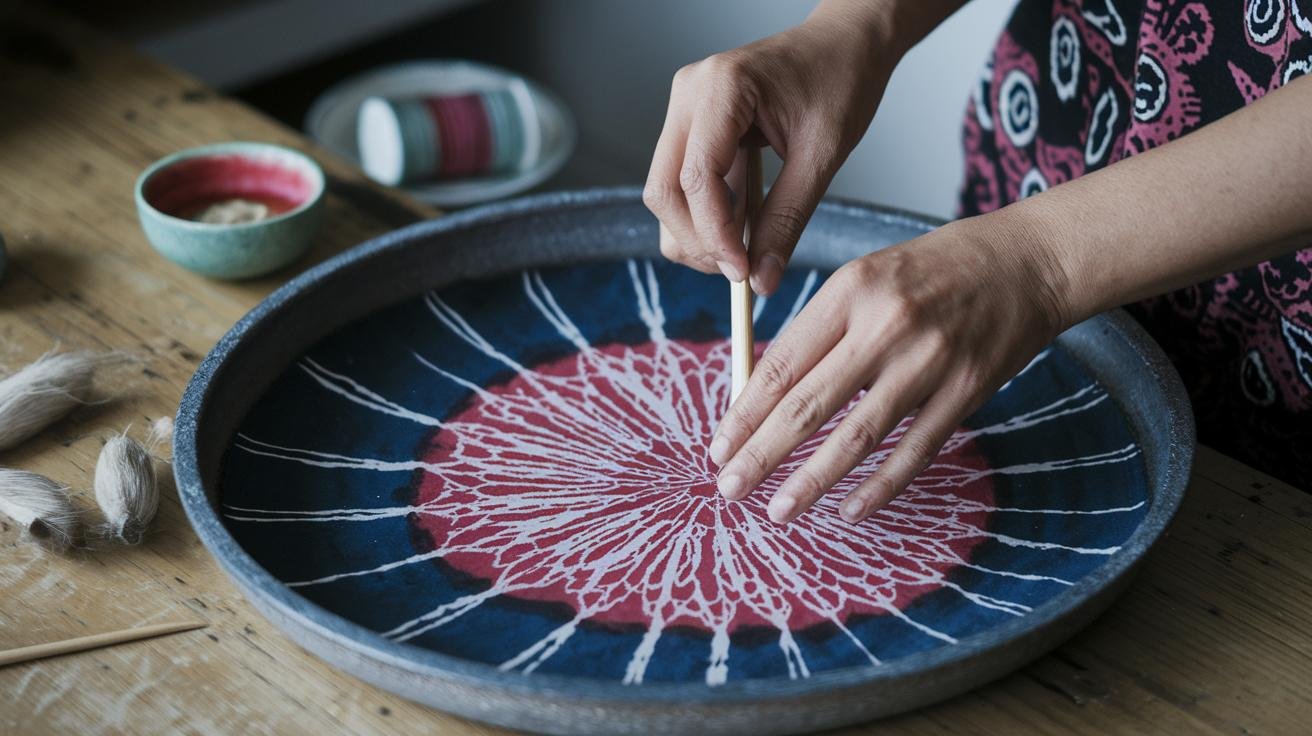
Hands-on craft corners pop up all over the festival grounds. You’ll find a watercolor workshop where the warm, humid air makes pigments bloom on paper, a batik class (wax-resist dyeing) that walks you through simple patterns, and a wood carving demo where small chisels tap out tiny stories and wood dust smells like sun-warmed timber. There’s also a mask-making session led by village carvers (traditional wooden masks used in dance and ceremony) and a calligraphy table bending Balinese script (ornate local writing) into graceful lines. Ever wanted to try your hand at something new?
Local masters take only small groups, speak softly about technique, and always invite you to try. You’ll feel the rasp of a carving tool, the soft brush of paint, and the easy warmth of shared laughter. By the way, community workshops are very family-friendly, so it’s as much about meeting makers as it is about making.
Signing up is simple. Register on site at the gallery desk or artisan kiosk, and most classes run in 1-2 hour blocks each day. Popular slots fill fast, so come early or ask the info booth for the day’s schedule. Materials are usually included, though some sessions ask for a modest fee to cover supplies. Wear clothes you don’t mind getting a little paint on, bring a small tote for finished pieces, and plan for hands-on fun rather than long lectures. Pure, practical joy.
Art Exhibitions & Market Stalls at Ubud Arts Festival
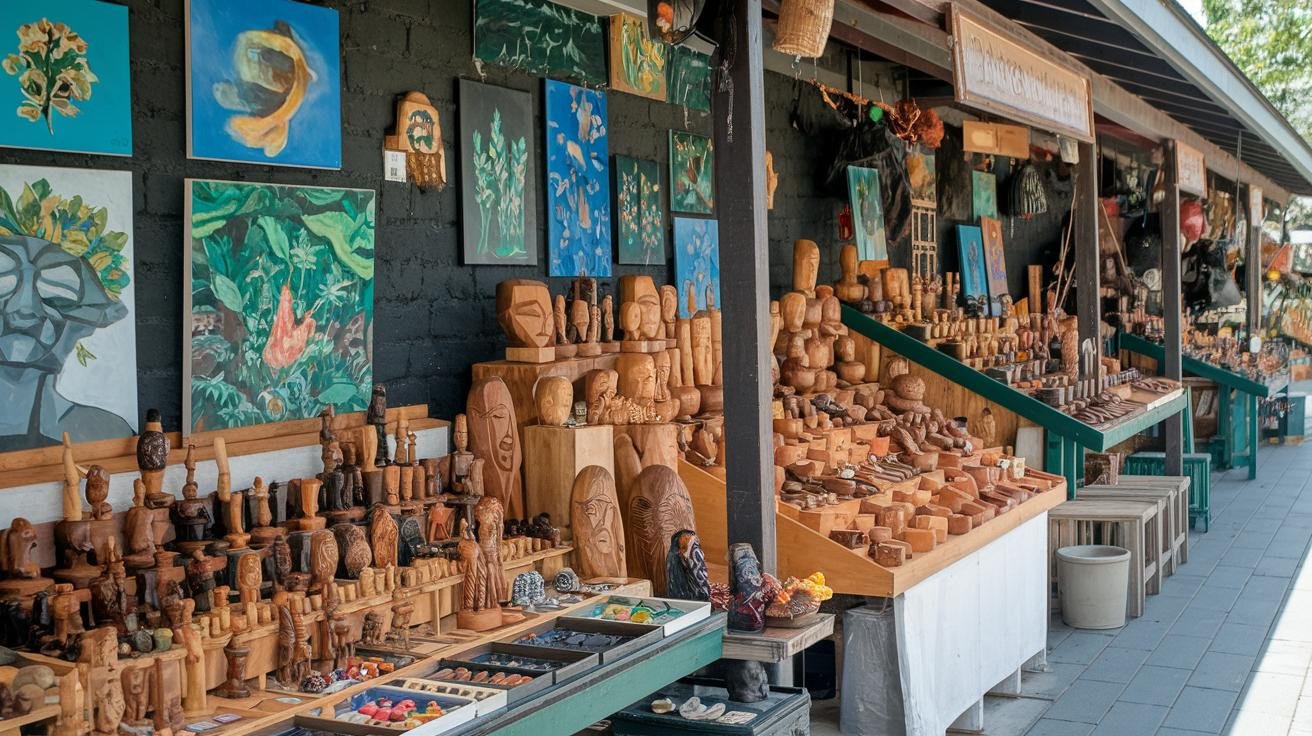
Step into cool gallery rooms and open-air pavilions and you’ll find paintings of local landscapes, intimate portrait studies, and modern pieces that catch the light a little differently as the day moves. The tiles are cool underfoot, the light soft, and sometimes you’ll catch the warm scent of incense and frangipani (a fragrant tropical flower). Ever lingered over a brushstroke and wanted the story behind it?
Nearby, a sculpture gallery shows carved wood and stone works. Mask displays (used in Balinese dance and ceremonies) and playful mixed-media installations bring ritual imagery to life in surprising shapes. Each painting and sculpture has a label with the artist’s name and a short note about technique, so you can wander, pause, and ask questions.
The exhibition schedule shifts during the festival, so peek at the daily program and plan a slow walk between performances. Think of it like choosing a date on a calendar, pick a time, stroll, and let the art find you.
Outside the galleries, handicraft stalls line the walkways. You’ll see carved wood, handwoven textiles, silverwork, and small temple offerings (canang sari). The air smells of wood shavings and hot metal, and the pieces catch the sun as you pass.
Prices usually run from 30,000 to 200,000 IDR. Bargaining is light and friendly. Start a little lower, smile, and keep it kind. Quick market tips: inspect the quality, ask what materials were used, and carry small bills for faster buys. Often the makers are right there, happy to explain their process and stories. You’re not just buying a souvenir, you’re meeting a maker.
Pure joy.
What To Expect At Ubud Arts Festival Excitement
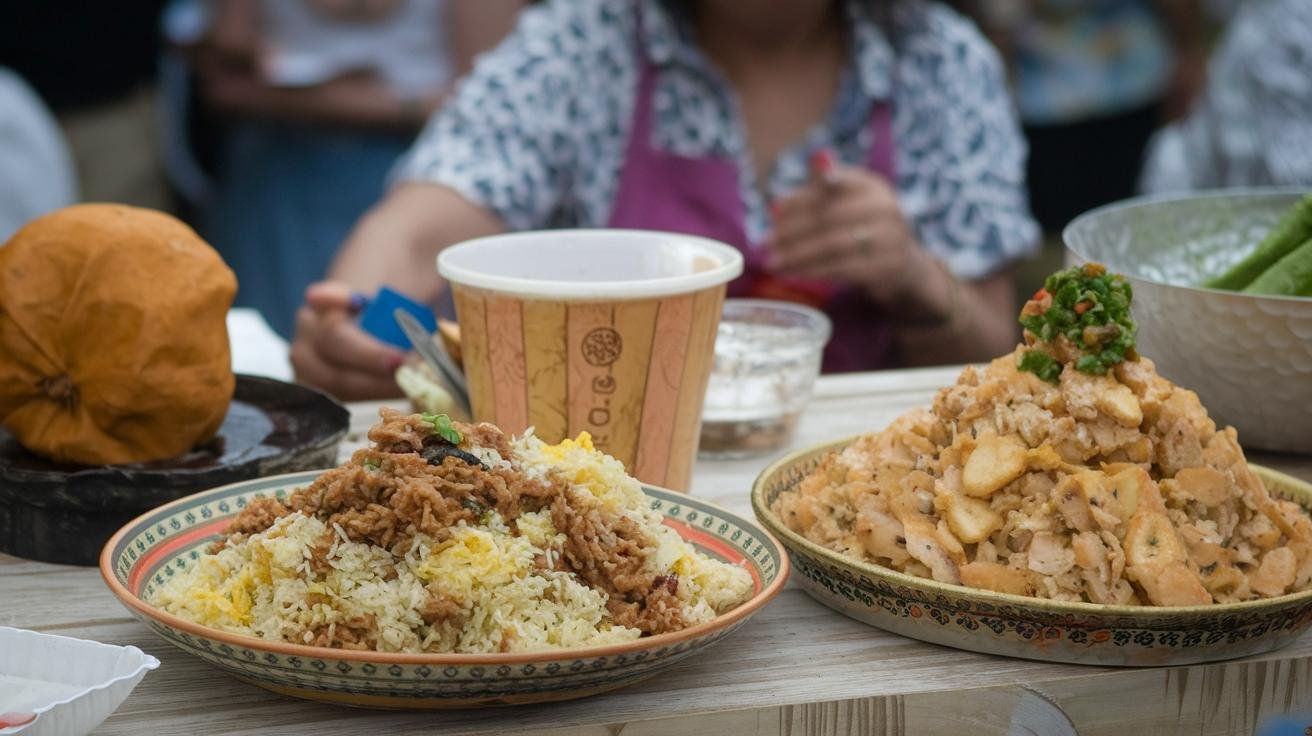
The festival feels like a little world of its own. Stalls line the paths, colors and music mixing with the smells of grilling and sweet coconut. You’ll hear satay sizzling, see plates piled high, and catch the warm scent of pisang rai (steamed battered banana rolled in grated coconut) drifting through the crowd.
Food is the star. Nasi campur (mixed rice plate with small portions of vegetables, protein, and sambal) is everywhere, with choices of spicy or mild sambal. Tempeh (fermented soybean cake) and fresh vegetable dishes make vegetarian options easy. Prices usually sit between 20,000 and 60,000 IDR, so you can nibble and taste without worrying about the bill.
There’s a coffee-tasting booth in the central food area with local single-origin pour-overs and even Kopi Luwak (civet coffee) samplers if you want to compare flavors. Small cups, big differences. Ever tried three kinds back to back? It’s surprisingly fun.
Three can’t-miss vendor stops as you wander:
- Nasi campur stall near the palace gates , generous portions and your pick of spicy or mild sambal, fast and filling for lunch.
- Pisang rai cart by the gallery rows , warm, sweet bites rolled in coconut, best eaten right away.
- Coffee-tasting booth at the central food area , sample local single-origin brews and Kopi Luwak, then pick a favorite to buy.
Bring small bills, a tote for treats, and follow your nose. Pure bliss.
Ticketing & Venue Logistics for the Ubud Arts Festival
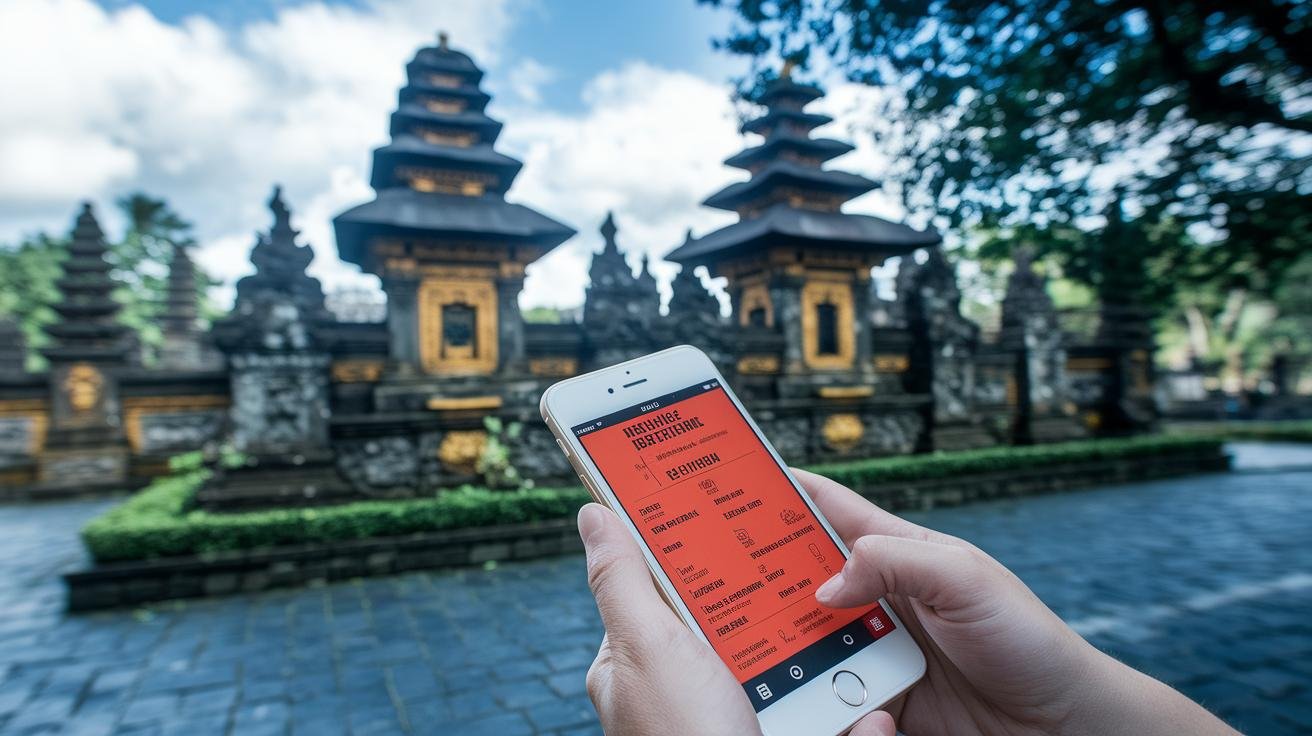
Tickets come in three easy types: free or pay-what-you-like community events (think daytime workshops and small exhibitions), standard performances on palace and main stages, and reserved-seat evening shows that sometimes need advance booking. Simple. Warm and lively.
Prices are usually modest. Most standard performances run about 50,000-150,000 IDR (IDR, Indonesian rupiah , roughly $3 to $10). Workshops and smaller gallery shows are often free or ask only for a small materials fee. If you love hands-on art, these are the sweet spots.
You can buy many tickets at on-site counters the day of the event, but a few headline evening concerts do require booking ahead , either through the festival’s limited online system or at the festival box office window. Keep an eye on the day-by-day schedule so you know which nights need advance seats and which are relaxed pay-at-gate evenings. Ever worried about missing a show? Check early.
Bring small bills for faster purchases, and save a printed or screenshot copy of any reservation code if you book in advance. Your phone battery matters too. One small tip: arrive 20 to 30 minutes early for headline shows to grab a good seat. Weekday afternoons or early evenings are quieter if you want fewer people around.
Festival maps and venue layouts for Ubud Palace (the royal courtyard), Taman Arum Sumampan (a riverside garden venue), and Gallery Purnati (a contemporary art space) are downloadable ahead of time and handed out at info kiosks. Handy. You’ll thank yourself later.
| Ticket Category | Price Range | Booking Method |
|---|---|---|
| Workshops & Exhibitions | Free or small materials fee | On-site registration at gallery or artisan kiosk |
| Standard Performances | 50,000-150,000 IDR (roughly $3-$10) | Pay-at-gate or box office on event day |
| Reserved Evening Shows | 50,000-150,000 IDR (varies) | Advance online booking or box office reservation |
Accommodation & Travel Tips during the Ubud Arts Festival
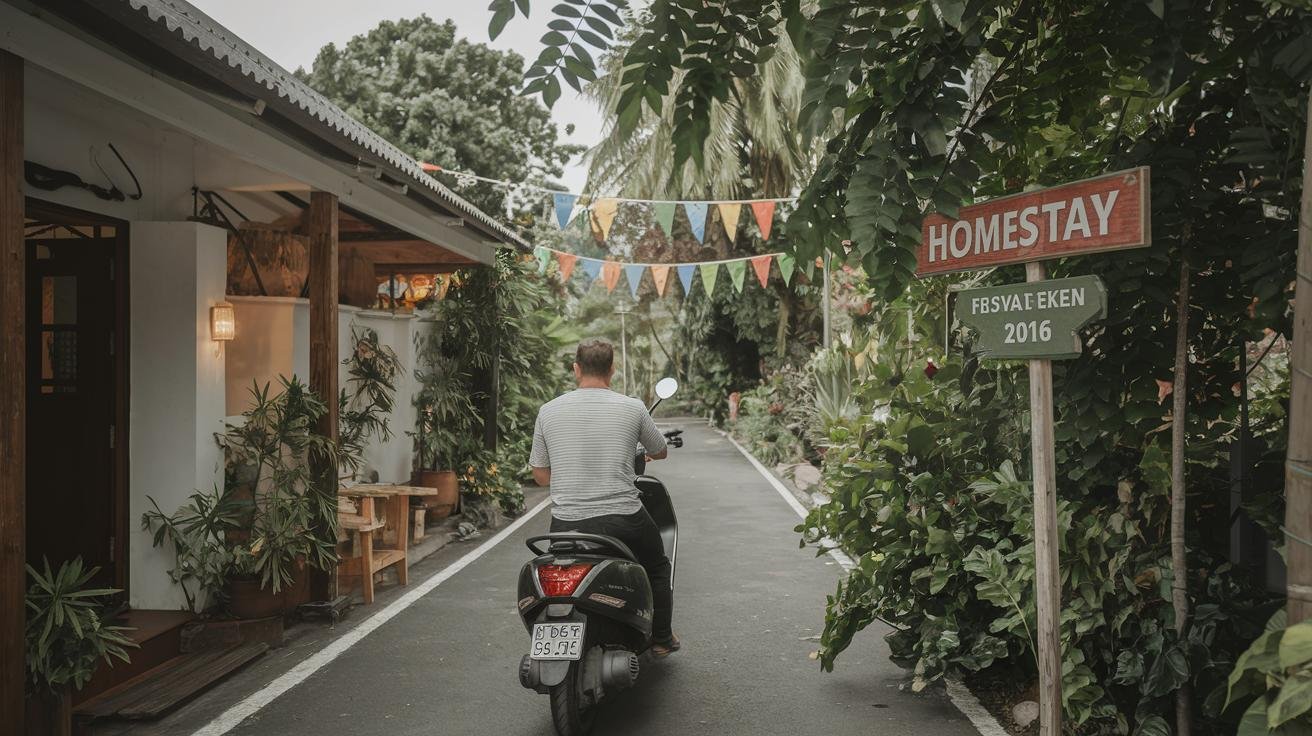
Staying in central Ubud puts you about a 10-minute drive from the main venues, so it’s easy to slip back for a nap between shows. Hotels come with helpful staff and convenience, homestays (family-run rooms that feel local) give you a warm neighborhood vibe, and private villas offer quiet corners and your own pool with the soft murmur of water at night.
Book as early as you can. Rooms fill up fast during the festival and prices tend to climb the closer you get. Ever thought of a villa for a small group? It’s lovely to return to your own pool after an evening performance. Pure bliss.
Getting around is simple if you plan a little. Renting a motorbike (a scooter) is about 70,000 IDR per day and is perfect for solo explorers who like freedom and fresh air, wear a helmet and lock your bag. Taxis and ride-hailing apps are reliable for longer trips, and drivers usually know the festival hotspots.
The festival often runs shuttles between main hubs on busy days, so check schedules ahead of time. By the way, confirm pick-up points with your hotel or host , it saves awkward waits.
Airport transfers by taxi or ride-share run roughly 300,000 to 400,000 IDR, so budget that into your trip. Allow extra time for traffic before headline shows, and keep small bills handy for quick fares and occasional tolls. Want help planning timing or transport? We’re happy to point you in the right direction.
Final Words
Step into three weeks of color, music, and ritual at the Ubud Arts Festival. You’ll see daily dance at Ubud Palace, gamelan concerts, wayang kulit shows, and evening Kecak performances.
Hands-on workshops teach batik, wood carving, and mask making, while galleries and market stalls sell paintings, silverwork, and tasty street food. Ticket ranges, maps, and simple travel tips help you plan the best days.
We’ve included where to stay and how to get around so your visit feels smooth and private. Here’s what to expect at ubud arts festival: an art-filled, warm celebration that leaves you smiling.
FAQ
Bali Arts Festival 2025 / 2026 dates and schedule?
Bali Arts Festival official website?
What is the Bali Arts Festival?
Ubud Art Festival / Ubud Festival 2025 — when and what is it?
Is the Ubud Art Market worth visiting?
What happens at the National Arts Festival?
What is the best thing to buy in Ubud?