Salt Water Pool System Cleaner Safer More Affordable
Ever wished your pool felt softer on your skin and cost less to keep?
Saltwater pools can do that.
A salt chlorine generator (aka a salt cell) uses electricity to turn dissolved salt into small amounts of chlorine, so sanitizer is made steadily and only when you need it.
That steady production means the water stays gentle, with less of that sharp chlorine smell.
You’ll also cut down on heavy chemical jugs and most homeowners see lower ongoing costs.
Think of it like an automatic chef who adds just the right pinch of chlorine all day long.
Cleaner. Safer. More affordable.
How Salt Water Pool Systems Work
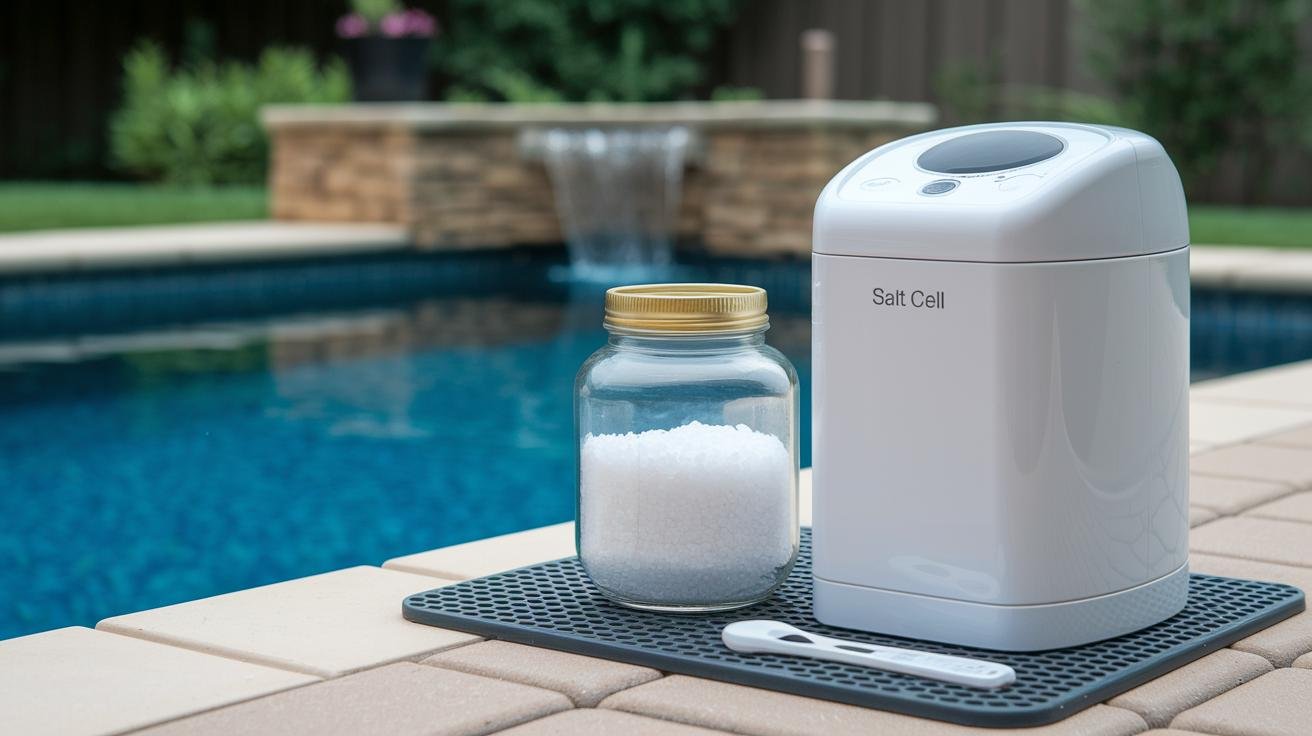
Think of a salt water pool system as a quiet little chemistry kit that keeps your water fresh. At its core is electrolysis (an electric process that splits dissolved salt into new chemicals). Warm, simple, and automatic.
Here’s how it actually works. Salt, sodium chloride (NaCl), flows through a salt chlorine generator. Inside is a salt cell that uses electricity to turn tiny amounts of that salt into chlorine compounds like sodium hypochlorite and hypochlorous acid (forms of chlorine that kill bacteria). Those chemicals do the sanitizing, quietly and on demand.
If you’re wondering how a salt water pool system feels different, picture steady automatic chlorine production instead of hauling tablets or powders. The generator meters current to make just what you need. The water often feels softer on skin and gentler on eyes, and that sharp chlorine smell is usually much less noticeable.
Salt levels matter. Most home pools sit between 2,800 to 4,200 ppm salt. The sweet spot for steady chlorine output is about 3,000 to 3,500 ppm. Too low and the generator can’t make enough sanitizer. Too high and you risk stressing the equipment.
Adjusting chlorine is straightforward. You change the generator’s output percentage and the pump run time. Routine checks with the unit’s sensors or an independent salt reader keep things balanced. Ever float in a pool that tastes only faintly of salt and feels soft on your skin? That’s the system doing its quiet work.
Salt Water Pool System Cleaner Safer More Affordable
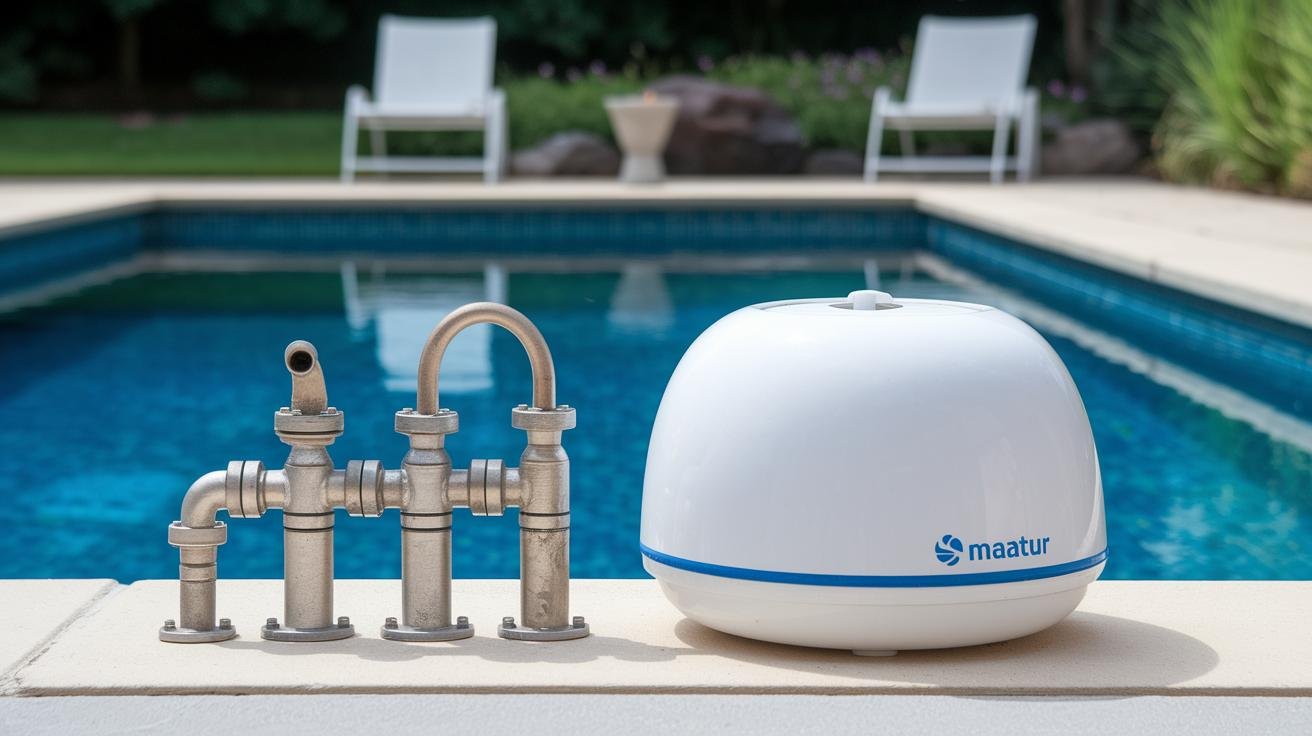
A salt water pool system has two main parts: the salt water chlorinator (the control box) and the salt cell (the electrolytic cell that actually makes chlorine). The chlorinator meters electricity to the cell so chlorine’s created on demand from the salt in your water. Many brands call the control box a salt water generator, but it’s the cell that does the chemistry.
Plumbing order matters. Install the salt cell after your pool filter (so the water is clean) and before any heater or return line. The pump needs to push a steady flow through the cell housing. Low flow or air in the lines lowers chlorine output and can trip fault codes. Ever tempted to pour salt straight into the skimmer? Don’t. Broadcast salt evenly across the pool floor during startup so you avoid sudden conductivity spikes that can damage the cell.
Pick quality, correctly sized parts. Use a reputable chlorinator and a matched salt cell sized for your pool’s gallons, plus a pump and cartridge or sand filter rated for salt environments. Better components mean fewer service calls, steadier chlorine production, and longer equipment life. Ask a certified installer about warranty coverage, heaters that work with salt systems, and the best place to mount the control box for easy access and monitoring.
Inspections help. A quick yearly check keeps things running smoothly and catches corrosion or flow issues before they become costly. Your pool will thank you – quieter operation, steady chlorine, and more time for lounging by the soft murmur of the water.
Installing and Converting to a Salt Water Pool System
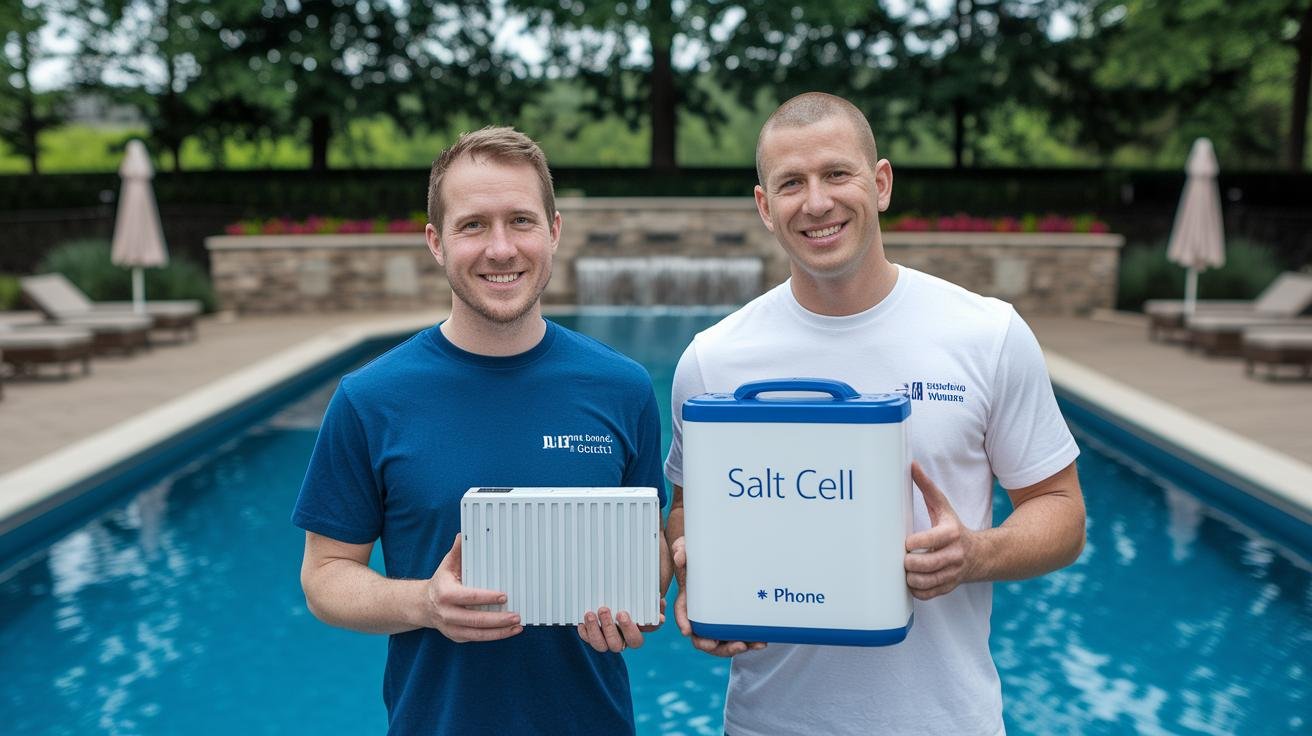
Converting a chlorine pool usually starts with a salt water pool conversion kit. The kit has a control box (salt water chlorinator), an electrolytic salt cell (the part that makes chlorine from salt), a wiring harness, and sometimes a flow switch (a sensor that confirms water is moving). You’ll also need fine-grain, pool-grade salt and a simple plan: measure, add, let dissolve, then set the generator to match your pool size. The water will feel softer on your skin once it’s balanced. Nice, right?
Quick steps to get started:
- Test your current water, then calculate how much salt you need to reach about 3,000 to 3,500 ppm.
- Spread the salt evenly across the pool floor or steps. Brush gently to help it dissolve so you don’t get a salty patch near the skimmer or equipment.
- Run the pump until the salt is fully mixed, then retest salt and total alkalinity before you power the salt chlorine generator.
- Set the generator output and pump runtime following the manufacturer’s instructions for your pool size.
Common tools and prep:
- Digital salt tester or test strips (more accurate if digital)
- Bucket and broom for spreading and brushing
- Basic plumbing tools and screwdrivers
- A helper for lifting the salt cell during install
- Gloves and eye protection if you like to be safe
Professional vs. DIY Installation
Hiring a pro gets you certified plumbing and electrical work, local code compliance, and cleaner warranty support. Typical pro installs add about $300 to $800 to the kit price and usually wrap up in a half-day to one day. Peace of mind.
Doing it yourself saves on labor and gives you hands-on control. If you’re handy with basic plumbing, expect about 4 to 8 hours of work plus up to 48 hours for the salt to dissolve and stabilize. If wiring or heater integration is needed, think about calling a pro. I’d call an electrician for anything that touches house wiring.
Simple, sensible steps and your pool can be gentler, easier to maintain, and lovely to swim in. Pure bliss.
Maintaining Salt Levels and Water Chemistry in a Salt Water Pool System
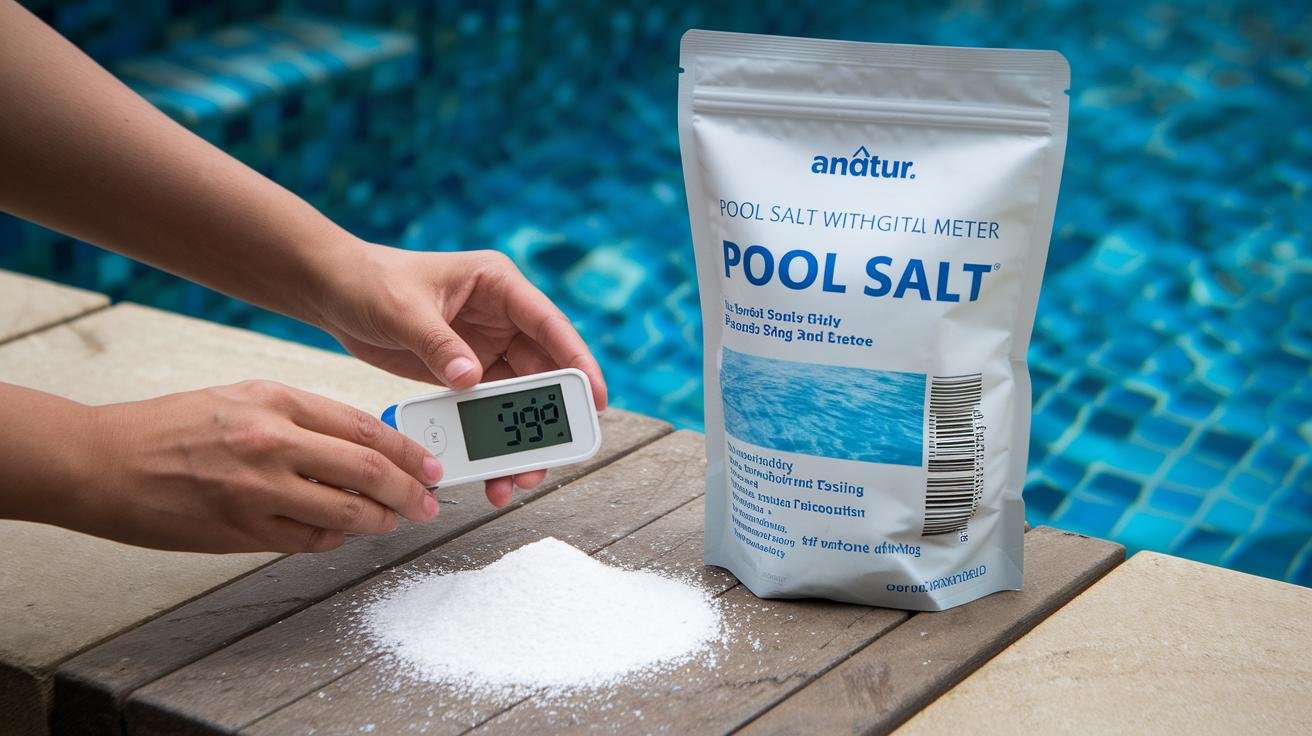
Routine salt water pool care keeps the water comfortable on your skin and the equipment purring. Think soft water, a gentle shimmer at the surface, and fewer surprises. Ever dreamed of a pool you barely have to fuss with? This is how you get there.
Weekly checks with the chlorinator’s sensor plus an independent reader are the fastest way to catch drifting salt or chlorine. Aim for salt between 3,000 and 3,500 ppm for steady sanitizer production and water that feels kind to skin.
Simple weekly checklist:
- Test salt level with a digital reader or a reliable salt pool test kit (strip testers are fine for spot checks).
- Measure free chlorine and cyanuric acid (stabilizer that protects chlorine from sunlight) and adjust the salt-cell generator output or increase pump runtime if chlorine is low.
- Check pH and total alkalinity. Salt systems tend to push pH up, so add a pH reducer like muriatic acid (or a commercial pH down) when needed.
- Look for early scale or cloudiness and add a scale inhibitor (prevents mineral buildup) if you spot dulling on surfaces.
After heavy rain, lots of splash-out, or a backwash, test the salt level more than once. Those events dilute salt and can drop sanitizer output fast. If salt is low, broadcast pool-grade fine-grain salt across the shallow end and brush it in while the pump runs. Don’t dump salt into the skimmer.
Keep cyanuric acid in the manufacturer’s recommended range so sunlight doesn’t eat your chlorine. If chlorine still seems low after you tweak generator output, try running the pump longer before turning the generator up.
pH creep is real with salt cells. You’ll likely use acid a bit more often than with a traditional chlorine pool. A sequestering stain preventer (binds minerals to stop stains and scale) helps protect the cell plates and any natural stone around the pool.
Regular, simple checks make salt pool care easy. More lounging. Less guesswork.
Salt Cell Maintenance, Cleaning, and Replacement for Salt Water Pool Systems
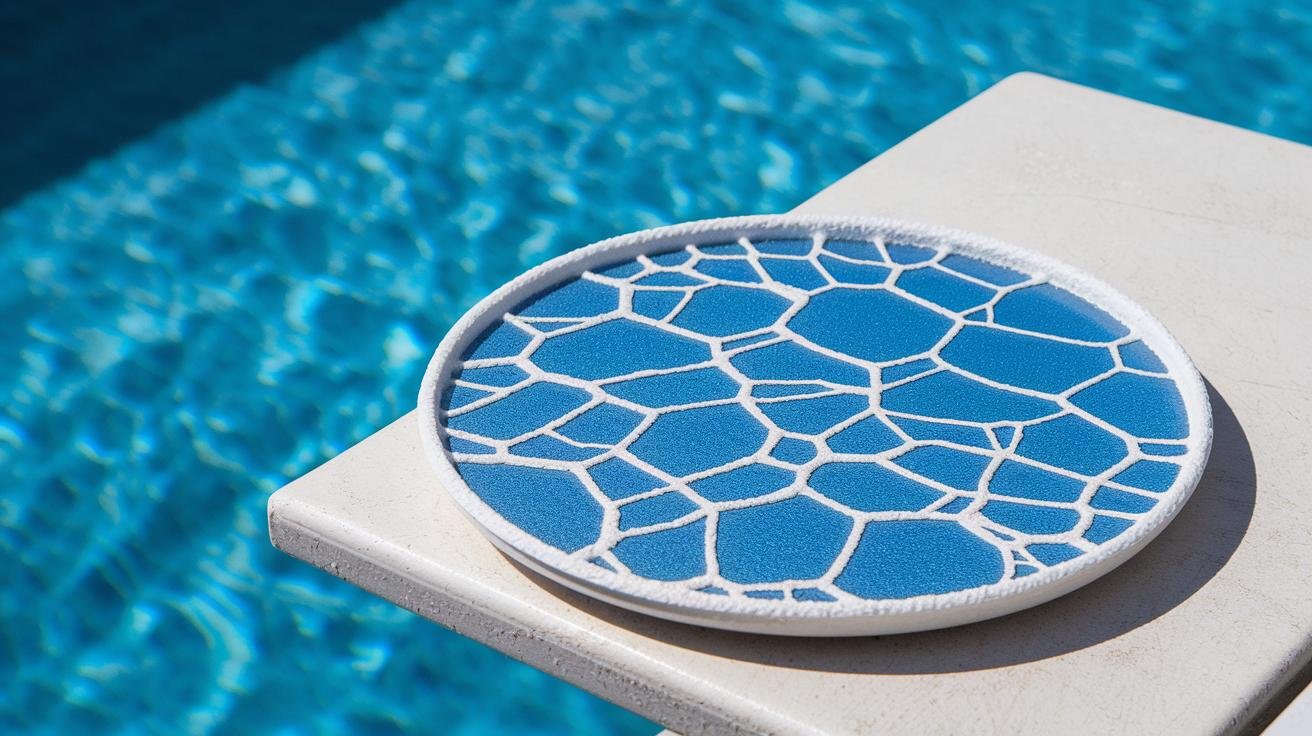
Salt cell (the part that turns salt into chlorine) health is the difference between silky, balanced pool water and cloudy, under-chlorinated frustration. Calcium and other minerals build up on the electrolytic plates (flat metal plates that do the chlorine-making) and cut down chlorine output. A quick look every three months and a deeper clean every 3 to 6 months will keep things running smooth.
Ever noticed chalky white crust around the cell or lower chlorine readings on your tester? That’s scale. Don’t wait. Think of cleaning the cell like descaling a kettle. Little deposits today mean bigger problems later.
Safe salt cell cleaning steps:
- Turn off power at the control box and the breaker, then isolate and remove the cell. Label wires if needed and follow the maker’s instructions.
- Put on safety goggles and chemical-resistant gloves. Acid cleaners can sting, so be careful.
- Rinse away heavy debris with fresh water, then soak the cell in a diluted, manufacturer-approved acid-based cell cleaner (an acid solution made for salt cells) exactly as the maker directs.
- Rinse thoroughly after soaking. Neutralize the cleaner only if the instructions tell you to. Inspect the plates for remaining scale. Let the cell dry fully before reinstalling.
A couple of quick tips: if the plates still look cloudy after one soak, repeat rather than scraping. And if you’re unsure about removing the cell, call a pro. Safety first.
Expect to replace a salt cell after about 3 to 7 years of normal use. Typical replacement parts cost around $300 to $700 depending on the model. Preventive chemicals that slow scale can help, but they do not replace a physical clean. Track your chlorine output levels like you would track oil in a car. Keep a spare cell on hand, or at least budget for a replacement so your pool stays soft and steady.
Pure bliss.
Comparing Costs: Salt Water Pool System vs Traditional Chlorine Pools
Salt systems need a bigger upfront investment, but day-to-day care is easier. The headline numbers: a salt water generator typically costs about $800 to $1,500, and professional installation usually runs $300 to $800. Traditional chlorine pools skip that equipment cost, but you’ll keep buying sanitizer year after year.
Want fewer trips to the pool store and water that feels softer on your skin? Salt often wins there. If the upfront price is your main worry, chlorine can be cheaper out of the gate. Simple tradeoffs.
| Expense Category | Salt Water System (5-Year) | Chlorine System (5-Year) |
|---|---|---|
| Initial equipment & installation | $1,100–$2,300 (generator $800–$1,500 + install $300–$800) | $100–$500 (starter supplies, feeders optional) |
| Chemicals & supplies (5-year total) | $150–$1,250 (salt $30–$50/year + other chemicals $150–$250/year) | $1,000–$2,000 (chlorine + stabilizer, roughly $200–$400/year) |
| Maintenance & parts (5-year total) | $300–$900 (pump/filter care + possible salt cell replacement $300–$700) | $200–$800 (routine service, parts, occasional pieces) |
| Estimated 5-year ownership | $1,550–$4,450 | $1,300–$3,300 |
Use these ranges to compare costs for your pool size and local labor rates. Operating a salt water setup tends to shift spending from weekly chlorine buys to occasional cell care and a larger initial outlay. The salt generator and the cost to replace the salt cell are the biggest swing factors over five years.
If you like gentler-feeling water and less shopping, salt often makes sense. If you need to keep initial costs low, traditional chlorine can be the better short-term choice.
Benefits and Drawbacks of Salt Water Pool Systems

Quick Pros & Cons
Pros:
- Softer-feeling water that’s kinder to skin and hair, almost like a gentle bath.
- Less of that sharp chlorine smell because fewer chloramines (smelly chlorine compounds) form.
- Automatic chlorine production from the salt cell (the unit that makes chlorine from salt), so you handle solid chemicals less often. See the Cost section for notes on fewer supply runs and installation tradeoffs.
Cons:
- Higher upfront equipment and installation cost, and you’ll spend time on routine cell care and extra pH (water acidity/alkalinity) checks.
- Salt can cause scaling or corrosion on some finishes and metals. See the Maintenance section for testing, shock (strong oxidizing treatment), and care procedures.
Softer water, fewer trips to the store, and a little more equipment care.
Selecting the Right Salt Water Pool System and Accessories
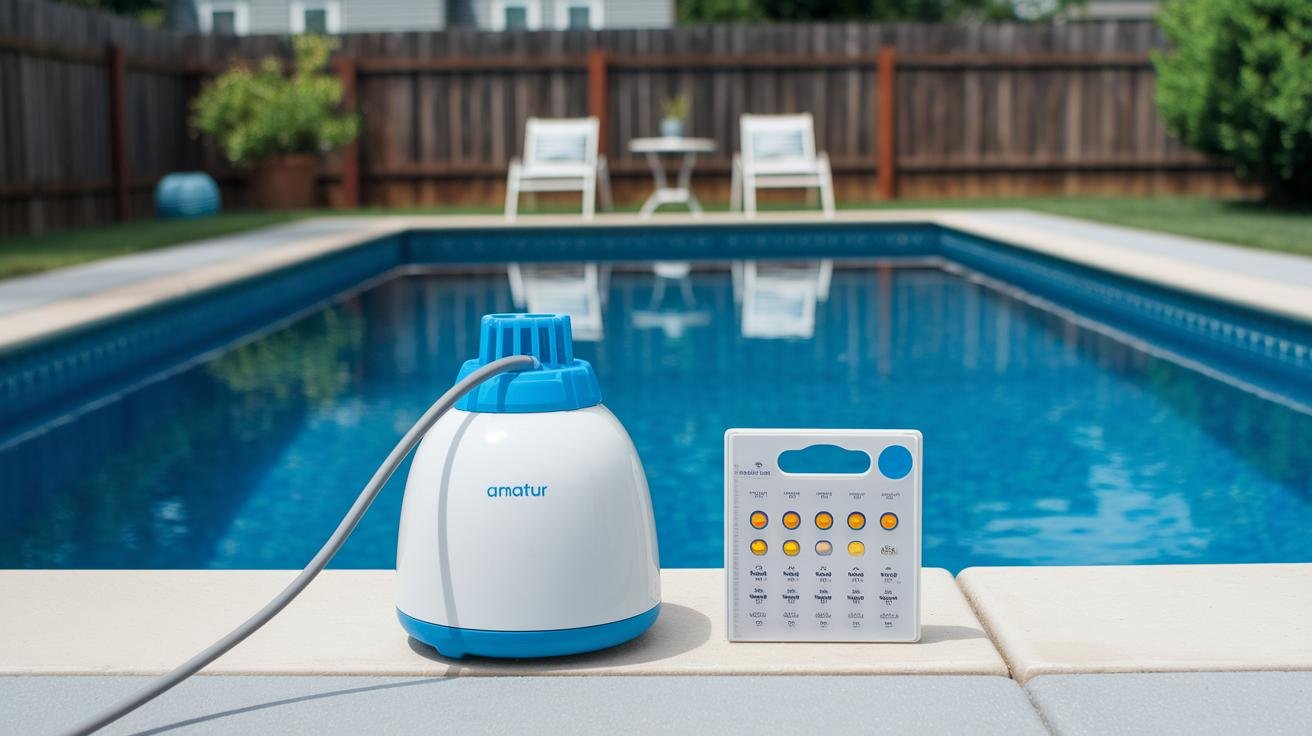
Start with your pool's size and how you use it. Match the generator (the chlorine generator that converts salt into chlorine) to your pool's total gallons so it can make enough chlorine without running flat out. A lap pool and a family splash pool need different capacities, so size the unit for your actual water volume. Think of it like picking shoes that fit, comfort matters.
Top residential choices include Hayward AquaRite, Pentair Intellichlor, Jandy iGeneration, and Intex Krystal Clear for above-ground pools. You’ll see these at most dealers and pool stores.
Key selection points to check:
- Generator capacity versus pool gallons – oversize a little if you host heavy bather loads, since more swimmers raise chlorine demand.
- Warranty length – 3 to 5 years is common; longer coverage and good service support are worth comparing.
- Digital controls and automation – look for remote monitoring and one-touch operation if you want low fuss.
- Compatibility with your pump, filter, and heater – choose salt-ready equipment to resist corrosion longer.
- Salt cell availability and replacement cost – cells are consumables, so easy access and fair prices matter.
Accessories that matter:
- Digital salt test kits for quick, accurate readings.
- Stain inhibitors and sequestrants to protect finishes and the salt cell.
- Salt-resistant pumps, filters, heaters, and pool covers rated for salt environments.
- Salt water pool conversion kits that bundle a chlorinator, a salt cell, and the wiring harness for easier installs.
Tight budget? Start with a reliable chlorinator and spend a bit more on a solid test kit first. Want the easiest life? Aim for a top-tier chlorinator with strong warranty support and remote controls. For most homeowners the best salt water pool system simply balances the right size, intuitive controls, and durable parts.
Pure bliss.
Final Words
We jumped straight into how electrolysis turns pool salt into the chlorine that keeps water safe, then mapped the salt chlorine generator, electrolytic salt cell, pump, and filter you'll need. We walked through converting a chlorine pool, pros vs DIY installation, and the weekly checks that keep salt around 3,000–3,500 ppm for steady sanitizing.
We also covered salt-cell cleaning, replacement timing, and five-year costs compared with manual chlorine. Ready for softer swims and fewer bottles of chemicals? A well-kept salt water pool system brings easier, gentler maintenance and happy swim days.
Pure bliss.
FAQ
Frequently Asked Questions — Salt Water Pools
How does a salt water pool system work?
A salt water pool system uses electrolysis to turn dissolved salt into chlorine compounds, producing hypochlorous acid for sanitizing while keeping salt around 3,000–3,500 ppm for steady output.
Are salt water pool systems worth it compared to chlorine pools?
Salt water systems are worth it if you want automatic chlorine production, gentler eyes and skin, and less manual handling, though they still make chlorine and often cost more up front.
Is it difficult to maintain a saltwater pool?
Maintaining a saltwater pool is manageable with weekly checks of salt, chlorine output, and pH, a cell cleaning every 3–6 months, and occasional shock and scale control treatments.
What chemicals do I need for a salt pool?
A salt pool needs pool-grade salt, pH reducers (muriatic acid), cyanuric acid (stabilizer), occasional shock, and scale inhibitors, plus routine testing to keep levels balanced and equipment protected.
How much does a saltwater pool system cost?
A saltwater generator typically costs $800–$1,500, professional installation runs $300–$800, and annual chemicals total about $180–$300, making five-year ownership costs similar to chlorine pools.
What components make up a salt water pool system and where is the salt cell installed?
A system includes a control unit, electrolytic salt cell, pump, and filter; the salt cell installs after the filter and before any heater or the return line to the pool.
Can I convert my chlorine pool to salt, and is DIY an option?
You can convert a chlorine pool with a conversion kit and fine pool salt; broadcast salt evenly across the pool floor, don’t add salt through the skimmer, and choose DIY or pro installation by preference.
How long do salt cells last and how often should I clean or replace them?
Salt cells last about 3–7 years, need acid-based cleaning every 3–6 months for calcium scale, and typically cost $300–$700 to replace depending on model and brand.
What salt level should I maintain for proper sanitation?
Maintain pool salt between 2,800–4,200 ppm, aiming for 3,000–3,500 ppm for consistent chlorine production and reliable sanitization with most residential generators.
How do I choose the right salt chlorine generator for my pool?
Choose a generator based on your pool gallonage capacity, warranty length, digital control features, and trusted brands like Hayward, Pentair, Jandy, or Intex for above-ground models.