Balinese Dishes To Try Irresistible Local Favorites
Think one plate can tell the whole story of Bali’s food scene?
Not even close.
From the turmeric-scented crackle of Babi Guling (spit-roasted suckling pig) to the smoky, fall-apart Bebek Betutu (slow-smoked spiced duck), Bali’s dishes hit you with bold spices, fresh coconut notes, and street-sweet treats you’ll remember long after you leave. Ever had food that smells like sunshine and spice? That’s Bali.
You’ll find eight must-try plates here.
Nasi Campur (mixed rice plate) lets you sample a little of everything, so you don’t have to choose. Sambal Matah (raw lemongrass-chili relish) wakes up richer bites with bright heat and citrusy crunch. And pandan crepes, or dadar gulung (pandan-flavored crepes), close the meal with soft, fragrant sweetness. Pure bliss.
Quick Picks: 8 Must-Try Balinese Dishes
-
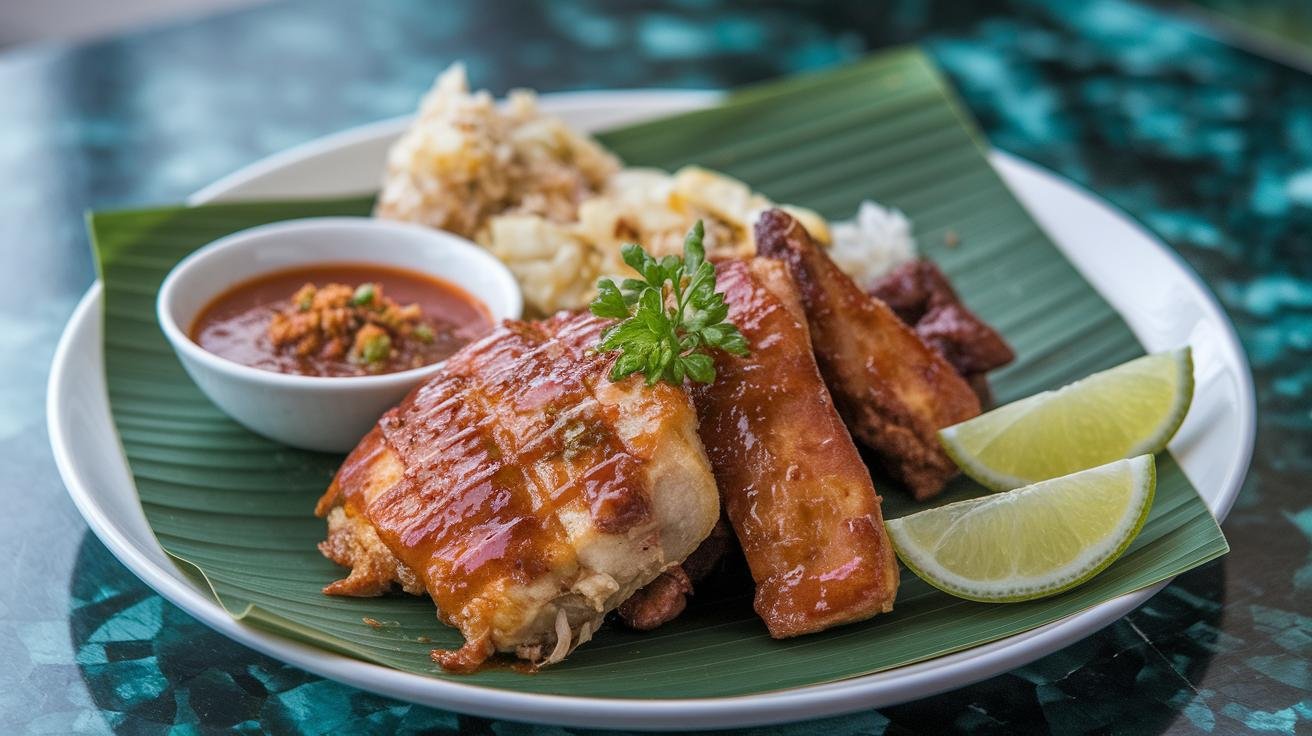
Babi Guling (spit-roasted suckling pig) – Bali’s ceremonial roast with turmeric-spiced meat, crackling skin, and a warm, savory smoke that fills the air. Try a bite and you’ll get why it’s a celebration dish (see Signature Meat Preparations section).
-
Bebek Betutu (slow-smoked spiced duck) – A whole duck rubbed with rich spice paste, wrapped and smoked until the meat falls apart. Deep, smoky, and comforting (see Signature Meat Preparations section).
-
Lawar (mixed greens with coconut) – Shredded vegetables, grated coconut, and herbs tossed with savory seasonings for a bright, textured side. It cuts through richer plates with freshness and crunch (see Vegetarian and Vegetable-Focused section).
-
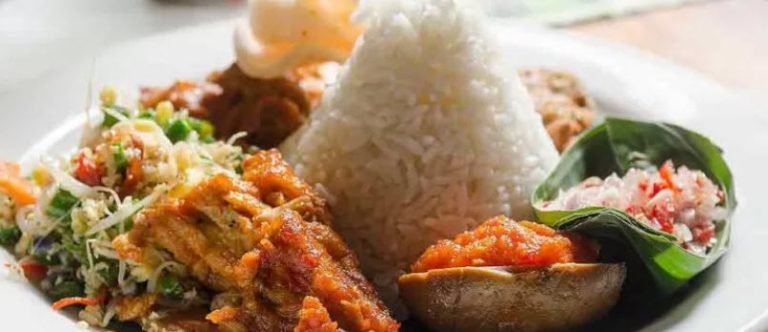
Nasi Campur (mixed rice plate) – Steamed rice served with small portions of meats, veggies, peanuts, and krupuk (crispy shrimp crackers) so you can sample a little bit of everything. It’s Bali’s ultimate sampler.
-
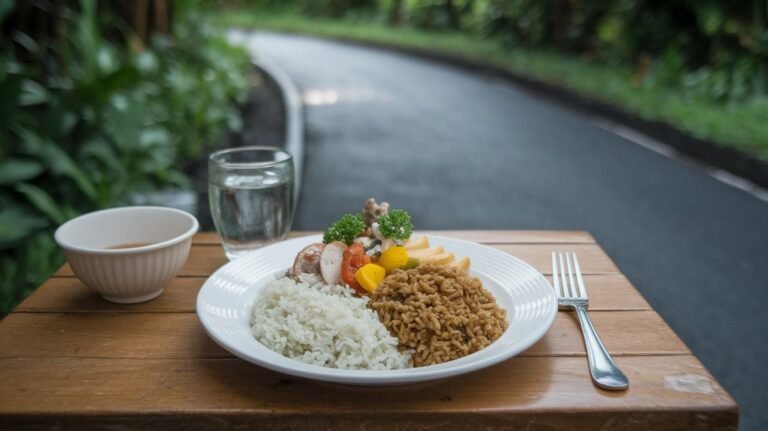
Nasi Goreng (Indonesia-style fried rice) – Stir-fried rice seasoned with local spices, topped with a fried egg and prawn crackers for that perfect comfort-food moment. Great any time of day (see Island Rice and Noodle Staples section).
-
Pisang Goreng (banana fritters) – Crispy, golden bananas fried and drizzled with palm sugar syrup and shredded coconut. A warm street snack that’s sweet, soft, and a little crunchy.
-
Dadar Gulung (pandan crepes) – Soft green pandan crepes rolled around sweet grated coconut and palm sugar. Fragrant, chewy, and just the right amount of sweet (see Sweet Balinese Dessert Highlights section).
-
Sambal Matah (raw lemongrass-chili relish) – A fresh, zesty mix of lemongrass, chilies, and shallots that wakes up heavier dishes with bright heat. Think of it as a lively finishing touch (see Balinese Condiments, Sambal Varieties, and Spice Blends section).
Want more Balinese flavors to explore? Read the balinese cuisine guide.
Signature Meat Preparations and Balinese Barbecue Dishes
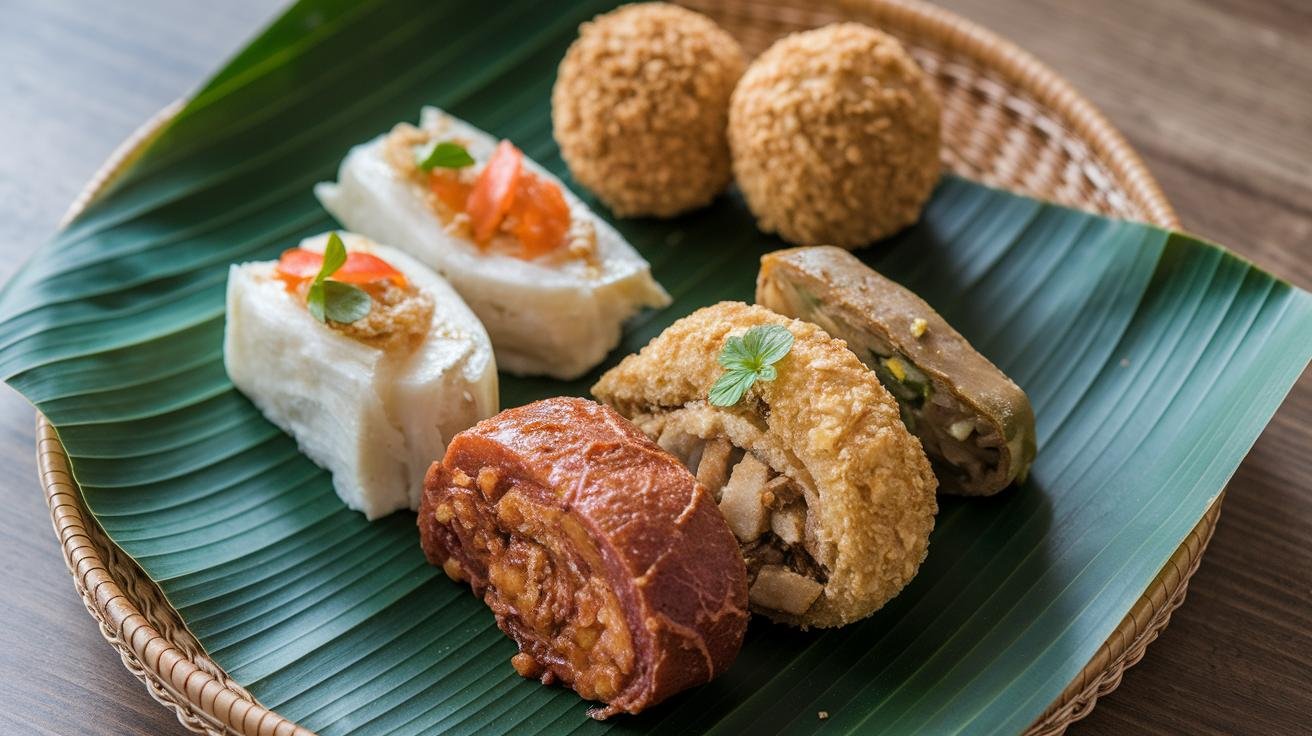
Follow the smoke and let your nose lead you to a roadside spit or a family warung (small family-run restaurant). You’ll find smoky heat, spice pastes rubbed into every nook, and simple techniques that pull deep, layered flavor from humble ingredients.
| Dish | Key Ingredients | Traditional Cooking Technique |
|---|---|---|
| Babi Guling (spit-roasted pig) | Turmeric, coriander seeds, lemongrass, shallots, garlic, shrimp paste | Spit-roasted over burning coconut husks until the skin crackles and the meat is tender |
| Bebek Betutu (smoked duck) | Garlic, turmeric, galangal, chilies, banana leaf or betel leaf | Wrapped in banana leaf (leaf wrapping used in Bali) and smoked over rice husk embers for about 12 hours |
| Sate Lilit (minced satay) | Minced fish or chicken, grated coconut, coconut milk, kaffir lime leaves (aromatic citrus leaves) | Molded around lemongrass stalks and grilled over charcoal for a fragrant, smoky finish |
| Sate Lembat (skewered barbecue) | Chicken or pork, sweet soy or peanut marinade | Charcoal-grilled skewers, often served with steamed rice and sambal (spicy chili relish) |
Babi guling, served like carnitas, pairs beautifully with crisp sambal (spicy chili relish) and a mound of rice. Pure comfort.
Bebek Betutu often needs advance notice at many warungs (small family-run restaurants). Try the bebek betutu recipe: how to prepare Balinese duck dish if you want to see how slow smoke and spice work their magic.
Sate Lilit shows off Balinese grilling up close. The coconut and kaffir lime leaf give perfume and heat without heavy sauce. Simple, smoky, and deeply comforting.
Ever dreamed of a skewered snack as the sun goes down? Try one at the next stall you pass.
Vegetarian and Vegetable-Focused Balinese Dishes
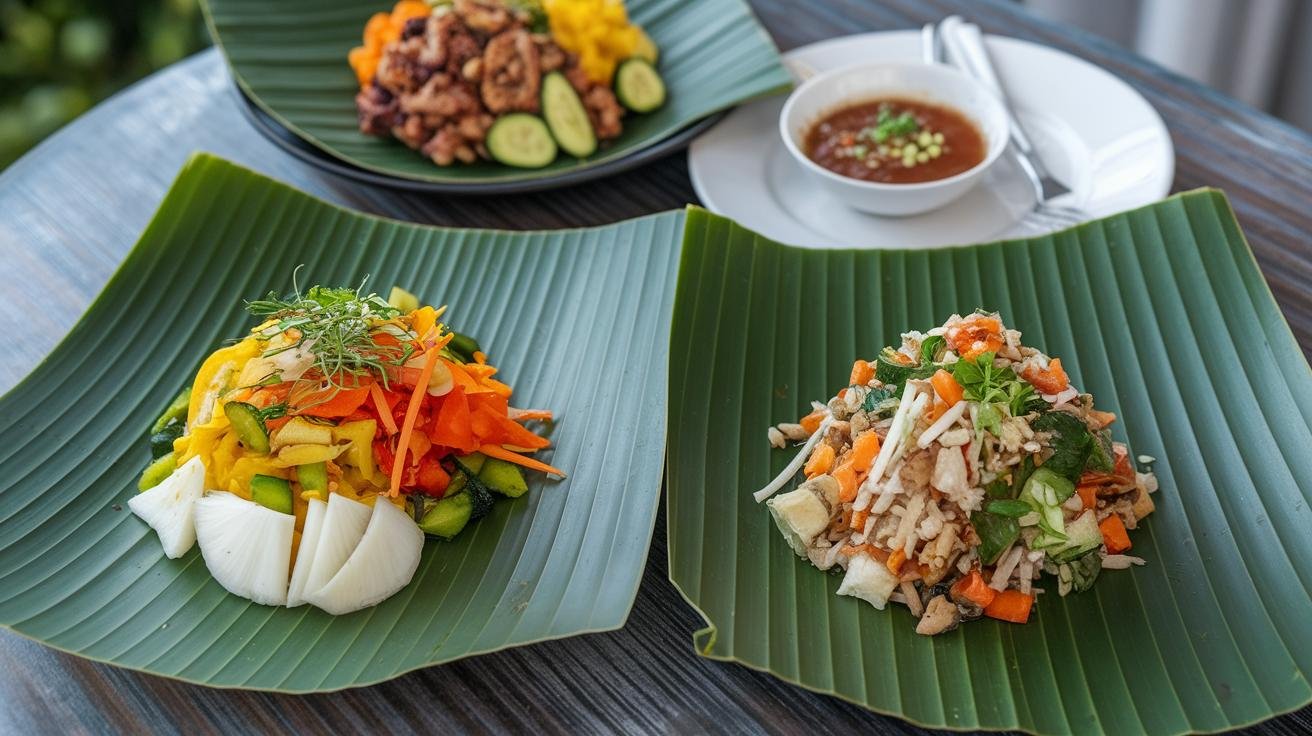
Bali’s vegetable dishes surprise a lot of visitors. Fresh coconut, bright herbs, and bold spice pastes lift simple vegetables into something you’ll remember. Think crunchy salads, warm coconut stews, and fragrant market plates that feel like home.
-
Lawar (coconut-and-herb salad)
Shredded vegetables tossed with grated coconut and fresh herbs. Sometimes a bit of minced meat or fish is added, so ask for a purely vegetarian version. Bright, slightly spicy, and perfect at family-run warungs (small family-run restaurants). Ever tried it with extra lime? -
Gado-Gado (Bali-style vegetable salad)
Boiled long beans, spinach, potato, corn, bean sprouts, tofu, and tempeh (fermented soybean cake) dressed in creamy peanut sauce. Hearty and filling. If you want it fully plant-based, ask them to skip the egg. -
Urap (vegetable medley with spiced coconut)
Steamed greens mixed with spiced grated coconut and garlic. Light, fragrant, and a lovely counterpoint to richer dishes. You’ll see this at morning markets, where the coconut scent hangs in the air. -
Plecing Kangkung (water spinach salad)
Water spinach (a tender leafy green) dressed in a fiery chili paste with crushed peanuts. Tangy, crisp, and a seaside favorite at street stalls and beachside warungs. -
Tum Bali (slow-cooked vegetable stew)
Vegetables gently simmered in coconut milk with turmeric and galangal (an aromatic root). Comforting and mildly spiced. Often served in home-style eateries or as part of a hands-on cooking class that starts at the market.
Try these at local markets, warungs, or join a cooking class to learn the spice pastes and market secrets. Pure bliss.
Island Rice and Noodle Staples of Bali
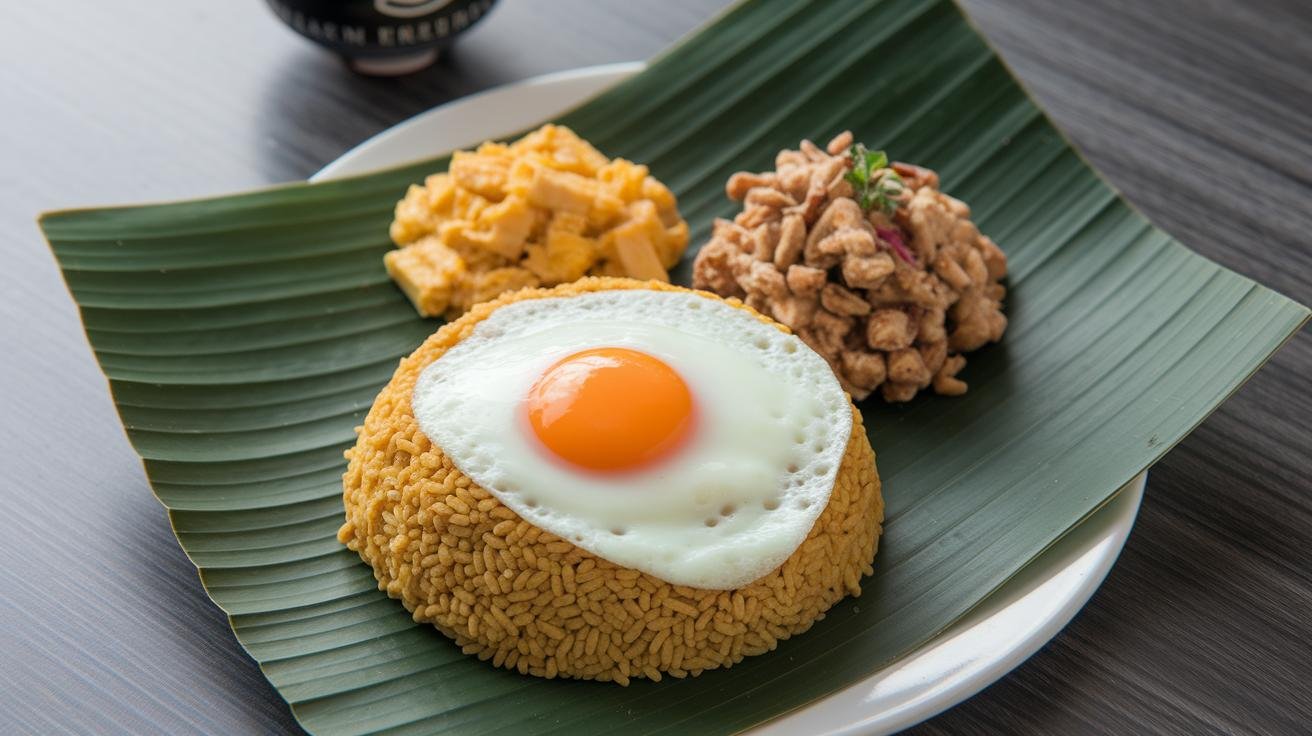
Rice and noodles are the heart of most meals here. They’re simple, comforting, and full of local flavor. Walk through a morning market or sit at a beachside warung (small family-run restaurant) and you’ll see what I mean.
Nasi Campur: steamed rice with little portions of meats, vegetables, a hard-boiled egg, peanuts, and crispy krupuk (puffed shrimp crackers). It’s a sampler on a plate, bite after bite, new flavors pop up. Try it at a market stall for the most honest, homey versions.
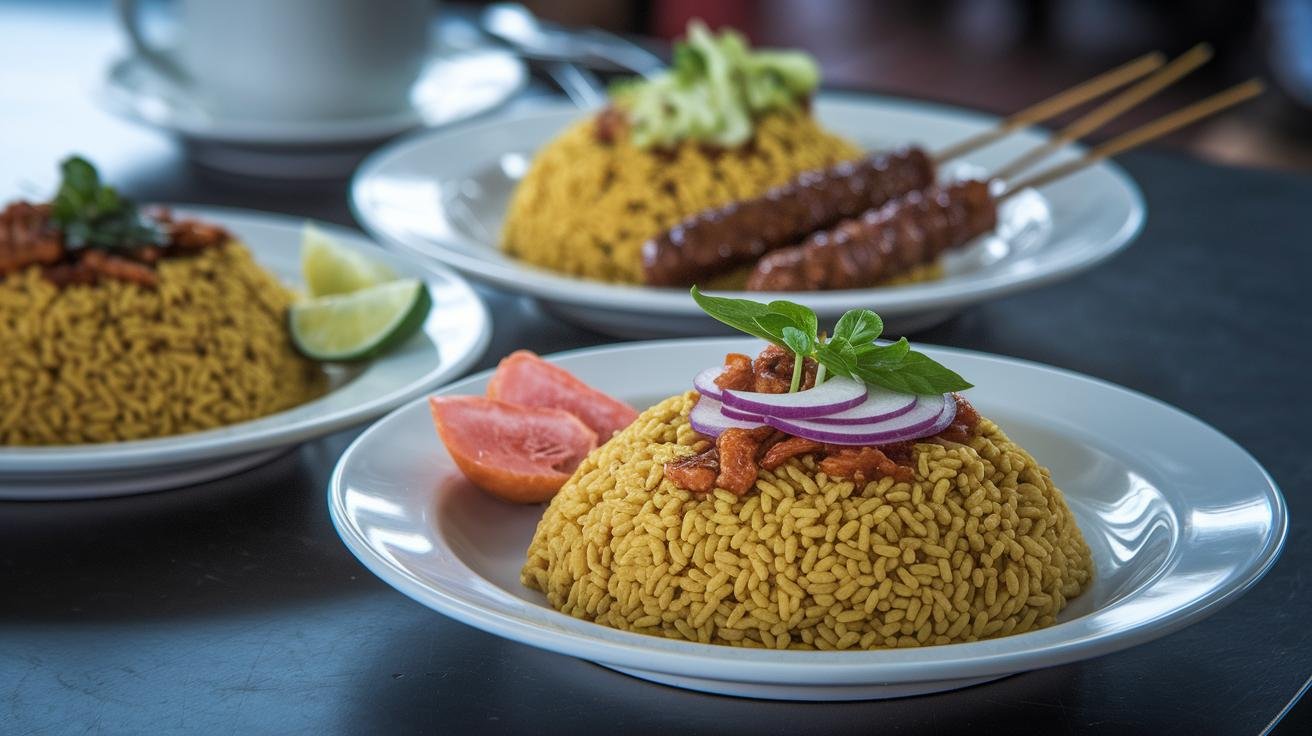
Nasi Goreng: wok-fried rice with garlic, kecap manis (sweet soy sauce), and local spices, finished with a fried egg on top. It often comes with prawn crackers and sate sticks (grilled meat skewers) or pickled vegetables. Breakfast favorite, midnight comfort. The egg yolk breaks and everything gets silkier. Pure bliss.
Mie Goreng: smoky stir-fried noodles tossed with greens and your choice of chicken, shrimp, or pork. It’s usually crowned with a fried egg and a scattering of krupuk for crunch. The toasted shallot aroma will pull you right in.
Ordering tip: add sambal (chili paste) or a squeeze of lime to brighten the whole dish. Want the real deal? Hunt down a morning market, a trusted warung, or a family-style restaurant where recipes have been handed down. You’ll taste the island in every bite.
Balinese Street Food Favorites and Snacks
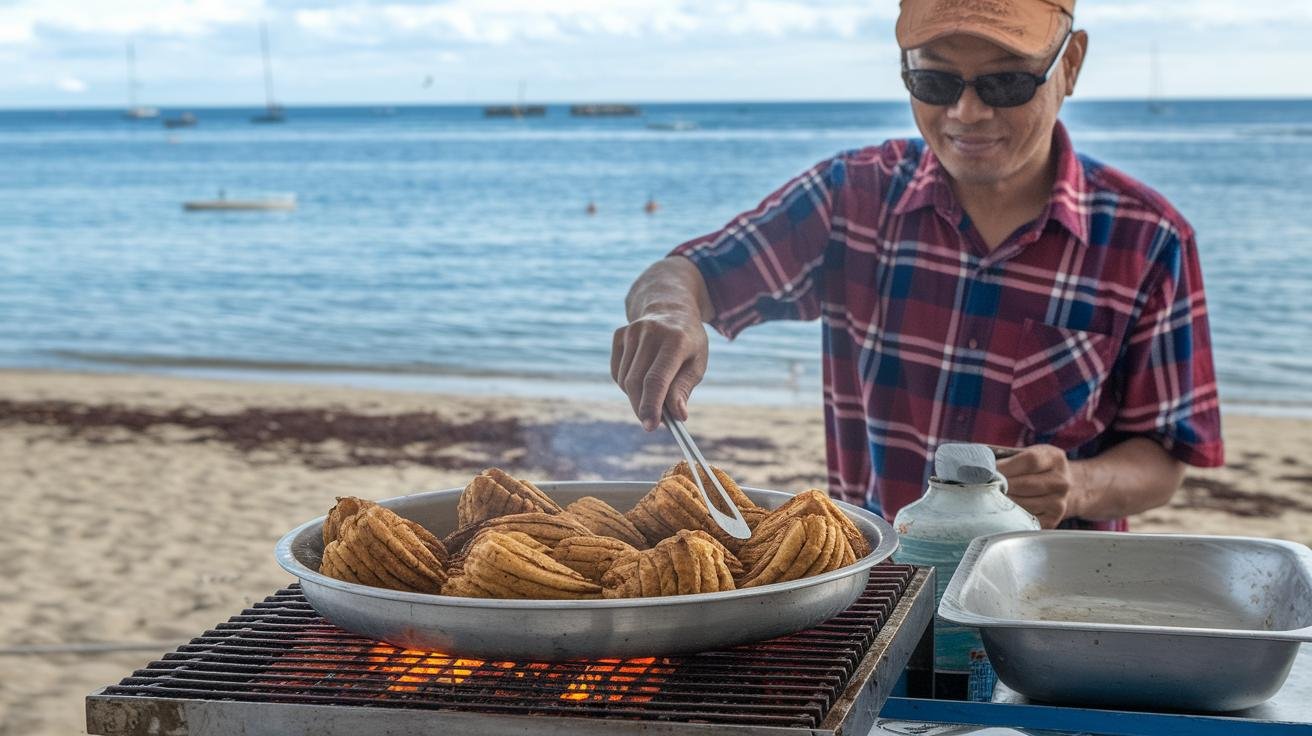
Markets and beachside warungs (small family-run restaurants) are where Bali’s snacks come alive. Grab a plate, park on a plastic stool, and taste the island one bite at a time.
-
Pisang Goreng (banana fritters) – Crunchy outside, warm and jammy inside. Often drizzled with palm sugar syrup and sprinkled with shredded coconut. Perfect at a roadside stall with kopi (coffee). Pure bliss.
-
Jagung Bakar (grilled corn) – Charred, smoky kernels brushed with spiced coconut floss (sweet shredded coconut) and a touch of chili. Eat it hot, while the smoke still clings to your fingers.
-
Lumpia (crispy spring rolls) – Deep-fried rolls filled with mixed vegetables and minced chicken. Dip into peanut or sweet chili sauce. Crunch, then soft, then sauce.
-
Sate Ambal (sweet-marinated chicken satay) – Tiny skewers caramelized over charcoal, sweet and slightly sticky. Great for sharing as the sun slides into the sea.
-
Late-night market picks – Sticky rice snacks, skewers, and fried bites sold from carts under neon lights. Flavors shift with the hour and each vendor’s secret spice mix. Night eating at its best.
Hunt for these at night markets, temple festivals, and beachside warungs where locals eat. Follow the warm scent of coconut oil and grilled spice. Want to try one right now?
Sweet Balinese Dessert Highlights
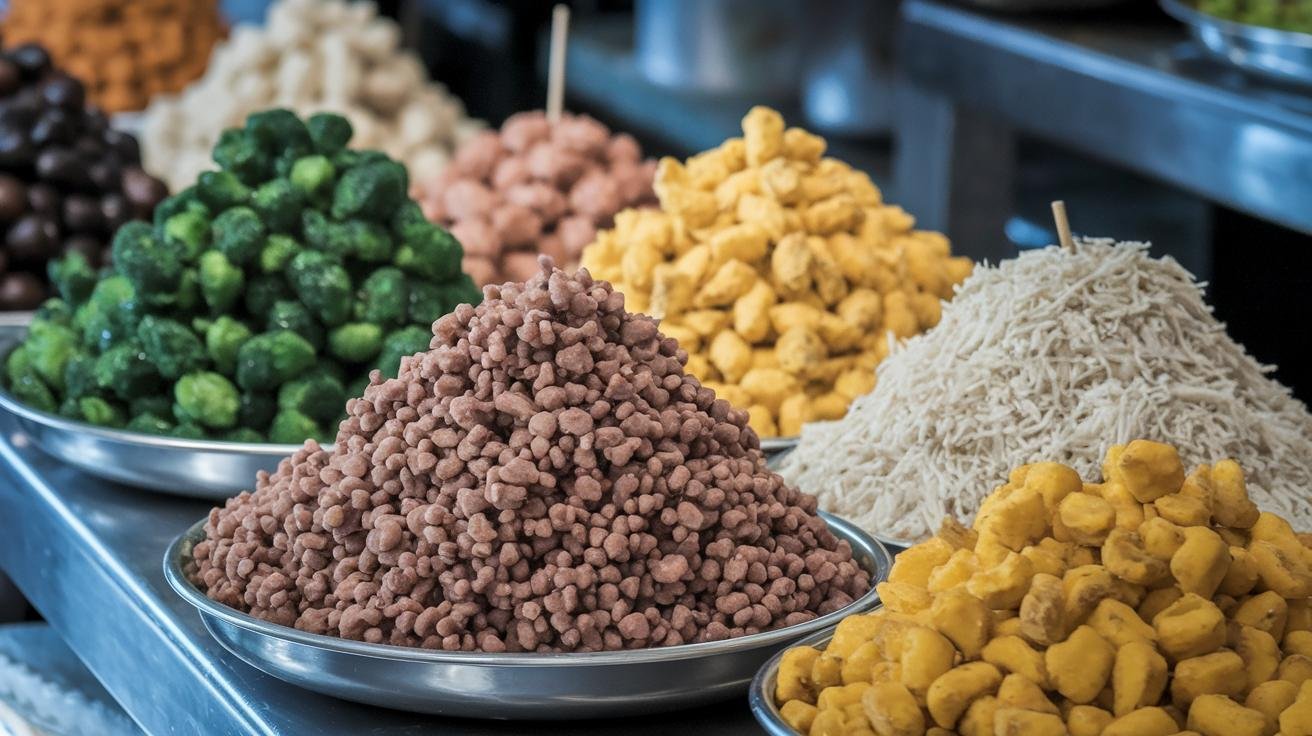
Bali’s sweets are simple, fragrant, and made for sharing. Think sticky, creamy, and a little tropical. Try them at morning markets, night stalls, or a friendly café.
-
Dadar Gulung (pandan crepes)
Thin green crepes scented with pandan (an aromatic leaf). Rolled around grated coconut sweetened with palm sugar. Soft and chewy, with a warm caramel note that lingers. -
Bubur Injin (black sticky rice pudding)
Black glutinous rice (sticky rice) simmered until tender, then folded into warm coconut cream (rich and velvety). Earthy rice meets silky coconut. Comfort in a bowl. -
Es Campur (shaved-ice medley)
A layered icy treat with shaved ice, tropical fruit, jelly cubes, condensed milk, and palm sugar syrup. Cold and sweet, with lots of playful textures. Perfect for a hot afternoon by the beach. -
Kelimut (banana-leaf snack)
Little parcels of mashed banana and coconut wrapped in banana leaf (steamed until soft). Mildly sweet and fragrant, a cozy bite that pairs beautifully with kopi (local coffee). Pure bliss.
Hunt for these at food markets, coastal warungs (small family-run restaurants), and neighborhood cafés where recipes are made the old way. Want to taste everything? Order one of each and share. Ever tried them all at once? You’ll thank me.
Balinese Condiments, Sambal Varieties, and Spice Blends
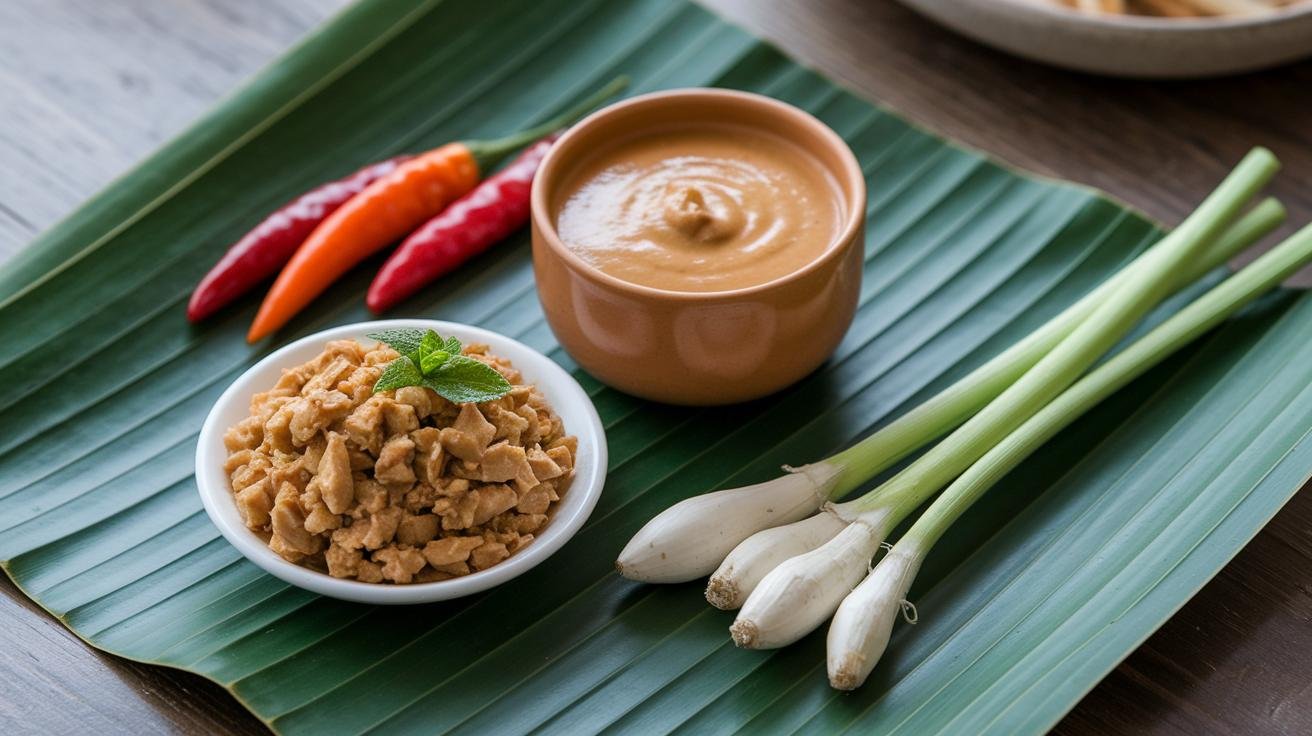
Balinese condiments arrive like little flavor fireworks. Bright, spicy, salty, and sometimes creamy. They lift plain rice, grilled meats, and veggie plates with scent and heat you won’t forget.
-
Sambal Matah (raw Balinese chili relish) is a fresh, zesty mix of thinly sliced lemongrass (stalk with lemony scent), shallots, garlic, kaffir lime leaves (aromatic citrus leaves), ginger, terasi (fermented shrimp paste), and chopped chilies. It crackles with texture and aroma. Try it with grilled fish, Babi Guling (Balinese roast pork), or a scoop over steamed rice.
-
Sambal Terasi (shrimp-paste chili) brings smoky umami and deep savor. It’s bold and salty, a little goes a long way. Spoon it next to barbecue or stir it into a rice plate for an instant flavor lift.
-
Sambal Ulek is a simple, thick ground chili paste. No frills, just pure heat and peppery flavor. Add it to noodles, soups, or skewers when you want straightforward spice.
-
Peanut Sauce (Bali version) blends ground peanuts with palm sugar, tamarind, garlic, and a splash of kecap manis (sweet soy sauce). Creamy and slightly sweet, it hugs every bite. Classic pairings are gado-gado (mixed vegetable salad with peanut sauce) and satay.
-
Bali spice blends are the backbone of local cooking. Turmeric, coriander seeds, lemongrass, garlic, and fresh chilies are toasted and pounded into a fragrant paste, or bumbu (spice paste), that seasons slow-roasted meats and smoky grills. The aroma alone is worth the trip.
Try a tiny taste first. A dab of sambal matah can transform a mild dish into something lively without stealing the show. Ever tried a spoonful with warm rice? Pure bliss.
Final Words
From Babi Guling’s crackling skin to the pandan sweetness of Dadar Gulung, this post lays out eight quick picks and points you to full sections on signature meats, veggie plates, rice and noodle staples, street snacks, desserts, and sambals.
You’ll learn why each dish matters, where to find it, and how sambal matah (raw lemongrass-chili condiment) lifts every bite.
I still remember tasting Bebek Betutu for the first time, smoke, spice, comfort. Pack your appetite. These balinese dishes to try will brighten any villa stay.
FAQ
FAQ — Balinese cuisine
What Balinese dishes should I try?
The Balinese dishes you should try include Babi Guling (spit-roasted pig), Bebek Betutu (smoked duck), Nasi Campur, Nasi Goreng, Lawar, Sate Lilit, Pisang Goreng, and Dadar Gulung.
What is the national dish of Bali?
The national dish of Bali is often considered Babi Guling, Bali’s signature spit-roasted pig served at ceremonies and celebrations for locals and visitors.
What is the staple food in Bali?
The staple food in Bali is rice, usually steamed or served as nasi (rice dishes), forming the base of most meals across the island.
Are there vegetarian or healthy options in Balinese cuisine?
Balinese cuisine offers vegetarian and healthy options like Lawar (vegetable-coconut salad), Gado-Gado (mixed-vegetable peanut salad), Urap, and Tum Bali, often rich in coconut and fresh herbs.
What should I avoid eating in Bali to prevent Bali belly?
To avoid Bali belly, avoid raw or undercooked foods, unpeeled fruits, street stalls with poor hygiene, and untreated tap water. Stick to freshly cooked dishes and bottled water.
How much does food in Bali cost?
Food prices in Bali vary. Street snacks run $1–3, warung meals $2–6, midrange restaurants $6–15, and fine dining costs more, with location and ingredients shaping prices.
How does Balinese cuisine compare to other Asian cuisines like Indonesian, Javanese, Padang, Thai, and Korean?
Balinese cuisine centers on coconut, lemongrass, and aromatic spice mixes, with ritual pork and smoked duck. Indonesian and Javanese share rice foundations, Padang favors spicy curries, Thai is sour-sweet-spicy, Korean highlights fermented sides.
Where can I read more about Balinese cuisine?
For more on Balinese cuisine, consult our balinese cuisine guide for dishes, recipes, and tips on where to taste each specialty across the island.