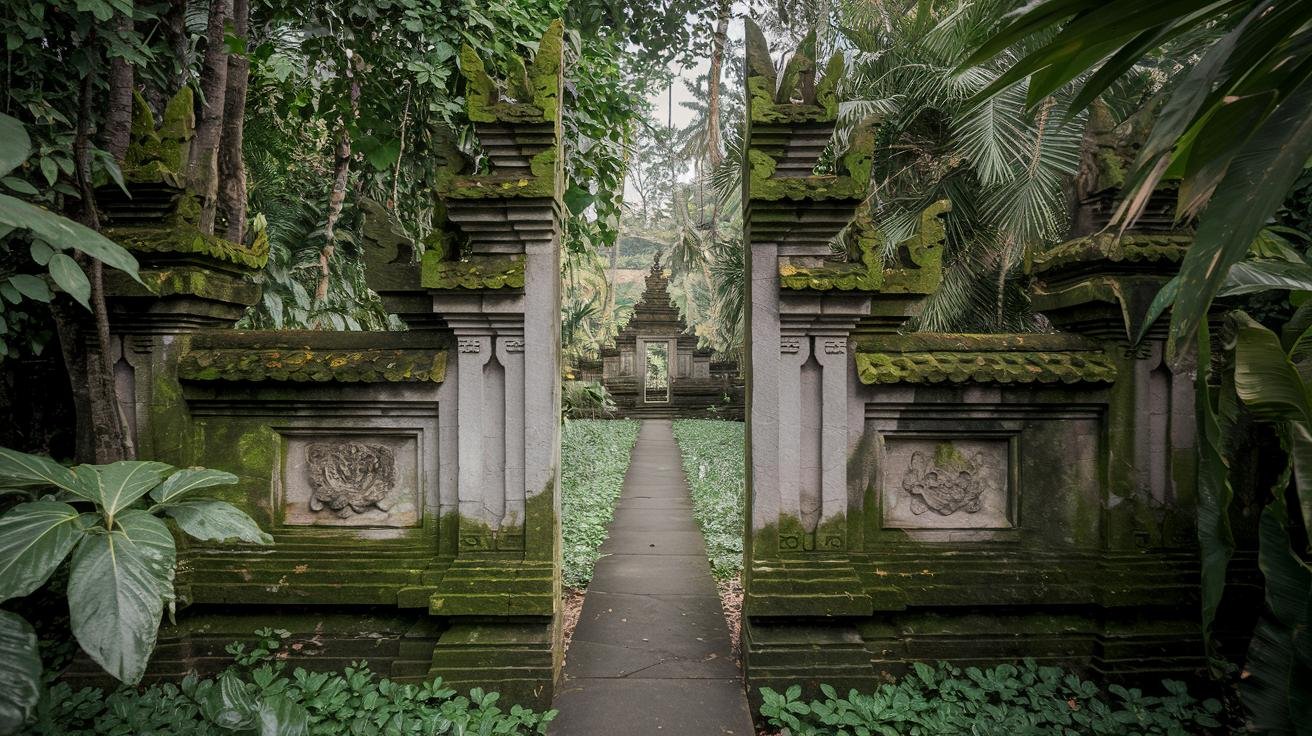
Hidden Temples Around Ubud Delight Photographers
Think the prettiest photos in Ubud only come from the same crowded overlooks everyone posts? Think again. Quiet courtyards, mossy stone faces, and river bends that catch the first light make images you’ll remember. These spots feel intimate, not staged.
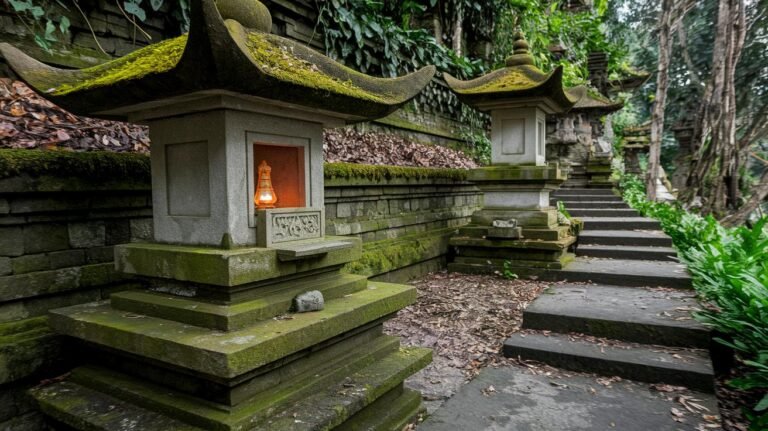
Hidden temples (pura, Balinese temple) tucked off the main paths are where mood and mystery meet. Imagine incense smoke, the soft tap of sandal on stone, frangipani petals drifting in a pool of shadow. Ever dreamed of a sunrise that looks like a painting? These places give you that.
This guide steers you to those calmer sanctuaries and tells you when to go. You’ll get timing tips, lens choices (wide for courtyards, a short tele or prime for details), and a gentle note on local rituals like offerings (canang sari, small Balinese offerings) and sarong etiquette (simple wrap you’ll wear when visiting sacred sites). Follow it and your shots will feel respectful and cinematic.
Bring patience. Shoot slowly. Tranquility.
Hidden Temples Around Ubud: Top Off-the-Beaten-Path Sanctuaries
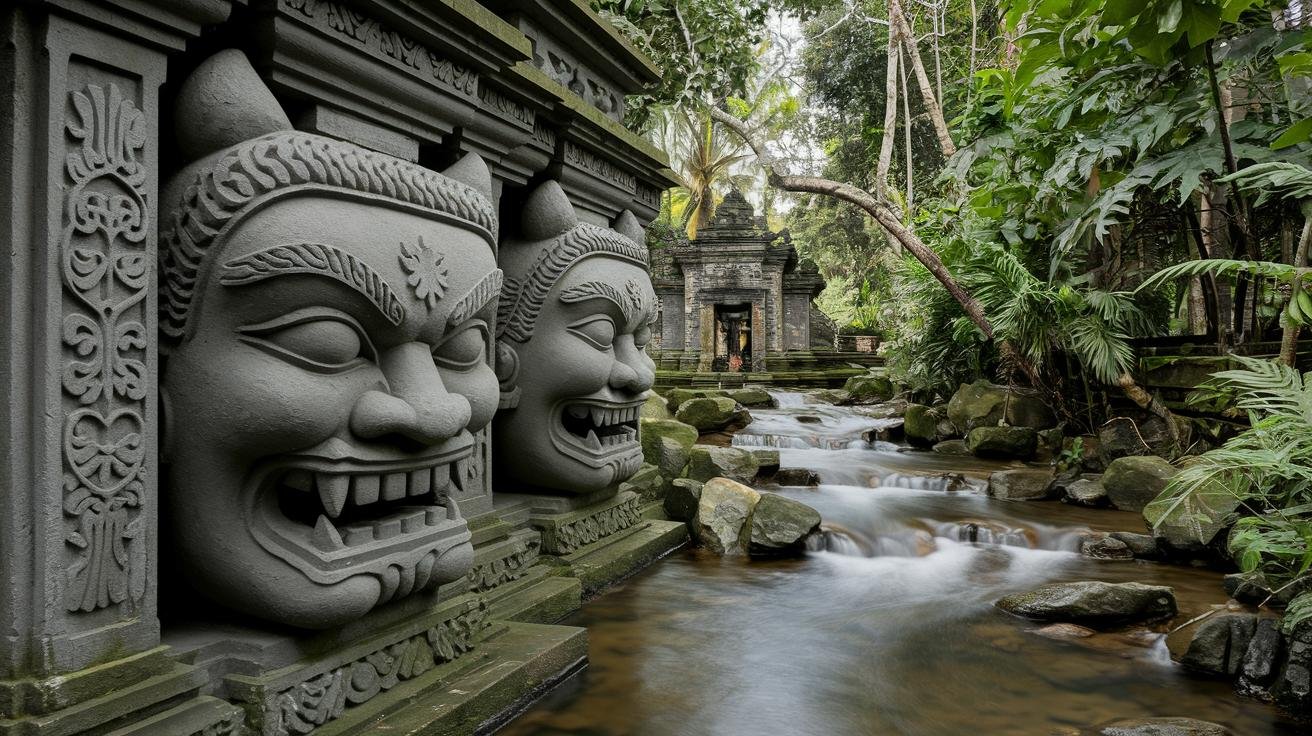
Photographers looking for mood and mystery will love the hidden temples around Ubud. Quiet courtyards, carved stone faces, and rivers that catch early light make scenes you’ll remember. Ever dreamed of a misty river reflection or a close-up of mossy reliefs? For a curated list of lesser-known sites, see secret temples in bali.
-
Pura Tirta Empul , 10th century. Famous for purification ceremonies and spring-fed pools (ritual baths). Visit on rainy or off-peak days when the pools close and the grounds feel like a peaceful community park. Soft light and locals’ chants create intimate portrait moments.
-
Goa Gajah (Elephant Cave) , 11th century. The carved demon-face entrance was meant to ward off spirits. There’s a narrow meditation cave and a jungle river nearby that makes reflective shots in misty mornings. Bring a mid-range lens for detail and a tele when the light hits the river just right.
-
Pura Gunung Lebah , 8th century. Tucked at the end of the Campuhan Ridge Walk and reached by stone steps, this temple honors Dewi Danu (water goddess). Early morning brings gentle light on the reliefs and a calm courtyard perfect for slow exposures.
-
Gunung Kawi , ancient rock-cut shrines. These tall carved memorials sit across a river and rice terraces (stepped fields that glow emerald at sunrise). Wide-angle lenses shine here, think dramatic silhouettes at first light.
-
Pura Kebo Edan , just outside Ubud. Known for a towering Bhairava statue (fierce guardian) and centuries-old carvings that feel raw and tactile. The quiet setting is ideal for close-up texture shots of mossy stone and lichen.
-
Pura Beji (Sebatu) and Pura Penataran Sasih. Pura Beji is a water temple with natural springs and morning worship chants, there’s a healing calm in the light. The more remote Pura Penataran Sasih rewards patience with secluded courtyards and delicate relief work.
-
Pura Dalem Penataran , near Monkey Forest. This offbeat Pura Dalem reveals Rangda and guardian demon statues (figures from Balinese myth about balance). Low crowds let you linger with slower shutter speeds and really build atmosphere.
These hidden temples around Ubud ask for slow attention. Pack a tripod, carry a modest lens kit, and respect sarong rules (cover knees and shoulders). Pure bliss. You’ll leave with frames that feel like private moments, one quiet shot at a time.
Access Tips for Hidden Ubud Temples: Fees, Directions, Transport
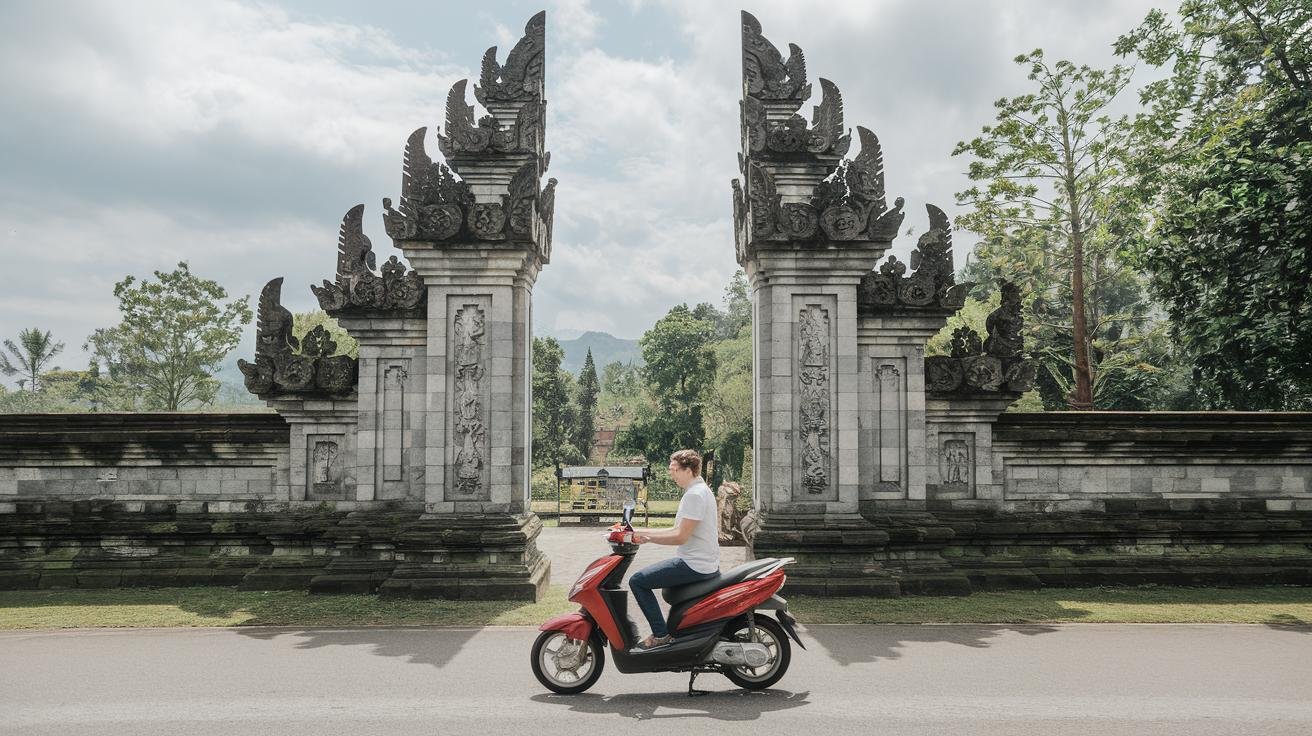
Expect small entrance fees at most Ubud temples , usually a few thousand to a few dozen thousand IDR for upkeep and village offerings. Most hidden sanctuaries open around 6 AM to 6 PM, so plan a morning start for the soft, quiet light and smaller crowds.
Ever dreamed of finding a tiny shrine tucked down a lane with only birds for company? That’s the reward for an early visit.
Pura Tirta Empul (a water temple for purification rites) asks for a ritual fee and a tiny parking charge, about 2,000 IDR. Locals sometimes mention a lesser-known exit; paying the right fee helps maintain the site and supports the priests who guide purification. Goa Gajah (the Elephant Cave temple) also charges a modest ticket that goes toward preservation and upkeep. These fees are part of keeping these places special.
- Bring small cash for entrance fees and sarong rentals. A sarong (a wrap to cover legs for temple entry) is usually required and card machines are rare.
- Use Google Maps or GPS coordinates to find entrance gates. Many temples sit down narrow lanes or behind village gates, and signs can be tiny.
- Rent a reliable scooter for flexibility. You’ll slip into side roads and reach quiet shrines faster than by car. Wear a helmet, lock helmets to the bike, and fold your map into your pocket.
- Self-drive tips: park where locals show you, ask about safe spots, and keep a printed address or screenshot in case your signal drops.
- Prefer a smoother day? Hire a local driver or guide. They’ll handle permits, parking, and the little local rules so you can focus on the moment.
Aim for first light or late afternoon for cooler roads and calmer visits. A little planning , cash, GPS, and a trusty scooter or local driver , makes visiting these lesser-known sanctuaries feel easy and respectful to the villages you pass through.
Cultural Etiquette and History at Ubud’s Hidden Temples
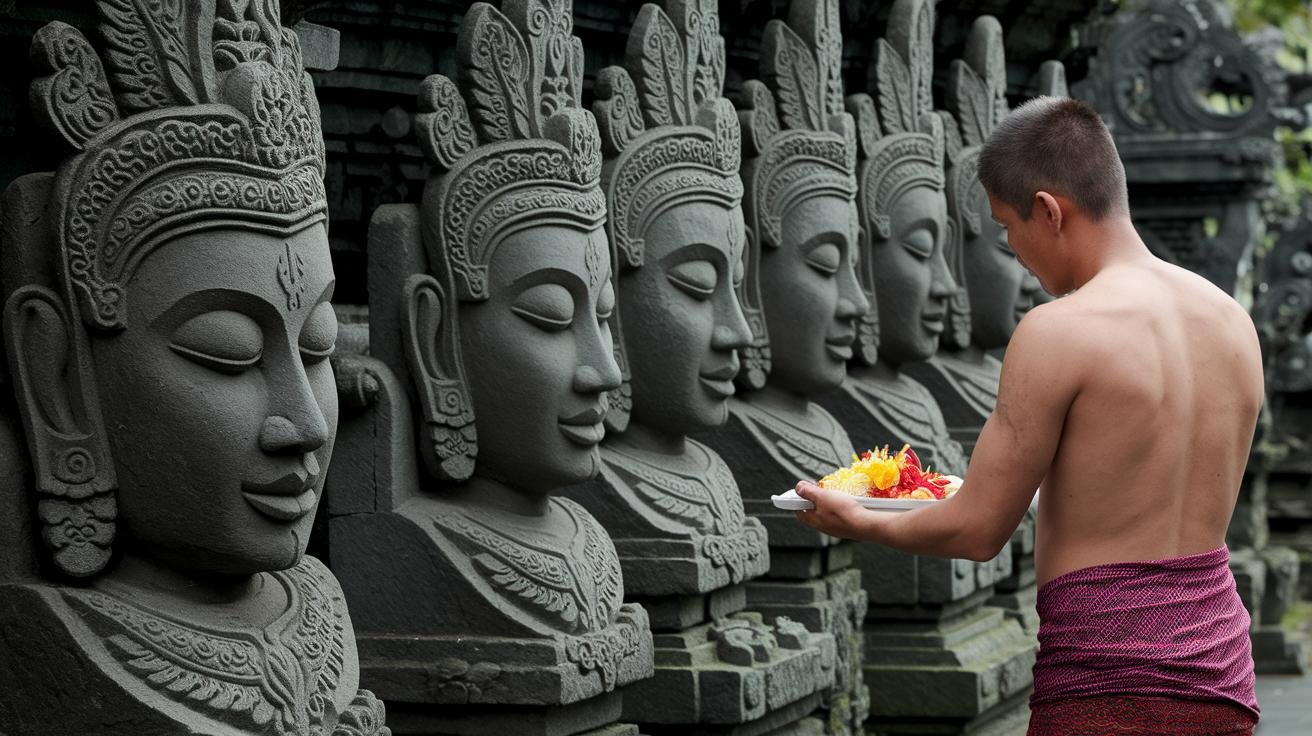
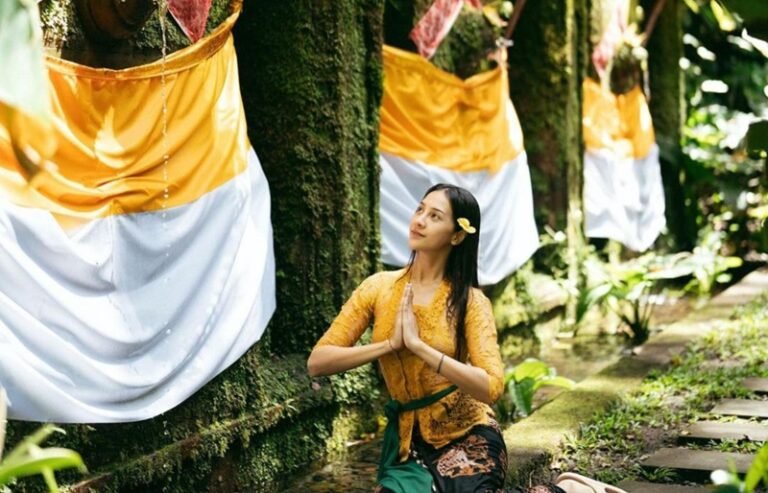
Every day you’ll see canang sari (small flower offerings) at almost every shrine, doorway, and roadside altar. Pause for a moment, step around the little trays, and if you plan to enter a temple wear a sarong (wrap skirt) and sash (waist cloth). For practical dress tips see Balinese traditional costume and attire explained.
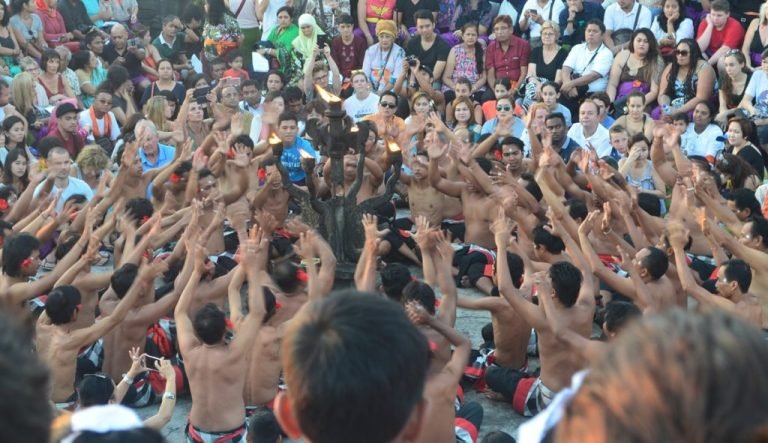
At water temples you might watch purification rites (a blessing with holy water) led by priests. Keep your voice low, join only if invited, and don’t cross into inner sanctums while a ceremony is happening. Leave a small donation if you wish, and simply pay quiet attention , the soft chant and incense create a gentle, steady rhythm of village life.
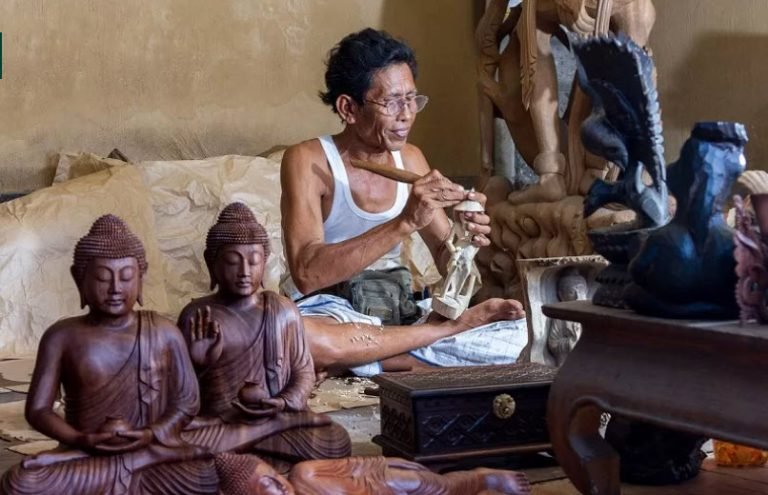
Stories live in stone and song around these places. Pura Dalem Penataran’s Rangda figures (the fierce queen of spirits) remind locals of the balance between light and shadow. At Goa Gajah carved faces stand at the cave mouth to scare off bad forces. Temple caretakers love to point out hidden motifs and tell who carved them. Ever wondered what each carving means? Ask , they’ll usually tell you.
Gunung Kawi’s rock-cut shrines go back to the 11th century and haven’t been over-restored. You can see chisel marks, slow moss growth, and the worn reliefs that time has softened. Before you snap photos, ask permission, especially if people are praying. Follow a priest’s cue, move quietly, and let the place do its work. Pure calm.
Optimal Timing and Photography Tips at Hidden Temples Around Ubud
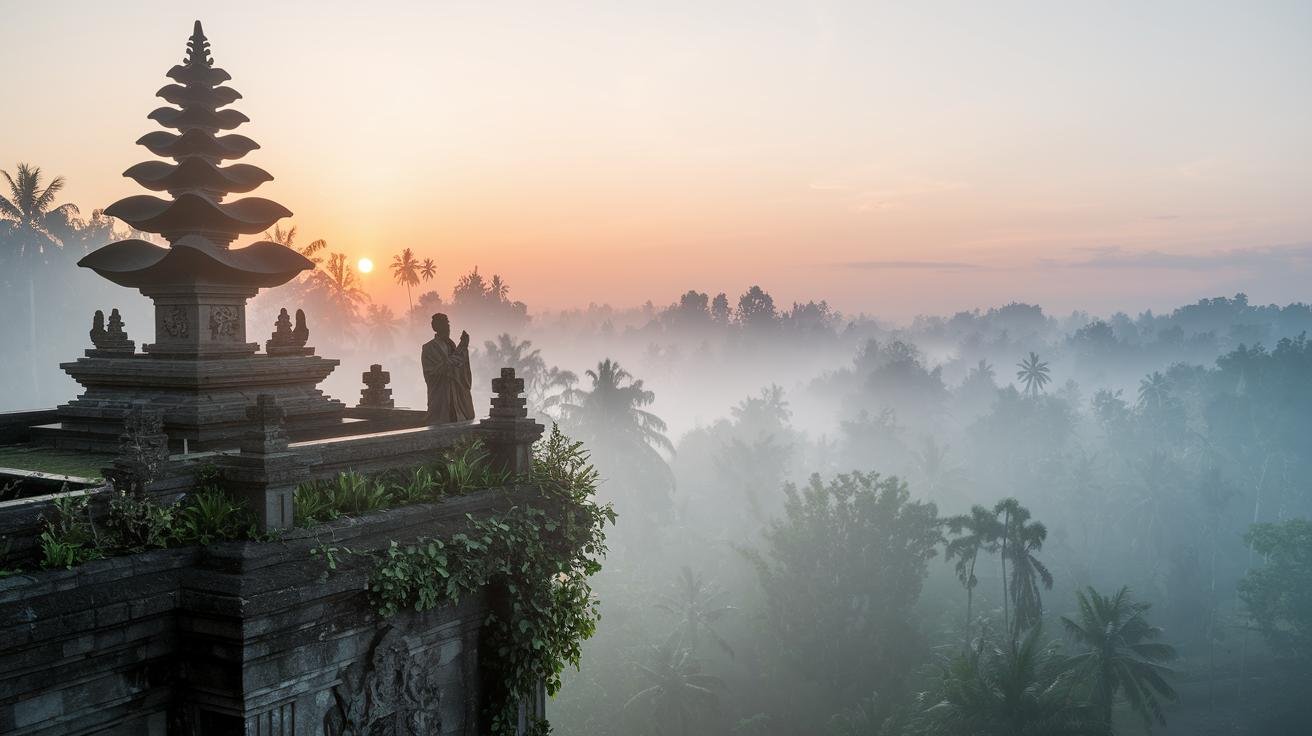
Aim for first light. Try to arrive 30 to 45 minutes before dawn so you catch the blue hour, the shifting colors, and the hush of empty courtyards. The air is cool, birds start to call, and the stones hold a soft glow.
Scout the sunrise platforms the night before. Pick a spot that frames the rice terraces (stepped fields that glow emerald at sunrise) against the sky. Ever dreamed of a terrace silhouette against pink light? This is the moment.
Gunung Lebah sings in soft morning light. Late afternoon gives warm tones that make carved reliefs glow, so it’s great for sunset backdrops. Goa Gajah’s jungle river turns into a misty mirror in early mornings. Look for low-angle reflections and slow-moving water to add mood to your frame.
Forest temples hide lovely details in shadow. Work with side light and use gentle fill light to bring out texture and moss. Small, quiet adjustments make a big difference.
Bring a tripod for long exposures and silky waterfalls, a mid-range prime for carved detail, and a wide-angle for sweeping views. Shoot RAW and bracket exposures when the light is tricky. Keep ISO low for clean texture on stone and moss.
When locals pray, be patient and discreet. Wait a little and shoot quietly. Respect gets you better, more intimate shots.
Drone rules are strict near temples. Get permits, avoid inner sanctums, and ask caretakers before you lift off. Fly high enough to be unobtrusive and never during ceremonies. Follow the rules and keep the peace.
Pure light.
Sustainable Practices and Community Support Near Ubud Temples
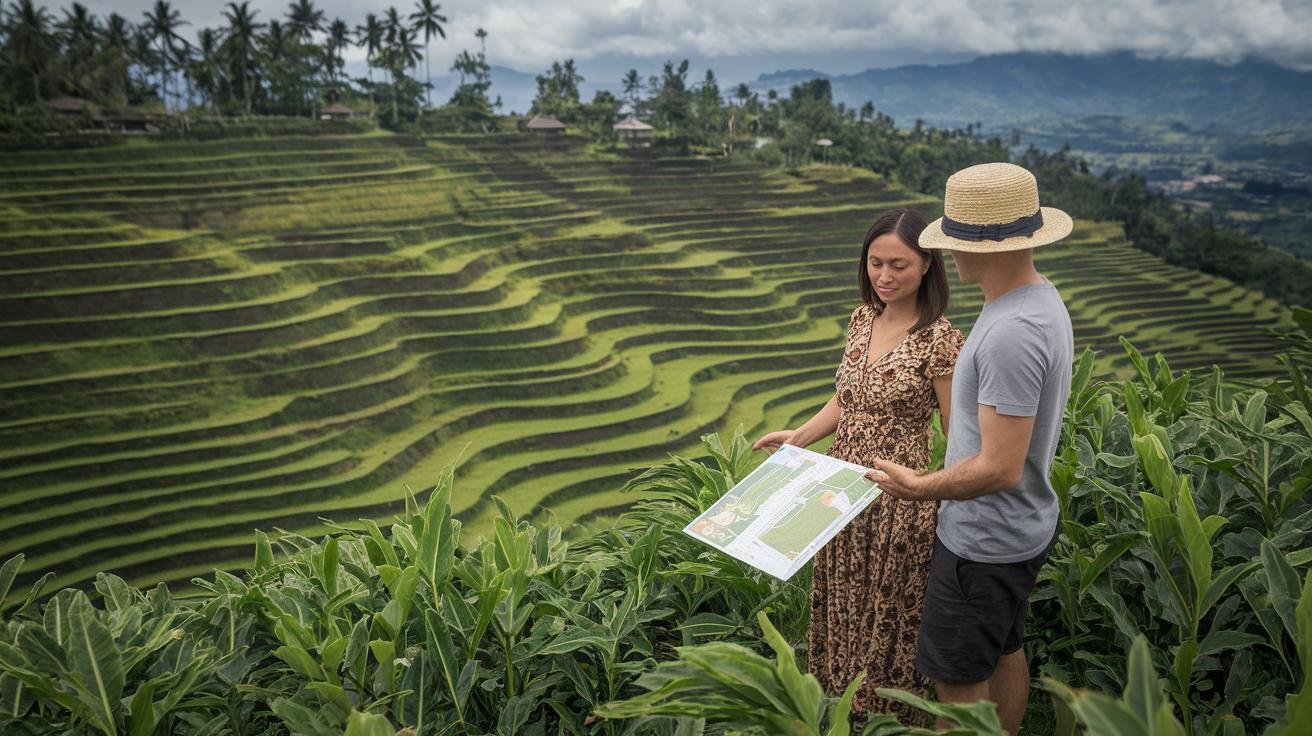
Supporting village stewards when you visit is the heart of sustainable tourism. Think of it as visiting friends who care for their land and temples. A little attention goes a long way.
At Mupu Rice Terrace (stepped fields that glow emerald at sunrise) farming couples offer free guided tours. They’ll show you subak irrigation (the traditional water-sharing system) and explain Tri Hita Karana (the Balinese idea of harmony between people, nature, and the gods). Listen, ask questions, and tip directly to help keep these traditions alive.
If you’re invited, join a melasti (temple purification ritual). Helping with simple things like sweeping or carrying offerings is a quiet, respectful way to support temple upkeep and learn local worship rhythms. Bring a sarong (wrap skirt used for temple visits) and a smile.
Choose warungs that buy from nearby farms. Abe-Do Organic Warung and Clear Cafe serve food grown close by, so your lunch feeds local families and cuts food miles. Buy a woven basket or a carved spoon from a maker you meet. Small purchases matter.
Use eco-friendly trail maps and apps that mark low-impact routes to hidden waterfalls and small shrines. Stick to marked paths, carry a refillable bottle, and pack out any wrappers. The hush of a waterfall, the cool river stones, these places thrive when we tread lightly.
Ask local guides about conservation projects. They’ll tell you where donations do the most good and how you can help without getting in the way. Ever wonder where your help makes the biggest difference? Start with them.
Hidden Temples Around Ubud Delight Photographers
-
Day 1
Start before sunrise with a 6 AM blessing at Pura Tirta Empul (holy spring pools). The soft morning light and low chanting make for quiet, soulful photos. Then wander to Alchemy Yoga Café (element-themed meals and a food forest) for breakfast, the warm steam of your coffee and fresh fruit will set a calm mood.Mid-morning, visit Goa Gajah (11th-century Elephant Cave) and Pura Gunung Lebah (8th century) to capture mossy reliefs and river reflections. Lunch at Abe-Do Organic Warung offers simple, local plates that feel like a pause in your day. In the afternoon take a guided tour of Mupu Rice Terrace (rice terraces – stepped fields that glow emerald at sunrise) and learn about subak irrigation from farming couples. Photo tips: try long exposures for rivers, tight close-ups of carved faces, and low ISO to keep texture crisp.
-
Day 2
Wake early for a predawn trek to Gunung Kawi to catch temple silhouettes across the rice terraces (wide-angle shots work really well here). Ever tried shooting in that quiet blue hour? It’s magic. Late morning you’ll find a peaceful riverside lunch spot by the Ayung River, then you can opt for a gentle kayaking stretch – bring a dry bag for your camera gear.In the afternoon visit Pura Dalem Penataran near the Monkey Forest for warm late light on Rangda statues. Overnight at Bambu Indah boutique guesthouse to rest among bamboo architecture and river breezes. Pure bliss.
-
Add-ons and flex
Ask a private guide for exclusive access to cliffside altars and to help with permits. Swap in organic stops like Clear Cafe for strong plant-based options, or pause for a calm cacao tasting between temples. By the way, if you want quieter frames, aim for off-peak days or rainy mornings. Pools might be closed then, but the light and mood are rich.
For broader trip planning see travel to ubud bali.
Final Words
You’ve climbed 300 stone steps to Pura Gunung Lebah, paused by Goa Gajah’s carved faces, and felt the cool touch of Tirta Empul’s spring.
We ran through fees and directions, best times for photos, temple etiquette, eco-friendly tips, and sample day plans to shape quiet mornings and lingering afternoons.
Bring a sarong, hire a local guide, and savor a slow riverside lunch. Plan with care and return with gentle memories from the hidden temples around ubud.
FAQ
Which famous water temple is in Ubud, Tirta Empul Temple, or Ubud Temple Water?
The famous water temple in Ubud is Pura Tirta Empul, a 10th-century site known for purification pools and ritual bathing, offering serene ceremonies and quiet moments on rainy days.
What are the best temples to visit in Ubud?
The best temples near Ubud include Tirta Empul (10th-century purification pools), Goa Gajah (11th-century Elephant Cave carvings), Gunung Kawi (11th-century rock shrines), Gunung Lebah (8th-century Campuhan site), and Pura Beji.
What does an Ubud temple tour typically include?
An Ubud temple tour typically visits Tirta Empul for purification, Goa Gajah for carved cave entrances, Gunung Kawi’s rock-cut shrines and Gunung Lebah at the end of Campuhan Ridge, often with a local guide.
What is the biggest temple in Ubud?
The largest temple complex near Ubud is often Pura Tirta Empul, featuring wide grounds, several purification pools, parking and space for large ritual gatherings compared to smaller shrines.
Which temples are in Ubud center?
In Ubud center you’ll find Pura Gunung Lebah at the Campuhan Ridge end and Pura Dalem Penataran near the Monkey Forest, both with centuries-old carvings and active shrine life.
Are there entrance fees, hours, and transport tips for Ubud temples?
Entrance fees are small and most temples open about 6 AM–6 PM; Tirta Empul charges a ritual fee plus parking (~2,000 IDR), Goa Gajah has a modest charge, and scooters offer flexible transport.
What is the dress code and etiquette at Ubud temples?
Visitors must wear a sarong and sash, leave canang sari flower offerings respectfully, stay quiet during rituals, avoid inner sanctums and observe purification ceremonies from a respectful distance.
When is the best time to photograph hidden temples around Ubud?
The best photo times are dawn for soft light at Gunung Lebah, misty mornings at Goa Gajah’s jungle river, and sunrise silhouettes at Gunung Kawi; drones need permits and inner-sanctum launches are restricted.