Planning Your Bali Holiday: The Complete Guide for First-Timers
A Bali holiday starts long before you board the plane. It begins the moment you decide — somewhere between a restless Tuesday afternoon and a friend’s photo of morning mist over rice fields — that you want to feel something different. Warmer air. Slower mornings. The scent of frangipani before breakfast. This guide walks you through everything you need to plan a Bali holiday that actually feels like yours, from timing your trip to choosing where to stay, what to eat, and how to move through the island without rushing past the best parts.
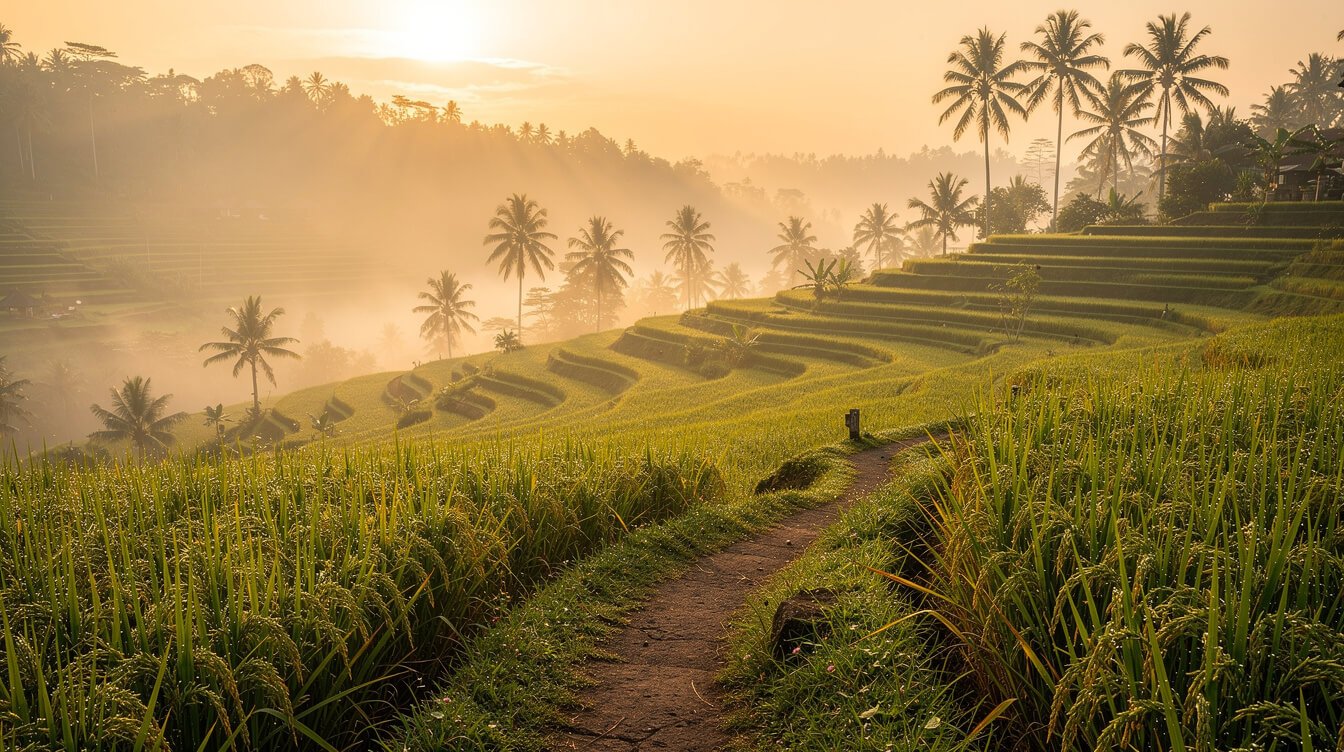
Whether you’re planning your first Bali holiday or returning after years away, the island has shifted. New roads, new restaurants, new rhythms — but the core of what makes Bali extraordinary remains unchanged. The ceremonies still stop traffic. The rice terraces still glow at golden hour. And somewhere in Ubud, a gardener is still clipping frangipani for the bedside vases before you wake.
When to Plan Your Bali Holiday: Seasons, Weather, and Timing
Bali’s dry season runs from April through October, and this is when most travelers arrive. Skies stay clear, humidity drops to something manageable, and the rice terraces turn that particular shade of electric green that photographs can’t quite capture. July and August are peak months — European and Australian school holidays overlap, and popular spots like Ubud and Seminyak fill up. If your dates are flexible, May, June, and September offer the same weather with fewer crowds and better rates on accommodation.
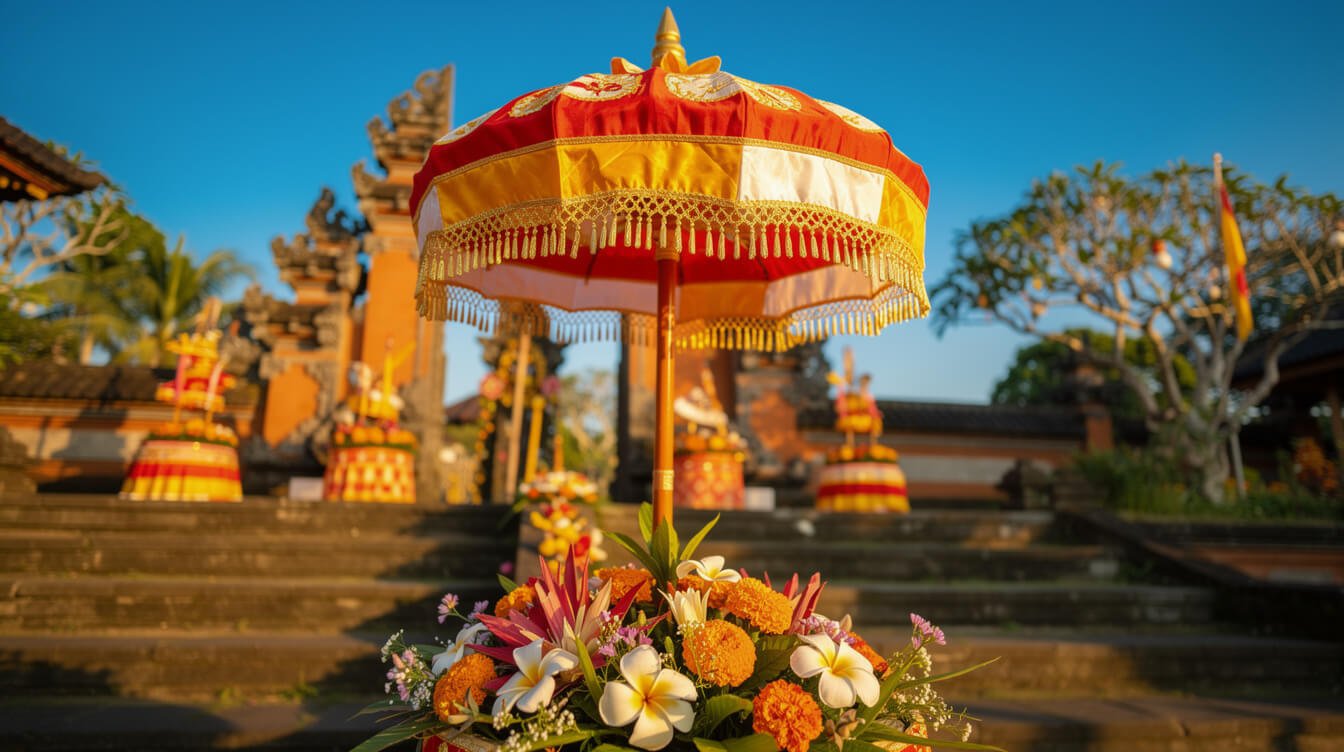
The wet season (November through March) brings afternoon downpours — dramatic, warm, and usually finished within an hour. Mornings are often clear. The landscape becomes impossibly lush, waterfalls run at full strength, and temple ceremonies carry extra intensity during Galungan and Nyepi. A wet-season Bali holiday can be genuinely magical if you don’t mind adjusting your plans around the rain. Prices drop 20-40% across the board, and you’ll have temples and rice terraces largely to yourself.
Peak dates to plan around
- Nyepi (Balinese New Year): The island goes completely silent for 24 hours — no flights, no traffic, no lights. It falls in March or April. Plan to be on the island for it — it’s an experience you won’t find anywhere else on earth.
- Galungan and Kuningan: Every 210 days (Balinese calendar), the island celebrates with elaborate offerings and penjor bamboo poles lining every road. Check the Balinese calendar for your travel dates.
- Christmas and New Year: The busiest and most expensive two weeks. Book accommodation at least 3-4 months ahead.
For more practical advice on navigating the island, our Bali travel tips guide covers the details most first-timers miss.
Where to Stay on Your Bali Holiday: Region by Region
Bali is smaller than you think — about 140 km east to west — but the character shifts dramatically between regions. Where you stay shapes your entire experience. Here’s how the main areas feel, honestly.
Ubud — culture, rice fields, and slower mornings
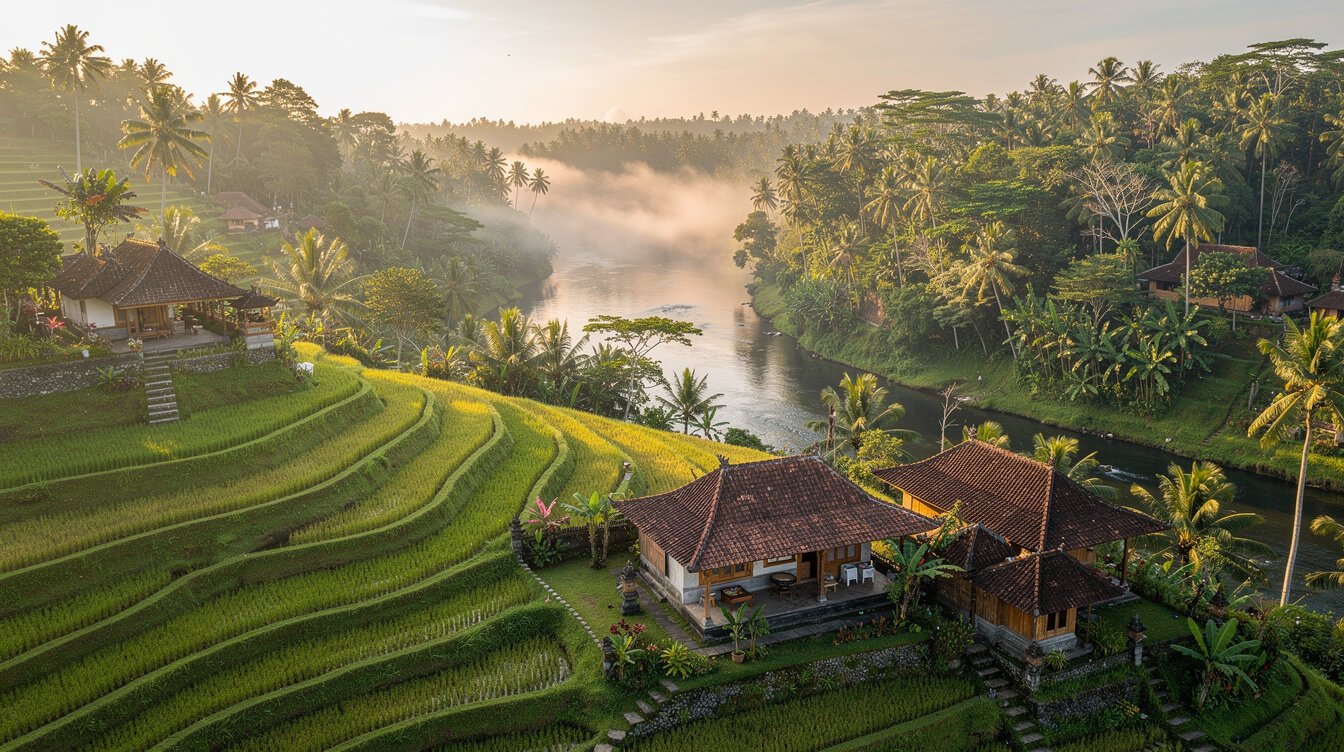
Ubud is the heart of Bali’s cultural life. Not a beach town — a village that grew into a small town while keeping its ceremonies, its gamelan rehearsals, and its rice-field views. Morning here starts with birdsong and the distant sound of a temple bell. The Monkey Forest anchors the south end of town, while the Tegallalang rice terraces stretch north. Ubud is where you go for yoga studios, traditional cooking classes, gallery walks, and the kind of quiet that a beach resort can’t replicate.
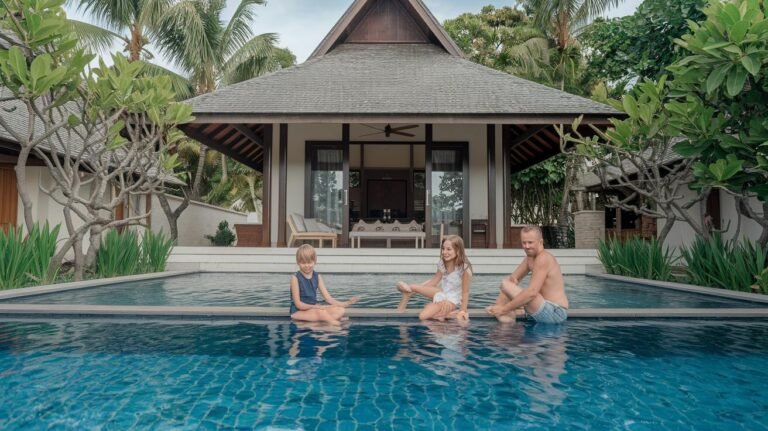
If your Bali holiday is about immersion rather than sunbathing, Ubud is home. A private villa with staff — a cook, a gardener, a villa manager — turns a stay into something held. Your mornings begin with fresh fruit on the pool deck. Your evenings end with gamelan drifting from the village temple across the valley.
Seminyak and Canggu — beach bars, surfing, and sunset
These neighboring coastal towns attract surfers, digital nomads, and anyone who wants Bali’s beach energy with good food and nightlife. Seminyak leans polished — upscale restaurants, boutique shopping, sunset cocktails at beach clubs. Canggu is scruffier, younger, full of co-working spaces and smoothie bowls. Both deliver excellent sunsets. If you’re weighing the two regions, our guide to Ubud versus Seminyak breaks down the differences in detail.
Nusa Dua and Jimbaran — resort calm and seafood dinners
Nusa Dua is Bali’s manicured resort zone — gated compounds, calm swimming beaches, golf courses. It’s where large international hotel chains cluster. Jimbaran, just north, is famous for its sunset seafood barbecues on the beach. Both areas suit families and travelers who want predictable comfort and easy beach access.
East Bali — Amed, Sidemen, and the quiet side
East Bali moves at a different pace entirely. Amed is a fishing village turned snorkeling and diving destination, with black volcanic sand beaches and views of Mount Agung. The Sidemen Valley offers terraced rice fields without the Ubud crowds — genuinely off the beaten path. If your Bali holiday includes a few days of doing nothing at all, East Bali is where to find that silence.
For a deeper look at finding the right accommodation for your style, read our guide to the best accommodation in Bali.
What to Do on Your Bali Holiday: Experiences Worth Your Time

Bali can overwhelm with options. Here’s a curated list of experiences that reward the effort — no tourist traps, no Instagram lines, just things that actually make a Bali holiday feel complete.
Cultural experiences
- Attend a temple ceremony. You don’t need an invitation — dress respectfully (sarong and sash, available at every temple entrance) and observe. Tirta Empul’s purification springs are powerful. Uluwatu’s kecak fire dance at sunset is theatrical and genuine.
- Take a traditional cooking class. Market-to-table classes in Ubud teach you to make basa gede (the mother spice paste), lawar, and proper sate lilit. You’ll eat better for the rest of your trip.
- Visit a local healer. Balinese balian (traditional healers) are part of living culture, not a tourist attraction. Approach with respect and genuine curiosity.
Nature and adventure
- Sunrise at Mount Batur. The 2-hour pre-dawn hike rewards you with sunrise over the caldera and Lake Batur. Book a local guide — the trail is straightforward but dark.
- Waterfall hunting. Sekumpul (north Bali) is the most dramatic. Tibumana (near Ubud) is the most accessible. Kanto Lampo lets you stand under the cascade for photos.
- Rice terrace walks. Beyond the famous Tegallalang terraces, the Campuhan Ridge Walk in Ubud offers elevated views at sunrise with barely anyone else around.
- Snorkeling and diving. The USAT Liberty shipwreck at Tulamben is a shore-entry dive accessible to beginners. Nusa Penida’s Manta Point delivers manta ray encounters almost daily.
Wellness and retreat
Bali’s wellness scene runs deep — this isn’t spa tourism bolted onto a beach holiday. Ubud in particular has become a global center for yoga, breathwork, sound healing, and meditation retreats. Studios like The Yoga Barn and Radiantly Alive offer drop-in classes alongside multi-day immersions. A private villa makes an ideal base for your own informal retreat — morning yoga by the pool, afternoon naps, evenings with the sound of the valley. Our Ubud yoga retreat guide maps out the best studios, programs, and how to structure a self-guided retreat.
Get a Free 3-Day Sample Itinerary
Planning your first Bali holiday? We put together a 3-day Ubud itinerary with our favorite morning walks, restaurants, and hidden temples — the kind of insider knowledge your guidebook won’t have.
Bali Holiday Food Guide: What and Where to Eat
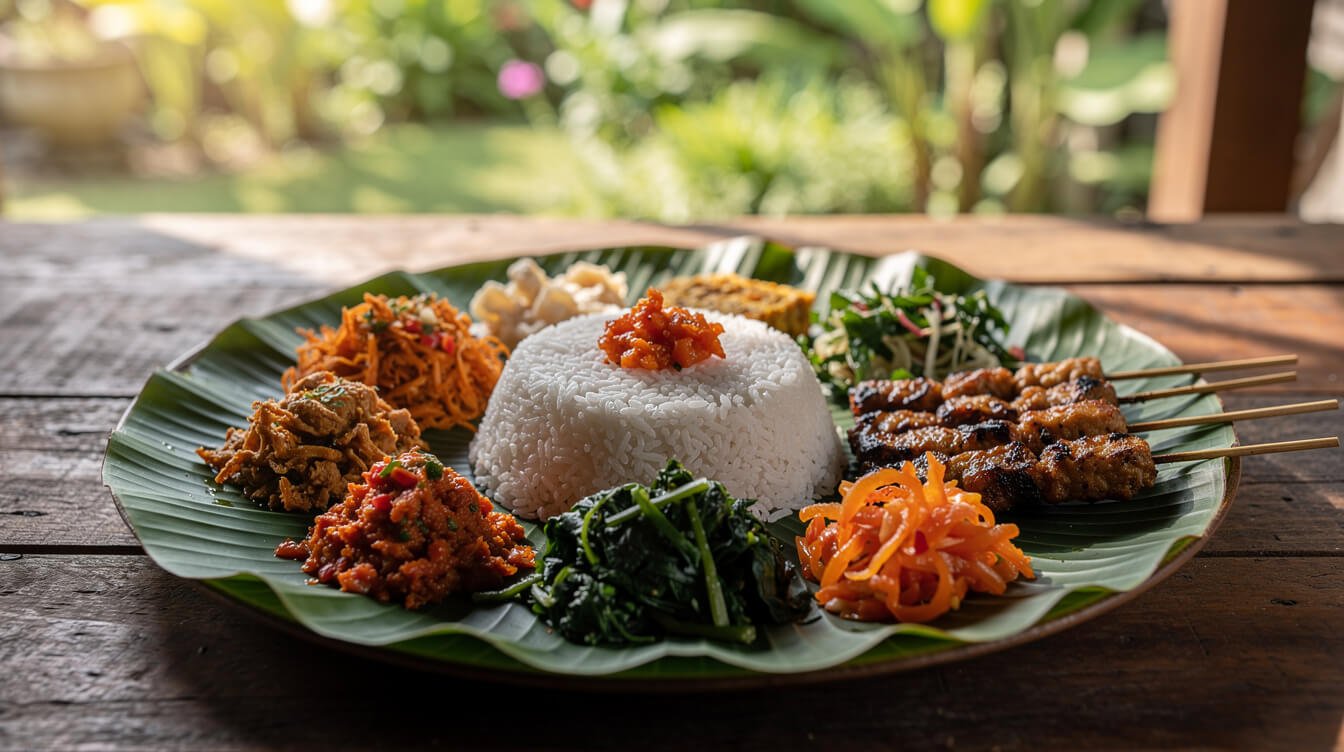
Bali’s food scene has evolved dramatically. You can eat a nasi campur plate at a roadside warung for $2 and follow it with a tasting menu at a restaurant that would hold its own in any global city. Both experiences belong on your Bali holiday.
Essential Balinese dishes to try
- Babi guling — slow-roasted suckling pig, Bali’s signature celebration dish. Ibu Oka in Ubud is the famous spot, but every town has its own version.
- Nasi campur — a rice plate with multiple small sides: shredded chicken, tempeh, sambal, peanuts, vegetables. Every warung does this differently.
- Sate lilit — minced seafood or chicken pressed around lemongrass sticks and grilled. The lemongrass infuses the meat as it cooks.
- Lawar — a finely chopped mix of vegetables, coconut, and spices, sometimes with minced meat. This is ceremonial food made daily.
- Jamu — traditional herbal tonic drinks. Turmeric, ginger, tamarind. Every family has their own recipe.
Where to eat
Start at the warungs — family-run food stalls where the locals eat. If a warung is full at noon, it’s good. In Ubud, the food scene ranges from extraordinary warungs like Warung Biah Biah to fine dining at Locavore (which sources exclusively from Indonesian farms and fishermen). For a full rundown of where to eat in Ubud, our guide to the best restaurants in Ubud covers everything from fried rice carts to white-tablecloth tasting menus.
If you’re staying at a villa with a private chef, breakfast changes entirely. Imagine waking to the smell of bubur injin (black rice pudding) and fresh tropical fruit arranged on the pool deck — mango, papaya, dragon fruit, still cool from the morning market. A villa cook doesn’t just save you restaurant time; they introduce you to dishes you’d never order from a menu because you didn’t know they existed.
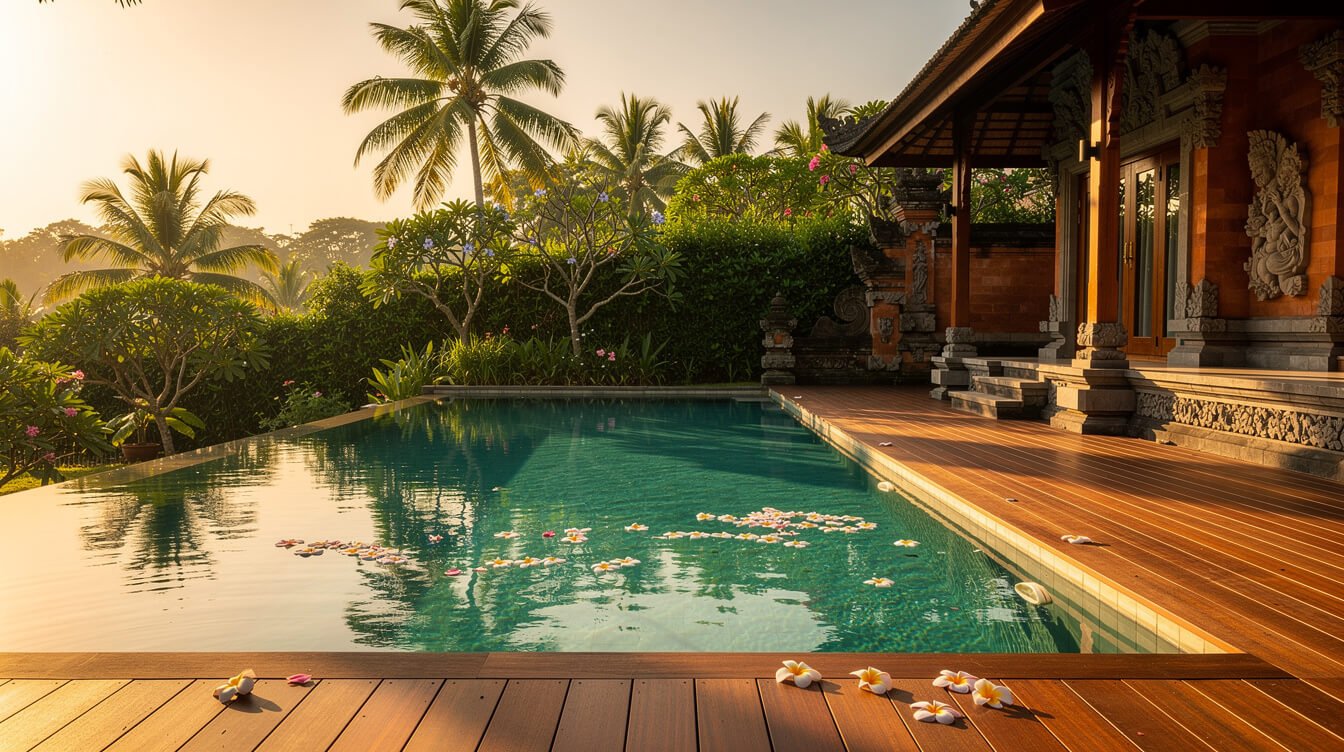
Your Bali Holiday, Fully Held
Three bedrooms, a private pool, full staff — cook, gardener, villa manager. Your mornings start with fresh fruit on the pool deck, and your evenings end with gamelan from the valley. This is Ubud, done right.
Getting Around Bali: Transport, Drivers, and Practical Tips
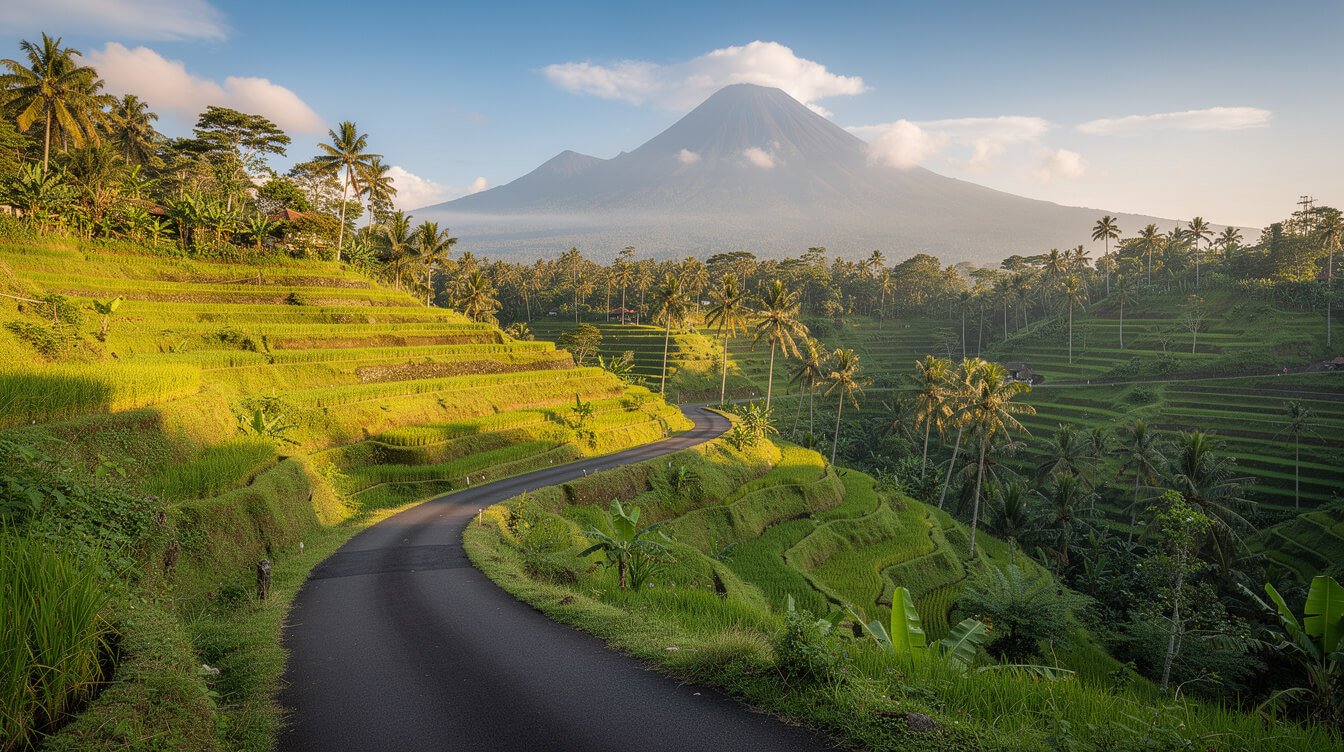
Bali’s traffic is real, especially in the south. Here’s how to move through the island without losing half your Bali holiday to the road.
Private driver (recommended)
Hiring a driver for the day costs approximately $40-60 USD, and it’s the best way to explore Bali beyond your base. Drivers double as informal guides — they know which temples are hosting ceremonies, which roads have construction, and which warung serves the best babi guling. Most villa staff can arrange a trusted driver for you, often someone they’ve worked with for years.
Scooter rental
Common, cheap ($5-8/day), and the way most locals travel. If you’re comfortable on two wheels and have experience riding in Southeast Asian traffic, a scooter gives you genuine freedom. Ubud’s narrow village roads are manageable; Denpasar’s multi-lane chaos is not recommended. Always wear a helmet, carry your international driving permit, and get rental insurance.
Ride-hailing apps
Grab and Gojek work across most of Bali and are significantly cheaper than metered taxis. They’re ideal for short hops — Ubud center to the rice terraces, Seminyak to the airport. Note: some areas (like Ubud’s town center) have restrictions on app-based drivers due to local taxi cooperatives.
Airport transfers
Ngurah Rai International Airport sits in the south, near Kuta. Transfer times: Seminyak 30 minutes, Ubud 90 minutes to 2 hours (traffic-dependent), Amed 3+ hours. Pre-book your airport transfer through your accommodation — arriving in Bali to a driver holding a sign with your name removes the chaos of the arrival hall entirely.
Planning Your Bali Holiday Budget: What Things Actually Cost
Bali remains one of the best-value destinations for international travelers, but costs vary enormously based on how you travel. Here’s a realistic breakdown for 2026.
Budget Bali holiday (backpacker/solo traveler)
- Accommodation: $15-40/night (guesthouse or hostel)
- Food: $10-20/day (warung meals + occasional café)
- Transport: $5-10/day (scooter rental)
- Activities: $10-30/day
- Daily total: $40-100 USD
Mid-range Bali holiday (couples/families)
- Accommodation: $80-200/night (boutique hotel or private villa)
- Food: $30-60/day (mix of warungs and restaurants)
- Transport: $40-60/day (private driver)
- Activities: $30-80/day (guided tours, spa treatments)
- Daily total: $180-400 USD
High-end Bali holiday (full comfort)
- Accommodation: $300-800+/night (staffed private villa or top resort)
- Food: $80-200/day (private chef + fine dining)
- Transport: $60-100/day (dedicated private driver)
- Activities: $100-300/day (private tours, wellness packages, cultural experiences)
- Daily total: $540-1,400+ USD
Hidden costs to budget for
- Visa: Visa on Arrival is $35 USD (30 days, extendable once for another 30 days)
- Temple entrance fees: $1-5 per temple (sarong rental often included)
- Tipping: Not expected but appreciated — 10-15% at restaurants, small tips for drivers and spa therapists
- SIM card: $5-10 at the airport for a local Telkomsel SIM with data
- Travel insurance: Non-negotiable. Medical evacuation from Bali can cost $50,000+ without it.
Bali Holiday FAQs: What First-Timers Always Ask
How many days do I need for a Bali holiday?
A minimum of 7 days lets you settle into one region properly. 10-14 days allows you to combine two or three areas — say, Ubud for culture and wellness, a few days on the coast for beaches, and a night or two in East Bali for diving or the quiet. Anything less than 5 days feels rushed once you account for travel days and jet lag adjustment.
Is Bali safe for solo travelers and families?
Yes. Bali is one of the safest destinations in Southeast Asia. Violent crime against tourists is extremely rare. The main risks are scooter accidents (drive carefully and wear a helmet), petty theft at crowded beaches, and the occasional stomach upset from adjusting to new food. Use common sense, drink bottled water, and you’ll be fine.
Do I need a visa for Bali?
Most nationalities can get a Visa on Arrival (VOA) at Ngurah Rai Airport for $35 USD. This gives you 30 days, extendable once for an additional 30 days at an immigration office. For stays beyond 60 days, you’ll need a different visa arranged before arrival. Check your country’s requirements before booking.
What should I pack for a Bali holiday?
Light, breathable clothing (cotton and linen). A sarong — you’ll use it for temple visits, beach cover-ups, and impromptu picnic blankets. Reef-safe sunscreen. Mosquito repellent with DEET. A light rain jacket for wet season. Comfortable walking shoes for temple steps and rice terrace paths. Leave the formal wear at home — Bali’s dress code is relaxed everywhere except the very top restaurants.
When is the cheapest time to visit Bali?
February and March tend to be the most affordable months — it’s wet season and after the Christmas surge. October and early November also offer good value as the dry season winds down. Avoid booking during school holidays (July-August, Christmas-New Year) unless you don’t mind premium pricing.
Making Your Bali Holiday Unforgettable: Final Thoughts
The best Bali holidays aren’t the ones with the tightest itineraries. They’re the ones where you leave room for the unplanned — the temple ceremony that blocks the road and turns into the most beautiful thing you’ve seen, the warung recommended by your driver that serves the best nasi goreng of your life, the afternoon you cancel your plans and float in the pool listening to the garden.
Bali rewards slowness. It rewards curiosity. And it rewards the traveler who chooses their base carefully — because where you sleep shapes what you wake up to.
If you’re drawn to the cultural heart of the island, Ubud is where the mornings sound different. And a stay at a staffed private villa — where the cook knows her market, the gardener tends frangipani before dawn, and the pool catches the last light of the valley — turns a Bali holiday into something you carry with you long after you’re home.

Join Our Newsletter — Fun, New, Exciting Bali News
We share Ubud stories, Bali travel tips, and honest insider recommendations — the kind of warm, grounded advice that makes your next trip genuinely better. No spam, just a letter from Bali.