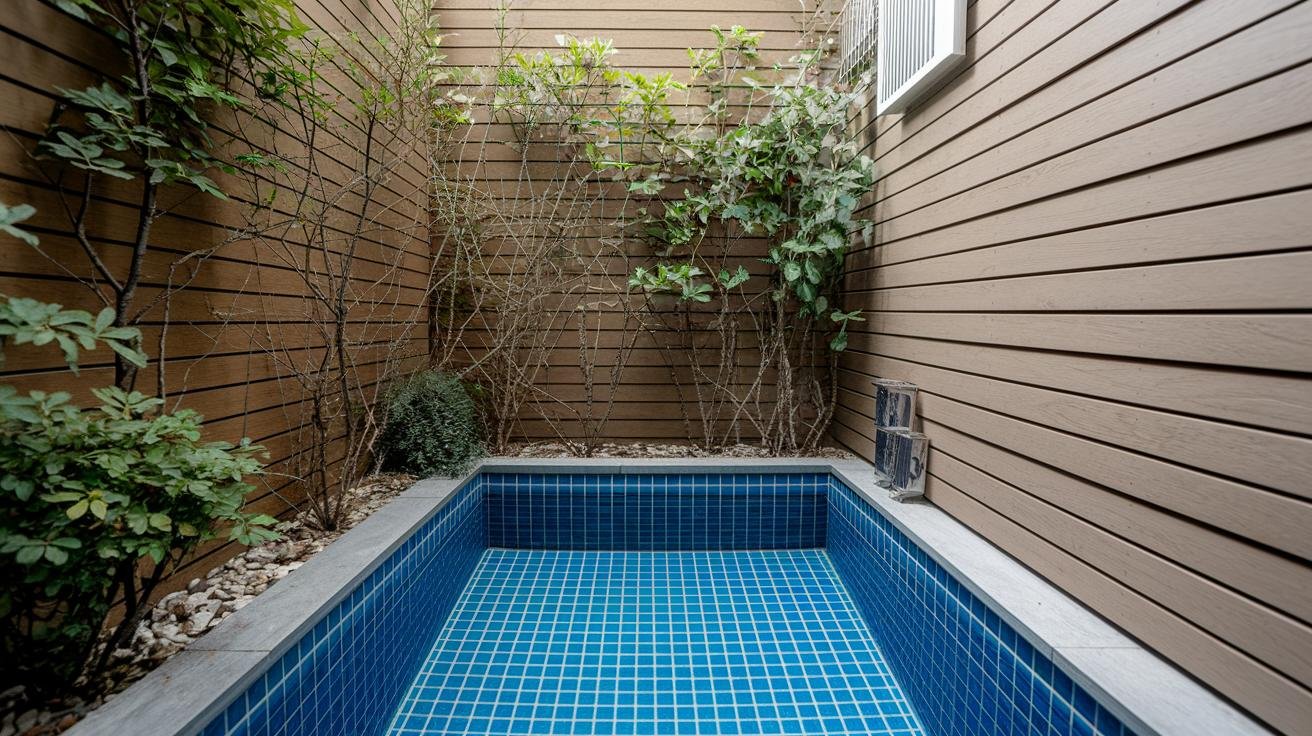
Inground Plunge Pool Adds Luxury To Small Yards
Who says a pool has to swallow your yard to feel luxurious?
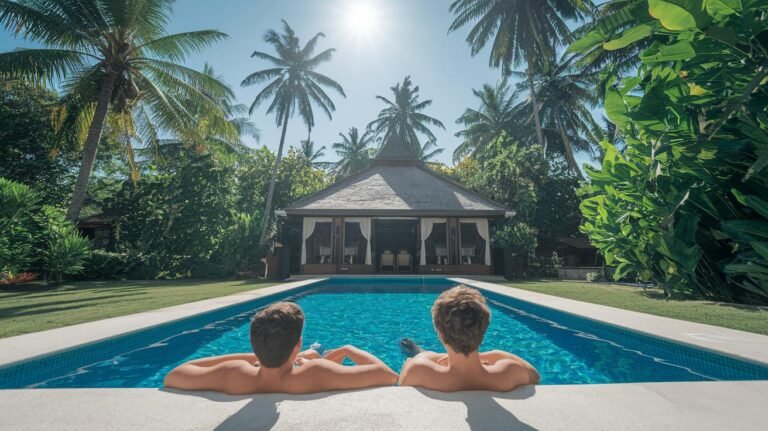
A small in-ground plunge pool can turn a tiny patch of grass into your private mini resort , warm water to soothe sore muscles, gentle low-impact laps, and the soft murmur of water at dusk.
Think of it as a cocktail pool (a compact, deep dip pool) about 8 by 8 feet, easier to heat and clean, and using roughly 80 percent less water than a full-size in-ground pool.
It’s affordable to build and tucks neatly into narrow corners, patios, or rooftop spaces.
Resort-level luxury for even the smallest yards.
Ever dreamed of soaking as the sun dips and the lights come on? Pure bliss.
Inground Plunge Pool Adds Luxury To Small Yards
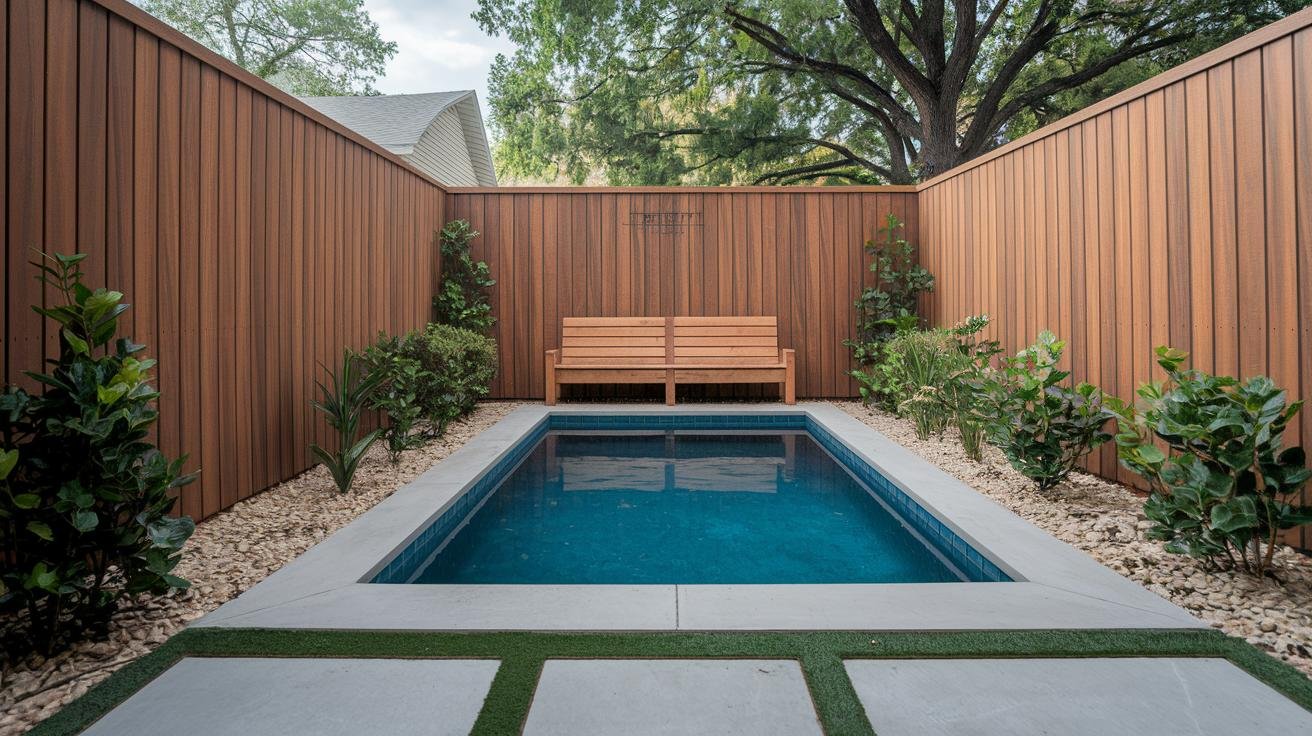
An inground plunge pool is a small, built-in pool for cooling off and relaxing, often called a "cocktail pool." Typical sizes run from about 8×8 feet up to 20×10 feet, and depths usually fall between 4 and 6 feet. Most models seat two comfortably and hold roughly 1,000 gallons of water, so you get a private dip without the scale of a full lap pool.
Ever dreamed of a backyard that feels like a mini resort? Plunge pools give you therapeutic warm-water relief for sore muscles, gentle, low-impact exercise, and a cozy spot to host a few friends on summer evenings. The smaller water volume makes heating and cleaning simpler, so daily upkeep stays light.
Variable-speed pumps can cut energy use by around 80 percent compared with older standard pumps, and these basins use about 80 percent less water than large traditional inground pools, which is a real win for utility bills and the planet.
Cost-wise, a typical inground plunge pool runs about $20,000 to $25,000. That’s a lot less than small custom inground pools that often start around $45,000, and well below larger installs that can top $60,000. Those savings let you add a patio, outdoor kitchen, or a fire pit to finish the scene.
Tight yard? No problem. A small backyard plunge fits into narrow corners, between decks, or beside a patio. You can add jets for gentle resistance, spa-style bubble seating, or colored LED lighting to set the mood. Picture the soft murmur of your private pool as the sun goes down. Pure calm. Right at home.
Materials & Construction Options for Inground Plunge Pools
Pick the right material and the whole install feels easier. Think of it like choosing the shell for a small, cool oasis – the feel of the water, the finish under your hand, how quickly you can jump in.
Composite modular pools come as prefabricated panels or shells that are light enough to carry through doorways and up stairs. They’re great for courtyards or a sunroom and mean less messy work on site. Quick finish work. Less disruption. Perfect if you want the pool in fast.
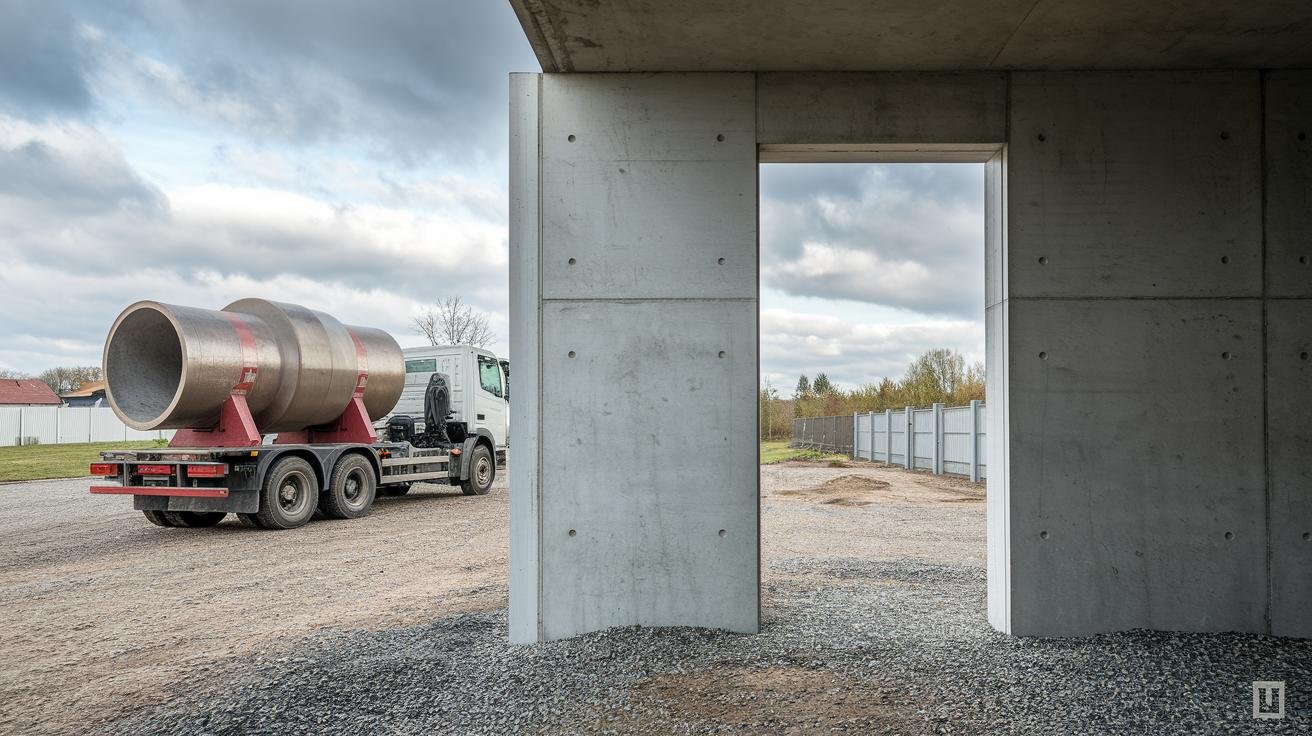
Precast concrete basins are single-piece shells cured off site. They feel solid and last a long time, with that classic concrete look. They set in place fast, but delivery usually needs a crane and wide access, so they’re not the best choice for tight indoor spots.
| Material Type | Description | Installation Considerations |
|---|---|---|
| Composite Modular | Prefabricated composite panels or shells that bolt or clip together. Smooth finish and available in compact modules. | Can be installed in-ground, partially in-ground, above ground, or indoors – fits through standard doorways; faster finish work and lighter site impact. |
| Precast Concrete Basin | Single-piece concrete shell cured off site for a solid, long-lasting structure and traditional finish. | Quick set once on site but delivery may need a crane and wide access; usually impractical for indoor installs. |
Fiberglass plunge basins give you a very smooth surface and a speedy install. They’re light and low maintenance. The surface is pleasant underfoot – cool and sleek.
Vinyl-lined plunge pits are the budget-friendly option. They’re flexible for odd shapes and small spaces. Keep in mind the liner needs care over time and possible replacement.
Stainless steel plunge tubs feel modern and reflective, almost like a private sculpture. They’re tough and ideal for indoor spots where a sleek look matters.
By the way, ask yourself this: do you want the pool ready fast, or do you prefer finishing everything on site for a custom touch? Think about access, whether a crane can get in, and how much work you want happening in your yard. Little choices like that shape how your backyard comes together.
Planning & Installation Process for Inground Plunge Pools
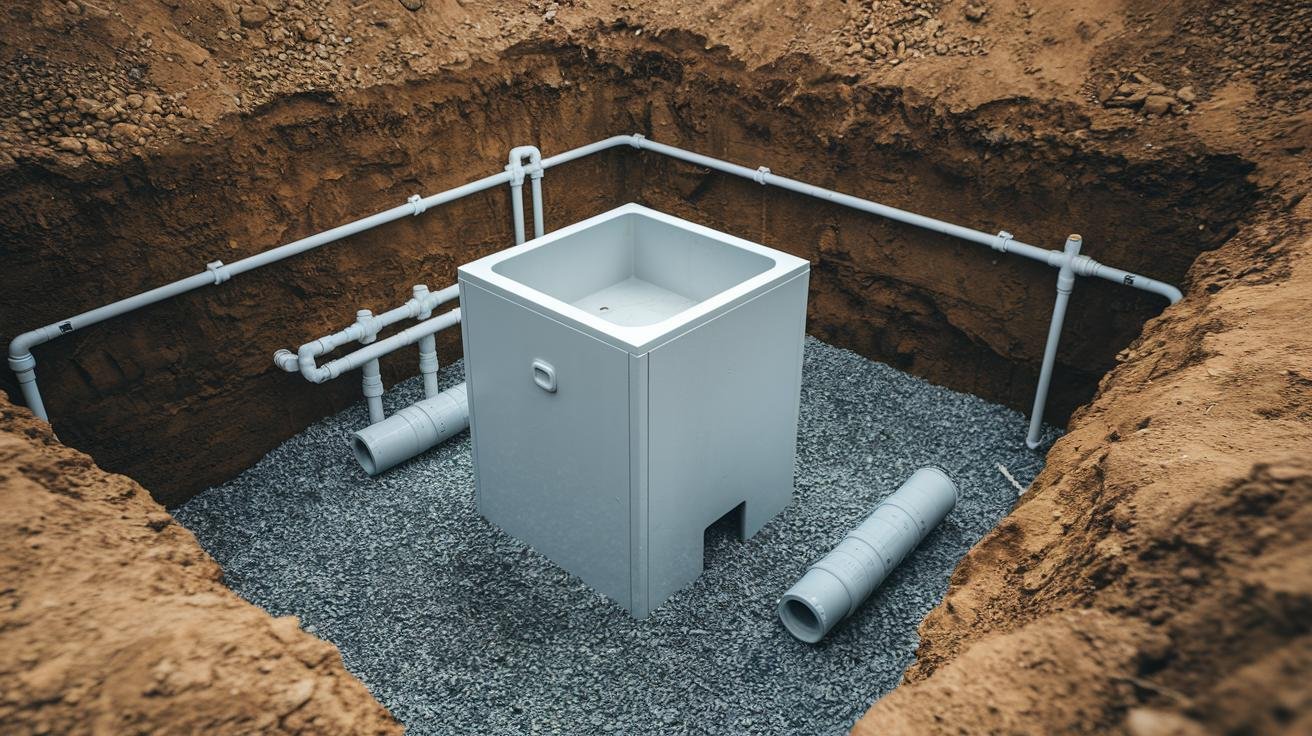
A clear plan saves time, money, and fuss. Think of this as your road map from the first site check to that first cool dip. Below are six down-to-earth steps that cover the excavation, base work, plumbing, electrical, and realistic timelines.
-
Site survey & permits
Have a pro measure your yard, confirm property lines, and flag underground utilities. Ask your local building office about permits and basic code rules like setbacks and fence requirements. Permit wait times change by town, so start this early. -
Excavation & leveling (pool excavation process)
Excavation crews dig the hole to your basin size and depth, then grade the bottom and slope the edges so water drains away. Easy equipment access matters , tight courtyards may need smaller machines or even hand-dig crews. You’ll hear the crunch of gravel and see the shape of your pool take form. -
Base reinforcement (base preparation steps)
Crews lay a compacted base of crushed stone or concrete depending on your shell type. A solid base prevents settling and keeps finishes looking sharp. For partially inground installs, the perimeter shelf doubles as a seat or step. Small detail, big comfort. -
Plumbing rough-ins (plumbing requirements)
Plumbing lines for circulation, jets, and heaters go in before the shell is set. Pick pipe sizes and fittings that match your pump flow; salt systems have particular return needs. Always pressure-test lines so you don’t discover leaks later. -
Electrical hookups (electrical setup guides)
Run conduit for the pump, heater, and lights, and install a dedicated circuit with a GFCI (ground-fault circuit interrupter) and properly sized breakers for variable-speed pumps and heaters. Plan lighting zones for mood and safety around the deck. A well-thought layout makes evenings magical. -
Set the unit, finish, and commission (installation time frame)
Precast shells or modular pieces are set, backfilled, and finished with decking and coping. Tile, plaster, or trim go on next, then systems are filled, balanced, and started. On-site work can be just a few days for fast modular installs, or two to four weeks for fuller custom jobs. Remember, permits and site prep can add several weeks.
Pro tips from the field
- Check crane access if you’re doing a precast drop.
- Ask for a soil report if your lot has clay or unusual fill.
- Consider variable-speed pumps and salt systems for lower long-term costs.
Little choices now shape how soon you’ll be lounging by your plunge. Ever dreamed of that first splash? It’s closer than you think.
Cost Breakdown & Financial Benefits of Inground Plunge Pools
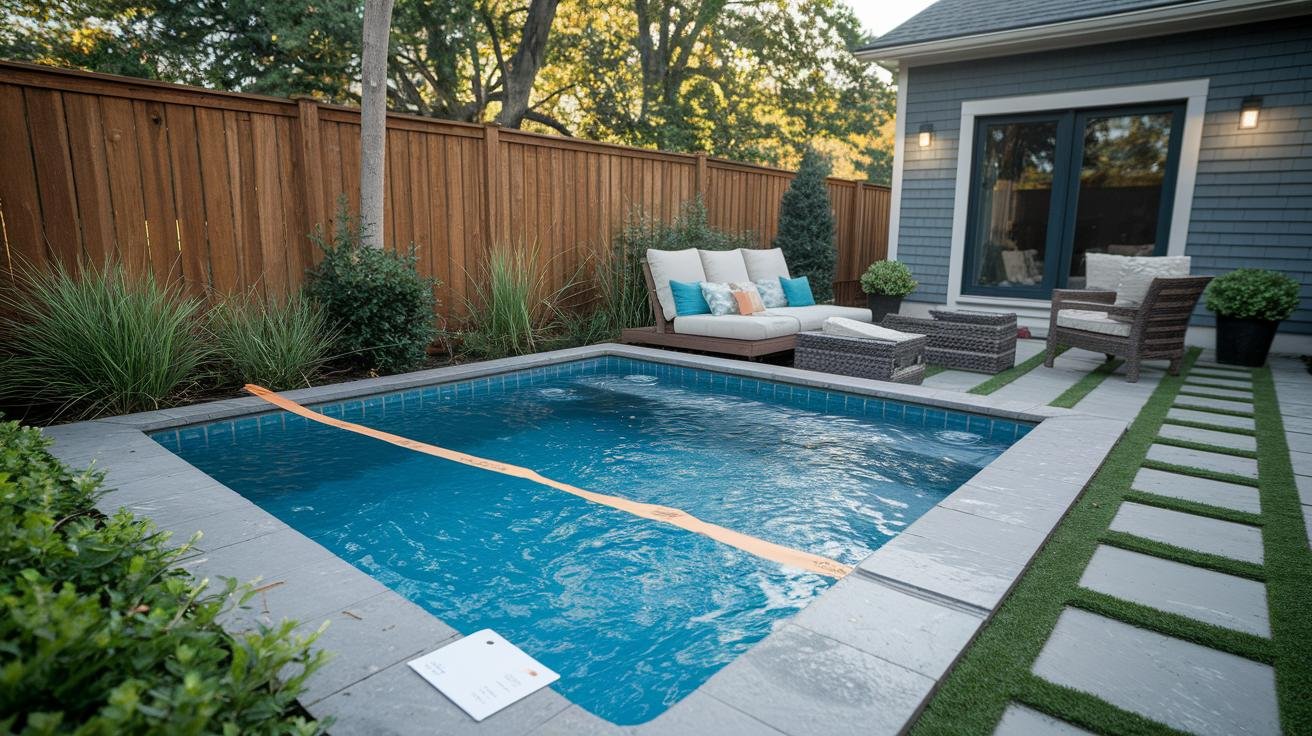
Thinking about an inground plunge? Let’s whisper the numbers so you can picture it without the sticker shock. A modest inground plunge usually runs about $20,000 to $25,000. Small custom inground pools often start near $45,000 and full-size installs commonly top $60,000 or more. That lower entry price gives you room to add a cozy patio, mood lighting, or a fire nook around the basin.
Typical cost components and rough ranges:
| Item | Typical Range |
|---|---|
| Excavation and site prep | $1,000 – $3,000 |
| Shell or prefab unit (composite, fiberglass, or precast) | $8,000 – $12,000 |
| Plumbing, pump, and filtration (salt chlorination options) | $2,000 – $5,000 |
| Electrical, lighting, and heater or chiller | $1,500 – $5,000 |
| Finishes, coping, and tile | $2,000 – $6,000 |
| Decking, landscaping, and extras | $3,000 – $12,000 |
| Permits and contingency | $500 – $3,000 |
Want to save? Prefab modular kits and fiberglass basins cut labor time and keep site disruption low. Vinyl-lined pits are another budget-friendly option. Doing simple tasks yourself, like decking or basic landscaping, trims the price further. Ever thought of handling some finishing touches on a weekend? It helps.
Financing choices are flexible. People use home equity lines of credit or personal loans. Some vendors offer payment plans and some manufacturers finance prefab units. Pick what fits your cash flow and timeline.
Operating costs usually stay lower with a plunge pool. Smaller water volume plus efficient pumps tend to reduce heating, treatment, and cleaning bills by a few hundred to a few thousand dollars a year compared with large pools. That means less fuss and bills, and it can make your property more appealing to buyers who want low-maintenance outdoor luxury.
Pure bliss, without the big price tag.
Maintenance & Water Care for Inground Plunge Pools
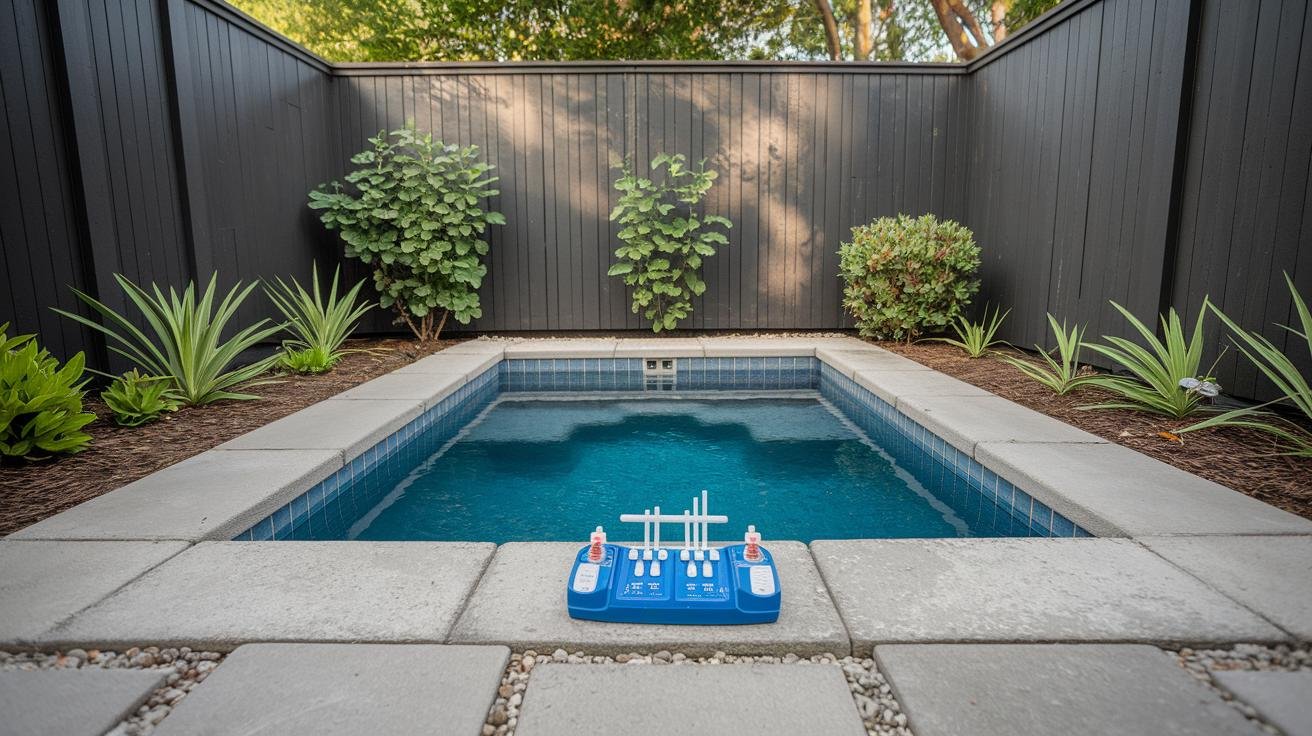
Start with a few simple water checks. Keep pH around 7.2–7.8 so the water feels soft on skin and won’t sting the eyes. Keep total alkalinity near 80–120 ppm (this helps stabilize pH). Test sanitizer levels, chlorine or other sanitizer, at least once a week and after heavy use or a storm.
If you prefer gentler water, consider a salt system (salt chlorine generator). It often means softer-feeling water and less added chlorine, learn more about salt water pool system.
Pick the right filter for your routine. Sand filters are tough and low-maintenance. Cartridge filters catch finer bits and are easy to clean. Saltwater setups combine filtration with mild sanitizing, which many people like for a smoother swim. Pair any filter with a variable-speed pump to cut energy costs and keep circulation whisper-quiet.
Weekly and seasonal care made simple:
- Weekly: test chemicals, skim the surface, brush the walls, and vacuum light debris.
- Monthly: clean or backwash the filter based on its type, and check skimmer baskets.
- Quarterly: check pump pressure, inspect seals, and replace cartridges if they look worn.
- Winterizing (for cold climates): balance the water chemistry, lower the level below the return jets (return openings), drain and store the pump and heater, blow out the lines and add pool-grade antifreeze if needed, then cover the basin.
Think of care like a short, friendly routine, click, test, tidy, done. Pure bliss. Your private dip will stay fresh and inviting all year.
Design Inspirations for Small Backyard Inground Plunge Pools
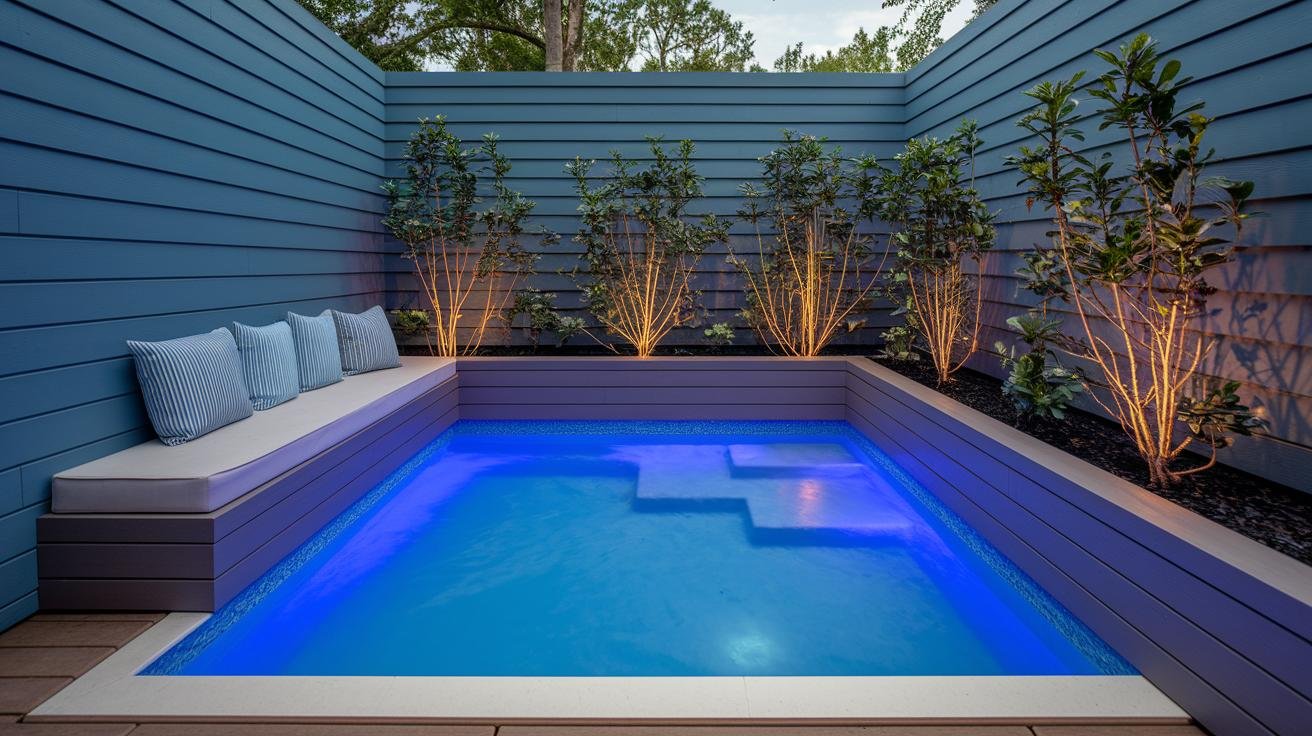
Pick a shape that matches the mood you want. A compact square pool feels modern and cozy, great tucked beside a patio. A long rectangle stretches a tight yard visually and gives you room to float or do gentle water-walking. Both shapes work well when you plan access from doors or a deck.
Built-in seating makes the pool feel like a tiny private lounge. Integrated benches, perimeter shelves, or step-seat combos give you a place to sit with water at knee height or an easy step in. Add a shallow sun shelf (a low ledge for loungers or kids) so little splashes happen nearby while adults relax a bit deeper. Ever pictured sipping a cold drink with your feet in cool water? Yeah, that.
Think of water features as your backyard soundtrack. A narrow rain wall or slim spillway creates a steady hush. A small waterfall adds sparkle and motion. Hydrotherapy nozzles or bubble jets turn a corner of the basin into a spa spot to ease tired muscles.
Lighting sets the late-evening mood. Soft white LEDs under the coping (the pool edge) and warm step lights keep things elegant. Or pick color-changing LEDs for entertaining. Line lights under benches and a few well-placed underwater accents make the surface look like glass at night.
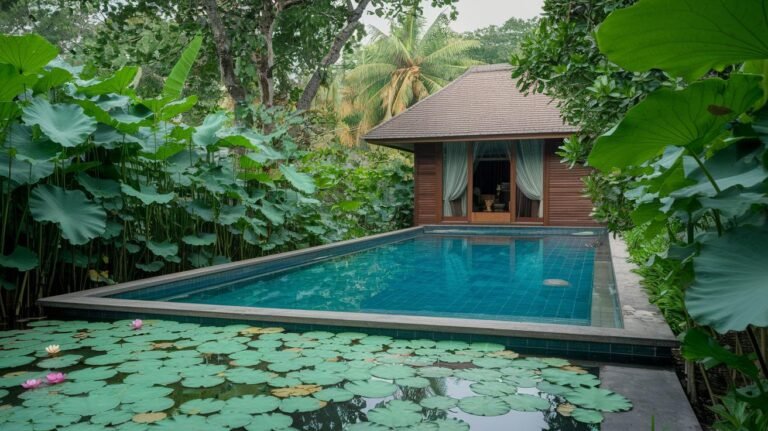
Landscaping ties the whole scene together. Use low-maintenance plants like frangipani (plumeria), clumping bamboo, or tall ornamental grasses for scent, shade, and privacy. Pair teak or porcelain pavers with gravel or pebble edging for a luxe-but-low-upkeep look. For screening, try a woven screen wall, a living hedge, or decorative metal panels with vines.
Quick layout tips:
- Place seating where sun and shade meet so the space works all day.
- Keep a 3 to 4 foot clearance for furniture and walkways.
- Plan service access for the pump and salt system (salt chlorination) so maintenance doesn’t ruin the view.
Picture stepping out at dusk, the pool glowing, palms scenting the air, and your small yard feeling like a secluded retreat. Pure bliss.
Comparing Plunge Pool Options: Inground vs Other Dip Pools
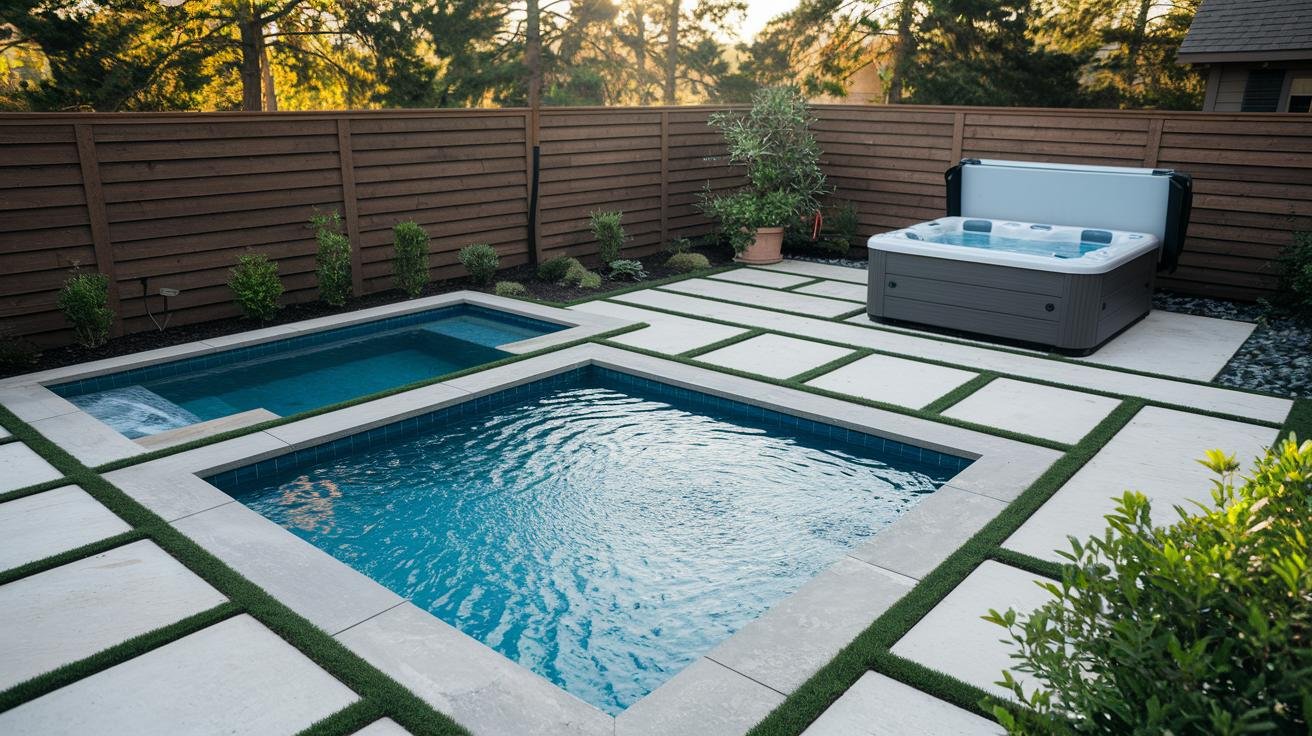
When you choose between a plunge pool and a hot tub, think depth and purpose. A plunge pool is usually 4 to 6 feet deep so you can fully submerge, float a little, and move around. Hot tubs are shallower and built for warm, bubbly soaking and social seating. A plunge can have spa jets for massage, but it also gives you more room for light aquatic exercise. Room to move.
Plunge versus swim spa comes down to length and workout needs. Swim spas push a steady current so you can do true lap-style swimming. They usually cost more and need a bigger footprint. A plunge with swim jets can work as a compact alternative for short resistance workouts. Modular plunge units can be installed above ground, partially inground, or fully inground to fit tight yards.
Aboveground options are faster to install and often cheaper. But they lack the integrated look and easy step access of a built-in basin. Choosing semi-inground over fully inground changes both access and visual impact. Semi-inground pools often use a perimeter shelf (a shallow ledge for seating and easier entry) so getting in feels gentler.
If your goal is hydrotherapy or low-impact cardio, add jets, an underwater treadmill (a treadmill you use in water for cushioned walking), or a removable water bike. Those tools beat a standard hot tub for fitness and recovery.
Ever dreamed of morning laps or a cool post-yoga soak? Tell us what you want to do and we’ll help match the right dip for your space.
Navigating Permits & Regulations for Inground Plunge Pools
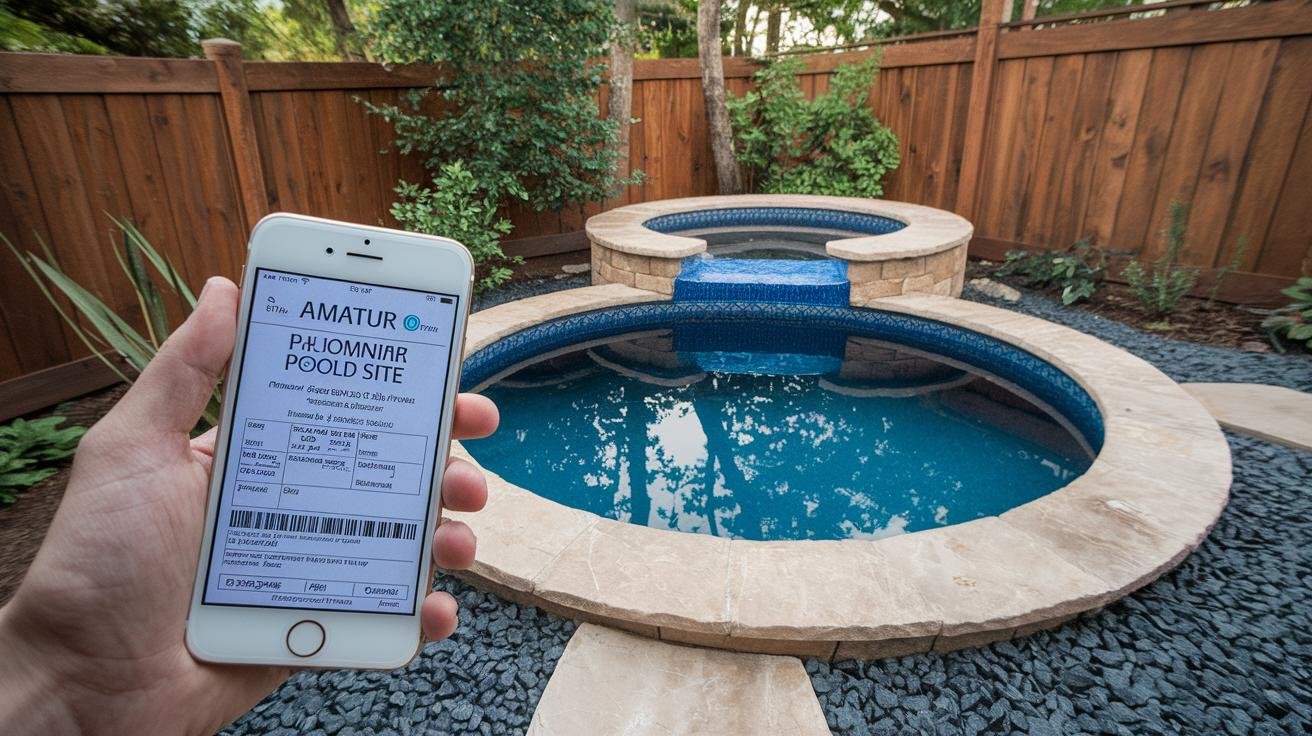
Start by calling your town building department. Most inground plunge pool installations need a building permit, plus electrical and plumbing permits, and inspections for barriers and wiring. Think of this as the first step that keeps your project safe and legal.
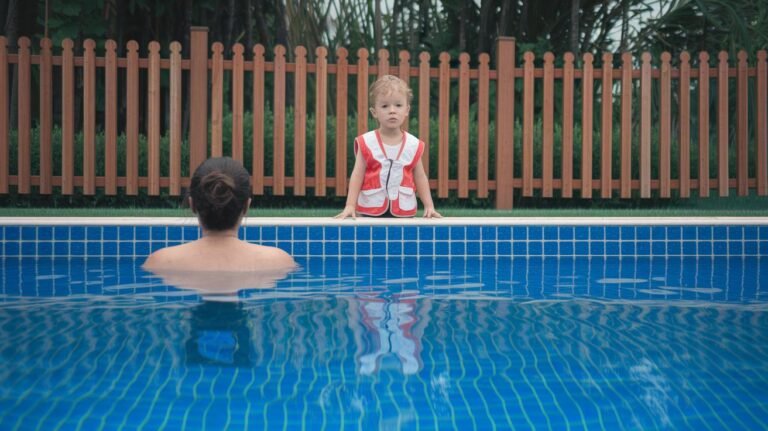
Common code items to plan for include pool barrier height, self-closing gates, GFCI protection for equipment (ground-fault circuit interrupter), and certified drain covers (anti-entrapment covers). Local rules about fencing and alarms change from town to town, so ring the inspector early and get clarity.
HOA design rules often cover finishes, color palettes, and where a pool can go on your lot. Put together a simple plan set that shows pool size, access points, and any decking or screening. Submit that to your HOA and get written approval before you order materials or sign with a vendor.
When looking for a contractor, choose licensed builders who will handle permit filings and on-site inspections. Ask for recent references and photos of similar small backyard plunge installs. Confirm they carry liability insurance and workers’ compensation. Make sure their quote spells out permit fees, inspection costs, and who will pull the permits.
A few practical tips: mark your property lines, check for easements and septic lines, and expect several weeks for reviews and approvals. A contractor who knows local rules can speed things up and keep the install running smoothly.
Imagine stepping out and dipping into cool water on a hot afternoon. Your private plunge awaits.
Final Words
Imagine stepping into cool, shallow water and breathing out, pure relief. We defined what an inground plunge pool is, covered typical sizes and costs, and highlighted therapy, entertaining, and energy savings.
We compared materials and construction, walked through the six installation steps, and broke down average build prices and financing options. You’ll find simple maintenance routines, design ideas for small yards, comparisons with hot tubs and swim spas, and permit tips.
An inground plunge pool can turn a tight yard into a private retreat you’ll use year round.
FAQ
How much does an inground plunge pool cost to build and install?
The cost to build and install an inground plunge pool typically runs $20,000–$25,000, much less than small custom pools ($45,000+). They also have lower water and energy expenses thanks to ~1,000‑gallon capacity and efficient pumps.
How much does an inground cold plunge cost?
An inground cold plunge typically costs about $20,000–$25,000, similar to a standard plunge pool, plus extra for refrigeration or chiller systems which can add several thousand dollars.
What prefab and material options are available for plunge pools?
Options include modular composite units that fit through doorways and install indoors or outdoors, precast concrete shells for fast installs (rarely indoor), fiberglass shells, vinyl liners, and stainless or composite tubs.
What sizes, shapes, and installation styles are available for plunge pools?
Plunge pools range from compact 8×8 to 20×10, with 4–6 foot depths seating two. They come round, square, or rectangular and can be installed inground, partially inground, or above ground for tight yards.
What are the disadvantages of a plunge pool?
Disadvantages include limited swim space for laps, smaller guest capacity, ongoing maintenance and chemical care, and added cost if you add refrigeration for a cold-plunge setup.
What makes the best inground plunge pool for my backyard?
The best plunge pool matches your space and goals: choose modular composite for indoor fits, fiberglass or precast for quick installs, and pick variable‑speed pumps and saltwater systems for lower energy use and easier water care.
What is an in-ground cold plunge pool and how does it differ from a regular plunge pool?
An in‑ground cold plunge pool is kept near 50–60°F for hydrotherapy using chillers or heat exchangers. It provides quick cold therapy while sharing the same compact size and lower operating costs as regular plunge pools.