Shopping Ubud Bali Delightful Local Finds
Think Ubud shopping is just souvenir junk? Walk five minutes from Ubud Palace and you’ll find a cozy cluster of markets, galleries, and coffee shops waiting to be explored.
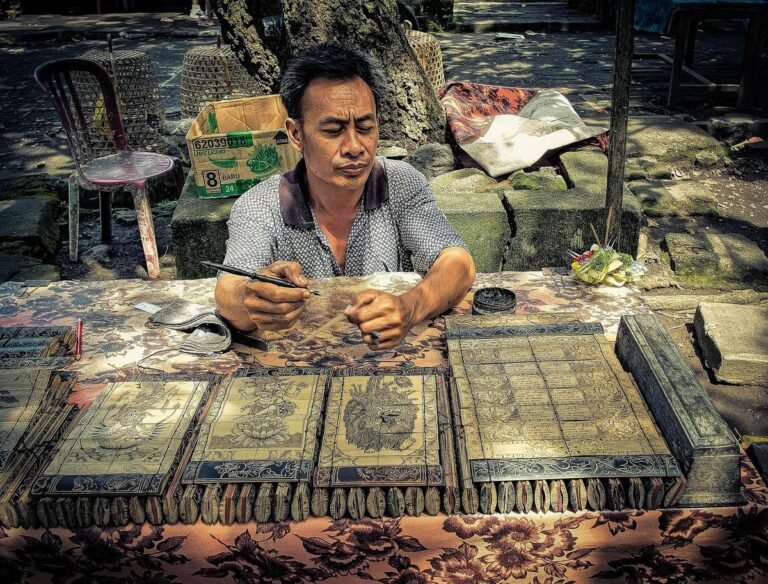
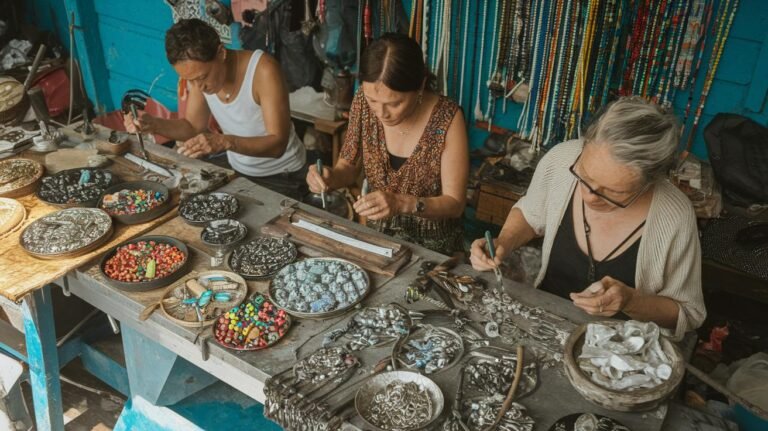
Steam rises from small cups of kopi (Balinese coffee), frangipani (plumeria) perfumes the air, and the soft clink of silver catches your eye. Handmade batik (hand-dyed textiles), silverwork (local jewelry), and modern homewares from Balinese designers sit side by side , everything feels crafted, not factory-made.
This little guide points you straight to the best spots: Pasar Seni Ubud (Ubud art market), Jalan Kajeng (Kajeng Street), and Jalan Dewi Sita (Dewi Sita Street). Morning ceremonial stalls (bright offerings and traditional goods for temple rituals) pop up at dawn, while night food markets (hawker-style stalls with local snacks) come alive after sunset. Think of it like catching a sunrise or a late-night street fair , timing makes all the difference.
So you spend less time guessing and more time bringing home things that actually feel like Ubud. Ready to find a treasure?
Pure bliss.
Top Markets & Shopping Streets in Ubud
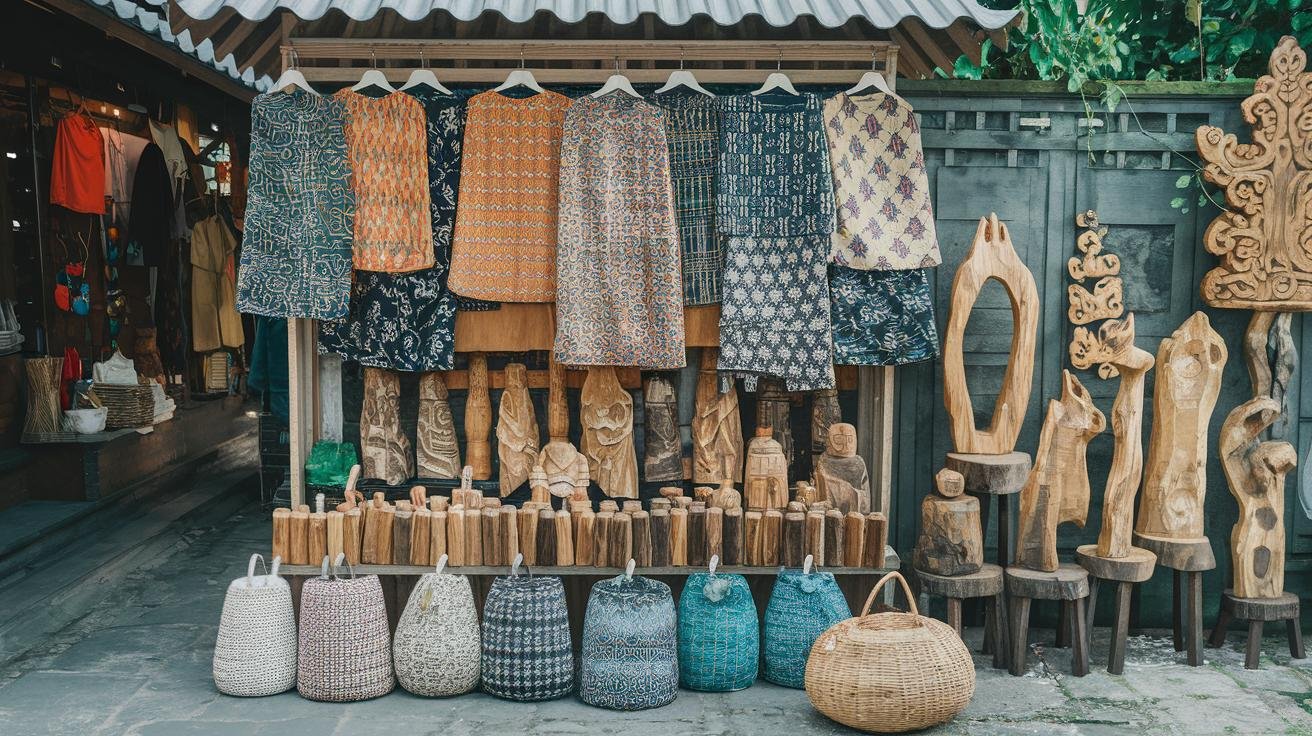
Most of the best shopping in Ubud sits within a five-minute walk of Ubud Palace (the royal compound at the town center). So you can take one easy stroll and hit markets, galleries, and a coffee stop. It’s handy for map-minded shoppers , you’ll hop between stalls and boutiques without wasting time.
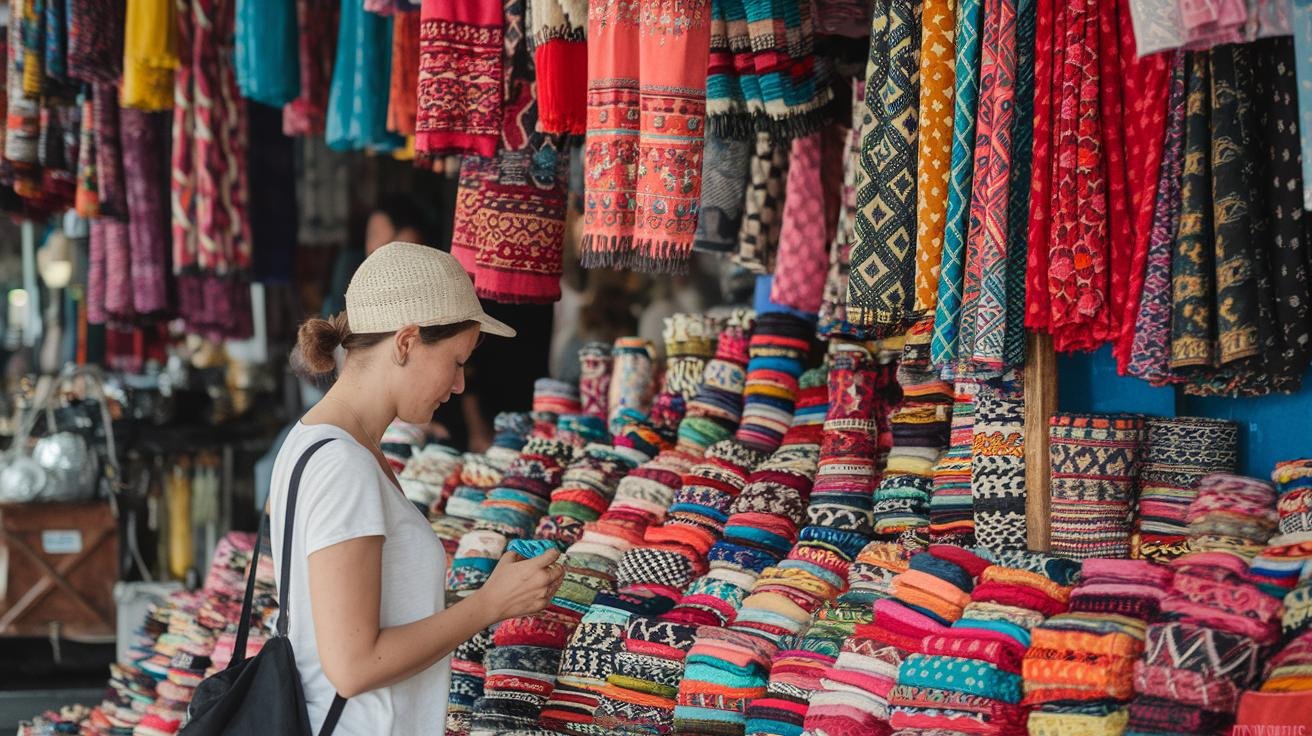
The Ubud Art Market (Pasar Seni Ubud) sits right across from the palace and is the go-to for batik, wood carvings, silver, handmade jewelry, and boho décor. It’s open daily from 8 AM to 6 PM and has more than 200 stalls. Typical stall prices range from IDR 50K–400K (IDR means Indonesian rupiah). For schedule notes and practical tips, see Visiting Ubud Art Market: tips and hours.
Jalan Kajeng and Jalan Dewi Sita are the two streets to wander next. These narrow lanes host small galleries and specialty shops where you’ll find design-forward homewares and curated clothing pieces. Pop in for a relaxed browse between market visits.
Pop-up and morning markets appear most often between March and August during festival months. Morning stalls open around 6 AM and usually close by 9 AM, offering ceremonial baskets, ritual clothes, and traditional snacks before the tourist vendors move in. Night and food markets light up after dusk if you want local eats while you shop.
Quick at-a-glance zones
- Ubud Art Market , daily, 8 AM–6 PM, opposite Ubud Palace
- Jalan Kajeng , boutiques and cafes for slow browsing
- Jalan Dewi Sita , galleries and specialty shops
- Morning ceremonial markets , 6 AM–9 AM during March–August
Tranquil shopping, rich finds, right near the palace. Ever dreamed of stumbling on a hand-carved treasure as you wander? Pure bliss.
Must-Have Souvenirs for Shopping in Ubud Bali
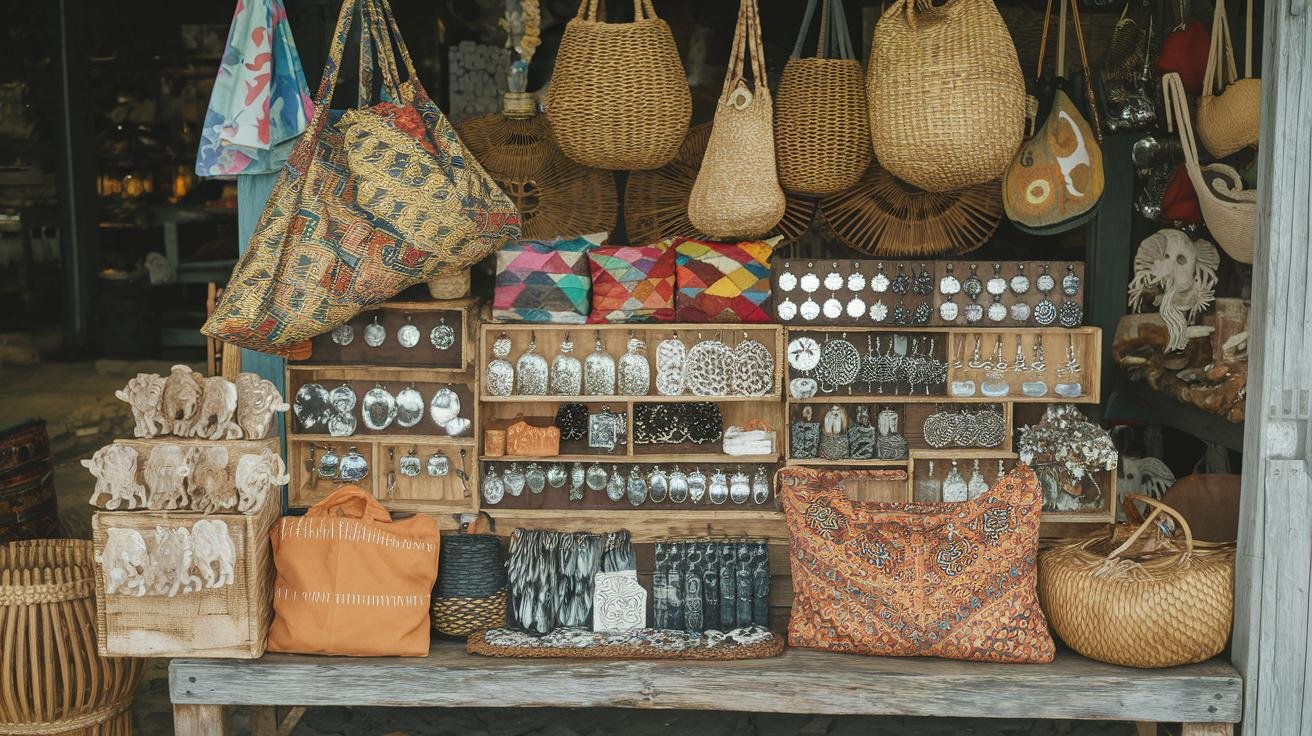
Start with batik textiles (hand-dyed cloth with hand-drawn motifs) , lightweight shirts and sarongs make easy carry-ons and cost about 100,000–150,000 IDR (roughly $6–10 USD). The colors feel personal and the fabric is soft against sun-warmed skin.
- Batik shirts and sarongs (100,000–150,000 IDR) – hand-dyed and often signed by the maker.
- Rattan handbags (80,000–120,000 IDR) – small woven shoulder bags made from rattan (a palm-like material). Perfect for market strolls.
- Silver pieces (200,000–400,000 IDR) – rings, pendants, and bracelets from Ubud’s silversmiths; ask for a maker’s mark or a simple certificate.
- Wood carvings from Mas (price varies) – masks, miniature scenes, and decorative panels from Mas village, famous for detailed carving.
- Artisanal crafts (50,000–100,000 IDR) – woven baskets, natural beauty products, and recycled-paper notebooks.
Tip: feel the weight, look for artist signatures, and tuck business cards or receipts into your notebook so you remember the maker. Ever dreamed of floating a gift home in your luggage? Pack soft items between fragile finds for extra cushion.
For a longer list and shopping notes, see What to buy at Ubud local markets.
Bargaining Tips for Shopping in Ubud Bali
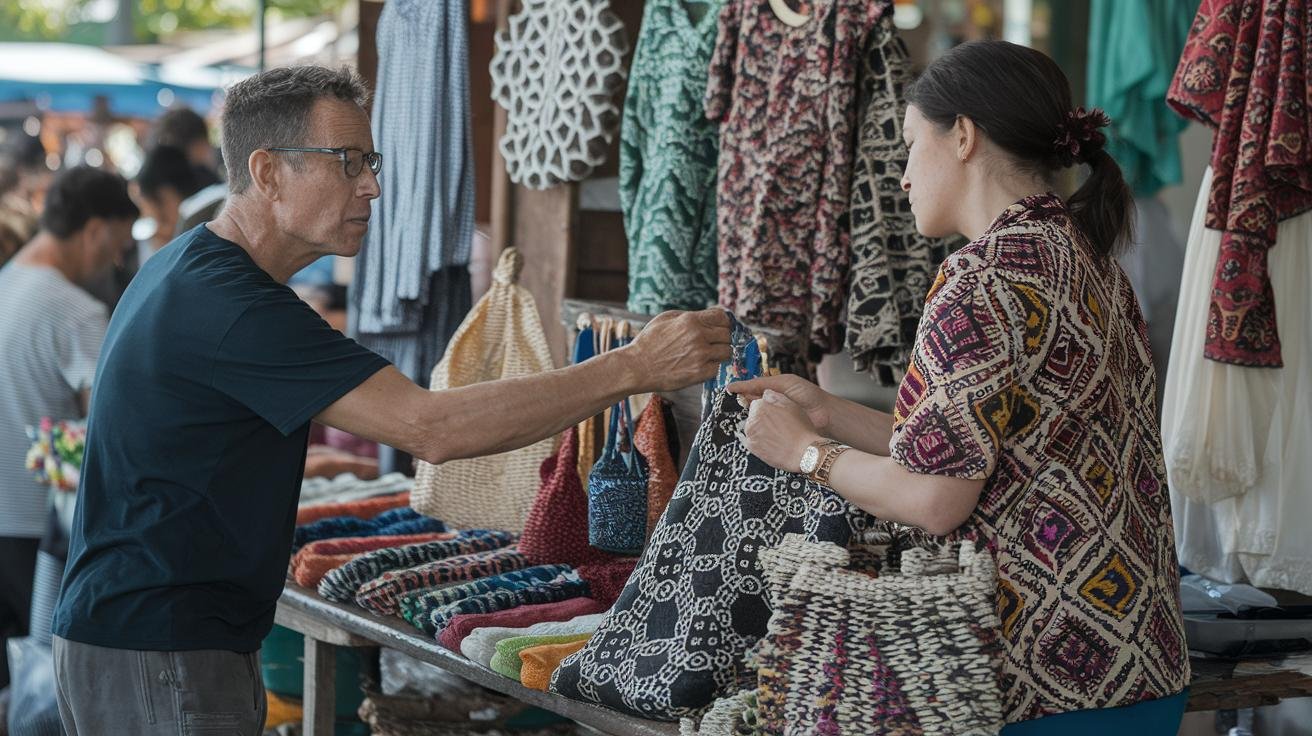
Wander into Ubud markets (open-air stalls lining narrow lanes) and you’ll feel the gentle hum of bargaining around you. Smile, breathe the warm spice-scented air, and treat the dance of price as part of the fun. Think of it as a friendly chat, not a contest.
Start low and stay kind. Open with about 30-50% of the vendor’s first price and work toward a fair middle. Keep your tone warm; sellers read mood more than technique. A confident offer and steady eye contact get you quick wins.
A couple of local phrases help. Try “Harga pagi” (morning price) when you want a better rate, or “Mahal sekali” (too expensive) to nudge a discount. Carry small IDR bills (Indonesian rupiah) so you can pay the exact amount and skip awkward change.
Check the goods before you pay. Feel the stitching, test the weight, and look for maker marks. Jot down vendor names in a tiny notebook if you find a favorite seller. Simple, but useful.
- Greet, ask the price, then pause and let the seller name a figure.
- Offer 30-50% of that first number.
- If they counter, meet halfway or a bit above your opening.
- If you can’t agree, use a friendly walk-away.
Timing matters. Early morning light and late evening tend to bring cooler, softer prices. Mid-afternoon is busier and often pricier. Keep bargaining playful and light. You’ll walk away with a great find and a good story.
Best Boutiques for Shopping in Ubud Bali
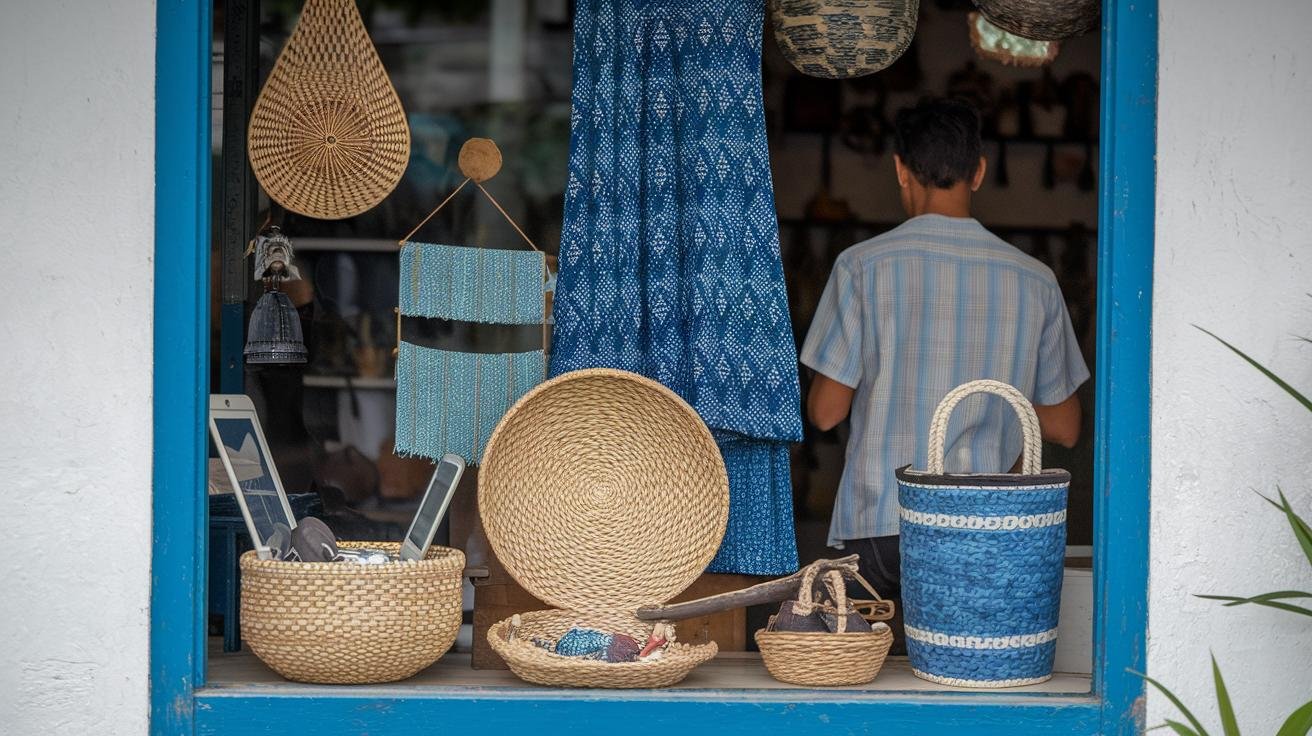
If you want design-forward finds away from the busy market stalls, Ubud’s small boutiques and galleries are full of quiet treasures. Think handmade textiles, upcycled homewares (made from recycled materials), and delicate jewelry tucked into calming, compact shops. You’ll feel the light through woven baskets and the scent of frangipani (a fragrant tropical flower). Pure bliss.
- Shop Mina (Nyuh Kuning) – a tiny shop showing Bali’s best indie brands and thoughtful gifts. It feels personal, like a friend pointing you to something special.
- Seniman Shop (near Taman) – coffee beans and capsules sit beside upcycled glassware, branded tees, and that famous rocking chair. It smells like fresh roast.
- Threads of Life – a social-enterprise gallery for heritage ikat (hand-dyed, patterned textile) and batik (wax-resist dyed cloth), handwoven and naturally dyed by women artisans. The fabrics have a warm weight you can almost feel.
- Kado – home of Saraswati Papers, stacked with recycled-paper notebooks, greeting cards, and elegant photo albums. Perfect for slow, thoughtful gifts.
- Miraku – a wood-clad boutique with indigo-dyed pieces and delicate Balinese jewelry. The indigo feels deep and very natural.
- Quarzia – modern Italian-style batik on silk and cotton, with clean cuts and wearable prints for anyone who likes refined boho.
- Rumantra – playful prints and owner-designed accessories. Great for tees, jewelry, and one-off pieces that make you smile.
Pop into a café after browsing. Ever tried choosing between an ikat scarf and a hand-carved pendant? Right here you’ll want both.
Night & Seasonal Markets: highlights
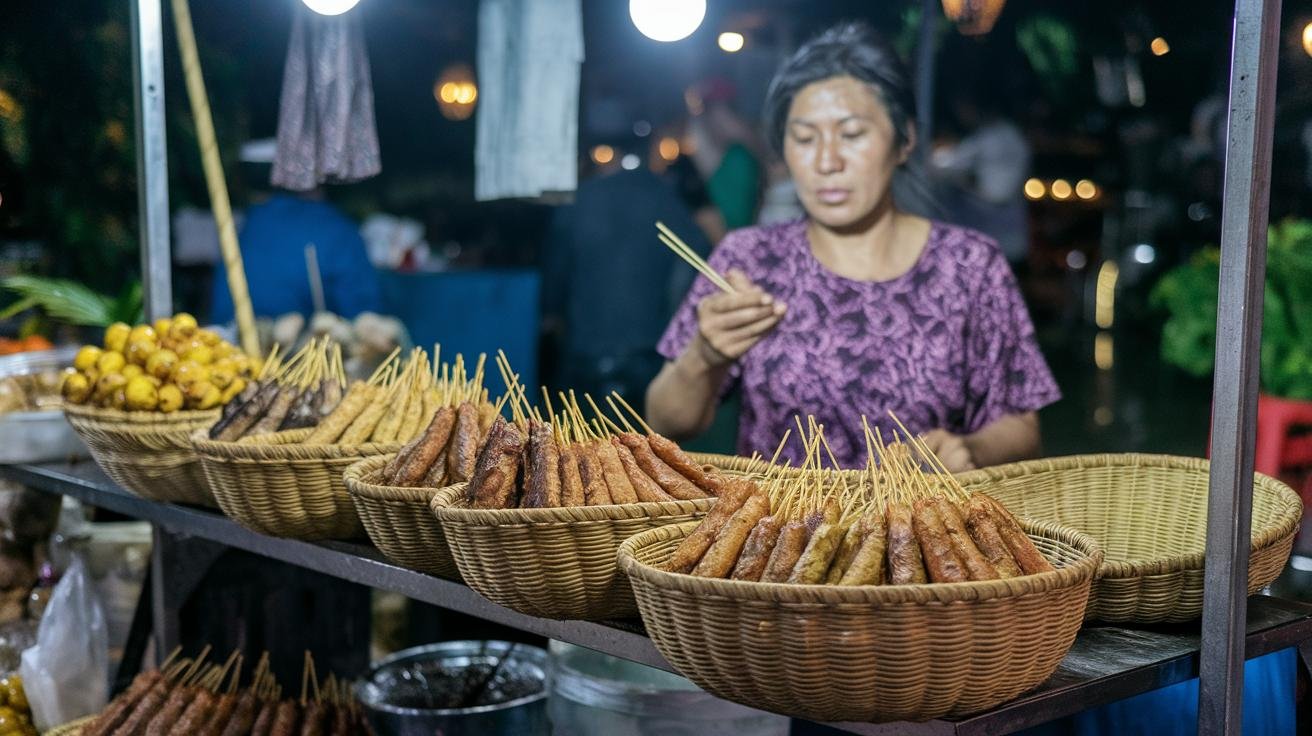
Sayan Night Market and Peliatan Night Market are the go-to spots for evening eats. Think satay (skewered meat grilled over coals) and bowls of babi guling (suckling pig roasted whole) carved right at the stall, smoky, salty, and nearly impossible to resist.
Follow the steam and the chatter to find the best stalls. Pure joy.
- Bring small IDR bills (Indonesian rupiah) for easier buying. Hand over a few crisp notes and the vendor hands you a steaming skewer with a smile.
- Wear light clothes and bring insect repellent for evening visits. A linen shirt and a dab of repellent keeps you comfy as the scent of grilling drifts by.
- Try small plates first so you can sample more flavors. Order three little skewers and share. Each bite is wrapped in char, tangy sauce, and a grin.
Short and sweet, just the markets, the bites, and three quick tips for your Top Markets paragraph.
Practical Logistics for Shopping in Ubud Bali
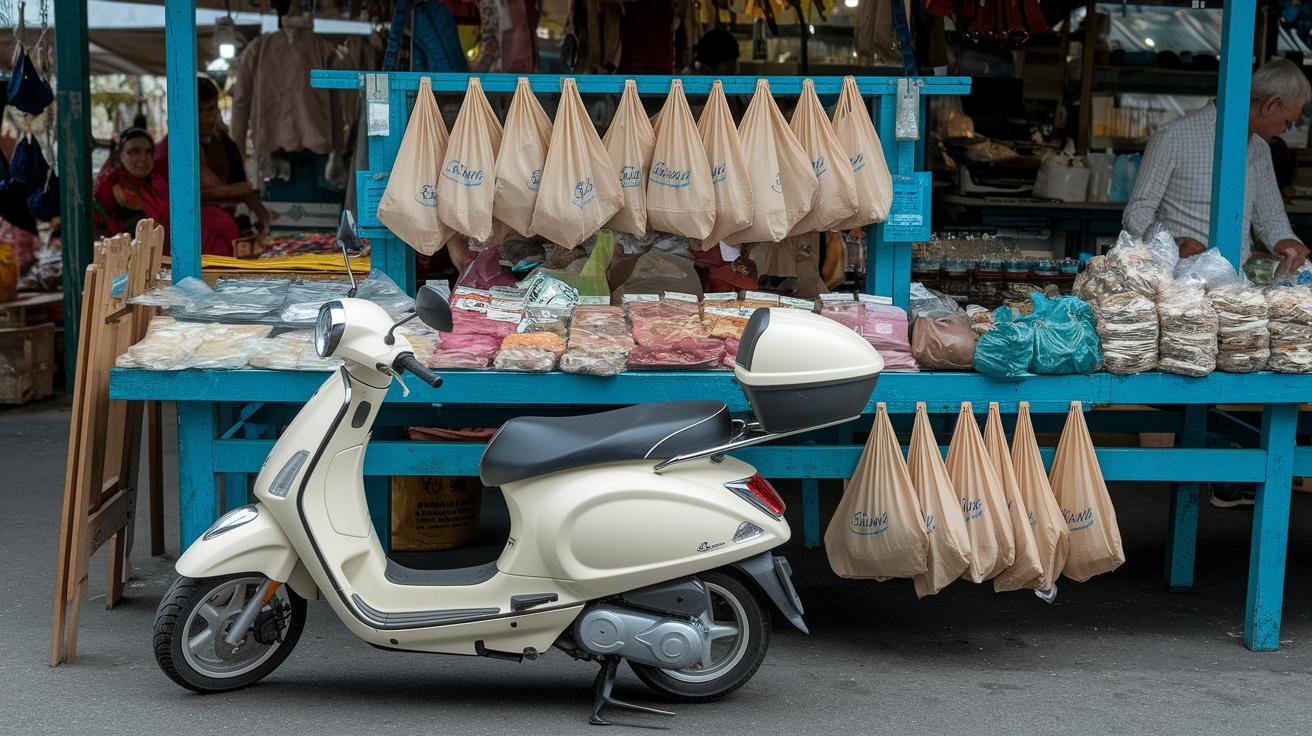
Most market stalls are cash-only. Bring small IDR (Indonesian rupiah) bills and top up at ATMs in central Ubud when you need to. The market hums with vendors calling and the warm scent of spices and incense, so having exact change makes everything smoother.
Boutiques and galleries usually have card machines, though not every seller takes plastic. Credit card acceptance is common at the nicer shops on Jalan Kajeng and Jalan Dewi Sita, but expect to pay cash at morning stalls and pop-ups. Card machines can be slow sometimes, so it’s nice to have cash as a backup.
Getting around is simple once you pick a mode. Scooter rentals run about 60,000 IDR per day (around $3 to $4) and are a quick way to hop between stalls and boutiques. Taxis from Seminyak or Canggu into Ubud usually cost 300,000 to 450,000 IDR (roughly $19 to $28). Parking in Ubud center is limited; the small lots near the palace fill fast, so a quick drop-off and short walk often saves time.
Pack light and smart. By the way, a little planning goes a long way.
- Reusable shopping bags for fragile and soft goods (keeps things tidy)
- Small IDR bills for haggling and quick buys
- Sun protection: hat, sunscreen, and a reusable water bottle
- Foldable umbrella for sudden tropical showers
- Insect repellent for evening markets
- A small notebook to jot vendor names, prices, or the stall you loved
Keep valuables close and use your hotel safe for bigger purchases. A calm plan makes market hours more fun. Right here. Enjoy.
Cafés & Attractions Near Shopping in Ubud Bali
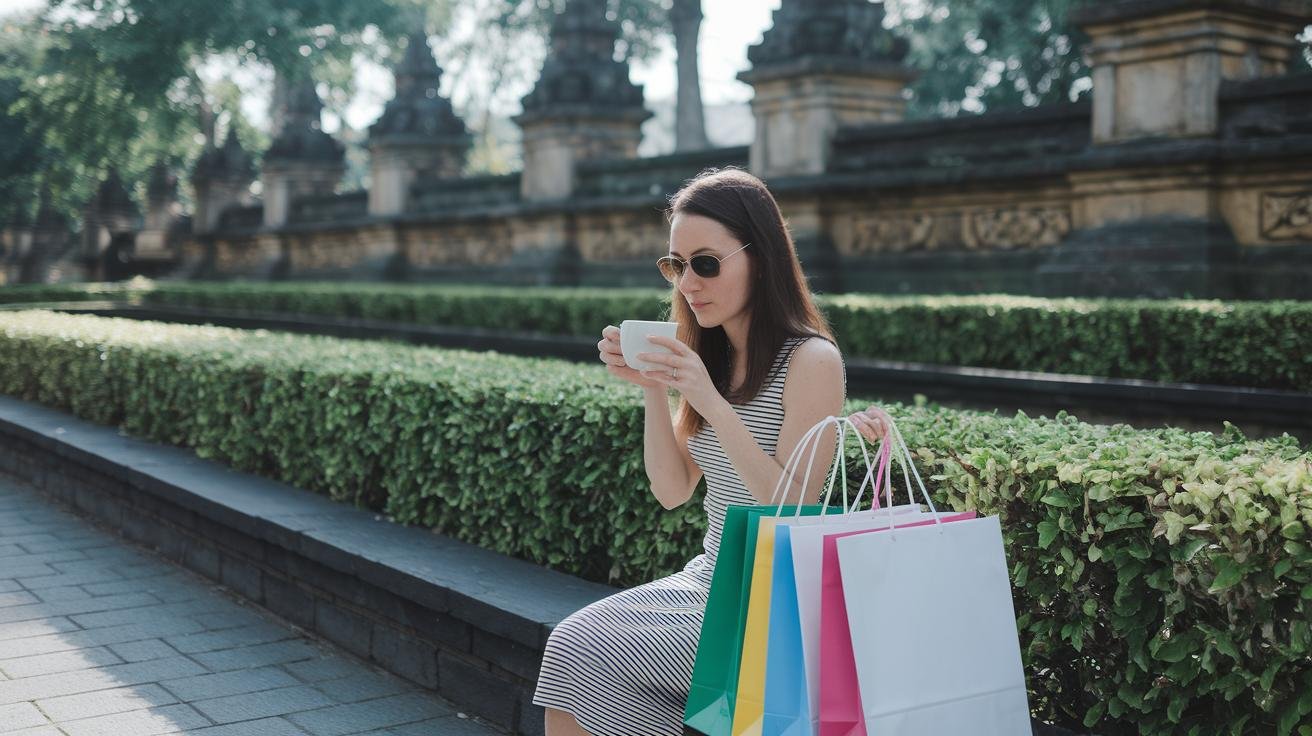
Cafés make the perfect little pause during central Ubud shopping – a cool seat, a strong cup, and a front-row view of street life. Jalan Kajeng has several easygoing spots where you’ll sit under shade, watch locals and visitors stroll by, and nibble on fresh pastries with the warm scent of frangipani (a fragrant tropical flower) in the air. Ever needed a quiet minute between markets?
If you love coffee, hunt down artisan coffee roasters in Ubud for short tasting flights of single-origin Balinese beans (grown on nearby slopes). These roasteries often show a quick pour-over method or offer small cuppings to reset your palate between shops. Ever tried a sweet, earthy kopi tubruk (traditional boiled coffee) next to a light, citrusy filter brew? It’s a nice contrast.
A short stroll links many cafés to the Monkey Forest and the Ubud Palace shopping area, so you can blend culture and retail without long transfers. By the way, aim for earlier or late-afternoon breaks to avoid the hottest hours and to enjoy calmer seating. Simple pleasures: great coffee, good shade, and time to plan your next market stop.
Final Words
You step out of Ubud Palace and the market hum wraps around you, lanes of stalls, Jalan Kajeng boutiques, morning pop-ups with ceremonial baskets.
This post pinned the must-visit spots within five minutes of the palace, price ranges for batik, wood carvings and silver, bargaining phrases to try, plus seasonal night bazaars and boutique picks.
Pack small IDR bills, sunscreen and a reusable bag, pause for artisan coffee, and you'll enjoy how shopping ubud bali turns simple finds into lasting memories.
FAQ
What is the best shopping street in Ubud?
The best shopping streets are Jalan Kajeng and Jalan Dewi Sita—boutique-lined corridors steps from Ubud Palace. Ubud Art Market (opposite the palace) is open daily 8 AM–6 PM: Visiting Ubud Art Market: tips and hours.
Is Ubud good for clothes shopping?
Yes. Ubud offers market batik (hand-dyed cloth), boho finds, and boutiques with indigo-dyed and designer prints. Expect prices from 50K–400K IDR depending on quality.
What is the best thing to buy in Ubud?
Top buys are batik textiles (hand-dyed cloth, ~100–150K IDR), silver jewelry (200–400K IDR), wood carvings, and rattan bags (woven palm fiber, ~80–120K IDR).
Which part of Bali is best for shopping?
Seminyak and Ubud are top areas: Seminyak for upscale boutiques and supermarkets (e.g., Bintang Seminyak), and Ubud for artisanal crafts and market finds near the palace.
Where can I find cheap versus designer shopping in Ubud?
Cheap shopping is at market stalls with items from ~50K IDR. Designer and boutique shopping is on Jalan Kajeng and Dewi Sita and at shops like Threads of Life and Quarzia for higher-end pieces.
Any tips for bargaining at Ubud markets?
Haggling is expected. Start offers at about 30–50% of the seller’s first price, use phrases like “Harga pagi” (morning price) and “Mahal sekali” (too expensive), and shop early or late for calmer prices.
Are there night or seasonal markets in Ubud?
Ubud hosts pop-up and ceremonial markets March–August. Morning stalls run 6–9 AM, while Sayan and Peliatan night markets open evenings with local dishes like satay and babi guling (suckling pig).
What practical tips should I follow when shopping in Ubud?
Carry small IDR bills—most stalls are cash only; use central ATMs. Scooter rentals cost about 60K IDR/day; taxis from Seminyak/Canggu run 300–450K IDR. Pack sun protection and reusable bags.
What cafés and attractions are near Ubud shopping areas?
Cafés along Jalan Kajeng offer coffee breaks and people-watching. Many shops lie within walking distance of Monkey Forest (the sacred macaque sanctuary) and Ubud Palace, with artisan roasteries for tastings.
Which boutiques are recommended for higher-end finds in Ubud?
Recommended boutiques include Shop Mina, Seniman Shop, Threads of Life, Kado, Miraku, Quarzia, and Rumantra—each offers locally made designs, heritage textiles, or modern batik on apparel and home goods.