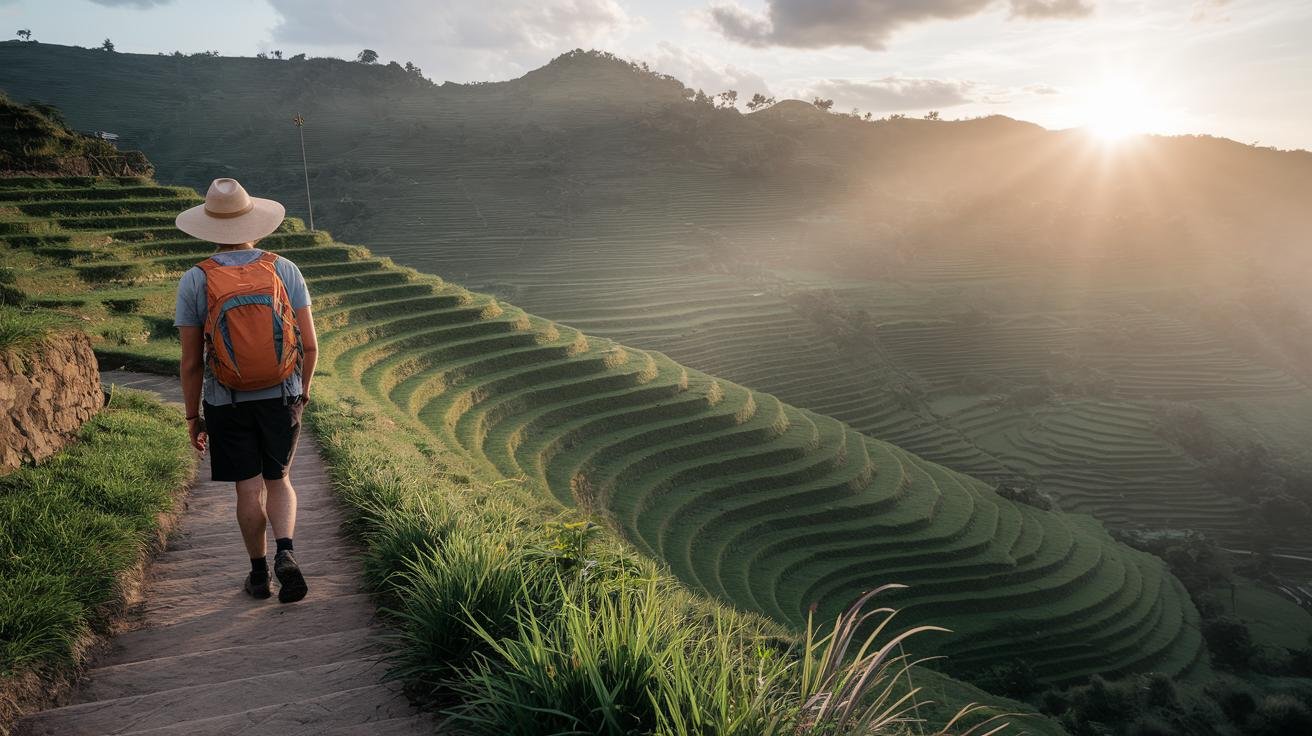
Tegalalang Rice Terraces Trek Scenic Easy Tips
Think Tegalalang means a long, sweaty hike?
You’re not alone. Lots of visitors skip it and miss the emerald views.
Tegalalang is really an easy 3–5 km walk through rice terraces (stepped fields that glow emerald at sunrise).
You’ll stroll narrow dirt paths, cross wooden bridges, and hear the soft murmur of irrigation channels. Pure calm.
Here are simple, scenic tips to plan a perfect morning stroll.
Best time: go early, around sunrise to 8 AM, for soft light and fewer people.
Late afternoon is pretty too, but it gets crowded.
Parking and drop-off: ask your driver to drop you at a village-side path rather than the big tourist lot.
Those side paths usually stay quieter and feel more like a local walk.
Entry points: look for smaller entrances or paths signed for local villages.
They lead to calmer stretches and nicer photo spots.
What to pack: comfy shoes, a hat, sunscreen, a refillable water bottle, and a small amount of cash for local fees and snacks.
A light rain jacket in the wet season helps. Camera ready. Mosquito repellent sometimes helps.
Local fees and etiquette: expect small entrance or maintenance fees, pay at the stall and keep change handy.
Ask before photographing people, stay on the paths, and don’t step into the paddies. Quiet voices are appreciated.
Want a tiny extra treat? Stop for fresh fruit from a roadside stall and listen to the rice terraces wake up. Ever seen emerald steps glow at sunrise? It’s worth the early alarm.
Tegalalang Rice Terraces Trek Overview and Essentials
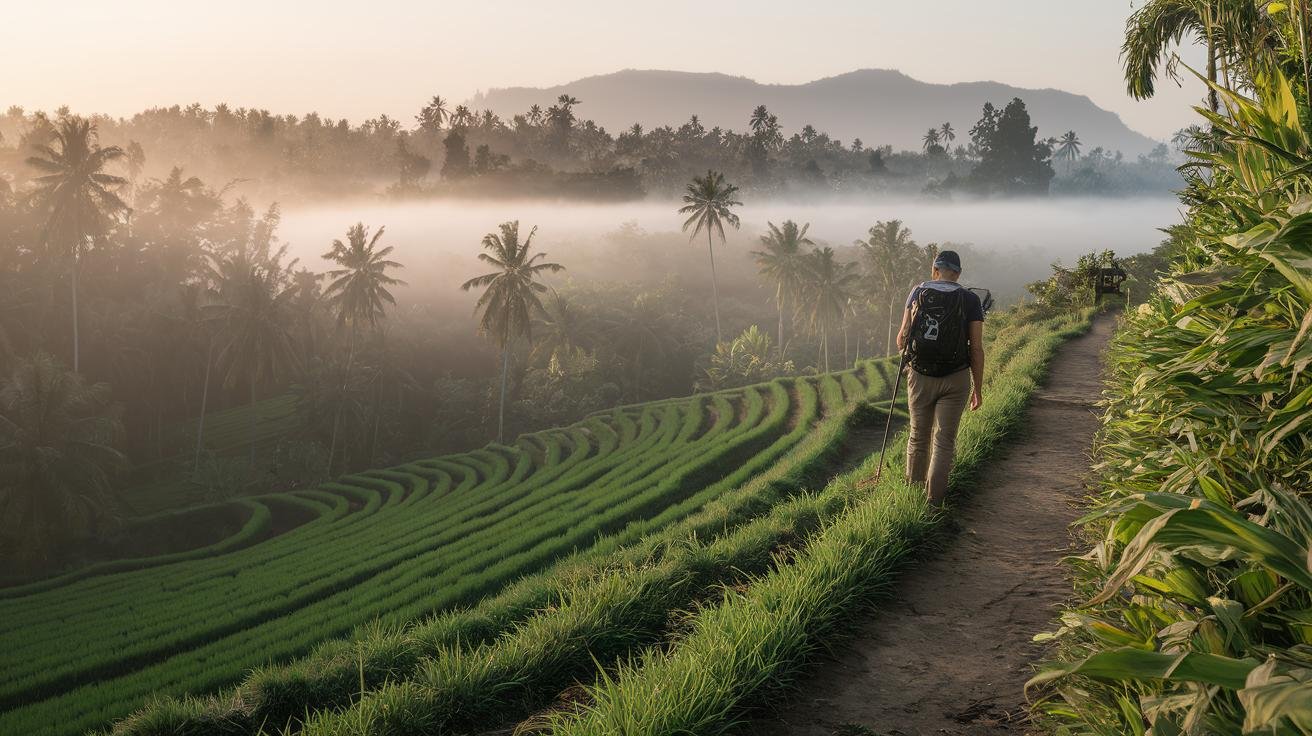
The Tegalalang rice terraces trek is an easy, scenic walk through layered paddies near Ubud. These rice terraces (stepped fields that glow emerald at sunrise) sit on carved slopes fed by the subak (traditional irrigation system). You’ll follow uneven dirt paths and stone steps, meet farmers working the fields, and hear the soft murmur of water running through the channels.
- Distance: 3 to 5 km (about 2 to 3 miles) for the common loops
- Duration: 1.5 to 3 hours depending on your pace and any side paths you take
- Difficulty: easy to moderate, with narrow trails and some steep steps. Watch for slippery spots after rain.
- Fees: no official entry fee, though locals often ask for small donations along the way (5,000–20,000 IDR / $0.30–$1.20 per spot)
- Parking: usually 5,000–10,000 IDR for scooters or cars. Arrive before 7 or 8 am if you want free parking a bit farther from the entrance
- Entry points: west entrance on Jl. Raya Tegalalang near the “I ♥ BALI” sign; east entry via Kebon Road takes you deeper into the paddies
Expect a mix of wide viewpoints and tight footpaths that thread between emerald fields. You’ll cross simple wooden bridges and climb stone stairs carved into the slope. Near the main entrance you’ll find little cafes and swings that make for popular photo stops.
The Ubud rice terrace area is about 20 to 25 minutes from town, and if you need directions see travel to ubud bali. By the way, if you want a guide, you can hire one for a longer trek or for local stories and tips. Oops, let me rephrase that, many guests love a guide for the hidden corners.
Bring plenty of water, sun protection, sturdy shoes, and a light sense of wonder. Imagine walking among emerald steps as the sun climbs, pure tranquility.
Planning the Tegalalang Rice Terraces Trek: Best Seasons & Timing
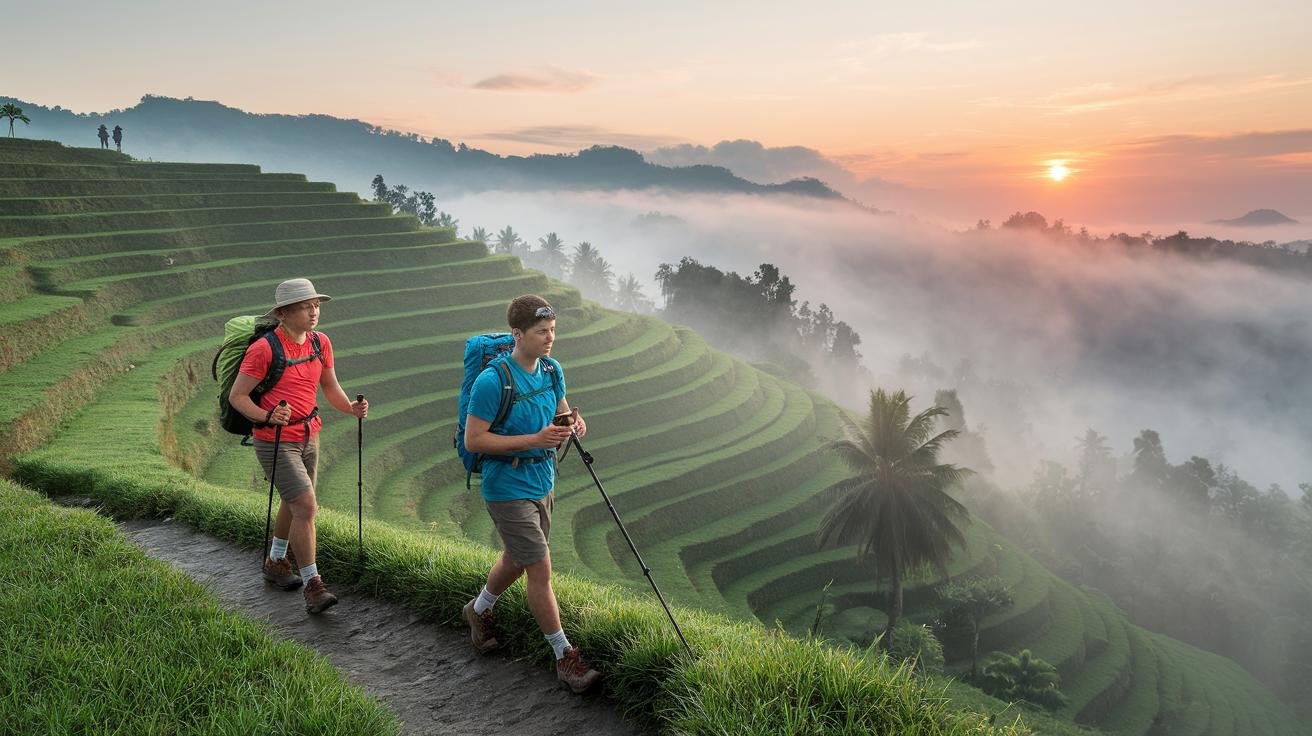
Aim for the greenest paddies from March through May, or again in September and October. The terraces are at their richest then, when the stepped fields glow emerald at sunrise (rice terraces are stepped fields that glow emerald at sunrise). The rainy season runs roughly November to February, and trails can get muddy and slick. For extra planning tips, see best time to trek rice terraces near Ubud.
If you can, do a sunrise trek. Starting around 6:00 am gives you cool air, soft light, and quiet before most visitors arrive. Arrive between 5:45 and 6:15 am to catch the misty glow and peaceful paths. By 8:00–9:00 am the area fills up and the sun feels much stronger, so mornings are easier for walking and for photos.
Quick checklist for a comfy trek: bring water, a hat, and quick-dry clothes for Bali weather. Good walking shoes help on uneven steps. Light layers are nice if there’s morning mist that burns off fast.
If mornings don’t work, late afternoon is a beautiful option. Golden-hour light gives moody, warm tones, but expect some swings or photo props to be closed or fewer vendors around. Morning haze can also add a soft, magical touch to your shots.
Ever want that perfect postcard moment? Early is your best bet.
Tegalalang Trek Route & Practical Tips
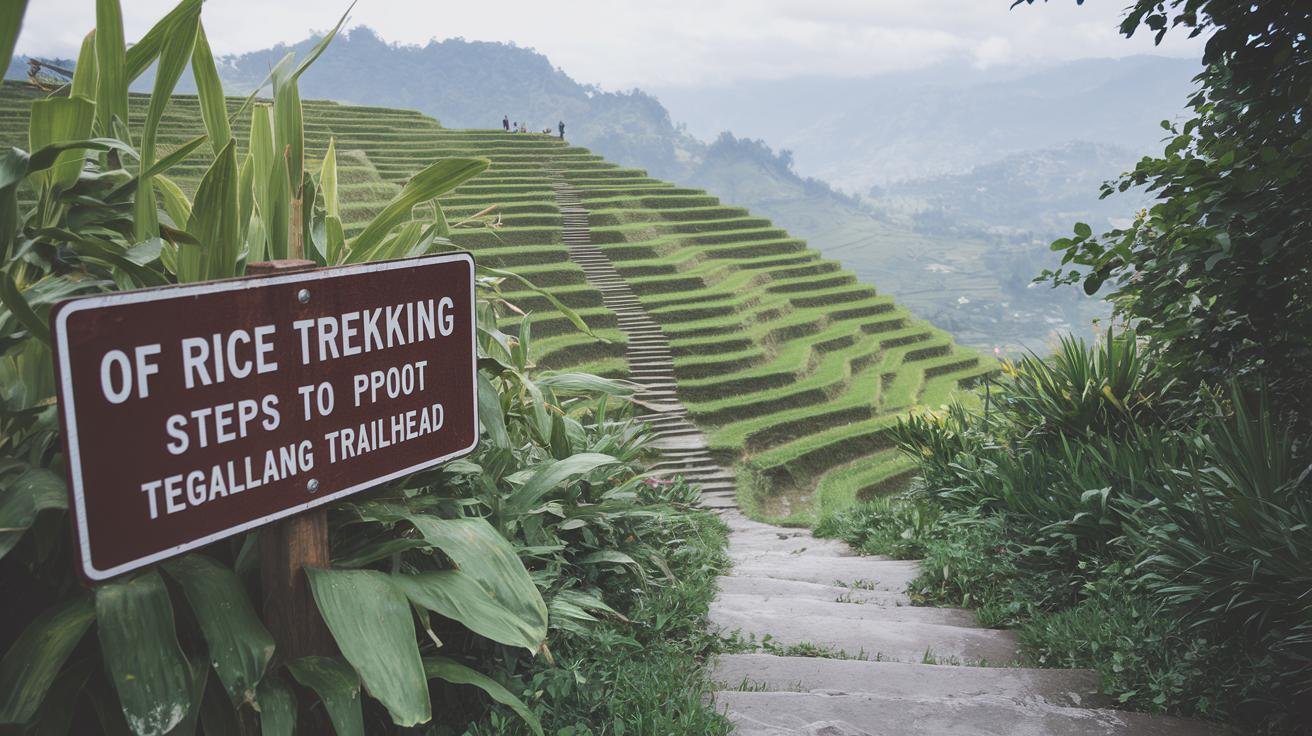
Look for the big "Rice Trekking" sign. That's the usual starting point. The west entrance on Jl. Raya Tegalalang (the main road through Tegalalang) sits closest to the road and the small craft stalls, so it’s the easiest drop-off and meeting spot.
Kebon Road (a narrow village lane) is the east entrance. It takes you deeper into the paddies (stepped fields that glow emerald at sunrise) and onto quieter paths with soft morning light and birdsong.
The trail blends wide lookout points with narrow, rooty footpaths, simple wooden bridges, and stone staircases carved into the slope. Plan about 1.5 to 3 hours for a full walk, depending on how many side trails you follow. Signage fades on the smaller tracks, so stick to the channels and worn steps. Watch for slippery spots after rain, farmers at work, and open irrigation channels (narrow water troughs next to the paths).
From central Ubud a scooter or car takes roughly 20 to 25 minutes. Public transport is scarce, so arrange a pickup or rent a bike. If you ride a motorbike, park near the entrance and keep small cash for parking or local access fees. Arrive early for easier parking and cooler air on the path. Pure bliss.
Tegalalang Rice Terraces Trek Scenic Easy Tips
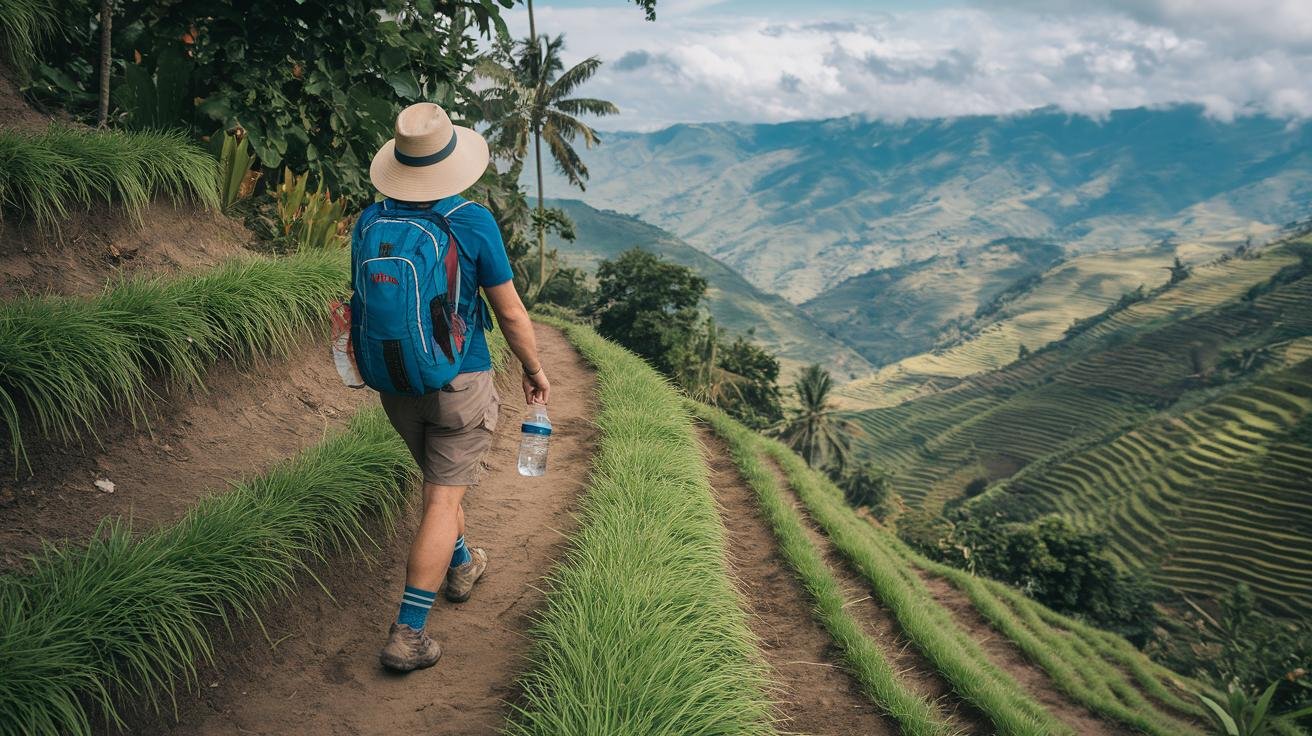
Pack light and move slow. The path is mostly gentle but uneven, so a few simple choices will keep you comfortable and respectful among the rice terraces (stepped fields that glow emerald at sunrise).
- Wear sturdy, non-slip shoes for the stone steps and muddy patches. Leave the flip-flops for the scooter ride home.
- Bring at least 1 liter of water per person, sunscreen, a wide-brim hat, and sunglasses to handle Bali sun and humidity.
- Carry small change, about 5,000–10,000 IDR (around $0.30 to $0.60), for parking, passing fees, photo props, or a quick coffee at a roadside warung.
- Stay on marked paths and watch your step around tiny seedlings and the narrow irrigation channels called subak (traditional water channels that feed the fields). Always ask before stepping into any private plot.
- Toss a lightweight rain jacket or poncho in your bag during the wet months, plus insect repellent, a fully charged phone, and snacks for longer walks.
- If you want a quieter, safer route or someone to explain what you’re seeing, hire a local guide. They know the best turns and the best spots to watch light hit the terraces.
- Move with care and give farmers space. The terraces are working farmland, not just a photo spot.
Respect the land and the people who tend it.
Guided & Private Tegalalang Rice Terrace Experiences
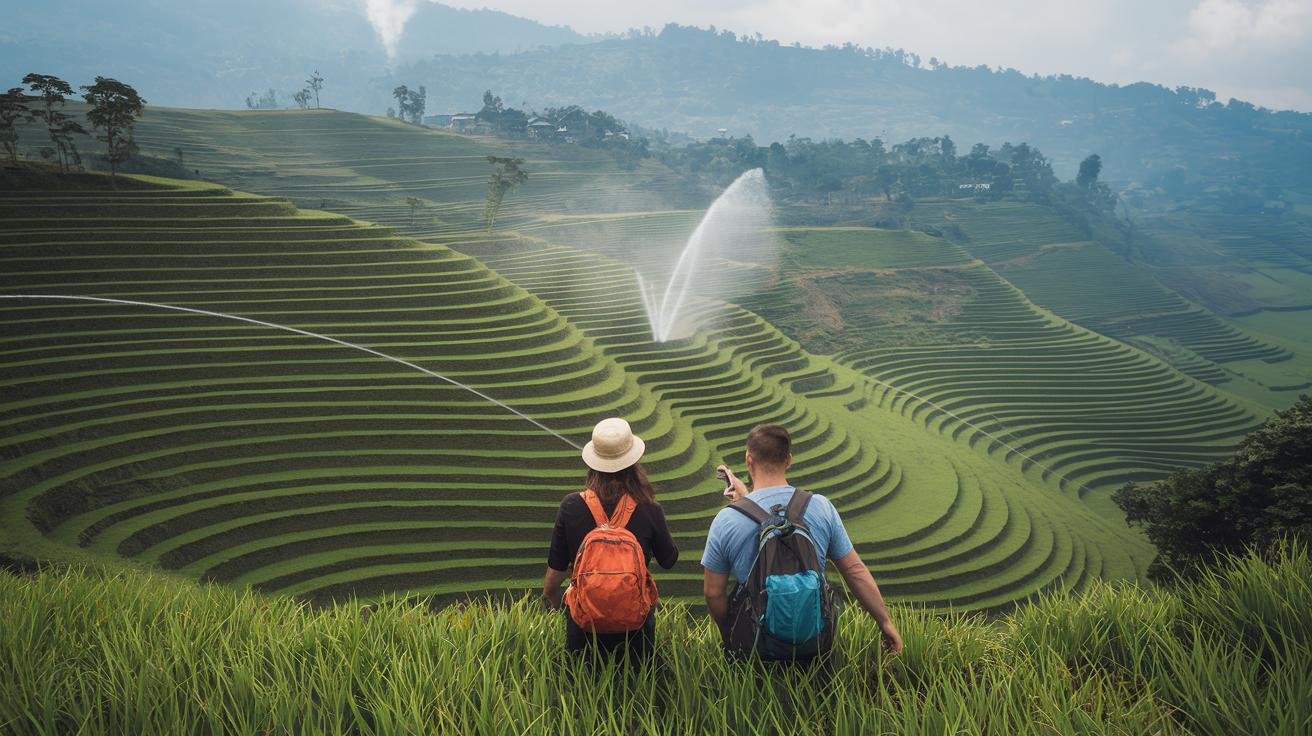
Hiring a local guide gives you more than directions. You’ll hear the stories behind the subak (traditional irrigation system) and how water temples shape the fields. Guides keep you safe on narrow paths, show quiet side trails, and bring work to the village. They spot small farming details you’d likely miss on your own.
Guided Tours
Licensed guides usually charge 100,000-200,000 IDR (about $7-$14) for a 1-2 hour trek. Expect gentle cultural commentary on the subak and the rhythm of planting and harvest, plus tips for the best photo spots and the slipperier sections. Many agencies handle trekking insurance and any small permit fees so you can just walk and listen to the soft murmur of the irrigation channels.
Ever want the perfect sunrise shot without the crowd?
Private & Group Options
Private Tegalalang treks are great for solo travelers or couples who want a slower pace, custom stops, or special photo timing. Group treks often cap at eight people, which keeps the vibe friendly without feeling crowded. Most operators include Ubud hotel pickup, which makes early morning timing easy for sunrise walks. Private walks cost more per person, but you get extra flexibility and a more personal storytelling experience.
Self-guided treks suit independent walkers who like to explore at their own pace. Guided trips bring context, local contact, and smoother logistics. Pure bliss.
Iconic Photo Spots & Attractions Along the Trek
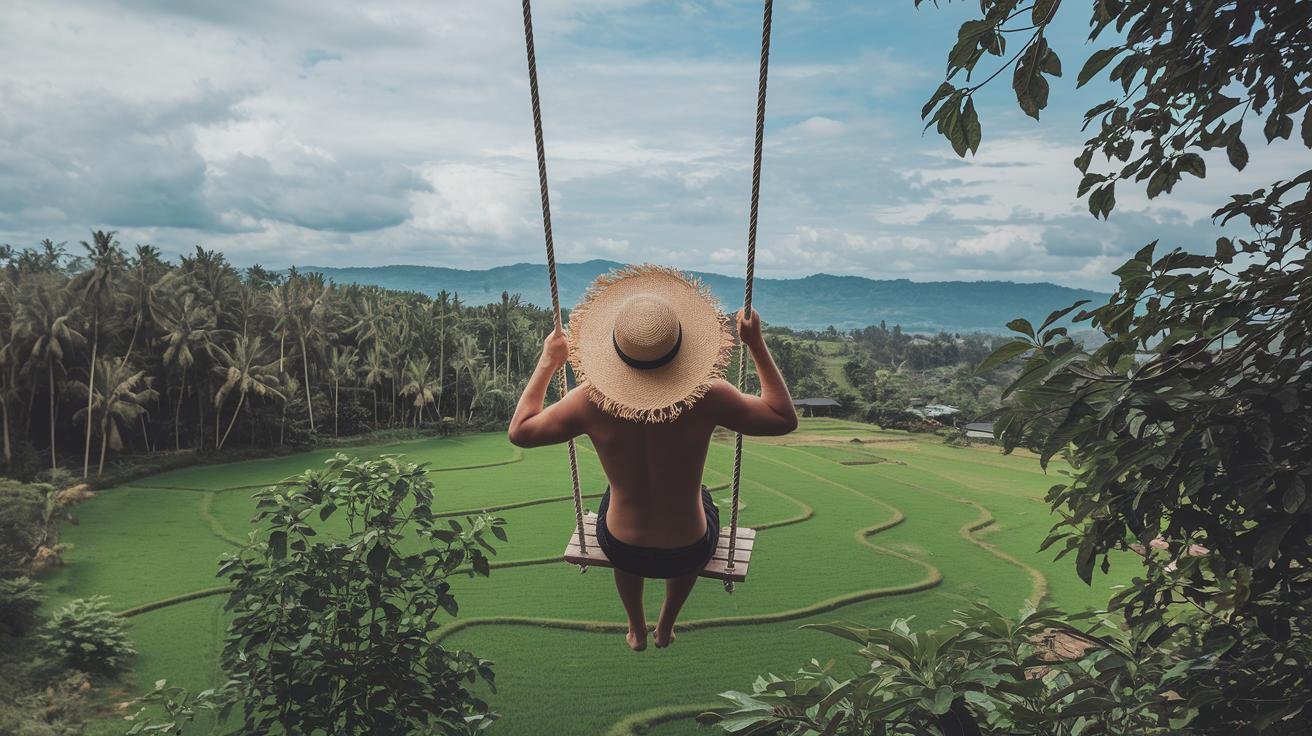
Near the main entrance you’ll find the Bali Swings that give the classic Tegalalang swing experience. Prices are per rider and change by operator, and most places take cash only. Swings often close in low light for safety, so aim for mid-morning or later when the light is bright and the paddies glow. Ever dreamed of that splashy, airborne shot? This is it.
Vendors nearby rent suspended bird nests (those round, woven seats) for a small fee if you want a playful portrait with stepped rice fields (rice terraces) slipping away below. Ask the operator about weight limits, wait your turn, and smile safely. Safety first, then the grin.
Mid-trail you’ll spot quiet lookout points that frame wide bands of emerald paddies and the ribbon of the subak (traditional irrigation channels). Cafés such as Coffee Club Bali have infinity-pool seats with no entrance fee – just a minimum spend and first-come, first-served pool beds – perfect for a relaxed photo with a coffee cup in hand. The soft rustle of palms. The warm hum of people chatting. Pure Bali calm.
Photographers often borrow props like bamboo baskets or straw hats for modest donations of about 5,000 to 10,000 IDR. Be gentle with costumes and props, and please stay off young rice shoots when posing. Little things matter to the farmers, and to the shot.
- Straw hat + mid-ridge viewpoint , soft profile with layered paddies behind
- Bamboo basket + low-path steps , candid, hands-in-the-field style shot
- Swing or bird nest + entrance panorama , bold, colorful action photo with wide sky
Combining the Tegalalang Rice Terrace Trek with Ubud Sightseeing
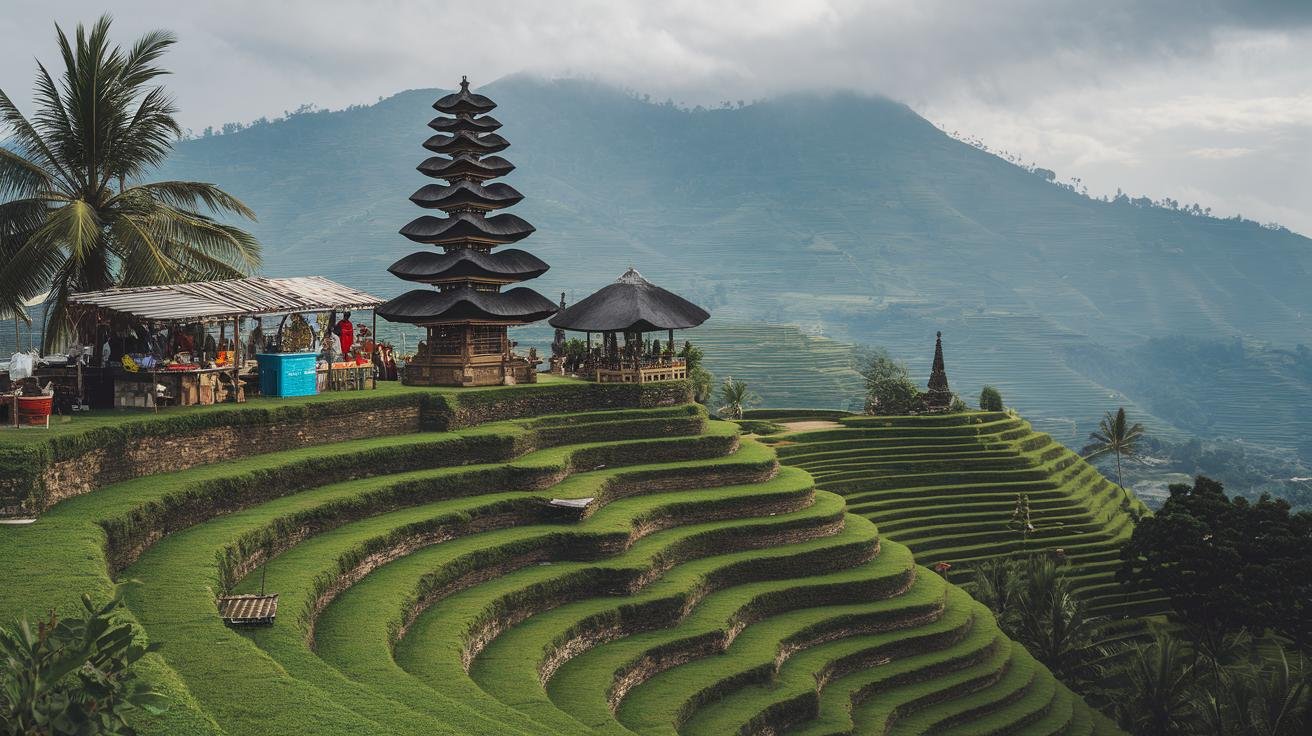
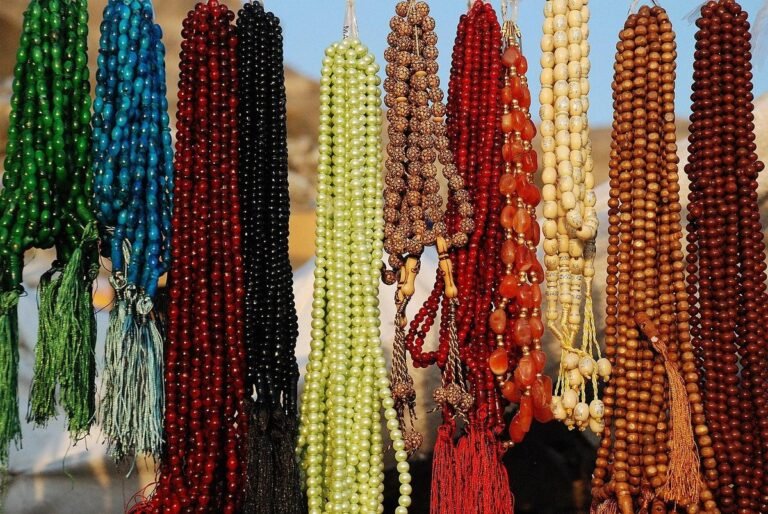
The Tegalalang Handicraft Market sits just off the main road, a handy stop for woven baskets, small wood carvings, and bright textiles. Run your fingers over the rough weave and take in the smell of incense, it's perfect for picking up a souvenir between walks.
A short drive of about 3 to 5 miles (5–8 km) brings you to Tirta Empul (a sacred spring temple) and Goa Gajah (the elephant cave temple). Both are calm spots to admire carved stone and listen to water trickling in the courtyards.
Nearby villages host artisan workshops where you can try basic weaving or watch wood-carving demonstrations. It’s a nice cultural pause right after your trek.
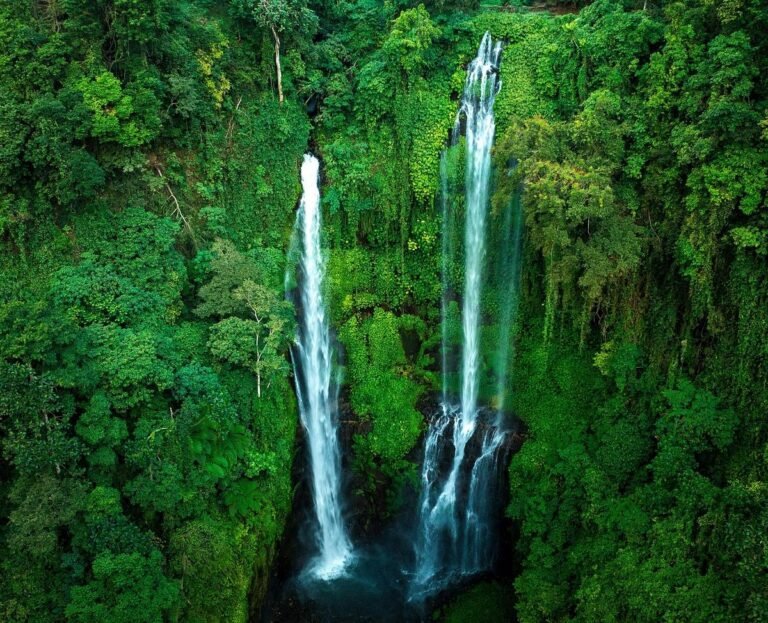
If you’re up for a short waterfall trek, hidden trails in the valleys around Tegalalang lead to cool, clear pools. The spray on your face and the quiet here feel worlds away from central Ubud.
For a different vibe and some wildlife, head about 6 miles (10 km) south to the ubud monkey forest visit. Playful macaques and shaded temple paths make for an easy, lively stop.
Half-day idea: morning on the terraces, a stroll through the market, and a late coffee while the light softens. Full-day idea: add a temple and a waterfall, or finish at the Monkey Forest. Easy to weave into a relaxed Ubud itinerary. Ever dreamed of sipping that coffee as the terraces glow? Pure bliss.
Final Words
Step onto the narrow paths and you'll feel the basics settle in: 3–5 km, 1.5–3 hours, easy-to-moderate, tiny local donations help farmers, and parking is cheap if you arrive early.
Pick March–May or September–October for bright green paddies. Sunrise brings calm light before crowds. Bring 1 L water, non-slip shoes, sun protection, and small change. Stay on marked paths to protect seedlings.
Hire a guide for Subak (traditional irrigation) stories or wander on your own. Swing photos, mid-trail viewpoints, and a cafe stop make great memories.
Your tegalalang rice terraces trek is waiting. Pure bliss.
FAQ
FAQ — Tegalalang Rice Terrace
How long does it take to walk the Tegalalang Rice Terrace?
The time to walk the Tegalalang Rice Terrace is typically 1.5–3 hours for the 3–5 km trek, rated easy to moderate with narrow paths and occasional steps.
What is the Tegalalang Rice Terrace price and entrance fee?
The Tegalalang Rice Terrace price for entry is free, though visitors commonly leave a local donation of 5,000–20,000 IDR, and parking costs about 5,000–10,000 IDR.
Are there swings or ziplines at Tegalalang Rice Terrace?
The swings and ziplines at Tegalalang Rice Terrace are available near the entrance with variable rider fees, cash preferred, and operations that close in low light.
How difficult is the Sweet Orange Walk Trail?
The Sweet Orange Walk Trail difficulty is generally easy to moderate, with short climbs and steps, suited to most walkers who wear sturdy, non-slip shoes.
Can you walk around the Tegalalang Rice Terrace and how do I access it?
You can walk around the Tegalalang Rice Terrace on loop trails, with two main entry points: the west entrance on Jl. Raya Tegalalang and the east entrance via Kebon Road.
What should I pack and know about etiquette on the trek?
You should pack at least 1 L of water per person, sunscreen, a hat, sturdy shoes, and small change, and you should stay on marked paths to protect seedlings and irrigation canals.
Is Tegalalang Rice Terrace worth visiting?
The Tegalalang Rice Terrace is worth visiting for emerald views and iconic photo spots, especially at sunrise, though you should expect crowds and small vendor fees.
What’s a typical Tegalalang trek itinerary or route?
A typical Tegalalang trek itinerary is arrival at 6–8 am, a 1–2 hour loop with viewpoint stops, a café break, and optional side paths extending the walk to 2–3 hours.
Are guided tours available and how much do they cost?
Guided Tegalalang tours are available, costing about 100,000–200,000 IDR for a 1–2 hour trek, offering cultural insight, hotel pickup, and handling of small permits.
What nearby attractions can I combine with the trek?
Nearby attractions to combine with the Tegalalang Rice Terrace trek include Pura Tirta Empul, Tegenungan Waterfall, Jatiluwih Rice Terraces, the Sacred Monkey Forest Sanctuary, and Alas Harum Bali.