Wayang Wong Masks Revive Legendary Ramayana Heroes at Ubud’s Pura Taman Pule
Bali is known for its scenic landscapes and deep cultural roots. Among the art forms passed through generations is Wayang Wong, a dramatic tradition blending dance, music, spoken word, and theatrical gestures. At Pura Taman Pule, a centuries-old temple in Mas Village, Ubud, Gianyar, local practitioners keep this custom alive, preserving stories that speak to ethics, loyalty, and life lessons.
Wayang Wong performances draw on the Ramayana and the Mahabharata, two epic narratives that found new expression on the island. Through stagecraft, characters such as Rama, Sinta, Rahwana, and Hanoman appear in vibrant costumes. Gamelan drums mark each entrance, guiding dancers whose precise motions reveal the strengths and flaws of these legendary figures.
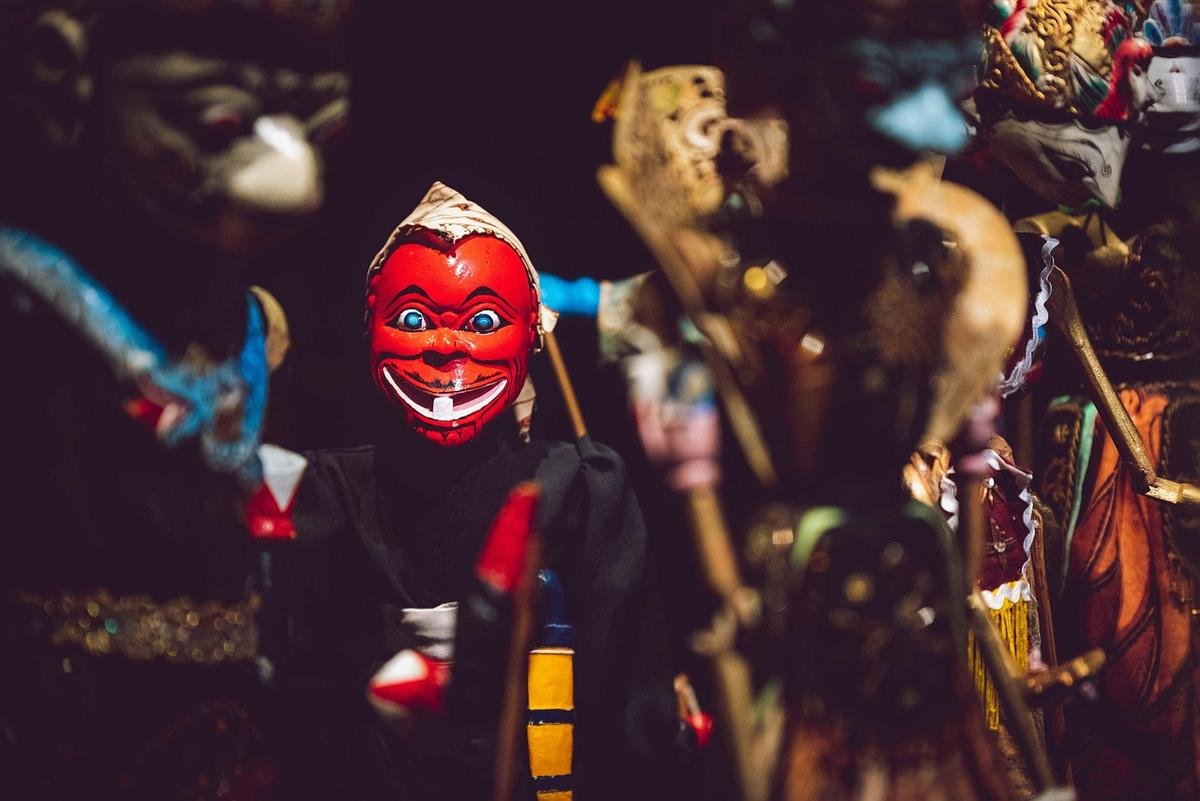
The tradition of Topeng Wayang Wong can be traced back to the rulers of the Klungkung Kingdom, where mask drama flourished under royal patronage. Today, sculptors at Pura Taman Pule shape wooden masks by hand, following design codes that locals have followed for centuries. Painters then apply color schemes that signal each hero’s mood—red for valor, white for clarity, black for mystery.
Performances are scheduled around temple rituals, most notably during major offerings and festival days. Dancers begin by bathing in purified water, then recite prayers to Ida Sang Hyang Widhi Wasa for a faultless presentation. That sequence forms the heart of what villagers treat as both dedication and spectacle, rather than mere amusement.
When evening arrives, the courtyard transforms. Incense smoke drifts among stone shrines, lamp oil lanterns cast soft shadows on devotees seated cross-legged in sarongs and sashes. Foreign visitors quickly learn the dress code, and local youth guide inexperienced guests through proper folding and tying of the kamben before the first note of the gamelan ensemble.
One of the most moving moments is megat sesolahan. In this rite, guests step into the performance area, passing in front of figures representing the Ramayana guardians. The act symbolizes personal purification—crossing an invisible threshold where myth and reality meet—often leaving participants with a profound sense of connection.
The masks themselves serve not just as props but as portals to other identities. Carved from Albesia or Mahogany by craftsmen who inherit ancestral techniques, the headpieces take days to finish. Each facial contour, from narrowed eyes to flared nostrils, must capture the character’s essence so that when worn, the actor’s stance, voice, and glance match the mask’s expression.
Conducting the performance is a dalang, who narrates action while cueing musicians on metallophones, drums, and gongs. The dialogue shifts seamlessly between Balinese dialect and poetic meters designed to echo the heroes’ noble speeches. Between scenes, the orchestra may slow to a hush or surge in a rapid crescendo, underlining moments of triumph or tension.
In recent years, interest among children and teenagers dipped as smartphones and screens rose in popularity. Yet instructors at Pura Taman Pule hold weekly workshops where instructors tutor small groups in dance steps, mask-making, and gamelan composition. Senior performers often volunteer to guide new students, passing on choreography and rhythmic patterns inherited from their grandparents. Teenagers who once played video games now practice footwork drills under the banyan tree behind the temple.
Today, Pura Taman Pule draws a steady stream of cultural travelers seeking insight into Bali’s lore. After performances, many linger to don replica masks, smile for photographs, or ask questions about the workshop schedule. Visitors often upload images and videos, tagging friends and adding captions that spark curiosity among followers around the globe.
When the curtain falls, tales of Hanoman’s daring leap across ocean waves or of Rama’s unwavering resolve become more than legend. For those who watch, these scenes stand as reminders of duty, compassion, and bravery. The theater’s blend of ritual and drama offers a living lesson in values conveyed through movement and sound.
During the annual Kuningan festival, Wayang Wong returns in full regalia. The temple hosts extra evening shows, each one timed to align with sacred offerings for ancestral spirits. Lantern-lit paths lead worshippers to the courtyard, where dancers enact final acts that honor lineage and local deities in sequences known only to temple elders.
For travelers who seek a cultural highlight beyond beaches and cafés, a visit to Pura Taman Pule during a Wayang Wong show provides that rare chance to step into history. The temple’s performances keep age-old narratives thriving in a setting where past and present meet under the same moonlit sky.