Kaliasem Village Showcases Historic Pura Dalem, Age-Old Banyan, and Picturesque Lovina Beach
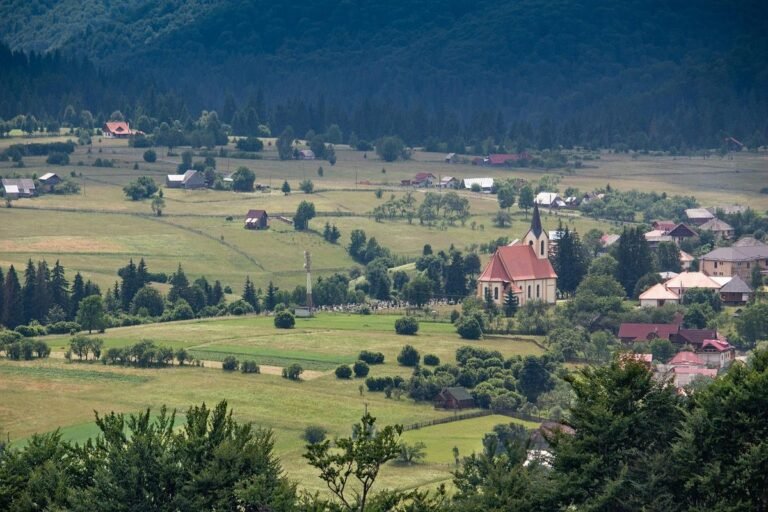
Kaliasem Village occupies a stretch of land on Bali’s northern shoreline within Buleleng Regency, Banjar District. Far from the crowds of tourist hotspots, this community offers a glimpse of traditional island life. Whitewashed homes cluster among emerald rice terraces and coconut palms, and each morning sees offerings laid at small shrines by neighbors who gather to discuss yesterday’s news and exchange blessings for the day ahead. Elders teach younger generations through ritual dances and wayang performances that echo myths of creation, forging a living bond between past and present.
Temples dot the village, testaments to faith that shapes daily routines. At its heart stands Pura Dalem, a shrine devoted to guardians of the afterlife. Here, priests and worshippers commune through offerings of flowers, incense and song. Every ceremony honors the cycle of existence, with each stage marked by a precise sequence of chants, ceremonial dress and sacred objects carried in procession.
Pura Dalem sits beside the setra, an open ground set aside for funerary rites. Body preparations follow ancestral guidelines, and families escort the departed through ritual paths before burial. Priests oversee each detail to align the ceremony with inherited codes, and villagers take turns offering prayers and incense, affirming respect for those who have departed this world.
This shrine joins a cluster of temples within Bali’s Hindu heritage. The name "Dalem" itself means "deep" or "hidden," reflecting its purpose as a point of contact with ancestral spirits. Carved gateways and stone reliefs speak of gods who guide souls beyond mortal bounds, and each carving follows motifs that have remained unchanged for centuries.
Facing Pura Dalem stands a venerable tree dating back more than 100 years. Its massive trunk is gnarled with age, and its branches spread in a canopy that shades the temple courtyard. Elders recall that this tree provided cover during village forums held outdoors, and its presence still invites quiet reflection beneath its leaf-laden limbs.
The foliage forms a dense roof that filters sunlight into golden patches on the earth. Roots snake across the soil, anchoring both tree and tradition. Children cluster around its base to practice ritual steps and recite prayers taught by grandparents, so that each generation gains strength from a symbol of endurance.
Not far from that giant tree, the setra reveals rows of graves and open spaces for final ceremonies. Once a body is placed within a wrapped bundle of cloth, relatives and friends circle the site, offering rice cakes and betel leaves. The rite moves from morning through mid-day, accompanied by the murmur of gamelan ensembles that echo through bamboo groves.
A short ride west brings visitors to Lovina Beach, where dark volcanic sand meets calm waters. Low tides reveal strewn rocks and tiny tide pools alive with shrimp and crabs. Local fishers set out at dawn in narrow boats to seek mackerel and tuna, then return by midday to sell their catch at simple wooden stalls.
Sea conditions here favor snorkeling and skin-diving; gardens of coral harbor parrotfish, wrasse and playful anthias. At dusk the western sky glows in hues of pink and orange, and the horizon appears to roll up like a scroll of molten colors. Scattered cafes line the shore, inviting guests to sample grilled squid, fresh coconut water and sweet rice prepared in banana leaves.
Through all these elements—arches of temple gates, the silent old tree, burial grounds observed with care and the tranquil bay—Kaliasem shows a side of Bali built on devotion, tradition and a respect for nature that unites each generation.