What To Eat In Ubud Street Food Market
Think Bali is all polished resorts and sunrise yoga? Let me whisper a secret: Ubud’s street food market is where the real Balinese flavor lives. Ever dreamed of tasting Bali from a wooden stall?
Smoky grills, grated coconut, bright red chili, and a squeeze of lime tug you from stand to stand. You’ll follow the scent before you see the food. Each bite feels cheap, quick, and honest. Authentic.
I’ll point you to the must-try plates and share simple ordering and pairing tips so you can eat like a local, one small plate at a time. Think of it like tapas, small tastes, big discovery.
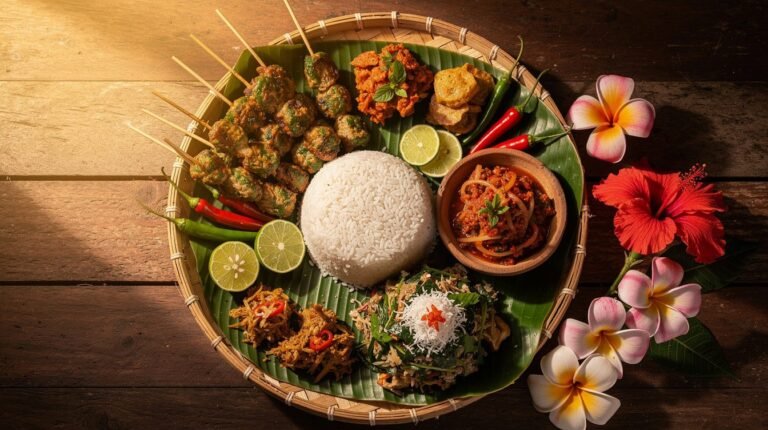
Nasi campur (mixed rice with little scoops of curry, veggies, and sambal) , start here to sample many flavors on one plate. Pair with a spoonful of sambal (spicy chili paste) and a wedge of lime.
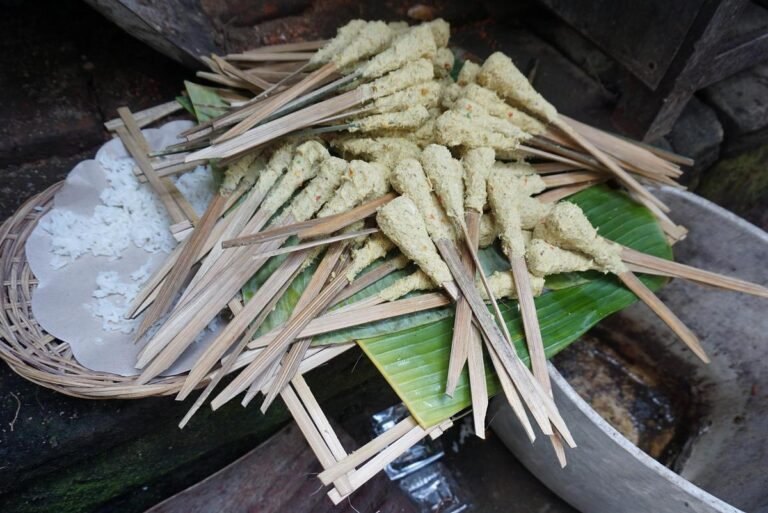
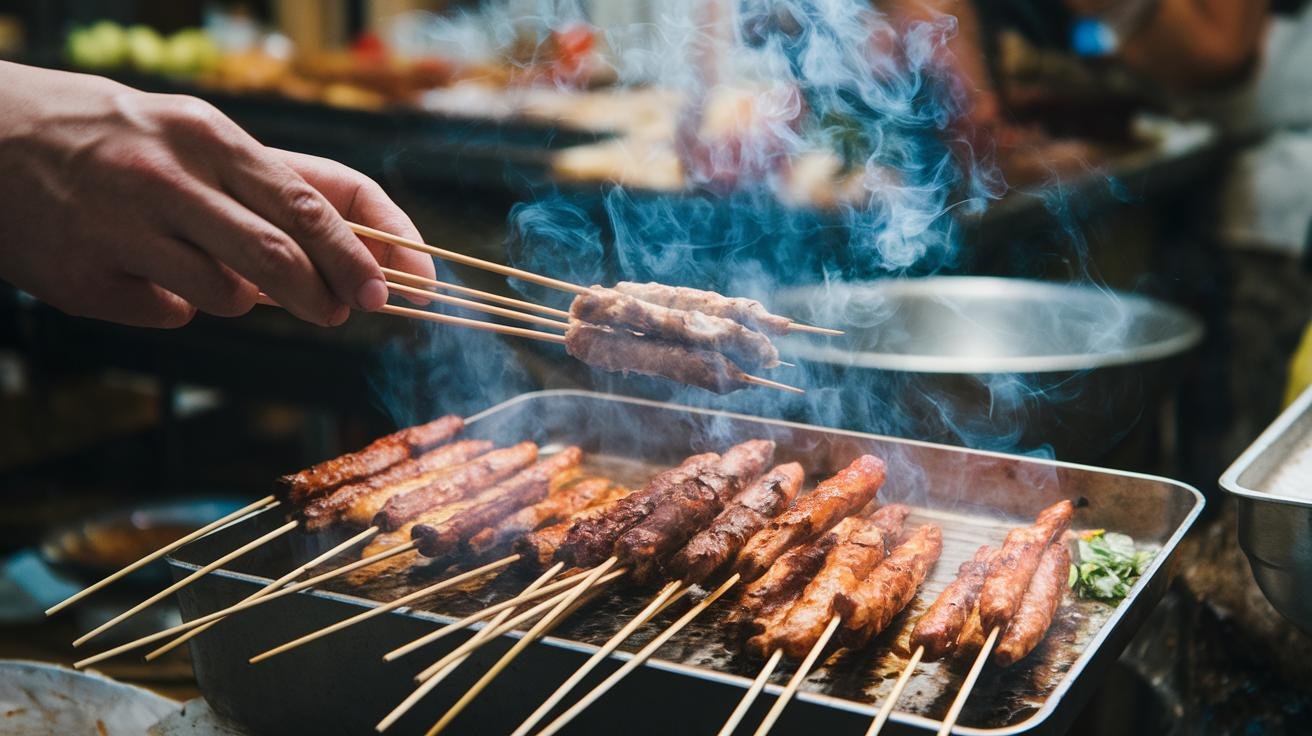
Sate lilit (minced fish or meat wrapped around a skewer) , fragrant, slightly sweet, and grilled over coals. Dip in kecap manis (sweet soy sauce) or a little sambal for contrast.
Babi guling (suckling pig roast) , crispy skin, tender meat, and bright sambal matah (raw shallot and chili relish). One bite and you’ll understand why it’s a Balinese favorite.
Also try gorengan (fried snacks) like tempeh or banana fritters for a crunchy snack. Pair these with strong Balinese coffee or iced tea.
Ordering is easy. Point, smile, and say “satu” for one portion if you want to keep it small. Or ask for “nasi sedikit” (a little rice) and try three or four dishes between friends. Think of it as building your own tasting menu.
I still remember chasing a smoky scent until I found the stall that changed breakfast for me. Go hungry. Go curious. Taste Bali, one small plate at a time.
What To Eat In Ubud Street Food Market
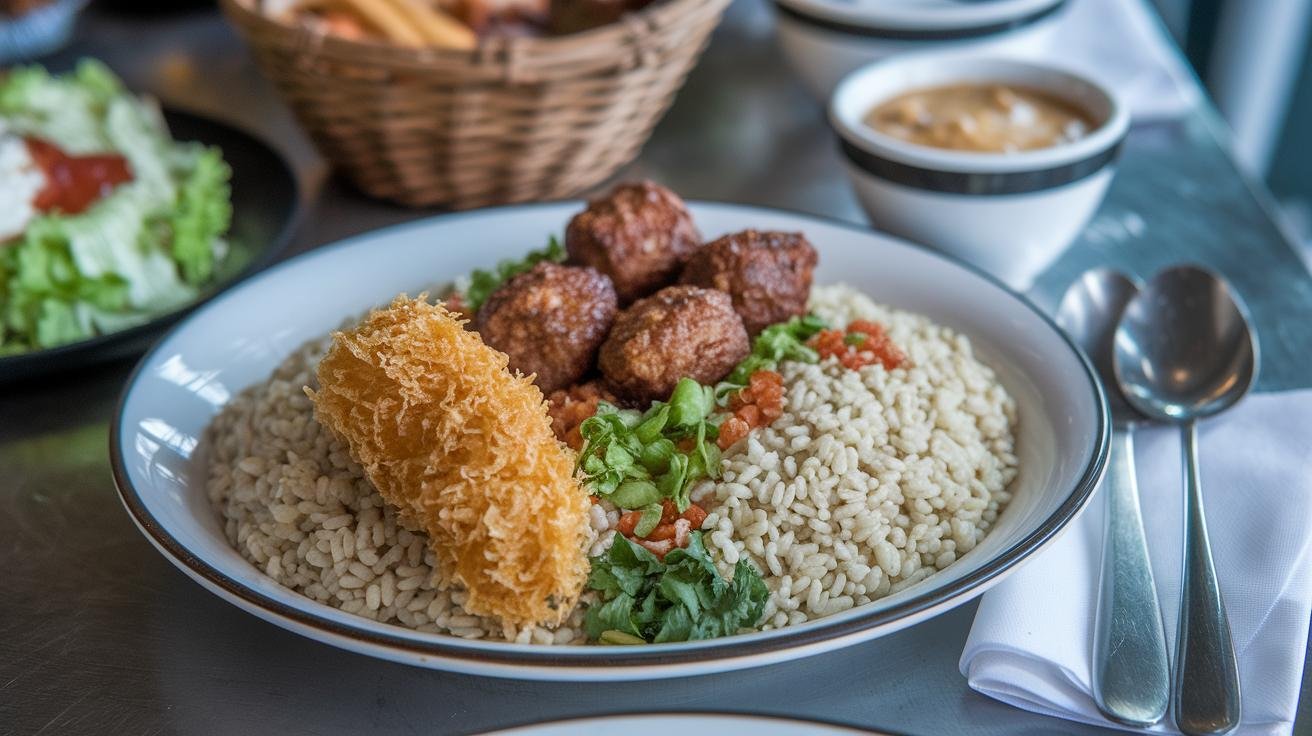
If you’re wondering what to eat in Ubud street food market, imagine bold Balinese flavors in small, shareable bites. Smoke, coconut, chili, and a squeeze of citrus fill the air, pulling you from stall to stall. Take it slow, follow the busiest carts, and taste a little of everything.
Fresh local produce and fast turnover keep the food bright and savory. Vendors use fragrant spice mixes and simple cooking techniques that let each ingredient sing. Ever dreamed of a snack crawl that feels like a flavor parade? This is it.
- Nasi Campur (nasi campur Ubud) , fragrant steamed rice topped with little piles of tender meats, crisp vegetables, and a bright sambal (chili paste) kick. Bite-sized sharing perfection.
- Sate Lilit (sate lilit Ubud) , minced seafood pressed onto lemongrass stalks (they act like a skewer and add aroma), lightly charred, with a hint of citronella and a juicy center. Pure seaside warmth.
- Babi Guling (babi guling Ubud), what is babi guling: Balinese spit roast explained, crackling skin, deeply spiced pork, and rich roast juices that linger on your fork. Rich and celebratory.
- Lawar salad , grated coconut, fresh herbs, minced meat, and chili, a textured savory-sour mix with bright herbal notes. Think crunchy, spicy, and a little surprising.
- Tempeh Goreng (tempeh goreng Ubud) , golden and crunchy outside, nutty and chewy inside; tempeh is a fermented soybean cake (a local protein favorite). Great with sambal or sweet soy.
Sample pairings to try: Nasi Campur with fresh coconut water to cleanse your palate, Sate Lilit with steamed rice and a lime squeeze. Order small portions so you can share and try more stalls. Look for long lines for the freshest plates, ask for no ice if you’re cautious, carry small denominations of IDR, and keep napkins handy. Tasting bliss, one little plate at a time.
Top Vendors and Stall Locations in Ubud Street Food Market
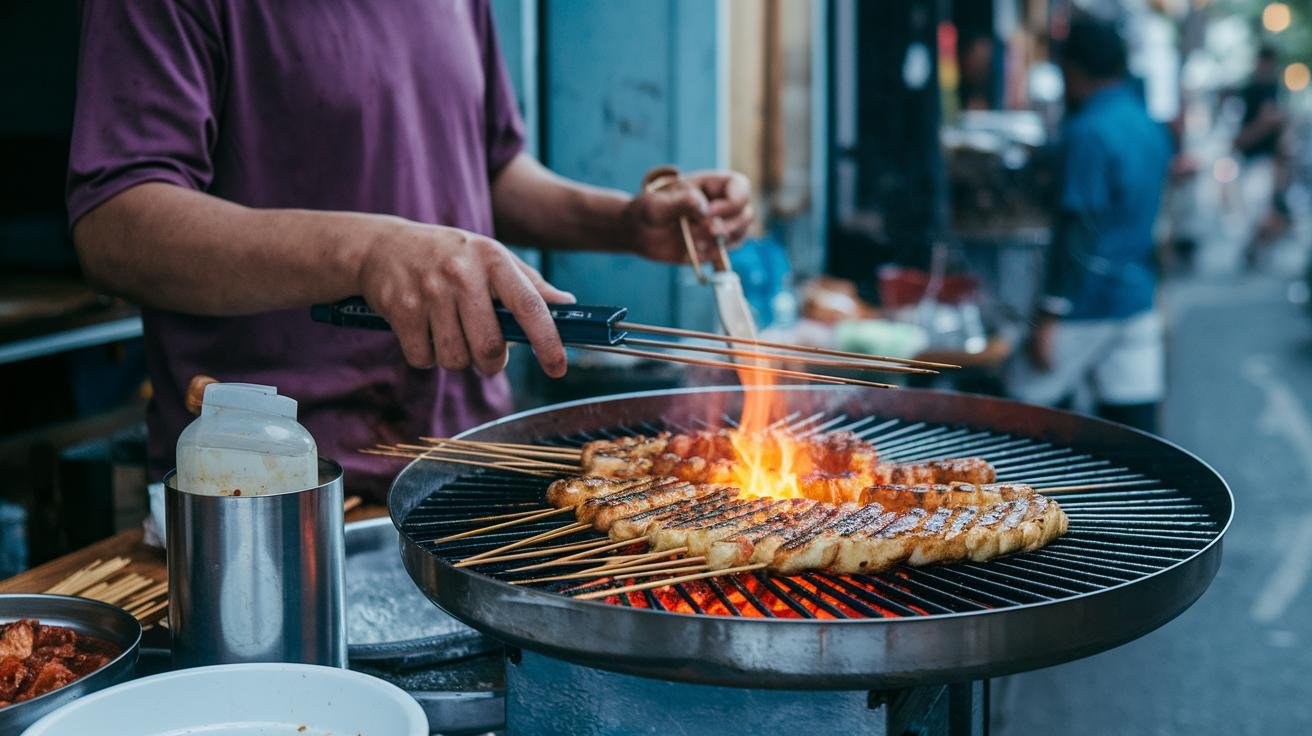
You’ll find the busiest stalls along Jalan Raya Ubud and the nearby Jalan Karna. Smoke, spice, and the warm scent of coconut oil pull you from cart to cart. Night stalls in Peliatan Village open at 5 PM, about a 20-minute walk from Ubud center, so it’s an easy evening stroll if you’re wondering how to get to Ubud market. For a fuller vendor list and local tips, check best street food in Ubud.
| Stall Name | Specialty Dish | Price Range |
|---|---|---|
| Peliatan Night Stalls | Mixed satay and seafood | 10,000-50,000 IDR |
| Jalan Raya BBQ Cart | Babi guling slices (suckling pig) | 20,000-45,000 IDR |
| Kedewatan Senggol Stand | Nasi goreng and bakso (meatball soup) | 10,000-40,000 IDR |
Most stalls start firing up around 5 PM. Souvenir booths usually close near 6 PM, and the busiest food windows are about 6-9 PM. Follow the longest lines for the freshest plates. Ask vendors what just came off the grill. Yum.
Market tips:
- Bring small bills of IDR for quick purchases.
- Pack a light jacket for cooler nights.
- By the way, if Peliatan feels far on foot, grab a short taxi or scooter ride.
Ever follow your nose? The bright tang of lemongrass and coconut oil will guide you. Pure bliss.
Navigating Ubud Street Food Market: Hours, Etiquette, and Safety
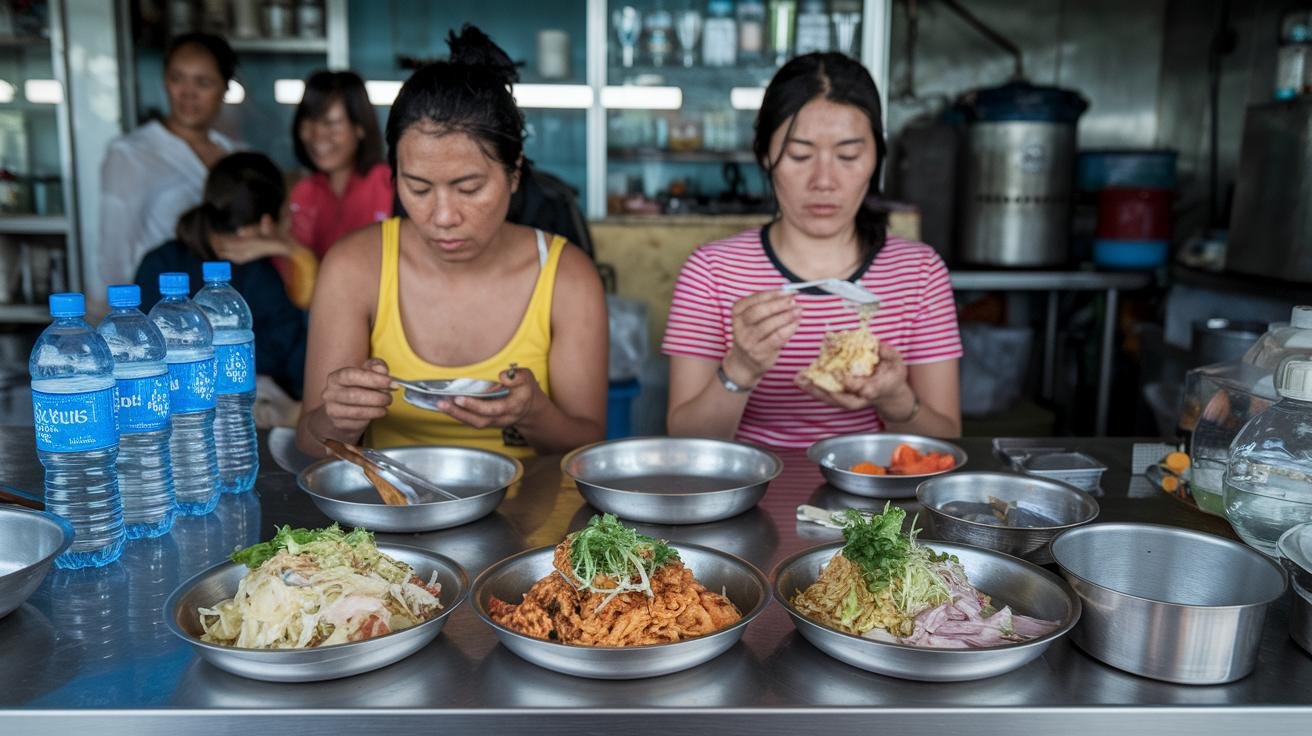
Stalls usually fire up around 5:00 PM and stay open until about 10:00 to 11:00 PM. The air fills with the scent of grilling spices and coconut oil as lanterns glow overhead. Souvenir booths tend to fold up by 6:00 PM, so if you want the best picks, wander the stalls earlier.
Most vendors take cash only. Bring small bills of IDR (Indonesian rupiah) and a slim zippered pouch for quick buys. Cards rarely work here, so being ready with cash keeps things easy.
Bargaining is part of the fun for souvenirs. Smile, start low, pause, and then meet somewhere in the middle. For food, pay the asking price or ask politely how big the portion is before you order. Keeps things friendly and fair.
Count your change openly and hand over money with a smile or a nod. Be ready when the cook calls your name so the line keeps moving and everyone gets their food warm.
Pick stalls where flames are lively and plates keep moving , the sizzling pans and steady queue usually mean fresher food. Look for cooks who flip skewers and steam rice right in front of you. Busy carts are a good sign.
To lower the risk of Bali Belly (traveler's diarrhea), skip loose ice and salads rinsed with tap water. Ask for bottled or filtered water and fruit that’s been peeled for you. Carry a few napkins and hand sanitizer. Choose piping hot, freshly cooked dishes if you’re cautious.
Ever tried a satay skewer under strings of lights? Pure bliss.
Oops, one more tip: if you’re unsure about a vendor, follow the locals. Their favorites are usually the safest bets.
Budget-Friendly Eats and Price Guide at Ubud Street Food Market
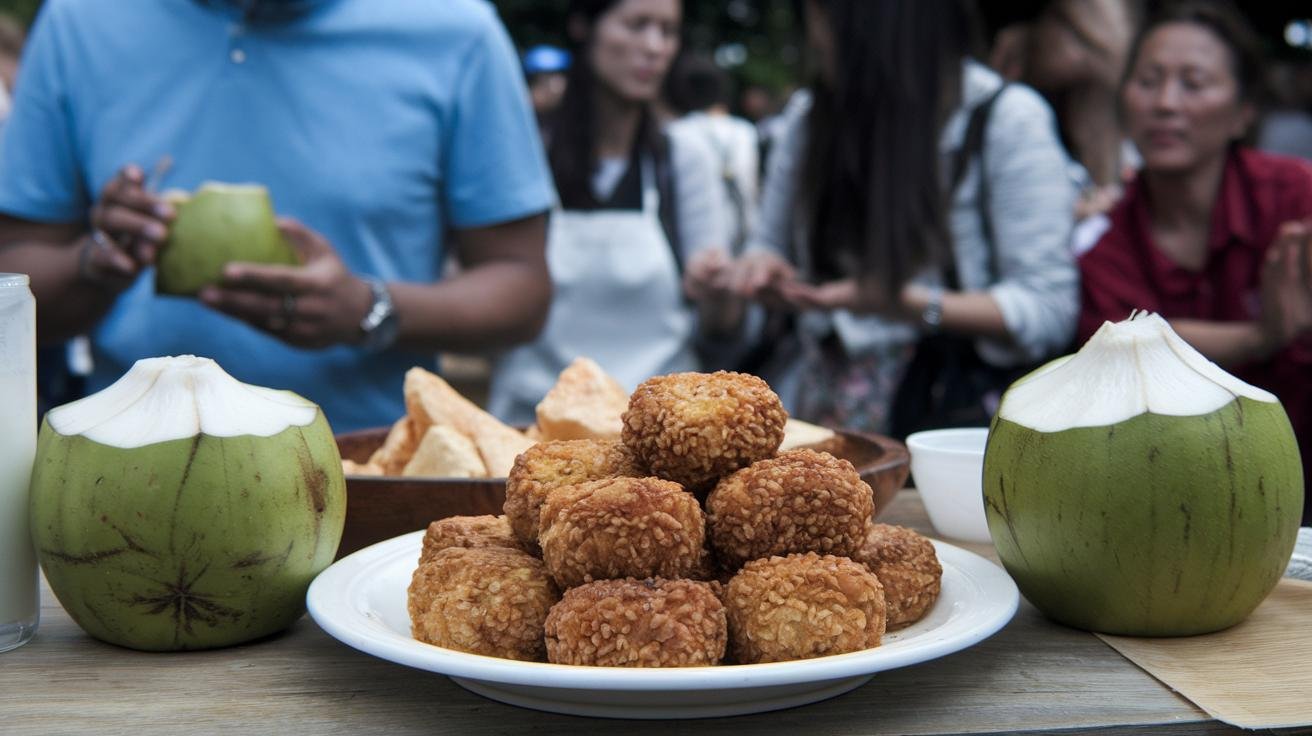
Street food in Ubud is a little evening adventure. Lanterns glow, pans sizzle, and you can taste a lot without worrying about the bill. Think simple, fresh plates served with a warm, friendly bustle.
Most savory dishes run about 10,000–50,000 IDR each. That covers classics like nasi campur (mixed rice with several small side dishes) and small plates of satay (skewered grilled meat). Green juices are usually around 30,000 IDR , a bright, healthy sip between bites.
Sweet snacks like pisang goreng (fried banana) and other jajan pasar (traditional market sweets) typically cost 10,000–20,000 IDR. They’re warm and comforting after something spicy. Fresh coconut water is everywhere for about 5,000–10,000 IDR a cup. Street-side soups and rice bowls tend to be toward the higher end of the range when they include meat or seafood.
Want to eat more and spend less? Try these easy moves.
- Share plates with friends so you can taste more.
- Order smaller portions at first, then come back for the ones you love.
- Follow the stalls with steady lines , busy carts usually mean fresh food and better value.
- Swap a drink for a sweet between savory bites to stretch both your budget and your palate.
By the way, sampling like this feels like a little food tour of Ubud. Enjoy the flavors, the sounds, and the little surprises along the way.
Sweet Endings and Refreshing Drinks at Ubud Street Food Market
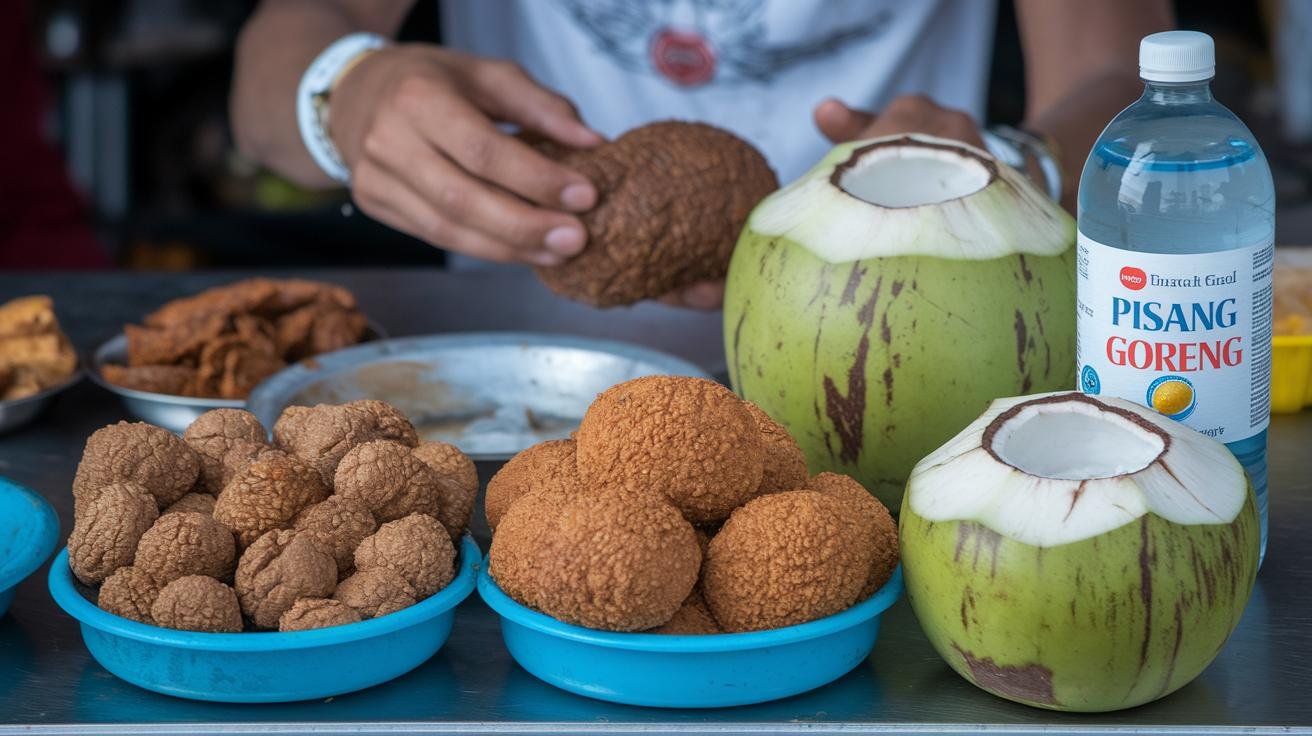
When the savory stalls start to close, the dessert carts and drink bars come alive. Think bright, simple flavors that feel like home, sticky, creamy, or icy. The air fills with coconut, caramel, and crushed ice. Pure bliss.
Balinese Desserts
Try klepon (green rice balls filled with liquid palm sugar and rolled in grated coconut) for a warm, sweet surprise in every bite. Jajan pasar (traditional market sweets made from rice flour and coconut) offer gentle, chewy textures and subtle coconut notes.
Pisang goreng (fried banana fritters) arrive hot and slightly caramelized. Pisang rai (steamed or lightly fried banana cakes rolled in coconut) are soft and comforting. Perfect with a drizzle of palm sugar syrup.
Agar agar (plant-based jelly) shows up in pandan-green cups or mixed-fruit layers, clean, cooling, and lightly sweet.
Your one-sentence must-try: coconut-milk gelato. Dairy-free, creamy, and bright against rich palm-sugar treats.
Refreshing Drinks and Coffee
Fresh coconut water cracked open on the spot is the quickest thirst-quencher. Cool, pure, and instantly refreshing.
Fruit shakes and tropical smoothies blend papaya, mango, or dragon fruit with non-dairy milk or leafy greens for a nutrient-rich sip. Ever tried a mango-papaya mix at dusk? It’s like sunshine in a cup.
Iced cincau (grass-jelly drink) brings a slightly bitter, herbaceous note that balances the sweets nicely. Light and herbal.
For coffee lovers, small stalls pour kopi luwak (civet coffee, known for a smooth, low-acid cup) often as a short tasting so you can compare local roasts. Try a small cup and see what you think.
Vegan and Healthy Bites at Ubud Street Food Market
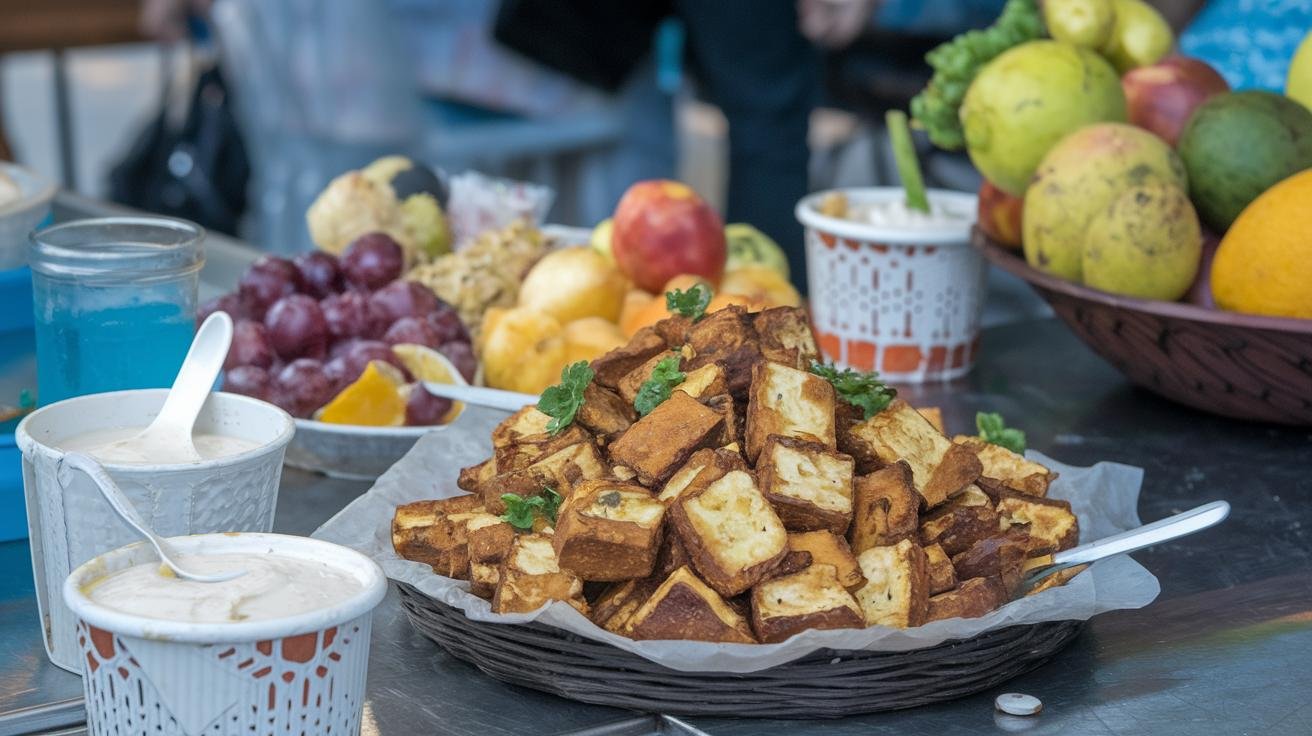
Ubud’s market welcomes every diet, from casual vegetarians to strict plant-based eaters and folks looking for gluten-free picks. Stalls usually label what they serve, so spotting Balinese vegan choices feels easy. The air is full of coconut, lime, and chili scents that make you want to follow your nose.
Start with urap coconut salad (urap is a Balinese salad of shredded coconut mixed with steamed greens and spices). It’s bright, a little crunchy, and garlicky. Pure refreshment.
Try handcrafted tofu snacks too. You’ll find deep-fried tofu bites dusted with sea salt or chili flakes, just begging to be dipped in sambal (spicy chili paste) or sweet soy. Comfort food, island style.
Save room for dessert. Look for vegan coconut-milk gelato at the carts for a silky, dairy-free finish. Morning produce stalls sell organic fruit like dragon fruit, bananas, and papaya , perfect for smoothies or a clean, simple snack.
Vendors use filtered water for cold drinks, so choosing juices and smoothies is a safer bet. For gluten-free options, pick rice-based plates or items clearly marked gluten-free. The busiest stalls and the organic market stands that set up at dawn are the best places to find healthy bites. Ever tried a sunrise smoothie after a morning wander? You’ll love it.
Cultural Context and Local Insights into Ubud Street Food Market
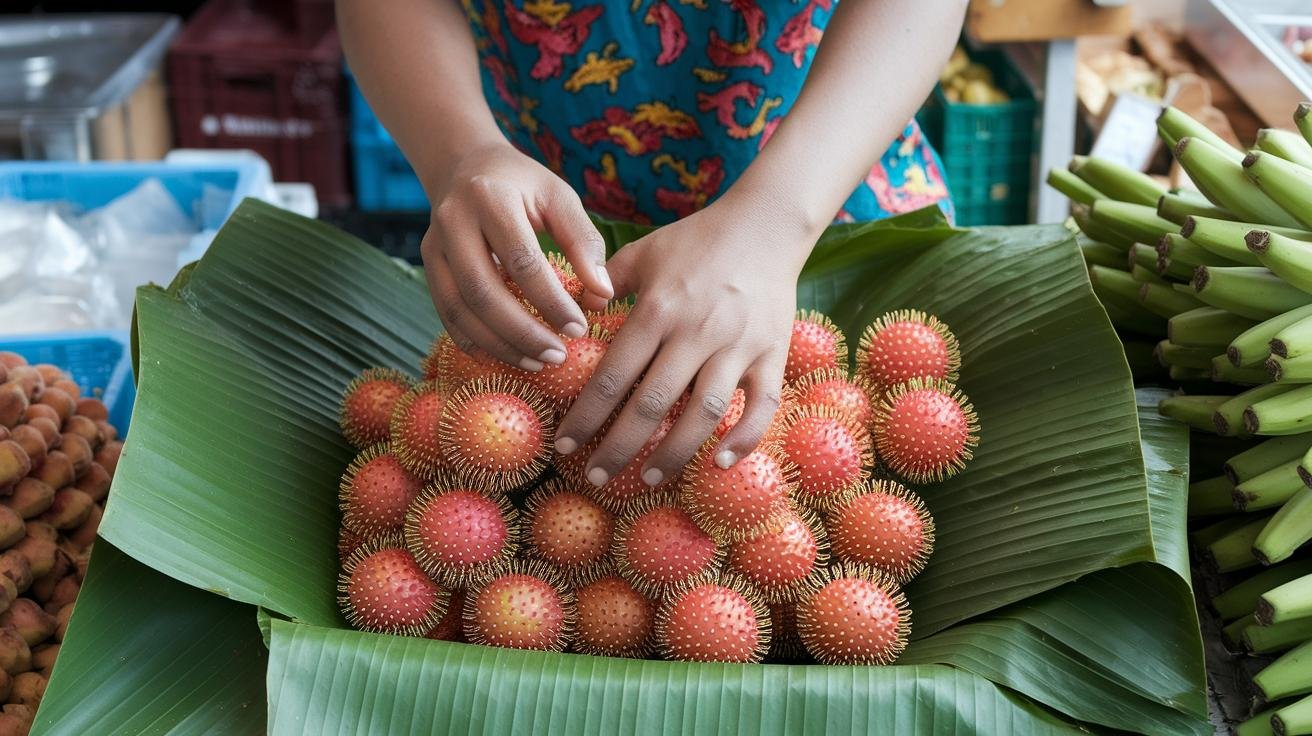
Step into Ubud’s street food market and you’ll taste the island’s story. Food here is braided with religion, ceremony, and family life. Flavors aren’t random. They come from daily rituals and long-held practice.
Local ingredients shape every plate. You’ll notice basa gede (a rich Balinese spice mix used in meat salads and satays) in sauces and marinades, giving dishes a warm, clove-like aroma. Morning stalls brim with seasonal produce like rambutan (a sweet, lychee-like fruit), dragon fruit, fresh coconut, and leafy greens brought in by nearby farmers. Menus bend with the harvest, so what’s on offer one month can shift the next.
Some vendors are quietly green. Think banana-leaf wraps, simple composting, and lightweight packaging that cuts down litter. These small choices help the market support sustainable tourism in Bali by linking cooks directly to growers.
Every bite has a backstory. Ask a cook about a spice and you’ll often hear about an aunt’s sambal (chili sauce) recipe, a grandfather’s charcoal grilling method, or a cart that has fed the same village for decades. Pure history.
Ever wondered where a flavor came from? Just ask. You’ll get festivals, fields, and rainy-season harvests served with your plate.
Final Words
Sizzling skewers, fragrant nasi campur, and sticky klepon pull you into the market's rhythm. We listed must-try dishes with tasting notes and pointed to top stalls along Jalan Raya Ubud and Jalan Karna.
Plan for evening hours, carry cash in small bills, choose busy stalls for safety, and use simple budget tips so you can taste more. Vegan bites and sweet treats are easy to find too.
Let the vendors' family stories linger on your palate. Happy exploring and enjoy what to eat in Ubud street food market.
FAQ
What should I eat at Ubud street food market?
The must-try dishes at Ubud street food market are nasi campur (mixed rice with spicy sambal), sate lilit (citrusy lemongrass satay), babi guling (crispy roast pork), lawar salad, and tempeh goreng.
What is the most popular street food in Indonesia?
The most popular street food in Indonesia is nasi goreng, a smoky, sweet-spicy fried rice; satay skewers and bakso (meatball soup) are also beloved across the islands.
What should I eat in Bali to avoid Bali belly?
To avoid Bali belly, eat hot-cooked meals, choose busy stalls with high turnover, drink bottled or filtered water, skip ice and raw produce washed in tap water, and favor freshly grilled dishes.
What is the famous street in Ubud?
The famous street in Ubud is Jalan Raya Ubud, where many vendors line the road. Nearby Jalan Karna and Peliatan Village host night stalls and food carts.
What are the best restaurants in Ubud with a view or fine dining?
The best restaurants in Ubud with a view and fine dining include Mozaic (refined tasting menus), Ambar Ubud Bar, Honey & Smoke, Arcadia, Donna, and Tablespoon Ubud, each offering its own atmosphere.
What should I expect at Ubud morning market and Ubud night market?
At the morning market expect fresh produce, seasonal fruits like dragon fruit, and local vendors. At the night market expect street-food stalls from around 5 PM, souvenir booths, and lively evening flavors.
Where are the top vendors and stalls in Ubud market?
The top vendors and stalls in Ubud cluster along Jalan Raya Ubud and Jalan Karna. Night carts appear in Peliatan Village from 5 PM, and busy stalls are a good freshness sign.