Nyepi Day Bali: Your Complete Guide to the Day of Silence
There is a day each year when the entire island of Bali stops. No cars on the road. No flights leaving the airport. No music. No lights after dark. Not a whisper from the streets. Nyepi Day Bali — the Balinese Day of Silence — is unlike anything else in the world. It is profound, disorienting, and deeply beautiful, all at once.
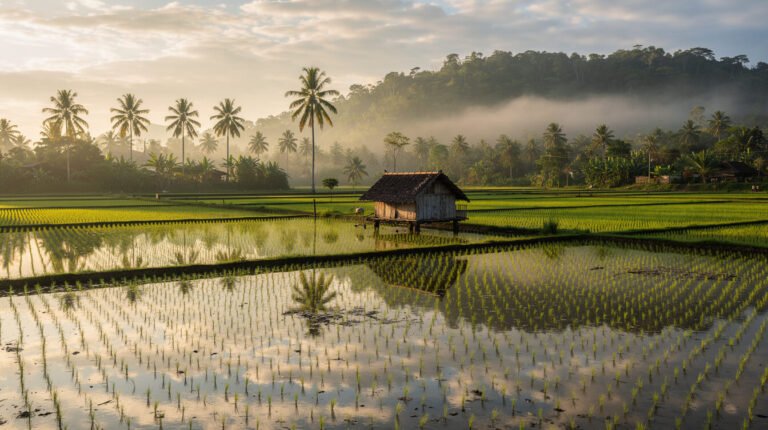
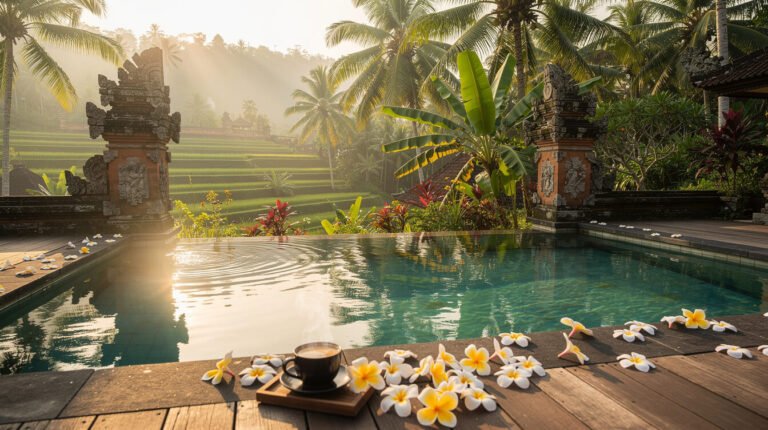
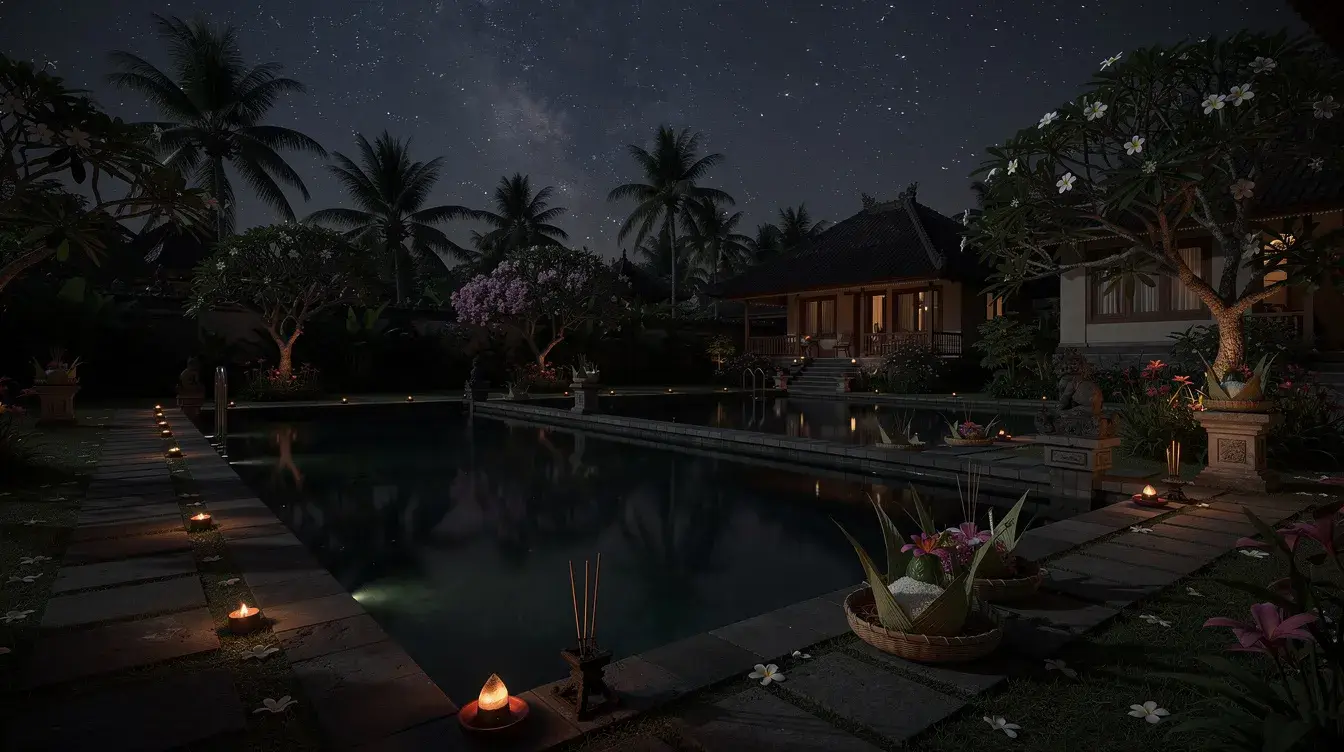
For travellers staying in Ubud during Nyepi, the experience is extraordinary. No busy streets. No horns. Only the sound of the wind through the rice fields, the call of tropical birds, and the occasional rustle of palm leaves. From the private garden of a villa, you watch Bali hold its breath — and something in you exhales too.
This guide covers everything you need to know about Nyepi Day Bali: what it means, what happens in the days leading up to it, what to expect as a visitor, and why experiencing it from a private villa in Ubud might be one of the most memorable nights of your life.
In 2026, Nyepi falls on Thursday, March 19th.
What Is Nyepi Day Bali? The Island’s Most Sacred 24 Hours

Nyepi Day Bali marks the Balinese Saka New Year — a moment of collective reset, spiritual renewal, and communal silence. The word “Nyepi” comes from the Balinese word sepi, meaning quiet or still. And still is exactly what Bali becomes.
From 6am on Nyepi until 6am the following morning, the entire island observes four sacred restraints known as the Catur Brata Penyepian:
- Amati Geni — No fire or light
- Amati Karya — No working
- Amati Lelungan — No travelling
- Amati Lelanguan — No entertainment or pleasure-seeking
The streets are patrolled by pecalang — traditional Balinese community guardians in black-and-white poleng cloth — who ensure the silence is respected. Even the airport closes. Ngurah Rai International Airport pauses all flights for the full 24 hours. The internet is switched off across the island (though hotels and villas typically maintain their own connections for safety).
Rooted in Balinese Hinduism, the silence is intentional: it is meant to convince evil spirits that Bali is uninhabited, encouraging them to pass the island by for another year. For the Balinese people, it is also a moment of deep meditation, prayer, and gratitude — a true new year that begins not with fireworks, but with stillness.
The Build-Up: Melasti Procession and the Ogoh-Ogoh Parade
The days before Nyepi are anything but quiet. In fact, they are some of the most visually spectacular days in the entire Balinese ceremonial calendar.
Melasti — Three to Four Days Before Nyepi
Melasti is a purification ceremony held at rivers, lakes, and the sea. Thousands of Balinese Hindus dress in white and form grand processions, carrying sacred temple objects (pratima) to be cleansed in holy water. The processions are breathtaking — a river of white sarongs and gold silk, parasols catching the breeze, gamelan music rising above the jungle canopy.
In Ubud, the Melasti procession typically moves through the city toward the Wos River. It is a moving, deeply spiritual sight. If you are staying nearby, you may hear the gamelan before you see the crowds. If you want to witness authentic purification ceremonies of a similar spirit year-round, the Tirta Empul water temple just 25 minutes from Ubud offers a profound, permanent window into this tradition.
Pengerupukan — The Night Before Nyepi
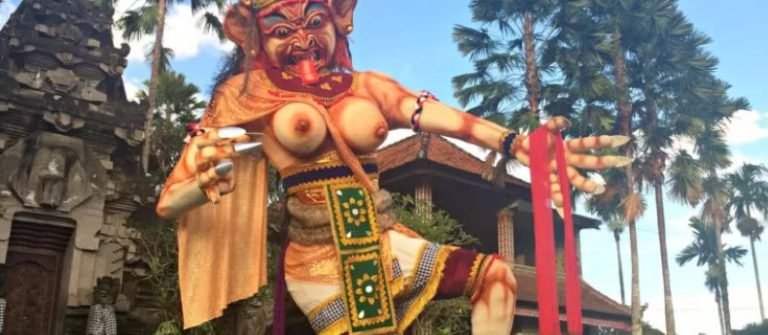
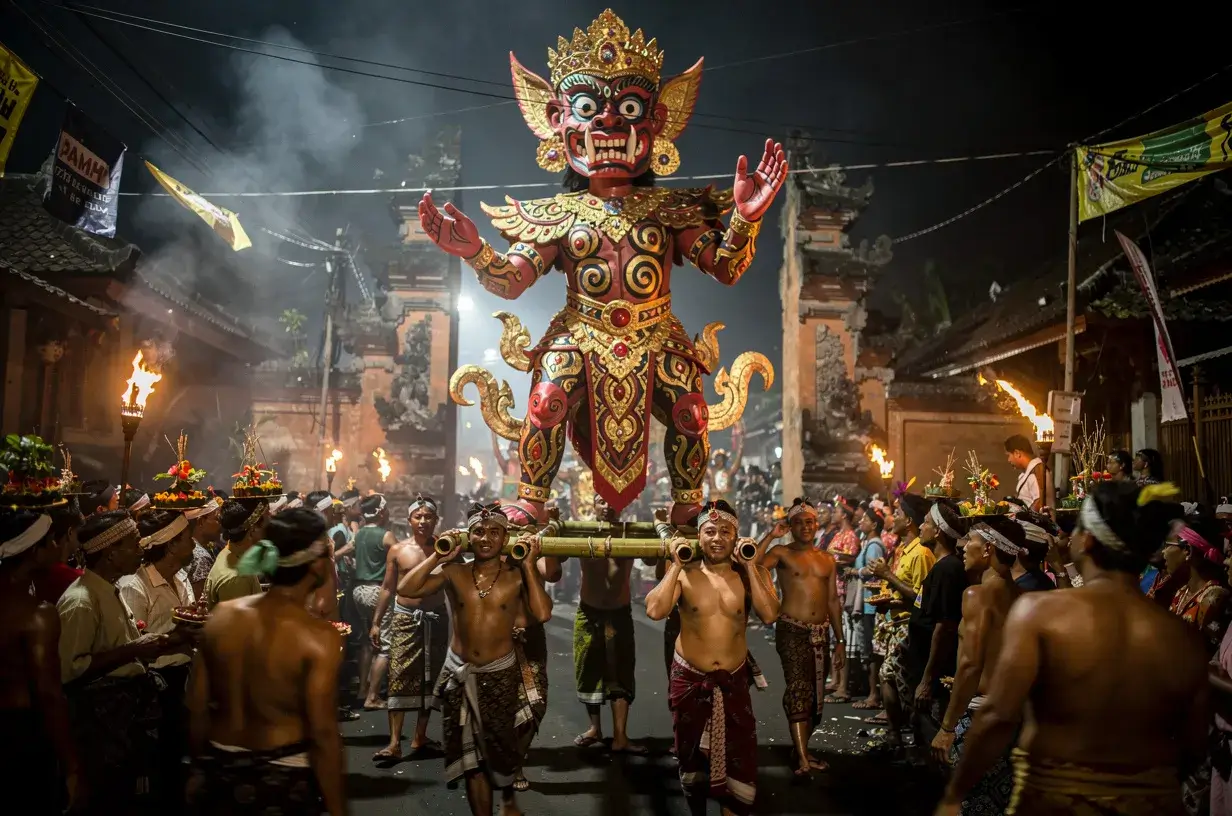
The evening before the Day of Silence is the Pengerupukan, and it is pure spectacle. Enormous ogoh-ogoh — giant papier-mâché demons and mythological creatures — are paraded through the streets by the youth of each banjar (community group). These sculptures can reach four or five metres high, built over weeks with extraordinary craftsmanship.
After the parade, the ogoh-ogoh are ritually burned or destroyed — a dramatic symbolic act of purging negativity before the new year begins. Watching a towering demon creature go up in flames against a Bali night sky is something you will not forget.
For cultural context on the temples that host many pre-Nyepi ceremonies, our guide to hidden temples around Ubud reveals sacred spaces that most travellers never discover.
🌴 Free Ubud Travel Guide
Get our insider guide to Ubud — best restaurants, hidden temples, rice terrace routes, and tips only locals know. Delivered straight to your inbox.
The Four Pillars of Nyepi: What the Silence Truly Means
It is easy to frame Nyepi as a list of things you cannot do. But the four restraints are far more interesting when understood as four invitations.
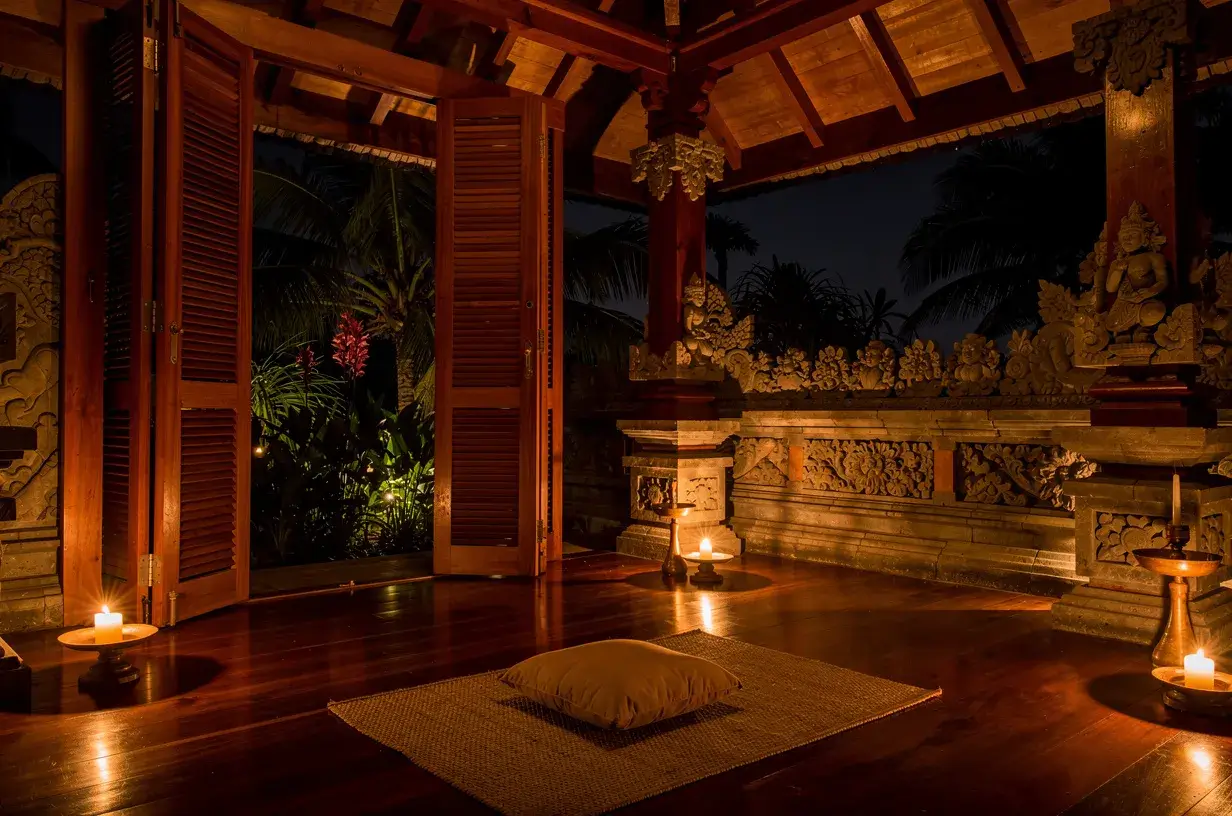
Amati Geni (No Fire or Light) is an invitation to sit with darkness. In a world of constant screens and electric light, spending an evening lit only by the faint glow of an oil lamp or the stars overhead is genuinely rare. There is something grounding about it — almost ancient.
Amati Karya (No Working) is, for the Balinese, a profound spiritual act: a day when even the earth is allowed to rest. For travellers, it translates into the rare luxury of having nowhere to be and nothing to accomplish.
Amati Lelungan (No Travelling) keeps everyone in place. The streets are empty. There is no temptation to “see just one more thing.” You simply stay where you are.
Amati Lelanguan (No Entertainment) is perhaps the most unusual invitation of all. No movies. No loud music. No scrolling. No distraction. Just you, your thoughts, a book, a conversation, the sound of rain on tropical leaves.
When these four restraints are observed together, something happens — something that wellness retreats and meditation centres charge thousands of dollars to simulate. The constant noise of modern life falls away, and you find yourself genuinely, quietly present.
Experiencing Nyepi Day Bali at a Private Villa in Ubud

Staying at a private villa during Nyepi Day Bali transforms what could be a day of restriction into one of the most genuinely peaceful 24 hours you have ever experienced.
Imagine this: you wake at dawn to the sound of birds — no traffic, no music from a neighbouring warung, no motorcycles navigating the Ubud market. Just birds. The pool is still. The garden is wrapped in morning mist. Your chef arrives quietly through the staff entrance and begins preparing a slow, unhurried breakfast — perhaps fresh papaya, warm Balinese black rice porridge with palm sugar, and a pot of good coffee.
Nyepi is a natural invitation to do all the things you planned to do on holiday but never quite made time for: read an entire book, swim slow laps in your private pool, practise yoga on the garden terrace, sleep in the afternoon, watch the light change over the rice fields from your sun lounger.
At Villa Amrita, the team prepares thoughtfully for Nyepi. Your chef will discuss a relaxed day of meals in advance. The housekeeper ensures the villa is fully stocked — candles, fresh flowers, everything you need. The garden is at its most peaceful. And as night falls without streetlights or the glow of Ubud town in the distance, the sky above the villa reveals itself in full — the Milky Way arching over the jungle canopy, impossibly bright.
It is not a day lost. It is a day reclaimed.
For guests who want to deepen the wellness experience during their stay, Ubud offers extraordinary spa and healing traditions. Our guide to the best spas near Ubud covers the finest treatments within easy reach of the villa — ideal for the days surrounding Nyepi.
Your Private Villa Awaits in Ubud
Three bedrooms, a private pool, full staff, and the warm heart of Bali at your doorstep. Villa Amrita is where unforgettable memories begin — including the extraordinary silence of Nyepi.
Check Availability →Practical Guide: What Visitors Should Know About Nyepi Day
Nyepi is observed by all people on Bali — residents and visitors alike. Here is what you need to know to navigate it respectfully and comfortably.
Prepare in advance. Stock up on food and supplies the day before. Your villa chef can prepare meals, but no deliveries happen during Nyepi. Plan for a relaxed day of simple, beautiful eating. Our Balinese cuisine guide has inspiration for the kinds of dishes your chef might prepare — from slow-cooked black rice desserts to fragrant yellow rice with coconut sauce.
Stay within your property. You are not permitted to walk the streets during Nyepi. The pecalang enforced this firmly. You are welcome to move within your villa grounds, use your pool, sit in the garden. Some accommodation does allow movement within their own compound.
Cover your lights. While a private villa typically maintains electricity for safety, the spirit of Nyepi calls for dimmed lights and no outdoor illumination after dark. Lean into it — use candles, enjoy the stars.
Embrace the no-internet spirit. Many travellers find that switching off their phones during Nyepi — even if internet is technically available — turns out to be the single best decision of their whole trip. Try it.
Be respectful. You are a guest in a deeply sacred observance. Even if you do not share the spiritual tradition, holding the silence with respect is a meaningful act of cultural appreciation.
Ngembak Geni: The Joyful Morning After Silence

At 6am the morning after Nyepi, Bali exhales. The day after the Day of Silence is called Ngembak Geni — literally “to light a fire” — and it marks the true beginning of the Balinese New Year.
People visit family and friends to ask forgiveness for wrongs of the past year — a practice called Omed-omedan in some villages. Across the island, the energy shifts from absolute stillness to warm, renewed life. Warungs reopen. Motorcycles take to the roads again. The smell of incense and cooked rice drifts through the morning air.
After the deep quiet of Nyepi night, that first morning feels different. Colours are more vivid. Sounds are more distinct. The rice terraces catch the early light in a way they rarely seem to on ordinary days. There is a genuine sense of renewal — the new year, properly begun.
It is one of the most beautiful days in Ubud to wake early and watch the jungle come back to life.
Is Nyepi Day Bali the Right Time to Visit Ubud?

The honest answer: it depends on what you are looking for.
If you want to explore, move freely, and cover ground every day — Nyepi will feel like an interruption. But if you are drawn to authentic cultural immersion, or if the idea of a forced day of stillness sounds like the rest you have been quietly craving — then visiting Bali during Nyepi Day Bali might be the most intentional travel decision you ever make.
The days surrounding Nyepi are spectacular. The Melasti procession is one of the most photogenic ceremonies on the island. The Ogoh-ogoh parade is pure joy. And then there is the Day of Silence itself — a 24-hour experience that no tour, no itinerary, and no other destination can replicate.
For guests who have built their entire trip around Nyepi, Ubud in March is extraordinary. The dry season is easing in. The rice terraces are green. The cultural calendar is alive. And one quiet Thursday, the whole island pauses — and shows you what silence can hold.
If you would like to be here for it, we would love to have you.
Stay Inspired — Join the Villa Amrita Community
Bali travel tips, seasonal guides, and exclusive offers. No spam, just warmth from Ubud.