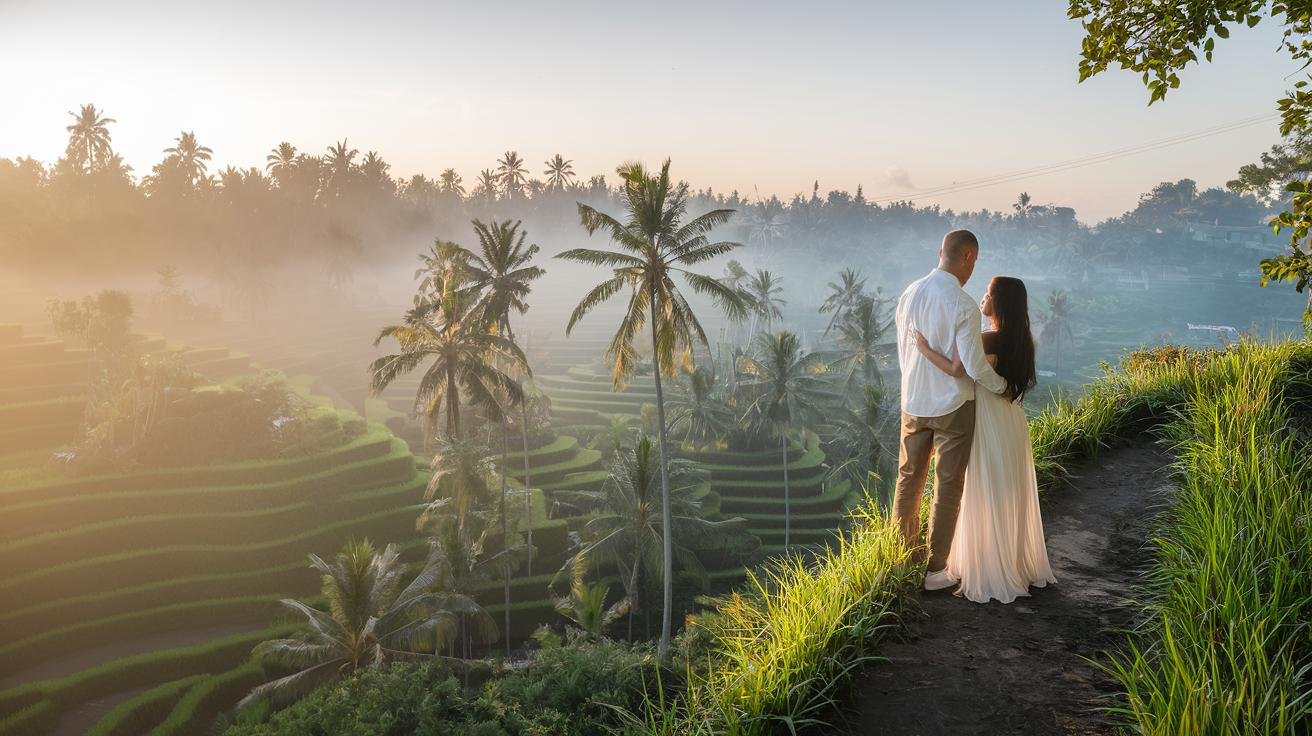
Best Time To Visit Ubud For Perfect Weather
Want perfect weather in Ubud? Think sunlit walks, low humidity, and no sudden downpours.
Ubud really splits into dry months and wet months, so when you go shapes what you’ll do.
For balanced days and the smallest chance of a drenching, aim for April through June.
Afternoons are about 27–30°C (80–86°F) with less rain, the sun feels warm on your shoulders, and the rice terraces (stepped fields that glow emerald at sunrise) are at their freshest.
Picture walks along Campuhan Ridge (a green hill path), outdoor yoga as the air wakes up, and sipping clear-morning coffee on your terrace. Ever dreamed of that?
If you don’t mind a little rain, the wet months bring dramatic storms and lush green everywhere, but they can interrupt outdoor plans.
Pack a light rain jacket, quick-dry clothes, and a hat. Tranquility.
When to Visit Ubud: Seasonal Overview
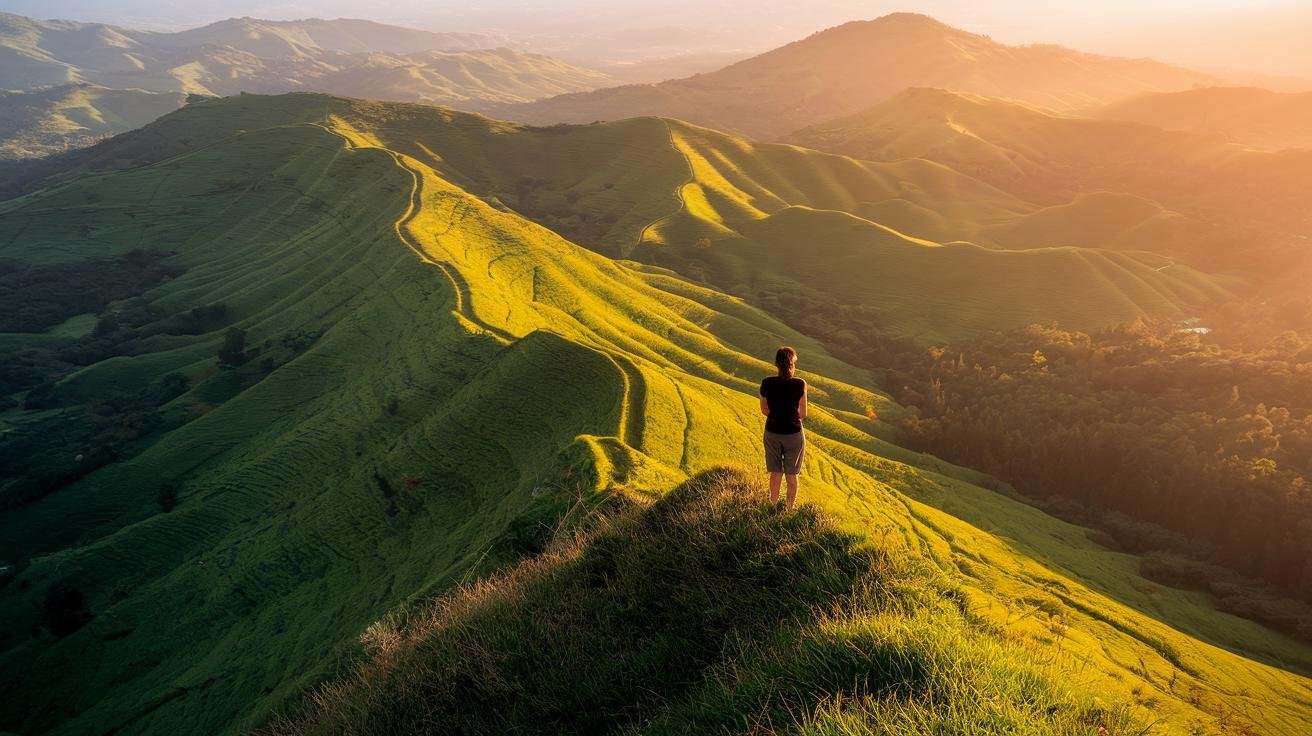
Ubud has two clear seasons, so planning is easy. The dry season runs April to October with warm days around 27–31°C (80–88°F) and low humidity. Think sun on your skin during Campuhan Ridge walks (a green hill path), outdoor yoga, and visits to temples. Pure bliss.
The wet season runs November to March with heavy rains, roughly 150–300 mm per month, and the landscape turns dramatic and lush. Rice terraces (stepped fields that glow emerald at sunrise) feel alive, the air smells of wet earth, and quieter days make spa treatments and indoor workshops extra peaceful.
Quick monthly snapshot: April–June is the sweetest window , lots of sun, lower rainfall, and moderate crowds. July–October stays dry but sees more visitors and fuller hotels. November–March brings frequent showers that refresh the scenery and calm the pace for a quieter stay.
Want perfect weather? Aim for April–June.
Want quieter temples and dramatic green views? Pick the wet months.
Either way, your choice comes down to sun-filled walks or slow, rain-kissed mornings.
| Season & Months | Avg Rainfall (mm) | Avg Temp (°C) | Crowd Level | Highlights |
|---|---|---|---|---|
| Early Dry Apr–Jun | 40–60 | 27–30 | Moderate | Campuhan Ridge walks (green hill path), outdoor yoga, clear skies |
| Peak Dry Jul–Oct | 50–80 | 28–31 | High | Festivals, open-air dining, long sunny days |
| Wet Nov–Mar | 150–300 | 27–30 | Low | Spa treatments, cooking and batik workshops, lush rice terraces (stepped fields) |
Ubud Dry Season Months: April to October Outdoor Highlights

April through October is Ubud’s dry season, and it’s the most predictable time for outdoor plans. Rainfall drops to about 40 to 80 mm per month (roughly 1.6 to 3.1 inches), with the lowest rains from April through June. Daytime temperatures sit around 27 to 31 °C (about 81 to 88 °F). Expect 8 to 10 hours of sunshine most days and noticeably lower humidity.
| Metric | Typical Dry-Season Range |
|---|---|
| Rainfall | 40–80 mm per month (about 1.6–3.1 in) |
| Daytime temperature | 27–31 °C (81–88 °F) |
| Sunshine | 8–10 hours/day |
| Humidity | Low |
Crowds start to build in May and peak in July and August, so villas and hotels fill up and rates rise. We recommend reserving your exact villa or a pool-facing room a few months ahead if you’re traveling in July or August.
Dry-season highlights
- Floating breakfasts, gentle mornings with a private pool tray drifting by, papaya-scented air and soft light. Ever dreamed of breakfast floating by your bedroom door? Your private chef awaits.
- Jungle treks, guided walks through shaded trails where the forest feels cool and private. You might pass rice terraces (stepped fields that glow emerald at sunrise) and hidden temples.
- Sunset cocktails, late-afternoon drinks by the pool as the sky warms into color. Pure bliss.
Ubud Wet Season Impact: November to March Relaxation Options
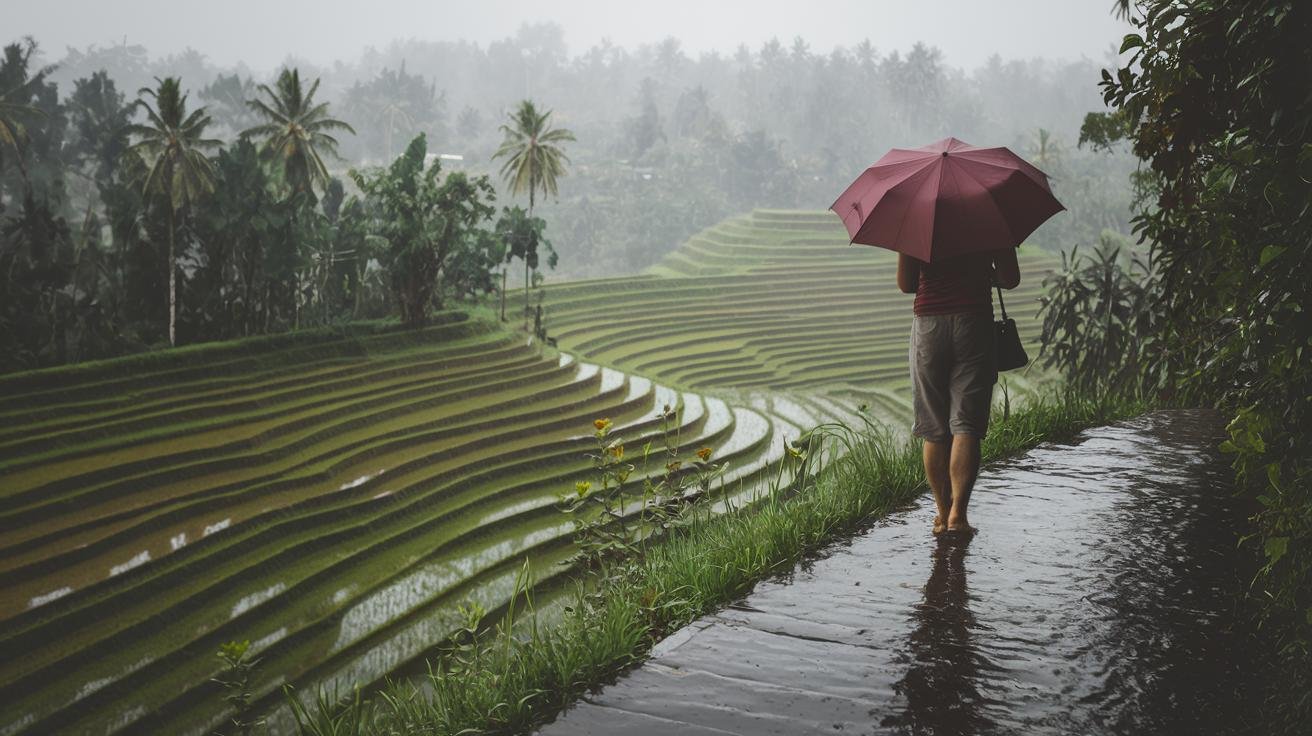
Ubud’s rainy season runs from November to March. Monthly rainfall often climbs to 150 to 300 mm and humidity can reach about 85 percent. Skies gray out more often and heavy downpours arrive in short, intense bursts. Streets slow when the rain comes, but village paths and many temple courtyards stay welcoming and strangely peaceful.
Fewer visitors means quieter temples and nearly empty trails at dawn. You’ll find better room availability and villas may be easier to book, sometimes at lower rates. Service feels more personal when places aren’t crowded. Traffic can be slower on wet days, so give yourself extra time for transfers or pick activities close to where you’re staying.
This is prime season for slow, indoor pleasures. Long spa sessions at places like Dirasha Wellness feel extra indulgent. Try a hands-on Balinese cooking class or a batik workshop and walk away with a colorful keepsake. Evenings are cozy, dining under a roof while rain taps the leaves, or watching rice terraces (stepped fields that glow emerald at sunrise) steam in the warm rain. Pure calm.
A few practical tips: pack a light waterproof jacket, quick-dry clothes, and sturdy sandals you don’t mind getting a little muddy. Keep plans flexible and book popular indoor experiences ahead so you’re not left waiting for a spot. Think of planning like choosing a date on a calendar, click, confirm, and your retreat is set.
If you’re weighing the best time to visit Ubud, remember the wet months trade consistent sun for lush scenery and quieter streets. Want bright blue skies every day? Visit in the dry season. Prefer relaxed, rain-kissed mornings and a slower pace? Come now. Ever dreamed of breakfast floating by your bedroom door? This might be the season for that.
Best Time To Visit Ubud For Perfect Weather
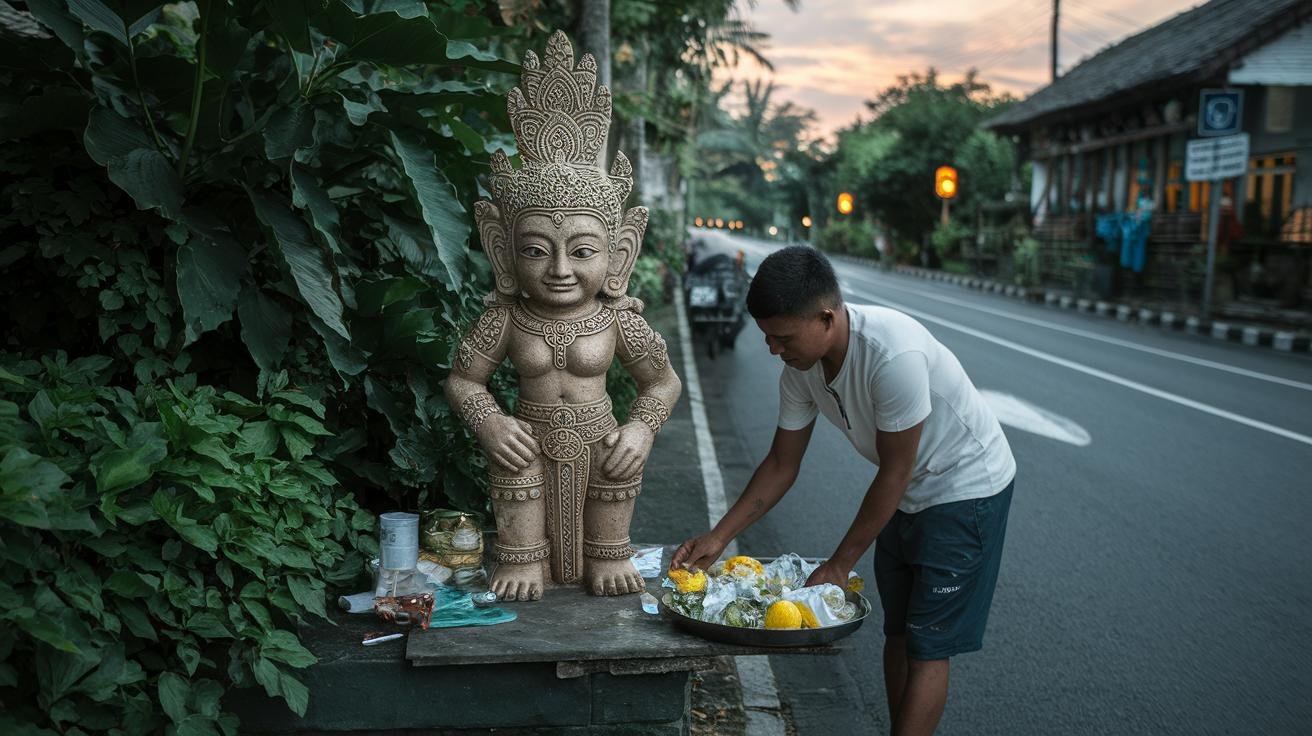
Festivals and ceremonies set Ubud’s pace, so when you visit can turn a quiet stay into something electric or make a lively trip feel intimate. If you’re thinking about weather and local culture, note that the biggest events usually fall in the dry months – clear skies, warm nights, and outdoor stages come alive.
Most magic happens at the village level: temple ceremonies (small rituals at neighborhood temples), gamelan music (traditional Balinese orchestra), and street processions. A few larger festivals pull people from across the island and beyond. Want fewer crowds? Pick dates outside the main festival weeks. Want color and energy? Plan to be here for one of the big events.
- Nyepi Day (March) – 24 hours of island-wide silence with Ogoh-Ogoh parades the night before. Ogoh-Ogoh are giant paper-mache monsters. The streets empty and the island rests. It’s a rare, very local experience.
- Bali Spirit Festival (May) – Six days of yoga, meditation, and wellness workshops. Expect full classes, outdoor stages, and a friendly international crowd.
- Ubud Village Jazz Festival (Aug 1-2, 2025) – Two days of jazz on open-air stages. Local talent mixes with international acts, with tapas-style stalls and late-night sets.
- Ubud Writers & Readers Festival (Oct 29-Nov 2) – Panels, performances, and intimate talks across town. Book early if you want specific sessions.
- Year-round temple performances – Legong and Barong dances, plus the Ramayana Ballet. Tickets usually around IDR 100,000 (about US$7) and they’re perfect for a warm evening under the lights.
Festival weeks push up hotel rates and crowds, especially in May, late August, and late October. If you want the best of clear weather plus local color, aim for the early dry months and reserve ahead. Think of booking like choosing a date on a calendar – click, confirm, and your tropical retreat is set.
Booking Strategies & Budget Tips for the Best Time to Visit Ubud

Plan around Ubud’s rate trends and you’ll keep more money for sunsets and spa time. In the dry season villa rates rise 30 to 50 percent in July and August, so if you’re headed here for peak months, book early to get the best picks and pool-facing rooms. Imagine waking to the soft murmur of your private pool as the sun warms the terrace.
For a sweet spot with fewer crowds, try April to June. Reserve about 3 to 4 months ahead to lock in choice villas. Aim for at least 4 to 5 days so you can visit temples, take a rice-terrace walk (stepped fields that glow emerald at sunrise), and enjoy a slow spa morning without rushing. Pure bliss.
If your dates are flexible, the wet season can save you real money. From November to March discounts can reach up to 20 percent and last-minute bargains pop up. Midweek arrivals often score better rates. Ask about longer-stay perks and you might get an upgraded room or villa credit. Peek at last minute ubud villa deals when your dates are loose, you could luck into something lovely.
Small, polite requests at booking time tend to work when places aren’t full. Asking for airport pickup, an extra breakfast, or a late checkout is worth a try. Ever dreamed of breakfast floating by your bedroom door? Ask, sometimes it’s easier than you think.
Pack light and smart. Bring lightweight linen shirts or dresses and comfy sandals. Carry a small waterproof layer for sudden showers. Think sensory: the warm scent of coconut oil, the gentle rustle of palm leaves as you step out.
Carry some cash for market stalls and temple offerings, and keep a card for bigger bills. Dress modestly at temples (sarong and sash are wrap garments for modesty and are often available to borrow at many sites). Factor in short transfer times when you plan each day so you don’t end up paying more for last-minute rides.
Final Words
We jumped straight into Ubud’s seasons: the dry months for sun-soaked Campuhan Ridge walks, the wet months for lush green calm and cozy indoor treats, plus a simple table to compare rainfall, temps, crowds, and highlights.
You’ll find festival dates and smart booking tips, reserve 3–4 months for April–June or snag off-season savings in November–March. Pack light rain gear and comfy sandals.
If you want the clearest skies and milder crowds, April–June often stands out as the best time to visit ubud. Pure bliss.
FAQ
Frequently Asked Questions
What is the best time to visit Ubud and its rice fields, including for families and fewer crowds?
Early dry season — April through June. You’ll get warm, mostly dry days with moderate crowds, good for families and seeing the rice terraces at sunrise.
When is the worst time to travel to Bali and is it rainy season in Ubud?
The worst time is the wet season, November through March. Ubud experiences heavier rain, high humidity and occasional floods then, though temples are quieter and indoor spa days are pleasant.
How is Ubud weather by month, and what is it like in October?
Ubud has a dry season April–October (about 27–31°C and 8–10 sunshine hours) and a wet season November–March with more rain. October is late dry season: warm days with lower rain risk.
How many days in Ubud is enough?
Four to five days is enough to visit the rice terraces, see a temple, enjoy a spa treatment, and walk the Campuhan Ridge.
When is the best time to visit Bali and Vietnam?
Bali: best in the dry season, April–October. Vietnam varies by region — North: Sept–Nov or Feb–Apr; Central: Feb–Aug; South: Nov–Apr.