How To Find Hidden Beaches In Bali Bliss
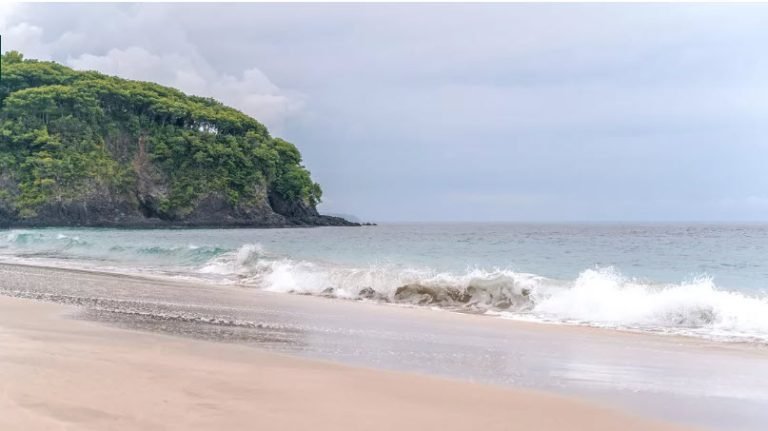
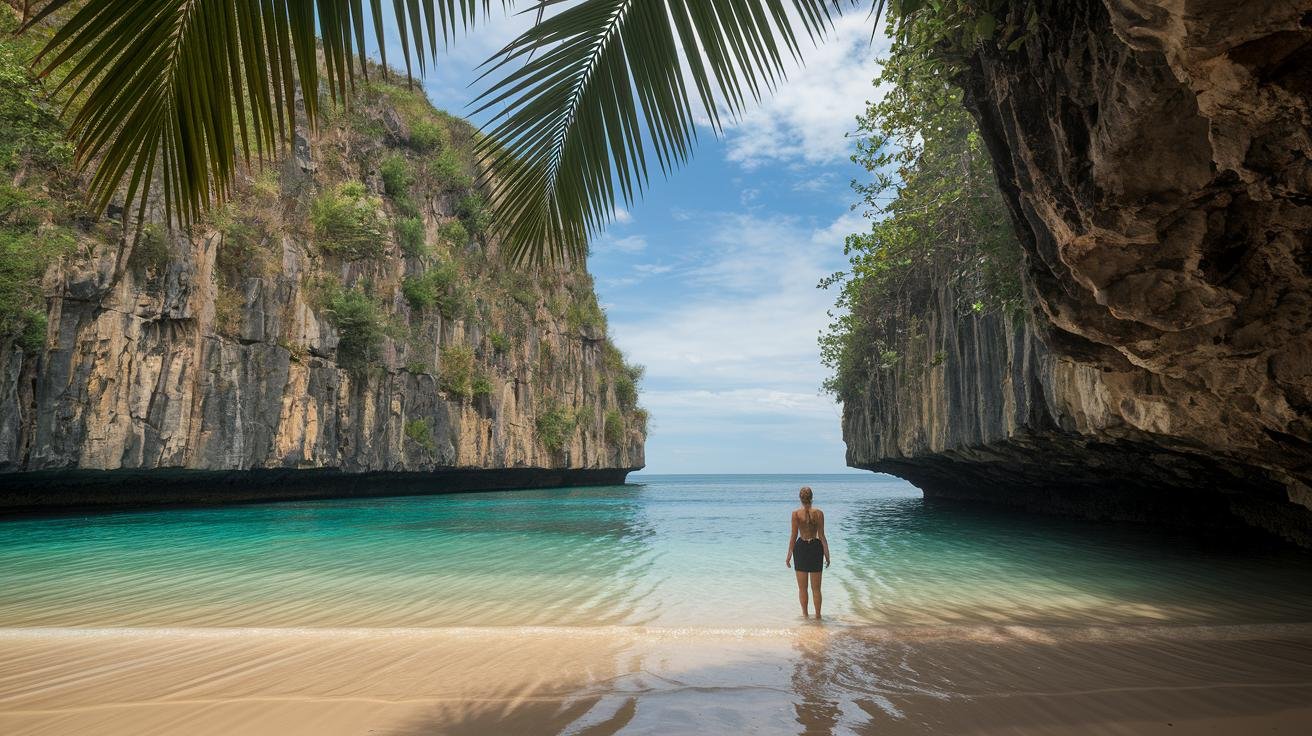
Want a Bali beach where the only footprints are yours? Ever dreamed of slipping down to a hidden white-sand cove or a dramatic black-sand bay tucked beneath cliffs and past rice terraces (stepped fields that glow emerald at sunrise)?
Most travelers stick to the popular surf spots, so these quieter beaches stay mostly to themselves. You’ll often hear the soft murmur of the sea before you see the sand. Pure bliss.
This guide shows how to reach them by a reliable scooter (motorbike) or a short boat ride, when to time your visit for glassy water, and what to pack for comfort and safety, reef shoes (water shoes that protect your feet) included. Think of timing like catching the calmest moment of morning. Click a route, go slow, and you’re there.
You’ll get practical routes, simple tide tips, and easy precautions so quiet mornings on near-empty shores feel effortless. Tranquility. Ready?
How To Find Hidden Beaches In Bali Bliss
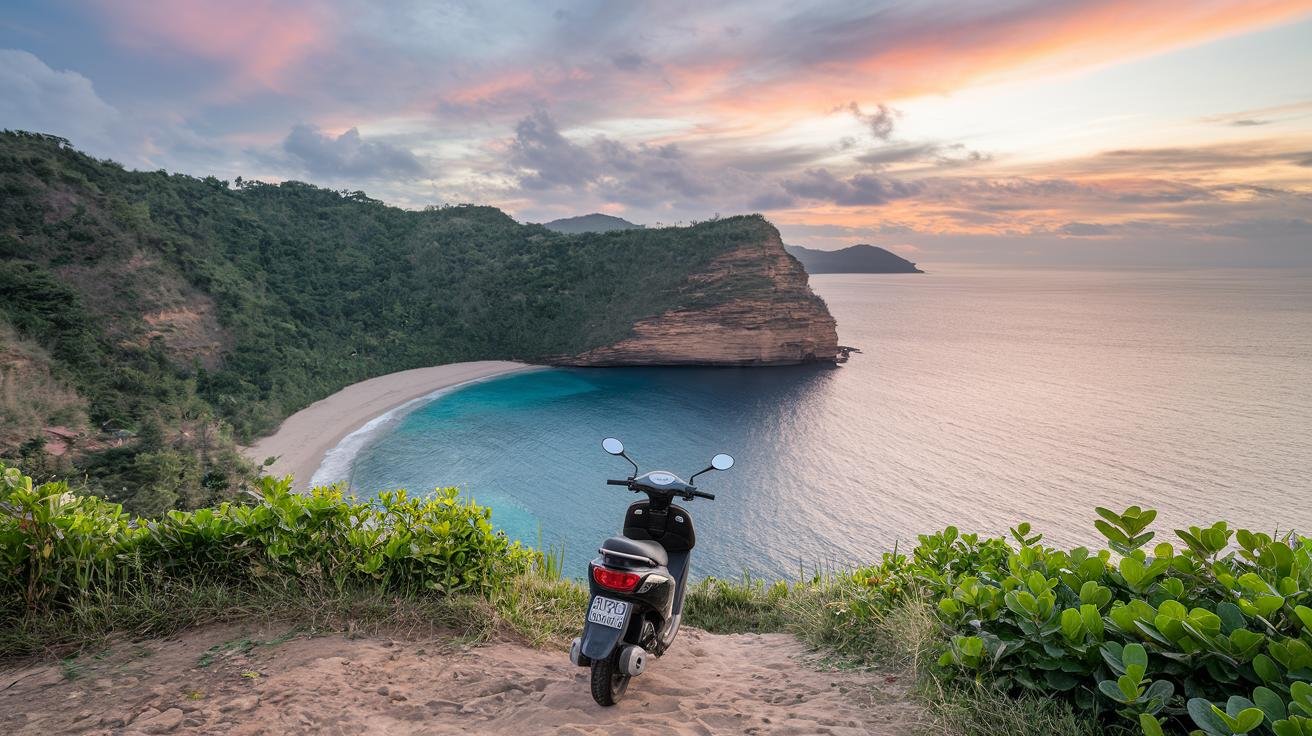
For travelers chasing quiet shorelines, Bali hides tiny white-sand coves, dramatic black-sand bays, and reef-fed snorkel spots with calm, clear water and almost no services. Many of these sit below cliffs or past rice terraces (stepped fields that glow emerald at sunrise), so a bit of planning goes a long way.
- Transport: Rent a reliable scooter and a good helmet, or book a short boat transfer. Park near the trailhead, lock your things, and bring a small flashlight for the walk down.
- Timing: Visit at low tide or early morning for glassy water and soft light. You’ll often have the beach to yourself. Ever wanted a place like that?
- Key gear: Sunblock, a wide-brim hat, plenty of water, sturdy footwear, and a dry bag (waterproof pouch for your phone and snacks). Snorkel gear helps if you want to explore the reef.
- Safety: Check tide charts, tell someone your route, and watch for slippery steps and loose rocks. If the surf looks strong, choose another cove.
- Money & snacks: Carry small cash, easy snacks, and a basic first-aid kit. Cell service can be spotty, so plan accordingly.
Pure bliss.
See Planning Visits for scooter routes, coastal trail notes and tide tips.
Hidden Beaches in Bali: Region Overview Table
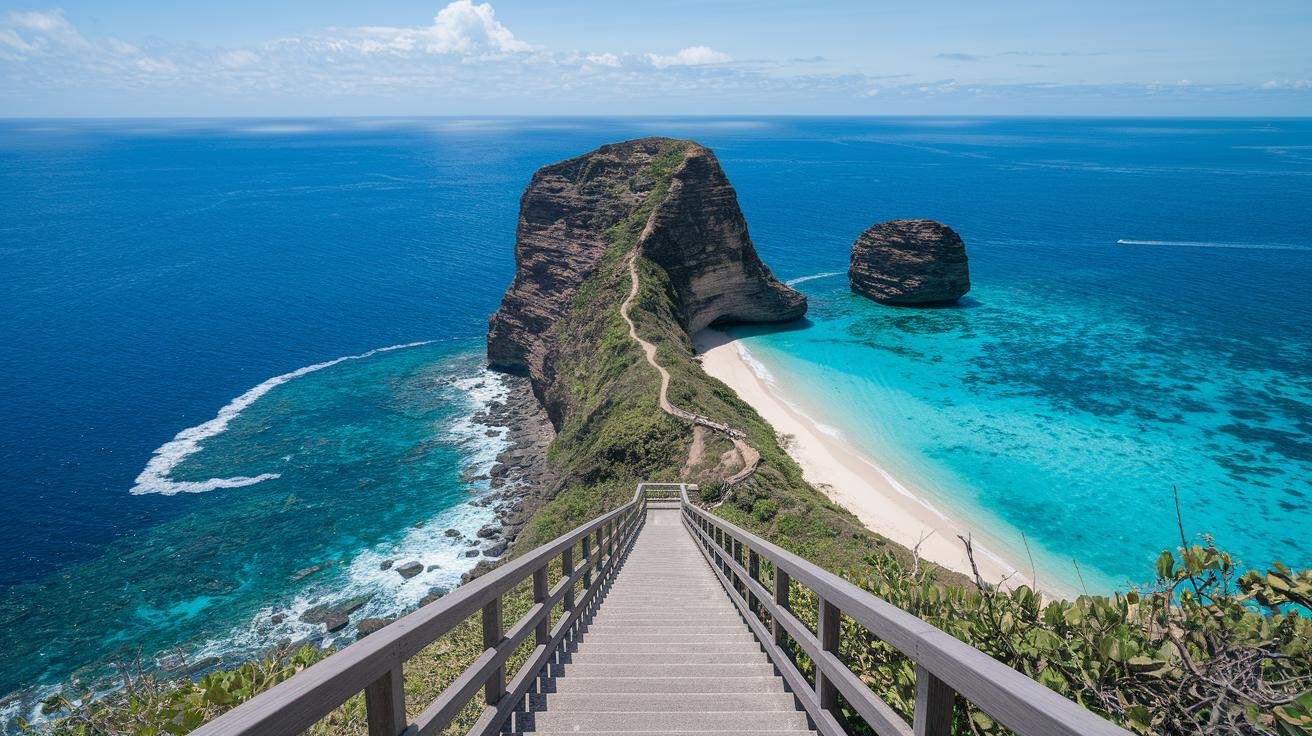
Here’s a quick, friendly guide to Bali’s hidden beaches, perfect for planning quiet mornings, snorkeling, or cliff-top photos. Imagine soft morning light, the gentle murmur of waves, and almost no one around. Pick by how much walking you want and whether you need nearby facilities.
| Beach Name | Region | GPS Coordinates | Access Difficulty | Best Time |
|---|---|---|---|---|
| Diamond Beach | Nusa Penida (island southeast of Bali) | 8.6735° S, 115.5240° E | Steep staircase down to a sheltered cove – challenging climb back up | Early morning at low tide for calm water and soft light |
| Atuh Beach | Nusa Penida (island southeast of Bali) | 8.7270° S, 115.5420° E | Moderately steep trail with some loose rock underfoot | Sunrise for soft light and fewer people |
| Bias Tugel Beach | Padang Bai (northeast Bali, small harbor town) | 8.5510° S, 115.4560° E | Short but uneven rocky path from the parking area | Mid-morning when currents ease, best for snorkeling |
| Green Bowl Beach | Ungasan (Bukit Peninsula, southern cliffs) | 8.8040° S, 115.0960° E | Over 300 steep steps – physically demanding | Early morning at low tide to explore sea caves |
| Nyang Nyang Beach | Pecatu (Bukit Peninsula) | 8.8125° S, 115.1015° E | Long steep descent or narrow moped track – exposed terrain | Sunrise for dramatic light, surf is best at mid-tide |
| Melasti Beach | Ungasan (Southeast Bukit) | 8.8000° S, 115.1000° E | Road access with short cliff steps – easy to moderate | Late afternoon for warm light and sunset photos |
Choose based on hiking level, tide windows for safety and photos, and whether you want snorkeling, surfing, or a quiet stretch of sand. Think of it like picking a mood for the day. Pure bliss.
Planning Visits to Bali’s Hidden Beaches
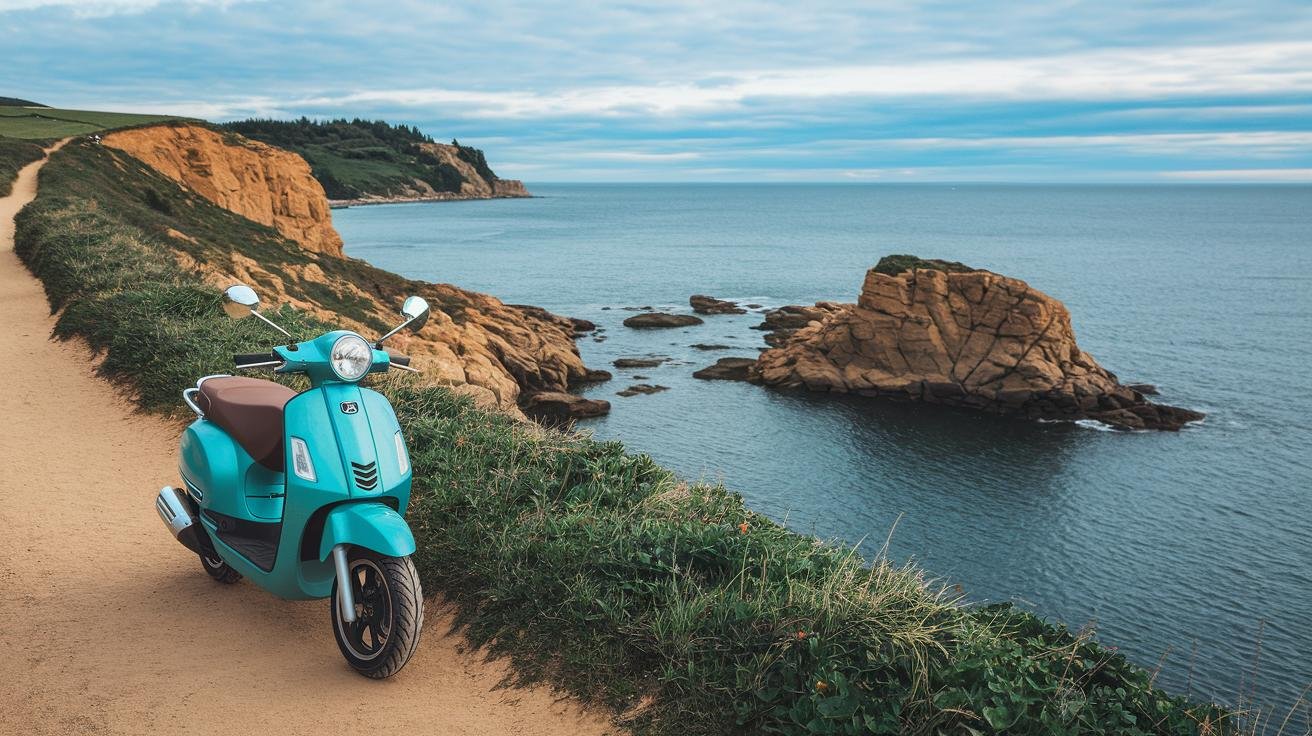
Scooter Routes to Hidden Beaches
Pick a rental with a recent model, a sturdy helmet, and basic insurance. Give the bike a quick once-over, check brakes, lights, and tire pressure, and snap a photo of the rental agreement. Park at cliff-top lots or beside a warung (small roadside café) near trailheads, lock your helmet in the basket or with a cable lock, and stash valuables in a dry bag (waterproof pouch). Coastal lanes mean stunning views and salt air, but some hairpin turns are narrow, so ride steady and keep your headlights on. Ever caught the sunset from a cliff road? Pure bliss.
Coastal Trekking Trails
Trailheads are often marked by a small shrine, a fishing hut, or a row of coconut palms (easy landmarks when GPS drifts). Paths can be a short rocky scramble or a long steep descent with roots and loose stones, so pick a beach that matches your fitness and shoes. Bring water, a headlamp for early starts, and shoes with good grip. Follow worn steps or ribbon markers, and ask a local before cutting across private land. One quick tip: grab a screenshot of the route on an offline map to save you from wandering.
Tide and Timing Tips
Check a tidal app or the local bulletin before you go. Low tide can reveal rock pools at Tegal Wangi (secluded beach known for natural pools), while high tide might wash over the stairs at Yeh Leh (tiny beach with steep access). Sunrise gives glassy water and soft light for photos, and low tide opens snorkeling spots and hidden caves. For remote breaks like Nyang Nyang (remote white-sand beach), talk to fishermen about currents and safe entry points. Match your scooter route, your hike, and the tide schedule, and you’ll spend more time on the sand and less time backtracking.
Essential Safety and Permit Guidelines for Hidden Beaches in Bali
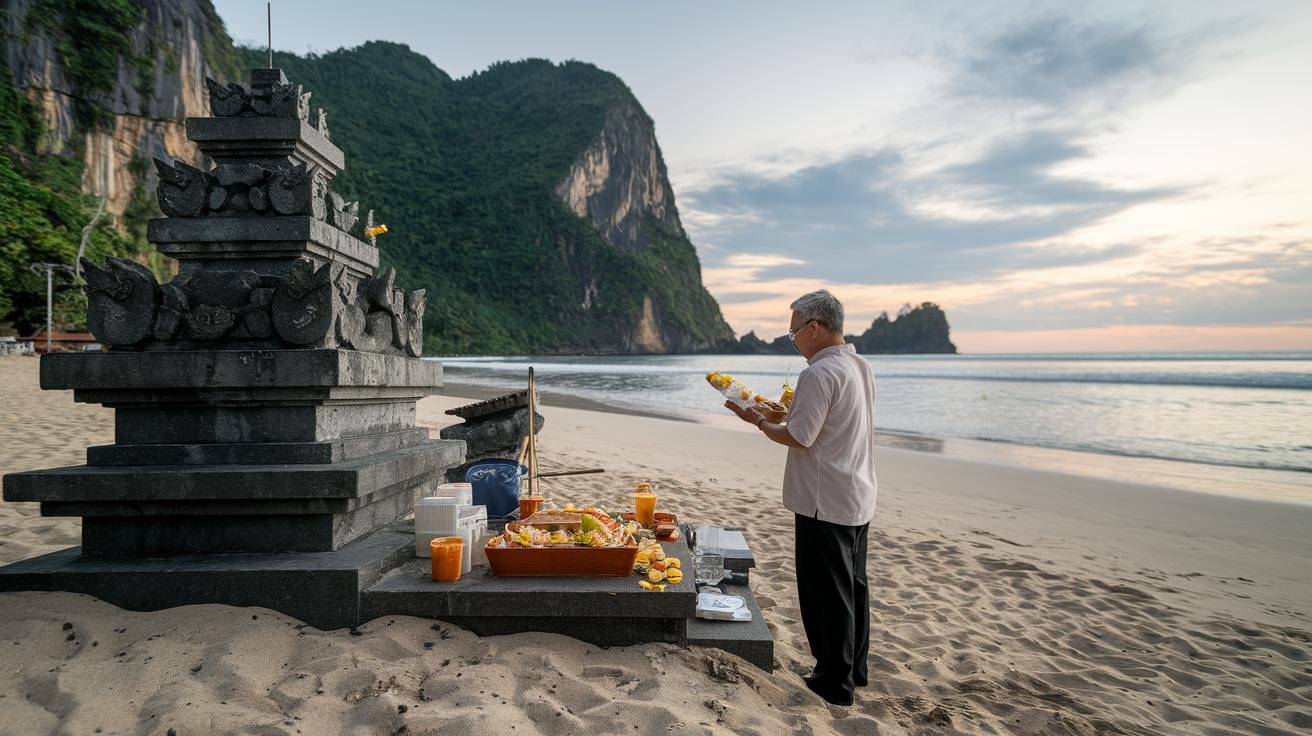
Many of Bali’s most secret coves, like Gunung Payung and Melasti, sit right below temple grounds. Often the shrine spills down to the sand, so if you see a temple gate, stop there first. If a permit is required, ask at the temple entrance or check with a nearby warung (small local café); they often handle simple permits or sarong (wrap) rentals.
A small donation in rupiah (local currency) or a wrapped offering (canang, small woven baskets with flowers) is usually expected. Dress modestly when you pass shrine areas and move with a quiet, respectful pace. The soft scent of incense and distant gamelan (traditional Balinese music) make the moment feel sacred.
When a ceremony is happening, give space, lower your voice, and don’t cross ropes or painted boundaries. If you’re unsure about taking photos, flying a drone, or where you can walk, ask an elder or the temple attendant (caretaker). Quiet curiosity is welcome, just follow their guidance.
Many villages organize beach cleanups. Join one if you can, or at least bring a bag and carry your trash out. Don’t take coral, shells, or offerings (please leave canang where they are).
Use biodegradable wipes and reef-safe sunblock to protect the ocean. Small donations to local groups help keep paths clear and maintain facilities, and they keep these hidden spots open for everyone.
Little gestures matter. A soft step, a small coin, a respectful question, these keep the cove peaceful and shared. Tranquility. Right here.
Spotlight on Three Iconic Hidden Beaches in Bali
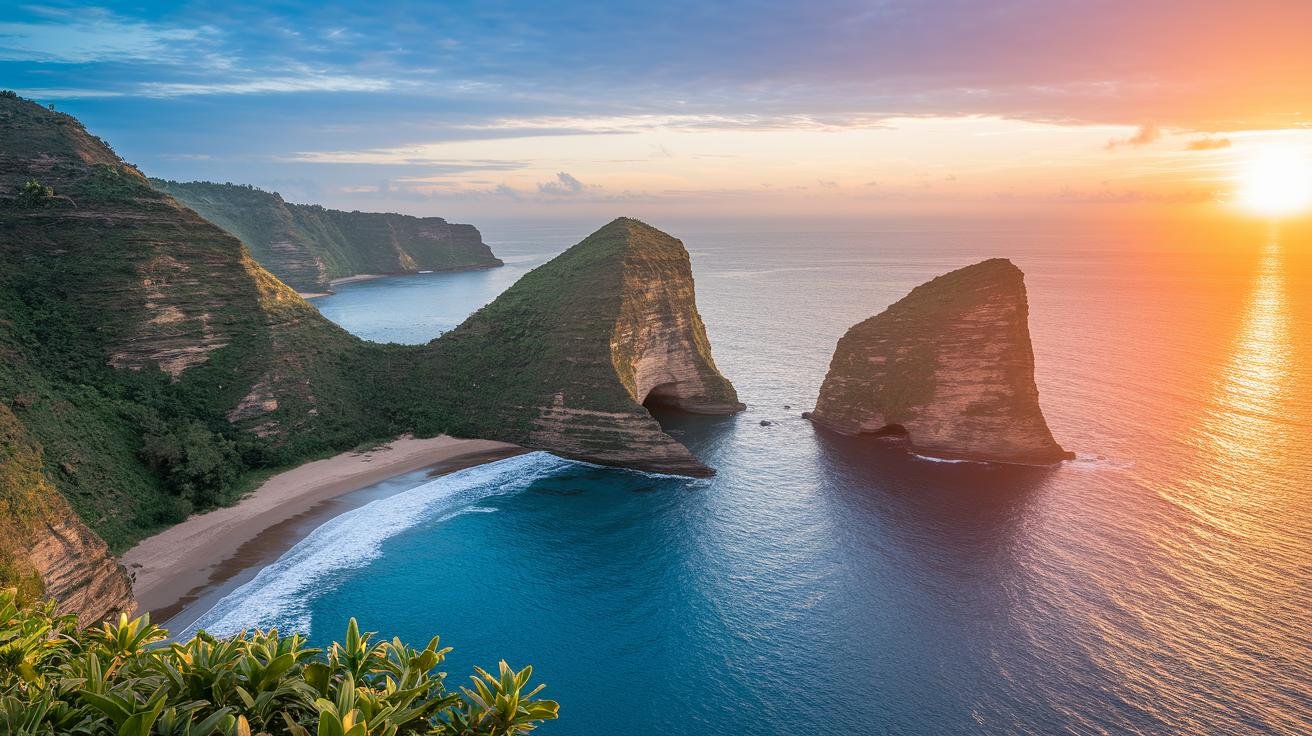
A quick guide to three must-see coves (small sheltered bays) that repay a little effort with dramatic views, quiet sand, and picture-perfect moments. Each beach needs different prep , bring water for Green Bowl’s long stairs, a helmet for the scooter (motorbike) track to Nyang Nyang, and reef shoes (water shoes) for Bias Tugel’s rocky entry. Curious? Let’s get specific.
Nyang Nyang Beach (Pecatu)
Access is a steep, rooty descent or a narrow scooter track that drops from the cliff rim. Wear sturdy shoes and a helmet if you ride down, and keep an eye on gusty winds near the cliff. Ever dreamed of a beach all to yourself? Sunrise from the cliff edge gives you that long, empty shoreline and the colorful shipwreck murals near the high-tide line. Crowds are low early; surfers and small groups trickle in later.
Green Bowl Beach (Ungasan)
You’ll descend about 300 carved steps (roughly) to reach this emerald cove. The southern end hides shaded caves where light peeks like a spotlight onto the sand. Best shots are low to the sand, using cave mouths or the stair line to lead the eye to the water. Very few people arrive at dawn, so you can often have it to yourself. Pure bliss.
Bias Tugel Beach (Padang Bai)
A short, rocky path drops you into a small bay tucked behind the harbor. Frame compositions with the bright white sand and the traditional fishing boats bobbing near shore. Snorkel close to the reef for vivid underwater images , reef shoes help with the rocky entry. It stays quiet except for a few locals and morning snorkelers.
Phone and drone tips
For Nyang Nyang, launch your drone from the cliff for sweeping coastline panoramas, but watch gusts and ask locals about no-fly areas. At Green Bowl, low-light phone shots and a wide-angle lens work best inside the caves, and bring extra batteries because the climb back is tiring. Bias Tugel rewards close-focus reef shots , use a polarizing filter or a snorkel-mounted camera for clearer water images. And be respectful: locals value privacy and calm, so keep noise and disturbance to a minimum.
Packing Checklist for Bali’s Hidden Beach Escapes
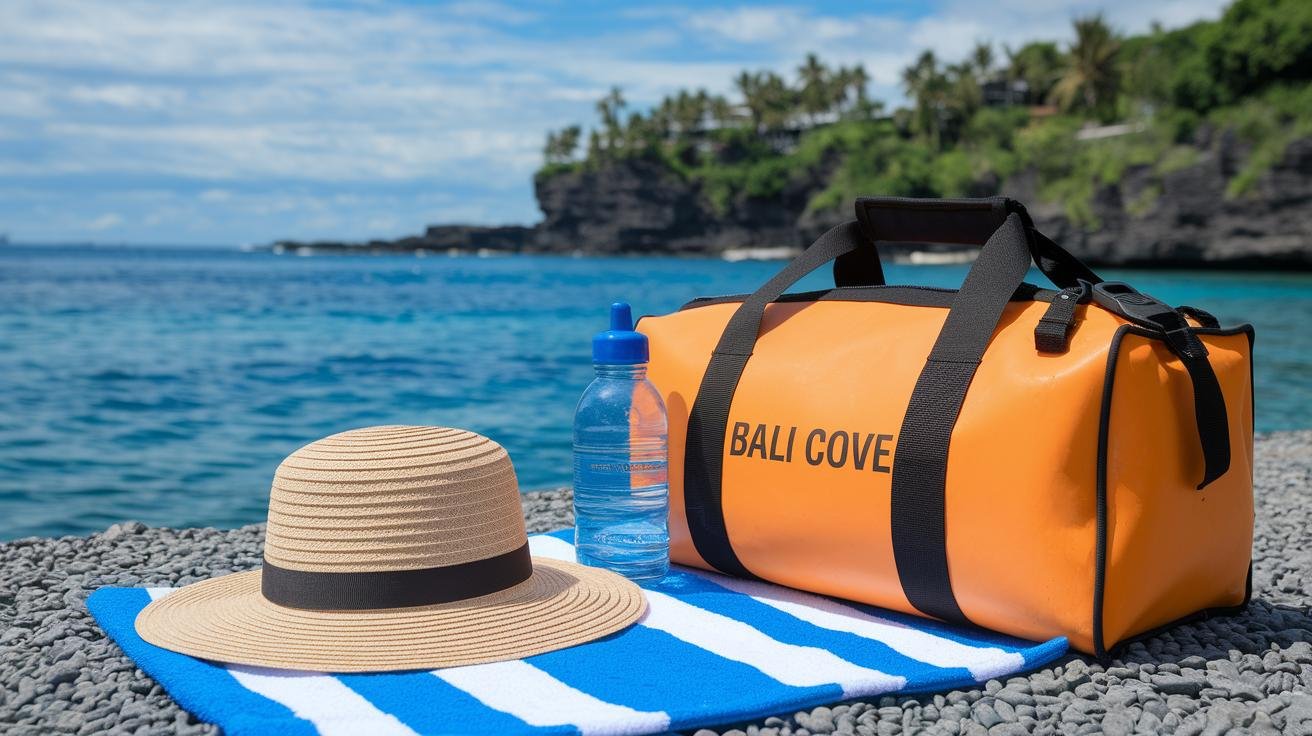
Picture a tucked-away cove, warm sand underfoot, the soft murmur of surf and coconut palms swaying. These spots are magic, but they can be a little rough underfoot and far from shops. Pack smart and you’ll be relaxed, not scrambling.
Wear shoes with good tread or hiking sandals for rocky paths and long stair descents. Bring a dry bag (waterproof pouch for phone and valuables) about 5–10 L so your stuff stays safe if a wave sneaks up. Lightweight quick-dry towels save space and dry fast. Headlamp or small flashlight helps for early starts or evening returns.
A few sun basics: reef-safe sunscreen (SPF 30+), a wide-brim hat, and UPF clothing (sun-protective fabric) to shield your skin while you explore. A snorkel mask is handy for reef-filled coves if you plan to peek under the water.
Hydration and snacks matter out there , carry plenty of drinking water and nonperishable snacks like nuts or energy bars. Small-denomination cash for warung (small local café) will make life easier. Tuck a basic first-aid kit and biodegradable wipes into your daypack, plus zip-lock blister plasters for long hikes. Bring a portable charger (10,000–20,000 mAh recommended) and a tiny zip-lock for spare items so the cove stays as you found it.
Tranquility. Pack like you mean it.
- Shoes with good tread or hiking sandals (grippy sole)
- Dry bag (5–10 L) for phone and valuables
- Lightweight quick-dry towel
- Headlamp or small flashlight for early starts or evening returns
- Reef-safe sunscreen (SPF 30+)
- Wide-brim hat
- UPF clothing (sun-protective fabric)
- Snorkel mask (optional)
- Ample drinking water
- Nonperishable snacks (nuts, energy bars)
- Small-denomination cash for warung (small local café)
- Basic first-aid kit
- Zip-lock blister plasters
- Biodegradable wipes (compost-friendly)
- Portable charger (10,000–20,000 mAh recommended)
- Tiny zip-lock for spare items and trash
Planning visits and safety: For the full checklist, see Packing Checklist for Bali’s Hidden Beach Escapes.
Final Words
Pack a day bag, check tide times, and head out while the light is soft and the sand is quiet.
We walked through scooter routes, coastal trails, timing tips, permits and mindful customs so your visit stays smooth and respectful.
Bring sun protection, sturdy footwear, cash, a dry bag and a simple first-aid kit, and please leave no trace.
For step-by-step planning, see the Planning Visits section, which explains how to find hidden beaches in Bali and what to expect. Pure bliss.
FAQ
Frequently Asked Questions
How to find hidden beaches in Bali on a map?
Start with offline GPS apps and high-resolution satellite screenshots, cross-reference recent photos and local forums or social posts, then plan scooter routes or short hikes to trailheads.
What are the top 5 beaches in Bali?
Top five beaches: Kuta (surf and nightlife), Seminyak (chic sunsets), Diamond Beach — Nusa Penida (dramatic cliffs), Atuh (clear waters), and Nyang Nyang (long quiet sand).
Hidden beach Uluwatu — where should I go?
Near Uluwatu try Green Bowl and Nyang Nyang. Both are reached by steep steps and coastal trails; they’re best visited at dawn for solitude and soft morning light.
Bali beach in which country?
Bali beaches are in Indonesia, an island province east of Java. Nearby islands include Lombok and Nusa Penida; Indonesia’s capital, Jakarta, is on Java.
Where to go in Bali that’s not touristy?
Visit east coast coves, north coast fishing villages, or Nusa Penida early in the morning. Pair those with walks through rice terraces for fewer tourists.
Is it okay to wear red in Bali?
Yes — wearing red is fine. More important is dressing modestly at temples: cover shoulders and knees, follow ceremony signs, and keep bright beachwear for coastal areas.
Is $1000 enough for a week in Bali?
$1000 for a week is usually enough for comfortable guesthouses, meals, scooter hire, and some tours. Luxury villas or frequent flights will raise costs.