Lesser-Known Temples To Visit Near Ubud Worth Visiting
Think Ubud is all crowds and monkey selfies?
There’s a quieter side just beyond town. Small pura (Balinese temples) about 3 to 8 miles away sit tucked along riverbanks, beside rice terraces (stepped fields that glow emerald at sunrise), and down narrow village lanes.
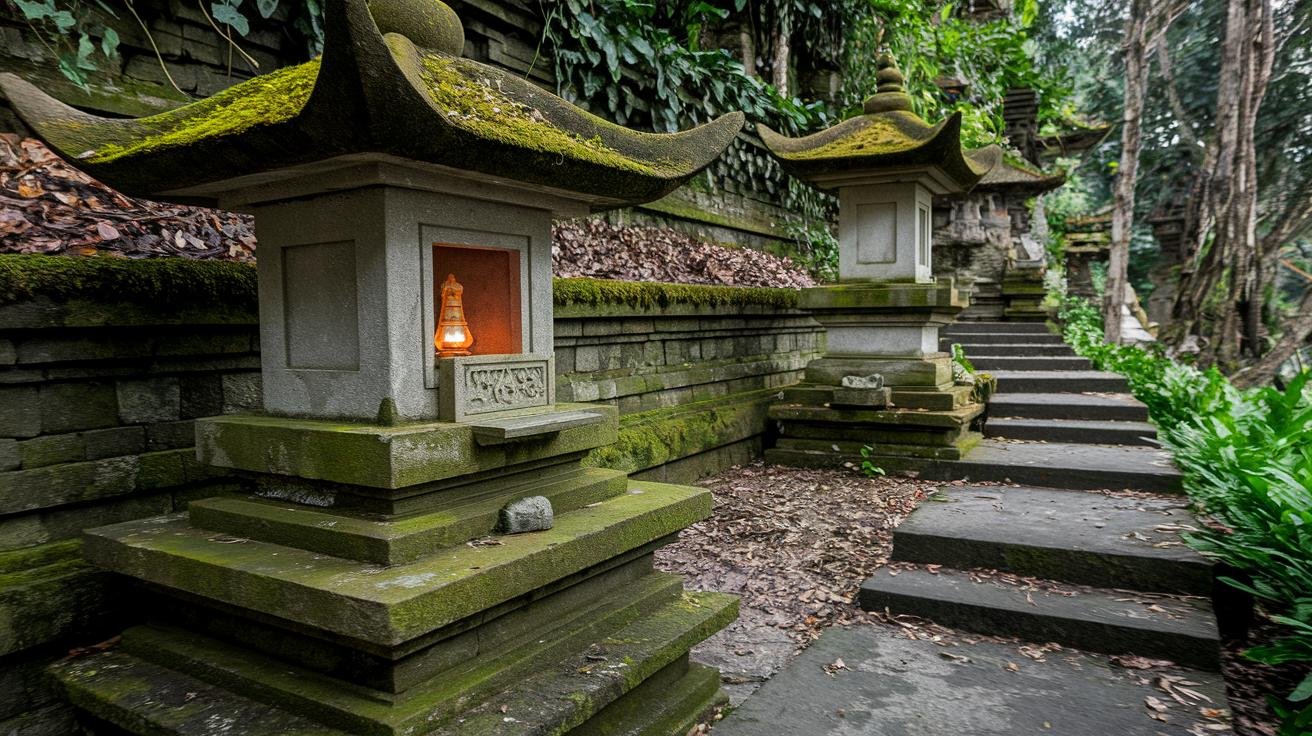
You’ll climb moss-covered stone steps, catch shafts of light through frangipani (fragrant tropical flowers), and hear the soft murmur of morning chants. Come early , those moments feel almost private.
This little guide points you to lesser-known temples near Ubud that reward slow mornings, up-close photos, and an intimate taste of Balinese ritual.
Off-the-Beaten-Path Temple Picks Around Ubud
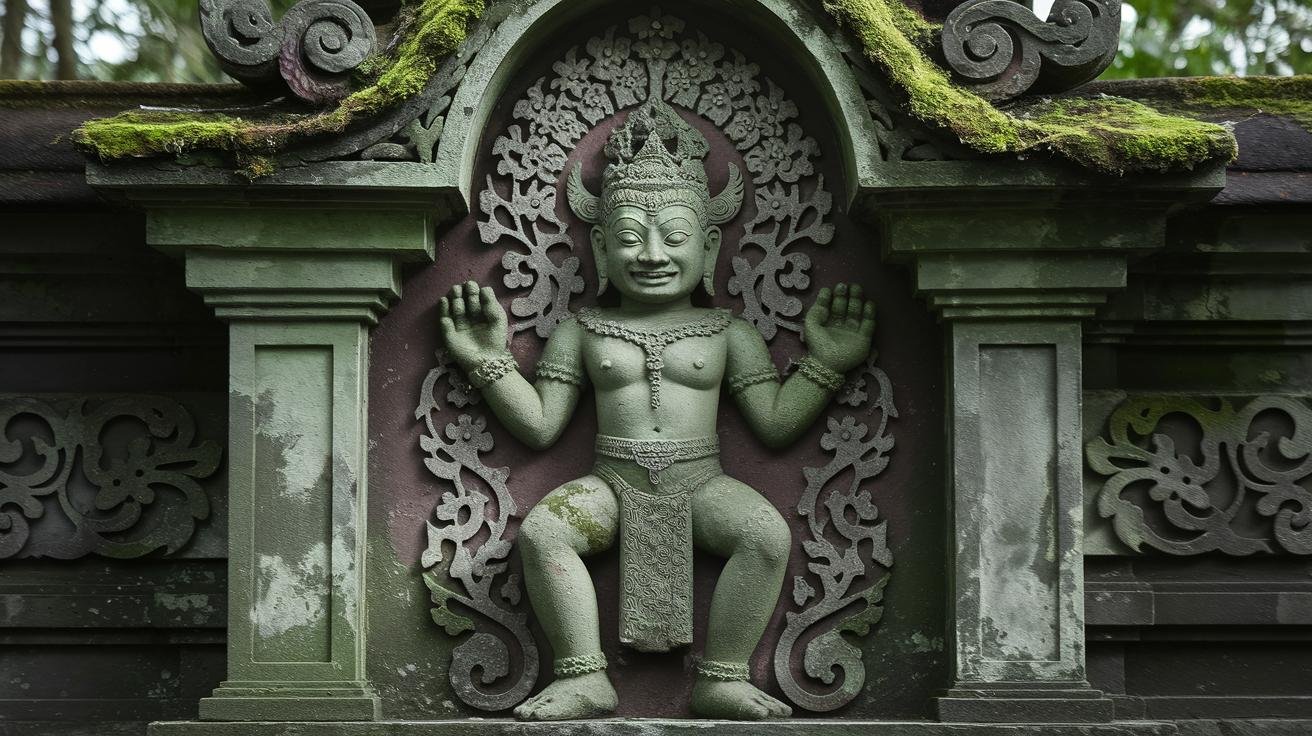
Ubud has a quieter side, full of smaller temples that feel like private discoveries. These off-the-beaten-path sanctuaries (pura, Balinese temples) sit just 5–12 km from the town center, tucked into riverbanks, rice fringes (stepped fields that glow emerald at sunrise), and narrow village lanes. Think mossed stone steps, the soft murmur of ritual chants, and shafts of light through frangipani trees.
- Pura Kebo Edan (pura means Balinese temple) , just outside Ubud, known for its elaborate demon carvings and a towering Bhairava (Shiva’s fierce form) statue. Perfect for close-up photos and slow, myth-led wandering.
- Pura Beji Sebatu , about 12 km north, a spring-fed purification temple with stone spouts and lotus ponds. Early mornings bring cool water mist and soft chanting. Pure calm.
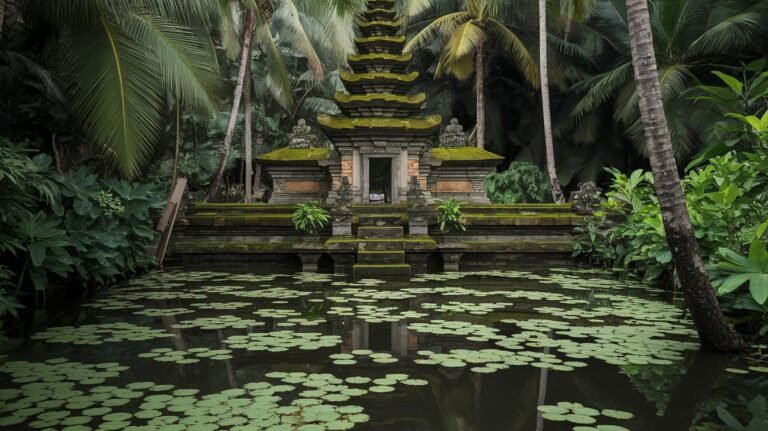
- Gunung Lebah Temple , sitting at the Campuhan Ridge trailhead, this riverside sanctuary honors Dewi Danu (goddess of water). Moss-covered meru towers (multi-tiered shrine) and shaded nooks invite quiet meditation.
- Pura Dalem Penataran , near the Monkey Forest (Ubud’s famous monkey sanctuary), dedicated to Rangda (the fearsome queen of spirits). Intricate guardian statues and carved reliefs offer a raw, honest glimpse into Balinese cosmology.
Staying at a garden resort like Rama Phala puts you within easy reach of each spot, so you can time visits for the quietest hours and come back for a slow lunch under the trees. Ever dreamed of arriving as a single priest begins to chant? That’s the kind of small magic these places offer.
If you want a longer list of hidden sanctuaries, try secret temples in bali , it points to more tucked-away places for a calm, culturally rich day out.
Pura Kebo Edan: Ancient Carvings and Bhairava Idol
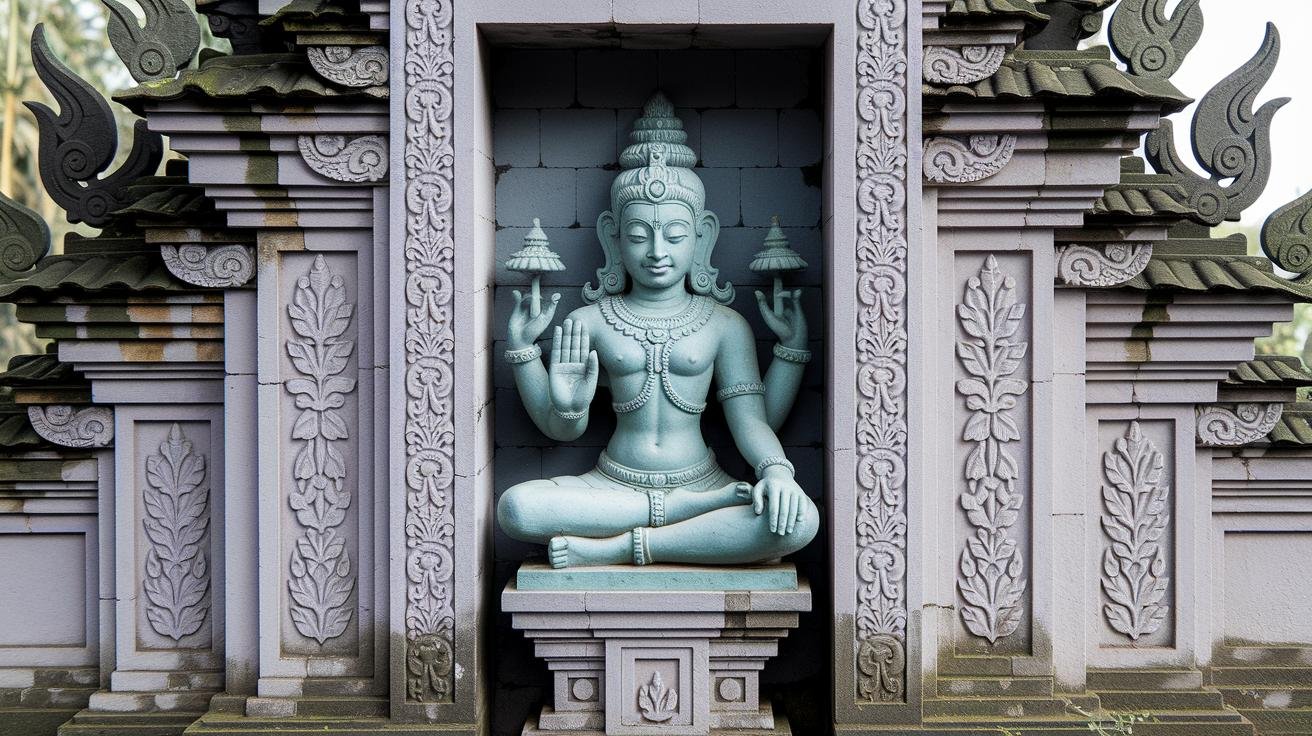
A short ride from Ubud center, Pura Kebo Edan feels like a quiet secret passed down through centuries. The air changes as you walk in, like someone turned the world down a notch.
The temple follows the tri-mandala (three-part courtyard system) with gateways that lead you from public space into more sacred courts. Pause at each threshold. The light softens, the breeze shifts, and you’ll notice tiny details you missed before.
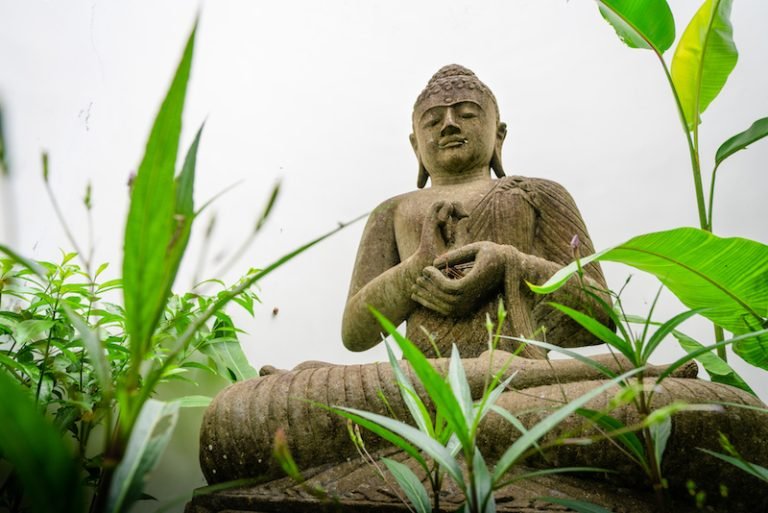
The stonework is full of character. Weathered lava stone (dark, porous rock) holds fine reliefs of demons and mythic scenes. A human-size Bhairava (a fierce form of Shiva) stands carved at eye level and makes you stop. Pure awe.
If you love photos, start wide to capture the gateway, then move in close for texture-rich shots of carved teeth, eyes, and patterned headdresses. Try low light and a steady hand for the best texture.
Visitors often find the mood hushed. Small offerings tuck into crevices, incense curls between courtyards, and soft temple bells thread through the quiet. Plan about 30 to 45 minutes so you can sit on a cool step and just listen.
Ask before photographing people or ceremonies, and wear modest clothing (shoulders and knees covered) out of respect. It’s simple and appreciated.
By the way, if you’re tracing lesser-known temples around Ubud or hunting hidden shrines in Bali’s interior, Pura Kebo Edan rewards curiosity with a calm, myth-rich moment. Ever wanted a little mystery on your walk? Right here.
Pura Beji Sebatu: Spring-Fed Purification Temple
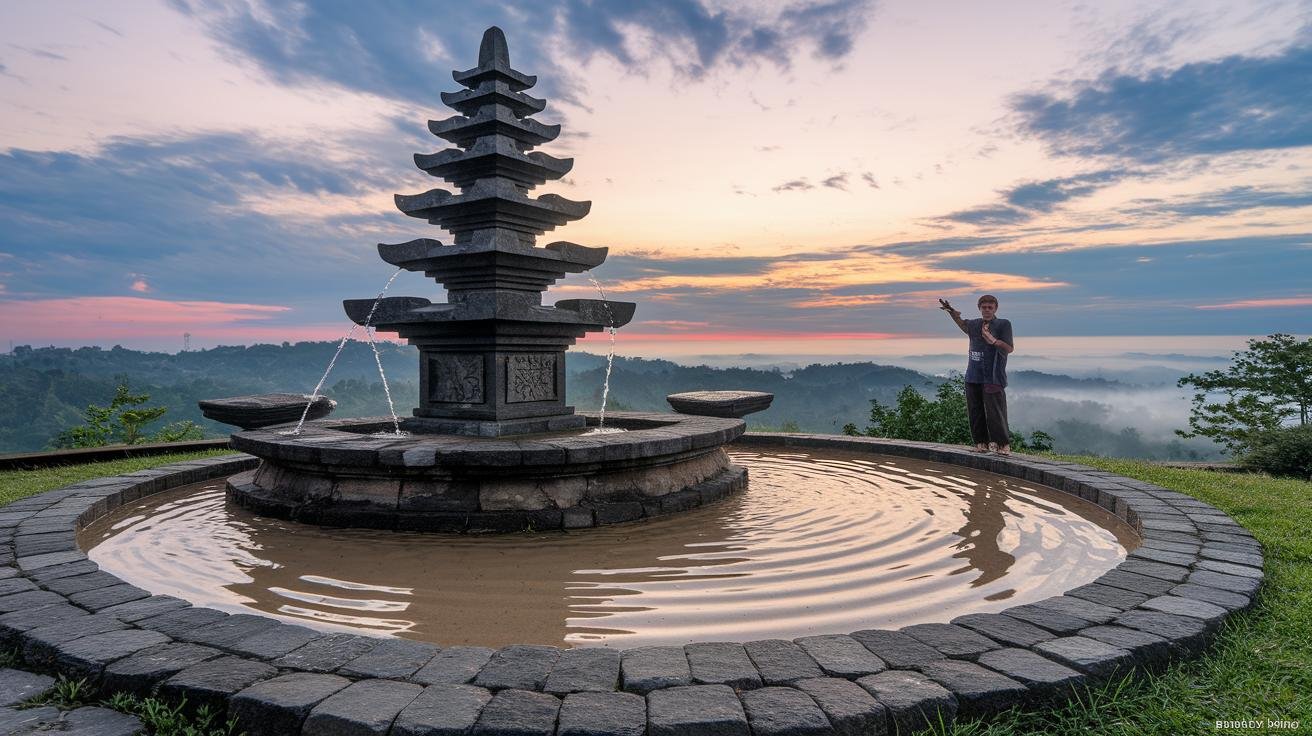
Pura Beji Sebatu sits about 12 km (7.5 miles) north of Ubud in Sebatu village. Pura means temple in Balinese (a sacred place of worship), and this one is a water temple dedicated to the goddess of purification (a local water deity).
The complex is small but layered, built around natural springs that feed carved stone spouts and quiet lotus ponds. Moss-soft stone faces and sandstone reliefs edge the pools, their carvings smoothed by centuries of flowing water. You’ll feel the cool mist, smell the tang of wet stone, and watch lotus leaves ripple when a spout sighs.
The layout draws you in with low walls, narrow paths and little alcoves made for pause. In early mornings local families bring offerings (flowers, incense and small rice baskets) and priests perform cleansing rites, chanting that threads through the palms. Ever wanted to be there when it all begins? Sunrise is the time.
Arrive early to catch those private ceremonies before the tour groups come. That hour holds the clearest light for photos and the softest quiet. Please ask permission before photographing rituals and dress modestly, covering shoulders and knees.
Plan for a 30 to 45 minute visit so you can stand by a spout and listen, or sit on a shaded step and breathe. Pure bliss. By the way, allow a little extra time afterward to wander village lanes and sip tea at a nearby warung (local café).
Gunung Lebah Temple: Riverside Sanctuary of Dewi Danu
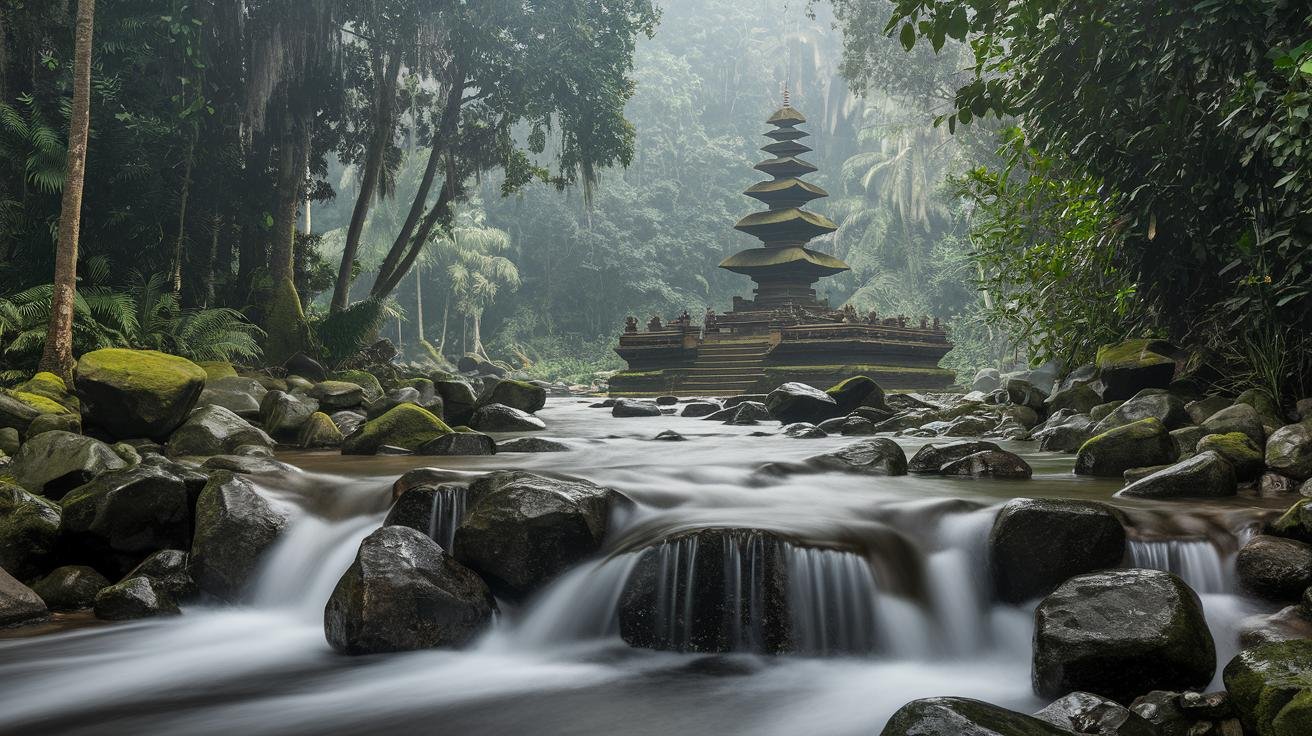
Gunung Lebah Temple sits at the start of the Campuhan Ridge Walk, a riverside sanctuary honoring Dewi Danu (goddess of water). It’s tucked between two riverbanks, where cool air carries a steady river murmur and tiny bird calls. Morning shafts of light thread through frangipani (plumeria) and fig leaves, making the wet stone shimmer.
Moss-covered meru towers (multi-tiered shrine) and a three-tiered pagoda rise from low courtyards. Time-softened carvings of guardians and floral motifs cling to the walls, their edges smoothed by rain and touch. Locals come here for quiet meditation. It’s common to find someone seated on a step, chanting in a low, steady voice.
Start your Campuhan Ridge Walk here for a calm beginning. Let the river’s rhythm set your pace as you step from courtyard to path. Imagine feet on cool stone and the gentle rush of water at your side.
Plan on 30 to 45 minutes so you can drift between courtyards, pause at the river’s edge, and photograph textures. Wide shots are great to capture the pagoda and river together. Close-ups bring out moss and carved relief details. By the way, always ask before photographing people or ceremonies.
Dress modestly (cover shoulders and knees) and leave shoes at the entrance. Often overlooked by travelers, Gunung Lebah feels like a small, honest pause. Sit on a stone, breathe with the river, and notice how the temple’s architecture and nature move together. Pure calm.
Pura Dalem Penataran: Embracing Bali’s Dark Mythology
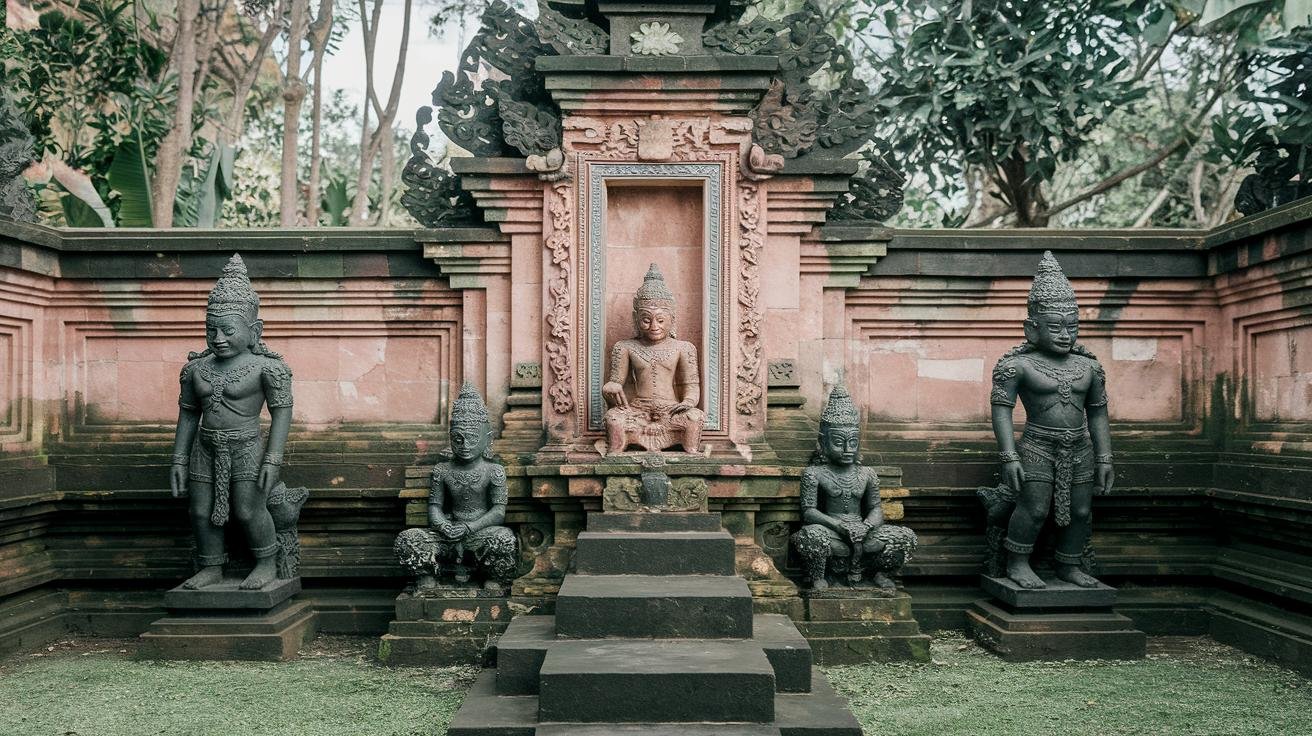
Pura Dalem Penataran sits a short stroll from the Monkey Forest (the sacred macaque sanctuary in Ubud) and feels like one of those quiet temples where ritual still lands raw and close. Walk in and you sense a different side of Balinese belief, one that faces the wild and the mysterious, centered on Rangda (the fearsome queen of spirits).
Guardian statues crouch at the gate, their worn teeth and bulging eyes catching slivers of sunlight. The stone reliefs along the walls show mythic clashes, fighters, demons, and swirling figures, each panel reading like an old storybook carved in stone. In the main courtyard you’ll find stone altars used in yearly exorcism rites, when masks, drums, and smoke make the place hum with energy.
Locals still bring offerings and priests follow the village calendar, so if timing is right you might witness a ceremony. Quiet observation is the kindest way to be present. Ask before you photograph, keep shoulders and knees covered, and leave shoes at the threshold.
By the way, some people call it Pura Dalem Agung Padangtegal, which points to its role beside the Monkey Forest community. Spend 30 to 45 minutes wandering the courtyards and let the carvings do the talking. Ever felt a chill at a sudden chant? That’s the temple reaching out.
Practical Planning Tips for Visiting Lesser-Known Temples
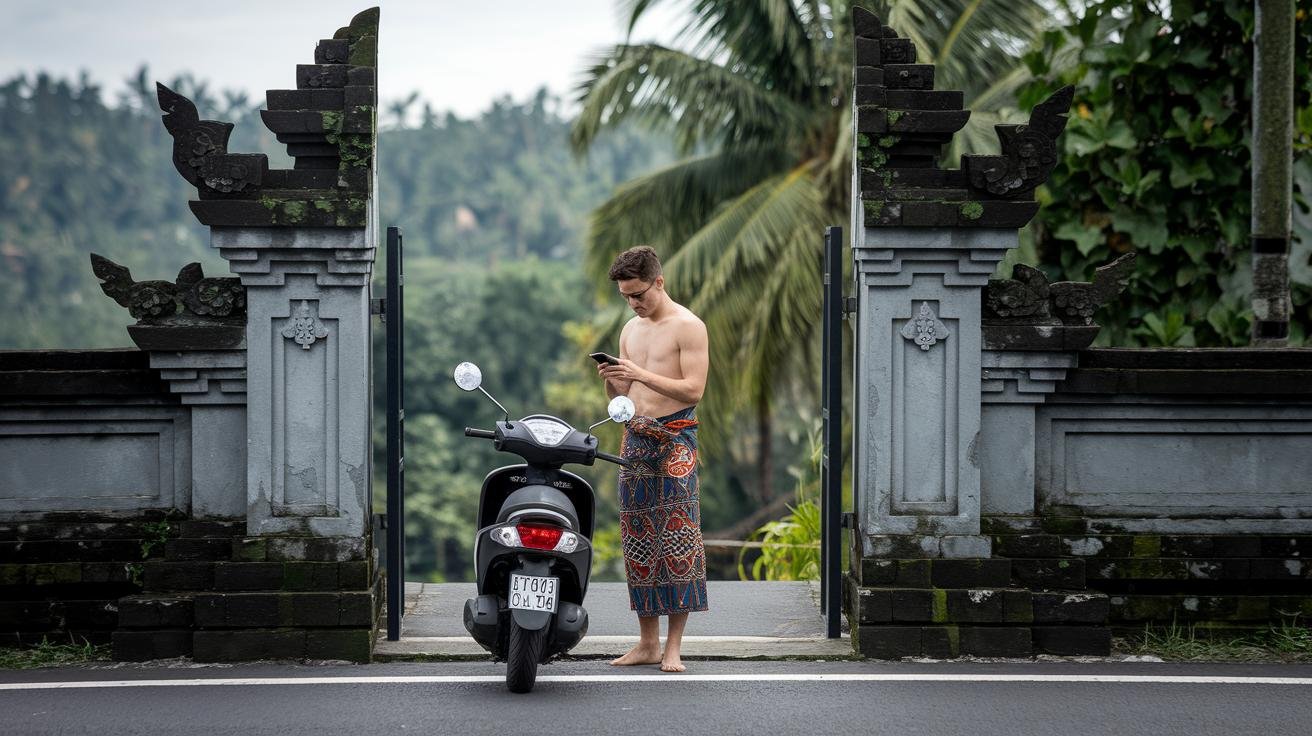
Aim to arrive between 7 AM and 9 AM for the quietest light and the fewest people. Mornings bring cooler air, the soft scent of incense, and gentle chants. Plan on 30-45 minute visits at each site and take short stops instead of racing through everything.
Dress respectfully: wear a sarong (waist wrap) and sash (waist cloth), and keep shoulders and knees covered. Leave shoes at the entrance. Donations are usually 10,000-20,000 IDR, so keep small bills and coins handy.
Speak softly, avoid loud gestures, and don’t point at sacred objects. Ask permission before photographing people or ceremonies , a warm smile goes a long way. If a priest or elder approaches, step back and simply follow their lead. A quiet nod often says it all.
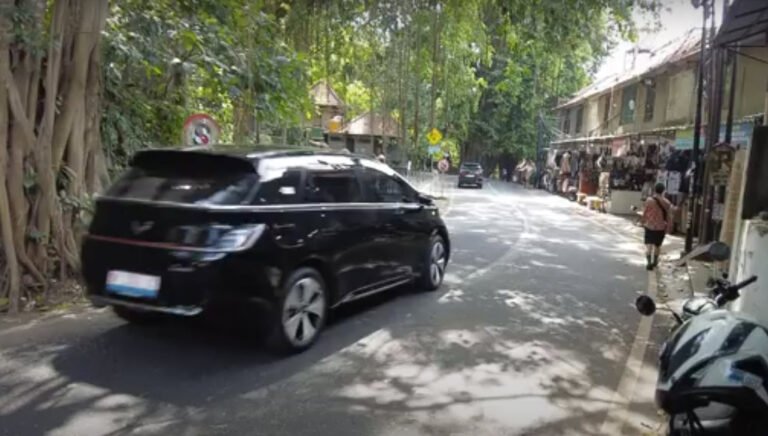
Most temples are scooter-friendly, so motorbike GPS routes are common. Pins can be off by a few hundred meters, though, so download offline maps and save photos of gateway entrances as landmarks. Plot your return route before dusk and carry a small flashlight if you might ride after dark. Safety first.
Pack a refillable water bottle, light sunscreen, and insect repellent. Nearby warungs (small local eateries) are usually within 1-2 km for snacks and cool drinks. Try the best warungs near ubud for peaceful stops by water temples. Talk with locals if you’re unsure , they’ll often point you to a quieter shrine or hidden path.
Slow down. Sit on a stone step, feel the warm sun on the rocks, breathe, and let the place speak. Tranquility.
Four-Temple Half-Day Itinerary from Ubud Center
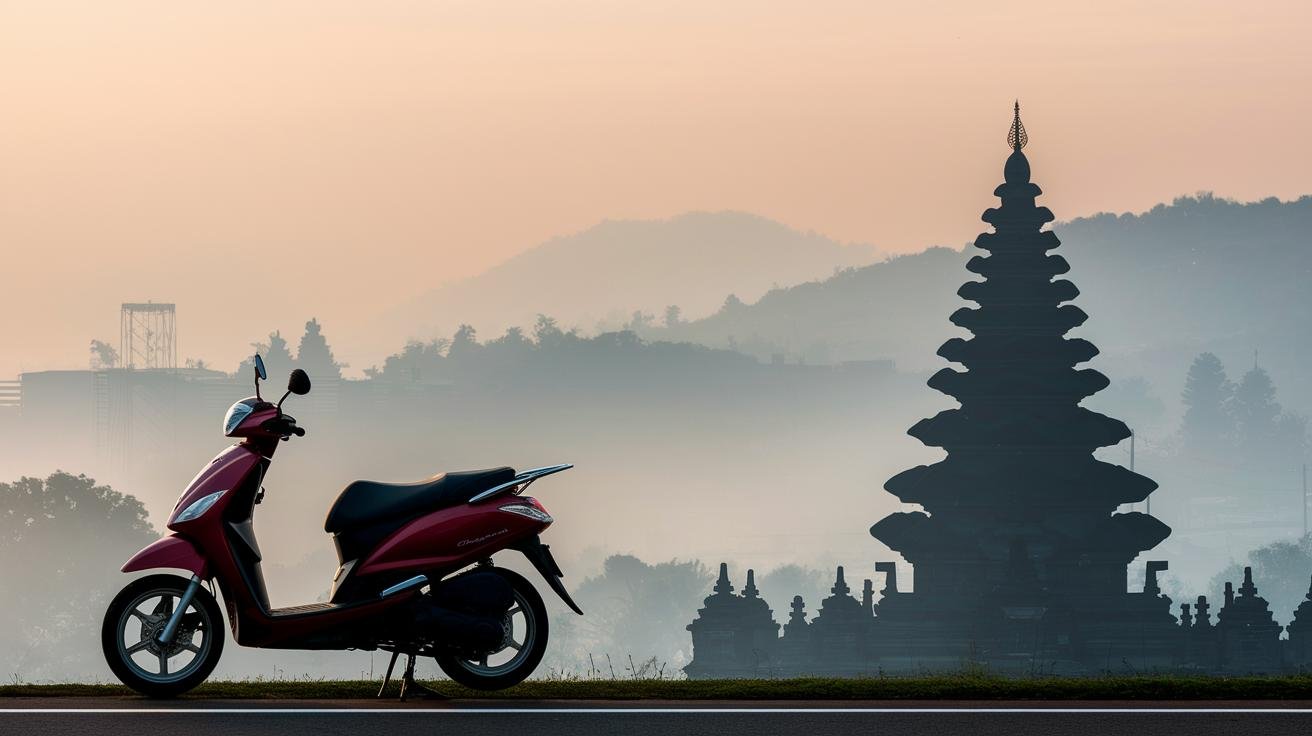
Start early to catch the soft morning light and quieter temple courtyards. This is a relaxed scooter loop that lets you pause for photos, a quiet moment, or a peaceful river-side sit.
-
8:00 AM , Pura Kebo Edan (temple) (5 km NW): arrive and wander the tri-mandala courtyards (three-part temple courtyards). Spend about 30 minutes getting close to the intricate stone carvings and the warm morning glow. Take a slow breath and listen to the little birds.
-
8:30 AM , Short scooter ride (2 km) to Gunung Lebah Temple (temple): settle in for riverside meditation and gentle photos until about 9:30 AM. The sound of the flowing water makes this a quiet, reflective stop.
-
9:30 AM , Ride north (about 12 km) to Pura Beji Sebatu (temple): aim to arrive by 10:30 AM for the spring-fed stone spouts and lotus pools. Plan 45–60 minutes to enjoy a purification moment at the water and to watch light move across the stone.
-
12:00 PM , Warung lunch break nearby (warung = simple local eatery): tasty local dishes and cool drinks, nothing fancy, just honest flavors. A good moment to relax and refill before the afternoon temple.
-
1:00 PM , Pura Dalem Penataran (temple) (15 km southeast): explore carved guardians and the main courtyard where ritual masks and drums are used. Spend 30–45 minutes soaking up the details and the quieter temple rhythm.
-
2:00 PM , Campuhan Ridge hike back toward Ubud (Campuhan Ridge = scenic grassy ridge near Ubud) (2 km ridge-to-temple track): this is a gentle walk with grassy views and soft late-afternoon light. Expect to arrive back in central Ubud by about 2:30 PM and maybe grab a coffee as the day cools.
Total distance about 36 km. This works best as a relaxed scooter excursion to small, often-quiet shrines. Pack a sarong (for temple visits), small change for offerings, water, and an offline map on your phone. Adjust your timing if a ceremony appears, slow down, and sit on a stone step when you feel like it. Ever wanted to just linger a little longer? Go ahead.
Final Words
Set out at dawn and move through four quiet temples – Pura Kebo Edan (temple) with fierce carvings, Gunung Lebah’s riverside hush, Pura Beji Sebatu’s spring-fed rituals, and Pura Dalem Penataran’s dramatic reliefs.
Bring a sarong and sash, arrive early, and leave time for the Campuhan Ridge (scenic ridge walk). Ride between sites, stop at a warung (local cafe) for cooling coconut water, and ask before you photograph. Pure calm. Little magic.
Pack a light bag and an open heart, and you’ll easily enjoy these lesser-known temples to visit near ubud.
FAQ
Frequently Asked Questions — Ubud Temples
What is the most famous temple in Ubud?
The most famous temple in Ubud is Pura Taman Saraswati (Saraswati Temple), known for its lotus ponds, ornate stone carvings, and evening dance performances beside Ubud Palace.
What is Tirta Empul and where is its temple water?
Tirta Empul is a sacred spring temple near Ubud where clear water flows from stone spouts for traditional purification ceremonies and visitor cleansing rituals.
Which temples should I see in Ubud?
Top temples to see in Ubud include Pura Taman Saraswati, Goa Gajah, Pura Dalem Agung Padangtegal (Monkey Forest), and nearby water temples like Tirta Empul and Pura Beji Sebatu.
What is the biggest temple in Ubud?
The biggest temple in Ubud is Pura Dalem Agung Padangtegal inside the Monkey Forest complex, featuring wide courtyards, guardian statues, and ongoing ritual activity.
What is the Ubud temple dress code?
The Ubud temple dress code requires a sarong and sash, shoulders and knees covered, modest behavior, and leaving shoes at the entrance; many temples rent sarongs on site.
What does an Ubud temple tour include?
An Ubud temple tour typically includes visiting two to four temples, an early start to avoid crowds, short guided explanations, and scooter or car transfers between sites.
What lesser-known temples near Ubud are worth visiting?
Lesser-known temples worth visiting are Pura Kebo Edan (ancient demon carvings), Pura Beji Sebatu (spring purification), Gunung Lebah (riverside meditation), and Pura Dalem Penataran (dark mythology carvings).
What are the best non-touristy things to do around Ubud or Bali?
The best non-touristy options are early Campuhan Ridge walks, simple warung breakfasts, attending local village temple rituals, and exploring small sanctuaries like Sebatu for quiet, authentic moments.