Barong Nong Nong Kling Statue Guards Bali’s Desa Aan Against Plague Outbreaks

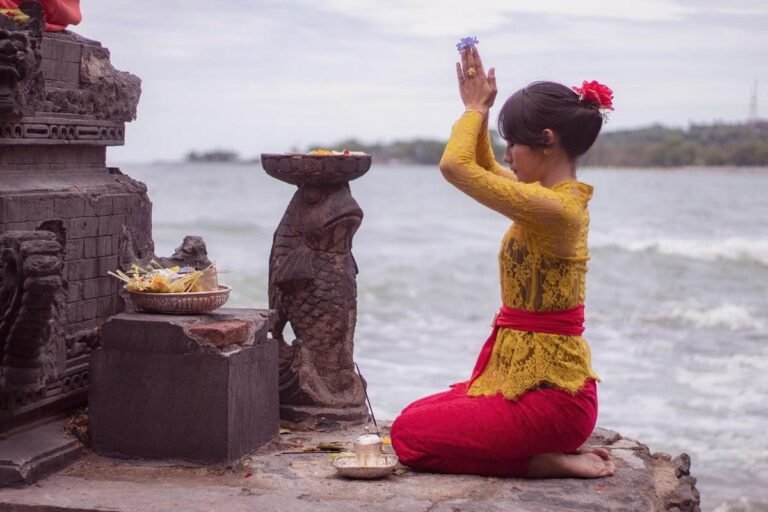
Balinese Hindu worship centers on temples, each of which typically enshrines a pratima, a sacred statue venerated by locals. This pratima stands in for the "Deity" or "Ida Bhatara" in tangible form—often carving or painting—serving as an intermediary with God, known as "Ida Sang Hyang Widhi Wasa." In Hindu belief, the pratima does not embody the divine essence itself but represents the infinite nature of Brahman. Devotees regard it as a reminder that God permeates everyday life and the universe. Devotion to pratima has endured for centuries, passing spiritual values and local customs from one generation to the next.

Among these pratima, the Barong Nong Nong Kling statue occupies a unique place at Suwela’s Temple. Located in Aan Village in Banjarangkan District, Klungkung Regency, it dates back to 1580. Jero Agung Pasek Gelgel Aan established the site after he received a pawisik, or divine revelation, directing him to a pair of banyan trees that formed a natural gateway. The trees came to symbolize equilibrium, resilience, and protection. The temple’s name combines "Su," meaning good, with "Wela," meaning forest or mountain. Since then, Suwela’s Temple has served as the center for ancestral veneration and spiritual rites.

Inside its inner sanctum, the community honors ancestors known as Ratu Lingsir, regarded as a form of Lord Bhagawan Penyarikan, or Sang Hyang Pasupati, the deity representing cosmic order and power. Each year, the temple holds its piodalan festival on Purnama Kapat, the fourth full moon in the Balinese calendar. A second major observance takes place on Tumpek Landep, a day dedicated to weaponry and the metalsmith craft, now extended to honoring ancestors and resident gods. Festival rites include processions, offerings, and rituals performed by temple priests, village elders, and musicians. These ceremonies reinforce the bond among worshippers, the unseen world of spirits, and the surrounding natural environment.

In 1755, Purana texts describe Aan Village suffering a harsh drought and widespread crop failure. A pawisik instructed residents to fashion a Barong Nong-Nong Kling figure as a talisman. During the Ngelawang ritual that followed, the creature paraded through paddy fields and village lanes to cleanse the land. Gamelan bands trailed the procession, their instruments producing the unmistakable "nong… nong… kling…" motif. Performers donned masks of Hanuman, Sugriwa, Subali, and Ravana instead of the customary lion-like barong. Local storytellers blended dance and drama scenes from the Ramayana, centering on the "Kerebut Kumbakarna" episode, as villagers sought to bring relief and revive soil fertility.

Barong Nong-Nong Kling evolved into more than a ritual tool. It became a living pratima, a spiritual guardian woven into Aan Village life. At Suwela’s Temple, this figure appears during festivals on Galungan and Kuningan, calling on ancestral spirits to protect the land and people. Temple caretakers report that the performance keeps natural forces in harmony. Musicians, dancers, and elders join forces for Ngelawang each season. Through art and ceremony, they express gratitude, mend communal bonds, and pass heritage to younger generations. Preservation efforts now include training workshops and archive projects to ensure the Barong Nong-Nong Kling legacy endures.

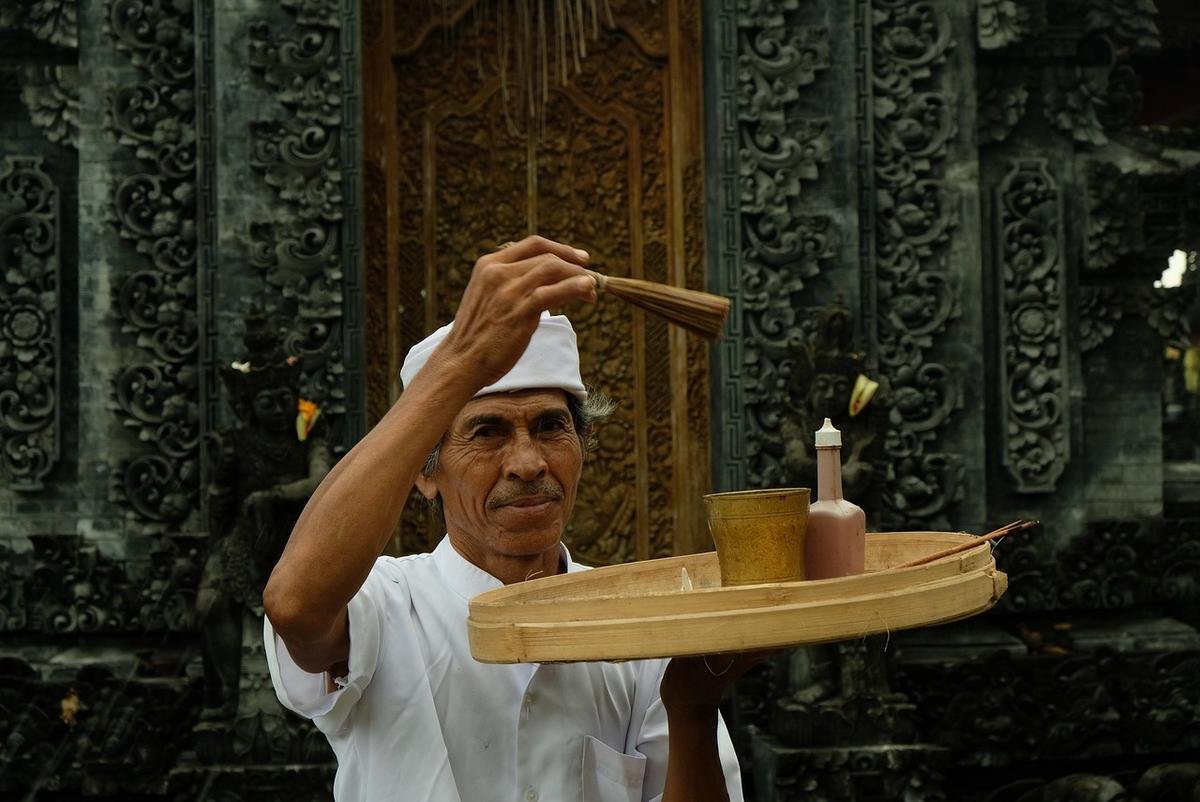
Preparation for a Barong Nong-Nong Kling show starts in the Bale Penyimpenan, where caretakers open chests to retrieve carved masks, costumes, and ceremonial props—a process called nedunang. Village women create banten offerings by weaving jejahitan leaves, rice, flowers, and palm fronds. When the time arrives, participants gather for prayers. Priests sprinkle tirta, holy water, over masks and banten as incense coils burn and villagers chant. Arak, brem, and tuak are placed near the Utama Mandala stones. Once the items receive the priest’s blessing, seven performers don their masks, form a line, and move through the temple gate into the courtyard, engaging the crowd directly.

Daily rituals at Suwela’s Temple illustrate Balinese Hindu devotion. Silver-topped gates open each dawn, allowing offerings to be placed before the pratima housed in dozens of shrines across the grounds. Candlelight flickers over carved wooden panels and stone reliefs as incense trails upward. At dusk, gamelan drums resonate through bamboo-walled pavilions ahead of evening puja. On festival days, the Barong Nong-Nong Kling procession emerges, a vivid reminder of unseen guardian spirits that safeguard land, sky, and sea. Children gather at the courtyard edge, wide-eyed, as dancers leap and twirl. Village elders explain that each movement and rhythm preserves ancestral lore, binds communities, and seals the promise of renewal.

In recent years, cultural activists, temple officials, and youth groups have formed committees to document every detail of Barong Nong-Nong Kling. Audio recordings of gamelan scores, notes on choreography, and interviews with veteran performers fill digital archives. Plans are underway to establish a local museum within the Temple grounds, featuring relics from each era of this art form. School programs now include field trips to Suwela’s Temple, where students learn about the pratima, the pawisik stories, and the art of mask carving. Elders and teachers stress that these efforts foster respect for ancestral wisdom and ensure that Aan Village’s living traditions endure.

Suwela’s Temple stands as a living record of the bond between Balinese Hindus, ancestral guidance, and their environment. The Barong Nong-Nong Kling mask and dance drama symbolize protection when trouble strikes. They reflect a community’s commitment to maintain equilibrium among spiritual, human, and natural domains. As new generations take on roles as mask makers, musicians, and dancers, the tradition lives on. For locals, the ritual remains as vital today as it was centuries ago, woven into everyday faith.

Similar Posts

  • Top Luxurious Villa for Wedding in Bali

    Top Luxurious Villas for Weddings in Bali

    Bali is synonymous with luxury and romance, making it an ideal destination for an exquisite wedding celebration. Whether you envision saying your vows by the ocean or amid lush tropical gardens, Bali offers an array of stunning villas that can transform your wedding day into an unforgettable experience.

    – NoKu Beach House, Seminyak: This beachfront villa features a 27-meter pool, lush tropical gardens, and can accommodate up to 150 seated guests and 200 standing guests.
    – The Ungasan, Uluwatu: A six-star private villa resort offering five ocean-view villas, an events lawn, and access to Sundays Beach Club.
    – Villa Atas Ombak, Seminyak: Offers uninterrupted ocean views and various wedding setups, including manicured gardens and a poolside dinner under fairy lights.
    – Pandawa Cliff Estate, Bukit Peninsula: Comprises four villas with a total of 21 bedrooms and can accommodate up to 400 guests.

    Choosing a luxurious villa for your wedding in Bali allows you to enjoy a serene and private setting, exceptional service, and picturesque locations. These exclusive villas provide all the amenities and exquisite backdrops needed to ensure your special day is nothing short of perfect.

    Affordable Villas for Weddings in Bali

    Planning a wedding on a budget doesn’t mean you have to compromise on beauty or quality. Bali offers a range of affordable villas that provide stunning settings and excellent service without breaking the bank.

    – Villa Mandalay, Seseh-Tanah Lot: Available from US $980++ per night.
    – Villa Maridadi, Seseh-Tanah Lot: Available from US $650++ per night.
    – Villa Mana: Offers 7 bedrooms and is available from US $1050++ per night.
    – Villa Kailasha: Has 9 bedrooms and is available from US $870++ per night.

    These affordable villas make it possible to have a dream wedding in Bali, offering beautiful venues at a fraction of the cost, making your special day both memorable and budget-friendly.

    Exclusive Wedding Packages Offered by Bali Villas

    For those seeking an all-inclusive and hassle-free wedding experience, Bali’s luxurious villas offer tailored wedding packages designed to cater to every need.

    These comprehensive wedding packages include a range of amenities such as event organizers, direct vendor contacts, and luxurious facilities. For example, Bibi Bali Villas in Nusa Dua provides ready-made wedding packages, while the Surga Villa Estate in Ungasan includes access to tennis courts, a spa, and an outdoor cinema.

    |Villa| Package Details| Price|
    |—|—|—|
    |Bibi Bali Villas| Ready-made packages, event organizers| Contact for pricing|
    |Surga Villa Estate| Event organizers, tennis courts, spa| Contact for pricing|
    |Villa Latitude, Pandawa| Wedding lawn, ocean views, private helipad| Contact for pricing|
    |Villa Anugrah, Uluwatu| 25-meter pool, plunge pools, hosting up to 300 guests| Contact for pricing|

    Opting for a wedding package at one of these elite Bali villas simplifies your planning process, allowing you to focus on enjoying every moment of your special day.

    Villa Amrita: The Ideal Venue for Intimate Weddings

    Situated in the quiet, picturesque village of Keliki, Villa Amrita in Ubud is an excellent choice for your intimate wedding. This private pool villa offers spacious, modern, and comfortable accommodations, making it perfect for small events.

    – Full staff and concierge-style services to cater to every need.
    – Stunning views and serene surroundings ideal for a romantic wedding.
    – Modern, elegantly designed accommodations to ensure comfort.

    Villa Amrita’s intimate setting, coupled with its luxurious features, makes it a top choice for couples dreaming of a small, exclusive wedding in Bali.

    Planning Your Wedding at a Bali Villa: A Step-by-Step Guide

    Planning a wedding at a Bali villa can seem daunting, but with the right steps, you can create a seamless and memorable event. Begin by envisioning your ideal wedding and then work through the logistics with careful planning.

    – Choose a villa that matches your wedding vision.
    – Book your villa and secure your dates early.
    – Coordinate with local vendors for catering, decor, and entertainment.
    – Arrange for guest accommodations and transportation.
    – Plan a site visit to finalize details and ensure everything meets your expectations.

    Once the initial steps are completed, the final preparations involve confirming all details with your vendors, coordinating guest arrivals, and settling into your villa. These steps ensure a stress-free, beautiful wedding day.

    Bali Wedding Testimonials: Real Stories from Happy Couples

    Testimonials are a powerful way to showcase real experiences and the magic of Bali weddings. Hearing from happy couples adds a personal touch and helps future brides and grooms envision their perfect day.

    – Sarah & John: Our wedding at Villa Shalimar Estate was breathtaking—extensive lawns and stunning Balinese dance performances made our day unforgettable.
    – Emma & Jack: Villa Semarapura Cemagi offered incredible views of the sea temple and black sand beaches, making our wedding photos extraordinary.
    – Lily & Michael: We felt so special at Villa Atas Ombak with its fairy lights and manicured gardens; it was like a scene from a movie.

    These glowing testimonials highlight the unique beauty and excellent service provided by Bali villas, encouraging you to book your dream wedding in this tropical paradise.

  • | |

    Villa with Private Pool Bali: Your Complete Guide to the Ultimate Bali Stay

    Imagine waking to birdsong, padding barefoot across warm stone, and slipping into cool turquoise water before anyone else stirs. That is what a villa with private pool Bali gives you — not a shared resort experience, but something more intimate, more yours. It is the difference between watching the sunrise from a hotel balcony and…