
Bali Travel Guidelines: Your Complete Guide to Entry Requirements, Visas, and Travel Rules
You have your flights booked, your itinerary is taking shape, and the idea of waking up to rice-field mist and frangipani scent already feels close enough to taste. But somewhere between excitement and packing, the practical questions start stacking up — visa requirements, the tourist levy, that new e-Arrival card everyone mentions differently. Bali travel guidelines shift often enough that even seasoned visitors double-check before every trip. This guide covers everything current, everything verified, and a few things only a team that greets guests at the villa door every week would think to mention.
Whether you are visiting Bali for the first time or returning after a few years away, the entry landscape has changed. New digital systems, a dedicated tourist levy, updated visa categories, and stricter enforcement on certain rules make preparation genuinely important. Get it right, and you breeze through Ngurah Rai airport feeling relaxed before you even reach Ubud. Get it wrong, and your first Bali memory is a queue and a scramble.
Bali Travel Guidelines for Visas: Which One Do You Need?
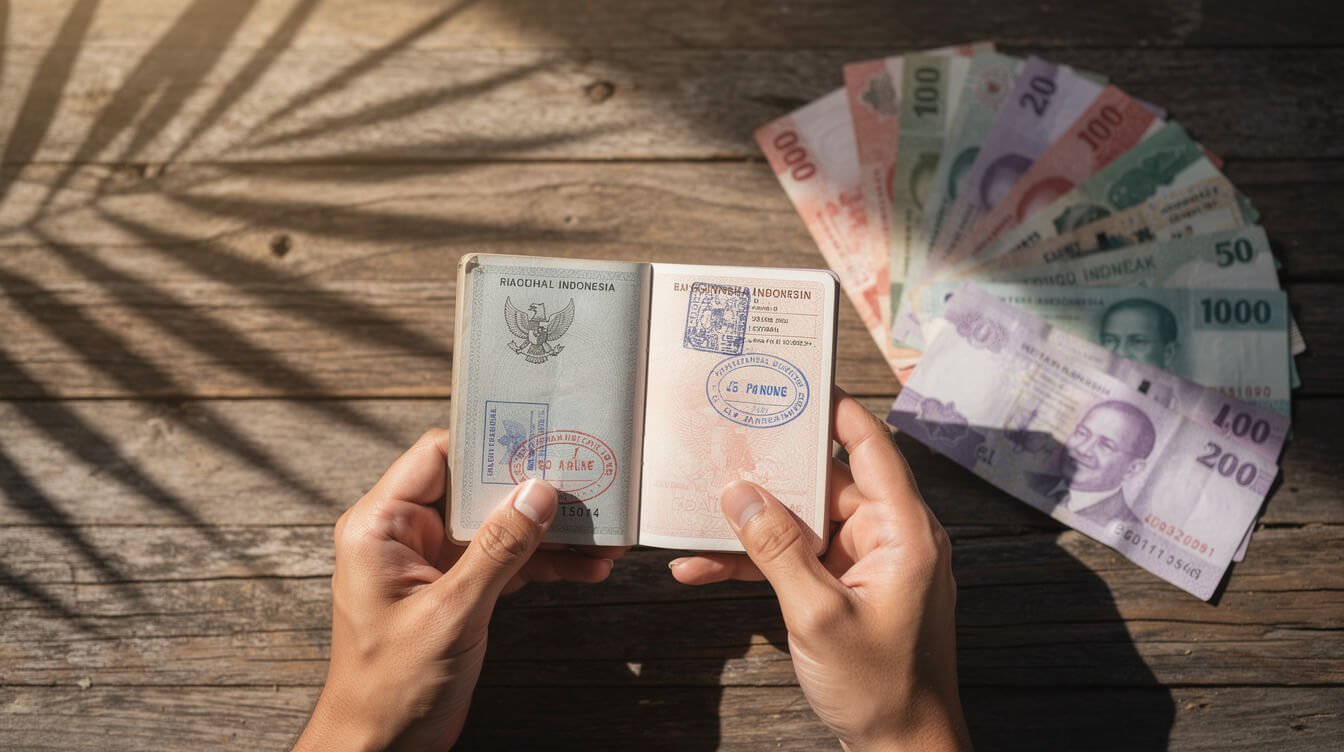
The Indonesian government offers several visa categories for international visitors, and which one applies to you depends on your nationality, intended length of stay, and purpose of visit. Here is what matters for leisure travelers heading to Bali in 2026.
Visa on Arrival (VOA)
The most common path for tourists. Citizens of more than 90 countries — including the United States, Australia, the United Kingdom, Canada, most EU nations, Japan, South Korea, and New Zealand — can purchase a Visa on Arrival at Ngurah Rai International Airport or apply for an electronic version (e-VOA) before departure. The cost is IDR 500,000 (approximately USD 35), and it grants a 30-day stay. You can extend it once for another 30 days at a local immigration office, giving you up to 60 days total.
Electronic Visa on Arrival (e-VOA)
This is the same visa, applied for online through the official Indonesian immigration portal before you fly. The advantage is speed — you skip the VOA payment queue at the airport and walk straight to immigration with your QR code. Processing typically takes 24-48 hours. We strongly recommend this route. The small effort before departure saves you 20-45 minutes in an arrival hall where everyone is tired, warm, and impatient.
Visa-Free Entry
Citizens of certain ASEAN countries (including Malaysia, Singapore, Thailand, the Philippines, and Brunei) enjoy visa-free entry for stays up to 30 days. This category is not extendable — if you want longer than 30 days, apply for the VOA instead, even if you qualify for visa-free entry, because the VOA allows a 30-day extension.
B211A Visa (Social/Cultural Visit)
Planning a longer stay — perhaps a month of villa life in Bali, a retreat program, or an extended family holiday? The B211A visa grants 60 days, extendable up to 180 days. You will need a sponsor (many visa agents in Bali handle this) and apply through the online system before arrival. It costs more and requires more documentation, but for extended stays, it is the right tool.
What Your Villa Team Notices
Every week, we greet guests who are surprised by something visa-related. The most common: travelers who qualify for visa-free entry but choose it over the VOA, then realize at day 25 that they want to stay longer — and cannot extend. If there is any chance your plans might stretch, pay the IDR 500,000 for the VOA upfront. That flexibility is worth far more than the fee.
The Bali Tourist Levy: What It Is and How to Pay

Since February 2024, all international visitors to Bali must pay a tourism levy of IDR 150,000 (approximately USD 10) per person, per entry. This is separate from your visa fee and separate from any airport taxes already included in your airfare.
What the Levy Funds
The revenue goes directly to cultural preservation, environmental protection, and infrastructure supporting sustainable tourism across Bali. It funds temple restoration, beach cleanups, waste management improvements, and community programs in areas most affected by tourism volume. Paying it is not just a bureaucratic step — it is a genuine contribution to the island you are about to enjoy.
How to Pay
You can pay online before arrival through the official Love Bali website or app, or at dedicated counters in the international arrivals hall at Ngurah Rai airport. We recommend paying online before you fly — it takes two minutes, you receive a QR code confirmation, and you avoid one more queue after a long flight. Payment is accepted via international credit and debit cards.
Important Details
- The levy applies per entry. If you leave Indonesia (even for a quick day trip to Nusa Penida via a different port) and re-enter through Bali, you pay again.
- Children of all ages must pay. There is no exemption for infants or children.
- Indonesian citizens and residents with KITAS/KITAP are exempt.
- Keep your QR code receipt accessible on your phone — immigration may ask to see it.

Get a Free 3-Day Sample Itinerary
See what three days in Ubud actually look like — temples, rice terraces, cooking classes, and the quiet moments in between.
The All Indonesia e-Arrival Card: Your Digital Declaration
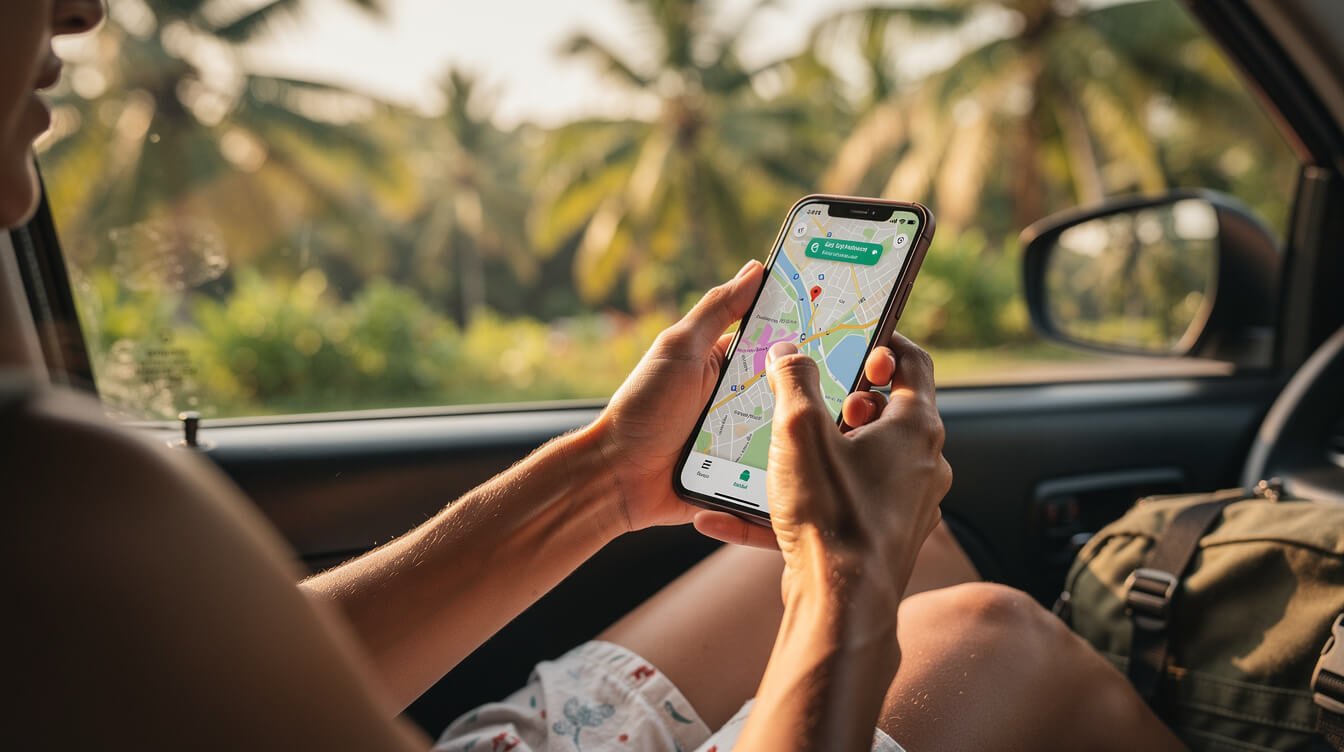
Indonesia now requires all international arrivals to complete an electronic customs and health declaration — the All Indonesia e-Arrival Card — before or upon arrival. This digital form replaced the old paper customs declaration card and combines customs, health, and immigration information into a single submission.
How to Complete It
Visit the official e-CD (Electronic Customs Declaration) portal online, or use the designated mobile app. You will need your passport details, flight information, accommodation address, and a brief customs declaration (declaring goods, currency over USD 10,000, and restricted items). Once submitted, you receive a QR code to present at immigration alongside your passport and visa.
When to Fill It Out
You can complete the form up to 72 hours before your arrival. We suggest doing it the night before your flight, when you have your passport handy and your travel details confirmed. Many airlines also distribute the link during the flight via in-flight entertainment systems.
What Happens If You Do Not Complete It Before Landing
You will not be refused entry — but you will be directed to a separate area in the arrivals hall to complete it on a terminal or your phone before proceeding through immigration. This adds 15-30 minutes to your arrival experience. On a busy day during peak season, that can feel much longer.
Passport Requirements and Entry Documentation
Your passport is the single most important document for your Bali travel experience, and the rules around it are strictly enforced.
The Six-Month Rule
Your passport must be valid for at least six months from your date of entry into Indonesia. This is not a suggestion — it is enforced at check-in by your airline and again at immigration in Bali. If your passport expires within six months of your arrival date, you may be denied boarding at your departure airport. Renew early.
Blank Pages
You need at least two blank pages for entry and exit stamps. Indonesian immigration stamps are large, and if you have been traveling extensively, check your remaining pages before you fly.
Return or Onward Ticket
Indonesian immigration requires proof of a return or onward ticket. This means a confirmed booking showing you will leave Indonesia within the validity period of your visa. Airlines also check this before boarding. If your plans are flexible, book a refundable ticket or a low-cost onward flight as proof — you can always change it later.
Accommodation Details
The e-Arrival card requires your accommodation address. If you are staying at a private villa in Bali, your villa manager will send you the full address and any booking confirmation details you need. Having this ready before you land speeds everything up.
Health and Insurance Guidelines for Bali Travelers

COVID-era entry requirements have been fully lifted — no vaccination certificates, no PCR tests, no quarantine for arriving travelers. But that does not mean health preparation is optional. Bali’s tropical climate, food environment, and adventure activities all benefit from a little forethought.
Travel Insurance
While not technically mandatory for VOA holders, travel insurance is strongly recommended and some visa categories now require proof of coverage. More importantly, medical care in Bali — particularly emergency evacuation to Singapore or Australia for serious conditions — can cost tens of thousands of dollars without insurance. Choose a policy that covers:
- Medical treatment and hospitalization in Indonesia
- Emergency medical evacuation (this is the expensive one — ensure at least USD 100,000 coverage)
- Trip cancellation and interruption
- Adventure activities if you plan to surf, dive, cycle, or trek (standard policies often exclude these)
Vaccinations
No vaccinations are legally required for entry to Bali from most countries. However, the CDC and WHO recommend being up to date on routine vaccinations, plus Hepatitis A and Typhoid for Bali. If you are planning rural trekking or extended stays, consult your doctor about Hepatitis B, Japanese Encephalitis, and Rabies vaccinations. Bali has a significant stray dog population, and rabies is present on the island.
Mosquito-Borne Illness
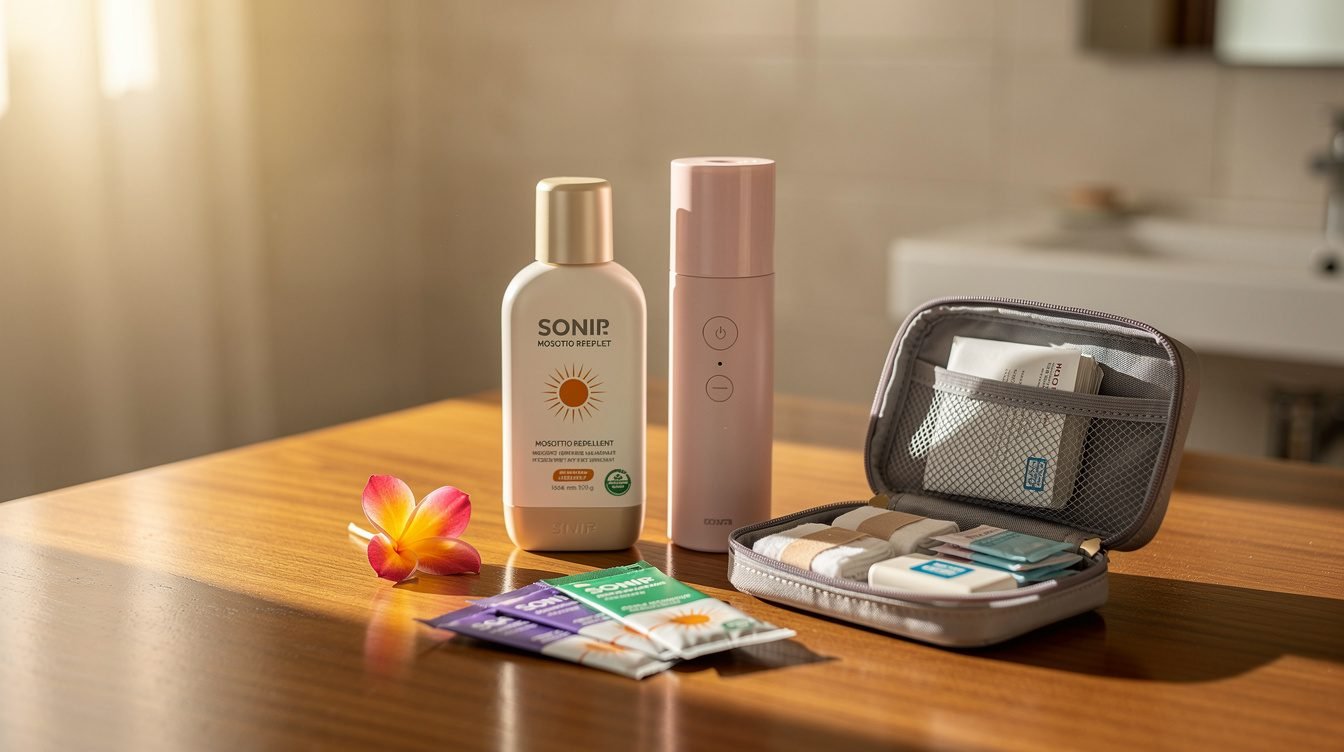
Dengue fever is active in Bali year-round, with higher risk during rainy season (November through March). There is no vaccine widely available for travelers. Use mosquito repellent containing DEET, wear long sleeves during dawn and dusk, and choose accommodation with screens or air conditioning. At a staffed villa, your housekeeper manages mosquito prevention daily — coils, sprays, and garden maintenance that reduces standing water where mosquitoes breed.
Water and Food Safety
Do not drink tap water in Bali. Use bottled or filtered water for drinking and brushing teeth. Most reputable restaurants and villas use filtered water for cooking and ice. When you stay at a staffed villa, your chef sources ingredients from trusted markets and prepares food with filtered water — one less thing to think about during your holiday.

Ready to Book the Villa?
Three bedrooms, full staff, private pool, tropical garden — your Ubud home base is waiting.
Customs, Currency, and What You Can Bring Into Bali

Indonesian customs rules are straightforward but enforced, and a few specifics catch travelers off guard.
Customs Allowances
- Tobacco: 200 cigarettes or 25 cigars or 100 grams of tobacco per person
- Alcohol: 1 liter of alcoholic beverages per person (Bali has high alcohol import taxes — buying locally is significantly cheaper)
- Currency: You must declare if carrying cash equivalent to IDR 100,000,000 or more (approximately USD 6,500). Failure to declare can result in confiscation.
- Restricted items: Narcotics carry extremely severe penalties in Indonesia, including the death penalty. Prescription medications should be carried in their original packaging with a doctor’s letter if they contain controlled substances.
Currency and Money
The Indonesian Rupiah (IDR) is the local currency. ATMs are widely available throughout Bali, and most accept international Visa and Mastercard. For the best exchange rates, use ATMs at banks (BCA, Mandiri, BNI) rather than standalone machines in tourist areas. Credit cards are accepted at larger restaurants, hotels, and shops, but carry cash for warungs, markets, temples, and smaller businesses. Your Ubud villa team can advise on the nearest reliable ATMs and money changers.
What Not to Bring
Indonesia prohibits the import of fresh fruit, plants, meat, and dairy products. Drones require a permit from the Indonesian Ministry of Transportation (the process is slow and bureaucratic — most casual travelers skip it). E-cigarettes and vaping devices are technically restricted, though enforcement varies. When in doubt, declare it on your e-Arrival card and let customs decide.
Practical Bali Travel Guidelines and Etiquette Every Visitor Should Know

Beyond the formal bali travel guidelines at the border, there are rules and cultural expectations that shape your experience once you are on the island. These are the things we find ourselves explaining to guests — not because they are complicated, but because knowing them in advance makes your entire stay feel smoother.
Driving and Transportation
An International Driving Permit (IDP) is legally required for foreigners driving cars or riding motorbikes in Bali. Indonesian police conduct regular checks, and riding without an IDP can result in fines and insurance complications. Many travelers choose to hire a private driver instead — it is affordable, safer, and your villa manager can arrange transfers from the airport and day trips throughout your stay.
Temple Etiquette
Bali has over 20,000 temples, and visitors are welcome at most of them — but respectful dress is required. Both men and women should cover their shoulders and knees. Most temples provide sarong rentals at the entrance, but carrying your own is more comfortable (and your packing list should include a lightweight sarong). Women who are menstruating are traditionally asked not to enter temple grounds — signs at the entrance state this clearly.
Sacred Sites and Ceremony Days
Balinese Hinduism shapes daily life on the island. On major ceremony days — particularly Nyepi (the Day of Silence, usually in March) — the entire island shuts down. No flights, no cars, no leaving your accommodation, no lights after dark. It is a profound and beautiful experience if you are prepared for it, and a confusing one if you are not. Check the Balinese calendar before booking if specific dates matter to you.
Dress Code Beyond Temples
Bali is relaxed about clothing in tourist areas, but walking shirtless or in swimwear through villages, markets, or restaurants is considered disrespectful. A light cover-up over your swimsuit is all you need. In Ubud especially, the local community appreciates modest dress that acknowledges you are in a living village, not a resort compound.
Tipping
Tipping is not required in Bali but is deeply appreciated. Most restaurants add a 15-21% service and tax charge. For personal services — spa therapists, drivers, guides — IDR 50,000-100,000 per person is generous. At a staffed villa, tipping your team at the end of your stay is a beautiful gesture — your manager can advise on appropriate amounts based on your stay length.
Frequently Asked Questions About Bali Travel Guidelines
Do I need a visa to visit Bali?
Most international travelers need a Visa on Arrival (VOA, IDR 500,000 / ~USD 35) or e-VOA. Citizens of certain ASEAN countries enjoy visa-free entry for up to 30 days. Check your nationality’s eligibility on the Indonesian immigration website before booking.
What is the Bali tourist levy and how much does it cost?
The Bali Tourism Levy is IDR 150,000 (~USD 10) per person, per entry. It funds cultural preservation and environmental protection. Pay online before arrival through the official Love Bali platform for the fastest experience.
Can I extend my visa in Bali?
If you entered on a VOA, yes — you can extend once for 30 additional days at a local immigration office. If you entered visa-free, no extension is possible. The B211A visa offers up to 180 days with proper extensions.
Is travel insurance required for Bali?
Not technically mandatory for most visa types, but strongly recommended. Medical evacuation from Bali can cost USD 50,000-100,000 without insurance. Some extended visa categories do require proof of coverage.
What happens if my passport has less than six months validity?
You will likely be denied boarding at your departure airport, or refused entry at Indonesian immigration. The six-month rule is strictly enforced. Renew your passport well before your trip to Bali.
Do I need any vaccinations for Bali?
No vaccinations are legally required, but Hepatitis A and Typhoid are recommended. COVID vaccination certificates are no longer required. Consult your doctor about additional vaccinations based on your activities and health profile.
Can I use my credit card in Bali?
Credit cards are accepted at larger businesses, but cash (Indonesian Rupiah) is essential for markets, warungs, temples, and smaller shops. ATMs are widely available — use bank-affiliated machines for the best rates and lowest fees.
What should I know about Nyepi?
Nyepi is Bali’s Day of Silence (usually in March). The entire island observes no travel, no lights, no noise for 24 hours. Flights are grounded, and you must stay at your accommodation. It is a remarkable cultural experience — just plan around it if your itinerary is tight.
Your Bali Travel Guidelines Checklist: Before You Fly
Here is everything, in order, so you can check it off and focus on the part that actually matters — looking forward to being here.
- Passport: Valid for at least 6 months from entry date, with 2+ blank pages
- Visa: Apply for e-VOA online (recommended) or plan to purchase VOA on arrival
- Tourist Levy: Pay IDR 150,000 online via Love Bali before departure
- e-Arrival Card: Complete the electronic customs and health declaration 24-72 hours before landing
- Travel Insurance: Purchase a policy covering medical care, evacuation, and your planned activities
- Return Ticket: Have a confirmed return or onward flight booking
- Accommodation Details: Save your villa or hotel address for the e-Arrival card
- Currency: Notify your bank about international travel; download a currency converter
- Health: Check recommended vaccinations; pack mosquito repellent and any prescription medications
- Packing: Include a sarong for temple visits and sun protection — read our complete packing guide for the full list
When you stay at a staffed villa in Ubud, the practical weight of travel lifts the moment you arrive. Your manager meets you, your room is ready, cold towels and fresh fruit appear, and the garden is already blooming. But everything before that moment — the visa, the levy, the declaration — is yours to handle. Do it once, do it right, and then your only job is to breathe deeply when the warm Bali air hits your face at the airport doors.
We will be here when you get here. And we will have the coffee ready.

Join Our Newsletter
Fun, new, exciting Bali news — Ubud stories, travel tips, and insider updates from the villa team, delivered to your inbox.