Where the Fireflies Go After Dark in Ubud
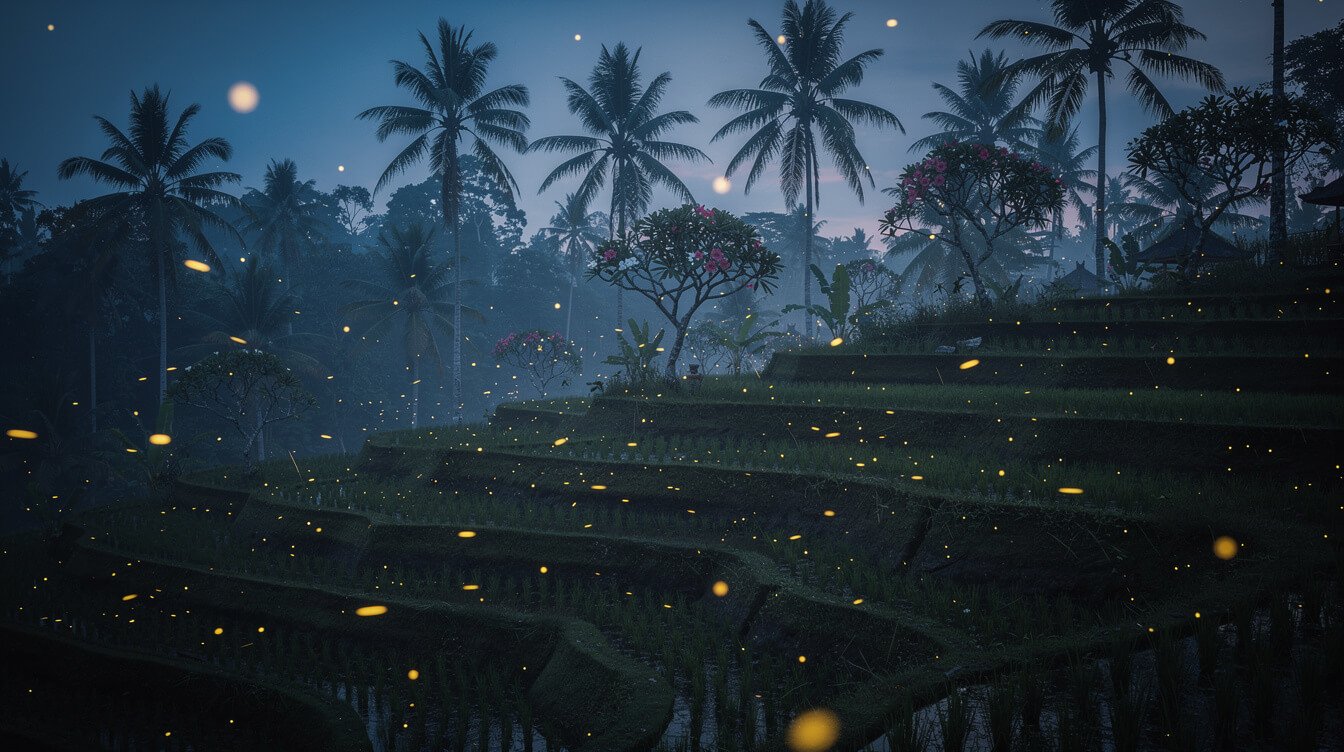
You don’t notice them at first. The sky has barely shifted from deep amber to violet, and you’re on the pool deck with something cold in your hand, watching the last daylight drain from the rice terraces below. Then one appears — a single amber pulse, low to the ground, somewhere near the garden wall.
Then another. Then six. Then too many to count.
The Hour the Garden Comes Alive
In Ubud, fireflies don’t arrive gradually. They switch on — all at once — as if the garden itself has been holding its breath and finally exhaled. Around 6:30 in the evening, when the air thickens and the temperature drops just enough to notice, they emerge from the damp grass along the rice field edges and begin their slow, blinking procession through the frangipani and heliconia.
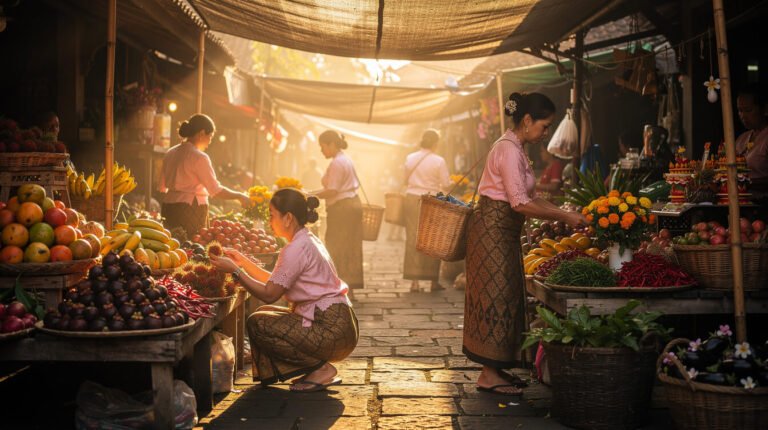
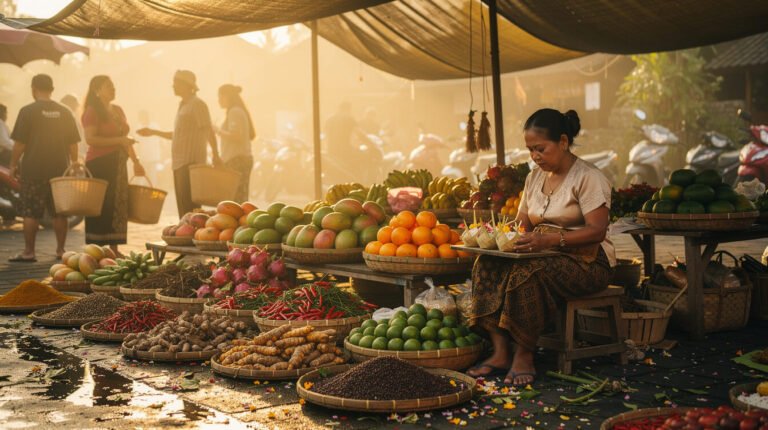
There’s no sound to it. That’s what catches you. After a full day of market chatter, motorbike hum, and the gardener’s steady clip of shears, this part of the evening is visual only. The fireflies don’t compete with the frogs starting up in the rice paddies or the distant gamelan drifting from the village temple. They just glow and drift, completely indifferent to whether anyone is watching.
Why Ubud Still Has Them
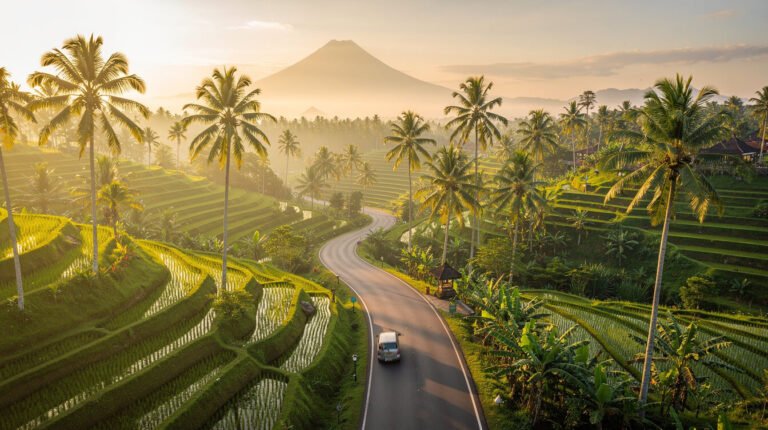
Most travelers who’ve been to Bali before don’t expect fireflies. But Ubud — especially the stretches near Penestanan and Sayan where the rice terraces still drain properly and the canals haven’t been concreted over — holds onto them. Clean water, low light pollution, and gardens that aren’t sprayed to within an inch of their lives. The conditions are simple, but increasingly rare.
At the villa, the gardener knows this. He leaves the lower beds slightly wild on purpose — the tall grass along the stone wall, the damp patches near the drainage channel. It’s deliberate. A groomed-to-perfection garden doesn’t get fireflies. A garden with someone who understands the land does.
What It Feels Like to Sit With Them
Here’s the thing nobody tells you about fireflies in Ubud: they change the way you sit. You stop reaching for your phone. You stop talking for a moment. You lean back and let your eyes go soft, tracking the pulses without trying to follow any single one. It’s not meditation — it’s simpler than that. It’s just the garden, doing what it does when the sun goes down.
By 8 PM, they thin out. The frogs have fully taken over the soundscape. The pool light casts a blue-green glow that competes, and the fireflies drift higher, toward the coconut palms and the darkness beyond. Tomorrow night, the same thing. Exactly the same time.
That’s Ubud. The rituals here aren’t all carved in stone. Some of them blink.
If you want to experience evenings like this — unhurried, held by a team that knows every rhythm of the land — a stay at the villa is the place to start.