Ubud Yoga Retreat: Your Complete Guide to a Transformative Stay in Bali
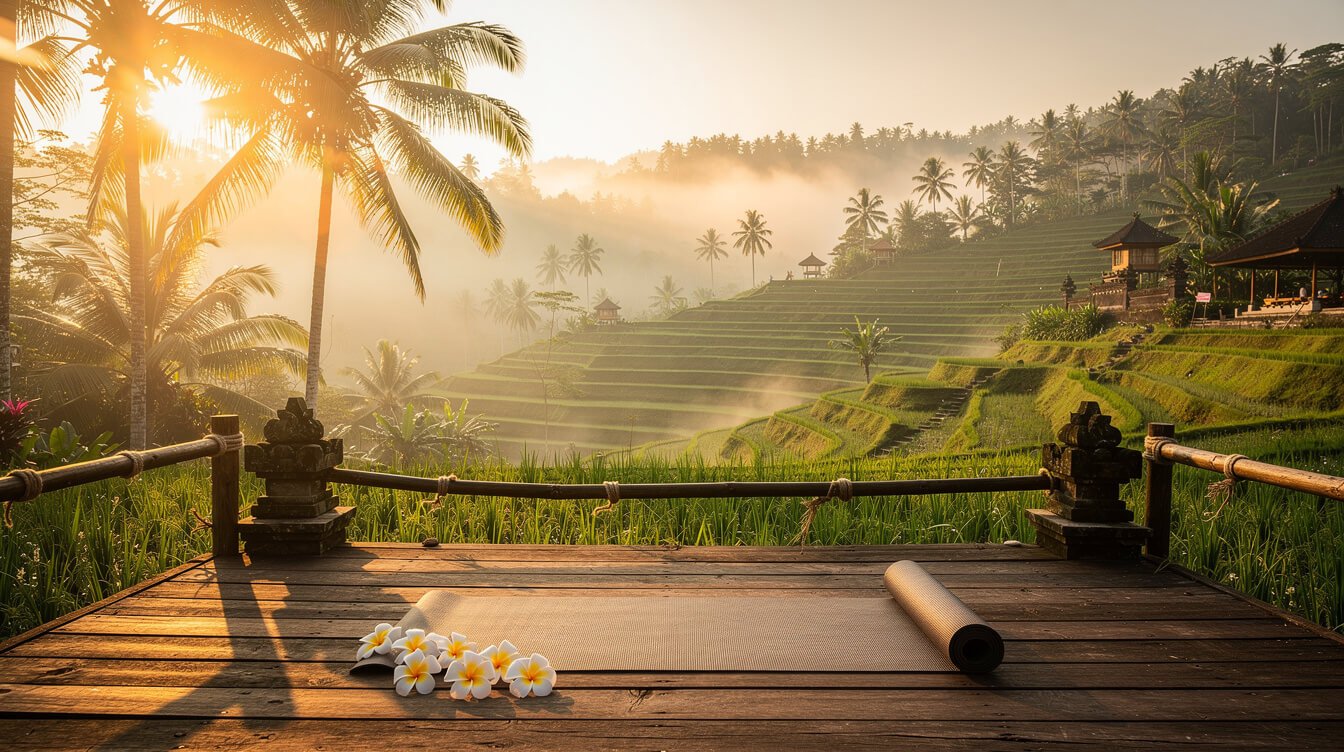
An ubud yoga retreat isn’t just a vacation — it’s the kind of week that rearranges something quiet inside you. The morning air here carries the scent of frangipani and wet earth, the rice terraces hold you in green, and the sound of a distant gamelan drifts over the valley long after the sun has set. If you’ve been searching for a place where your yoga practice feels less like something you squeeze in and more like something that simply happens — Ubud is that place.
This guide walks you through everything you need to know about planning an ubud yoga retreat that actually fits your life. Whether you want a structured retreat with a group or a self-directed week with studio drop-ins and a private villa, you’ll find the details here — no guessing, no fluff, just the real experience.
Why Ubud Is Bali’s Spiritual Heart for Yoga
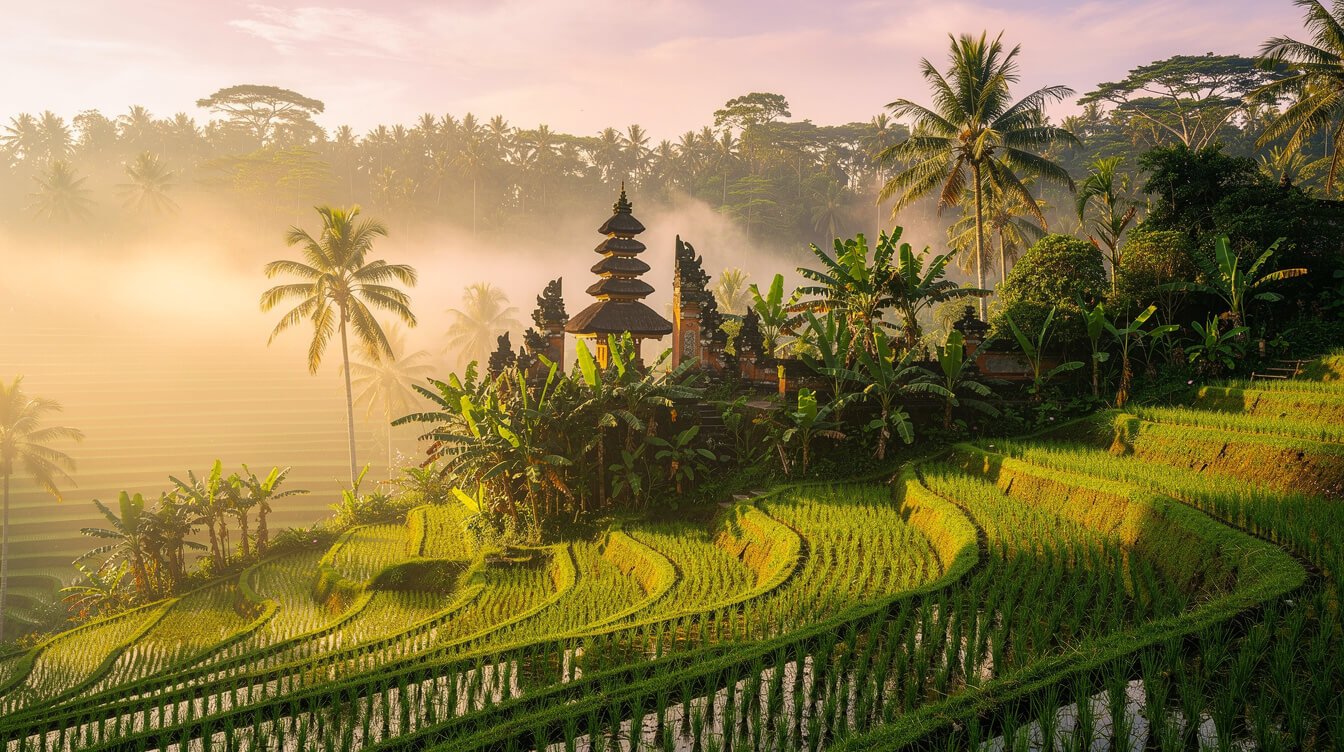
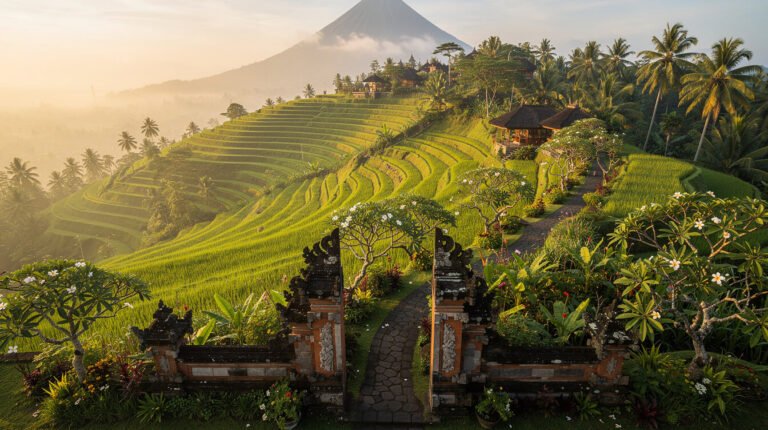
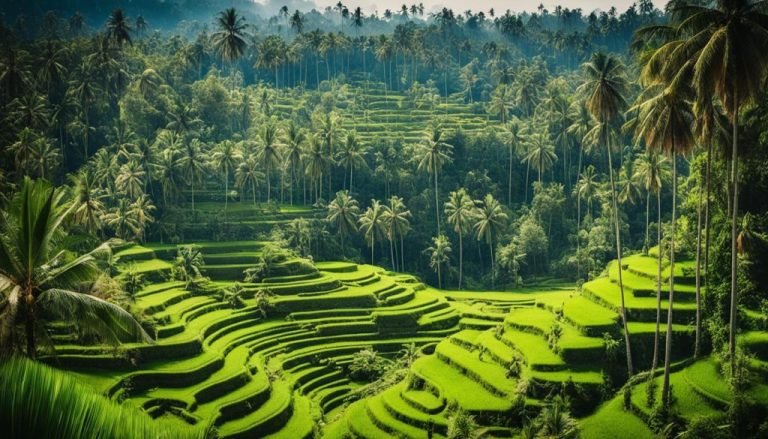
There’s a reason yoga practitioners from six continents end up in this small Balinese town. Ubud sits at the cultural crossroads of Bali — surrounded by terraced rice fields, ancient temples, and a creative community that has drawn healers and artists for generations. The village rhythm here still revolves around ceremony, offering-making, and a deep relationship with nature that you feel the moment you arrive.
Unlike the beach towns in southern Bali, Ubud’s energy is inward. The morning mist over the Campuhan ridge, the sound of temple bells at dawn, the gardener clipping frangipani before you’ve finished your first coffee — these aren’t marketed experiences. They just happen, every day, without asking anything of you.
For yoga, this matters more than you’d expect. The practice deepens when your surroundings aren’t fighting for your attention. Ubud’s pace — slow, green, ceremonial — gives your body permission to settle. And the sheer density of world-caliber studios, teachers, and healers within a ten-minute radius means you’ll never run out of ways to deepen your practice.
The Ubud Yoga Scene: A Quick Snapshot
- 50+ yoga studios and shalas within the greater Ubud area
- Daily drop-in classes in vinyasa, hatha, yin, kundalini, acroyoga, ecstatic dance, and breathwork
- Year-round retreat season — Ubud doesn’t have an off-season for yoga
- Balinese healing traditions woven into many studio offerings (sound healing, water purification, energy work)
- Plant-forward dining culture that supports a clean, nourishing retreat diet
Types of Ubud Yoga Retreats — Organized vs. Self-Directed
Not every ubud yoga retreat looks the same, and the best one for you depends on what you actually need right now. Here’s an honest comparison of the two main paths.
Organized Group Retreats
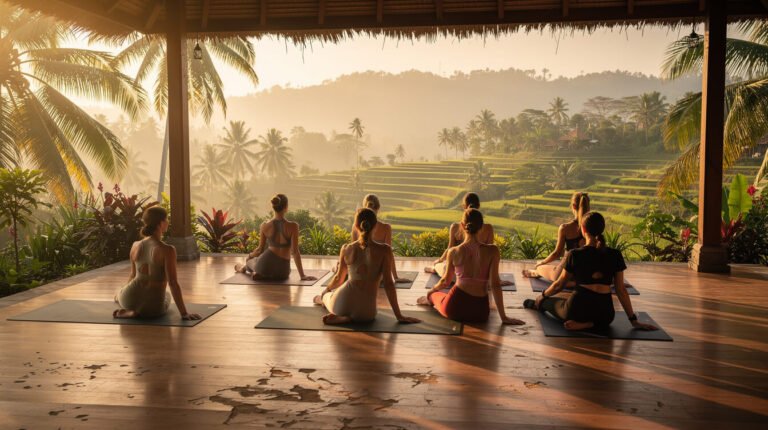
These are the retreats you see advertised on platforms like BookRetreats and Retreat Guru. A facilitator plans the schedule — morning asana, afternoon workshops, meals included, sometimes accommodation too. They’re ideal if you want structure, community, and the convenience of having someone else handle the logistics.
Best for: Solo travelers who want built-in community, first-timers to Bali, practitioners who thrive in guided group settings.
Typical cost: $800–$2,500 USD for a 5–7 day retreat, depending on accommodation level and inclusions.
Watch out for: Shared rooms, fixed schedules that may not match your pace, limited dietary customization, and the fact that you’re committed to one location for the duration.
Self-Directed Private Retreats
This is the path less talked about — and often the more transformative one. You rent a private villa in Ubud with staff, design your own schedule, and attend the studios and workshops that call to you. No group dynamics, no fixed wake-up time, no compromises.
Best for: Couples, families, small friend groups, experienced practitioners who know what they want, and anyone who values privacy and flexibility.
Typical cost: A well-staffed villa for a week plus daily drop-in classes often comes to less per person than an organized retreat — especially for groups of 3–6.
The advantage: Your chef prepares meals around your dietary needs. Your villa manager handles transport. You practice when the spirit moves you, not when the retreat bell rings. And at the end of the day, you come home to your own private pool, your own quiet garden, your own space to integrate.
Best Yoga Studios and Shalas in Ubud
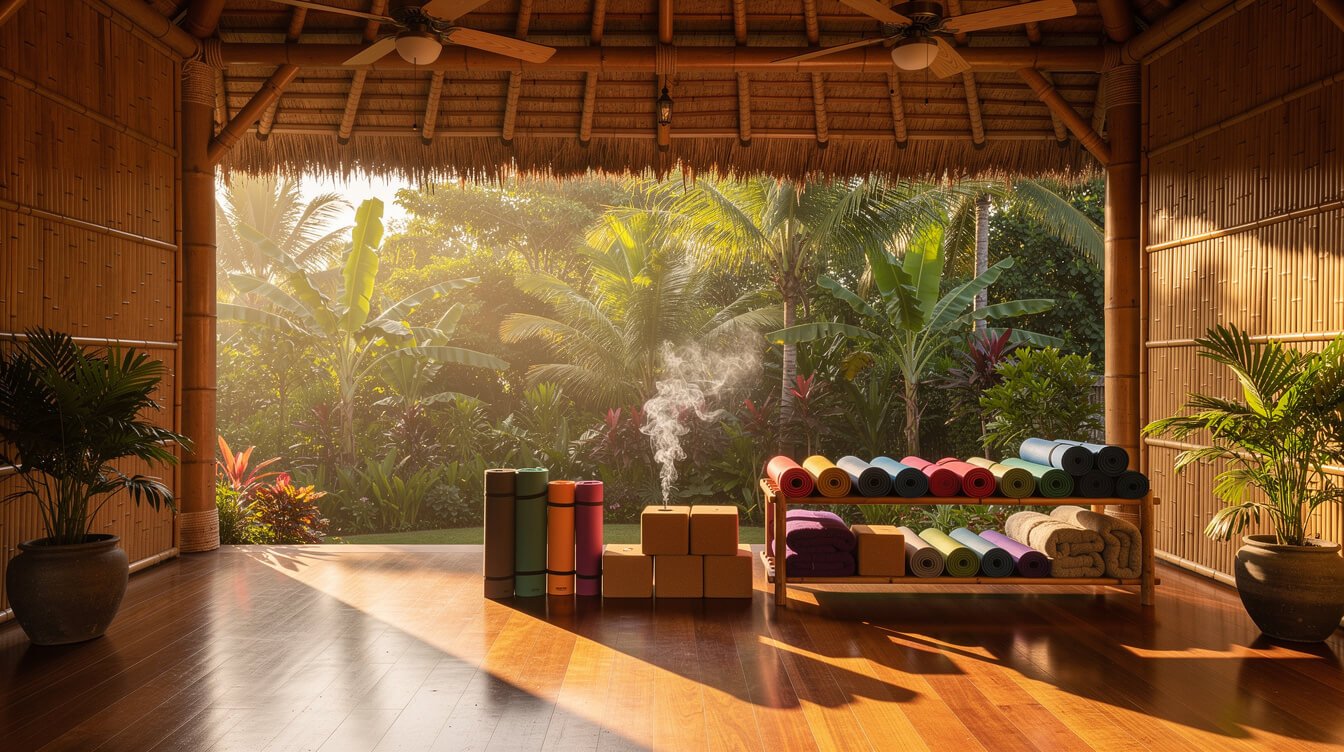
Whether you’re attending a structured retreat or building your own, these are the studios that anchor Ubud’s yoga scene. Each has a distinct energy — visit a few before committing to a regular schedule.
The Yoga Barn
The largest and most established studio in Ubud, The Yoga Barn offers 15+ classes daily across multiple shalas set in a lush garden compound. Vinyasa, yin, sound healing, breathwork, ecstatic dance, and Balinese cooking classes all share the same campus. Drop-in classes run about IDR 150,000 ($9.50 USD). The community noticeboard here is the unofficial hub for everything happening in Ubud’s wellness world.
Radiantly Alive
Known for its strong teaching roster and a more intimate feel than The Yoga Barn, Radiantly Alive sits right on Jalan Jembawan in central Ubud. Their alignment-focused vinyasa classes are exceptionally well-taught. The rooftop shala catches a beautiful breeze. Class packages bring the per-session cost down significantly.
Ubud Yoga Centre
A quieter, more traditional space tucked into the rice fields of Penestanan. Smaller class sizes, experienced local and international teachers, and a genuine feeling of practice — not performance. If you prefer depth over spectacle, this is your studio.
Taksu Yoga
Part of the Taksu Healing Haven, this studio integrates Balinese healing traditions with modern yoga practice. Their spa, restaurant, and healing sessions create a complete wellness ecosystem. The garden setting feels authentically Balinese rather than resort-curated.
Intuitive Flow
A smaller studio with a devoted following, Intuitive Flow in Penestanan offers gentle, awareness-based yoga that skews toward the meditative end of the spectrum. Perfect for practitioners who want less athletic intensity and more inner exploration.
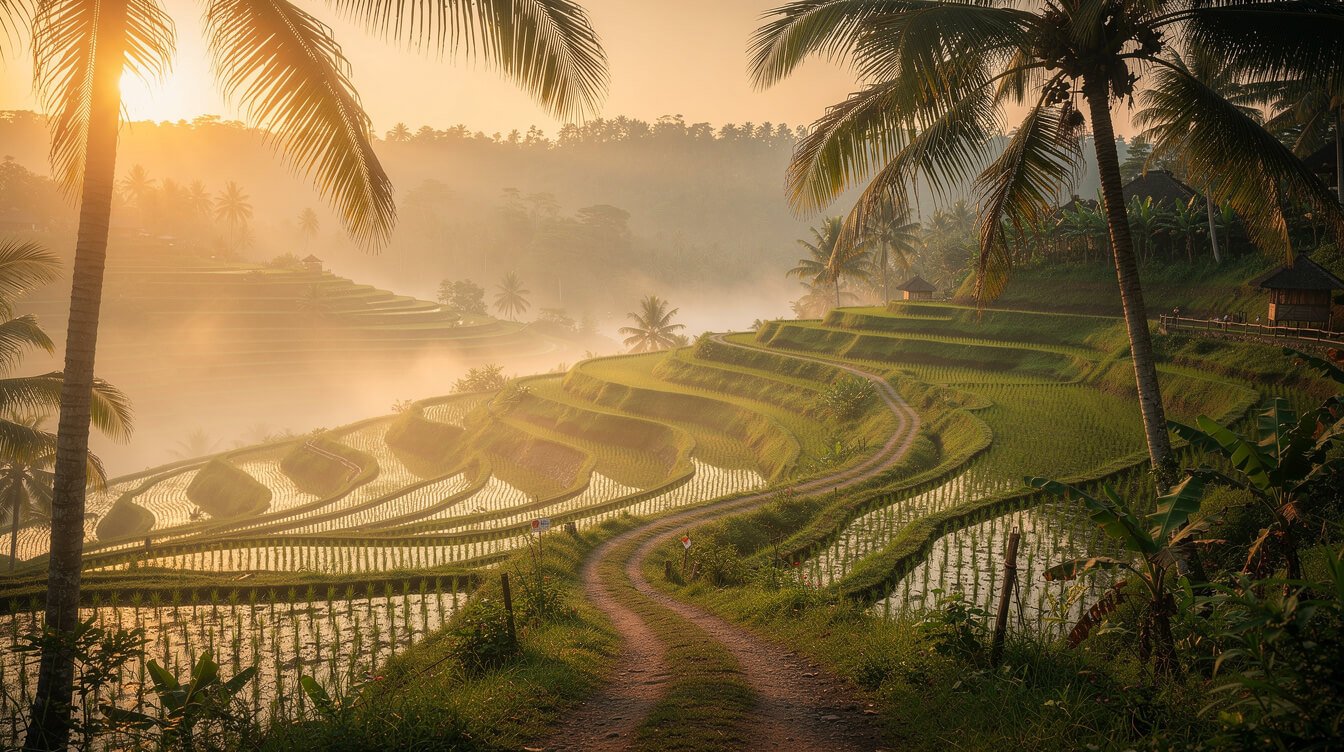
Get a Free 3-Day Sample Itinerary
See what a self-directed yoga retreat at Villa Amrita actually looks like — morning practice, studio visits, chef-prepared meals, and quiet evenings by the pool.
What a Day on an Ubud Yoga Retreat Actually Looks Like
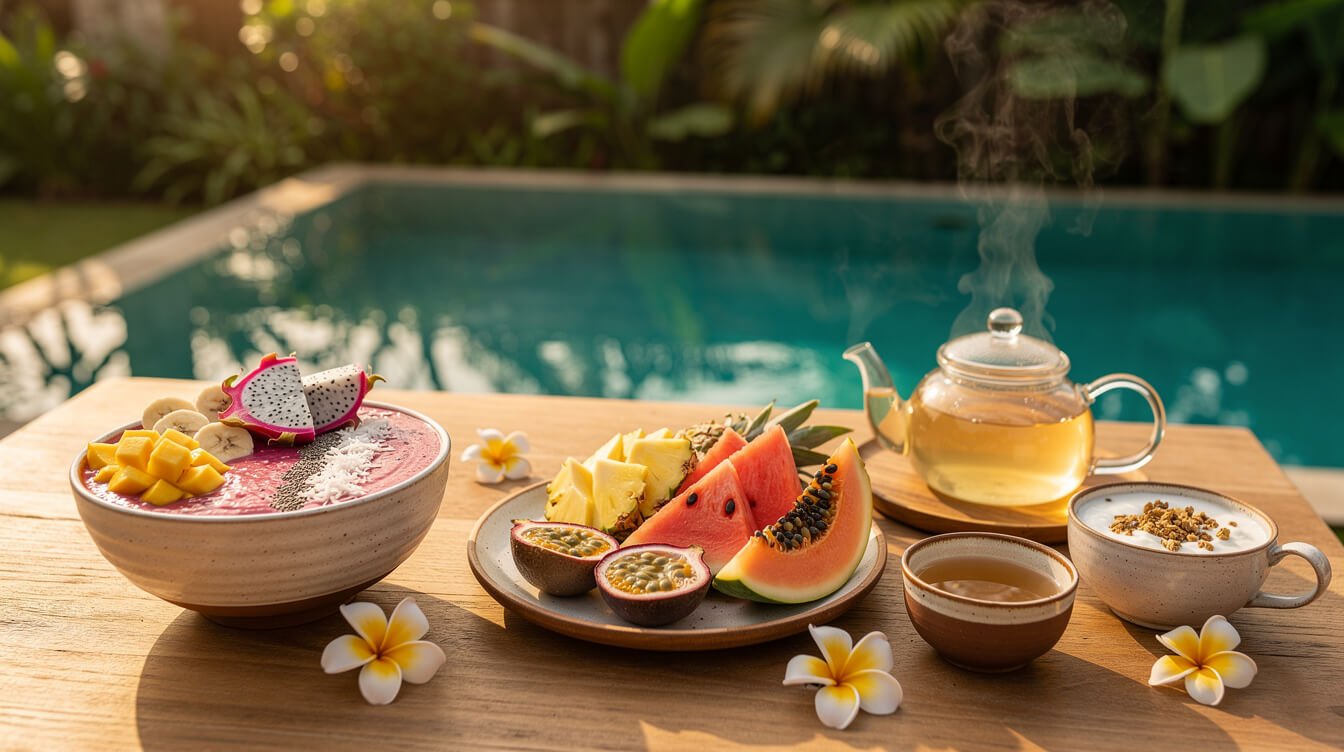
The question everyone asks before booking: what does a typical day actually feel like? Here’s an honest morning-to-evening sketch from a self-directed ubud yoga retreat based at a private villa.
6:00 AM — Wake Naturally
No alarm. The roosters and the morning bird chorus handle that. The air is cool and slightly damp. Step onto the terrace and the rice fields are still wrapped in mist. Your villa manager has already placed fresh coffee and sliced papaya on the pool deck table.
7:00 AM — Morning Practice
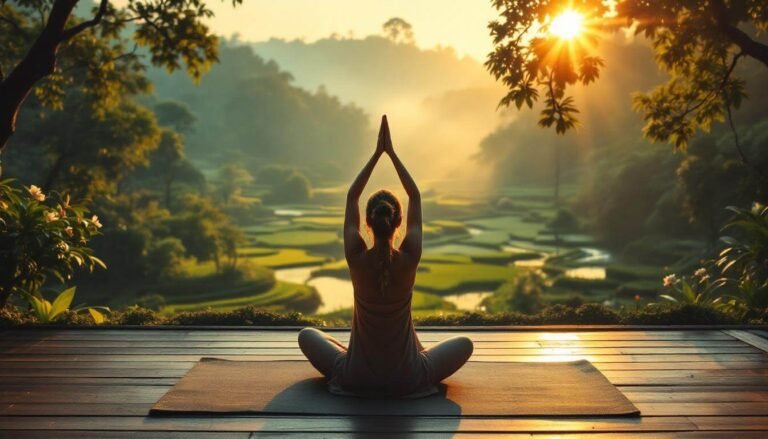
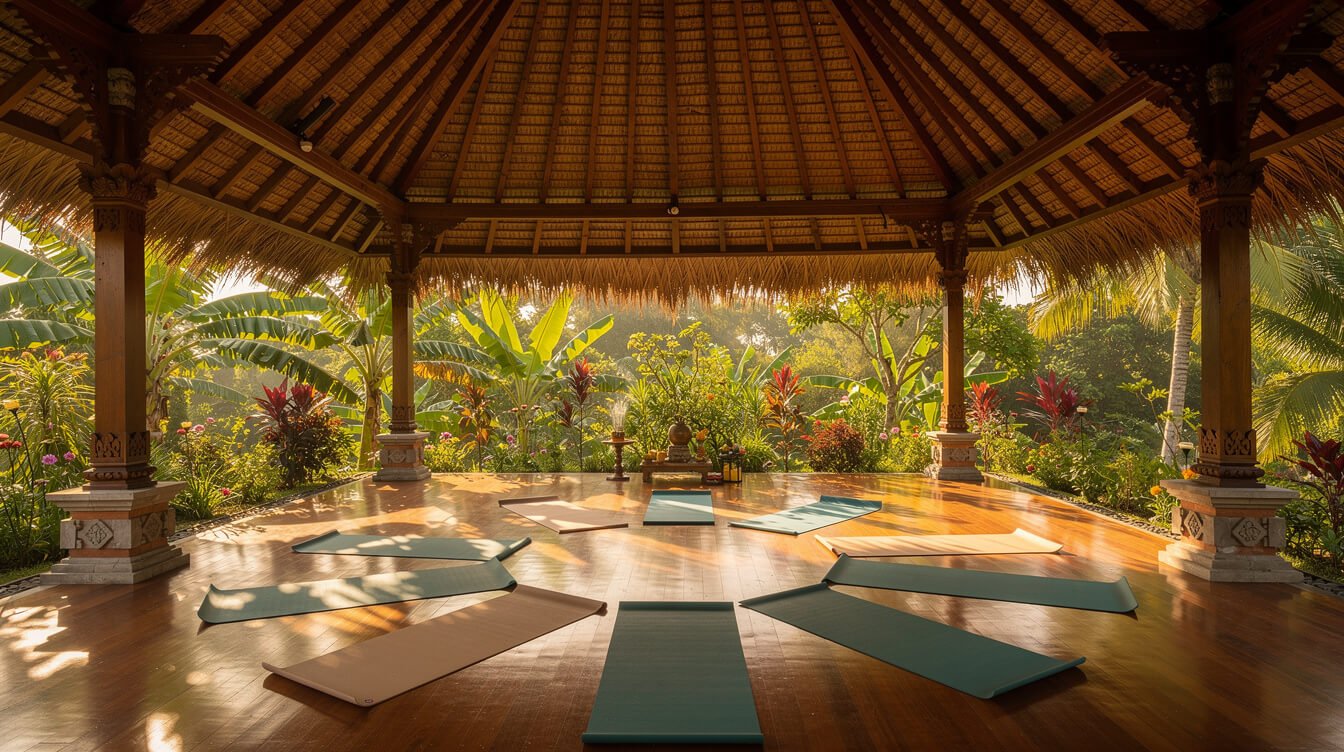
Walk or scooter to The Yoga Barn or Radiantly Alive for a 7:30 vinyasa class, or roll out your mat in the villa garden for a solo practice. The open-air shalas in Ubud mean your practice happens alongside birdsong and the rustle of banana leaves — not piped-in playlists.
9:30 AM — Breakfast
Back at the villa, your chef has prepared breakfast around your preferences. A smoothie bowl with local dragonfruit. Eggs from the morning market. Fresh-pressed juice from the garden’s own limes. This is where a private villa with a chef changes the retreat experience — your nutrition is fully held, every meal.
11:00 AM — Free Time
Read by the pool. Book a Balinese massage at a local spa (not the resort markup — real village pricing). Walk the Campuhan Ridge. Visit the Tegallalang Rice Terrace while the light is soft and the crowds are thin. Or simply do nothing — the villa’s garden is designed for exactly that.
2:00 PM — Afternoon Session
An afternoon yin class, a sound healing session, or a breathwork workshop at one of Ubud’s studios. Many practitioners find the afternoon sessions more transformative because the body is already open from the morning practice and the midday rest.
5:00 PM — Golden Hour
The light shifts. The garden fills with frangipani scent. The gamelan from the neighboring village temple drifts across the valley. This is the hour that makes people extend their stay. Sit by the pool, journal, or watch the Balinese ceremonies unfold in the streets below.
7:00 PM — Dinner
Your chef prepares dinner using ingredients from the morning market — grilled fish with sambal matah, steamed vegetables in coconut, fresh tempeh, local greens you’ve never tasted before. Eat by candlelight on the terrace. No reservation needed. No bill coming.
Where to Stay for Your Ubud Yoga Retreat
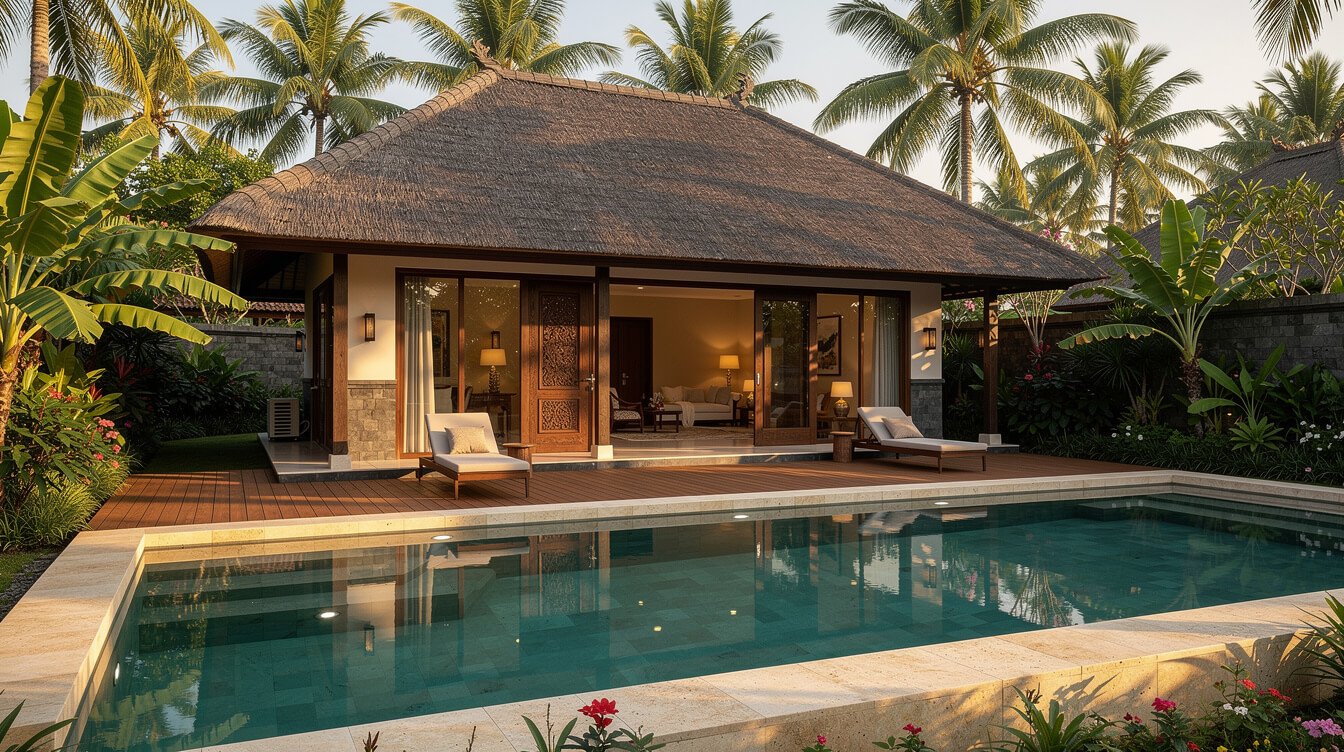
Your accommodation shapes your retreat more than any studio choice. Here’s how the options compare — honestly.
Retreat Centers (On-Site)
Places like Fivelements, Soulshine, and Blooming Lotus offer all-inclusive stay-and-practice packages. You sleep where you practice. The convenience is real, but so are the tradeoffs: shared spaces, set mealtimes, limited flexibility, and higher per-night rates. If you want structure and don’t mind a group setting, these work well.
Boutique Hotels and Guesthouses
Ubud has hundreds. Many are beautiful. But a hotel room is still a hotel room — no kitchen, no staff that knows your preferences, no private pool for that post-practice plunge. You’ll also eat every meal out, which adds up and breaks the retreat rhythm.
Private Staffed Villas
This is where the self-directed retreat comes into its own. A staffed villa in Ubud gives you a full house with a personal chef, housekeeper, villa manager, and gardener. Three bedrooms means a couple or a group of friends can split the cost — often coming in under the per-person rate of an organized retreat.
The difference is felt in the details: breakfast appears when you’re ready for it, not when the buffet opens. The pool is yours at 6 AM. The garden is quiet enough for meditation without earbuds. And your villa manager can book any studio, healer, or excursion in Ubud with a single phone call — they know every practitioner in the village by name.
This is the model we know best. Choosing where to stay in Ubud is the single decision that shapes your entire retreat — and a private villa with full staff turns a good yoga trip into something genuinely transformative.
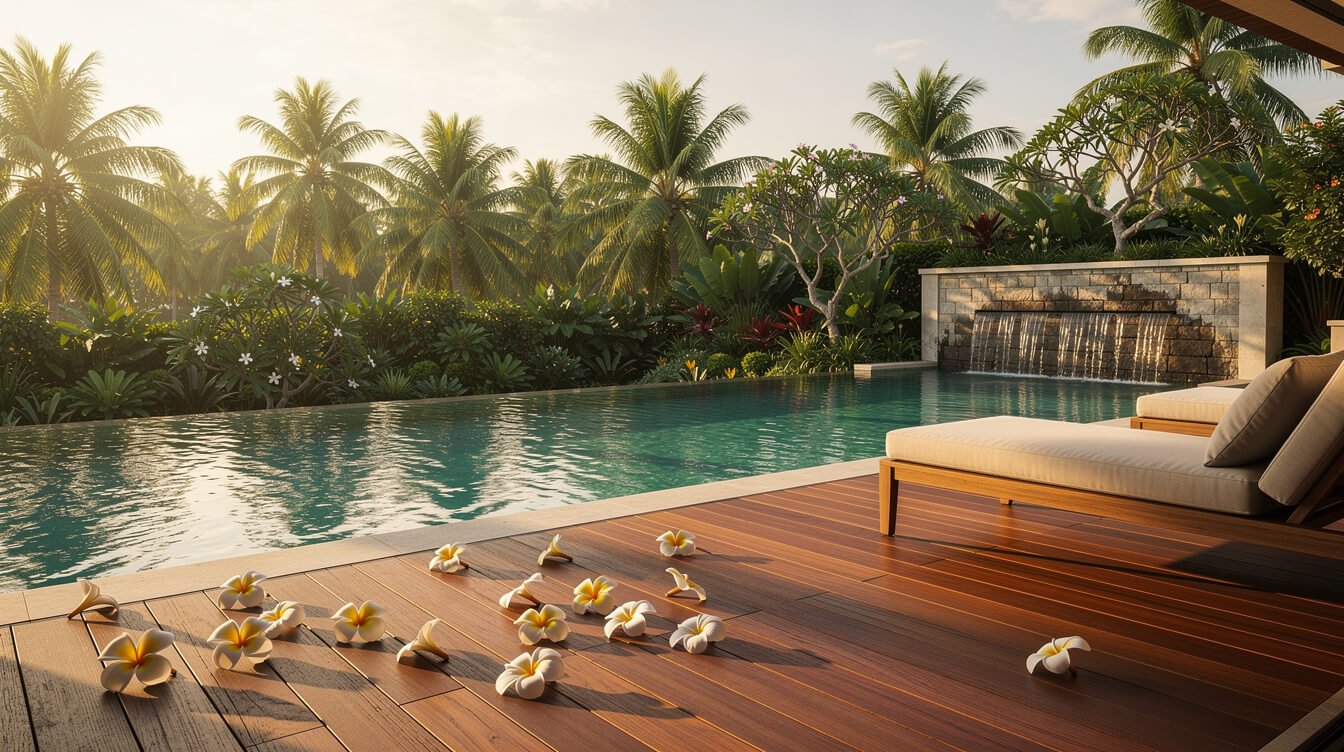
Ready to Build Your Own Ubud Yoga Retreat?
Villa Amrita is a 3-bedroom staffed pool villa in the heart of Ubud — your private base for a self-directed retreat with a personal chef, daily housekeeping, and a team that knows every studio in town.
Beyond the Mat — Ubud Experiences That Deepen Your Practice
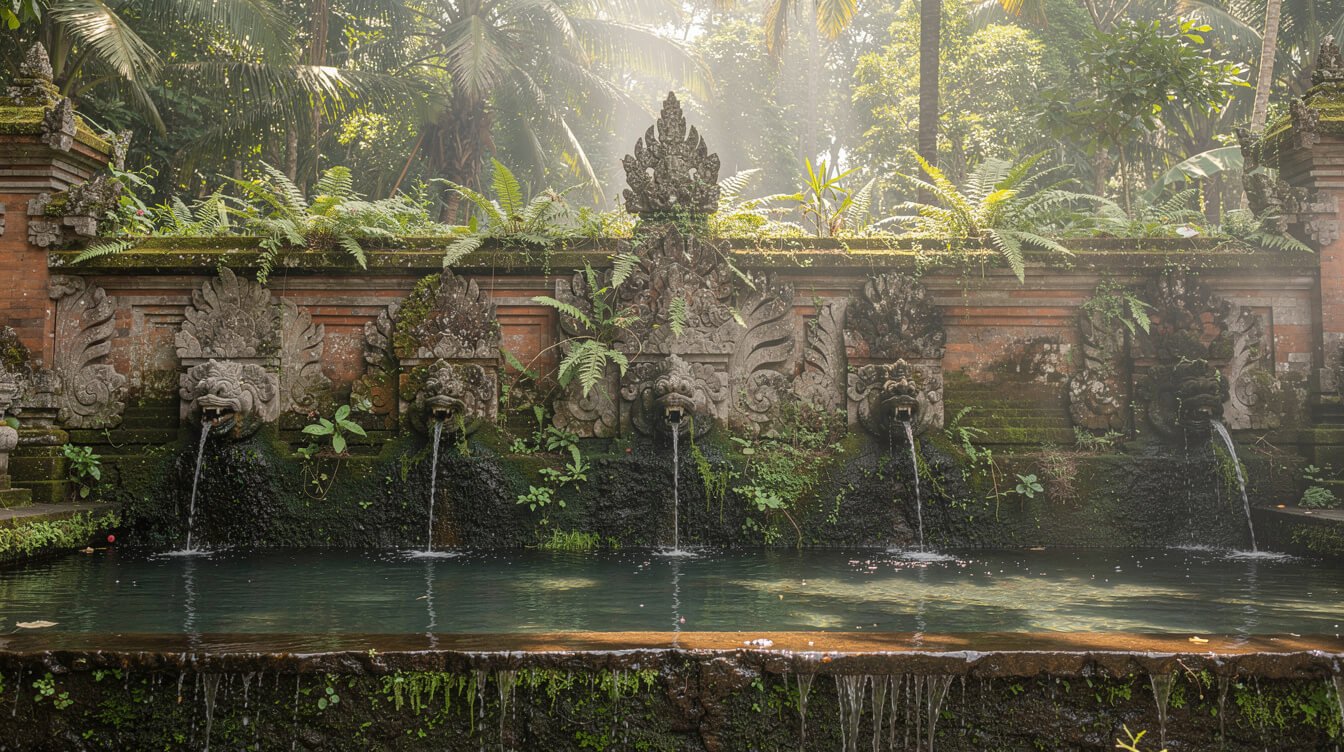
The most memorable part of an ubud yoga retreat often happens off the mat. Ubud’s culture, landscape, and healing traditions create a context for practice that you simply can’t replicate in a Western studio.
Water Purification at Tirta Empul
This ancient temple near Tampaksiring has been a site of ritual cleansing for over a thousand years. You walk through a series of sacred springs, each with a different intention — releasing, purifying, renewing. It’s not a tourist activity (though tourists come). It’s a living ceremony. Go with a local guide who can explain the prayers and the protocol. Your villa team can arrange this.
Balinese Healing Sessions
Ubud is home to some of Bali’s most respected traditional healers — balian — who work with energy, herbs, and ancestral wisdom. A session with a skilled balian is unlike anything in Western bodywork. These are not advertised on Instagram. Ask your villa manager for a recommendation — they’ll connect you with someone genuine, not someone catering to the Eat Pray Love circuit.
Rice Terrace Walking Meditation
The subak irrigation system that feeds Ubud’s rice terraces is a UNESCO World Heritage practice. Walking through these fields in the early morning — the water reflecting the sky, the air still cool, the only sound your own breathing — is a form of meditation that requires no instruction. The Tegallalang terraces are the most famous, but the quieter paths around Jatiluwih and Sidemen offer the same beauty without the crowds.
Ecstatic Dance and Sound Healing
The Yoga Barn hosts ecstatic dance sessions several times a week — barefoot, freeform movement with live DJs in an open-air pavilion. Sound healing sessions using Tibetan singing bowls, gongs, and crystal bowls happen at multiple venues across town. Both practices complement a yoga retreat beautifully, especially for practitioners who want to explore beyond the traditional asana framework.
Cooking with Local Ingredients
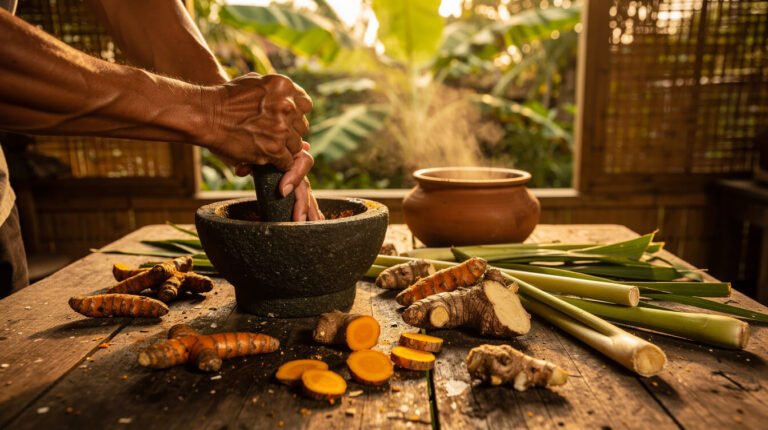
Several cooking classes in Ubud begin at the morning market, where you learn to identify ingredients you’ve never seen before — galangal, torch ginger, kencur, tamarind. You then cook a multi-course Balinese meal with a local chef. It’s a different kind of nourishment practice. The knowledge travels home with you — long after the retreat ends, you’ll be making lawar and sambal matah in your own kitchen. For more on Ubud’s food culture, see our guide to the best restaurants in Ubud.
Frequently Asked Questions About Ubud Yoga Retreats
When is the best time to visit Ubud for a yoga retreat?
April through October is Bali’s dry season, with less humidity and clearer mornings — ideal for practice. But Ubud’s yoga studios run year-round, and the rainy season (November–March) has its own beauty: dramatic afternoon storms that clear the air, fewer visitors, and lower villa rates. Many experienced practitioners actually prefer the green season for its intensity and introspection.
Do I need to be experienced in yoga to attend a retreat in Ubud?
Not at all. Ubud’s studios offer classes at every level, from absolute beginners to advanced practitioners. If you’re building a self-directed retreat, you can attend beginner-friendly classes in the morning and explore the town in the afternoon. There’s no pressure to perform — Ubud’s yoga culture is welcoming and ego-free.
How much does an ubud yoga retreat cost?
Organized group retreats range from $800–$2,500 USD for 5–7 days. A self-directed retreat at a private villa — with a chef, daily housekeeping, and drop-in studio classes — can cost $500–$1,200 per person for a week when you split a 3-bedroom villa with friends or family. Drop-in yoga classes run IDR 130,000–180,000 ($8–$11 USD) per session.
Is Ubud safe for solo travelers?
Ubud is one of the safest places in Southeast Asia for solo travelers, including women traveling alone. The town is walkable, the local community is warm, and the yoga scene is inherently social — you’ll meet fellow practitioners at studios, cafes, and co-working spaces within your first day. For broader Bali travel tips, including safety guidance, see our complete guide.
Can I bring my family on an ubud yoga retreat?
Absolutely — and this is where a private villa shines. Parents practice at a studio while kids enjoy the pool and garden with the villa staff. Your chef accommodates everyone’s dietary needs. There’s no navigating hotel breakfast buffets with a toddler. The whole family gets to experience Ubud’s magic — rice field walks, temple visits, cooking together — at their own pace.
How do I get from the airport to Ubud?
Ngurah Rai International Airport (DPS) is about 90 minutes from Ubud by car, depending on traffic. The most comfortable option is a private car transfer, which your villa team can arrange in advance so someone is waiting when you land. Shared shuttles and ride-hailing apps (Grab) are also available. See our detailed guide on getting to Ubud for all the options.
What should I pack for a yoga retreat in Ubud?
Light, breathable clothing for practice and daily wear. A light rain jacket (even in dry season, afternoon showers happen). Comfortable walking shoes for rice terrace paths. Mosquito repellent for evenings. A journal. Most studios have mats and props, so you don’t need to bring your own unless you’re particular about your mat.
Join Our Newsletter — Fun, New, Exciting Bali News
Ubud stories, seasonal travel tips, and the kind of Bali insights that don’t show up in guidebooks. Delivered to your inbox — gently, never spammy.