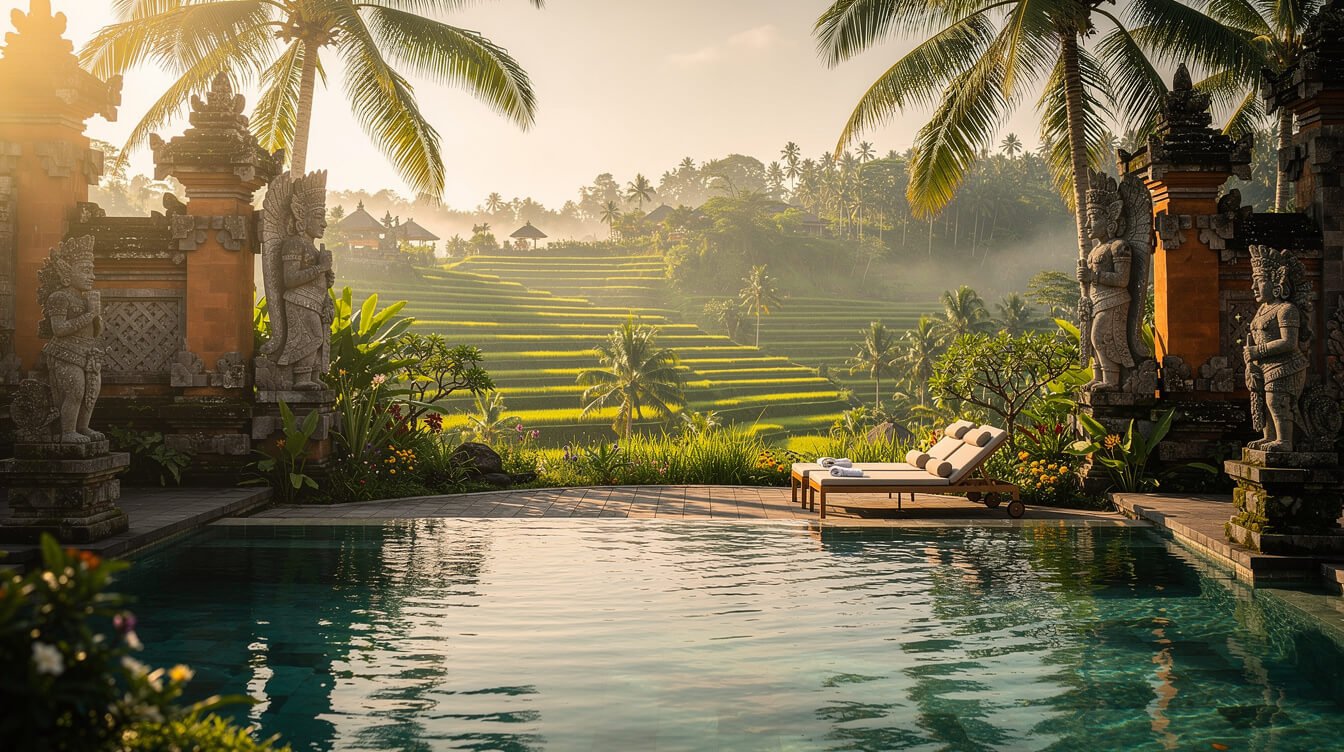
Hotel Accommodation Bali: Your Complete Guide to Where to Stay on the Island
If you have been researching hotel accommodation in Bali, you have probably noticed something: the search results are dominated by booking platforms listing thousands of properties, and the editorial guides tend to focus on the same handful of five-star resorts. Neither approach helps you understand what actually matters when choosing where to sleep on this island.
Bali is not one destination. It is a collection of radically different neighborhoods, each with its own rhythm, and the accommodation you choose shapes your entire experience. A beachfront resort in Seminyak delivers a completely different trip than a rice-field villa in Ubud or a cliff-perched hotel on the Bukit. This guide walks you through every option — honestly, without the sales pitch — so you can make the right call for your trip.
Why Bali’s Hotel Accommodation Scene Has Changed (And What It Means for You)
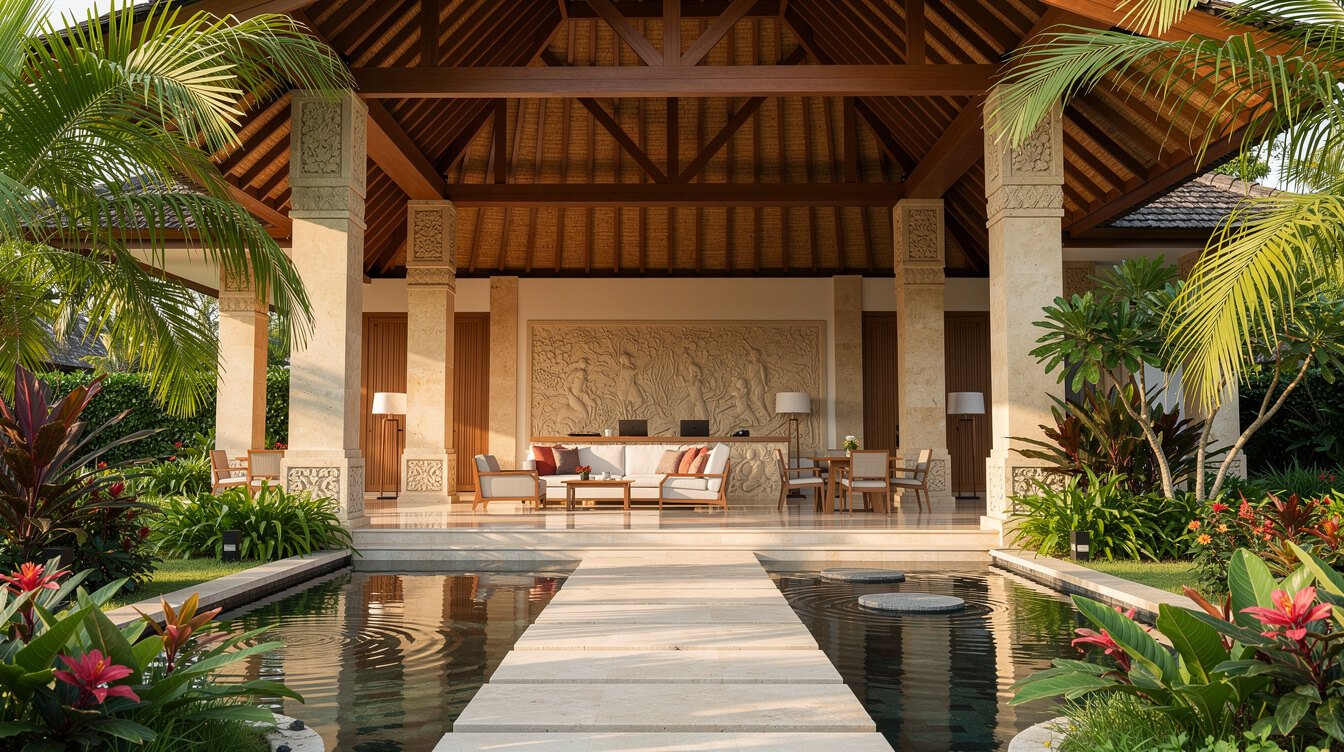
Ten years ago, choosing hotel accommodation in Bali was straightforward. You picked a beach resort in Kuta or Nusa Dua, and that was your trip. The island’s accommodation landscape has shifted dramatically since then, and understanding the change helps you avoid the most common booking mistake: treating Bali like a single resort destination.
Three things drove the transformation. First, Ubud went from a quiet artists’ village to the cultural heart of Bali’s tourism economy, drawing wellness seekers, remote workers, and travelers looking for something deeper than a poolside holiday. Second, private villa rentals exploded — particularly staffed villas where a dedicated team handles everything from airport pickup to daily meals. Third, entirely new areas opened up: Canggu became the surfer-creative hub, Uluwatu emerged as the cliffside dining destination, and the east coast quietly attracted divers and slow travelers.
The result? Bali now has more accommodation diversity per square kilometer than almost any destination in Southeast Asia. Hotels range from $15-a-night guesthouses to $3,000-per-night overwater suites. Villas range from simple two-bedroom compounds to fully staffed estates with private chefs. And the right choice depends less on your budget than on how you want to spend your days.
Hotel Accommodation in Bali: Understanding Every Option Available to You
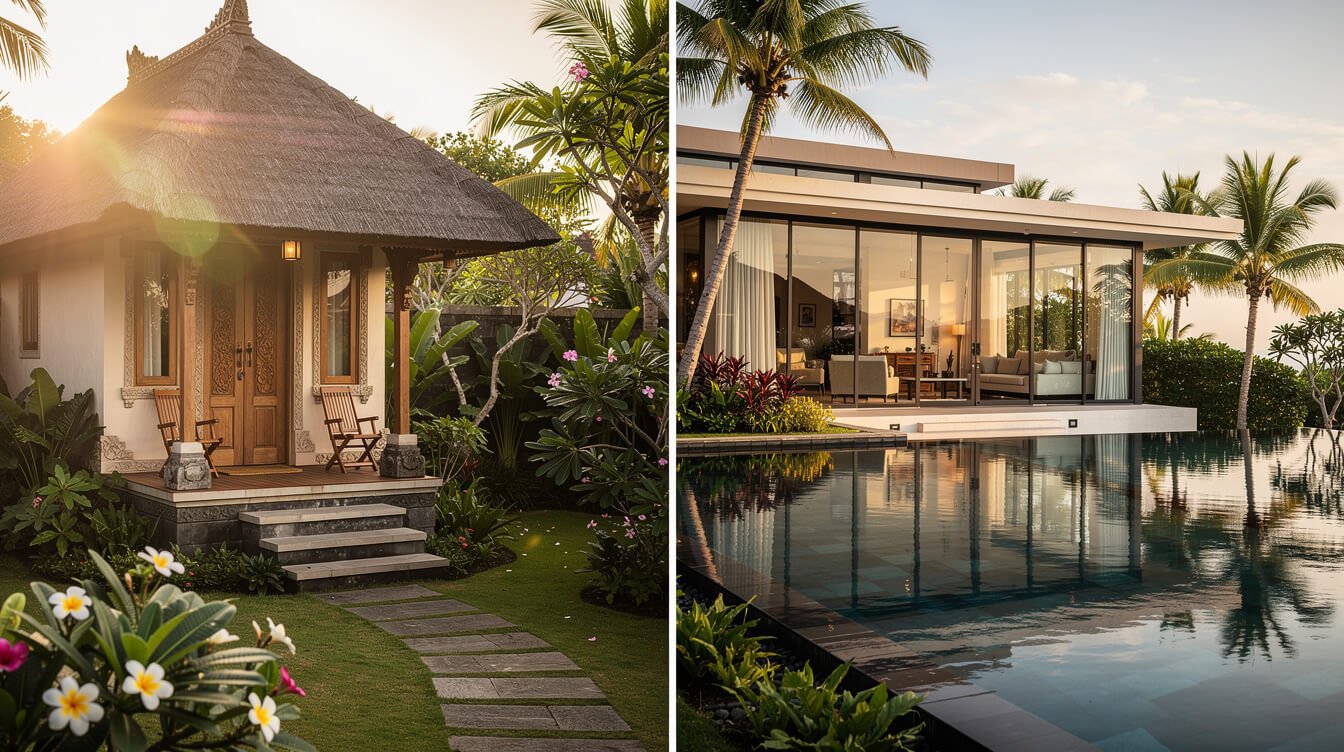
Before you filter by star rating or price, it helps to understand the actual categories of accommodation available across the island. Each one delivers a fundamentally different experience.
Large International Hotels and Resorts
The Marriotts, Hyatts, Four Seasons, and Intercontinentals of Bali. These are concentrated in Nusa Dua (the purpose-built resort enclave), Jimbaran Bay, and Sanur. They offer predictable international standards: buffet breakfasts, multiple pools, spa facilities, kids’ clubs, and the kind of service where everything is handled but nothing feels personal. If you value consistency and brand loyalty points, this is your category.
Best for: Families who want zero surprises, business travelers, loyalty-program collectors.
Boutique Hotels and Design Properties
Smaller properties (typically 10-50 rooms) with distinctive architecture and a curated atmosphere. Bali does boutique hotels extraordinarily well. Think bamboo-and-stone river lodges in Ubud, minimalist surf hotels in Canggu, or cliffside properties in Uluwatu where the architecture is the experience. Staff-to-guest ratios are higher, the restaurant is usually worth visiting on its own, and the owner’s aesthetic runs through every detail.
Best for: Couples, design-minded travelers, anyone who wants their accommodation to feel like a discovery.
Private Villas (Self-Service and Staffed)
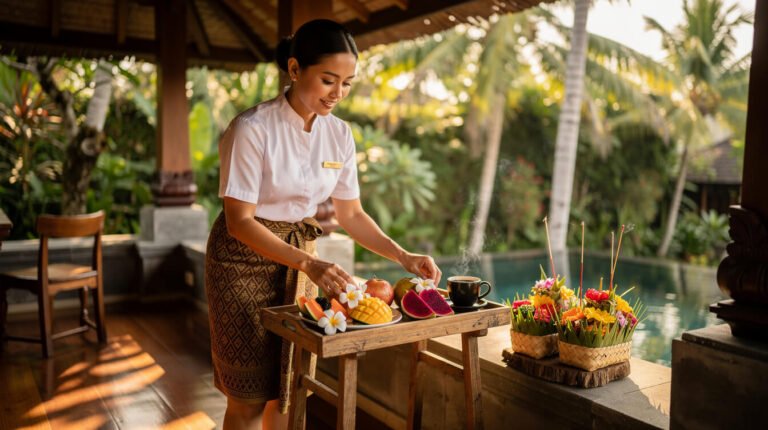
This is where Bali genuinely differs from most destinations. A private villa gives you an entire compound — bedrooms, living areas, pool, garden — with no shared spaces and no lobby. Self-service villas work like a vacation rental anywhere: you get keys, you sort yourself out. Staffed villas are something else entirely. A dedicated team — villa manager, chef, housekeeper, gardener — lives on-site and takes care of everything. Your chef goes to the morning market, cooks breakfast on the pool deck, and asks what you want for dinner. Your housekeeper refreshes the rooms while you are out exploring. It is a fundamentally different hospitality model, and once you have experienced it, hotel room service starts to feel impersonal.
Best for: Families, groups, couples celebrating milestones, retreat groups, anyone who values privacy and personal attention. Check out our guide to what a private villa stay in Ubud actually looks like.
Guesthouses and Homestays
The most authentic Bali accommodation experience. A Balinese family compound with one or two rooms set aside for guests. Breakfast is usually included — think banana pancakes, fresh fruit, and Bali coffee on a shared terrace. You will hear the morning temple offerings being prepared. You will meet the family. The trade-off is fewer amenities: no pool, simpler rooms, and sometimes shared bathrooms. But the cultural immersion is genuine.
Best for: Solo travelers, budget-conscious visitors, cultural immersion seekers.
Eco-Lodges and Glamping
Bali has embraced sustainable tourism with bamboo treehouses, jungle glamping pods, and off-grid river lodges. These properties tend to be in more remote locations — north Bali, the mountain slopes around Munduk, or deep in the Ubud jungle. The experience is about disconnection: no TV, limited Wi-Fi, and mornings that start with birdsong instead of your phone.
Best for: Nature lovers, digital detoxers, adventurous couples.
Where to Stay in Bali: The Best Areas for Every Type of Traveler

Your area choice matters more than your hotel choice. A five-star property in the wrong neighborhood can deliver a worse trip than a simple guesthouse in the right one. Here is an honest breakdown of Bali’s main accommodation areas.
Ubud: Culture, Rice Fields, and Slow Mornings
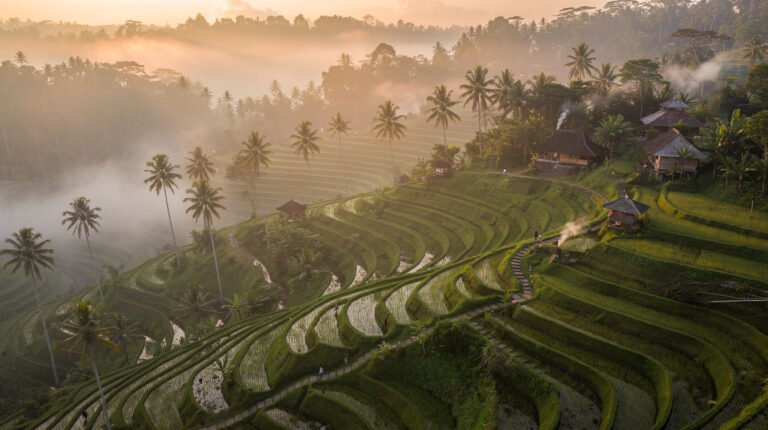
The cultural heart of Bali. Ubud sits inland among rice terraces and river valleys, and the pace here is deliberately slower. This is where you find Bali’s best yoga studios, traditional dance performances, art galleries, and the kind of restaurants that use ingredients from the garden out back. Morning walks pass through working rice fields. Temple ceremonies happen daily — you will hear the gamelan from your terrace. If you are interested in the real Bali, Ubud is where you should base yourself.
Accommodation strengths: Boutique hotels, staffed villas, yoga retreat centers, jungle lodges. Ubud’s villa scene is among the best in Bali — smaller compounds set in tropical gardens with genuine Balinese staff.
Seminyak and Kerobokan: Beach, Dining, and Nightlife
Bali’s most cosmopolitan area. Seminyak stretches along the southwest coast with beach clubs, international restaurants, boutique shopping, and a nightlife scene. Kerobokan, just north, is quieter and more residential — popular with longer-stay visitors who want the Seminyak access without the noise. Hotel accommodation in this part of Bali tends toward polished boutique hotels and luxury villas with modern design.
Accommodation strengths: Design-forward hotels, pool villas, walking distance to restaurants and bars.
Canggu: Surf, Coworking, and Community
The digital nomad and surfer capital. Canggu has evolved from a rice-field backwater into a full lifestyle destination with coworking spaces, vegan cafes, and a thriving creative scene. Accommodation ranges from surfer hostels to upscale villas. The beach is for surfing, not swimming — important to know before you book.
Accommodation strengths: Long-stay apartments, surf lodges, community-focused co-living spaces.
Nusa Dua and Jimbaran: Resort Zone Reliability
Nusa Dua is Bali’s purpose-built resort enclave — gated, manicured, and predictable. Jimbaran Bay offers a more relaxed version of the same idea, with its famous sunset seafood restaurants on the beach. Both areas are dominated by large international hotel chains. You will not see much of “real” Bali here, but the beaches are calm, the pools are enormous, and everything works.
Accommodation strengths: International chain hotels, all-inclusive options, calm swimming beaches.
Uluwatu and the Bukit Peninsula: Cliffs, Surf, and Sunsets
The southern tip of Bali sits on dramatic limestone cliffs above world-class surf breaks. Uluwatu has transformed into a destination dining and boutique hotel zone. The beaches here — Padang Padang, Thomas Beach, Dreamland — require staircase descents down the cliffs. The sunset temple ceremony at Pura Luhur Uluwatu is worth the trip alone.
Accommodation strengths: Clifftop boutique hotels, surf camps, new-wave design properties.

Get a Free 3-Day Sample Itinerary
Planning your Bali trip? We put together a complimentary 3-day itinerary with our favorite Ubud moments — morning markets, rice field walks, and quiet sunset spots the guidebooks skip.
What Most Hotel Accommodation Guides for Bali Won’t Tell You
Most accommodation guides rank properties by star rating or reviewer scores and leave it at that. Here are the things that actually affect your daily experience — the factors that determine whether you love your Bali stay or just tolerate it.
Location Within the Area Matters More Than the Hotel Itself
In Ubud, a hotel on Monkey Forest Road puts you in the tourist core — convenient but noisy. A property 15 minutes north, near the Tegallalang rice terraces, gives you morning mist over green valleys and a completely different atmosphere. In Seminyak, a hotel on Jalan Kayu Aya means walking to dinner; a villa in the back streets of Kerobokan means you need a scooter or driver for everything. Always check the exact location on a map before booking.
Staff Quality Varies More Than Room Quality
Bali’s hospitality culture is extraordinary — genuinely warm, anticipatory, and caring. But this quality shows up most in smaller properties where staff have autonomy and tenure. The villa manager who has worked at the same compound for eight years will deliver hospitality that no chain-hotel front desk can match. She knows the best warung for nasi campur. She will arrange a temple ceremony visit that fits your schedule. She will remember your coffee preference on day two. When choosing accommodation, read reviews specifically about the staff — that is where the real Bali hospitality difference lives.
Breakfast Can Make or Break Your Morning
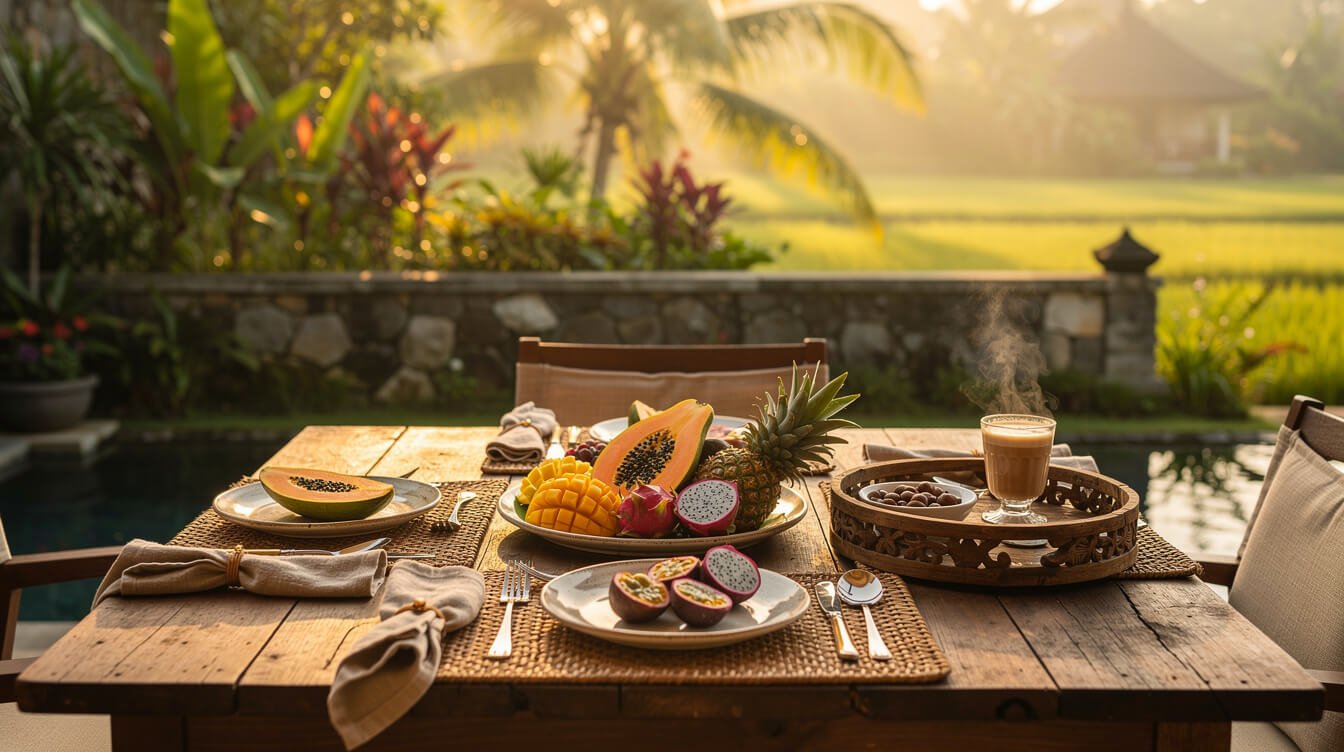
The international hotel buffet — scrambled eggs, toast, cereal — is the same in Bali as it is in Bangkok or Barcelona. The alternative is extraordinary: a Balinese breakfast of fresh tropical fruit you have never tasted before, jamu wellness drinks, nasi goreng made to order, and coffee from beans grown on the volcanic slopes an hour north. Properties with in-house kitchens or private chefs offer this. Hotels with buffets usually do not.
Pool Access Is Not What You Think
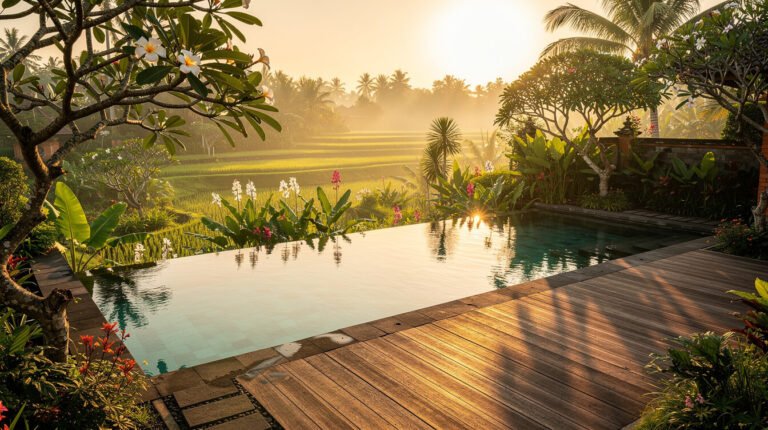
A resort pool shared with 200 other guests and background music from the pool bar is a fundamentally different experience than a private pool in a tropical garden where the only sound is birdsong. If pool time matters to your trip — and in Bali’s heat, it probably does — consider whether you want a pool or a private pool. Villas deliver the latter at a comparable nightly rate to mid-range hotels.
The “View” Question
Hotel rooms in Nusa Dua promise ocean views — and deliver them through a window above a parking structure. Villa compounds in Ubud are surrounded by working rice fields on three sides. The view you actually experience day-to-day is worth more than the view in the listing photo. Ask for recent guest photos, not professional marketing shots.
How to Choose Between a Hotel and a Private Villa in Bali
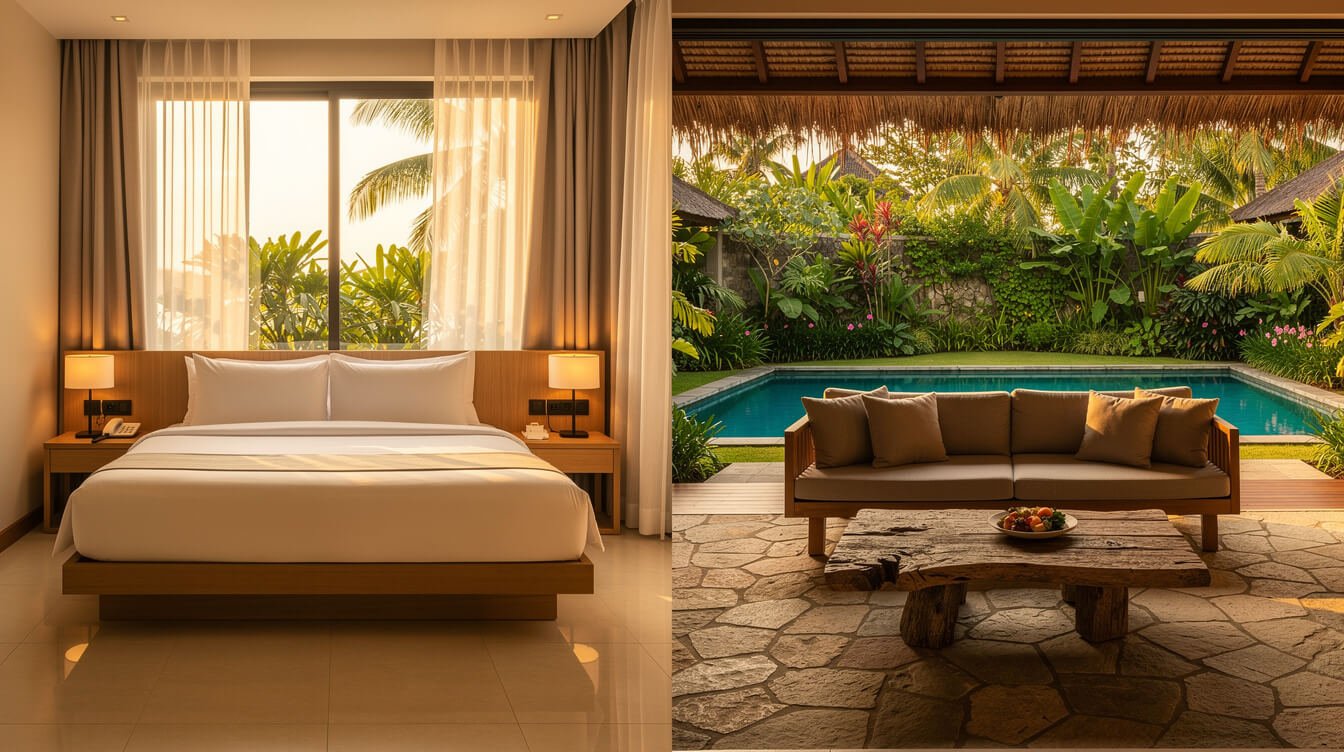
This is the decision most first-time Bali visitors do not know they need to make. Hotel accommodation in Bali is the default — it is what most travelers book because it is what they know. But Bali’s villa market offers something genuinely different, and understanding the trade-offs helps you choose wisely.
Choose a Hotel When:
- You want zero logistics. Walk to the front desk, ask a question, get an answer. Hotels handle everything within their walls.
- You are staying one or two nights. Short stays do not justify the setup of a villa experience.
- You want on-site facilities. Gym, spa, multiple restaurants, kids’ club — hotels bundle these; villas do not.
- You are a solo traveler. A three-bedroom villa for one person is overkill. Hotels are designed for individuals.
Choose a Villa When:
- You are traveling with family or a group. Two or three bedrooms, a shared living area, a private pool, and a garden give a family or friend group infinitely more space and privacy than adjacent hotel rooms.
- You want personal hospitality. A staffed villa means a team dedicated to your stay — not shared with 200 other guests. Your chef, your housekeeper, your villa manager.
- You are staying three nights or more. Longer stays let you settle into the rhythm. The chef learns your preferences. The gardener cuts frangipani for your room. The experience deepens each day.
- You value privacy and quiet. No hotel corridors, no elevator music, no lobby chatter. Just your compound, your garden, your pool.
- You want to eat well without going out. A private chef cooking Balinese and international dishes from fresh market ingredients — in your own kitchen, on your schedule — is a category of dining that no hotel restaurant can replicate.
The Cost Comparison Most People Get Wrong
A common misconception is that villas are more expensive than hotels. In reality, a staffed three-bedroom villa in Ubud often costs the same per night as a single superior room at a five-star resort in Nusa Dua — but you get three bedrooms, a private pool, a garden, and a dedicated team. Split between two or three couples, the per-person cost drops below most mid-range hotels. The math favors villas for groups almost every time.

Ready to Skip the Hotel? Book the Villa.
Three bedrooms, a private pool, a chef who knows the morning market by name, and a garden that smells like frangipani. This is what staying in Ubud actually feels like.
Booking Tips and Seasonal Secrets for Bali Accommodation
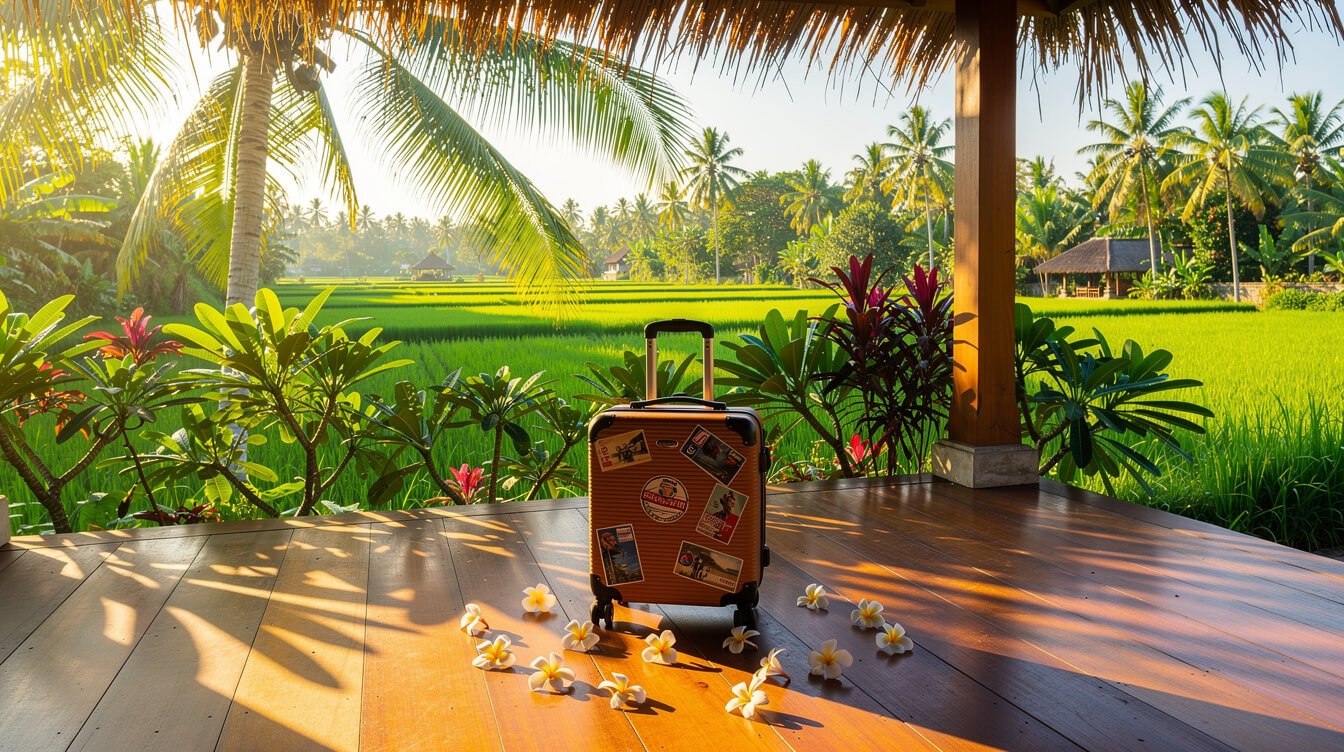
When you book matters almost as much as where you book. Bali has distinct seasons, and prices, availability, and even the quality of your experience shift dramatically throughout the year.
Peak Season (June-September, Christmas-New Year)
Dry season (June-September) is when Bali is at its most reliably sunny. Combined with Northern Hemisphere summer holidays, this is when hotel accommodation across Bali fills up fast and prices spike 30-50% above shoulder-season rates. Christmas and New Year bring a second peak. If you are traveling during these periods, book at least three months ahead — six months for popular properties.
Shoulder Season (April-May, October-November)
The sweet spot. Weather is still excellent (the transition between wet and dry is gradual), crowds thin significantly, and prices drop. You will find genuine availability at properties that are fully booked in July. This is when experienced Bali travelers tend to visit.
Wet Season (December-March)
Bali’s wet season is not what most people imagine. It rarely rains all day — typical pattern is sunny mornings with a heavy afternoon downpour that clears by sunset. The landscape is at its greenest, rice terraces are at their most photogenic, and accommodation prices are at their lowest. The trade-off is higher humidity and occasional disruptions. For wellness retreats and yoga-focused trips, wet season is actually ideal — the energy is softer, the island quieter.
Direct Booking vs. OTA Platforms
Booking.com, Airbnb, and Agoda all list Bali properties. But here is what the platforms do not tell you: many of the best villas and boutique hotels offer lower rates when you book directly. The property saves the 15-20% commission they would pay the platform, and they pass some of that saving to you. Direct booking also gives you a relationship with the property team — which in Bali, where hospitality is personal, means better service, more flexibility on check-in times, and the kind of local recommendations that the OTA algorithm cannot generate.
What to Ask Before You Book
- What is the exact location? (Get a Google Maps pin, not just an area name.)
- What is included in the rate? (Breakfast, airport transfer, daily housekeeping — these vary widely.)
- Is there a minimum stay? (Many villas require 2-3 night minimums, especially in peak season.)
- How far are you from restaurants and shops? (In rural Ubud or the Bukit, you may need a driver.)
- Can I see recent guest reviews? (Not just the curated testimonials on the website.)
For a complete breakdown of what to expect and plan for, our Bali travel tips guide covers the practical details that most visitors wish they had known before arriving.
Frequently Asked Questions About Hotel Accommodation in Bali
What is the average cost of hotel accommodation in Bali?
Budget guesthouses and homestays start around $15-30 per night. Mid-range boutique hotels and self-service villas run $80-200 per night. High-end resorts and staffed villas range from $200-800+ per night. The widest value gap is in the mid-range: a $150-per-night staffed villa in Ubud delivers an experience that competes with $400-per-night resort rooms in Nusa Dua.
Which area in Bali has the best hotel accommodation?
It depends entirely on what you want from your trip. For culture and nature: Ubud. For beaches and nightlife: Seminyak. For surfing and digital nomad life: Canggu. For predictable resort-style stays: Nusa Dua. For dramatic scenery and boutique dining: Uluwatu. There is no single “best” — only the best match for your priorities. Our complete guide to where to stay in Ubud breaks down the specific neighborhoods within the cultural capital.
Is it better to stay in a hotel or a villa in Bali?
For solo travelers and short stays (1-2 nights), hotels are more practical. For couples, families, and groups staying three nights or longer, a staffed villa delivers better value, more space, more privacy, and a more personal hospitality experience. The villa model is uniquely strong in Bali — the staff culture here makes it genuinely special.
How far in advance should I book Bali accommodation?
For peak season (June-September, Christmas-New Year): book 3-6 months ahead. For shoulder season (April-May, October-November): 1-2 months is usually fine. For wet season (December-March): you can often book 2-4 weeks ahead, though popular properties still fill up. Direct bookings with properties tend to offer more flexibility on cancellation than OTA bookings.
Is Bali accommodation safe?
Yes. Bali has one of the strongest tourism infrastructures in Southeast Asia. Reputable hotels and villas maintain high safety and hygiene standards. Staffed villas offer an additional layer of security — there is always someone on the compound. Common-sense precautions apply: use a safe for valuables, confirm that your pool has proper fencing if you are traveling with small children, and verify that the property has 24-hour contact availability.
Do I need to rent a car if I stay outside the main tourist areas?
Not necessarily. Most hotels and villas can arrange a private driver for day trips (around $40-60 per day including fuel). Grab (ride-hailing) works in most areas. Scooter rental is popular but only advisable if you are an experienced rider — Bali traffic has its own rules. Properties in Ubud’s central area and Seminyak are walkable to restaurants and shops; more rural locations benefit from having transport arranged.

Join Our Newsletter — Fun, New, Exciting Bali News
We send occasional letters from Ubud — what is blooming, what is in season, quiet corners we have found, and travel tips that actually help. No spam, just Bali.