Bali Travel Guide: Your Complete Insider Guide from a Villa Team That Knows
Your bali travel guide starts here — not from a travel blog that visited once, but from a villa team that lives in Ubud and helps hundreds of guests navigate this island every year. We know which roads flood in rainy season, which warungs the locals actually eat at, and what nobody tells you about Balinese ceremony days until you’re standing in traffic wondering what happened.
Bali is the kind of place that rewards preparation and punishes assumptions. The island is smaller than you think, more culturally complex than most guides let on, and infinitely more rewarding when you understand the rhythms underneath the surface. This guide covers everything you need — from visas and transport to where to stay, what to eat, what to do, and how to move through Bali with the kind of ease that comes from genuine local knowledge.
What You Need to Know Before Your Bali Trip
Bali sits eight degrees south of the equator in the Indonesian archipelago — a volcanic island roughly the size of Delaware. But comparing Bali to anything else misses the point. This is an island where Hindu temples outnumber hotels, where every morning begins with handmade offerings placed on sidewalks and doorsteps, and where the rice terraces you see on Instagram are actually working agricultural systems that have sustained villages for a thousand years.
The island has two seasons. Dry season (April through October) brings clear skies, lower humidity, and the busiest tourist months — June through August peak. Wet season (November through March) brings afternoon downpours that last an hour or two, lush green everything, and significantly fewer crowds. Neither season is bad. We host guests year-round, and some of our most memorable stays happen in January when the rice fields are electric green and you have the waterfalls to yourself.
A few things nobody tells you until you arrive: Bali runs on “rubber time” — schedules are suggestions, not commitments. The island shuts down completely during Nyepi (Balinese New Year, usually in March) — no flights, no driving, no lights after dark. And the traffic between Ubud and the southern beaches can take two hours for a 25-kilometer drive. Plan accordingly.
Getting to Bali and Getting Around the Island
Everyone arrives through Ngurah Rai International Airport (DPS) in southern Bali, near Kuta. The airport is well-connected to major Asian hubs — Singapore, Kuala Lumpur, Bangkok, Hong Kong, Tokyo, Sydney — with direct flights from many cities. From Europe or North America, you’ll typically connect through one of these hubs.
Visa and Entry Requirements
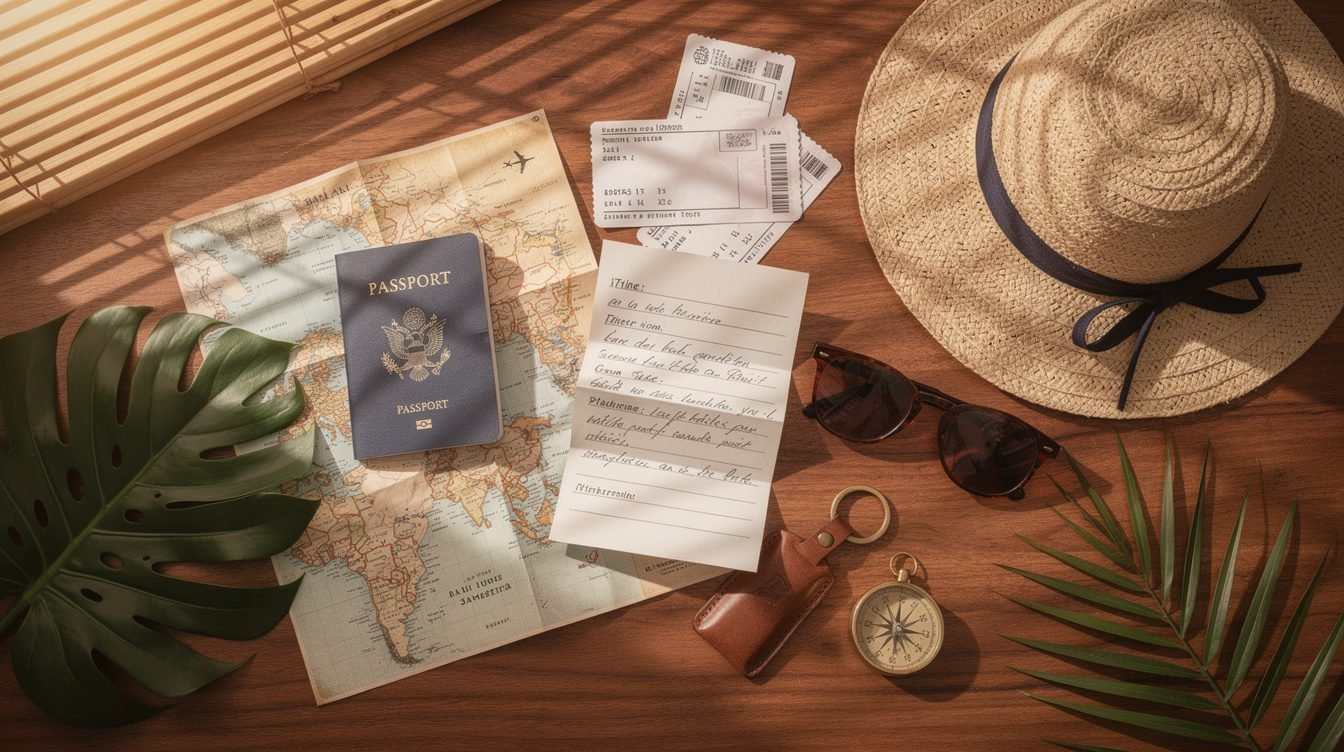
Most nationalities get a Visa on Arrival (VOA) for 30 days, extendable once for another 30. Cost is 500,000 IDR (roughly $30 USD). You can pre-apply for an e-VOA online through the official Indonesian immigration portal to skip the visa queue — highly recommended, especially during peak season when airport lines stretch for an hour or more.
You’ll also need to fill out an electronic customs declaration (e-CD) before landing and pay the Bali tourism tax of 150,000 IDR ($10 USD) — either online in advance or at the airport.
Getting Around
Bali doesn’t have a functioning public transport system. Your options:
- Private driver for the day — 600,000-800,000 IDR ($40-55 USD) for 8-10 hours. This is how most guests explore. Your driver knows the roads, waits while you explore, and handles the chaos of Bali traffic so you don’t have to.
- Ride-hailing apps — Grab and Gojek work in most areas, though some tourist zones (like central Ubud) restrict them due to local taxi union agreements. A scooter ride across Ubud costs 15,000-25,000 IDR ($1-2 USD).
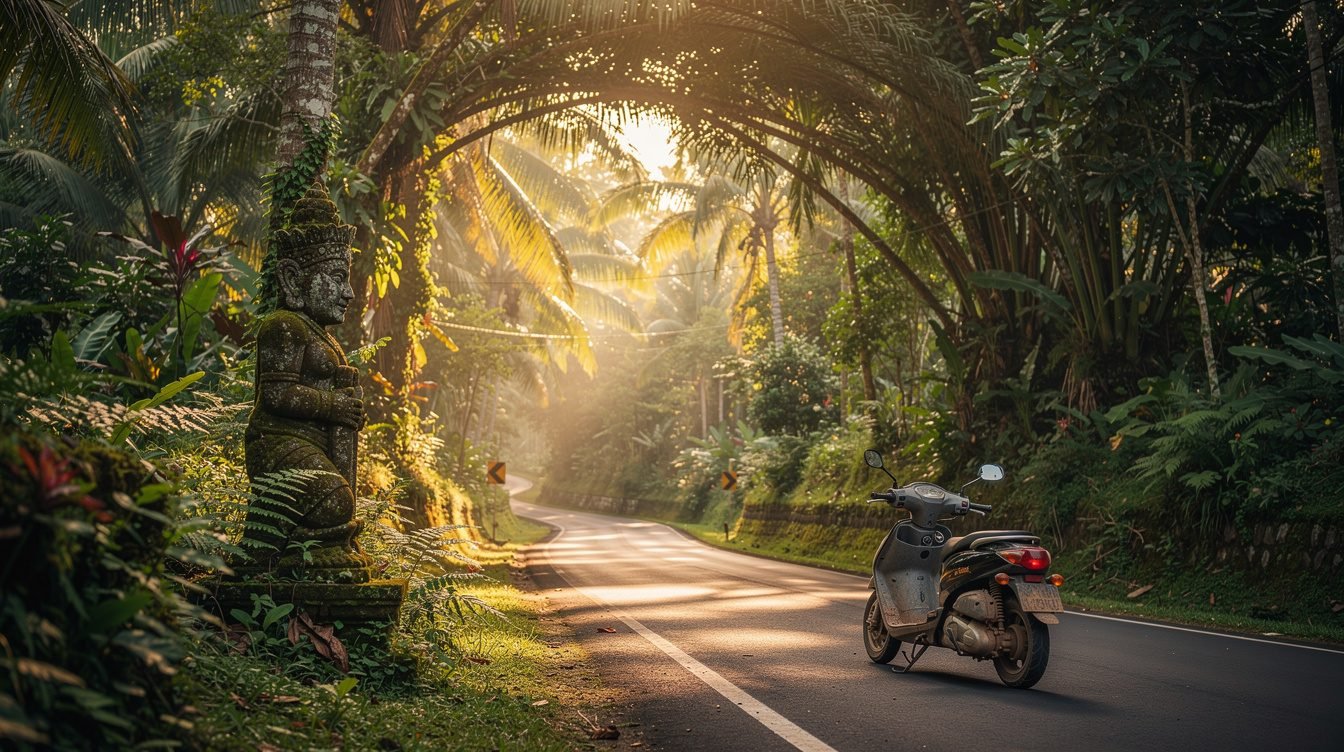
- Scooter rental — 60,000-80,000 IDR per day ($4-5 USD). The most flexible option, but only if you’re comfortable navigating narrow roads, unpredictable traffic, and the occasional dog sleeping in the middle of the lane. International driving permit required.
- Airport transfer — Book through your accommodation. Our team arranges a private pickup for every guest — you walk out of arrivals and your driver is holding a sign with your name. No negotiating, no meter anxiety.
Where to Stay in Bali: An Honest Area-by-Area Guide

Most bali travel guide articles list every area equally. We won’t do that. After years of hosting guests and hearing what they loved (and regretted), here’s the honest breakdown:
Ubud — The Cultural Heart
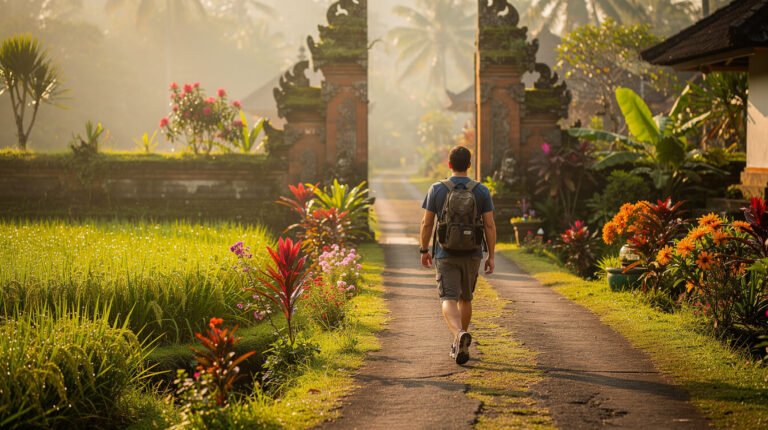
Ubud is where Bali feels most like Bali. Rice terraces, temple ceremonies at dawn, the sound of gamelan drifting from a village rehearsal hall. It’s the center of Balinese art, dance, and spiritual practice — and it’s where the jungle and the village still hold equal weight against development.
Stay in Ubud if you want: cultural immersion, yoga and wellness, rice field walks, waterfall chasing, cooking classes, quiet mornings. Stay at least 4-5 nights — Ubud reveals itself slowly. You can read our complete guide to things to do in Ubud for the full picture.
Seminyak and Canggu — Beach and Nightlife
Seminyak is polished: beach clubs, designer boutiques, upscale restaurants. Canggu is the younger, scruffier sibling — surf culture, digital nomad cafés, street art, and a nightlife scene that runs late. Both are coastal, both are social, and neither gives you much of traditional Bali.
Stay here if you want: beach days, surfing, nightlife, café-hopping. 2-3 nights is usually enough.
Uluwatu — Cliffs and Surf
The Bukit Peninsula in south Bali is dramatic limestone cliffs dropping into turquoise surf. Uluwatu Temple at sunset (with the Kecak fire dance) is genuinely extraordinary. The beaches here — Padang Padang, Bingin, Dreamland — are stunning but require steep staircase access.
Stay here if you want: world-class surf, cliff-top infinity pools, the most dramatic sunsets in Bali. 2-3 nights.
Nusa Islands — Day Trip or Overnight
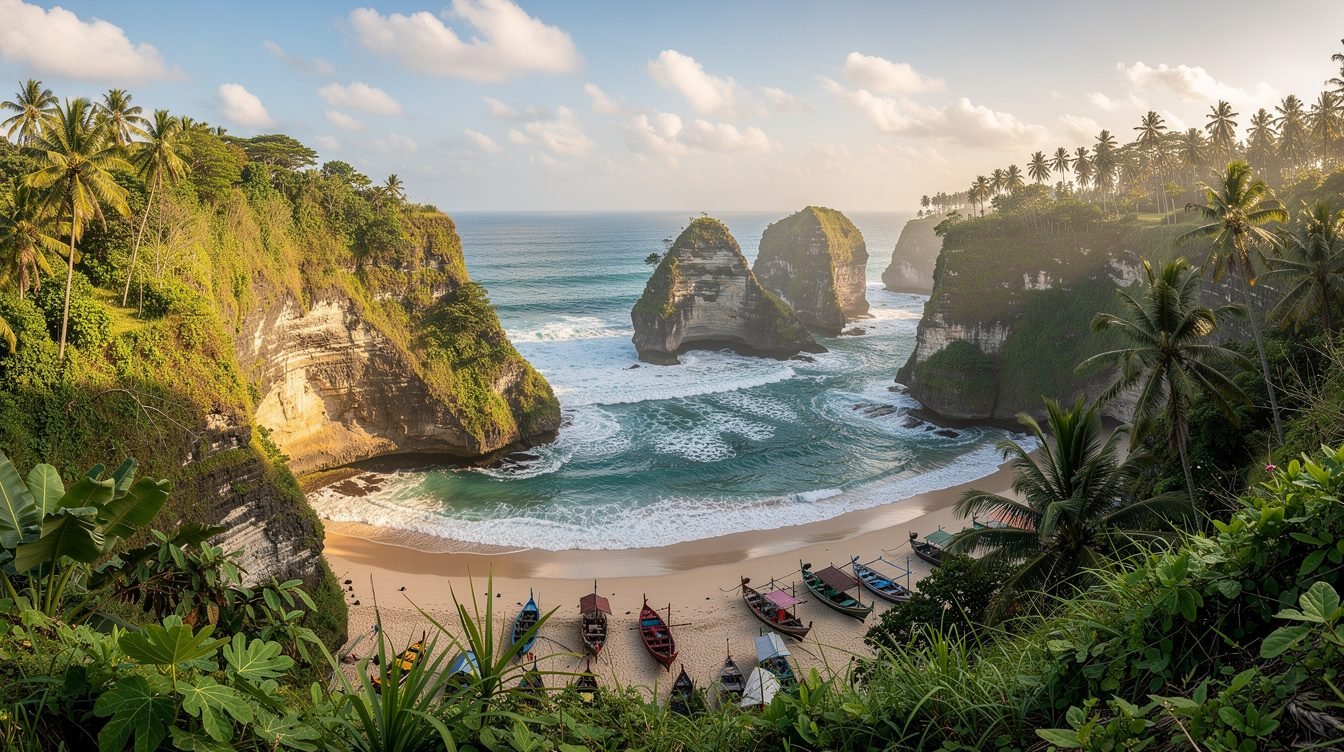
Nusa Penida, Nusa Lembongan, and Nusa Ceningan are small islands off Bali’s southeast coast. Nusa Penida has the jaw-dropping scenery (Kelingking Beach, Broken Beach, Angel’s Billabong) but terrible roads. Most visitors do a day trip from Sanur — fast boat takes 30-40 minutes.
Our Recommendation
For a first trip to Bali of 7-10 days: spend 4-5 nights in Ubud (the cultural core), 2-3 nights on the coast (Canggu or Seminyak), and 1 day trip to Nusa Penida or Uluwatu. Start in Ubud — the jet lag recovery is gentler in the quiet of the rice fields than in the buzz of a beach town.
Get a Free 3-Day Sample Itinerary
Planning your Bali trip? We put together a complimentary 3-day Ubud itinerary with our team’s favorite spots — the ones we actually recommend to our guests.
Things to Do in Bali: Experiences That Actually Stay With You
Skip the Instagram checklist. Here are the experiences our guests talk about long after they leave:
Temples and Ceremony
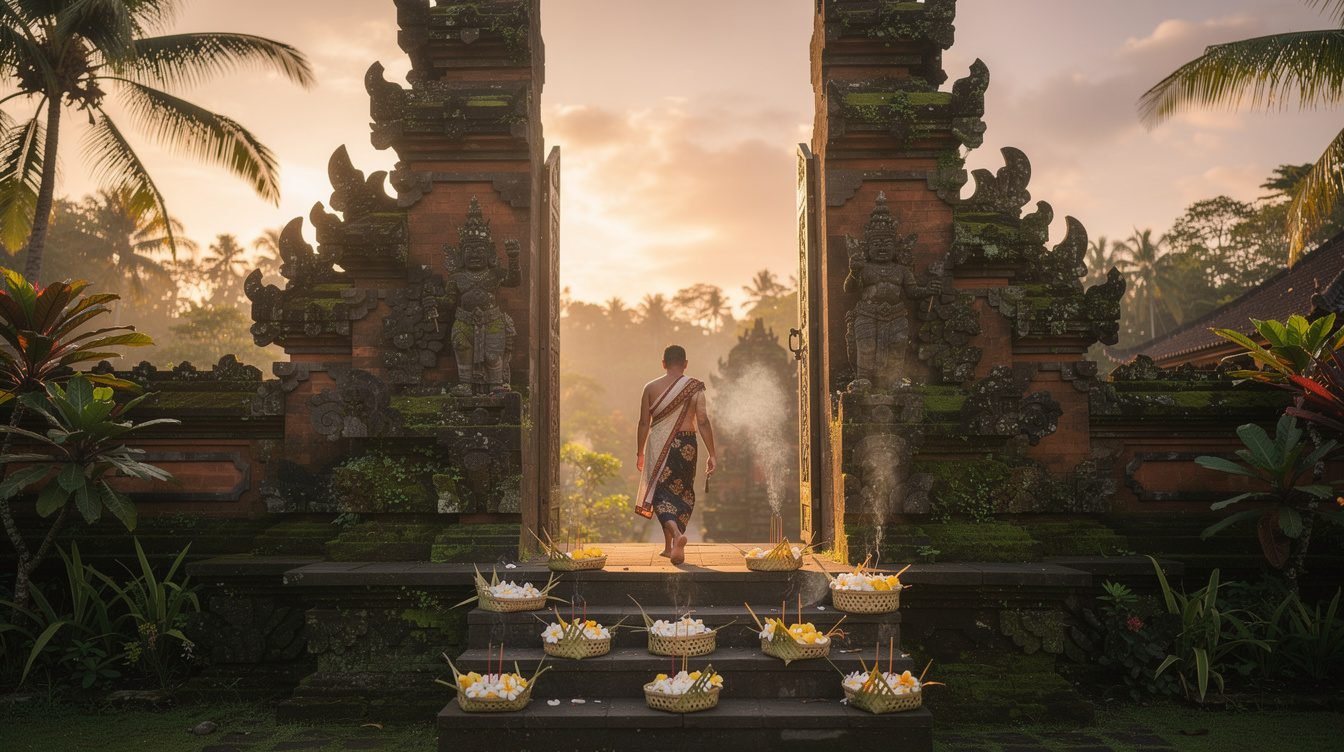
Bali has over 20,000 temples. You don’t need to visit them all — but understanding that this is a living spiritual culture (not a museum) changes how you experience everything. Tirta Empul (the purification spring temple near Ubud) is genuinely moving if you participate in the ritual, not just photograph it. Uluwatu Temple at sunset is theatrical and unforgettable. Pura Lempuyang (the “Gates of Heaven”) is stunning but expect a long queue for the famous photo.
Rice Terraces
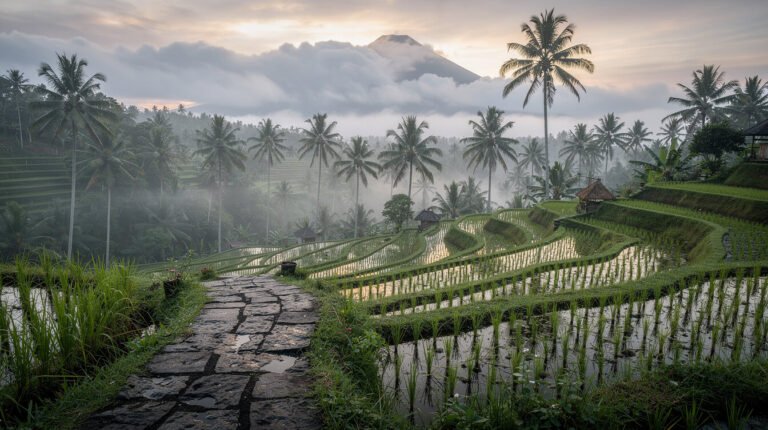
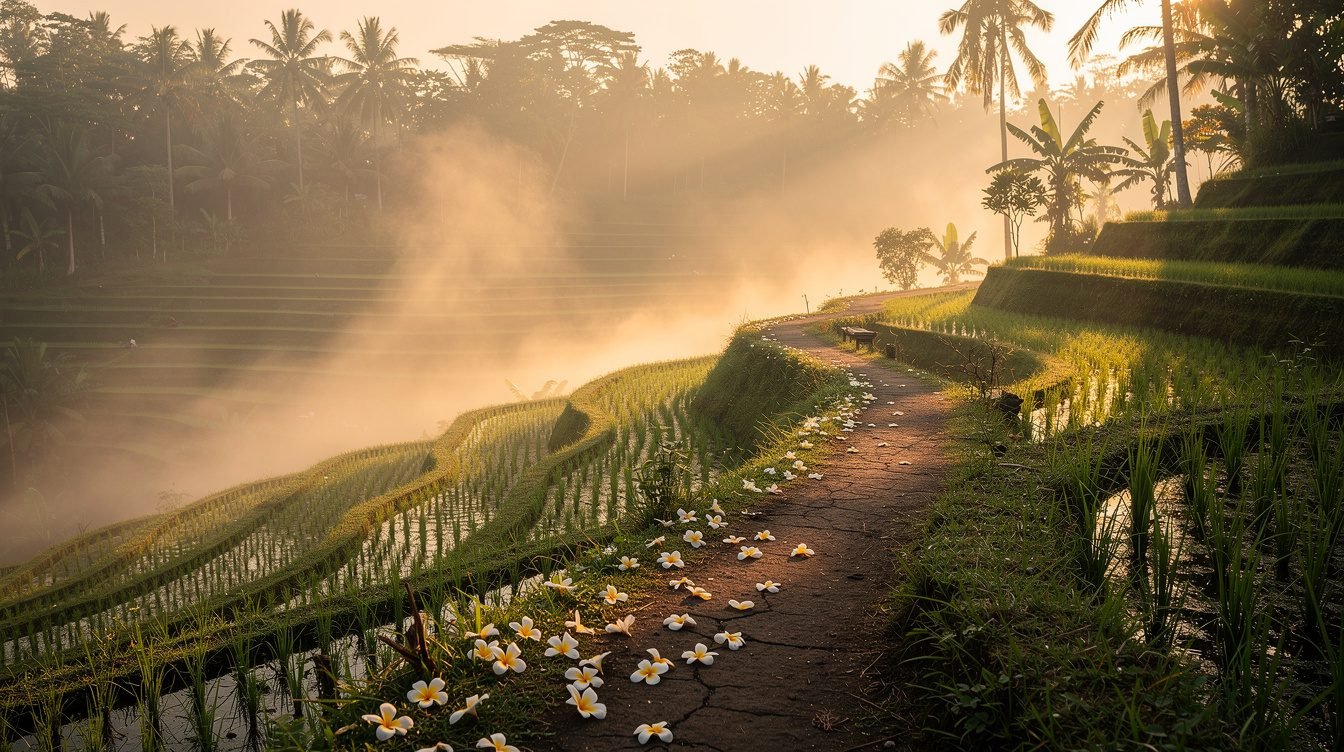
Tegallalang is the famous postcard shot, 20 minutes north of Ubud. Beautiful, but crowded and touristified. For a quieter alternative, walk the Campuhan Ridge at sunrise (free, no crowds before 7 AM) or visit Jatiluwih — a UNESCO World Heritage subak irrigation landscape that sprawls across an entire mountainside. Your driver can take you there in about 90 minutes from Ubud.
Waterfalls
Bali’s waterfalls are worth the steep stairs. Our favorites near Ubud: Tegenungan (closest, most accessible), Tibumana (quiet, intimate), Tukad Cepung (sunbeams through a cave ceiling — arrive before 10 AM for the light). Read our complete guide to Ubud waterfalls for the full list with directions and tips.
Wellness and Healing
Ubud is the wellness capital of Southeast Asia. Yoga studios on every corner, Balinese healers (balian) who’ve practiced their craft for generations, and extraordinary spas ranging from $15 traditional Balinese massage to $200 treatments at world-renowned facilities. If wellness is your focus, consider designing a private wellness retreat from a staffed villa — your own schedule, your own practitioners, no group dynamics.
Adventure
Mount Batur sunrise trek — start at 2 AM, summit by dawn, cook eggs in volcanic steam vents. It’s touristy but the sunrise over the caldera lake is worth every step. White water rafting on the Ayung River (near Ubud) is gentle enough for families, dramatic enough to be memorable. Snorkeling at Amed on the east coast — the Japanese shipwreck dive site is accessible to snorkelers and the reef is intact.
What to Eat in Bali — And Where to Find It
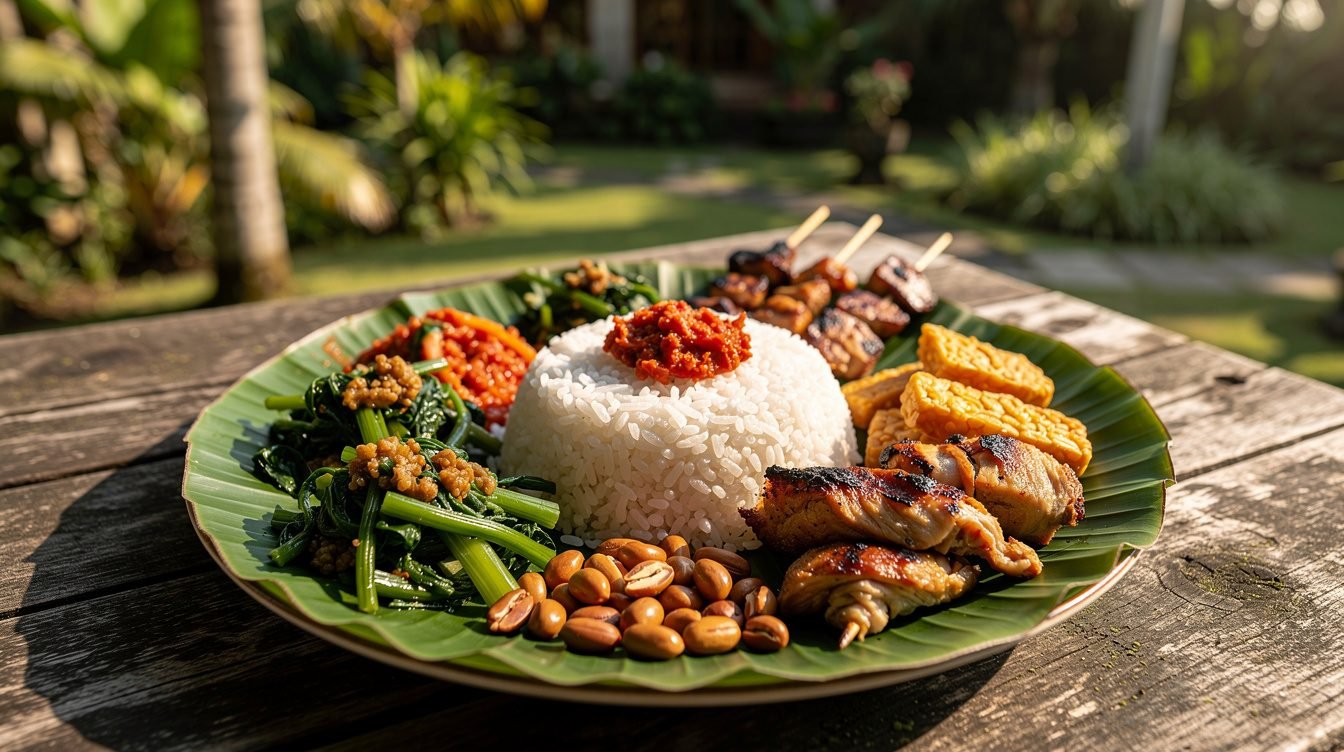
Balinese food is one of the great underappreciated cuisines. The complexity of basa genep (the master spice paste made from 15+ ingredients ground by hand) rivals anything in Thai or Indian cooking. Here’s what to eat:
The Essential Dishes
- Nasi campur — mixed rice with small portions of everything: meat, vegetables, sambal, peanuts, egg, tempeh. Every warung makes it differently. This is Bali on a plate.
- Babi guling — spit-roasted suckling pig. The most celebrated Balinese dish. Ibu Oka in Ubud is famous; Babi Guling Chandra in Denpasar is where the locals go.
- Lawar — minced meat or jackfruit with coconut, spices, and sometimes fresh blood (lawar merah). Sounds intense, tastes extraordinary.
- Sate lilit — minced fish or pork satay wrapped around lemongrass sticks. Different from any satay you’ve had elsewhere in Southeast Asia.
- Bebek betutu — duck wrapped in banana leaves and slow-cooked for hours in a ground pit with spice paste. Order it a day ahead.
Where to Eat
Warungs (local restaurants) are where the real food lives. A full meal at a warung costs 25,000-50,000 IDR ($2-4 USD). In Ubud, try Warung Biah Biah for traditional Balinese, Warung Makan Bu Rus for nasi campur, or Clear Café if you want the healthy/organic bowl experience.
For a special dinner: Locavore (now closed for relocation but watch for its return), Mozaic in Ubud for fine dining with Indonesian flavors, or Room4Dessert for an extraordinary dessert degustation.
The Private Chef Experience
This is something most bali travel guide articles skip entirely, because most travel bloggers stay in hotels. When you stay in a staffed villa, your chef prepares meals from fresh market ingredients — and she’ll cook whatever you want. Balinese specialties one night, Western comfort food the next. Breakfast on the pool deck. A private cooking class where she teaches you her family’s sambal recipe. It’s the kind of food experience you simply can’t get at a resort.
The Staffed Villa Experience: Why It Changes Everything

Here’s the truth most travel guides won’t tell you: where you stay in Bali determines the texture of your entire trip. A hotel gives you a room. A resort gives you amenities. But a staffed villa gives you something different — a team of people whose job is to make Bali feel like home.
At Villa Amrita, that means a villa manager who arranges your day trips and knows which drivers are reliable, a chef who goes to the morning market and cooks meals tailored to your tastes, a housekeeper who leaves fresh flowers in your room, and a gardener whose frangipani cuttings scent the whole property. These aren’t employees performing tasks. They’re Balinese people who genuinely care about your experience — because they’re paid well, respected, and proud of their work.
The difference shows in details no hotel can replicate: your private pool is yours alone. Your breakfast time is whenever you wake up. Your evening is as social or as quiet as you want it to be. And when you come home from a long day exploring waterfalls and temples, someone has already drawn the curtains, turned on the garden lights, and set out fresh towels by the pool.
This is why more travelers are choosing staffed villas over resorts — especially for families, couples on honeymoon, or groups of friends. You get space, privacy, and a level of personal attention that even five-star hotels can’t match. If you’re curious about the extended stay experience, it only deepens from there.

Ready to Experience Bali Your Way?
Three bedrooms, a private pool, a chef, a gardener, and a villa manager who knows Ubud like home. Tell us your dates — we’ll take it from there.
Planning Your Bali Trip: Practical Tips That Actually Help
Money
Indonesia’s currency is the Indonesian Rupiah (IDR). At the time of writing, $1 USD ≈ 16,000 IDR. ATMs are widely available in tourist areas — use bank-attached ATMs (BCA, Mandiri, BNI) and avoid standalone machines. Credit cards work at upscale restaurants and shops but bring cash for warungs, markets, and temple donations.
Health and Safety
Bali is generally safe for travelers. Drink bottled water (never tap), use reef-safe sunscreen, and carry mosquito repellent for dusk hours. The biggest health risk isn’t exotic illness — it’s “Bali belly” from eating at places with questionable hygiene. Stick to busy warungs where the food turns over quickly, and you’ll be fine.
Travel insurance is non-negotiable. Medical facilities in Bali are decent (BIMC Hospital in Kuta and Ubud is the go-to for tourists), but serious cases require medical evacuation to Singapore or Australia.
What to Pack
Pack light, pack tropical. Cotton and linen, not synthetics. A sarong (mandatory for temple visits — you’ll be given one at major temples, but having your own is more comfortable). Reef-safe sunscreen. A rain jacket if you’re visiting during wet season. We wrote a complete Bali packing guide with everything our team recommends after helping hundreds of guests settle in.
Cultural Etiquette
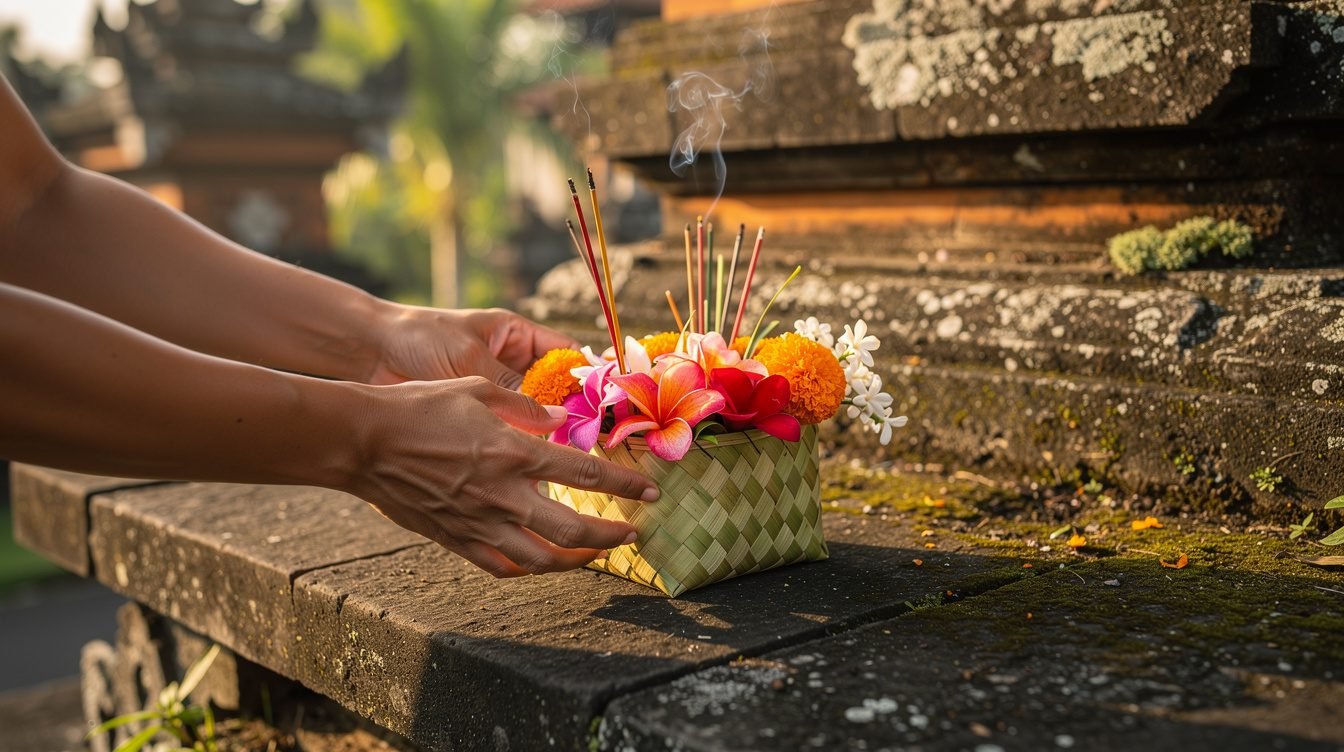
Bali is deeply Hindu in a predominantly Muslim country. Show respect at temples: cover shoulders and knees, don’t step on offerings (the small palm-leaf trays you’ll see everywhere on sidewalks), and never point your feet at a shrine. Learn a few words of Indonesian — terima kasih (thank you) and permisi (excuse me) go a long way.
Don’t touch anyone’s head (it’s considered sacred in Balinese culture), and always use your right hand when giving or receiving anything. These aren’t tourist-trap rules — they’re genuine expressions of respect for the culture that makes Bali what it is.
Frequently Asked Questions About Bali Travel
How many days do you need in Bali?
Minimum 7 days to see both the cultural interior (Ubud) and the coast. 10-14 days is ideal — it lets you slow down, explore beyond the highlight reel, and actually absorb the place. We’ve hosted guests for 3 weeks who still felt they could stay longer.
Is Bali expensive?
Bali can be incredibly affordable or surprisingly expensive — you choose. A warung meal costs $3. A beach club day bed costs $100. A scooter rental is $5/day. A private villa with full staff starts around $150-300/night for 3 bedrooms — split between friends or family, that’s less than a decent hotel room per person.
Is Bali safe for solo travelers?
Yes. Bali is one of the safest destinations in Southeast Asia for solo travelers, including women traveling alone. Standard precautions apply — don’t leave valuables unattended on the beach, use reputable transport, and be cautious with nightlife in Kuta. Ubud is particularly welcoming for solo visitors, with a strong yoga and wellness community.
When is the best time to visit Bali?
Dry season (April-October) is most popular, with June-August being peak season and peak pricing. Shoulder months (April-May, September-October) offer the best balance — good weather, fewer crowds, better rates. Wet season (November-March) is underrated: lush landscapes, dramatic skies, and genuine Balinese ceremonies like Galungan and Nyepi.
Do I need vaccinations for Bali?
No mandatory vaccinations for most travelers. Recommended: Hepatitis A, Typhoid, and keeping routine vaccinations up to date. Consult your doctor 4-6 weeks before travel. Malaria risk in Bali proper is minimal — dengue is the bigger concern, so mosquito repellent matters.
Can I use my phone in Bali?
Yes. Buy a local SIM card at the airport (Telkomsel has the best coverage) for around 100,000-200,000 IDR ($7-13 USD) with plenty of data. WiFi is available at most cafés, restaurants, and accommodations. At our villa, we provide high-speed WiFi throughout — digital nomads work from the pool deck regularly.
Your Bali Trip Starts With a Decision
Every trip to Bali begins the same way: you decide to go. But the trip you actually have depends on the choices that come after — where you stay, how you move, what you eat, and whether you let the island show you something real or settle for the surface.
This bali travel guide is our way of sharing what we’ve learned from years of living here and hosting guests who arrive as strangers and leave feeling like they found something they didn’t know they were looking for. Bali has that effect on people — when you let it.
If Ubud is calling, we’d love to help you plan. Our team knows the village, the roads, the restaurants, the hidden waterfalls, and the mornings where the mist sits just right on the rice terraces. Tell us your dates and what kind of stay you’re imagining — we’ll meet you there.

Stay Close to Bali — Even From Home
Join our newsletter for insider Ubud stories, travel tips from the villa team, and the kind of Bali updates you won’t find in generic travel blogs.