Agung Rai Museum Ubud: Your Complete Guide to ARMA and Why It Belongs on Your Ubud Itinerary
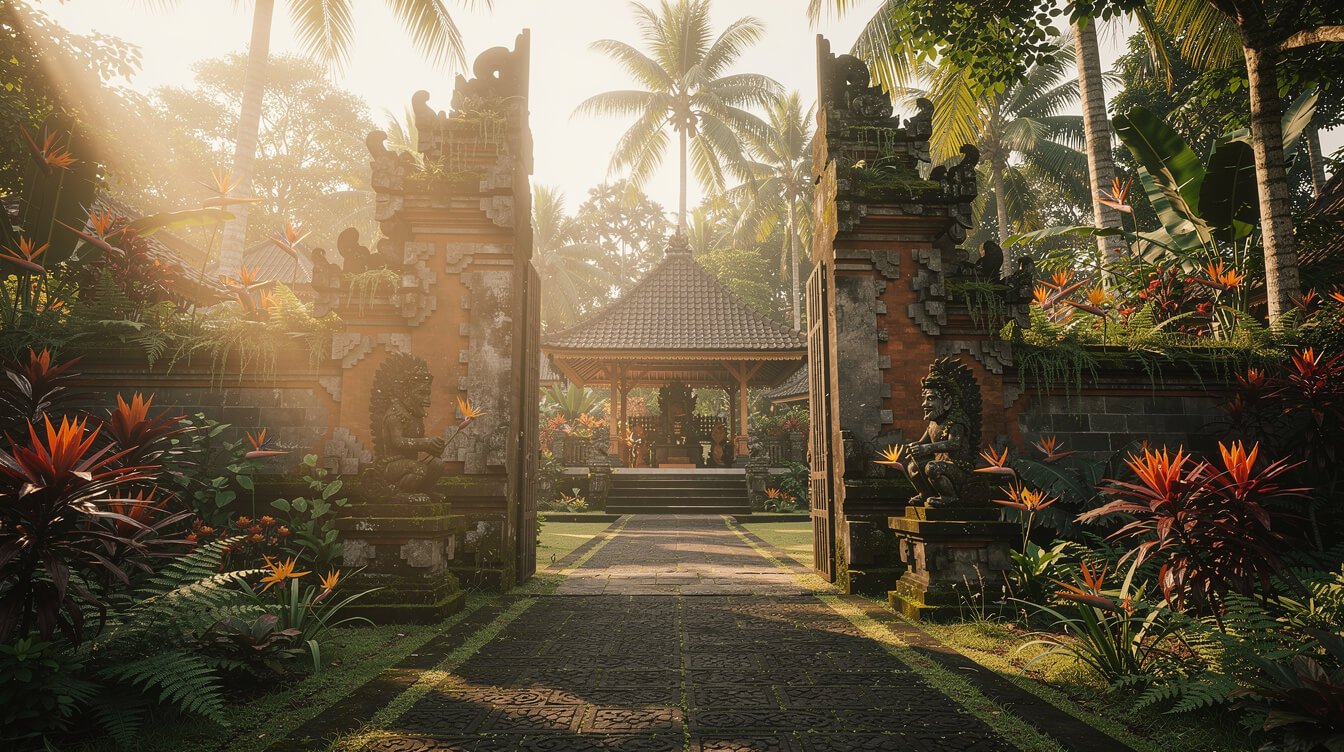
The Agung Rai Museum of Art sits at the southern edge of Ubud, where the village of Pengosekan slopes into rice fields and the air carries the scent of wet stone and frangipani. This is not your typical museum — not a white-walled gallery, not a curated hush. ARMA is a living cultural compound where Balinese painting traditions, tropical gardens, dance performances, and artist workshops share the same ground. If you are planning time in Ubud, the Agung Rai Museum of Art deserves a full morning of your visit.
Founded by Agung Rai — a Balinese art collector and cultural preservationist who grew up in the village — ARMA opened in 1996 with a mission that goes beyond displaying art. The goal was, and remains, to protect the island’s artistic heritage while keeping it alive through education, performance, and community practice. For visitors staying at a private pool villa in Ubud, ARMA is a ten-minute drive from Pengosekan, and the kind of experience that stays with you longer than any rice terrace photo.
What Makes the Agung Rai Museum of Art Different from Other Ubud Museums
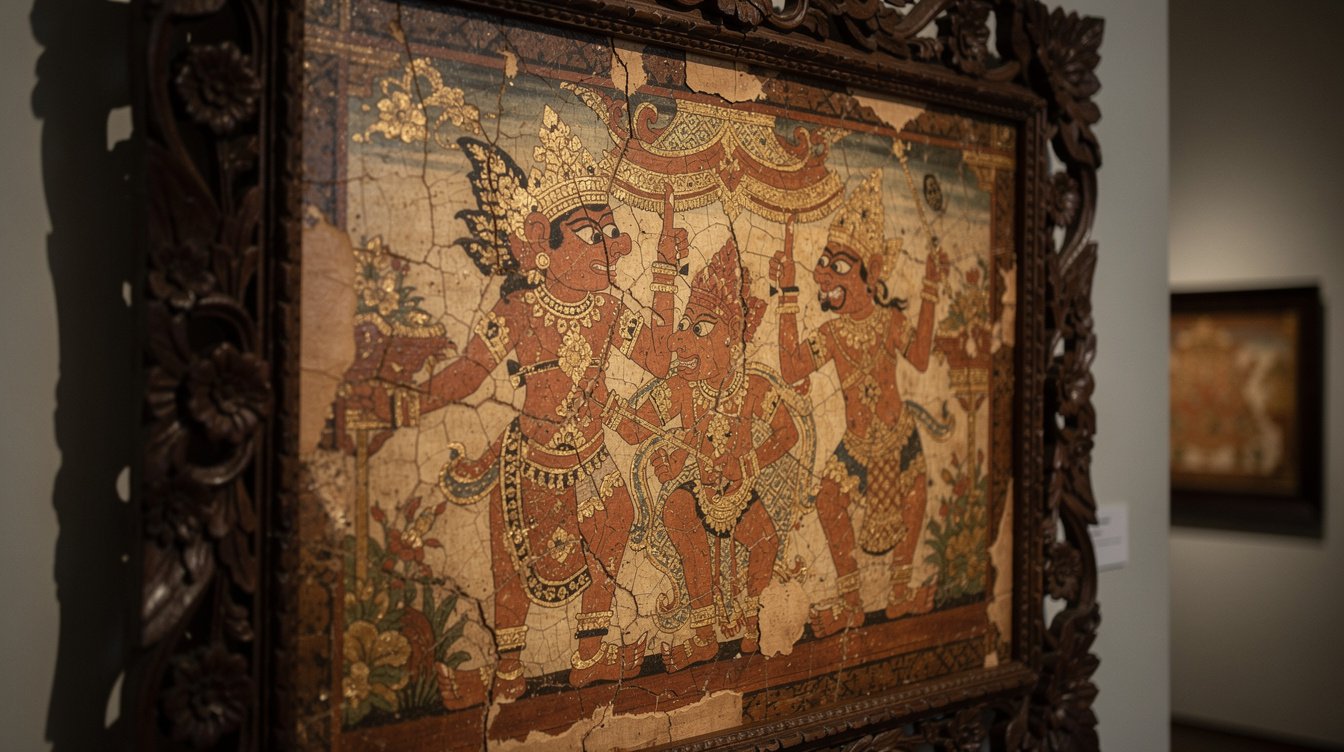
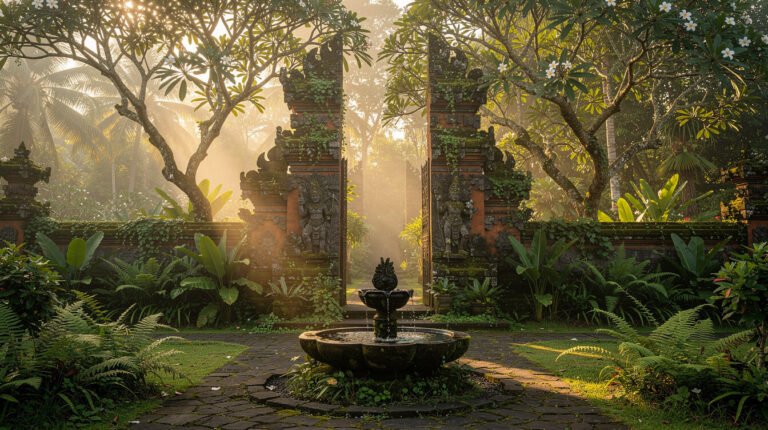
Ubud has several art museums — Neka, Puri Lukisan, the Blanco Renaissance Museum — and each carries a different mood. What sets the Agung Rai Museum of Art apart is scope. This is not a single collection in a single building. It is a campus: two major exhibition halls (the Bale Daja at 3,300 square meters and the Bale Dauh at 1,200 square meters), connected by stone walkways through tropical gardens, lotus ponds, and open-air pavilions overlooking rice terraces.
The permanent collection spans centuries. You will find classical Kamasan paintings on tree bark — the oldest continuous painting tradition on the island — alongside works by I Gusti Nyoman Lempad, the master draftsman whose line drawings defined early twentieth-century Balinese art. There are paintings by Ida Bagus Made, whose detailed village scenes capture a world that still feels recognizable if you spend enough mornings in Ubud.
But ARMA also holds significant works by the foreign artists who came to Bali and changed everything. Walter Spies, the German painter and musician who arrived in Ubud in the 1920s, is given particular prominence. His influence on modern Balinese painting — the dreamlike landscapes, the way light falls through jungle canopy — reverberates through every gallery on the island. Seeing his work at ARMA, in the place where it was made, adds a layer that no European gallery can replicate.
Rudolf Bonnet and Willem Gerard Hofker round out the European collection. Bonnet, the Dutch painter who co-founded the Pita Maha artists’ collective with Spies and local artists, helped bridge Balinese tradition with Western technique. His anatomical studies of Balinese dancers remain some of the most tender works in ARMA’s holdings.
The Gardens and Grounds of ARMA: Where Art Meets the Living Landscape
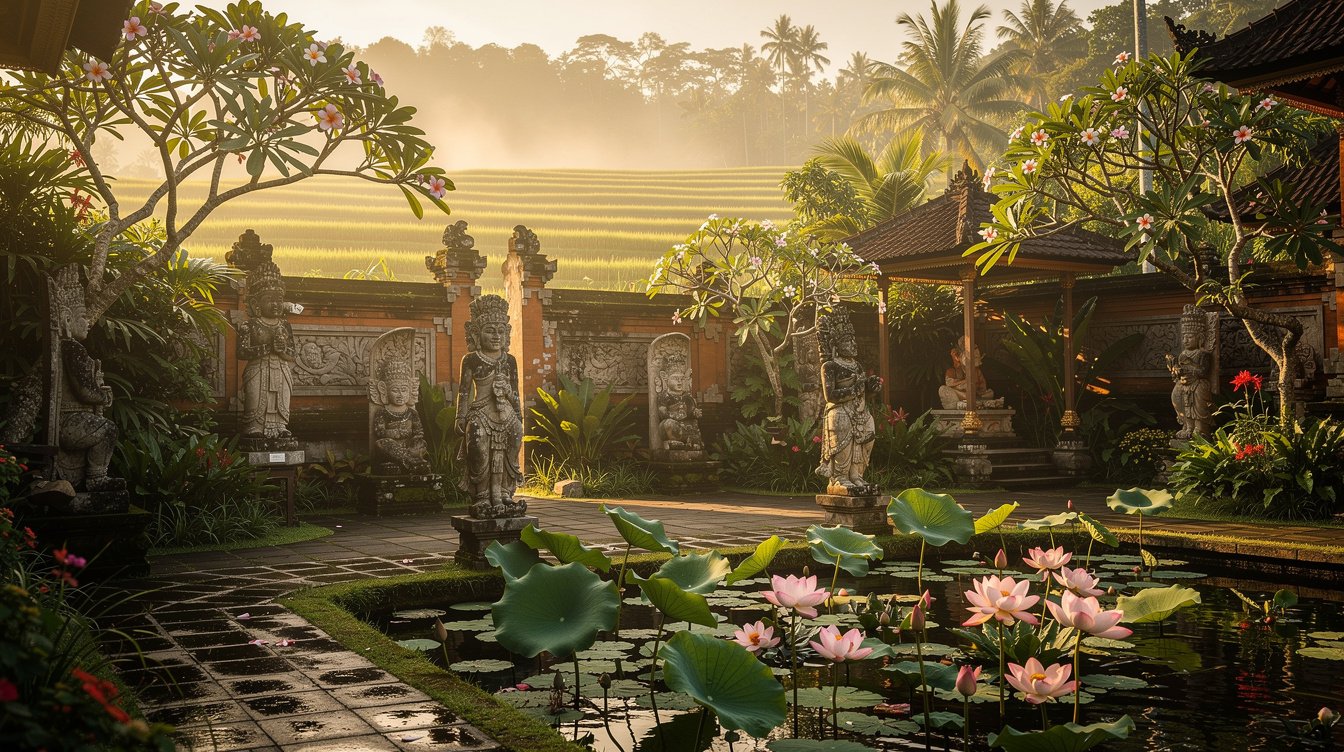
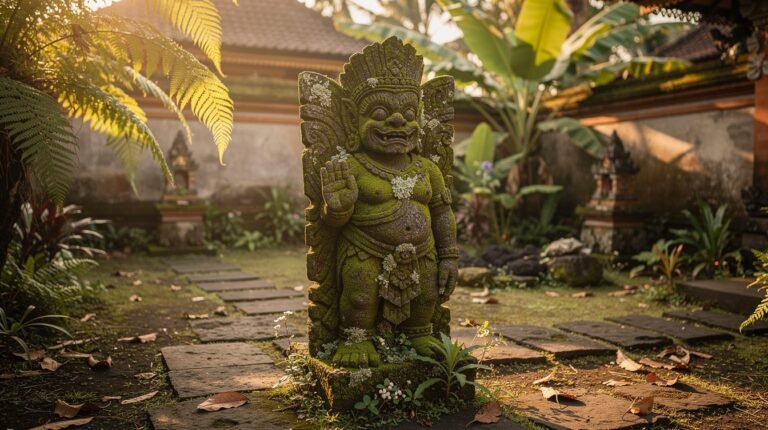
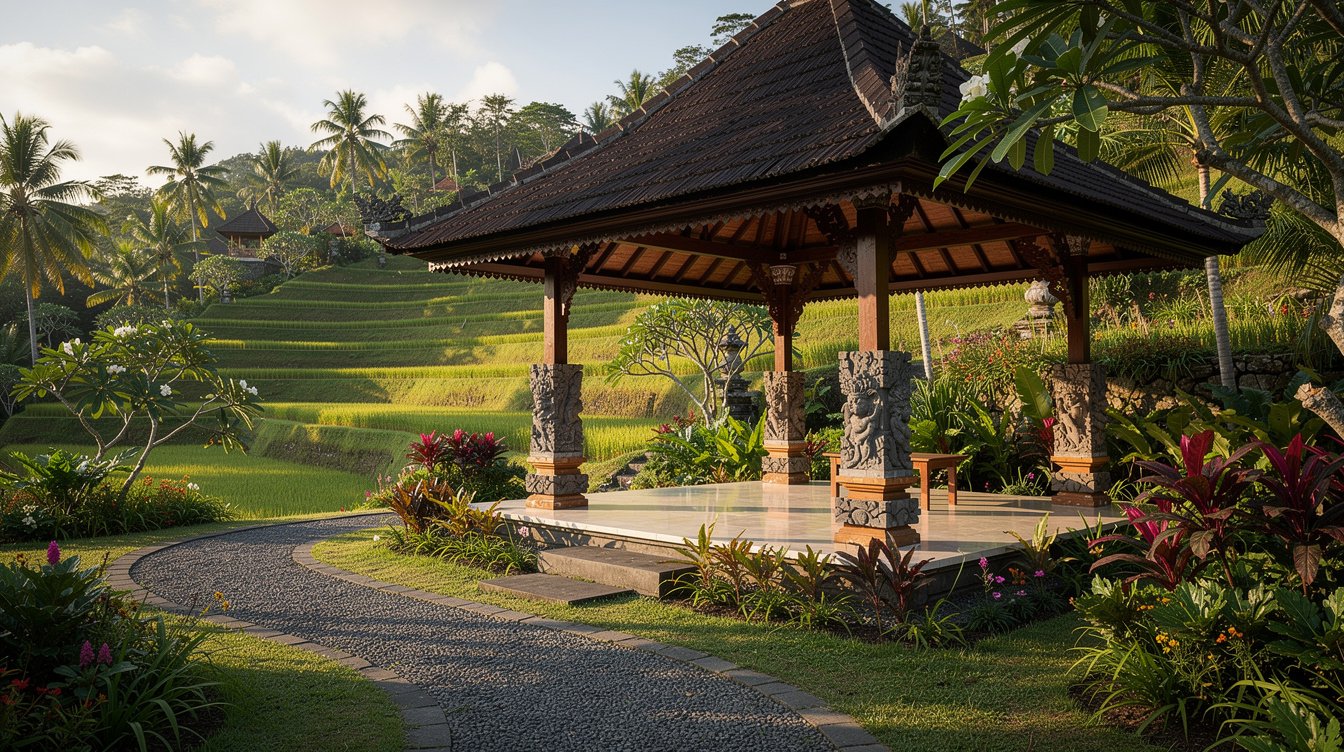
Most visitors come for the paintings and stay for the gardens. The grounds of the Agung Rai Museum of Art are not ornamental — they are part of the experience. Stone sculptures stand among frangipani trees and bird’s nest ferns. Lotus ponds reflect the morning light. A path leads past medicinal plants and fruit trees to a viewpoint over working rice fields where farmers still follow the subak irrigation calendar.
ARMA has placed QR codes beside many of its plants and trees, turning the gardens into a self-guided botanical tour. You will learn that the adenium flowers lining the entrance path are drought-resistant desert roses, or that the bilimbi tree near the coffee shop produces a sour fruit used in Balinese sambal. These small details give the grounds a depth that rewards slow walking.
The architecture itself is intentionally Balinese. The exhibition halls use local stone, carved hardwood, and traditional proportions. There is no air conditioning in most spaces — just the cross-breeze that moves through open walls. This means the art is experienced in the same light and temperature as the villages where it was made. If you have walked through the rice field trails around Ubud, you already know this air. The museum breathes the same way.
Dance, Gamelan, and Living Performance at ARMA
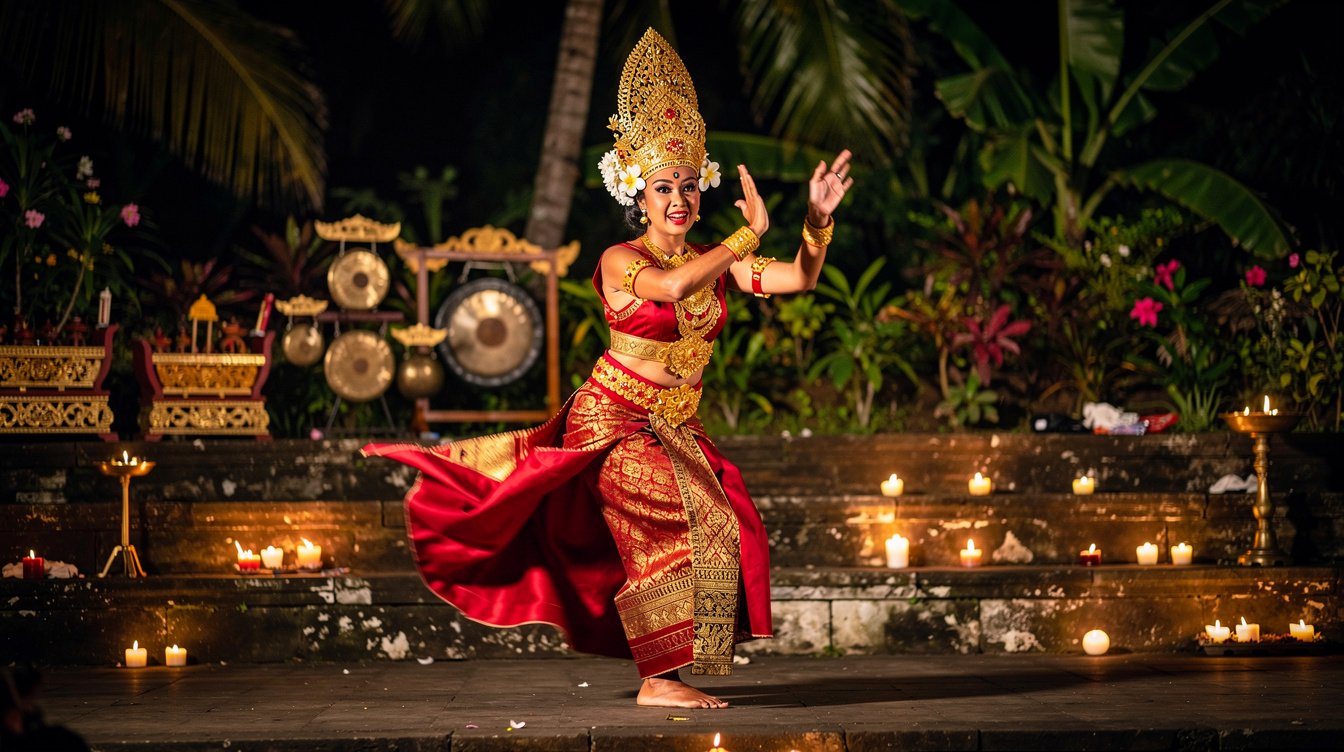
ARMA is not just a place to look at art on walls. The museum maintains an active performing arts program, and the open-air stage is one of the most atmospheric venues in Ubud for traditional Balinese dance.
The Legong and Barong performances held at ARMA carry a different energy than the more tourist-oriented shows at the Ubud Royal Palace. The audience is smaller. The stage sits inside the museum compound, surrounded by carved stone and tropical trees, lit by oil lamps and soft overhead lights. The dancers — often local performers trained in Pengosekan or nearby villages — move through the same space where you were studying Lempad drawings an hour earlier. It connects the visual and performing arts in a way that feels natural, not programmed.
Gamelan rehearsals sometimes happen on the grounds during the day, unannounced. If you hear the layered percussion of a gamelan gong kebyar drifting through the garden while you are looking at the paintings, let it anchor your visit. This overlap of sound, art, garden, and village life is the whole point of what Agung Rai built.
Performance schedules change seasonally. The ARMA front desk or your villa team can check what is showing during your dates. Evening performances, in particular, are worth building your day around.
Get a Free 3-Day Sample Itinerary
See how a stay at Villa Amrita unfolds — morning to evening, rice fields to kitchen table. We will send you a sample itinerary that includes ARMA and the best of Ubud.
Walter Spies, Rudolf Bonnet, and the Artists Who Changed Bali
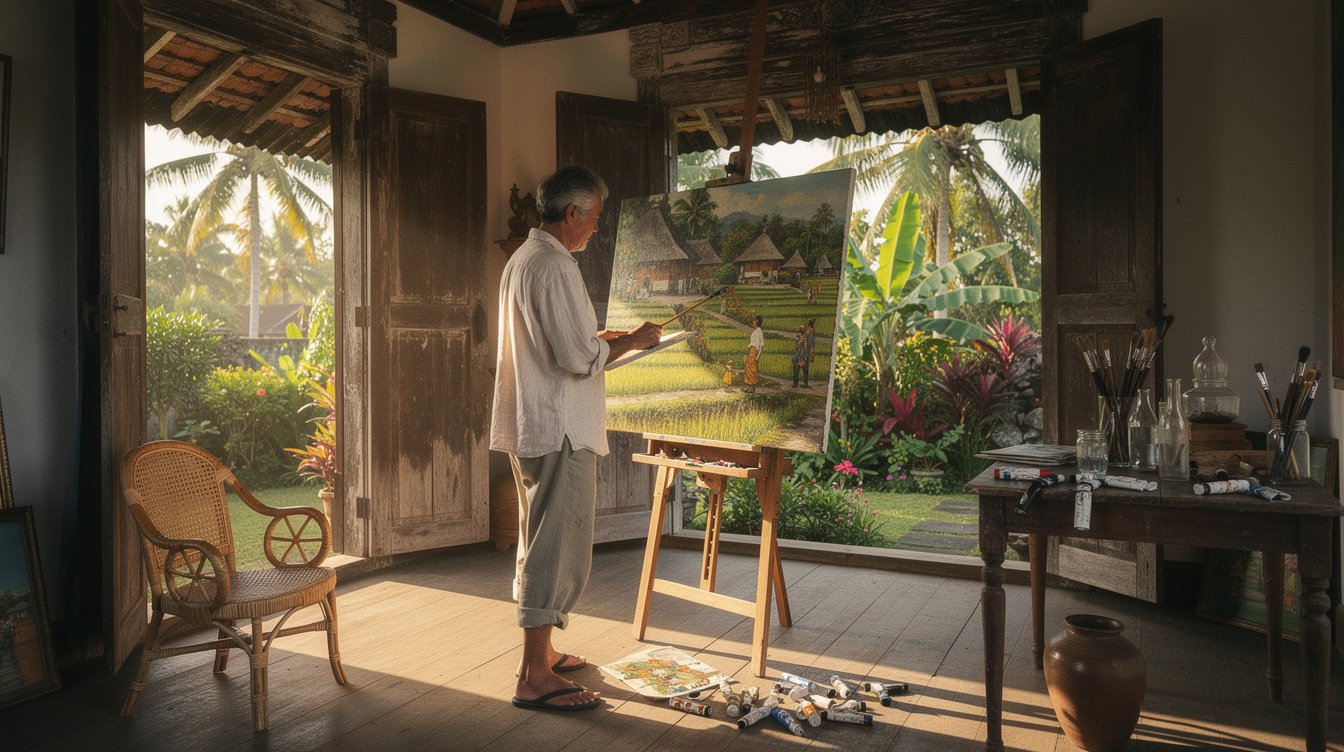
The story of modern Balinese art cannot be told without the foreign artists who arrived in the early twentieth century and became part of the village. Walter Spies, who came to Ubud in 1927, did not simply paint Bali — he lived inside it. He learned gamelan, staged the first Kecak dance for a wider audience, and painted luminous jungle scenes that made Balinese landscape a subject worthy of fine art for the first time in Western eyes.
ARMA holds several of his works, and seeing them here — in the same valley where Spies walked and painted — is fundamentally different from viewing them in Amsterdam or Berlin. The light he captured is the same light falling through the gallery. The terraces in his paintings are the same terraces you passed on the drive in.
Rudolf Bonnet, who arrived a year after Spies, brought a more classical European training. He co-founded the Pita Maha artists’ collective in 1936 with Spies and the Ubud nobleman Cokorda Gede Agung Sukawati, creating a formal structure that helped Balinese artists sell to collectors while maintaining the integrity of their traditional styles. His influence on figure drawing — the way Balinese dancers and village scenes are rendered with anatomical precision but emotional warmth — is visible across decades of Ubud painting.
Willem Gerard Hofker, a Dutch painter who arrived in 1938, focused almost entirely on portraits of Balinese women. His technically brilliant studies in pastel and oil capture the fabric draping, ceremonial dress, and quiet composure of his subjects with extraordinary tenderness.
Walking through ARMA’s foreign artist collection is not just art appreciation. It is a history lesson about how Ubud became the cultural capital of Bali — and how the collaboration between local and international artists created something no one planned, and no one has successfully replicated.
Workshops, Classes, and Cultural Programs at the Agung Rai Museum
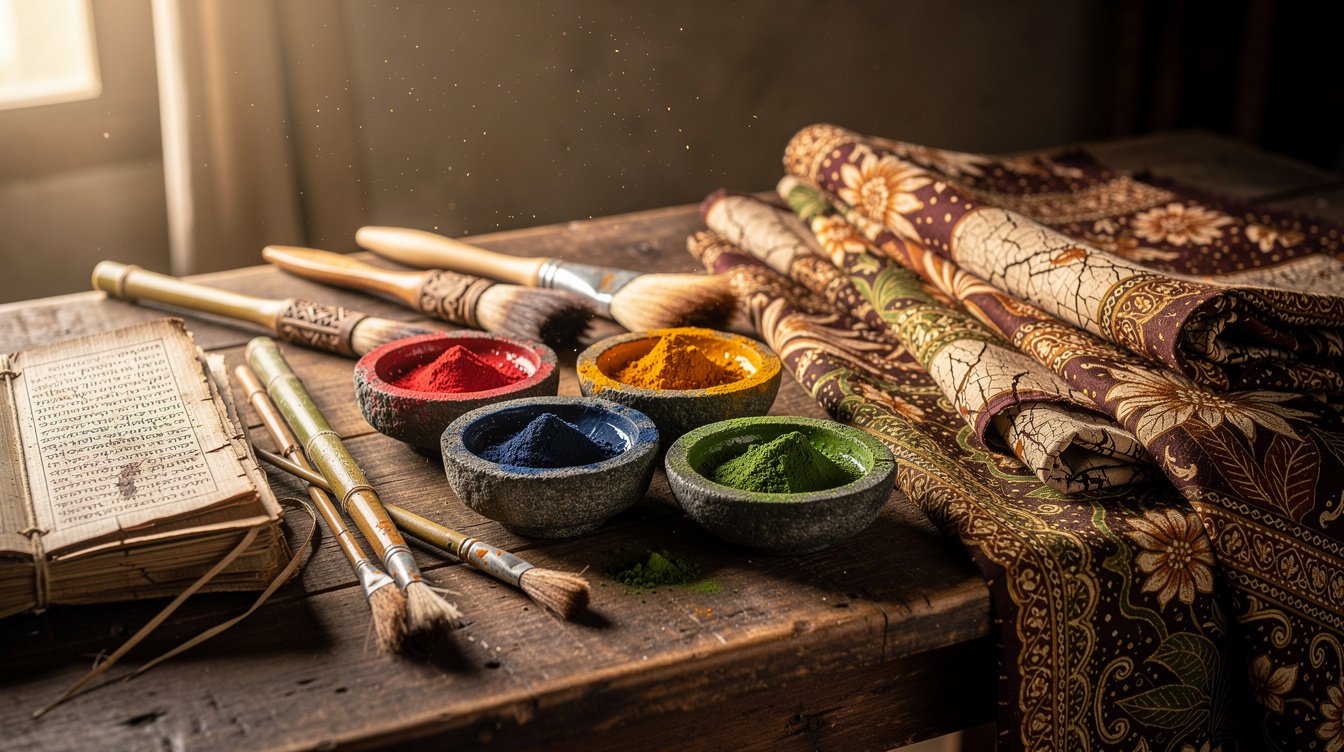
ARMA was built on the conviction that culture is practiced, not preserved behind glass. The museum runs regular workshops and classes in traditional Balinese arts — painting, batik-making, wood carving, Balinese dance, and gamelan music.
The painting workshops are particularly well-regarded. Taught by local artists trained in the Ubud and Batuan styles, they walk participants through the traditional techniques: natural pigment preparation, the fine brushwork that defines Kamasan narrative painting, the layering of color that gives Balinese landscapes their depth. These are not casual tourist activities — they are grounded in real technique, taught by people who have practiced for decades.
Dance classes offer a physical introduction to the vocabulary of Balinese movement: the eye movements of Legong, the dramatic postures of Barong, the precise hand gestures that carry narrative meaning. Even a single session gives you a deeper appreciation of the evening performances.
The museum also hosts regular cultural talks, temporary exhibitions, and community events. During major Balinese festivals like Galungan and Kuningan, the compound becomes a gathering point for the village. These are the moments when the boundary between museum and community dissolves completely.
If you are staying in a nearby villa and have a few days in Ubud, a workshop at ARMA is one of the most meaningful activities you can schedule. Your Ubud itinerary should leave room for at least a half-day here.
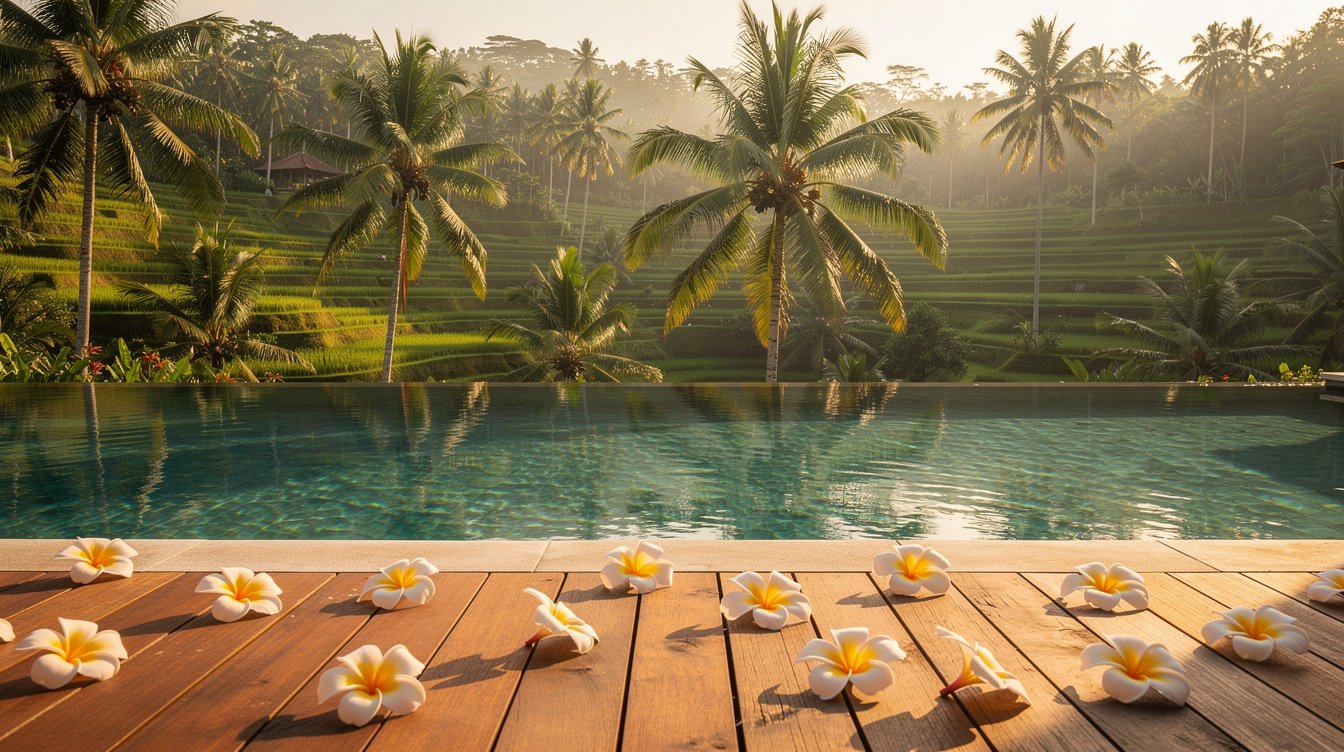
Stay Ten Minutes from ARMA
Villa Amrita is a staffed 3-bedroom pool villa in Pengosekan — the same village where ARMA lives. Chef, housekeeper, manager. The culture starts at your door.
Planning Your Visit to ARMA: What You Need to Know
Location: Jalan Raya Pengosekan, Ubud, Bali. The museum sits on the main road through Pengosekan village, about 2 kilometers south of Ubud’s central market. If you are coming from a villa in the Pengosekan or Nyuh Kuning area, it is a short walk or a two-minute drive.
Opening hours: Daily, 9:00 AM to 6:00 PM. The grounds open early and close at dusk. Performance times vary — check with ARMA directly or ask your villa manager to confirm schedules for your dates.
How long to spend: Give yourself at least two to three hours. The grounds are larger than they appear from the entrance, and the combination of galleries, gardens, and (if you time it right) live performance rewards a full morning or afternoon. If you are also taking a workshop, plan for a half-day.
What to wear: The museum does not enforce a strict dress code for the galleries, but you will be more comfortable in light, breathable clothing. If there is a dance performance or ceremony happening, a sarong is respectful — ARMA can usually provide one. Closed-toe sandals or comfortable walking shoes work well for the garden paths.
Combine with: ARMA sits in Pengosekan, which is walking distance from some of Ubud’s best dining. After your museum visit, consider lunch at one of the restaurants along the Pengosekan road. The spas in the Nyuh Kuning area are also nearby — a natural pairing for an afternoon of culture followed by quiet restoration.
Getting there: From central Ubud, it is a ten-minute drive or a thirty-minute walk south along Jalan Raya Pengosekan. If you are staying further from town — say, in Sayan or Tegallalang — your villa driver can have you there in twenty minutes. Parking is available at the museum entrance.
Frequently Asked Questions About the Agung Rai Museum of Art
Is the Agung Rai Museum of Art worth visiting?
Yes — and it is one of the most underrated cultural experiences in Ubud. ARMA offers something no other museum on the island does: a complete cultural compound where painting, sculpture, dance, gamelan, workshops, and tropical gardens share the same space. If you have any interest in Balinese art or culture, this is one of the essential stops on your list of things to do in Ubud.
How is ARMA different from the Neka Art Museum?
Both hold important Balinese painting collections, but they have different characters. Neka is more focused on its galleries and tends to attract art history enthusiasts. ARMA is a broader cultural experience — the combination of gardens, performance venue, workshops, and exhibition space makes it feel less like a museum and more like a cultural village. Many visitors do both, and they complement each other well.
Can I attend a Balinese dance performance at ARMA?
Yes. ARMA hosts regular Legong and Barong dance performances on its open-air stage. The schedule varies by season, so check with the museum or your villa team for current showtimes. Evening performances are particularly atmospheric — the stone stage, candlelight, and garden setting create an intimate experience that larger Ubud venues cannot match.
Are there workshops or classes available?
ARMA offers workshops in Balinese painting, batik-making, dance, and gamelan music. These are taught by local artists and are suitable for beginners. Class schedules vary — contact the museum or check their website for availability during your visit.
How much time should I spend at ARMA?
Plan for at least two to three hours for the galleries and gardens. If you are attending a performance or taking a workshop, a half-day is more realistic. The grounds reward slow exploration — bring a book and stay for coffee at the Warung Kopi.
Is ARMA suitable for families with children?
Absolutely. The gardens are a hit with younger visitors, and the open grounds provide space to move between galleries without the “quiet museum” pressure. Children who enjoy drawing or painting will get the most out of a workshop session.
Where should I eat after visiting ARMA?
Pengosekan has several excellent restaurants within walking distance of the museum. The road between ARMA and Nyuh Kuning is lined with cafes serving both Balinese and international cuisine. For a full guide, see our best restaurants in Ubud recommendation.
Why ARMA Matters for Your Ubud Experience
There is a tendency to treat Ubud as a checklist: rice terraces, monkey forest, waterfall, done. But the reason Ubud became Ubud — the reason artists from around the world came here, the reason the village developed a cultural gravity that no other town in Bali can match — is the art. The painting traditions, the dance, the gamelan, the carving, the offerings. All of it flows from a community that decided, generations ago, that creative practice was central to daily life.
The Agung Rai Museum of Art is one of the clearest expressions of that decision. It exists because one person — Agung Rai — spent decades collecting, preserving, and sharing work that might otherwise have left the island for foreign galleries. The museum he built is not a monument to himself. It is a monument to the idea that Balinese art belongs in Bali, experienced in the light and air and sound where it was made.
When you visit ARMA, you are not just touring a museum. You are walking through the story of how Ubud became the cultural heart of Bali — from classical Kamasan traditions through the Spies-Bonnet revolution to the contemporary artists working in Pengosekan today. That story is still being written, and the museum is still part of it.
If your Ubud stay includes even one afternoon for culture, make it this one. And when you return to your villa afterward — to the pool deck, the garden, the evening sounds of the village — you will hear Ubud differently. That is what good art does. It changes the way you listen.

Join Our Newsletter
Fun, new, exciting Bali news — delivered straight to your inbox. No spam, just stories from Ubud and the occasional insider recommendation from the team.