Traditional Spa Ubud: Your Complete Guide to Authentic Balinese Wellness
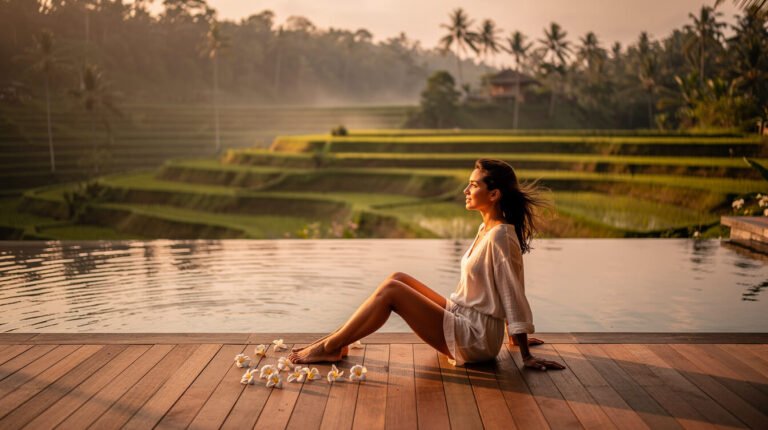
A traditional spa in Ubud is not just a massage. It is a practice passed through generations of Balinese healers — a slow, intentional ritual that uses ingredients grown in the garden outside the treatment room. Coconut oil pressed that morning. Turmeric ground by hand. Frangipani flowers placed in warm water not for aesthetics, but because the scent calms the nervous system.
If you are planning a trip to Ubud and want to experience authentic Balinese wellness — not the resort-lobby version, but the real thing — this guide walks you through what to expect, where to go, and how to build spa time into your stay without it feeling like a checklist.
What Makes a Traditional Spa in Ubud Different
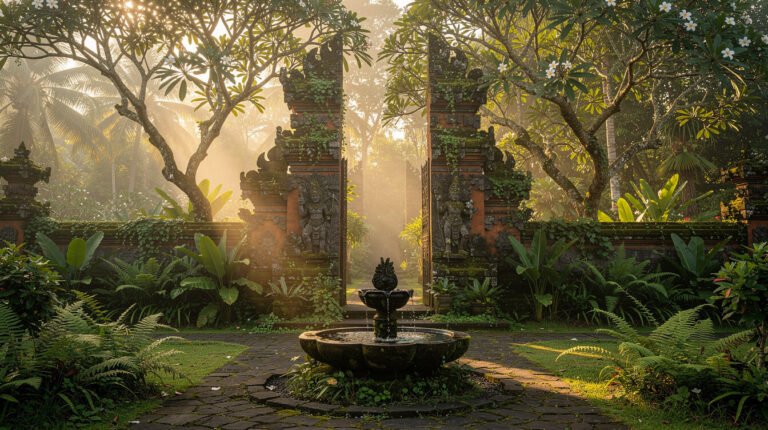
Walk into a traditional spa in Ubud and you will notice something immediately: there is no reception desk with a laminated menu. No ambient EDM. No branded robes. What you will find is a garden, a stone pathway, and someone who greets you by name because they saw you walk in from the road.
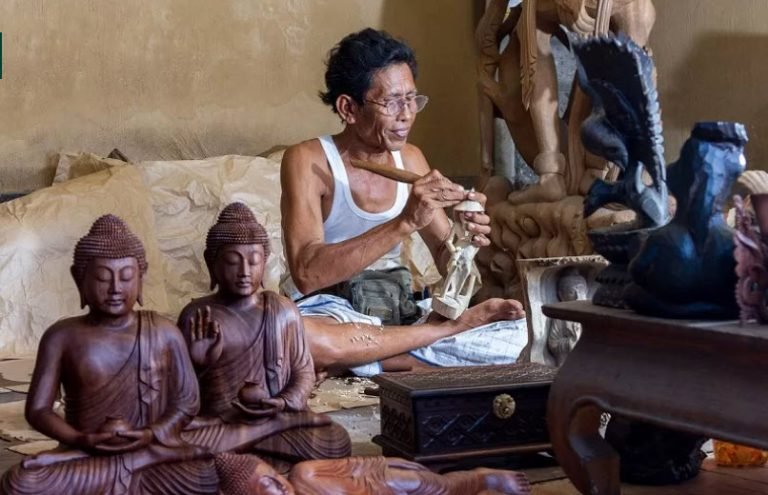
This is by design. Traditional Balinese spas are rooted in usada, the ancient Balinese system of healing that draws from Ayurvedic and Javanese traditions. Treatments are not services to be upsold — they are rituals performed with intention. A Balinese massage therapist does not follow a script. They read your body, adjust pressure intuitively, and use techniques handed down within families.
The Ingredients Tell the Story
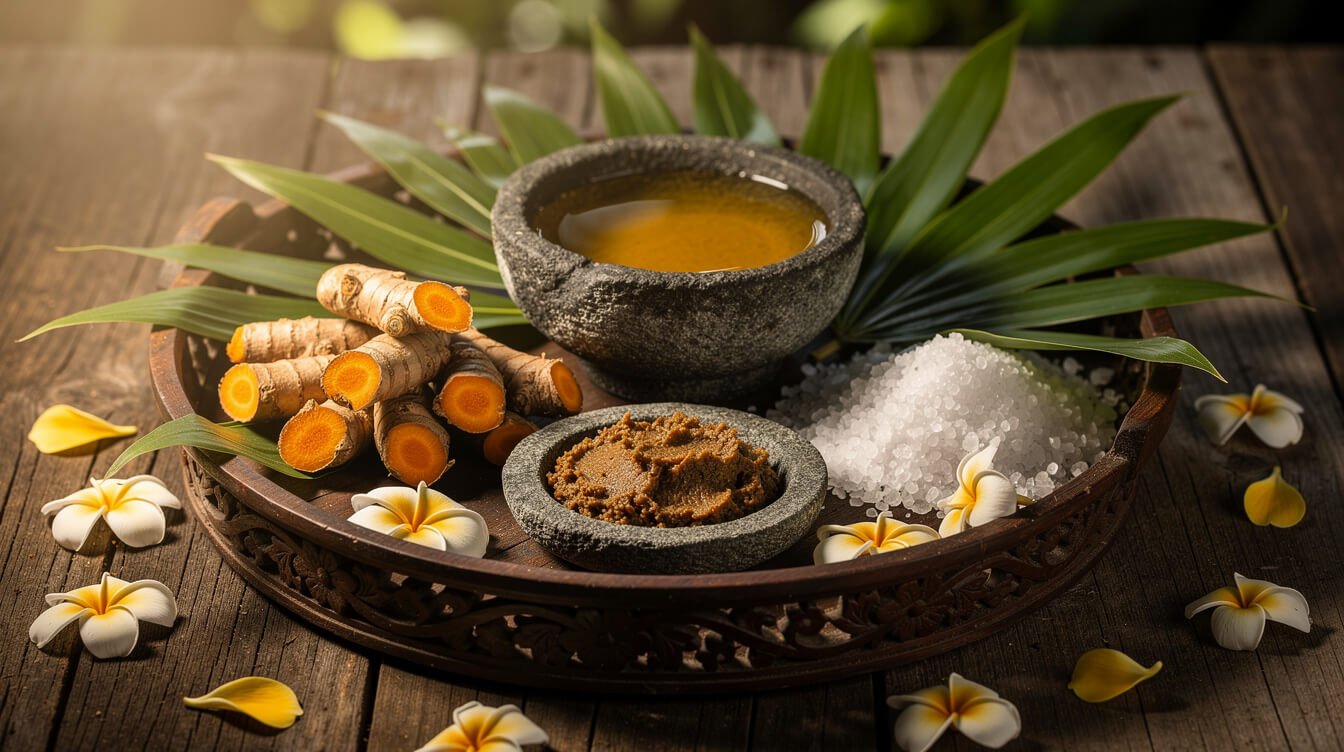
Where a resort spa reaches for a branded product line, a traditional Ubud spa reaches for the garden. Boreh — a warming paste of ground ginger, clove, cinnamon, and rice powder — was originally used to treat rice farmers after long days in the paddies. Lulur, a turmeric-based body scrub, dates back to Javanese royal courts where brides prepared their skin for weeks before a wedding.
These are not exoticized marketing stories. They are the actual origins of treatments you can experience in small, family-run spas across Ubud — often for a fraction of what you would pay at a five-star resort. The difference is not quality. The difference is context.
Healing, Not Pampering
In Bali, wellness is not a weekend luxury. It is woven into daily life — temple offerings, water purification rituals, the morning routine of the balian (traditional healer). When you visit a traditional spa in Ubud, you are stepping into that continuum. The therapist may pray before your treatment. The oils may be blessed. This is not performance. It is practice.
Signature Balinese Spa Treatments You Should Try
Not all traditional spa treatments in Ubud are the same. Here are the ones worth your time — the treatments that are genuinely Balinese, not borrowed from a Thai or Swedish playbook.
Balinese Massage
The foundation. A full-body treatment using long strokes, skin rolling, and acupressure on specific energy points. Therapists use warm coconut or jojoba oil and work with medium-to-firm pressure. Unlike Swedish massage, Balinese massage incorporates reflexology and gentle stretching. A good therapist will spend extra time on your feet and scalp — two areas Balinese tradition considers gateways to the rest of the body.
Duration: 60–90 minutes
Typical price at a traditional spa: IDR 150,000–350,000 (roughly $10–$23 USD)
Boreh Body Wrap
A warming spice paste applied from neck to toes. Boreh generates gentle heat that improves circulation and eases muscle stiffness. The original version — still used in village spas — contains fresh ginger, clove, cinnamon, galangal, and rice powder, all ground by hand. Your therapist wraps you in a warm blanket and lets the paste work for 20–30 minutes. You will feel warmth spreading through your legs first, then your core. It is deeply relaxing.
Best for: Jet lag recovery, sore muscles after hiking, rainy-day warmth
Lulur Royal Scrub
A full-body exfoliation using a turmeric-and-rice-powder paste, followed by a yogurt or milk rinse. This treatment originated in the courts of Central Java and was part of a bride’s 40-day preparation ritual. Your skin will feel impossibly soft afterward. The turmeric has mild anti-inflammatory properties, and the rice powder gently removes dead skin without the harshness of salt scrubs.
Flower Bath (Mandi Bunga)
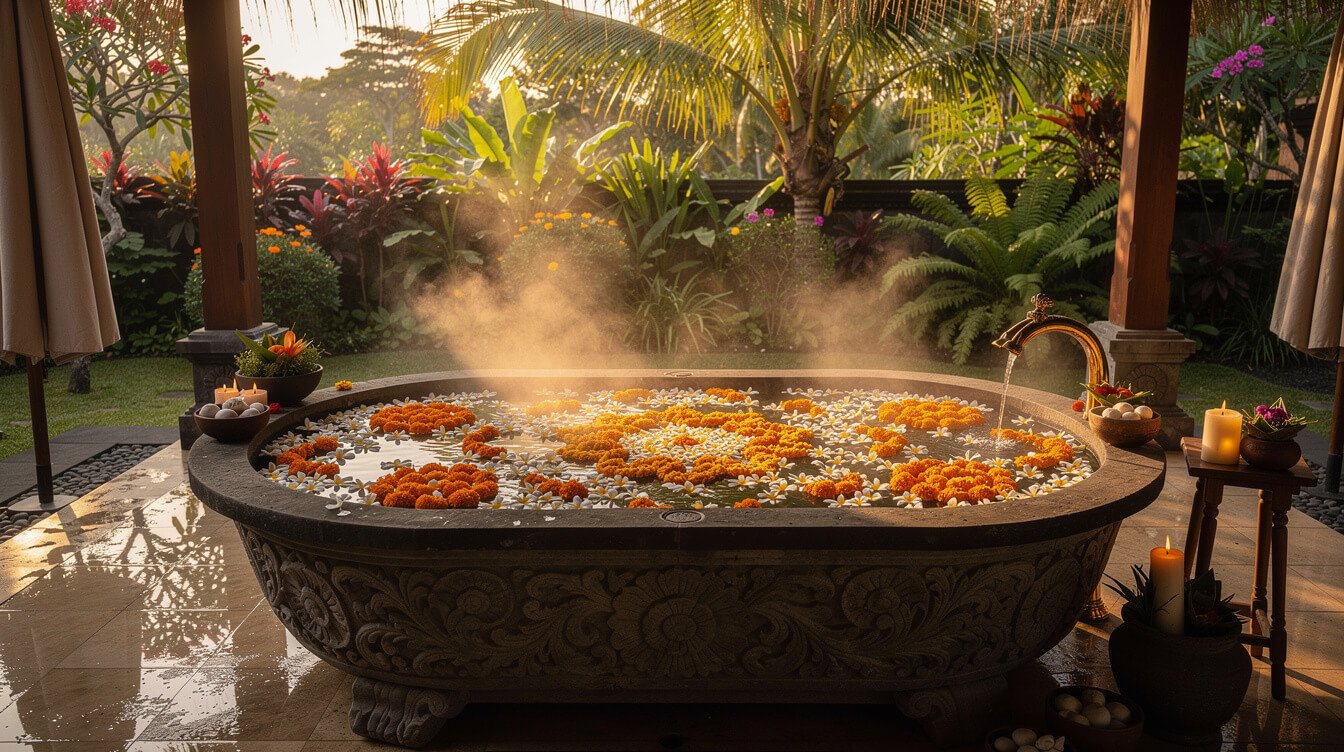
A warm bath filled with frangipani, marigold, rose, and jasmine petals. In Balinese tradition, a flower bath is a purification ritual — a way to cleanse not just the body but the spirit. At most traditional spas, the flower bath comes after a massage or scrub as the closing chapter of a longer treatment sequence. The warm water is infused with essential oils, and you soak for 15–20 minutes.
Cream Bath (Creambath)
This is a Balinese-Indonesian hair and scalp treatment you will not find many places outside Southeast Asia. A rich conditioning cream is massaged into your hair and scalp, followed by a head, neck, and shoulder massage. The treatment takes 45–60 minutes, and the scalp work alone is worth the visit. Many locals get a cream bath weekly.
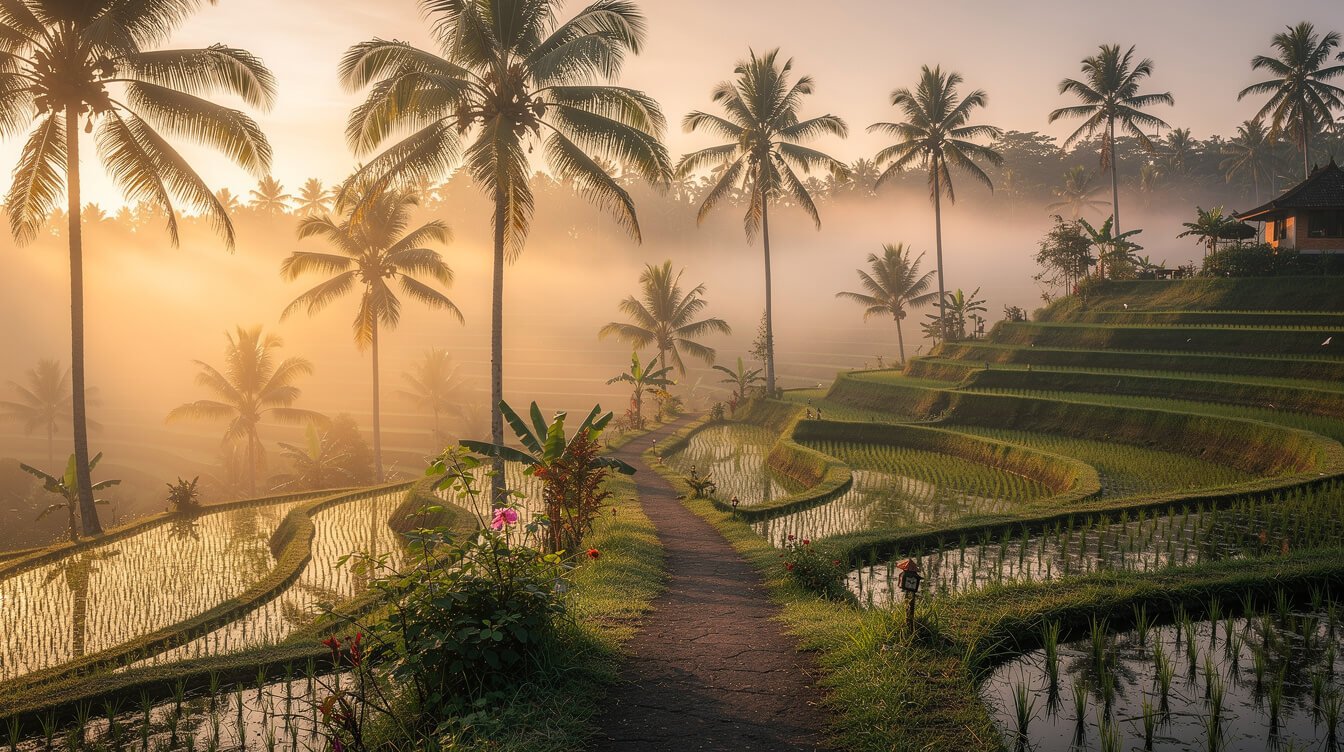
Get a Free 3-Day Sample Itinerary
Spa days, rice field walks, temple visits, and the best places to eat — all mapped out for you. Download our complimentary Ubud itinerary.
Best Traditional Spas in Ubud: Where to Go
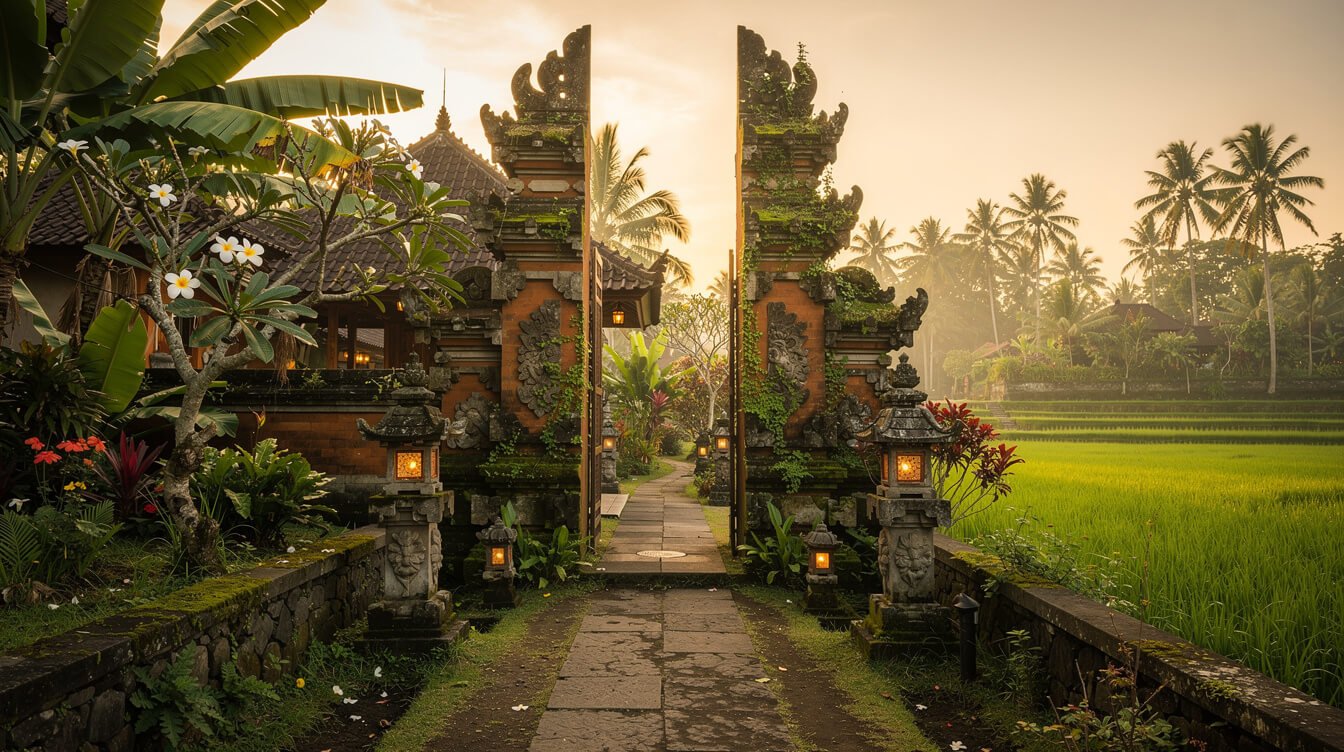
Ubud has hundreds of spas. Most of them cater to tourists with assembly-line treatments. These are the ones that do not.
Ubud Traditional Spa
A family-owned spa in Payogan village, just off the Campuhan Ridge Walk. This is one of the most authentic traditional spa experiences in Ubud. The signature Rice Farmer Massage uses coconut oil with organic sea salt, and the therapists apply deep pressure with their forearms and elbows — a technique borrowed from the massages that farming families gave each other after working the rice paddies. Treatments range from IDR 200,000 to IDR 450,000. They offer free pickup from central Ubud.
Best for: Deep tissue work, authentic village atmosphere, value
Karsa Spa
Set in the village of Bangkiang Sidem, surrounded by rice fields, Karsa Spa takes a spiritual approach to bodywork. All therapists are trained in both traditional Balinese massage and Reiki, and they use only Ayurvedic and organic oils from local suppliers. The outdoor treatment rooms overlook lotus ponds and terraced gardens. Their post-treatment ginger-lemongrass-pandan tea is a small, memorable detail. Karsa also offers sound healing sessions with traditional instruments.
Best for: Spiritual wellness, Reiki, open-air setting
Taksu Spa
Named after the Balinese concept of taksu — an inner radiance or divine energy — this spa in central Ubud combines traditional Balinese treatments with yoga and meditation classes. The Taksu Healing package includes a Balinese massage, boreh wrap, and flower bath in a single session. Their garden setting is walking distance from the Ubud Royal Palace, making it easy to combine with a morning at the nearby temples.
Best for: Combined yoga and spa days, central location
Sang Spa
A smaller, quieter option on the road toward Tegallalang. Sang Spa is run by a Balinese family and focuses exclusively on traditional treatments — no hot stone, no aromatherapy fusion, no detox packages. What you get is a genuine Balinese massage in a garden setting with personal attention. Prices are among the lowest in Ubud for this quality of work.
Best for: Budget-conscious travelers, quiet atmosphere, no-frills authenticity
What to Expect at a Traditional Ubud Spa
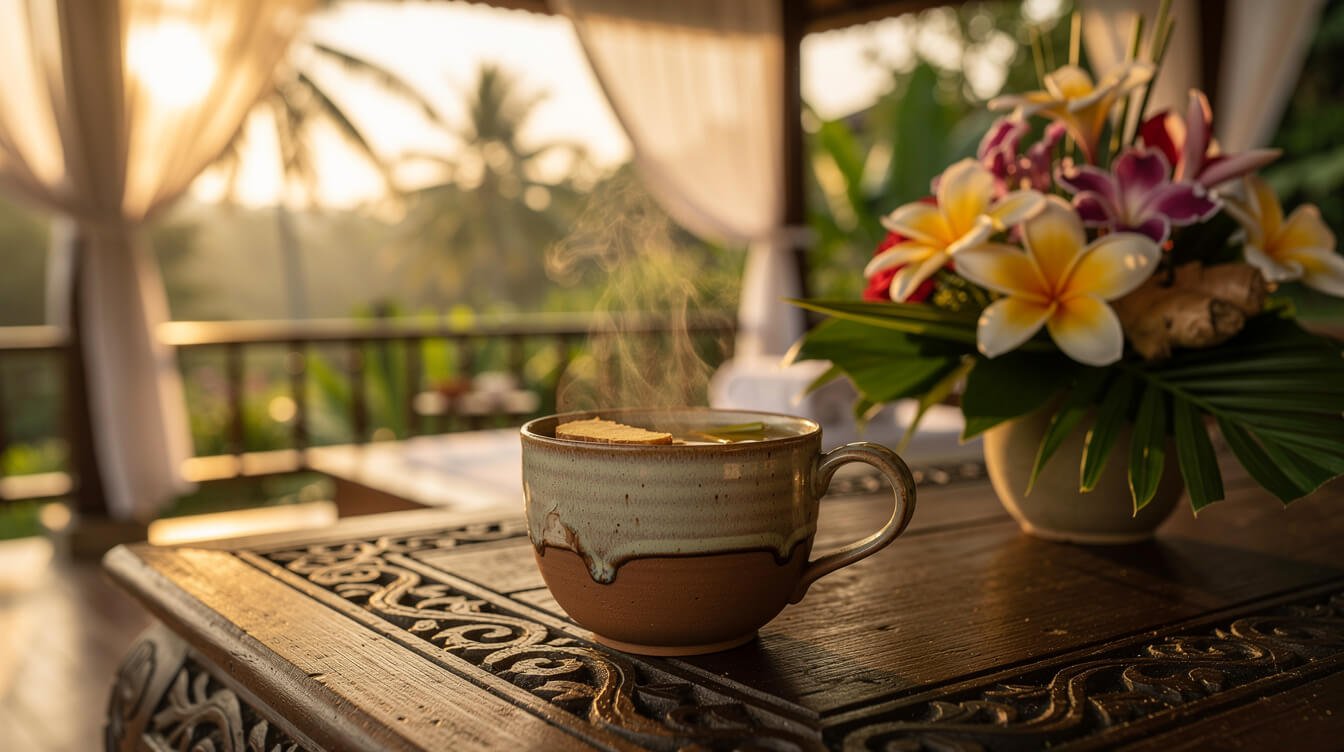
If this is your first time visiting a traditional spa in Ubud, here is what a typical session looks like — from arrival to the moment you walk back out into the warm Bali air.
Arrival and Welcome
You will be greeted with a cold towel and a glass of jamu — a traditional Indonesian herbal tonic made from turmeric, ginger, tamarind, and honey. Some spas serve jamu warm; others serve it iced. Either way, it is delicious and mildly energizing. Your therapist will ask about any injuries, pain points, or areas you want them to focus on.
The Treatment
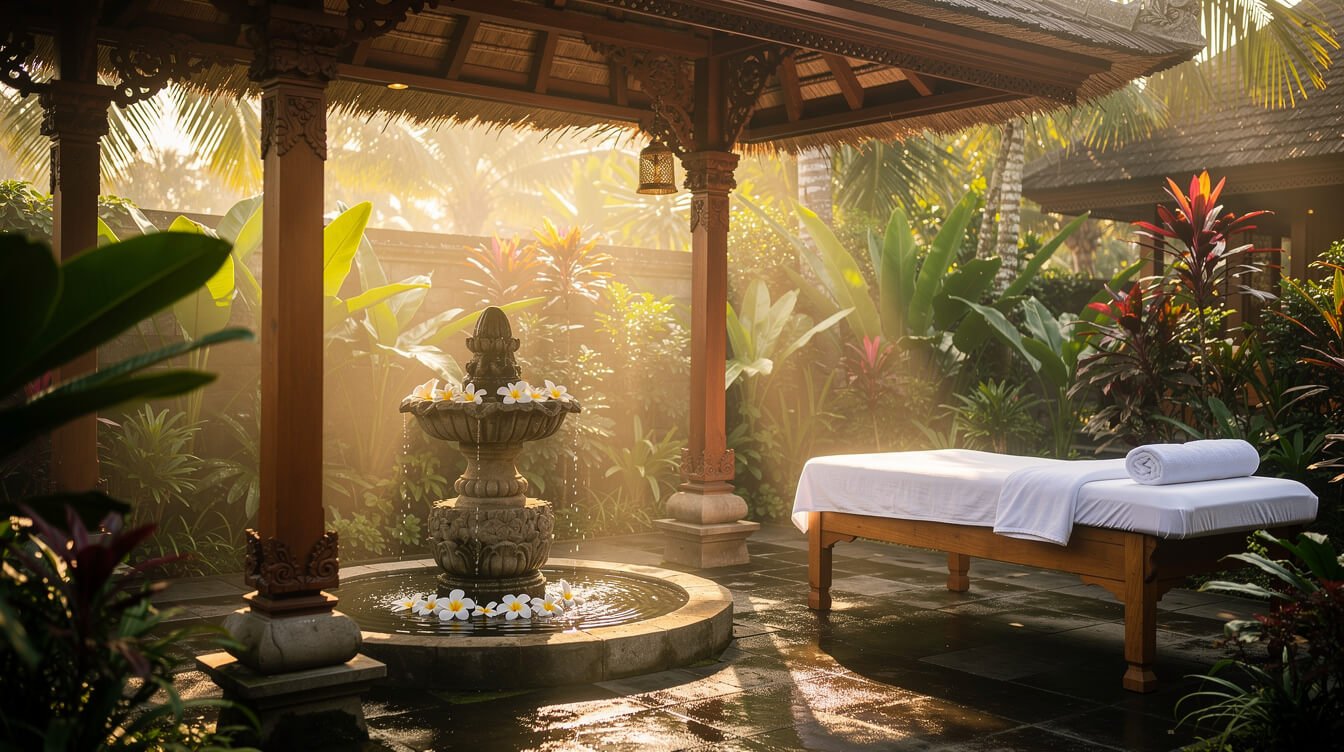
For a Balinese massage, you will lie on a low treatment bed — often wooden, sometimes in an open-air pavilion where you can hear birds and running water. The therapist uses warm oil and begins with long, flowing strokes before moving into deeper pressure work on your back, shoulders, and legs. Expect the session to feel different from a Western massage. Balinese therapists work more intuitively, spending extra time where they sense tension rather than following a rigid sequence.
Finishing Touches
After your treatment, you will usually be offered a warm shower (some spas have outdoor garden showers — genuinely one of the best small pleasures in Bali) and then a cup of ginger tea or lemongrass infusion. Many spas have a relaxation pavilion where you can sit, sip your tea, and let the effects of the massage settle before heading back out.
Tipping Etiquette
Tipping is appreciated but not expected at traditional spas in Ubud. If you had a good experience, IDR 50,000–100,000 ($3–$7 USD) is generous and meaningful. Hand it directly to your therapist.
How to Plan Your Traditional Spa Ubud Experience
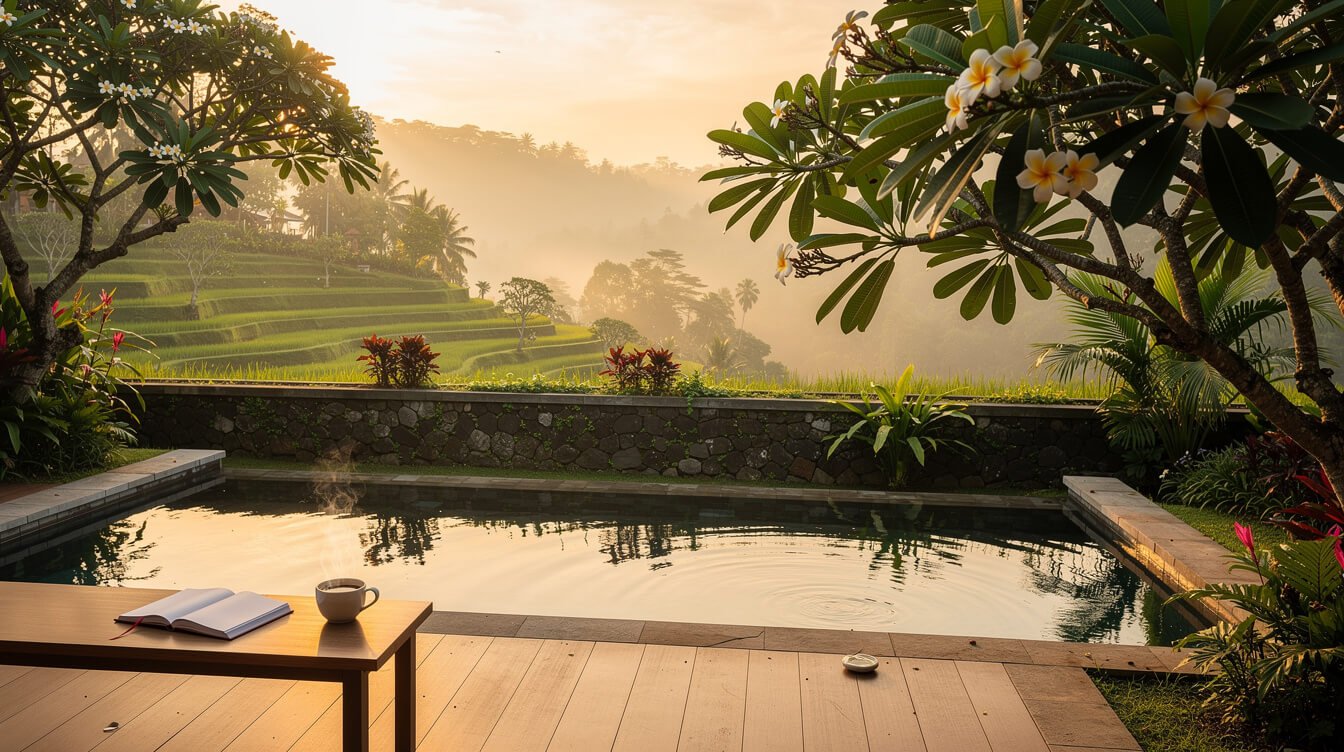
A spa day in Ubud is best when it is not rushed. Here is how to build one into your trip without it feeling like another item on the itinerary.
When to Go
Late morning or mid-afternoon are the quietest times at most traditional spas. Avoid the 3–5 PM window when day-trippers from southern Bali arrive. If you are staying in Ubud for three days or more, schedule your spa visit on day two — after you have walked the rice fields, visited a temple, and your body is ready for some attention.
What to Wear
Comfortable, loose clothing. You will change into a sarong or disposable underwear at the spa. Bring a light layer for afterward — Ubud evenings can be cooler than the coast, and your body will be deeply relaxed.
How to Book
Most traditional spas in Ubud accept walk-ins, but booking a day ahead guarantees your preferred time slot. WhatsApp is the standard booking method. If you are staying at a private villa, your villa manager can arrange everything — including transport, treatment selection, and timing — so you do not have to think about logistics.
Combine with Other Experiences
A traditional spa visit pairs well with a morning yoga class, a walk along the Campuhan Ridge, or an afternoon visiting Ubud’s temples. If you are on a honeymoon, couples treatments are available at most spas — ask when you book. For solo travelers, a spa afternoon is the perfect way to reset between days of exploring.
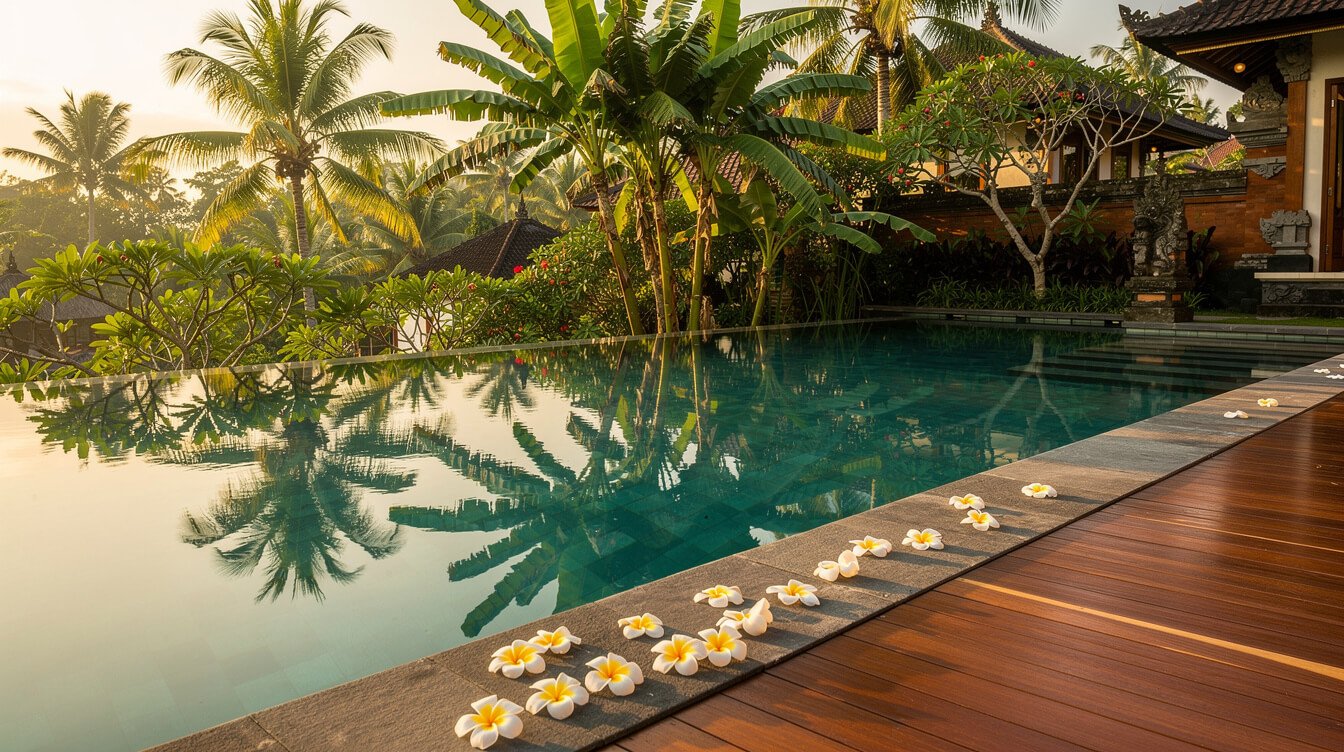
Book Your Ubud Villa Stay
Three bedrooms, private pool, full staff — your own base in Ubud. Our team arranges spa visits, chef dinners, and everything in between.
Traditional Spa Ubud: Frequently Asked Questions
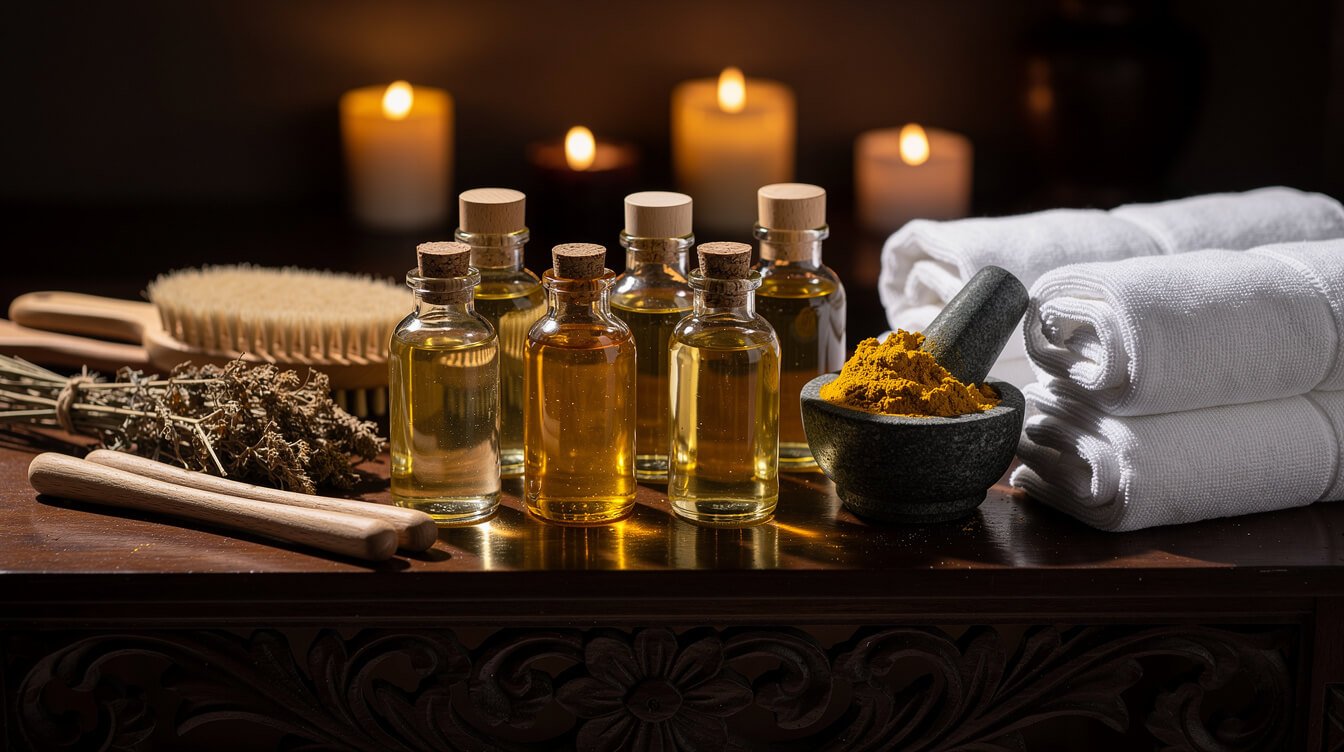
Planning your first traditional spa visit in Ubud comes with questions. Here are the ones we hear most from guests — and the honest answers based on years of living in and around the Ubud spa scene.
How much does a traditional spa treatment cost in Ubud?
A 60-minute Balinese massage at a traditional spa in Ubud typically costs between IDR 150,000 and IDR 350,000 ($10–$23 USD). Longer packages that include a scrub, wrap, and flower bath range from IDR 400,000 to IDR 800,000 ($27–$53 USD). These prices are for family-run traditional spas — resort spas charge significantly more for similar treatments.
Do I need to book a traditional spa in Ubud in advance?
For popular spas like Ubud Traditional Spa and Karsa Spa, booking one day ahead is smart — especially during high season (July–August and December–January). Smaller village spas usually have same-day availability. WhatsApp is the easiest way to book.
What is the difference between a traditional Balinese spa and a resort spa?
Traditional spas use locally sourced, often hand-prepared ingredients. The therapists are typically from the village and learned their craft within their families. The setting is informal — open-air pavilions, garden showers, stone pathways. Resort spas offer a more polished, controlled environment with branded products and standardized protocols. Both can be excellent, but they are fundamentally different experiences.
Is a traditional spa in Ubud hygienic?
Reputable traditional spas maintain high hygiene standards — fresh linen for every guest, clean treatment rooms, and filtered water for showers and baths. The spas recommended in this guide are well-established and reviewed. If you are unsure about a spa, check recent reviews or ask your accommodation host for a recommendation.
Can I get a couples massage at a traditional spa?
Yes. Most traditional spas in Ubud offer side-by-side treatment rooms for couples. Book ahead for couples sessions, as availability is more limited than solo treatments.
What should I do after a spa treatment in Ubud?
Drink water, skip the coffee for a few hours, and avoid strenuous activity. The best post-spa plan in Ubud is the simplest one: walk slowly back to your villa, sit by the pool, and let the evening arrive. If you are staying at a staffed villa, your chef can have something light ready when you get back — a fresh juice or a simple Balinese salad.
Making Wellness Part of Your Ubud Stay
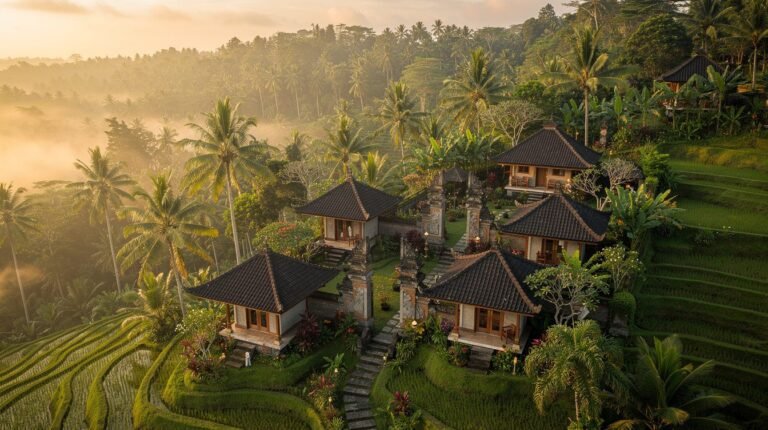
Ubud is one of the rare places where everything around you conspires to slow you down. The air is thicker here, softer. The mornings start with birdsong and the distant sound of a machete in the garden. There is no urgency built into the landscape — only invitation.
The best thing about a traditional spa in Ubud is that it does not exist in isolation. Wellness here is not a single appointment on a single day. It is the morning walk through the rice fields. The sound of water in the garden. The way your villa manager asks how you slept and means it.
A spa visit is one part of that larger rhythm. When you build it into a stay that already includes slow mornings, home-cooked Balinese meals, and afternoons by the pool, the effect compounds. You do not just feel relaxed. You feel held.
That is what a traditional spa in Ubud offers — not a transaction, but a practice. One that has been refined over centuries and is still, today, offered with the same quiet care it has always carried.
If you are planning a trip to Ubud and want wellness to be part of the story — not a footnote — start with the traditional spas. Let the garden pathways, the warm oil, the frangipani-scented water, and the genuine skill of the therapists show you what Balinese wellness actually feels like.
And when you return to your villa afterward — skin soft, shoulders loose, mind finally quiet — you will understand why people come back to Ubud year after year. It is not the Instagram spots or the monkey forest. It is this. The feeling of being genuinely cared for, in a place that has been practicing care for a very long time.
Join Our Newsletter
Fun, new, exciting Bali news — delivered to your inbox. Ubud travel tips, seasonal highlights, and insider recommendations from the team.