Ubud Restaurant: Your Complete Guide to the Best Places to Eat in Ubud
Every Ubud restaurant tells a story — about the cook who trained under her grandmother, the chef who left Jakarta to grow his own vegetables, the warung owner who still walks to the morning market before dawn. This is what makes eating in Ubud different from anywhere else on the island. The food here isn’t arranged for photographs. It’s made by people who care deeply about what lands on your plate.
If you’ve been scrolling through “best restaurants in Ubud” lists and finding the same ten names recycled, this guide goes deeper. Our villa team eats in this town every day. We know which warung the market vendors choose for their own lunch, which fine dining kitchens are worth the splurge, and which cafés earn their reputation morning after morning. This is your complete guide to the Ubud restaurant scene — from IDR 25,000 nasi campur to multi-course tasting menus — written by a team that actually lives here.
Why Ubud Is Bali’s True Food Destination
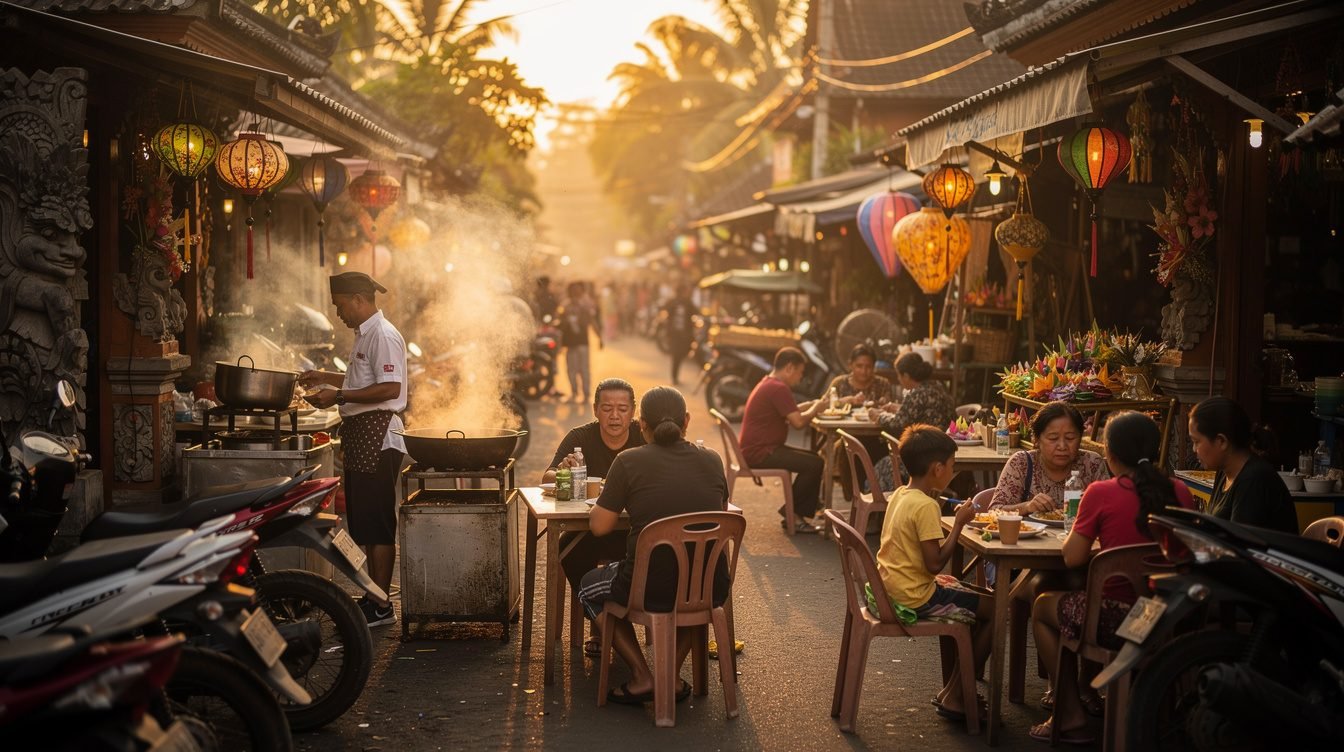
Bali’s southern beaches get the nightclub crowds and Instagram sunset bars. Ubud gets the cooks. There’s a reason for this — the town sits at the center of Bali’s richest agricultural land. The rice terraces that draw photographers also feed the kitchens. The volcanic soil that makes everything impossibly green also produces the herbs, chilies, galangal, and lemongrass that define Balinese food.
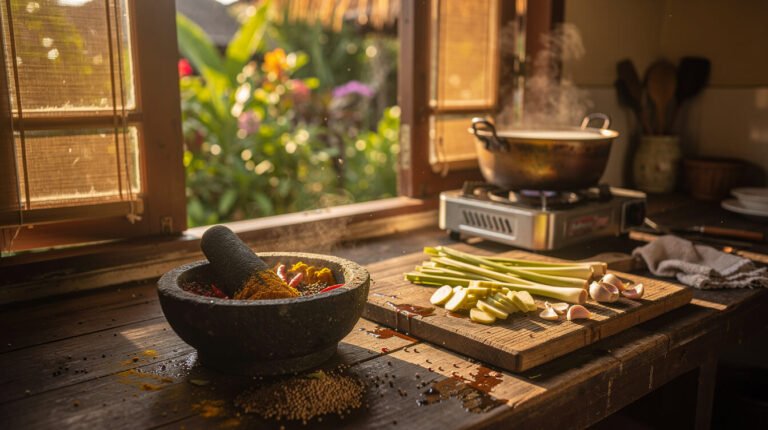
This proximity to source changes how restaurants operate here. At the better Ubud restaurants, the chef’s morning begins at the Ubud Traditional Market — not at a wholesale distributor. Ingredients travel meters, not miles. A turmeric root pulled from the soil at seven is on your plate by noon. That freshness is something you taste immediately, even if you can’t name exactly why.
Ubud’s food culture also benefits from an unusual cultural intersection. This is where traditional Balinese cooking meets a global community of health-conscious travelers, yoga practitioners, and culinary adventurers. The result is a restaurant scene that ranges from grandmother’s warung recipes to farm-to-table fine dining — all within walking distance of each other. No other town in Bali offers this range.
The Balinese people who run these kitchens bring something else: a deep spiritual relationship with food. In Bali, cooking is an act of devotion. The daily offerings (canang sari) always include food. Temple ceremonies require specific dishes prepared with ritual precision. This reverence runs through even the humblest warung kitchen.
The Best Warungs in Ubud — Where the Locals Actually Eat
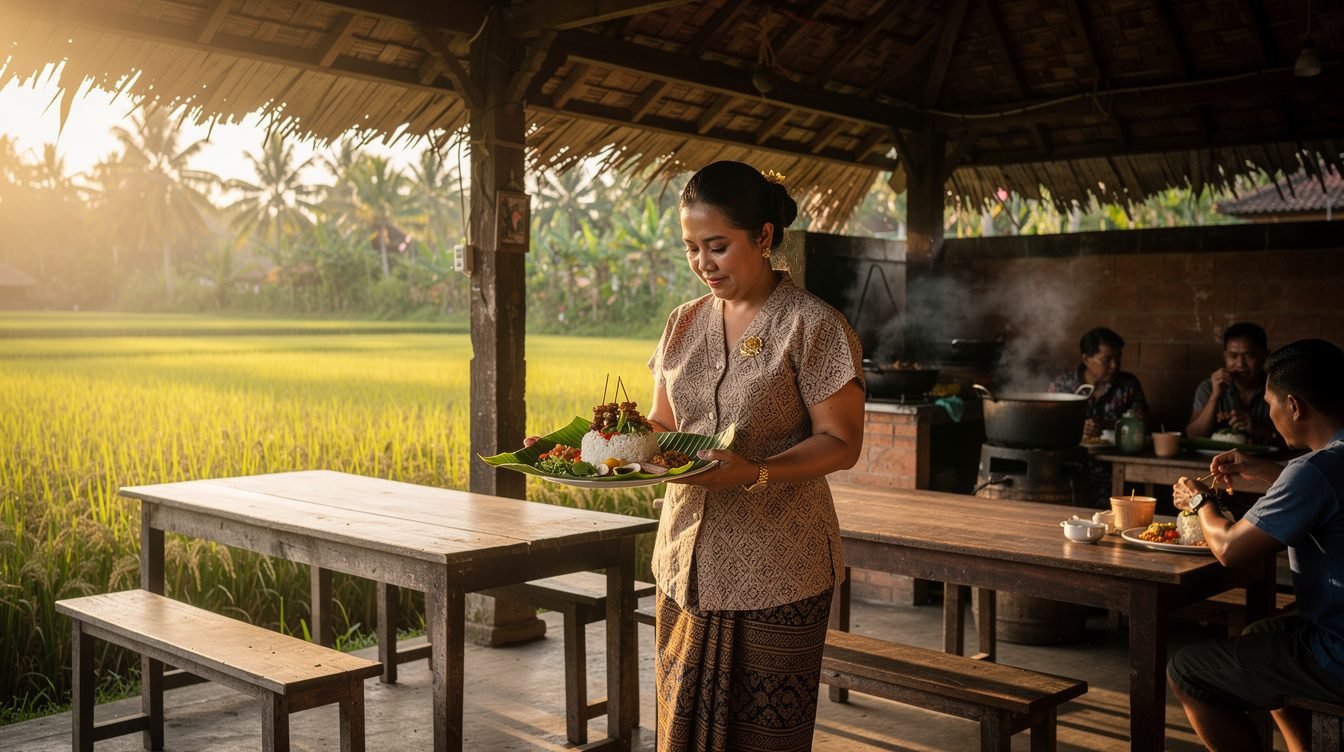
A warung is Bali’s answer to the neighborhood restaurant — small, family-run, and serving the food the cook grew up eating. In Ubud, warungs are where the real eating happens. The prices are gentle (most meals run IDR 25,000–60,000), the portions are honest, and the flavors carry generations of practice.
Warung Biah Biah on Jalan Suweta serves what many locals consider the best nasi campur in central Ubud. The daily spread changes based on what’s fresh — expect shredded chicken in rich coconut curry, crispy tempeh, lawar (mixed vegetables with grated coconut and spices), and sambal that quietly builds. No menu. You point, she plates.
Ibu Oka needs no introduction if you’ve watched Anthony Bourdain’s visit, but it deserves one anyway. The babi guling (spit-roasted suckling pig) here is extraordinary — crackling skin shattered over rice, with a side of blood sausage and spiced vegetables. It’s the kind of dish that stops conversation. Arrive before noon for the best cuts.
Naughty Nuri’s on Jalan Raya Sanggingan has been serving its famous pork ribs since before Ubud had a tourist office. The ribs are smoky, sweet, sticky, and absolutely indecent. Pair them with a dirty martini and you understand why people drive from Seminyak for lunch. It’s technically a warung — plastic chairs, open air, no pretense — but the cooking is serious.
For vegetarian warung food, Warung Sopa serves organic Balinese dishes in a quiet garden setting. The tempeh and tofu preparations here show what these ingredients can do when someone cares.
Ubud’s Best Mid-Range Restaurants — Where Flavor Meets Atmosphere
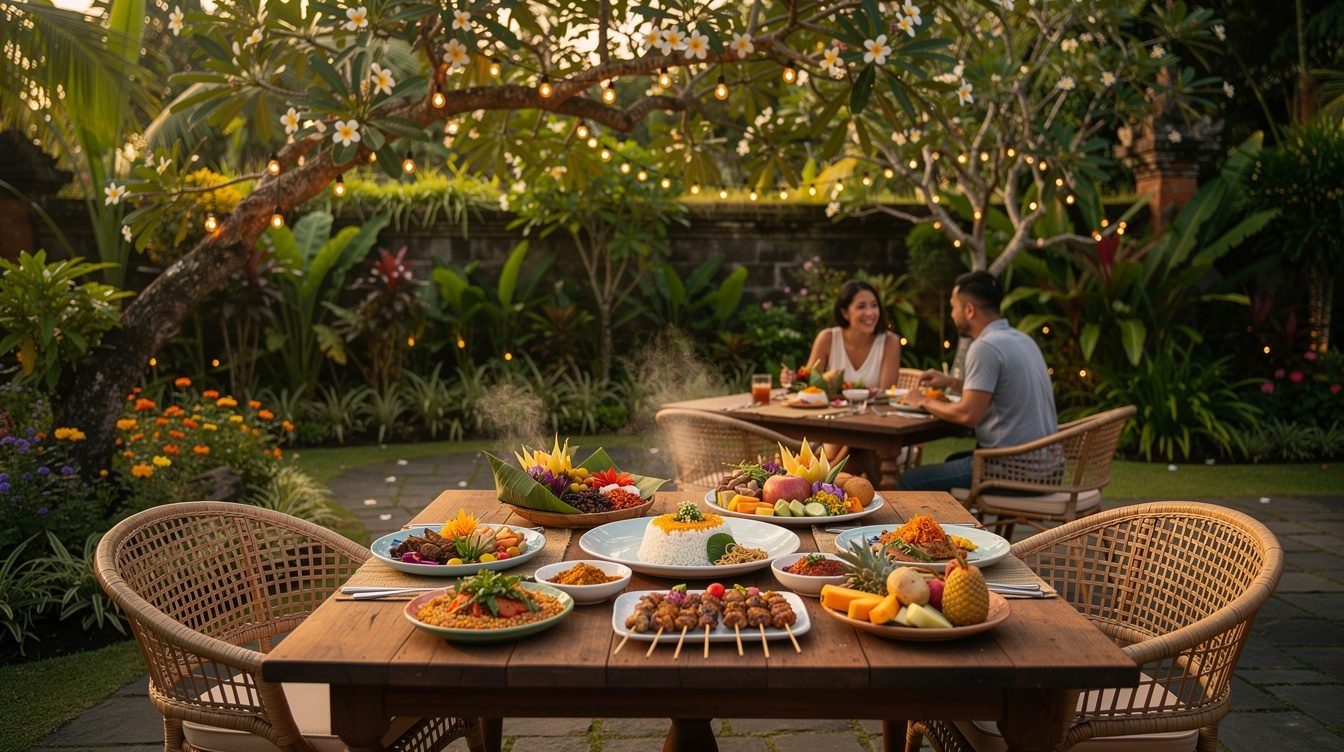
Between the IDR 30,000 warung plate and the IDR 800,000 tasting menu sits Ubud’s sweet spot — restaurants where the cooking is ambitious, the settings are beautiful, and the bill stays reasonable. This is where most visitors find their nightly rhythm.
Hujan Locale, chef Will Meyrick’s love letter to Indonesian cuisine, reinterprets traditional recipes with modern technique. The rendang is slow-cooked for hours, the satays come with handmade peanut sauce, and the cocktail list riffs on local ingredients like pandan and tamarind. The timber-and-stone dining room overlooks Jalan Sri Wedari. Reserve for dinner.
Pica South American Kitchen is one of Ubud’s best-kept secrets — a tiny restaurant serving Peruvian-Indonesian fusion that makes perfect sense when you taste it. Ceviche with Balinese lime. Empanadas with sambal. The chef sources everything locally and changes the menu weekly.
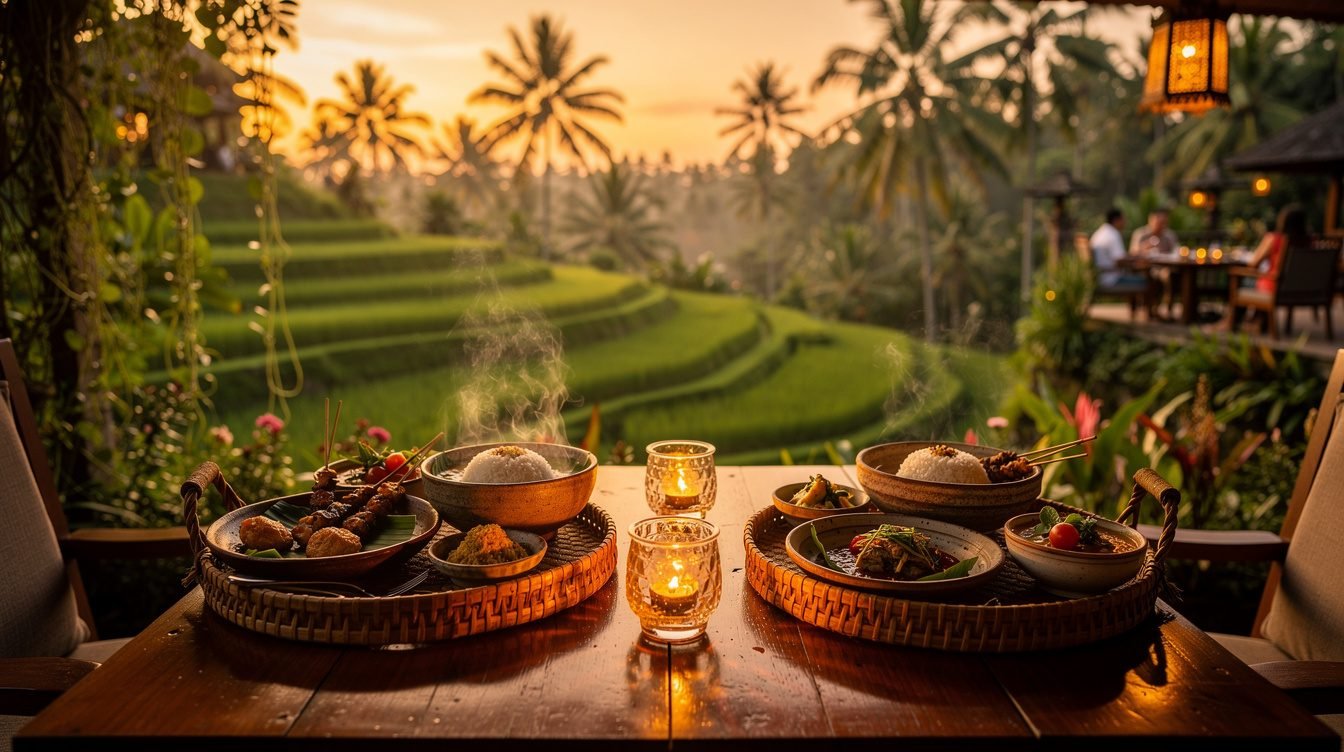
Bebek Bengil (the Dirty Duck Diner) in Padang Tegal has been serving its signature crispy duck since 1990. The duck is marinated in Balinese spices, steamed, then deep-fried until the skin shatters. You eat it overlooking rice paddies — the view hasn’t changed in thirty years, and neither has the recipe.
For something quieter, Bridges Bali sits above the Wos River valley with floor-to-ceiling windows framing the jungle canopy. The menu bridges (genuinely) Indonesian and European traditions. The wine list is the best in Ubud. Come at golden hour — the light through the valley is worth the trip alone.

Get a Free 3-Day Sample Itinerary
Planning your Ubud stay? Our team has mapped out three perfect days — including our favorite restaurants, morning walks, and evening experiences. It’s the itinerary we’d give a friend.
Fine Dining in Ubud — When the Evening Calls for Something Special
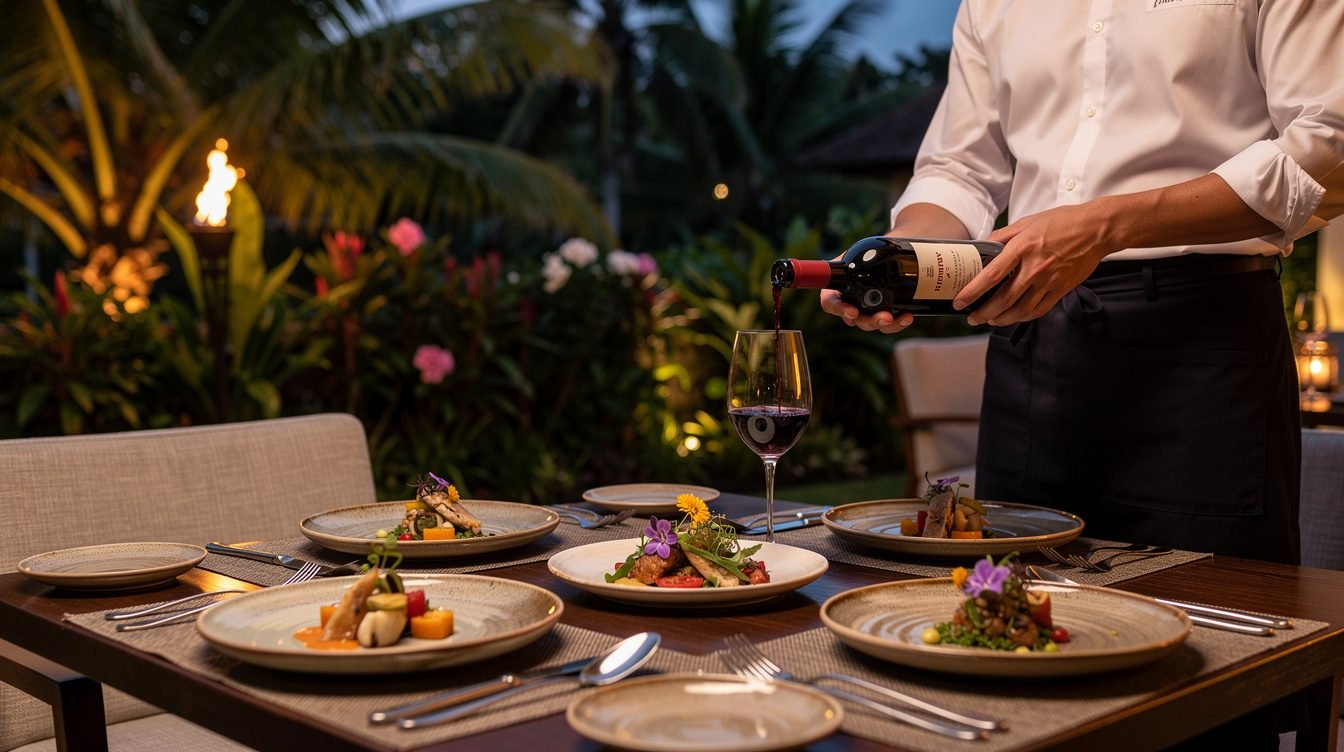
Ubud’s fine dining scene is unlike anywhere else in Bali. Where Seminyak’s upscale restaurants lean on imported wagyu and truffle oil, Ubud’s best chefs build their menus from what grows in the hills around them. The results are extraordinary — and earned Bali its first serious international culinary attention.
Locavore is the restaurant that put Ubud on the global culinary map. Chef Ray Adriansyah and Eelke Plasmeijer built their entire menu around ingredients sourced within the Indonesian archipelago — no imported anything. The tasting menu changes constantly, but expect fermented vegetables, heritage rice varieties, foraged herbs, and proteins you’ve never considered. Reservations are essential and often need to be made weeks ahead.
Mozaic in Sanggingan has been Ubud’s standard-bearer for French-Indonesian fusion for over two decades. Chef Chris Salans creates elaborate tasting menus that pair classical technique with Balinese ingredients — think duck confit with base genep spice, or snapper with sambal matah foam. The garden setting, with candlelit tables among frangipani trees, is unforgettable.
Room4Dessert is exactly what it sounds like — an entire restaurant dedicated to the dessert course. Chef Will Goldfarb’s multi-course sweet tasting menu is theatrical, playful, and genuinely delicious. Book months ahead. This is one of those dining experiences that people fly to Bali specifically for.
Apéritif at the Viceroy offers French fine dining with a Balinese accent, served in an elegantly restored colonial-era building overlooking the Petanu Valley. The sommelier program here is exceptional. This is your anniversary dinner, your celebration, your reason to dress up in Ubud.
Ubud’s Best Cafés — For Slow Mornings and Long Afternoons
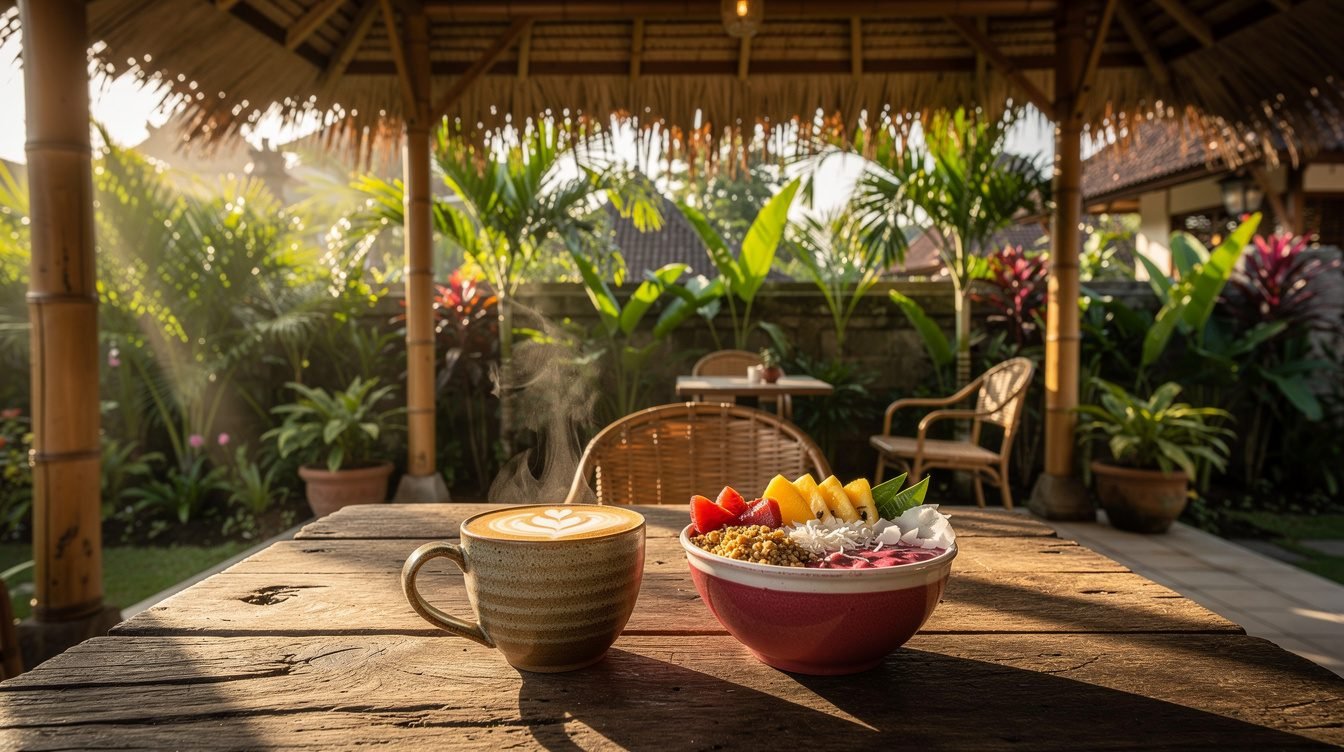
The café is where Ubud’s rhythm shows itself most clearly. Nobody rushes breakfast here. Mornings stretch into late brunches. Laptops open next to acai bowls. The café culture in Ubud serves a specific ecosystem — the yogis and wellness seekers, the digital nomads working remotely, the travelers who want something lighter than a full Indonesian breakfast.
Milk & Madu on Jalan Monkey Forest is where most mornings in Ubud begin — smoothie bowls, avocado toast, strong coffee, and a garden courtyard that catches the morning light just right. The vibe is relaxed without being lazy. Service is warm.
Watercress Ubud has earned its reputation through consistency — wood-fired breakfasts, excellent coffee, and a blue-and-white interior that photographs well but also feels comfortable to sit in for two hours. The corn fritters with poached eggs are a local ritual. Arrive early; they run out of popular items by mid-morning.
Clear Café on Jalan Hanoman is a sprawling multi-level space that manages to feel intimate despite its size. The menu covers everything — raw food, Balinese classics, juices, elixirs, kombucha on tap. It’s where the yoga retreat community congregates, and the energy is calm and focused.
For something more tucked away, Lazy Cat sits above Jalan Dewi Sita with temple views and a dessert cabinet that rewards afternoon wandering. The pace here is genuinely slow — order a pot of tea and watch the village move below.
Vegetarian and Vegan Restaurants in Ubud — A Plant-Based Destination
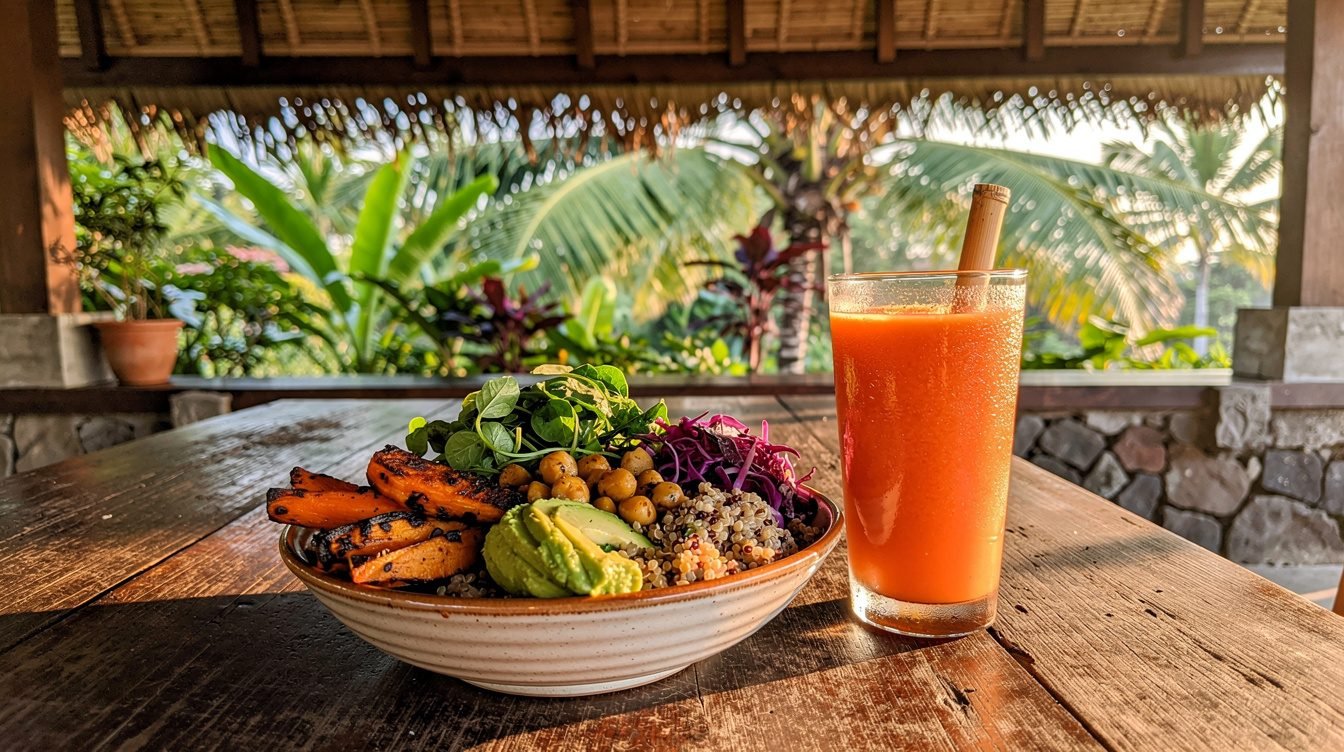
Ubud may be the easiest place in Southeast Asia to eat plant-based. The town’s connection to yoga, wellness, and mindful living has created an entire restaurant ecosystem built around vegetables, grains, and local produce. And unlike many plant-based scenes, the food here actually tastes like food — not like someone apologizing for the absence of meat.
Sage Bali serves what might be Ubud’s most creative vegan menu — dishes that borrow from Indonesian, Mediterranean, and Japanese traditions without landing in any one category. The mushroom rendang is extraordinary. Everything is organic, most of it grown in their own garden.
Alchemy is Ubud’s raw food temple — a two-story bamboo structure on Jalan Penestanan Kelod where nothing is cooked above 42°C. The salad bar lets you build your own creation from dozens of ingredients, and the raw desserts (think cashew cheesecake with cacao and coconut) are genuinely worth seeking out. The space itself — open bamboo, jungle sounds, natural light — matches what’s on the plate.
Moksa takes the farm-to-table concept literally — the restaurant sits inside its own permaculture garden. You can walk through the beds where your lunch is growing before you sit down. The tempeh and tofu here are house-made, and the cooking classes are among the best in Ubud. If you want to understand how Balinese vegetable cooking works at the source level, this is where you go.
Even traditional Balinese warungs serve excellent vegetarian food by default. The nasi campur spread typically includes several meat-free options — lawar without pork, sautéed fern tips, tempeh in sweet soy, jackfruit curry. Ask for tanpa daging (without meat) and most cooks will assemble a beautiful plate.
Book the Villa
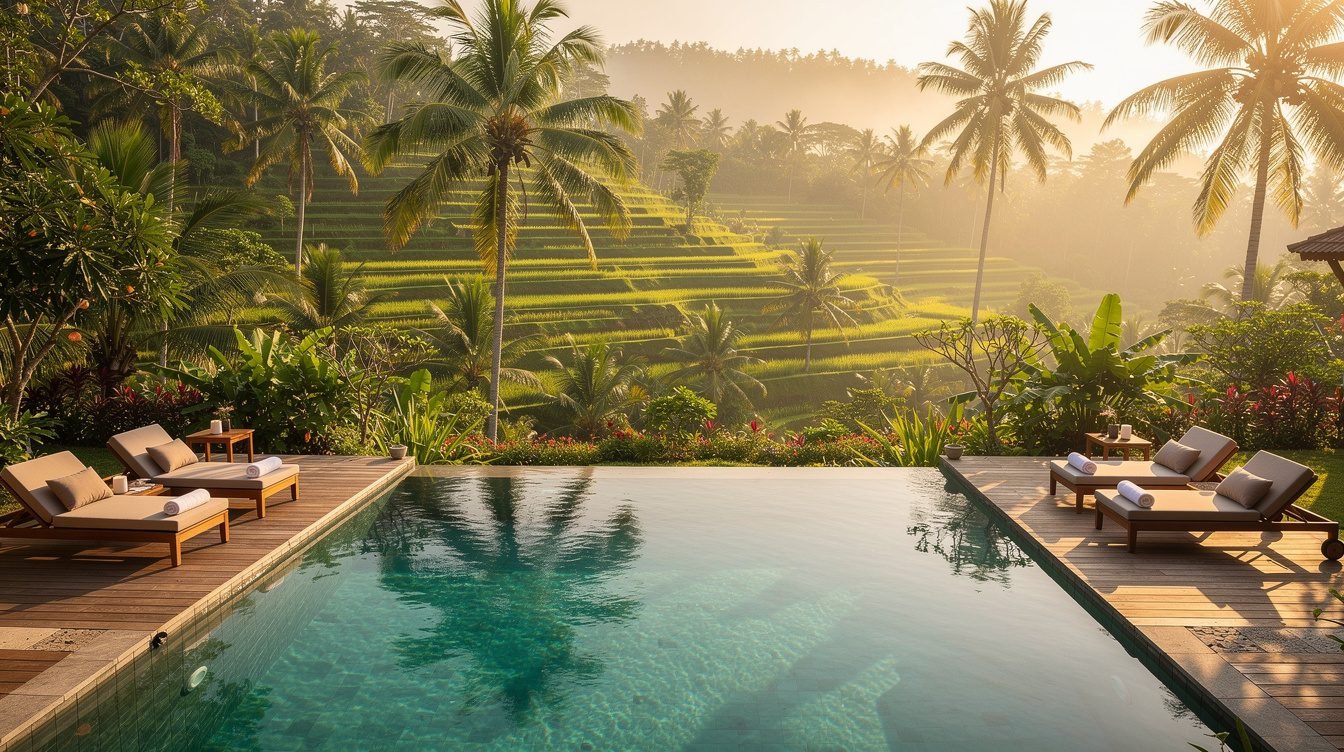
Three bedrooms. Private pool. A chef who knows every restaurant in this guide — and cooks better than most of them. Your Ubud food adventure starts at home.
The Private Chef Experience — The Best Ubud Restaurant Is in Your Villa
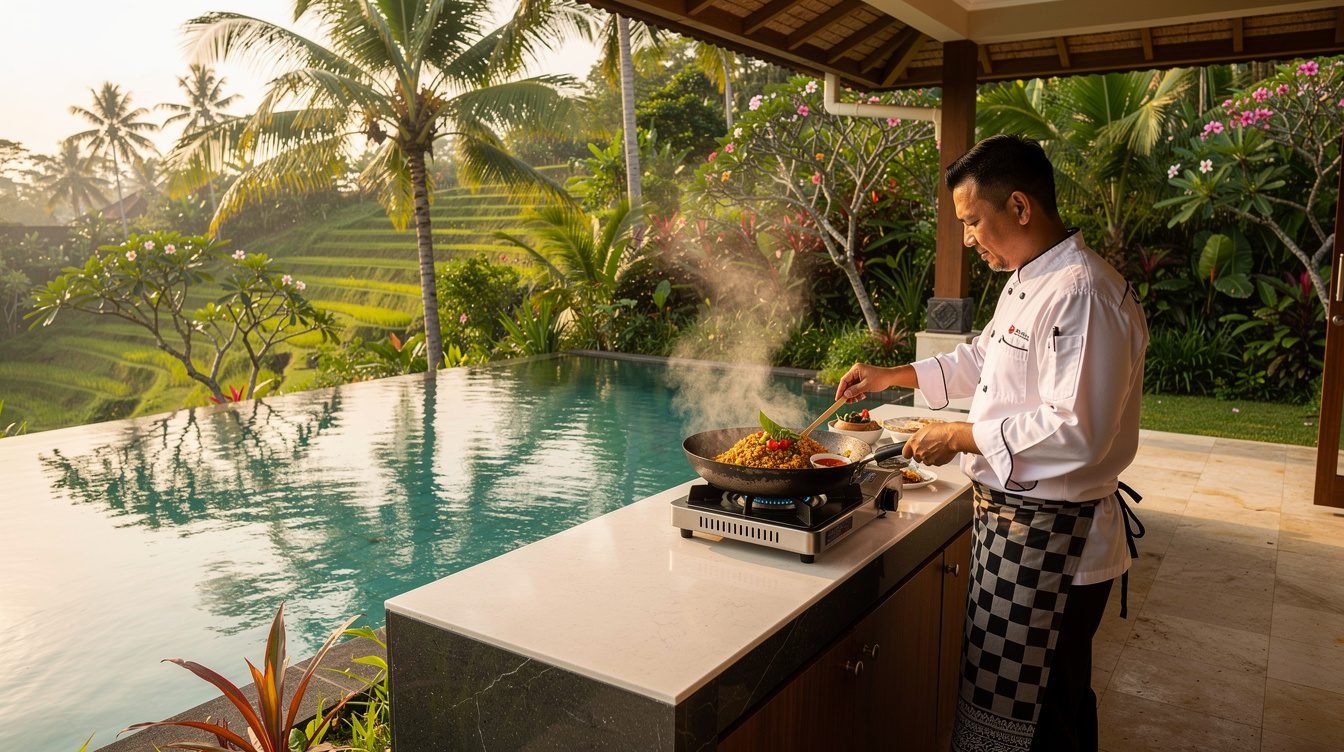
Here’s something the restaurant guides won’t tell you: some of the best meals in Ubud happen in private villas. When your accommodation comes with a dedicated chef — someone who shops at the morning market, knows the spice vendors by name, and learned to cook from her mother — the line between “eating out” and “eating in” disappears entirely.
At a staffed villa in Ubud, your chef prepares breakfast on the pool deck before you wake. Coffee is ready when you surface. Fresh fruit — rambutan, mangosteen, snake fruit — comes from the garden or the market that morning. The nasi goreng is made to your preference, adjusted each day based on what you liked yesterday.
Lunch might be a Balinese spread of grilled fish, sambal trio, steamed rice, and sautéed morning glory — eaten barefoot by the pool. Dinner can be anything from a traditional megibung feast (communal Balinese banquet) to a multi-course fusion menu. Your chef adapts. She asks what you’re in the mood for, what you’ve been eating in town, what you’d like to try next.
This is the dining experience that no Ubud restaurant can replicate: food cooked specifically for you, in a kitchen that exists solely for your stay, by someone who genuinely wants you to love every bite. It’s the reason guests who’ve experienced a villa with private pool in Ubud often choose to eat in as much as they eat out.
The private chef experience also solves one of Ubud’s practical challenges — getting back from restaurants at night. Ubud’s roads are dark and winding after sunset. Having dinner at home, on your own terrace, with the sounds of the garden and the distant gamelan from the village temple — that’s not settling for less. That’s the meal you’ll remember longest.
How to Navigate the Ubud Restaurant Scene — Insider Tips from a Villa Team
After helping hundreds of guests plan their meals in Ubud, our team has learned a few things that don’t make it into the review sites.
Lunch is the sweet spot. Most Ubud restaurants are quieter at lunch, and the food is just as good. Warungs are actually better at midday — the daily spread is freshest then. By evening, popular items sell out. If you want to try Ibu Oka’s babi guling, go at 11:30.
Reservations matter for fine dining. Locavore, Room4Dessert, and Mozaic all require advance booking — sometimes weeks ahead. For mid-range restaurants like Hujan Locale and Bridges, a same-day reservation usually works, but evenings fill up during high season (July–August, December–January).
Walk the food streets. Jalan Dewi Sita, Jalan Hanoman, and Jalan Monkey Forest are the three main restaurant corridors. Each has a different personality. Dewi Sita is quieter and more local. Hanoman is the health-food strip. Monkey Forest has the most variety but also the most tourist markup. Branch out to Jalan Suweta and Sanggingan for better value.
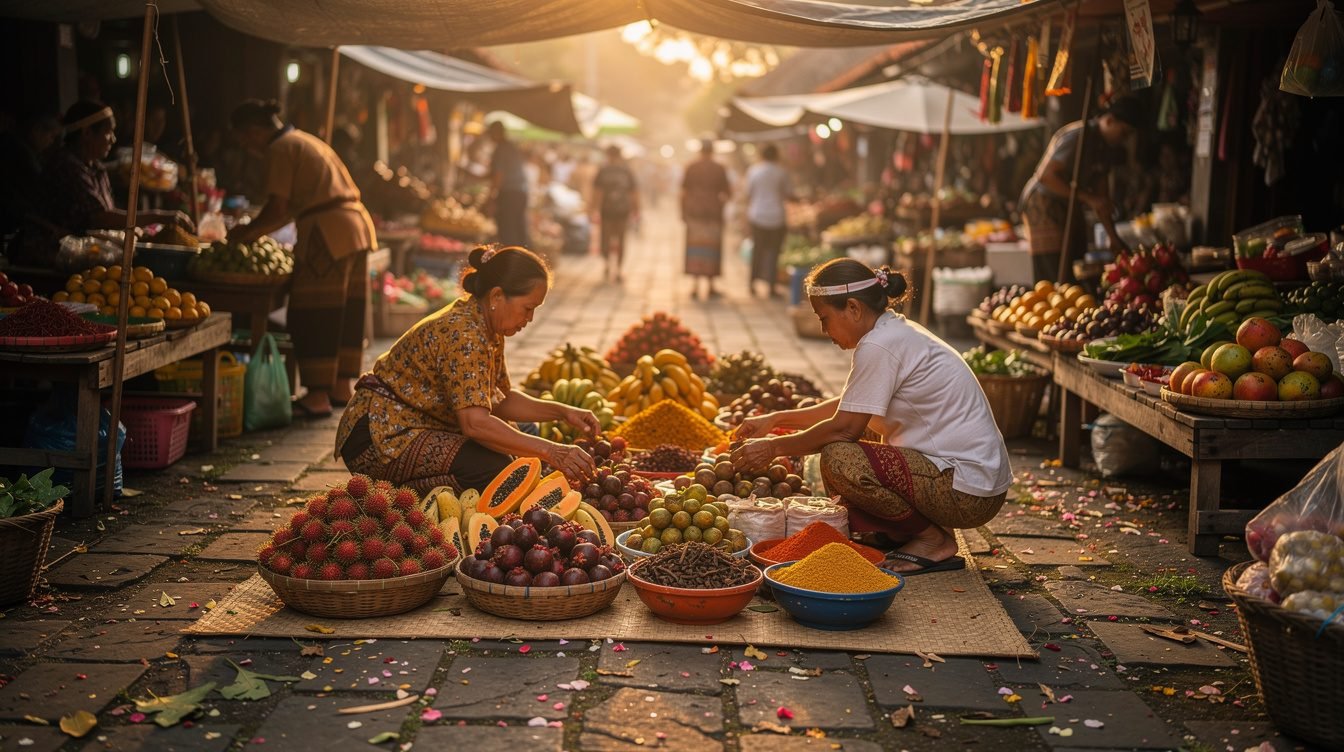
The market is a meal. Ubud’s Traditional Market (Pasar Ubud) serves breakfast in its back stalls — nasi jinggo wrapped in banana leaves, bubur (rice porridge), and strong Balinese coffee for a few thousand rupiah. It’s the best breakfast deal in town, and it connects you to the rhythm that feeds every kitchen in Ubud. If you’re curious about how Balinese food traditions move from market to plate, start here.
Ask your villa team. Seriously. If you’re staying at a staffed villa, your manager and chef know this town intimately. They know which restaurants just changed chefs, which warung’s sambal is on fire this week, and which new opening is worth trying. This is the local knowledge that TripAdvisor reviews — even good ones — simply can’t offer.
For planning the rest of your Ubud days beyond food, our complete guide to things to do in Ubud covers temples, rice terraces, adventure activities, and cultural experiences. And if you’re still in the early planning stages, our Bali travel guide maps out everything from visa logistics to the best time to visit.
Frequently Asked Questions About Ubud Restaurants
What is the best ubud restaurant for a special occasion?
For a truly memorable evening, Mozaic and Apéritif offer the most refined dining experiences in Ubud, with tasting menus, sommelier pairings, and garden settings that match the caliber of the food. Locavore is the choice if you want Ubud’s most acclaimed kitchen. For something more intimate, a private dinner prepared by your villa chef — on a candlelit pool deck — is hard to beat.
How much does a meal cost in Ubud?
Ubud’s dining range is enormous. A warung meal runs IDR 25,000–60,000 (roughly $1.50–$4 USD). Mid-range restaurants average IDR 100,000–250,000 ($6–$16) per person. Fine dining tasting menus range from IDR 800,000–1,500,000 ($50–$95). Cafés sit in between, with breakfast bowls and coffee totaling IDR 80,000–150,000 ($5–$10).
Is Ubud good for vegetarian and vegan food?
Ubud is one of the best plant-based dining destinations in Southeast Asia. Dedicated vegan and vegetarian restaurants like Sage, Alchemy, and Moksa serve creative, flavorful food. Even traditional warungs offer excellent vegetarian options by default — tempeh, tofu, lawar, and vegetable curries are core Balinese dishes, not afterthoughts.
Do I need reservations for restaurants in Ubud?
For warungs and cafés, no — walk in anytime. For mid-range restaurants, a same-day call or message usually secures a table. For fine dining (Locavore, Room4Dessert, Mozaic, Apéritif), you should book at least a few days ahead — and during peak season, weeks ahead. Your villa team can handle reservations for you.
What should I eat first in Ubud?
Start with nasi campur at a warung — it’s the dish that tells you everything about Balinese cooking in a single plate. From there, try babi guling at Ibu Oka (if you eat pork), a smoothie bowl at one of the cafés for breakfast, and at least one fine dining tasting menu. If your villa has a chef, ask for a traditional Balinese dinner on your first night — it sets the tone for everything that follows.
Is it safe to eat street food and warung food in Ubud?
Yes. Ubud’s warungs cook fresh daily, and the turnover is fast — especially at popular spots. Use the same common sense you’d apply anywhere: eat where it’s busy (high turnover means fresh food), drink bottled water, and don’t be shy about asking what’s in a dish if you have allergies. Our team has eaten at Ubud’s warungs for years without issue. If you’re planning what to bring for your trip, our packing guide covers basic health essentials.

Join Our Newsletter — Fun, New, Exciting Bali News
We share what’s happening in Ubud this week — new restaurants, ceremonies, seasonal food, and the quiet moments that make this place extraordinary. No spam. Just genuine Bali, once a week.