Arrogant Bali Villagers Trigger Divine Fury at Lake Tamblingan
High on the lush slopes of Mount Lesung in Bali, the village of Tamblingan rested amidst rolling hills and emerald canopies. Home to a few hundred farming families, its narrow paths wound between rice paddies, fruit orchards and huts. Each dawn, villagers rose to tend fields, confident in the land’s bounty. At the village center, a revered spring gushed clear water, its steady flow credited to divine favor. Elders said this spring sustained both body and spirit, its pure stream drawing families for daily needs and guiding them toward greater unity.
Faith infused every aspect of life in Tamblingan. At dawn, priests led chants beside the spring, offering fruit, grains and flowers to honor ancestral spirits and thank the gods. These acts reaffirmed their connection to nature. Villagers believed that by maintaining humility and offering praise, they would receive divine protection against misfortune. Stories told how the spring had safeguarded ancestors in past trials, and the community held these practices sacred.
But one morning, quiet chatter in the fields gave way to alarming silence. A strange fever crept through Tamblingan, striking people. Workers collapsed during harvest, cheeks flushed and limbs trembling. Within days, dozens suffered high fever, chills and weakness. Healers once masters of herbal tonics and poultices scrambled for a cure, yet their preparations failed. Panic and despair spread faster than the sickness, as families huddled by lamps at night, fearing each new sunrise.
In a council beneath the oldest banyan tree, village elders convened to discuss an answer. They conceded the crisis was beyond remedies and proposed seeking a sage known for his communion with the gods. This hermit dwelled near Mount Lesung’s peak and was said to possess insight. Word of his reputation reached Tamblingan, and hope flared that he could halt the creeping death. Ten elders and half a dozen able-bodied villagers strapped provisions to their backs and set off toward the mountain summit.
Their ascent tested will and body alike. Thick underbrush tore at clothing while slippery slopes threatened every step. Crags and ravines forced careful crossings over rickety logs or narrow ledges. Some nights, they slept under a blanket of stars, fireflies dancing above. Supplies dwindled, yet fear for loved ones fueled each stride. When sudden rain turned paths into muddy streams, they pressed on, spurred by the belief that the sage’s wisdom was their only chance at salvation.
At last, after five days of travel, the group crested the summit ridge and found a simple hut beside a hidden spring. A man of white hair and calm eyes stepped forward, welcoming them with dignity. Elders detailed Tamblingan’s plight, describing how fever had stolen mothers, fathers and children alike. The sage listened without interruption, nodding slowly as he absorbed every detail. After a moment of reflection, he rose and moved toward the spring near his door.
He scooped water into a clay jar and addressed the elders: “This water is blessed by the gods and possesses healing powers. Take it back to your village and give it to those who are sick. However, remember, this blessing comes with responsibility. You must remain humble and grateful. Do not let arrogance or ingratitude creep into your hearts, for the gods will not tolerate such attitudes.” Gratitude lit their faces as they secured the vessel and began the descent.
Soon, they reached Tamblingan, careful with every step, precious cargo wrapped in cloth and cradled against worn shoulders. Healers administered the water to the ailing, pouring drops across lips and wounds. Astonishingly, fever broke within hours; trembling eased, color returned and appetite awakened. Families wept tears of relief as strength revived. Within a week, the sickness had retreated entirely, and the village echoed once more with laughter and song.
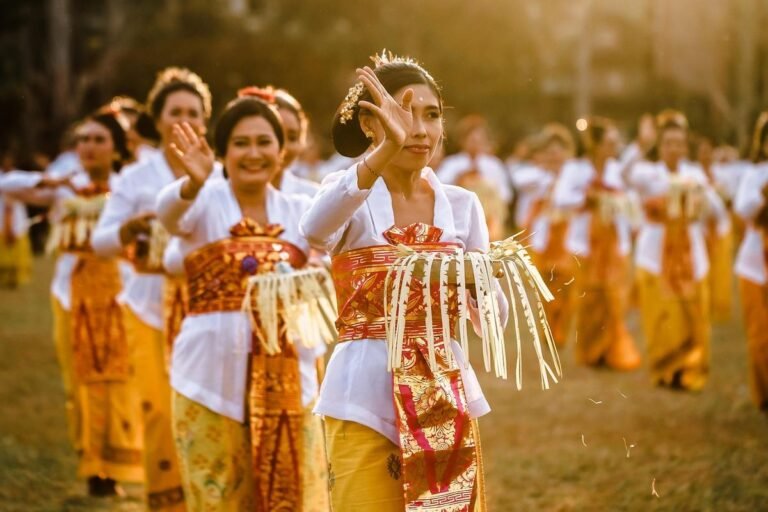
To thank the gods, villagers held ceremonies around the restored spring. Offerings of rice cakes, coconuts and incense piled high on stone altars, while dancers in woven sarongs sang age-old hymns. Elders spoke of the water’s role as savior, and children listened wide-eyed as ancestors’ deeds were recounted. Peace settled back over Tamblingan’s terraced fields, and every dawn brought a renewed promise that respect and faith would guide their days.
Yet time eroded villagers’ caution. Once sacred water was drawn for chores, ceremonies became rare. Some began to boast of immunity, convinced no illness could strike them again. Gratitude waned, replaced by dismissive smiles whenever the spring was mentioned. The sage’s warning against pride fell silent. Many assumed the gods’ favor was permanent, and they stopped tending altars or offering thanks at sunrise.
The sage, aware of the shift, knelt at his spring and prayed for a reminder to guide Tamblingan back to humility. Soon dark clouds rolled in, turning skies gray. Sheets of rain pounded roofs for days, causing rivers and streams to swell. The village spring rose above its banks, transforming paths into rushing waterways. Harvests in terraced paddies washed away as water surged through every corner of Tamblingan.
Villagers who remembered humility fled to higher ground with family and livestock, but many stayed behind. Currents carried homes, animals and stone shrines off their foundations. When the downpour finally ceased, stillness fell. Where huts once stood lay water stretching beyond sight. Tamblingan had been swallowed whole. Survivors named the pool Lake Tamblingan to honor those lost and preserve the memory of their vanished community.
Today, Lake Tamblingan remains hallowed ground for Balinese villagers. Each year, pilgrims approach the water’s edge, presenting flower garlands and lanterns as tokens of respect. Priests recite chants asking for forgiveness and guidance, reminding everyone that prosperity comes from humility. The lake’s still surface holds stories of blessing and loss, urging visitors to cherish traditions and honor the balance between earth and spirit.