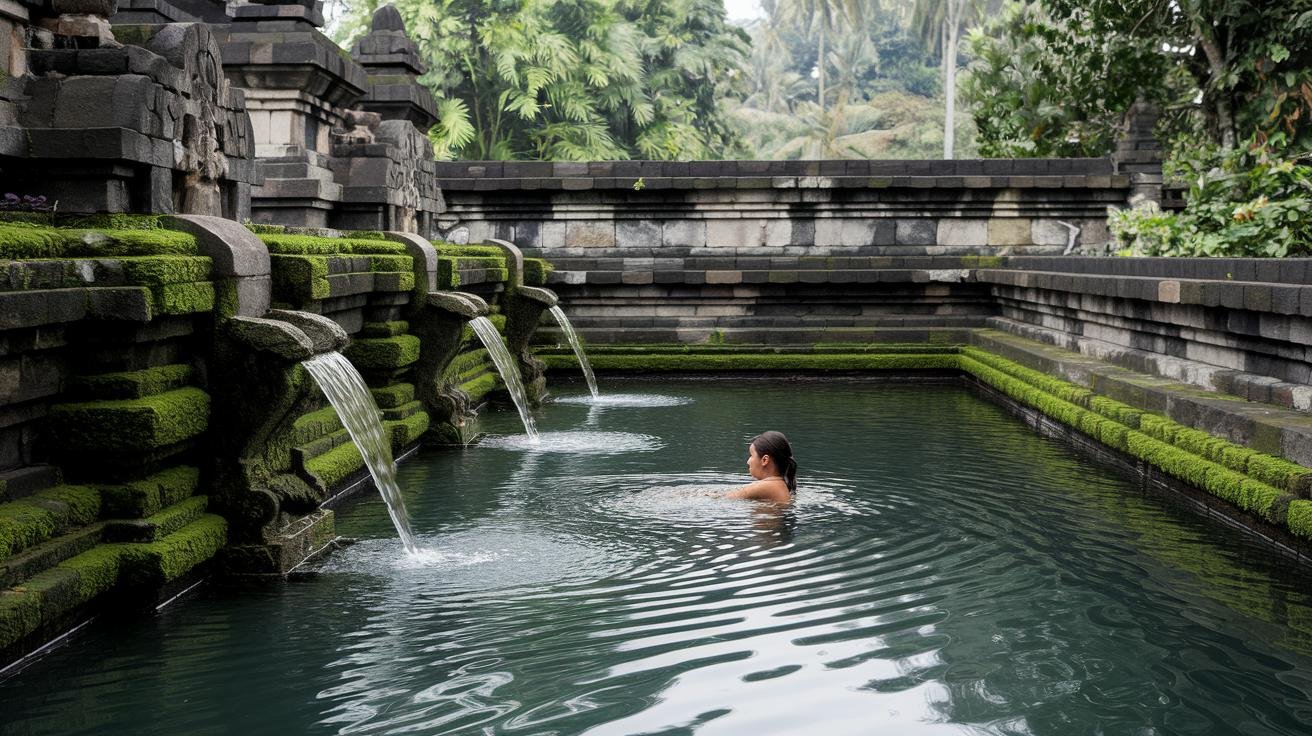
Tirta Empul And Other Nearby Water Temples Serene
Think temple baths are just tourist photo ops?
Tirta Empul (a sacred spring temple) and the nearby water temples are still very much alive. Their cool spring water has soothed bodies and quieted minds since the 10th century. Picture mossy stone, soft chanting, and the warm scent of frangipani (local sweet-smelling flowers).
You’ll learn the simple purification steps (the order to move through each fountain), what to wear, and the best times to visit so you glide through the pools with respect. No guesswork. No awkward moments.
This guide lays out a clear plan to pair Tirta Empul with nearby sacred sites like Gunung Kawi (ancient rock-cut shrines) and Pura Sebatu (a peaceful water temple). You’ll get quick tips, when to go, what to bring, and how to behave, so the visit is easy and meaningful.
Ever dreamed of standing in cool spring water as morning light filters through palms? Pure calm.
Planning Your Bali Water Temple Journey
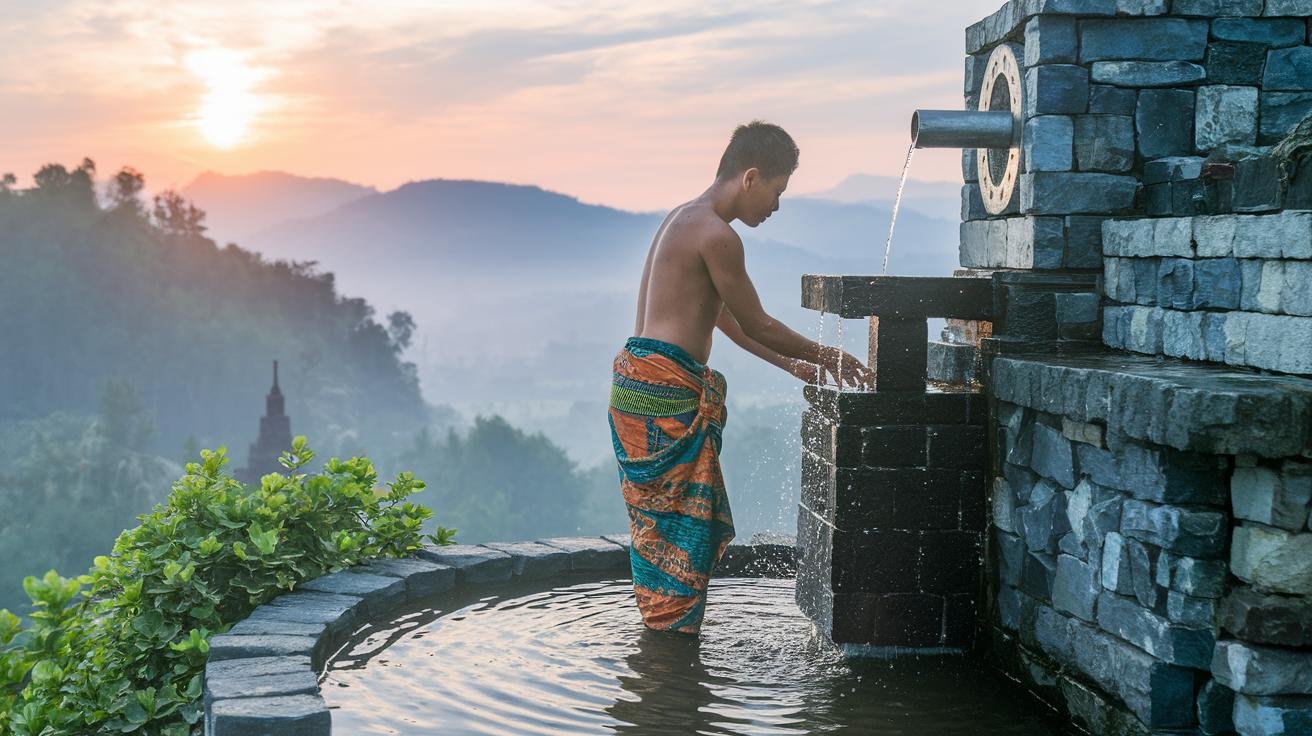
Pura Tirta Empul (the temple built around a holy spring, revered since the 10th century) is a living place of cleanse and calm. People come to bathe at the stone spouts and follow a careful ritual meant to refresh the mind and body. Bring a quiet heart, a towel, and a little wonder.
Quick-start checklist
- Opening hours: 7 AM to 5 PM
- Entrance fee: IDR 15,000 to 30,000
- Dress code: sarong and sash required (you can rent them on site)
- Best times to visit: early morning 7–9 AM or late afternoon 3–5 PM for softer light and fewer people
- Map: Tirta Empul location (pin in Villa Amrita planner)
- Local guide booking
A few dress notes: sarong, sash, shoulders covered, and modest behavior. The purification follows a clear order you’ll watch and then join in – prayer, splashing the face, pouring water over the head, and sipping from the fountains. Each step has meaning and pace. Ever dreamed of stepping into water that generations have touched? It’s quiet, simple, and moving.
Ask your guide for family stories. Many guides share memories of relatives returning year after year to touch the same spring. Next, if you’re planning a longer day, combine this visit with nearby sacred sites like Gunung Kawi (rock-cut temple shrines) and Pura Sebatu (another holy bathing temple).
Tip: arrive before 9 AM to move through the pools calmly, listen to the soft murmur of the fountains, and, if you like, take home a small bottle of holy water. Pure calm.
Pura Tirta Empul: History, Architecture, and Ritual
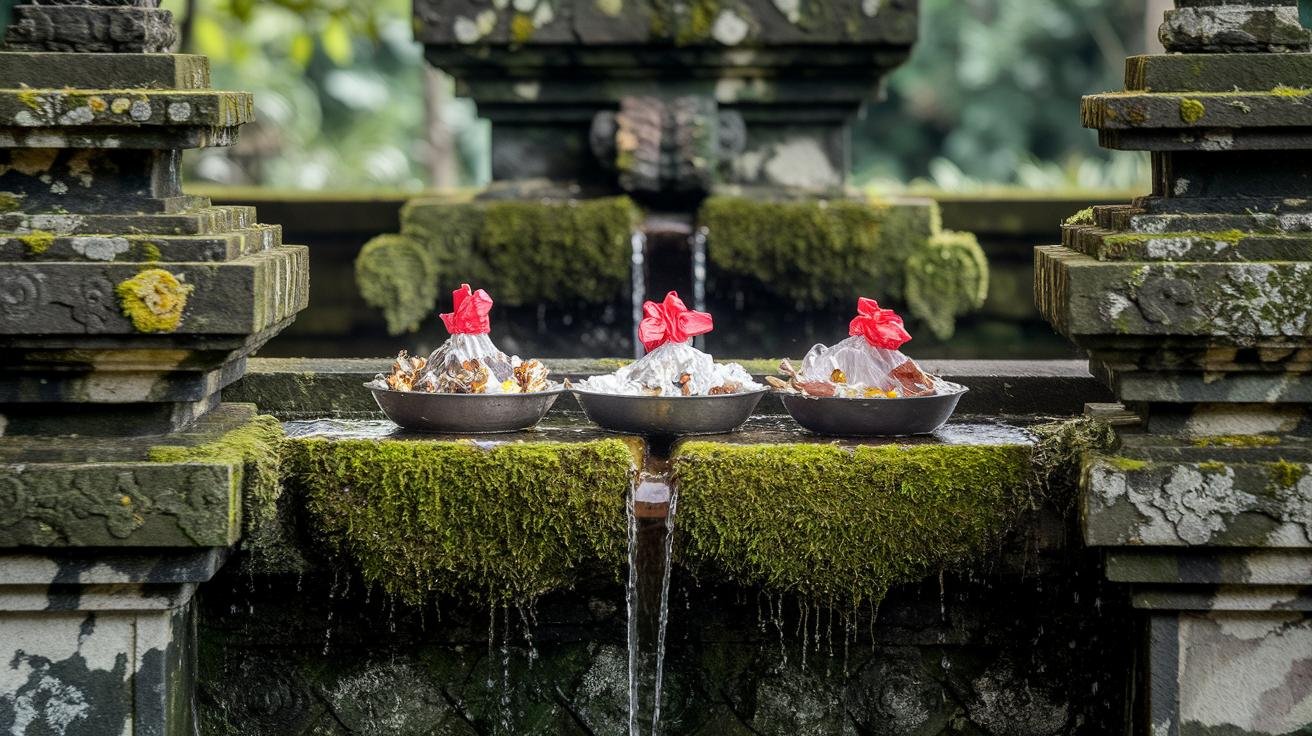
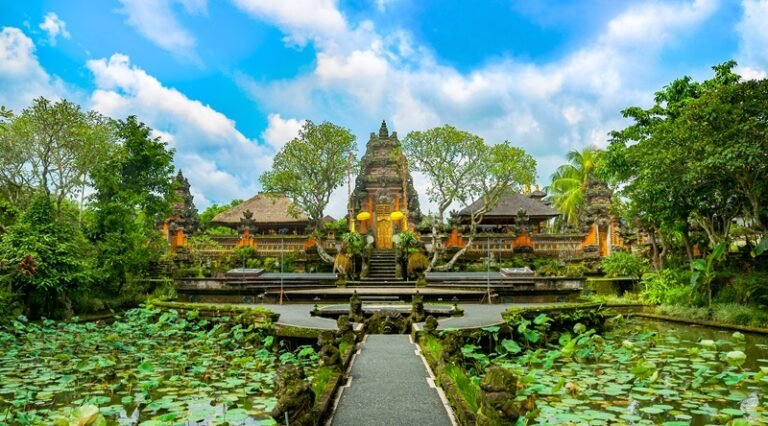
Pura Tirta Empul (a water temple) sits in Tampaksiring (a town in central Bali), and it was founded in the 10th century around a spring people have long treated as a place of renewal. Walk through the candi bentar (split gate) and you step into a cool courtyard where the air smells faintly of incense and frangipani (plumeria). You can feel the place has been shaped by generations of care.
The temple shows the hallmarks of old Balinese architecture: tiered shrines, carved lintels, and a calm symmetry that gently guides you from one courtyard to the next. A row of ornate stone water outlets feeds the bathing channels, drawing from volcanic groundwater beneath the site. The proportions and rhythm here follow ritual – form shaped by devotion.
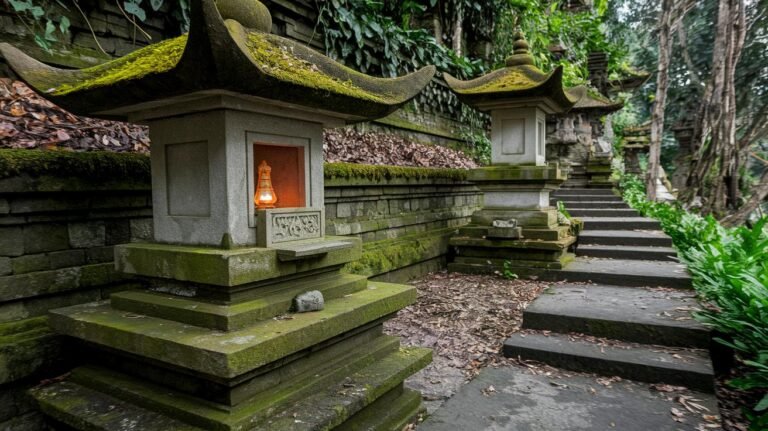
Along the paths you’ll see moss-covered shrine walls and carved relief panels telling mythic stories, lotus motifs, and cosmological markers. Low altars hold daily offerings – small woven trays of flowers, incense sticks, and rice (canang sari). Fish-filled reflection pools catch slivers of light between the temples, and old irrigation channels once used by royalty still carry the spring water around the complex.
The bathing ritual is practiced exactly and thoughtfully. Pilgrims move from fountain to fountain in order, pause to offer a prayer, splash their face, pour water over their head, and sometimes sip from the flow. Priests or local guides often teach the steps and may offer a blessing at the end. It’s quiet, deliberate, and very human.
I still remember the hush as water ran over stone. Simple, steady, pure calm.
Visiting Pura Gunung Kawi Royal Cliff Temples
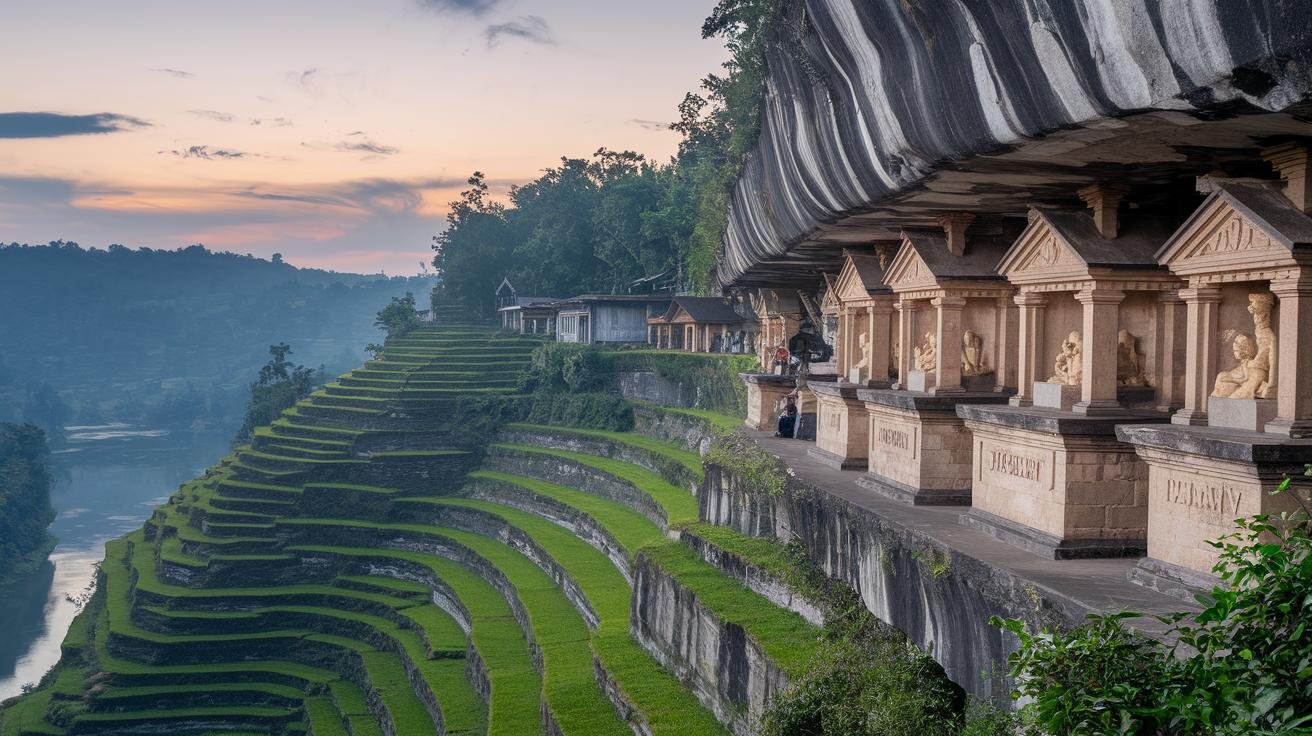
Pura Gunung Kawi dates to the 11th century and is Bali’s oldest and largest cliff temple complex. Ten shrines, each carved about 23 feet high into the cliff face, mark a royal burial site.
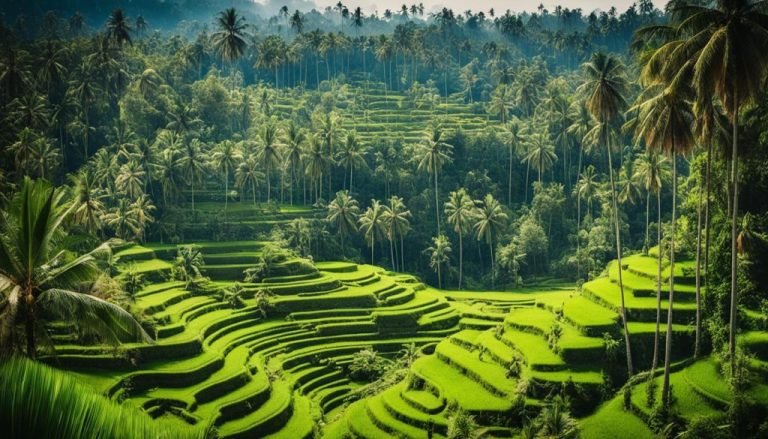
You get there by walking down 270 stone steps past the rice terraces (stepped fields that glow emerald at sunrise). The descent feels a bit like a short nature trek, quiet, shaded, and cool.
The cliffside reliefs and the temple layout show ancient Balinese architecture carved straight from the living rock. Up close you can see tool marks and ages of moss that make the carvings feel very alive.
Below, a river feeds the rites here, and water is everywhere in the symbolism, life, family lineage, and purification. If you’re lucky you’ll catch daily worship: little offerings, soft singing, and the slow, respectful movement of people at prayer.
Bring good shoes and move slowly on the stone steps. Patient visitors get the best view of the carvings and the tiny, clever details.
Local guides will point out the meaning behind the reliefs and how each motif fits into ancient temple design. Ask for folk legends and you’ll hear stories of kings, river spirits, and carved ancestors while the mossy stones smell faintly of incense and the river murmurs below. Pure, quiet calm. Right here.
Further reading, see hidden temples around ubud.
Visiting Pura Tirta Dawa Gunung Kawi Sebatu’s Healing Water Gardens
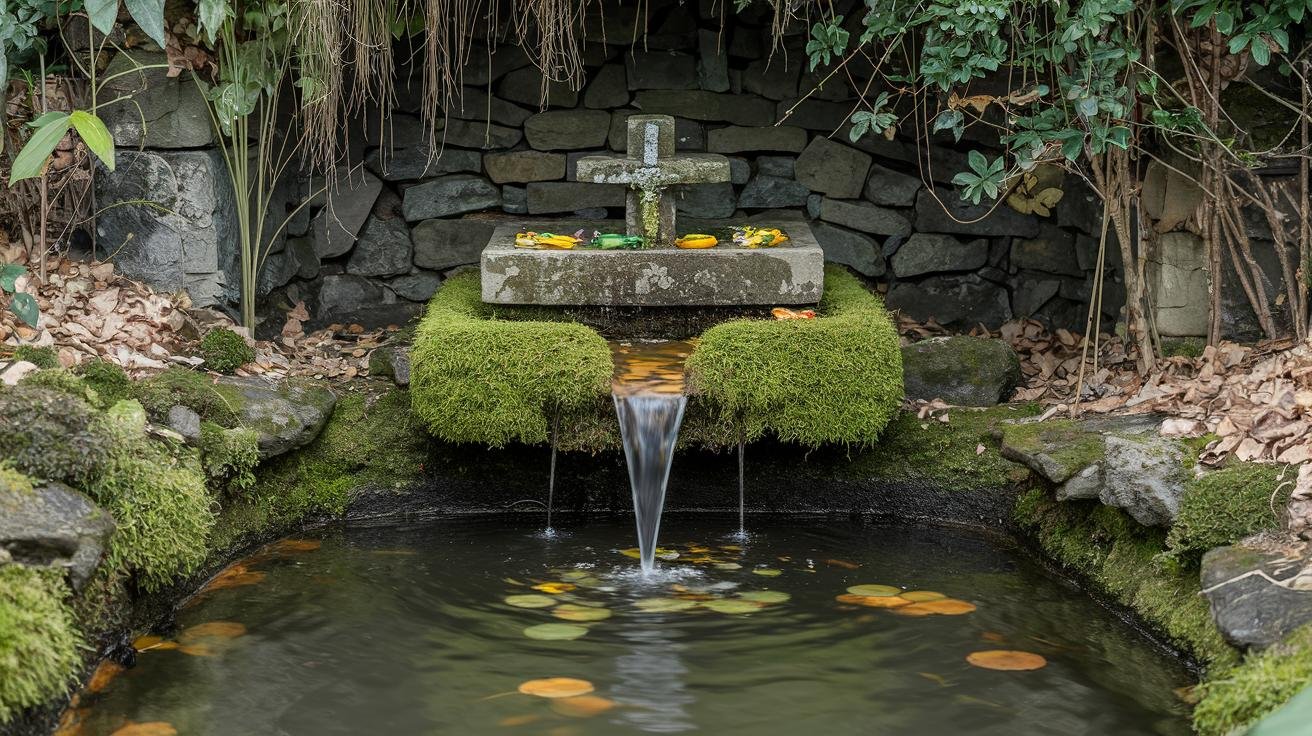
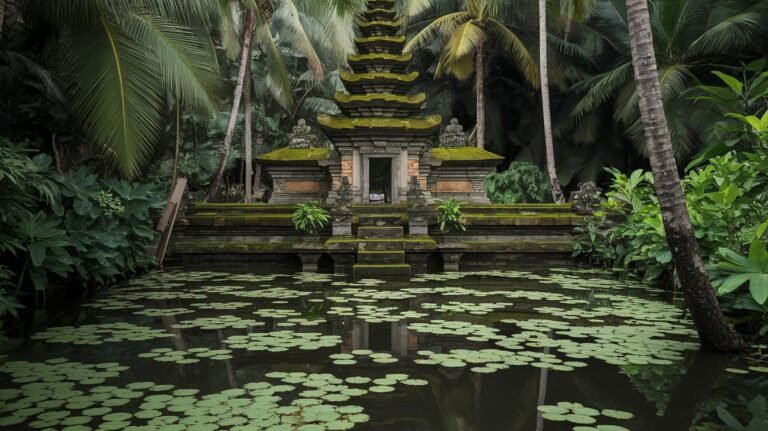
Pura Tirta Dawa Gunung Kawi Sebatu (pura means Balinese temple) is a quiet purification complex dedicated to Vishnu. Ornamental water gardens unfurl around fish-filled ponds, and gravity-fed fountains spill into bathing pools. Soft light slips through the leaves, and the air carries a faint mix of incense and wet stone.
Holy springs (sacred water sources) feed the pools, and locals come here for quiet cleansing and offerings. On the pavilion above the springs you’ll often see a deity-offering ceremony , women arranging flowers, priests murmuring blessings, rice gently sprinkled into bowls. Moss-covered shrine walls hold tiny altars and carved details that reward a slow look.
The setting feels like a healing forest, calmer than the bigger temples near Ubud. Follow the side paths and you’ll find hidden meditation niches, little clearings with stones and dappled light. A hush settles in. Pure, gentle calm.
If you plan to step into the pools, wear a sarong (wraparound skirt) and move respectfully. Ask a guide to explain each step of the ritual , the local stories make it come alive. Ever wondered what a purification feels like up close? This is where you’ll find out.
Visiting Goa Gajah’s Elephant Cave Sanctuary and Sacred Pools
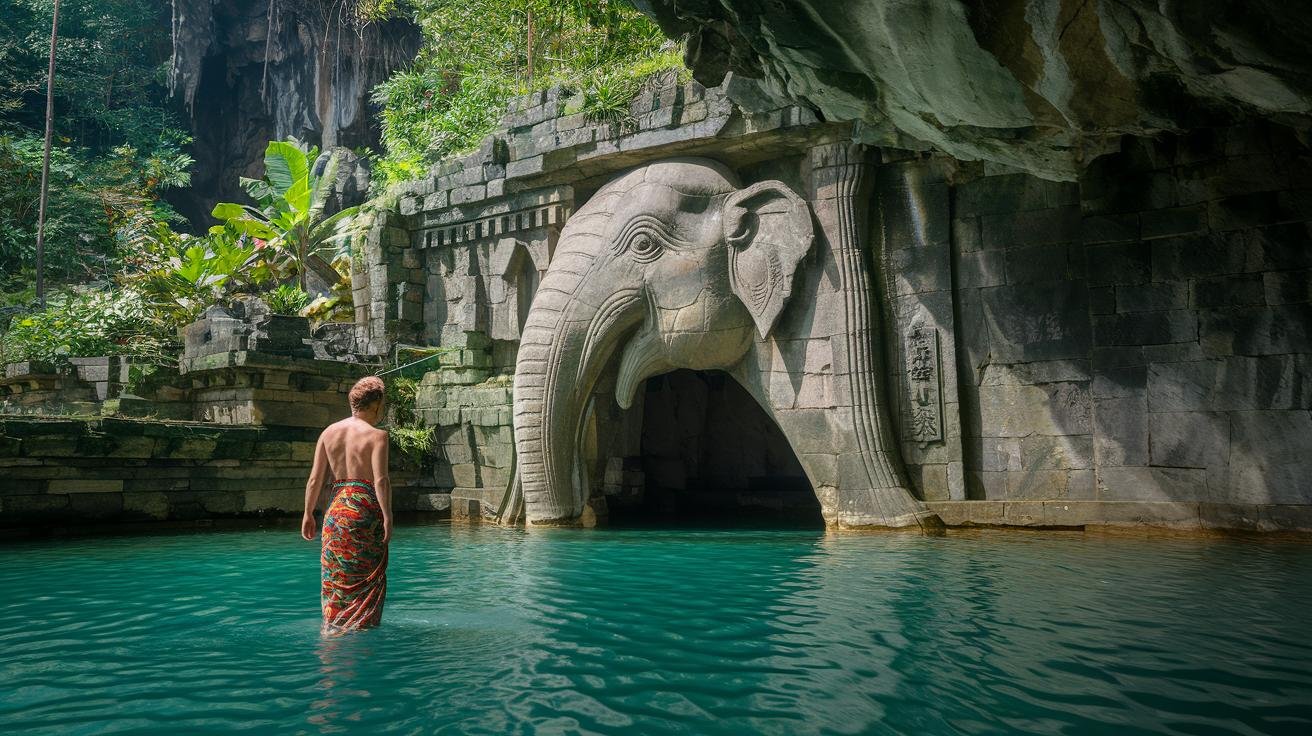
Goa Gajah sits tucked into a shaded hollow, marked by a carved elephant entrance that somehow feels playful and solemn at once. Step through the stone mouth and cool cave air wraps around you. Dampness, soft echoes, the scent of incense and wet rock. Close your eyes for a moment. You’ll feel it.
Inside, small pools and relics collect water that flows from a nearby sacred river confluence (where rivers meet). Locals still tell stories about that water, how the current keeps the place free from bad influences and how protective water spirits linger in hidden springs. Guides will point out tiny offerings tucked into rock crevices; listen and you’ll hear the old tales threaded through their words.
Before entering the inner sanctuary most visitors pause at an outer purification pool. It’s simple: wash your hands and face, bow quietly. Sarong (wraparound skirt) and sash (waist cloth) are required for entry, rentals are available at the entrance. Shoulders covered, please.
A few local customs to keep in mind:
- Do speak softly and move slowly around shrines.
- Do ask permission before photographing worshippers.
- Don’t point your feet toward altars or climb on sacred stones.
- Don’t enter restricted prayer areas during ceremonies.
Ever felt a place hush itself around you? Goa Gajah does that. Quiet, curious, and full of old water stories.
Including Pura Mengening in Your Tampaksiring Itinerary
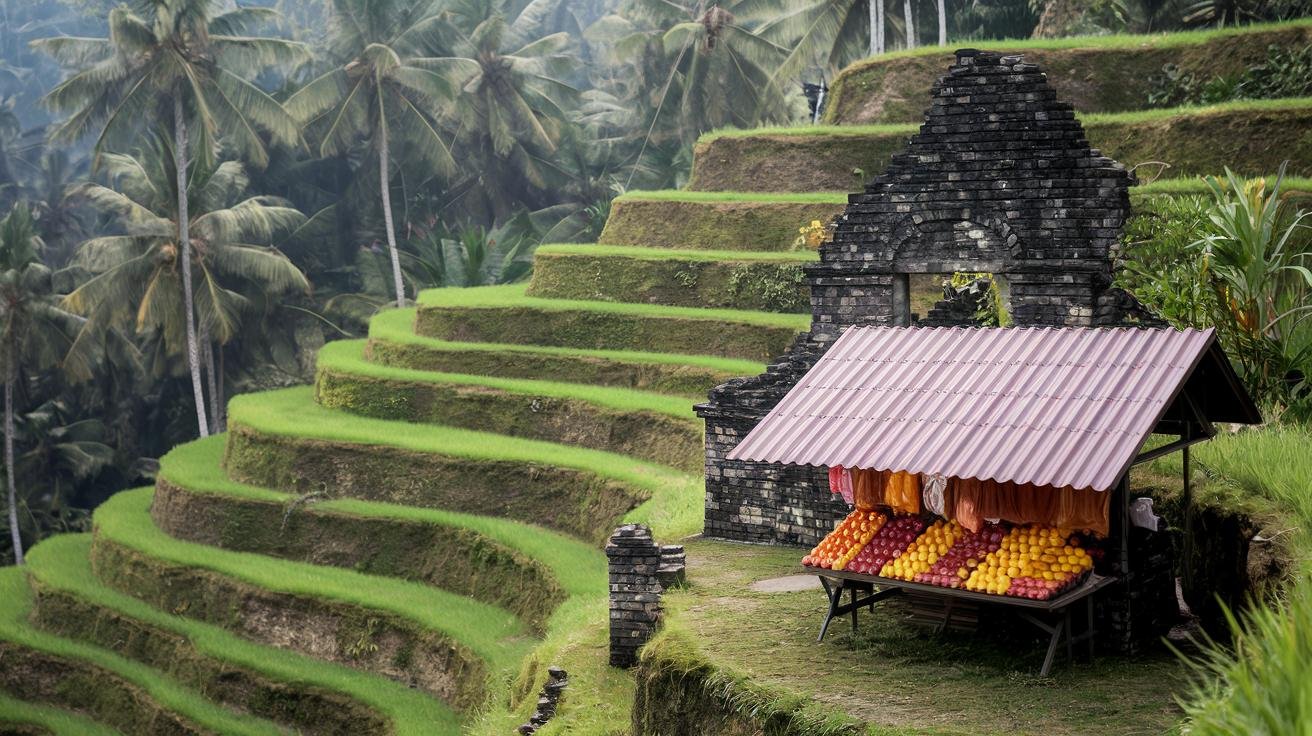
Pura Mengening (pura means temple) sits a little off the beaten path in Tampaksiring (a peaceful town known for its temples). Think of it as a quiet, tucked-away stop where weathered statues and carved stones gather their own kind of hush. Ever dreamed of a place that feels like a secret? This is it.
You reach the temple along a narrow walkway flanked by cliffs and rice terraces (stepped fields that glow emerald at sunrise). The path cools under shade and the air feels softer here. Quiet settles in, like a soft blanket.
In the small courtyard, moss-covered shrine walls cradle faded reliefs and tiny altars. Move slowly and you’ll notice the tiny details most visitors miss , the chipped smile on a guardian statue, the pattern left by an old offering. Ask a local guide. Many elders love to tell short folk tales about kings, river spirits, and why certain stones are turned just so.
Nearby, simple vendor stalls sell sarongs, snacks, and fresh fruit tastings. Try the ripe mangosteen, mango, or papaya sliced right there. Small joys. Simple pleasure.
By the way, Mengening often gets left off standard tours, which is a blessing for visitors who like calm. It makes a gentle stop if you’re weaving together Tampaksiring sites like Tirta Empul (a sacred spring temple) and Sebatu (a water temple). Pack a bottle of water, bring your camera, and wear respectful clothing. Unhurried. Pure calm.
Advanced Travel Tips for Bali’s Water Temples
If you come in the wet season (December–February), plan for surprises. Heavy rains can trigger short closures. Ask your villa concierge or the village kelian (community leader) for the latest notices. Small temples often pin updates to a notice board or pass the news quietly at the local warung (café). Some shrines keep their courtyards open around the clock, but treat those areas as view-only, not bathing spots. Bring a flexible plan , if a fountain is closed, Sebatu and Mengening offer quieter springs that are worth the short detour.
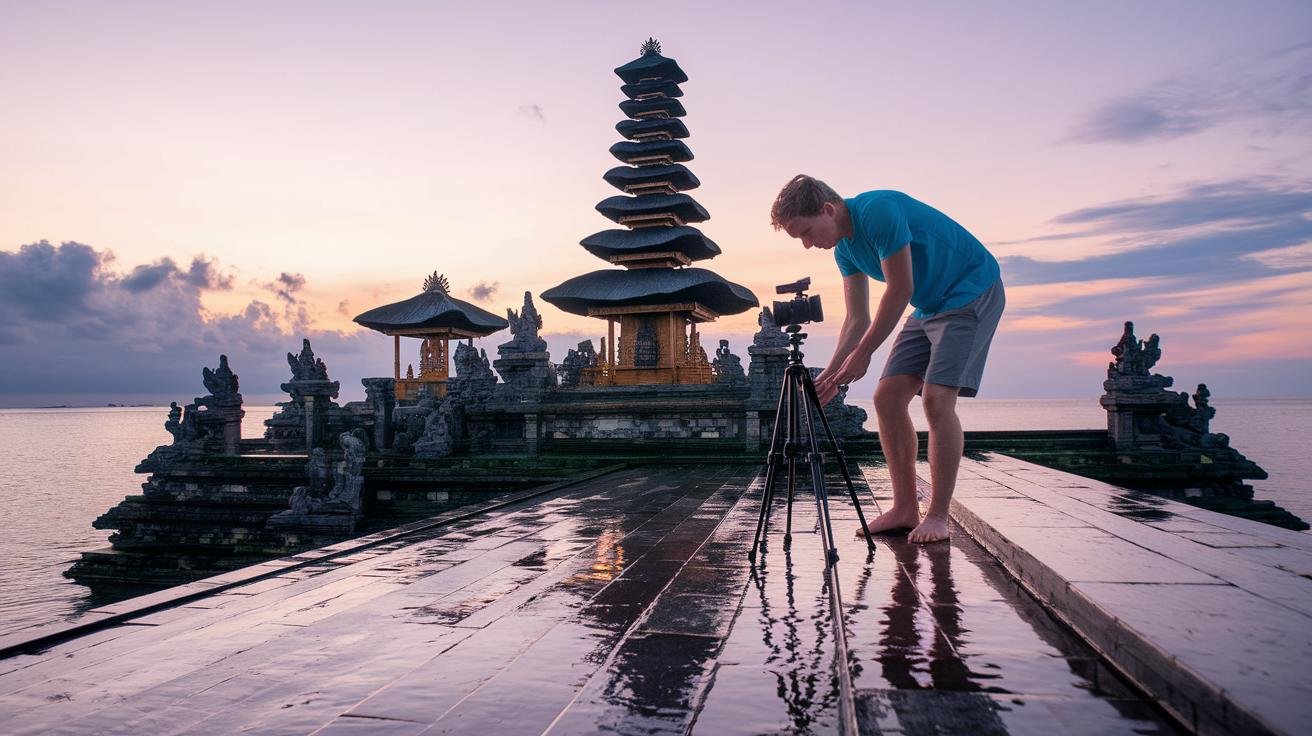
Photography tip: travel light and ready. A lightweight tripod, a wide-angle lens for temple architecture, and a telephoto for candid ritual moments cover most shots. Pack spare batteries and an extra memory card , lifesavers when the light is right. ND filters (neutral density filters) help you get silky water without blowing highlights. A small microfiber cloth will wipe spray from your lens in a snap.
Insect protection matters. Use DEET 30% or a picaridin formula for steady coverage, apply before you leave the villa, and reapply as directed. Keep sprays off offerings and sarongs (temple wraps). Little tip: put repellant on clothes rather than directly on your hands before you handle anything sacred.
Temple etiquette goes beyond removing your shoes. Place offerings only on flat, designated surfaces and never move another person’s canang (small Balinese offering). Read the room , step back when families are praying and follow a priest’s lead if you’re invited into a rite. Ask your guide or concierge about the ceremony calendar so you don’t accidentally wander into a major observance.
Pack these extras so you’re never caught off guard: a quick-dry towel, zip-lock bags for electronics, a compact first-aid kit, and a high-capacity portable charger. Bring a small universal adapter (Indonesia uses 230V power and plug types C and F) so your camera and phone stay ready when the light turns perfect.
Simple, respectful, and curious. That’s the best way to meet Bali’s water temples.
Final Words
Standing at the temple steps, you’ve got a clear plan, from opening hours and fees to a sarong (wrap) and sash checklist, plus the best visit windows and a local guide link.
You’ve felt tirta empul’s 10th-century sacredness, explored Gunung Kawi’s cliff shrines, soaked in Sebatu’s healing pools, peered into Goa Gajah’s cave, and found quiet at Mengening.
Bring insect repellent and a light tripod, mind local rituals, and enjoy the cool, clear springs. Tirta Empul and other nearby water temples await calm and renewal.
FAQ
Is it worth going to Tirta Empul?
Visiting Tirta Empul is worth it because the 10th-century holy spring invites spiritual renewal, with ornate stone fountains, mossy shrines, and a chance to join a purification ritual. Visit early for calm and soft light.
How long should I spend at Tirta Empul Temple?
Spending 1–2 hours at Tirta Empul is typical; allow 30–60 minutes more if you take part in the full water purification ritual, plus time to wander courtyards and reflection pools.
What are the nine temples in Bali?
The nine directional temples, Sad Kahyangan (nine directional temples), are Bali’s main spiritual points; lists vary, but commonly include Besakih, Lempuyang, Ulun Danu Beratan, Uluwatu, Batukaru, and Goa Lawah.
What is the prettiest place in Bali?
The prettiest place in Bali is often named Tegallalang rice terraces (stepped fields that glow emerald at sunrise) or Ubud’s forested valleys; Tirta Empul’s spring-fed pools also rank highly with many visitors.
What are the practical details for visiting Tirta Empul (hours, fee, dress code)?
The practical details for visiting Tirta Empul are: opening hours 7 AM–5 PM; entrance fee about IDR 15,000–30,000; sarong and sash required; best visit windows 7–9 AM or 3–5 PM.
How does the water blessing at Tirta Empul work?
The water blessing at Tirta Empul works by lining up at stone fountains, stepping into the pools, bowing, and receiving water over the head as a purification; plan 30–60 minutes and wear modest attire.