Private Chef Villa Ubud: What a Staffed Stay Actually Feels Like
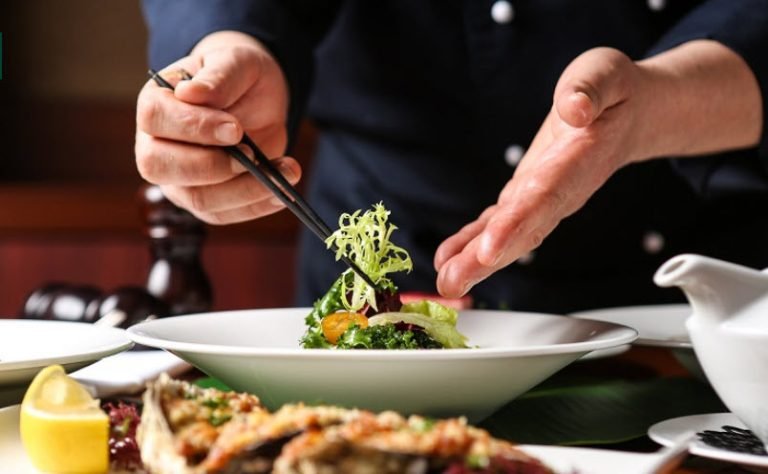
There is a particular kind of morning that only happens when someone else is already in the kitchen. You hear it before you see it — the gentle knock of a wooden spoon against ceramic, the hiss of coconut oil meeting a hot pan, the soft murmur of a radio tuned to a Balinese station. You pad downstairs in bare feet, still half-asleep, and breakfast is already taking shape on the pool deck. That is what staying in a private chef villa in Ubud actually feels like. Not a service you ordered. A rhythm you walked into.
Most travelers searching for a private chef villa in Ubud imagine a transaction: you book a villa, a chef shows up, food appears. The reality — at least in the best version of it — is something else entirely. It is a relationship between the kitchen and your day, between what grows in the garden and what lands on your plate, between a person who knows this village and a guest who is just beginning to understand it.
This guide covers everything you need to know about booking a private chef villa in Ubud — what the experience actually includes, how your chef decides what to cook, what your days of eating will look like, and why Ubud in particular makes this kind of stay so extraordinary.
What a Private Chef Villa in Ubud Actually Means
The phrase “private chef villa” gets used loosely across Bali’s rental market. On some platforms, it means a villa that can arrange a chef for an extra fee. On others, it means there is a kitchen and you can hire someone through a third party to come cook. These are fine options, but they are not what we are talking about here.
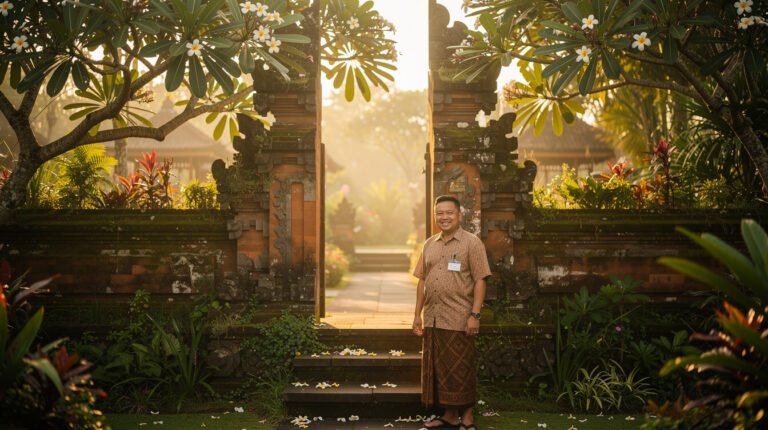
A genuine private chef villa in Ubud means the chef is part of the house. They know where the plates are stored. They know which burner runs hot. They have a relationship with the woman at the morning market who sets aside the best mangosteen. Your chef is not a contractor. They are part of a full staff that includes a villa manager, housekeeper, and gardener — and each of them shapes the texture of your stay.
This kind of setup changes everything about how you eat in Bali. You are not scrambling to find restaurants for every meal. You are not navigating food delivery apps in a foreign language. You are not wondering whether the kitchen in your rental is actually usable. Instead, you wake up and food is already happening — quietly, skillfully, without you needing to think about it at all.
What “Full Staff” Means Beyond the Chef
A staffed villa is not a hotel. There is no front desk, no lobby, no rotating cast of employees. Instead, there are three or four people who take care of the property — and by extension, take care of you. The gardener trims the frangipani each morning and cuts flowers for the bedside vases. The housekeeper refreshes the rooms while you are out exploring the rice field walking trails nearby. The villa manager handles logistics — drivers, day trips, restaurant reservations for the nights you do want to eat out.
The chef fits into this ecosystem. They are not a standalone service bolted onto your accommodation. They are part of a team that already knows how to make a house feel held.
A Morning at the Market — Before You Wake Up
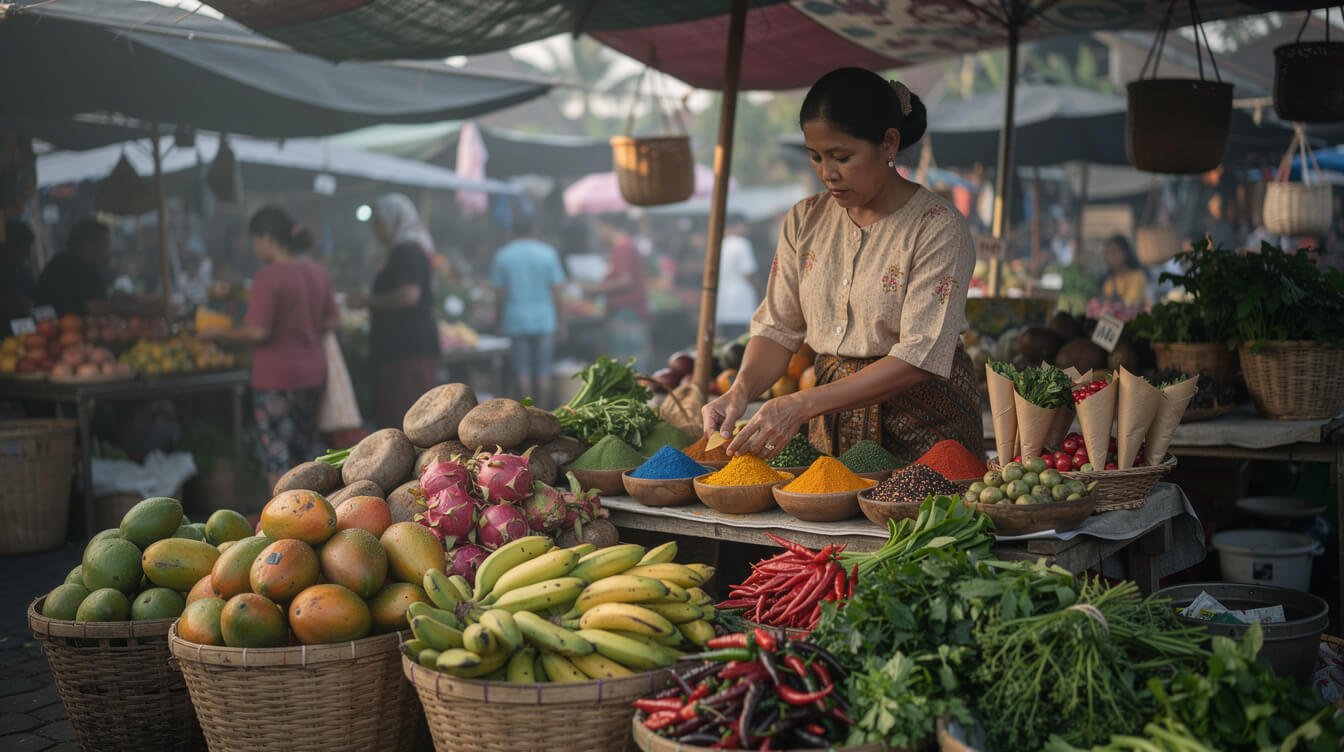
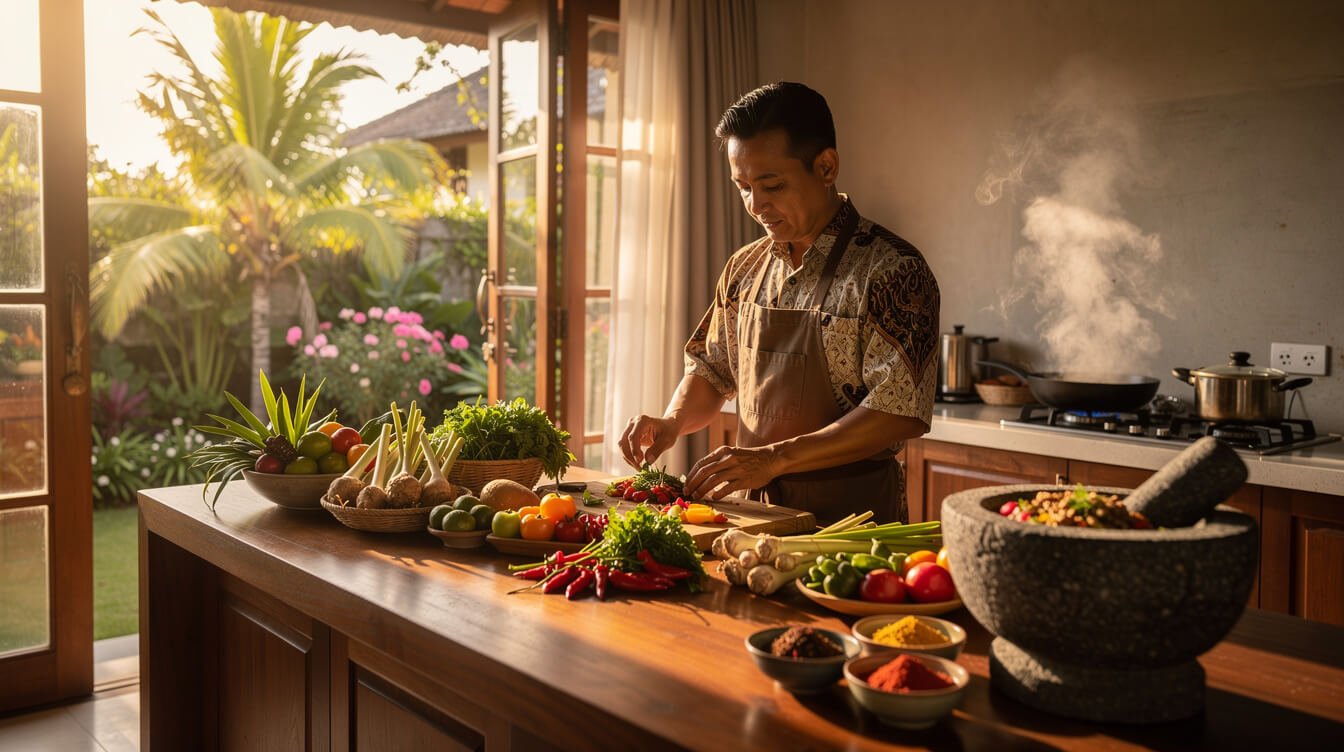
In Ubud, your chef’s day starts early. Between five and six in the morning — while you are still sleeping — they are already at the Ubud Traditional Market or one of the smaller village markets nearby. This is not a quick grocery run. It is a practiced ritual that unfolds the same way it has for years.
The morning market in Ubud operates on relationships. Your chef knows which vendor has the freshest galangal. They know who grows the best long beans this season. They know that the woman on the far end of the third row has been smoking her own dried shrimp paste since before the tourists came. These are not things you can look up on an app.
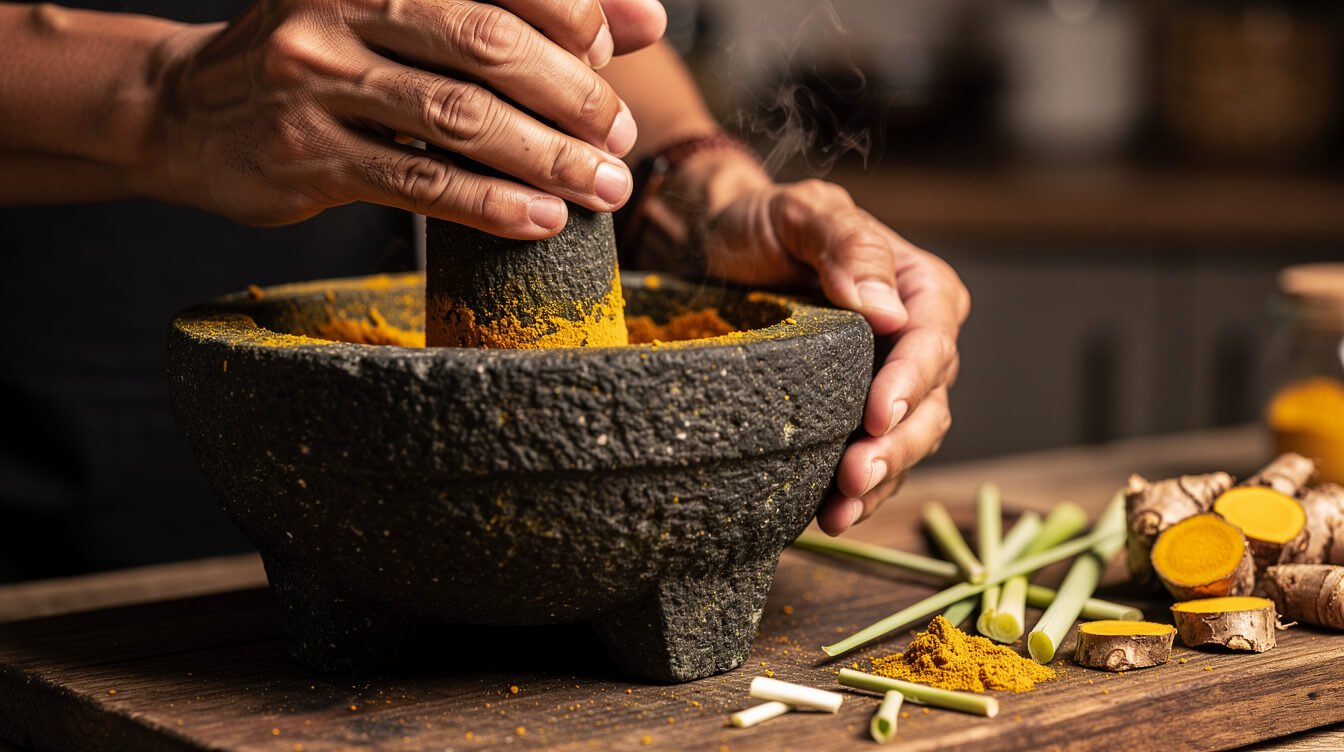
By the time you open your eyes, the kitchen counter already tells a story. There are bundles of lemongrass tied with banana fiber. A basket of snake fruit, still dusty from the field. Shallots, chilies, turmeric root, palm sugar wrapped in dried leaves. Everything came from somewhere close, and your chef can tell you exactly where.
Why Market-Sourced Matters
The difference between market-sourced ingredients and imported ones is not subtle in Bali. Turmeric pulled from the ground that morning has a brightness that the packaged version simply does not carry. A just-picked torch ginger flower adds a citrusy warmth to sambal that disappears within hours of cutting. Your chef knows this because they have been cooking with these ingredients their entire life — not because they read about it in a cookbook.
This is one of the quiet advantages of staying in a private chef villa. You eat ingredients at their absolute peak, prepared by someone who understands their temperament. It is a kind of dining that even Ubud’s best restaurants work hard to replicate.
What Your Private Chef Cooks — and How They Decide
One of the most common questions about staying in a private chef villa in Ubud is whether you choose the menu or the chef does. The honest answer is both, and the balance shifts naturally over the course of your stay.
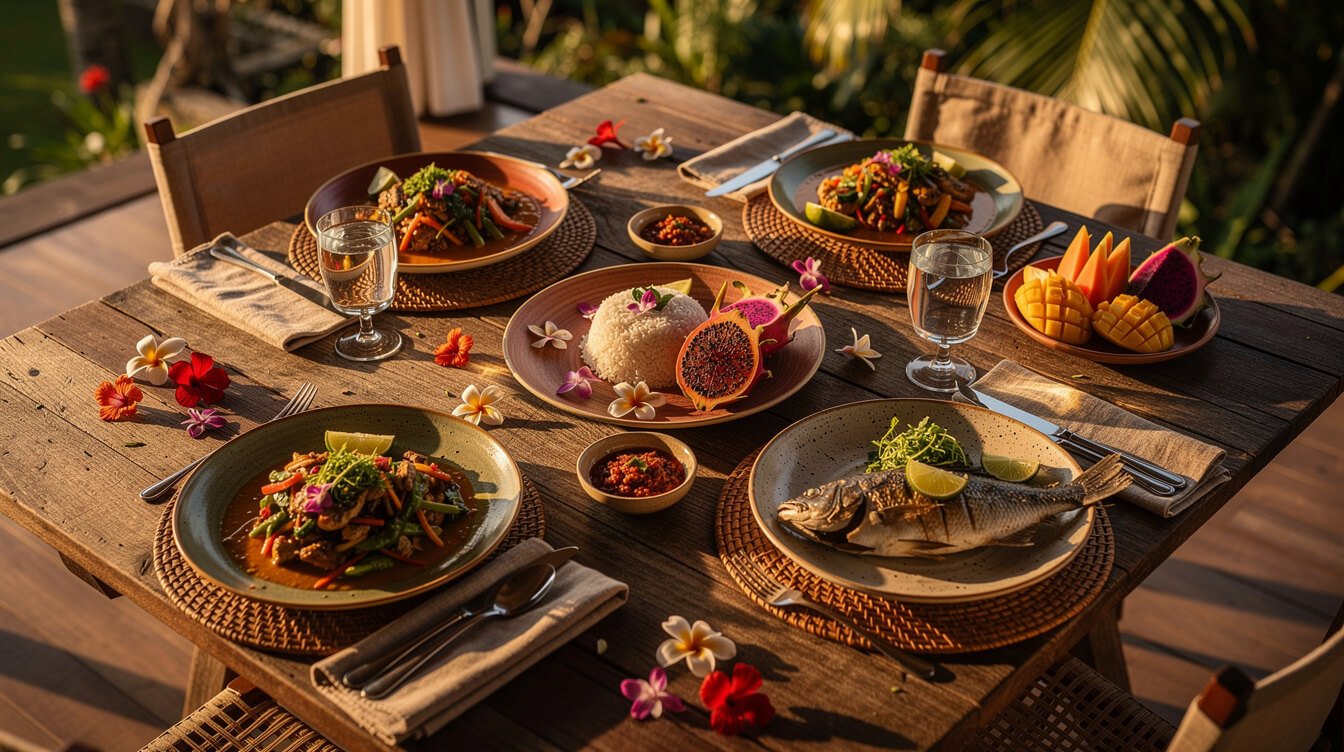
On your first day, most chefs will prepare something familiar — a well-executed nasi goreng for breakfast, perhaps a grilled fish lunch with sambal matah, an evening spread of Balinese classics like babi guling or lawar. They are reading you. Watching what you reach for, what you leave, how much spice you handle.
By day two or three, the meals become more personal. If your chef noticed you went back for the sambal twice, the next day’s version might arrive hotter and more complex. If you mentioned missing Italian food, you might find handmade pasta appearing for lunch — made with local eggs and dressed with a Balinese-inflected pesto using kemangi leaves instead of basil. The best private chefs in Ubud are not just technicians. They are readers of appetite and mood.
Balinese Dishes You Will Probably Encounter
- Nasi campur Bali — a composed plate of rice with small portions of six or seven different dishes, each showcasing a different technique
- Bebek betutu — slow-cooked duck wrapped in banana leaves, often prepared overnight
- Lawar — a finely chopped mixture of vegetables, coconut, and spices that varies by village and by cook
- Sate lilit — minced seafood or chicken pressed onto lemongrass sticks and grilled over coconut husks
- Jamu — traditional turmeric and ginger wellness drinks, often served first thing in the morning
- Dadar gulung — green pandan crepes filled with sweet coconut, perfect for afternoon tea
Dietary Needs and Preferences
A skilled villa chef handles dietary restrictions without drama. Vegetarian, vegan, gluten-free, nut allergies — Balinese cooking is naturally flexible. Many traditional dishes are already plant-based. Coconut milk replaces dairy in most preparations. Rice flour stands in for wheat. The adjustments are small because the cuisine was never built around the ingredients that most restrictions ask you to remove.

Get a Free 3-Day Sample Itinerary
See what three days in Ubud actually look like — morning market visits, afternoon temple walks, evening meals by the pool. Real days, not brochure filler.
The Difference Between Hiring a Chef and Having One
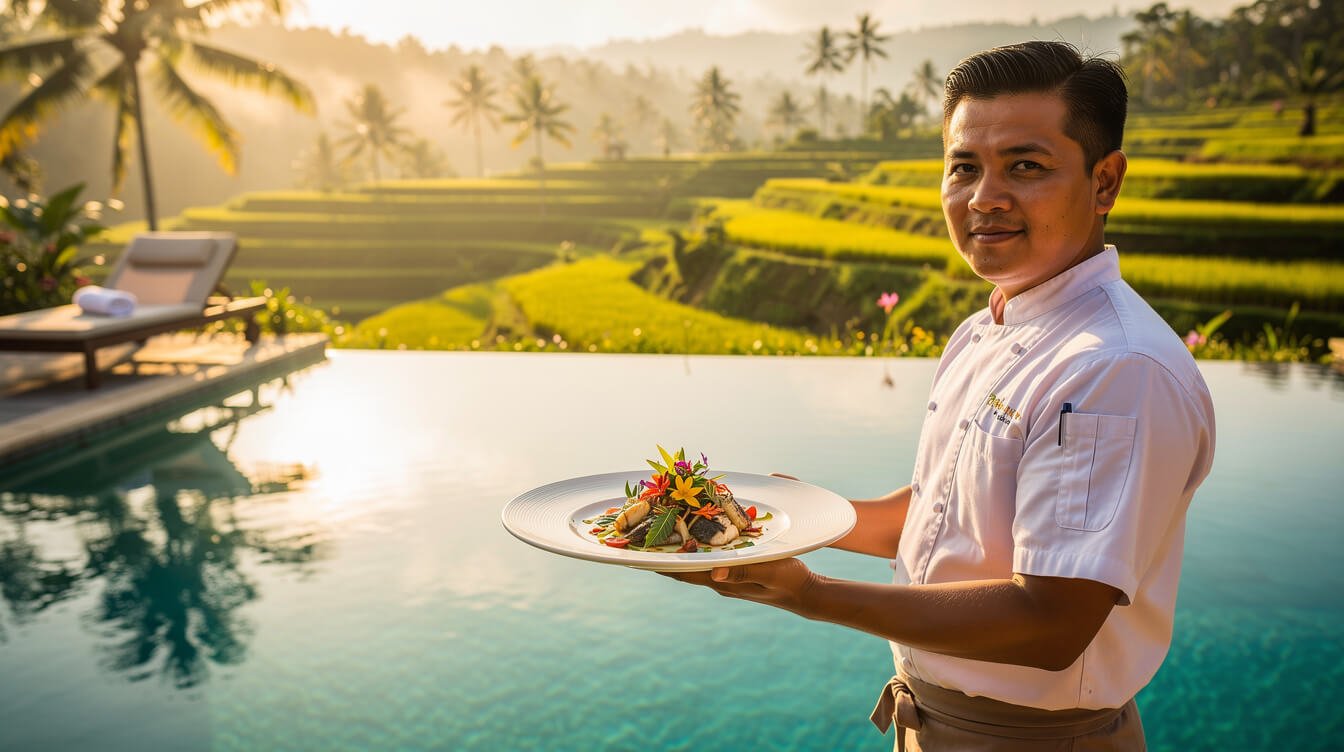
You can hire a private chef almost anywhere in Bali. Services like TakeAChef and various Instagram-based catering operations will send someone to your rental for a meal or two. It works. The food can be excellent. But it is fundamentally a different experience from staying in a villa where the chef already lives in the rhythm of the house.
When you hire a chef for a single event, the menu is set in advance. The chef brings their own ingredients. They arrive, cook, serve, clean, and leave. It is a performance — a good one, often — but a performance nonetheless.
When you stay in a private pool villa in Ubud with a resident chef, the dynamic is entirely different. There is no set menu because the menu grows out of the day. Your chef saw something beautiful at the market and built a meal around it. They overheard you talking about wanting to try something you saw on a food tour. They noticed you came back from your morning walk hungry and moved breakfast up by thirty minutes without being asked.
This is the difference between dining as a transaction and dining as hospitality. One is a service you purchase. The other is a quality of attention that surrounds your entire stay.
The Economics of It
Hired private chefs in Bali typically charge between 500,000 and 2,000,000 IDR per meal (roughly $30-$125 USD), plus ingredients. Over a five-night stay with two meals per day, that adds up quickly — often $500-$1,000 on top of your accommodation cost.
At a staffed private chef villa, the chef is included. Your daily meals — breakfast, lunch, and often dinner — are part of the stay. The only variable cost is the food itself, purchased at local market prices. A full day of ingredients for a family of four rarely exceeds $30-$50 USD. The math is better, but the real value is not financial. It is the continuity, the ease, the sense that food is simply part of your Ubud life for the week.
A Typical Day of Eating at a Private Chef Villa in Ubud
Every day is a little different, but the rhythm is consistent. Here is what a typical day might look like when you are staying at a private chef villa in Ubud.
Early Morning (6:00-7:00 AM)
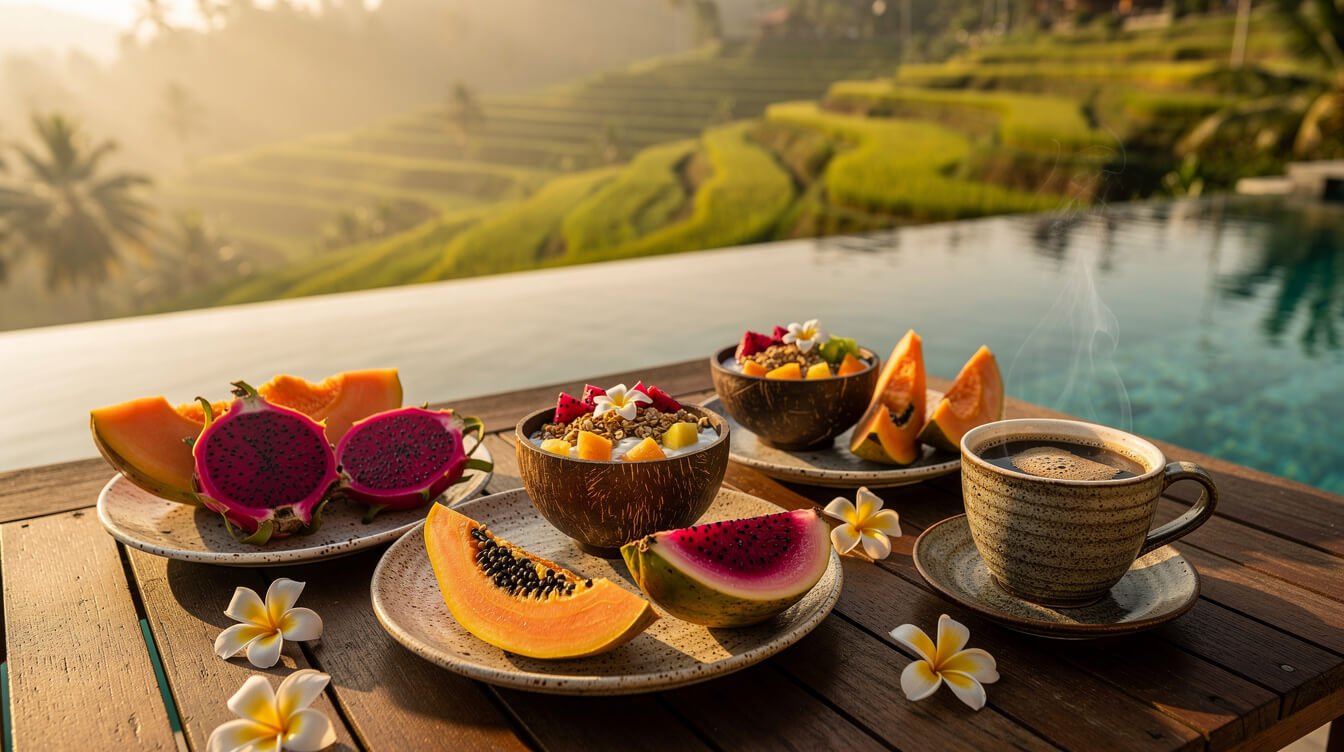
Before anyone stirs, fresh coffee or tea appears on the pool deck. Sometimes there is a small plate of sliced tropical fruit — papaya, mango, rambutan — and a glass of homemade jamu. This is not breakfast. This is the warm-up.
Breakfast (8:00-9:30 AM)
Breakfast adapts to your pace. Some mornings it is a full spread: fluffy banana pancakes with palm sugar syrup, eggs cooked to order, fresh-baked cassava cake, a fruit plate that looks like a still life. Other mornings, when you mention wanting to get to Tegallalang early, it is a lighter affair — a smoothie bowl with granola and a quick toast.
Lunch (12:30-1:30 PM)
If you are home, lunch materializes. Nasi campur with five or six small dishes. A grilled fish with a sambal that makes your eyes water in the best way. A cold soto ayam if the day is hot. If you are out exploring, your chef may not cook — but they will tell you where to eat, and their recommendations are always better than any guidebook.
Afternoon (3:00-4:00 PM)
A quiet hour. Maybe there are fresh spring rolls on the kitchen counter. Maybe a plate of klepon — chewy rice-flour balls filled with melted palm sugar, rolled in fresh coconut. Maybe a cold es cendol appears poolside without anyone asking. These unscripted moments are often the most memorable meals of the trip.
Dinner (7:00-8:00 PM)
Dinner is where the chef stretches. This is the meal they have been thinking about since the market. A slow-braised rendang that has been building flavor all afternoon. A whole grilled snapper with three different sambals. A rijsttafel — the Indonesian-Dutch “rice table” tradition — with a dozen small dishes covering every flavor the island can offer. Candles on the table, the garden lit with low lanterns, the sound of frogs and gamelan drifting from the village temple.

Ready to Experience This?
Villa Amrita is a 3-bedroom staffed villa in Ubud with a private chef, pool, and tropical garden. Tell us your dates — we will take it from there.
What to Tell Your Chef Before You Arrive
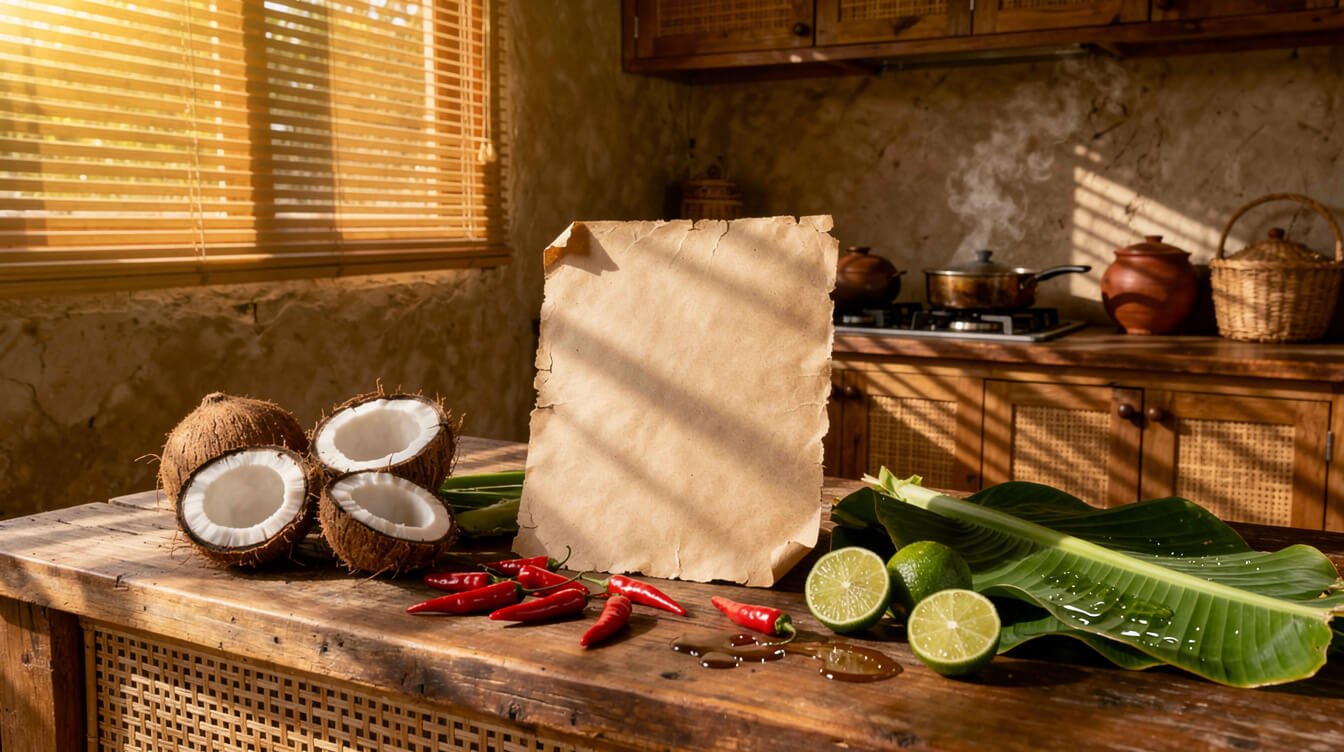
The best private chef villa experiences start before you land. A short message to your villa team — even just a few lines — makes a real difference.
Share These Details
- Dietary restrictions or allergies — the more specific, the better. “Gluten-free” is helpful. “Celiac — even cross-contamination is a problem” is better.
- Spice tolerance — Balinese cooking can range from gentle to volcanic. Your chef will start mild and adjust, but knowing your baseline saves time.
- What you are excited about — “We want to try everything Balinese” gives your chef permission to be adventurous. “We mostly eat Western food” lets them plan a gentler introduction.
- Children’s preferences — if you are traveling with kids, mention what they reliably eat. Every experienced villa chef has a repertoire of kid-friendly Balinese dishes that even picky eaters accept.
- Celebration meals — if you have a birthday, anniversary, or special occasion during your stay, mention it. Your chef will prepare something extraordinary.
What Not to Worry About
You do not need to send a detailed menu plan. You do not need to research Balinese cuisine before arrival. You do not need to coordinate grocery shopping. Your chef handles all of this. The best thing you can do is arrive with an open palate and a willingness to let someone who knows this food deeply guide your experience.
Why Ubud Is the Best Place in Bali for This

You can find private chef villas across Bali — in Seminyak, Canggu, Nusa Dua, Uluwatu. But Ubud offers something the coastal areas do not: proximity to where the food actually grows.
Ubud sits in the agricultural heart of Bali. The rice terraces are not scenic backdrops — they are working farms that produce the rice on your plate. The village gardens grow the herbs your chef uses daily. The morning markets are not tourist attractions repackaged for Instagram — they are the actual supply chain for every kitchen in the district.
This proximity means your food travels almost no distance. The galangal in your curry was in the ground yesterday. The duck in your betutu came from a farm you can see from the terrace. The coffee was roasted in the village. There is a word for this in Western food culture — farm-to-table — but in Ubud, it is just how cooking works. It has always been this way.
The Culinary Character of Ubud
Ubud’s food culture is distinct from the rest of Bali. The interior highlands produce different ingredients than the coast — more root vegetables, more jungle herbs, more river fish. Ubud’s traditional cooking tends to be earthier, more complex, more layered with spice pastes that take hours to prepare. If you are choosing between different areas of Bali for your stay, and food matters to you, Ubud is the answer.
The dining scene outside your villa is equally compelling. Ubud hosts some of Indonesia’s most innovative restaurants — places where classically trained chefs reinterpret Balinese ingredients through modern techniques. Your villa chef can recommend the ones worth booking and the ones you can skip. They have eaten at all of them.
Frequently Asked Questions About Private Chef Villas in Ubud
How much does a private chef villa in Ubud cost?
Rates vary widely depending on the size of the villa, the level of staffing, and the season. A well-staffed three-bedroom villa with a private chef in Ubud typically ranges from $200-$500 per night. The chef is included in this rate — you only pay for ingredients, which usually run $20-$50 per day for a family.
Do I have to eat every meal at the villa?
Not at all. Most guests eat breakfast and one other meal at the villa, then explore Ubud’s restaurant scene for the third meal. Your chef will not be offended. Just let them know your plans by the morning so they can shop accordingly.
Can the chef accommodate vegan, vegetarian, or allergy diets?
Yes. Balinese cooking is naturally adaptable. Many traditional dishes are already plant-based, and experienced villa chefs are accustomed to cooking for guests with restrictions. Share your needs before arrival and your chef will plan around them seamlessly.
Is tipping the chef expected?
Tipping is not mandatory in Bali but is deeply appreciated. A tip of 100,000-200,000 IDR per day (roughly $6-$12 USD) for the chef is generous and appropriate. Many guests tip the entire staff at the end of their stay as a collective thank-you.
What if I want to learn to cook Balinese food?
Ask your chef. Many villa chefs are happy to teach a dish or two — rolling sate lilit, grinding a base gede spice paste, making offerings-style fruit carvings. It is one of the most memorable parts of a private chef villa stay, and it usually happens informally, standing together in the kitchen on a quiet afternoon.
How far in advance should I book?
For peak season (July-August and December-January), book three to six months ahead. Shoulder season (April-June, September-November) offers more flexibility, and you can sometimes find availability with a few weeks’ notice. The best villas with resident chefs tend to fill earlier because the experience generates strong repeat bookings and word-of-mouth referrals.

Join Our Newsletter — Fun, New, Exciting Bali News
A short letter from Ubud, once a week. What is blooming, what is in season, where the village is heading next. No spam, just warmth.