Ubud vs Seminyak: Which Bali Destination Is Right for Your Trip
Choosing between Ubud vs Seminyak is one of the first decisions you’ll face when planning a trip to Bali — and it shapes everything about your stay. One sits deep in the island’s green interior, surrounded by rice terraces and temple ceremonies. The other stretches along a coastline of sunset beaches, boutique shopping, and buzzing restaurants. They are barely an hour apart by car, but the experience of each is so different it can feel like visiting two separate islands.
This guide walks you through every angle of the ubud vs seminyak question — atmosphere, accommodation, food, activities, transport, and which destination suits your travel style — so you can build the Bali trip that actually fits you.
Ubud vs Seminyak at a Glance: Two Sides of Bali
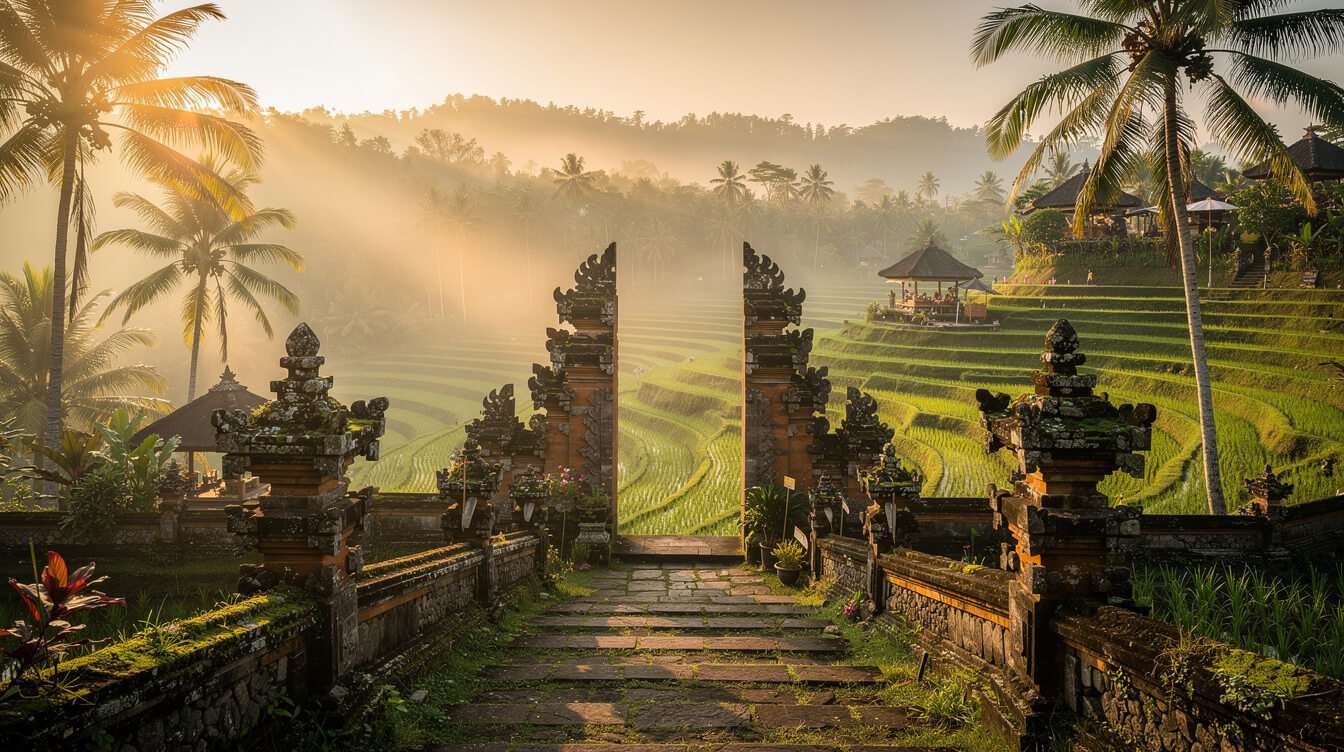
Before we get into the details, here’s a quick snapshot of what each destination brings to the table.
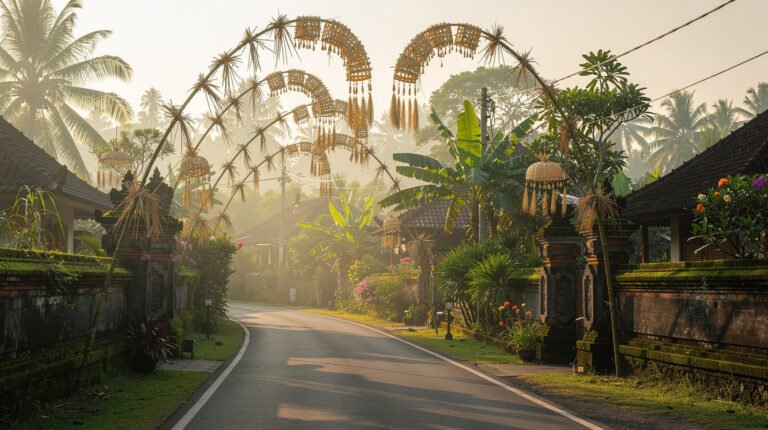
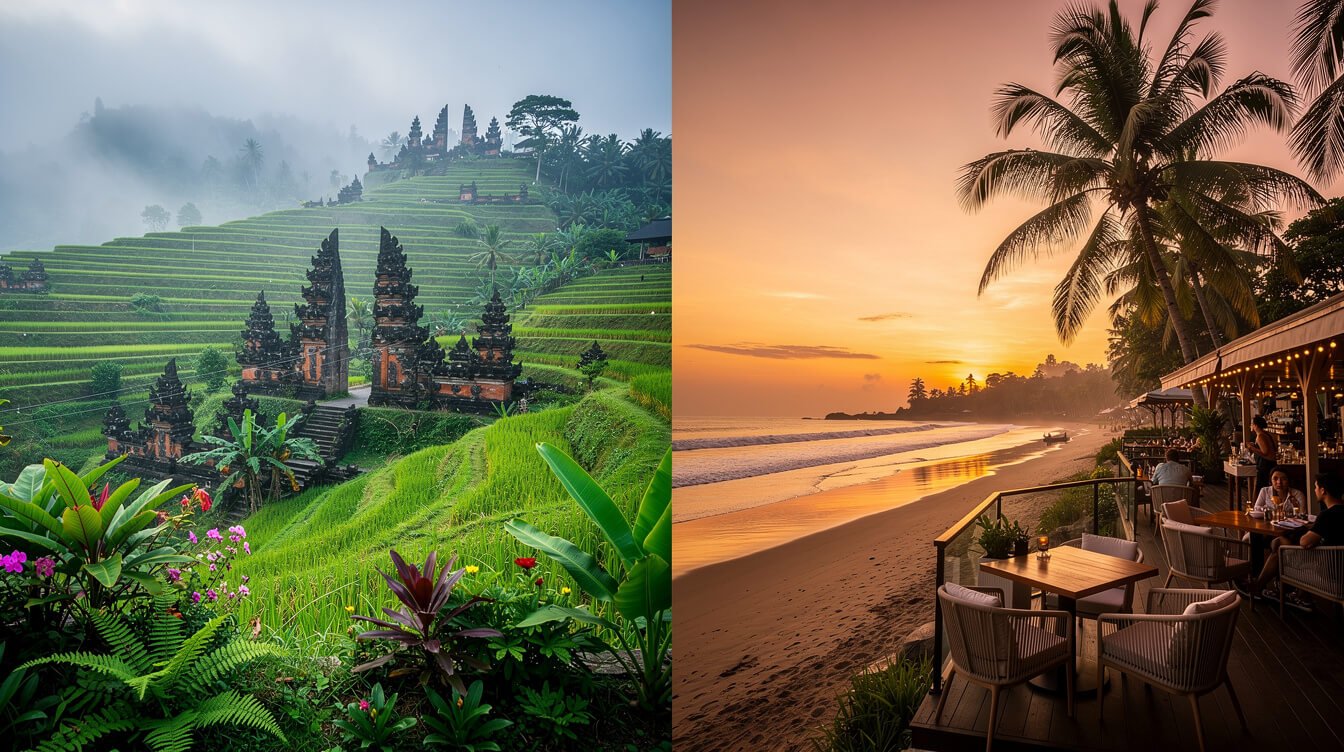
Ubud is Bali’s cultural heart. It sits at roughly 300 meters above sea level in the Gianyar regency, surrounded by terraced rice paddies, river gorges, and ancient temples. The air is cooler than the coast. Mornings begin with the sound of a gardener clipping frangipani and the soft clink of offering trays being set on stone thresholds. The pace is slower, the light is greener, and the rhythm of village life — ceremonies, market days, evening gamelan — shapes every hour.
Seminyak is Bali’s polished coastal face. Located on the southwest shore in the Badung regency, it’s a stretch of golden-sand beach lined with beach clubs, international restaurants, and design-forward boutiques. Sunsets here are the main event — that wide Indian Ocean horizon turning copper and pink while you’re ankle-deep in warm sand. The pace is faster, the nightlife is real, and the energy is distinctly cosmopolitan.
| Ubud | Seminyak | |
|---|---|---|
| Setting | Inland, rice terraces, jungle valleys | Beachfront, coastal road, resort strip |
| Vibe | Quiet, cultural, wellness-oriented | Social, trendy, beach-lifestyle |
| Best for | Couples, families, retreat-seekers, creatives | Nightlife fans, shoppers, beach lovers |
| Airport distance | ~1.5 hours | ~30-45 minutes |
| Climate | Cooler, more humidity, occasional mist | Warmer, sea breeze, drier |
| Price level | Generally more affordable | Higher, especially beachfront |
The Vibe: What Ubud vs Seminyak Actually Feels Like
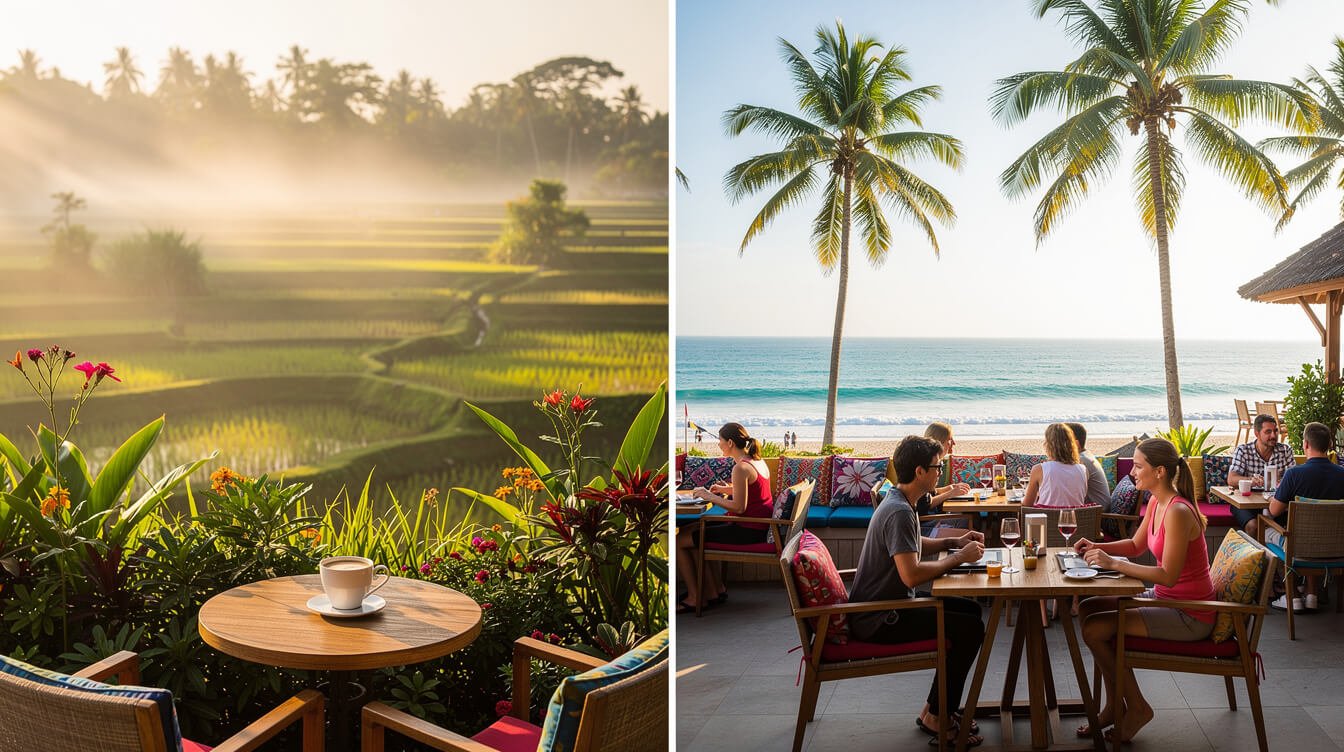
Numbers and comparison tables are useful, but the real question is simpler: what does waking up here feel like?
A Morning in Ubud
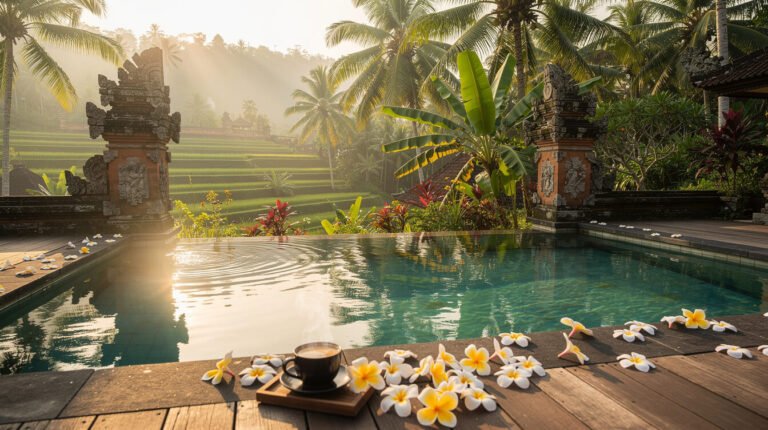
You wake to roosters and the distant clatter of a motorbike heading to the morning market. The air is cool — genuinely cool, the kind that makes you reach for a light layer before stepping onto the terrace. There’s mist sitting in the valley below the rice terraces. Your coffee arrives on the pool deck, set out by the villa staff before you surfaced. The gardener is already working, arranging fresh flowers in stone bowls. By 8 AM, you might walk to a yoga class, browse the organic market near the palace, or simply do nothing at all — and the nothing feels earned, not wasteful.
A Morning in Seminyak
You wake to the white noise of air conditioning and the distant bass of a pool party warming up two villas over. The sun is already bright and hard. Breakfast means walking to a cafe with an Instagram-worthy acai bowl and cold-press juice. The beach is a short walk — warm sand, strong currents, and a lineup of loungers fronting the beach clubs. By mid-morning, the boutiques on Jalan Kayu Aya are open, and the energy picks up steadily from there, peaking well after midnight.
Neither is better in absolute terms. But they are genuinely different experiences, and knowing which one you want shapes how satisfying your Bali trip feels. If you’re planning your first Bali holiday, understanding this contrast is the most important decision you’ll make.

Get a Free 3-Day Sample Itinerary
Not sure how to split your time between Ubud and the coast? We’ll send you a sample 3-day itinerary with our favorite spots, timing tips, and local recommendations.
Where to Stay: Accommodation in Ubud and Seminyak
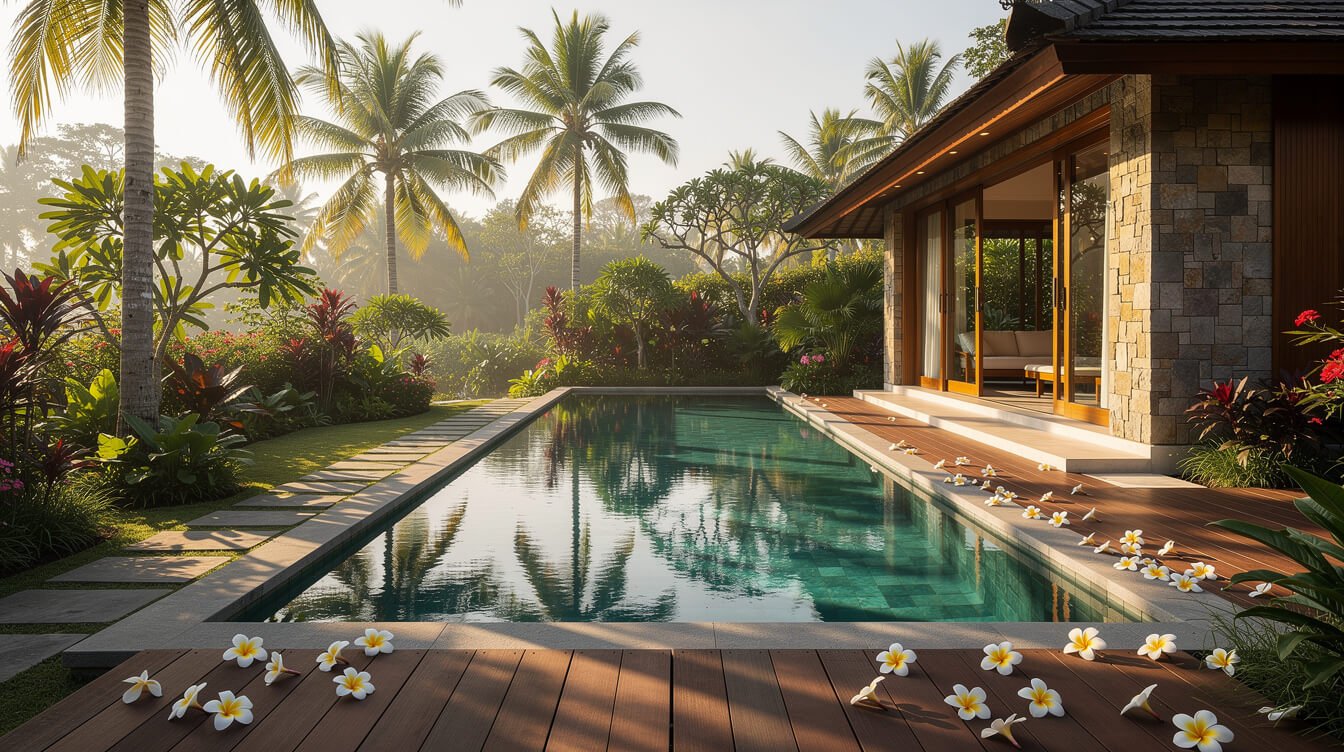
Both destinations have world-beating accommodation, but the styles diverge.
Ubud Accommodation
Ubud’s strength is private villas and boutique stays set into the landscape — perched on ridge lines above river gorges, tucked into rice-terrace views, surrounded by tropical gardens that feel like they’ve been growing for decades (because they have). The best Ubud stays come with staff: a villa manager, a cook, a housekeeper, a gardener. This isn’t an upsell — it’s the Balinese way. Someone makes your breakfast. Someone arranges your day trips. Someone puts fresh flowers on your pillow. It changes the texture of a vacation entirely.
Budget travelers find good-value guesthouses and homestays in the village center. Mid-range options include boutique hotels with pools and rice-field views. And the top tier — staffed private villas with 2-3 bedrooms, private pools, and full kitchens — is where Ubud really shines. For families and small groups, a private staffed villa often costs less per person than separate hotel rooms, and the experience isn’t comparable.
Seminyak Accommodation
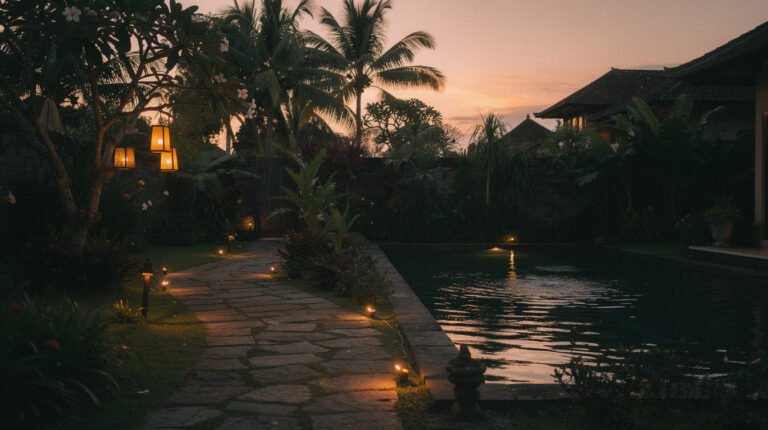
Seminyak leans toward resort hotels, sleek villa compounds, and serviced apartments. The design aesthetic is more contemporary — polished concrete, infinity pools, rooftop bars. You’re paying a premium for proximity to the beach and the restaurant strip. Beachfront properties here are among the most expensive on the island.
Budget options exist but are further from the beach, often in the Kerobokan borderlands where Seminyak’s polish fades into local village life. Mid-range boutique hotels are plentiful along the secondary streets. High-end resorts like The Legian and W Bali dominate the beachfront.
The key difference: Ubud accommodation tends to wrap around nature and staff service. Seminyak accommodation tends to wrap around location and design.
Food and Dining: From Warung to Fine Dining
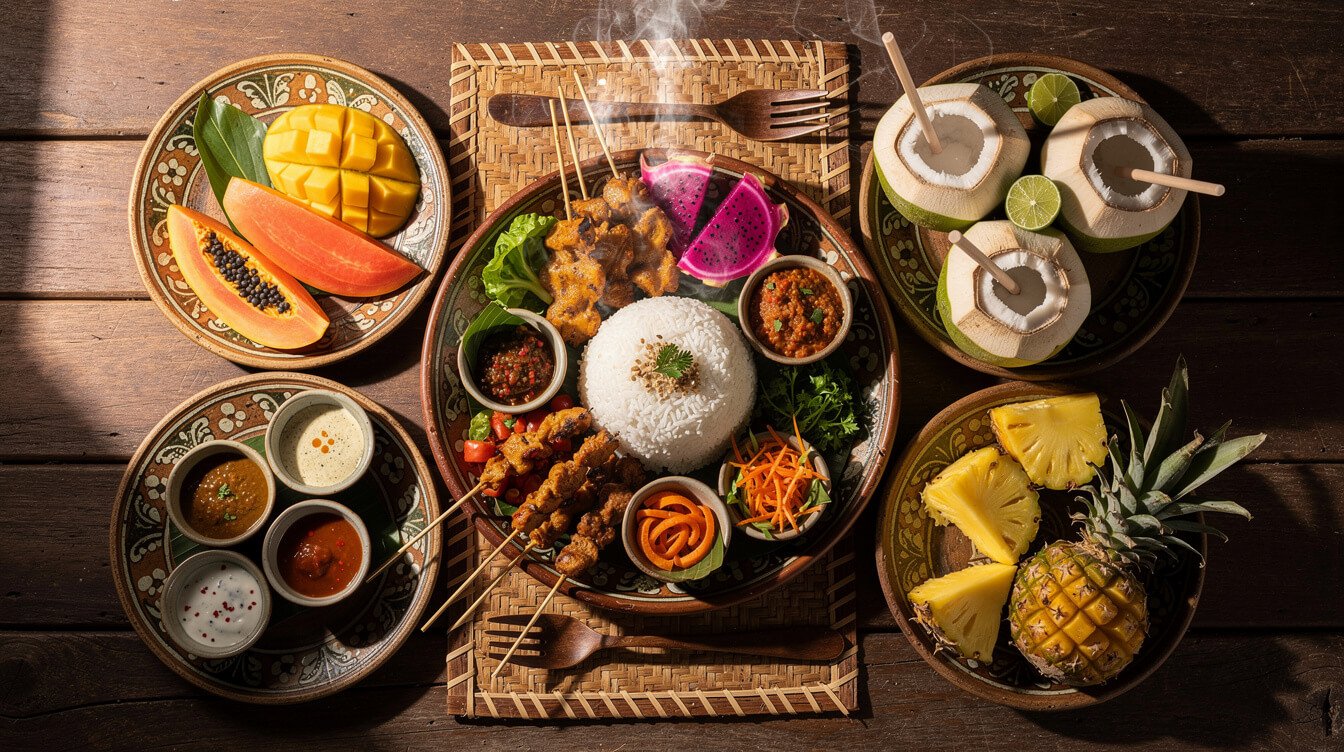
Both destinations eat extraordinarily well, but the character of the food scene is different.
Eating in Ubud
Ubud’s food scene leans toward health-conscious, plant-forward, and farm-to-table. The concentration of organic cafes, raw-food restaurants, and smoothie bowls per square kilometer is probably the highest in Southeast Asia. But it’s not just wellness food — traditional Balinese warungs serve babi guling (suckling pig), lawar (spiced minced meat with coconut), and nasi campur that will rearrange your understanding of Indonesian food.
Highlights include Locavore (consistently ranked among Asia’s best restaurants), Mozaic (French-Indonesian tasting menus), and dozens of casual cafes along Jalan Dewi Sita and Jalan Goutama. The Ubud morning market is worth visiting just to see the ingredients — long beans, dragon fruit, turmeric root, temple flowers — before they become someone’s lunch.
Eating in Seminyak
Seminyak’s dining scene is more international and nightlife-adjacent. Japanese omakase, Italian wood-fired pizza, Mediterranean seafood, Peruvian-Asian fusion — the variety is wider and the price points are higher. Beach clubs like Potato Head serve food as part of the sunset-and-cocktails package. Late-night dining is normal here in a way it isn’t in Ubud, where most kitchens close by 10 PM.
Seminyak also has excellent local food if you look beyond the main drag. Warungs on the back streets of Kerobokan serve nasi jinggo and sate lilit at a fraction of the restaurant prices. But the overall dining identity of Seminyak is more cosmopolitan, more designed, and more expensive.
Things to Do: Culture, Adventure, and Relaxation

This is where the ubud vs seminyak divide becomes most dramatic.
Ubud Activities
Ubud is the gateway to Bali’s interior, and the activities reflect that. In a single week, you could visit the Tegallalang rice terraces, hike through the Campuhan Ridge at sunrise, watch a Kecak fire dance at the Ubud Palace, take a cooking class using ingredients from the morning market, white-water raft down the Ayung River, cycle through village paths lined with cacao and coffee trees, and still have time for a traditional Balinese massage.
For wellness travelers, Ubud is where you come to reset. Yoga studios, meditation retreats, breathwork sessions, sound healing ceremonies, Balinese water purification rituals at Tirta Empul — the infrastructure for inner work is built into the fabric of the town. It’s not a trend here. It’s been the draw for decades.
Seminyak Activities
Seminyak’s activity menu is more coastal and social. Surfing lessons, sunset beach walks, shopping the boutiques of Jalan Kayu Aya (Eat Street), day trips to the Tanah Lot sea temple, spa treatments at high-end resorts, and — the main attraction — the beach club circuit. Potato Head, Ku De Ta, Mrs Sippy, La Brisa — each with its own design language, cocktail menu, and DJ lineup.
Nightlife is real in Seminyak in a way it simply isn’t in Ubud. If you want to dance past midnight, hear international DJs, or bar-hop between cocktail lounges, Seminyak is your only realistic option on this side of the island (Canggu being the other contender, just up the coast).
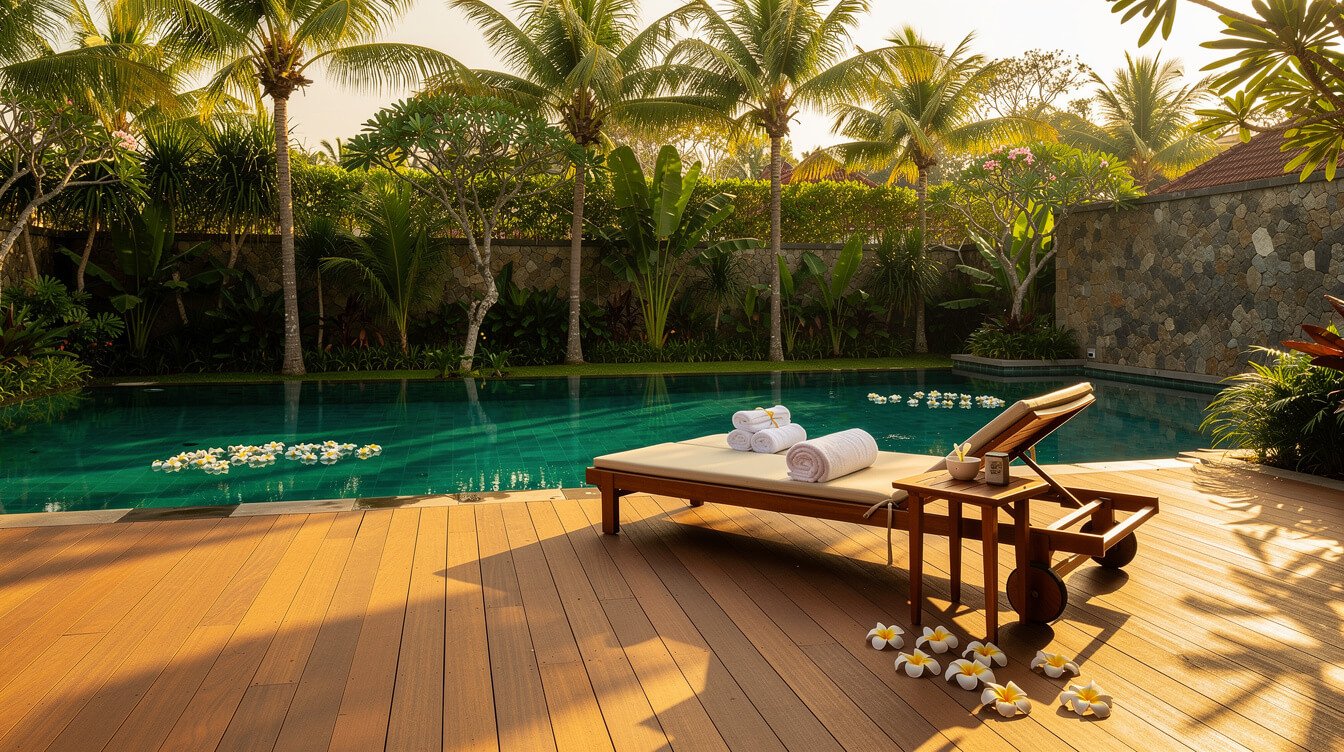
Stay in Ubud With a Team That Holds It All
Villa Amrita is a 3-bedroom staffed pool villa in Ubud — chef, housekeeper, villa manager, gardener. Your breakfast on the pool deck, your day trips arranged, your evenings free. Tell us your dates.
Getting Around: Transport and Distance Between Ubud and Seminyak
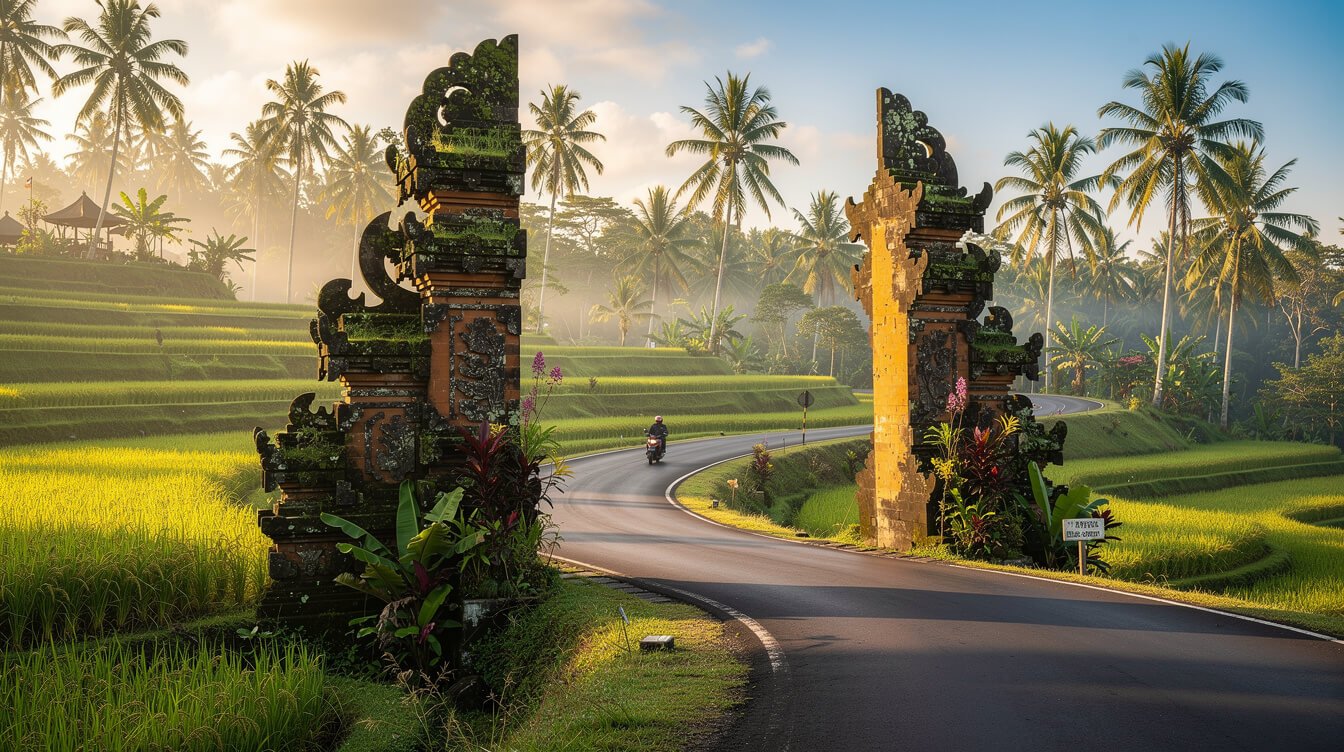
Understanding Bali’s geography matters more than most travelers expect. The island looks small on a map, but traffic — especially in the south — can double or triple your travel time.
Seminyak to the airport: 30-45 minutes in light traffic, up to 90 minutes during peak hours.
Ubud to the airport: 1.5 hours on a good day, potentially 2+ hours if you hit congestion through Denpasar.
Ubud to Seminyak: roughly 1-1.5 hours by car, depending on the route and time of day.
In Seminyak, you can walk to many restaurants, shops, and the beach. Grab (ride-hailing) works well. Motorbike rental is common but the traffic is dense.
In Ubud, distances between attractions are larger. A private driver for the day (typically 500,000-700,000 IDR, roughly $30-45 USD) is the most comfortable way to explore. Many villas can arrange this for you — and if you’re staying somewhere with a dedicated team, they’ll often handle the logistics entirely, which changes how stress-free your Bali trip feels.
Ubud vs Seminyak for Families, Couples, and Solo Travelers

The right destination depends on who you’re traveling with and what you need from your trip.
For Families
Ubud generally wins for families, especially those with young children. Private villas with pools, gardens, and staff give you the space and flexibility that hotel rooms don’t. Ubud’s quieter pace means less traffic stress, fewer late-night disruptions, and more activities that kids genuinely enjoy — rice-field walks, monkey forest visits, cooking classes, swimming in the villa pool while the gardener points out butterflies.
Seminyak works for families who want beach days, but the surf can be strong and the beach itself isn’t the calm, shallow type that suits toddlers. Older kids and teenagers who want more social stimulation may prefer Seminyak’s energy.
For Couples
Both work beautifully, but the character differs. Ubud is for the couple who wants slow mornings, intimate dinners, and the feeling of being held by a place. Seminyak is for the couple who wants sunset cocktails, vibrant restaurants, and the buzz of being out together.
Honeymoons and anniversaries lean toward Ubud. Newer couples and friends-turned-couples who want to explore together tend to enjoy Seminyak’s social texture.
For Solo Travelers
Ubud has a strong solo-traveler community — yoga retreats, coworking spaces, and a culture of sitting alone in cafes without judgment. Digital nomads have been coming here for over a decade. The pace is forgiving, the community is open, and the cost of living is gentle.
Seminyak suits the solo traveler who wants to meet people in social settings — beach clubs, group tours, nightlife. It’s more outward-facing, which can be either energizing or exhausting depending on your temperament.
Frequently Asked Questions About Ubud vs Seminyak
Is Ubud or Seminyak cheaper?
Ubud is generally more affordable across all categories — accommodation, food, transport, and activities. A private villa in Ubud with staff, a pool, and three bedrooms can cost less than a mid-range Seminyak hotel room. Local food in Ubud is significantly cheaper, with warung meals starting at 25,000-40,000 IDR ($1.50-2.50 USD). Seminyak’s prices reflect its beachfront premium and international dining scene.
Can I visit both Ubud and Seminyak in one trip?
Absolutely — and most travelers should. A split stay (3-4 nights in each, or any combination that totals a week) gives you both the cultural immersion of Ubud and the coastal energy of Seminyak. Start in Ubud to decompress from your flight, then finish in Seminyak closer to the airport for an easier departure day.
Is Ubud safe?
Yes. Ubud is one of the safest places in Bali for tourists. Petty theft is rare, violent crime is extremely uncommon, and the village community is welcoming. Standard travel precautions apply — lock your villa, use a money belt in crowded markets — but overall the atmosphere is relaxed and secure.
Does Seminyak have culture?
Seminyak has Balinese culture woven into daily life — temple ceremonies, canang sari offerings on the sidewalk, the underlying Hindu-Balinese calendar that shapes the rhythm of the community. But the tourist-facing experience in Seminyak is more commercial and less immersive than Ubud. If cultural engagement is your priority, Ubud delivers it more directly.
Which is better for a honeymoon?
Ubud, for most couples. The intimacy of a private villa, the beauty of the landscape, the quality of the dining (Locavore, Mozaic), and the pace of life all favor romance. That said, a honeymoon that starts in Ubud and ends with a few sunset-beach nights in Seminyak hits every note.
How many days do I need in each?
Ubud rewards longer stays — 4-5 days lets you settle into the rhythm and explore beyond the obvious. Seminyak works well in 2-3 days, which is enough to enjoy the beach, the food scene, and a few sunset sessions without the energy becoming repetitive.
Final Thoughts: Why Not Both?
The ubud vs seminyak question doesn’t actually have a winner — it has a preference. And the smartest travelers don’t choose. They split their time.
Start in Ubud. Let the green light and the cooler air and the slower pace dissolve whatever you brought from home. Walk the rice terraces. Eat at a warung. Let the villa staff take care of the details — the transfers, the breakfast timing, the recommendations for which temple to visit on which day. Ubud is the part of Bali that changes how you breathe.
Then move to Seminyak for the last stretch. Catch a sunset. Shop the boutiques. Have a long dinner at a restaurant you’d post about. Let the coastal energy carry you to the airport when it’s time.
Bali is big enough and varied enough to hold both of these experiences. The only mistake is assuming you have to pick one.

Join Our Newsletter — Fun, New, Exciting Bali News
Seasonal Ubud stories, travel tips from the team, and quiet corners of Bali you won’t find on the tourist trail. One email, every week or two. No spam, just warmth from Ubud.