Ubud Bali Shopping: Your Complete Guide to Markets, Artisans and Hidden Finds
If you’ve ever wondered where the real finds are in Ubud — the hand-carved masks that still smell of sandalwood, the silver rings shaped at a flame you can watch — this is your guide. Ubud Bali shopping is unlike anything you’ll experience in Seminyak’s polished boutiques or Kuta’s souvenir stalls. Here, every purchase comes with a story, an artisan’s name, and the quiet satisfaction of bringing home something made by hand, not machine.
We live here. We know the vendors who arrive before dawn, the workshops tucked behind rice fields, the boutiques where Balinese design meets modern intention. This guide walks you through every shopping experience Ubud offers — from the famous art market to the silversmith villages most visitors never find — so you can shop with confidence, curiosity, and the right amount of cash in your pocket.
Ubud Art Market: The Heart of Ubud Bali Shopping
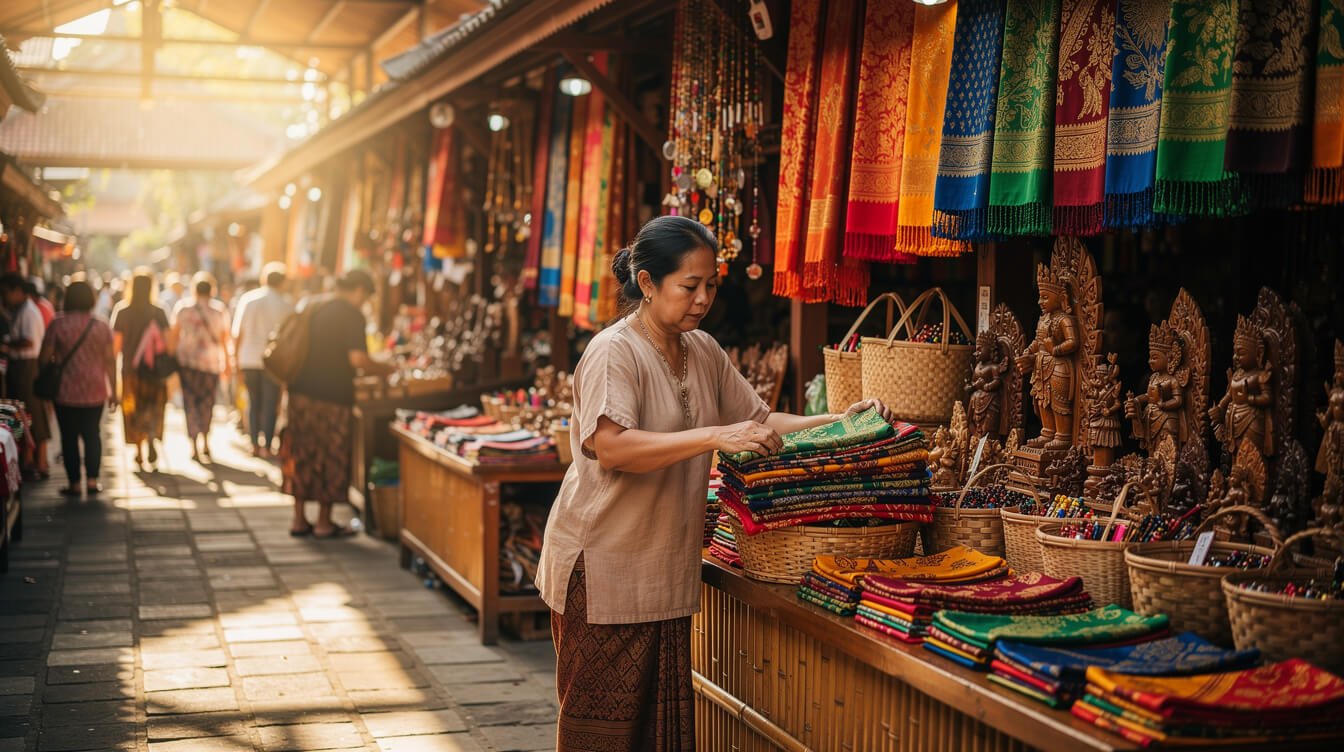
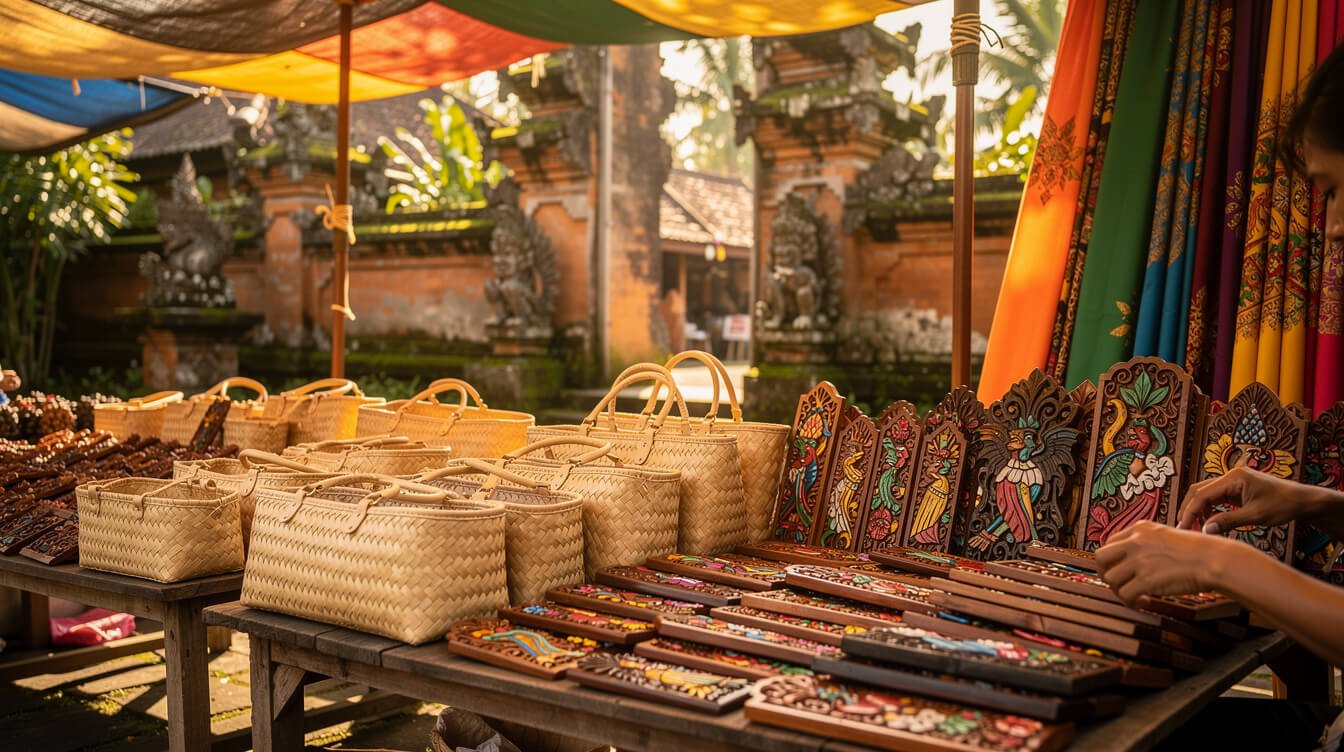
Pasar Seni Ubud — the Ubud Art Market — sits directly across from the royal palace on Jalan Raya Ubud, and it’s been the beating heart of Ubud Bali shopping for decades. Two stories of tightly packed stalls spill over with rattan bags, hand-painted batik, carved wooden figures, woven scarves, and ceremonial offerings trays that double as wall art back home.
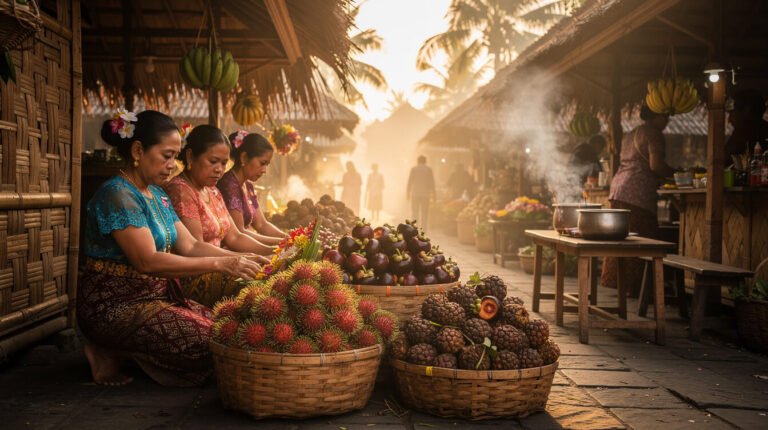
The market runs in two shifts. Before 9 AM, it’s the local morning market — Balinese women in traditional dress selling canang sari (daily offerings), fresh fruit, temple flowers, and kitchen supplies. This is the market most visitors never see, and it’s worth setting an alarm for. By 9 AM, the art vendors take over, and the energy shifts to carved masks, silk scarves, and the gentle art of bargaining.
What to Buy at Ubud Art Market
The best finds here are items you won’t see mass-produced elsewhere:
- Hand-woven rattan bags — the circular Ate bags are an Ubud signature, woven from the rattan vine that grows across Bali’s highlands. Look for tight, even weaving and a leather clasp.
- Batik textiles — hand-stamped (cap) or hand-drawn (tulis) batik from Java and Bali. Tulis pieces take weeks to complete and cost more, but you’re buying genuine textile art.
- Wooden carvings — Ubud’s carving tradition runs deep. The village of Mas, just south, is the epicenter. At the market, look for pieces in suar (rain tree) or crocodile wood — heavier pieces tend to be higher quality.
- Silver jewelry — much of it comes from nearby artisan villages. Simple silver bands start around 50,000 IDR; intricate filigree pieces run higher.
- Paintings — Ubud is Bali’s painting capital. At the market, you’ll find everything from traditional Kamasan-style narrative paintings to contemporary abstract pieces.
How to Bargain at Ubud Art Market
Bargaining is expected and part of the culture — not adversarial, but conversational. Start at about 40-50% of the asking price and work toward a middle ground. Smile. Ask the vendor’s name. Comment on the craftsmanship. The best transactions here feel like a conversation, not a negotiation. A good rule: if you’d happily pay the agreed price at a shop back home, you’ve done well.
Practical tip: Carry small bills (10,000 and 20,000 IDR notes). Vendors rarely have change for large denominations, and pulling out a 500,000 IDR note signals you’re not price-conscious. ATMs are plentiful along Jalan Raya Ubud and Monkey Forest Road.
Jalan Raya Ubud: The Main Ubud Bali Shopping Street
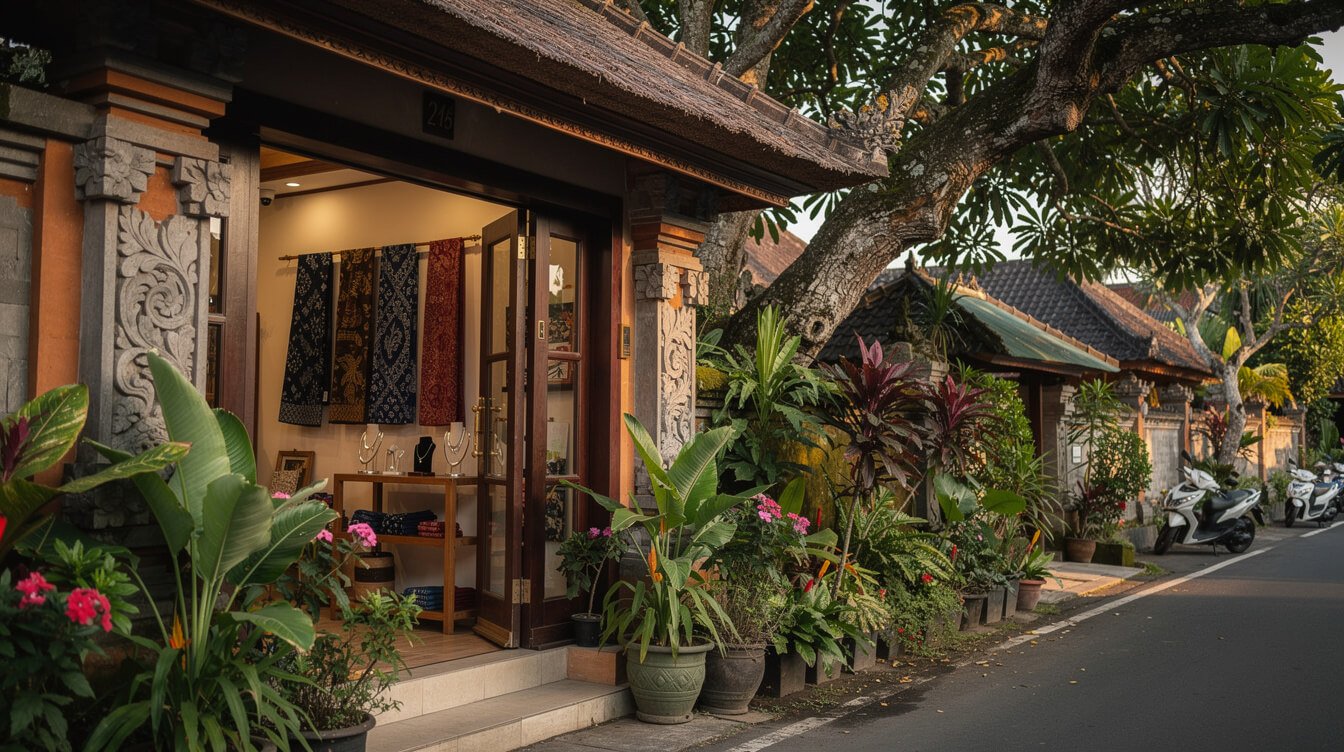
Jalan Raya Ubud is the main artery of town, and walking its length is an Ubud Bali shopping experience in itself. From the art market at the palace end to Campuhan Ridge at the west, the street is lined with a mix of traditional craft shops, contemporary galleries, and everything in between.
The standout stops along Jalan Raya include:
- Kou Cuisine — an artisan chocolate shop using single-origin Balinese cacao. Their bonbons make extraordinary gifts (and the tasting is half the fun).
- Ganesha Bookshop — the best English-language bookshop in Bali. Strong sections on Indonesian history, Balinese culture, and regional cooking. If you want to understand where you are, start here.
- Threads of Life — a textile gallery and fair-trade cooperative on Jalan Kajeng, just off Jalan Raya. They preserve endangered Indonesian weaving traditions by connecting weavers directly with buyers. Every piece comes with documentation of the artisan and technique. This isn’t souvenir shopping — it’s cultural preservation.
- Murni’s Warung shop — the retail arm of one of Ubud’s oldest restaurants, selling curated antiques, jewelry, textiles, and Balinese homewares.
The side streets branching off Jalan Raya are worth exploring too. Jalan Kajeng (the street with the poetry tiles underfoot) leads to Threads of Life and several small galleries. Jalan Hanoman, running parallel to Monkey Forest Road, has a newer crop of wellness-oriented shops, organic cafes, and yoga-wear boutiques.

Get a Free 3-Day Sample Itinerary
Shopping, temples, rice fields, and the best meals in Ubud — mapped out for you. Drop your email and we’ll send it over.
Artisan Villages: Where Ubud’s Crafts Are Actually Made
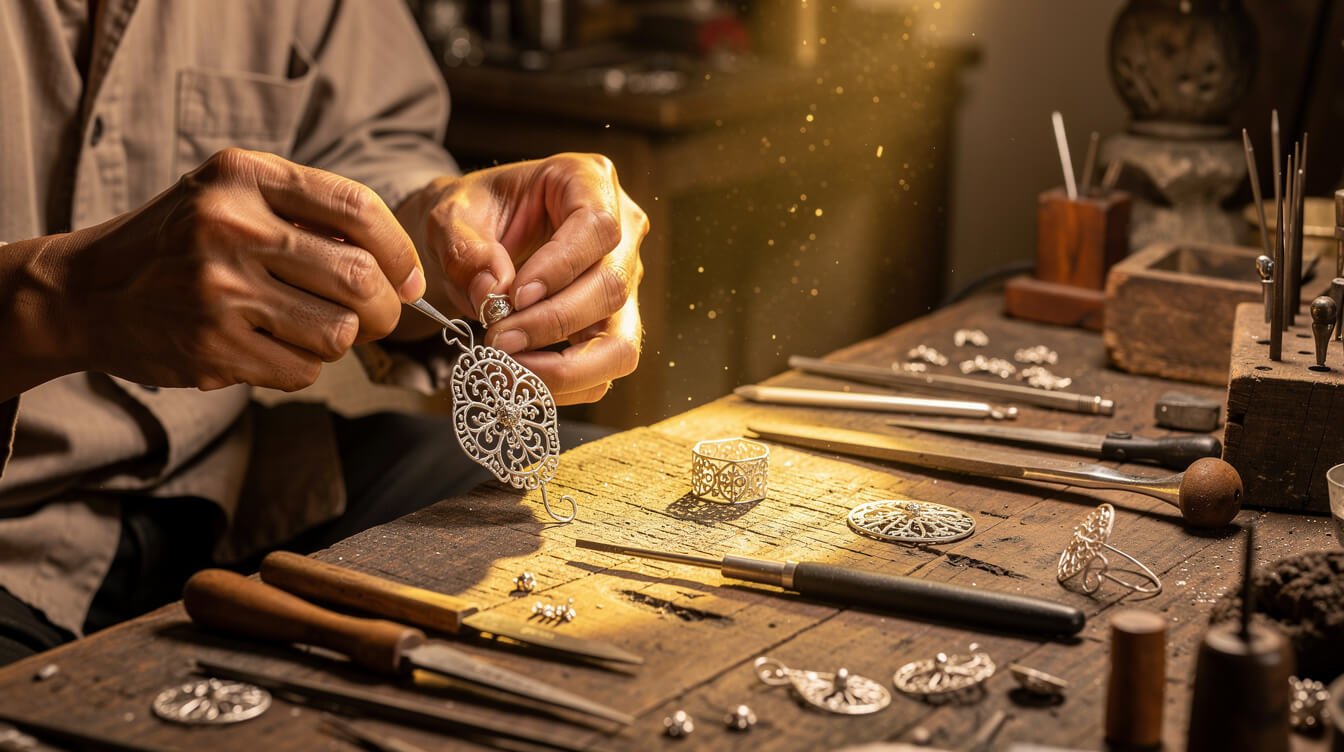
What makes Ubud Bali shopping genuinely different from tourist shopping elsewhere is proximity to the source. Within 15 minutes of central Ubud, entire villages specialize in a single craft — a tradition stretching back centuries under royal patronage.
Celuk: The Silver Village
Celuk is Bali’s silver capital, roughly 10 minutes south of Ubud. Family workshops line the main road, and you can watch silversmiths at their benches — heating, hammering, and twisting silver wire into rings, earrings, and bracelets. Buying directly from the workshop means no middleman markup and the chance to request custom pieces. Many workshops will make a custom ring while you wait (allow 1-2 hours).
Mas: The Woodcarving Village
Mas village has supplied Bali’s finest woodcarving for generations. The galleries here range from small family workshops carving traditional Hindu figures to larger studios producing museum-quality contemporary sculpture. The Agung Rai Museum (ARMA) is nearby and offers context for understanding Ubud’s broader art tradition. Look for pieces in ebony, jackfruit wood, or crocodile wood — these hardwoods age beautifully and last generations.
Batuan: The Painting Village
Batuan’s painters have been documenting Balinese life on canvas since the 1930s. The Batuan style is densely detailed — every inch of the canvas filled with village scenes, ceremonies, and mythological narratives. Several family-run galleries in Batuan offer paintings directly from the artists, often with the painter present to explain the story in the work. Prices range from 200,000 IDR for small pieces to several million for large, intricate works.
Modern Boutiques and Concept Stores for Ubud Bali Shopping
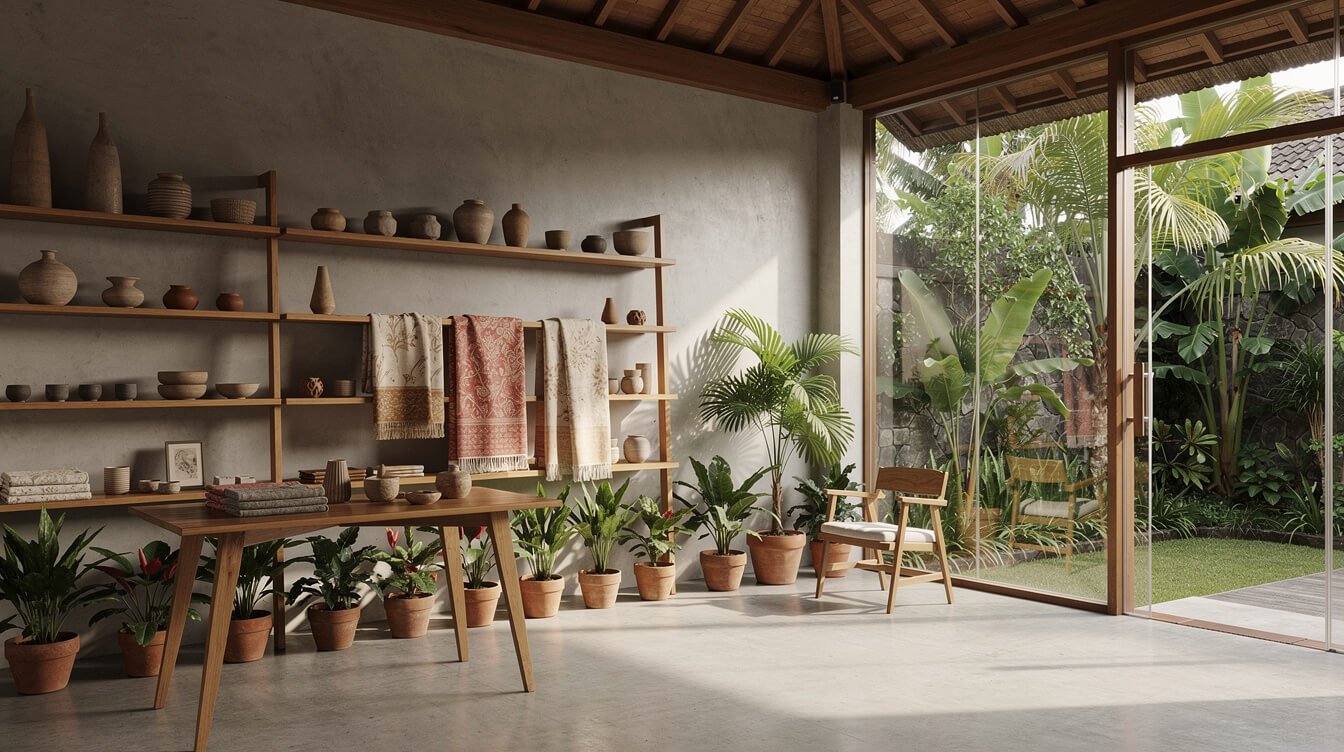
Ubud’s shopping scene has evolved beyond traditional markets. A growing number of concept stores and contemporary boutiques blend Balinese craft traditions with modern design sensibility — and they’re some of the most rewarding places to shop in town.
- Bali Zen — minimalist homewares, handmade ceramics, and natural-dye textiles. The aesthetic is calm and curated, and everything is sourced from Indonesian artisans.
- BIASA — the Ubud outpost of Susanna Perini’s fashion label, known for fluid linen silhouettes and natural fabrics. If you want one beautiful garment to remember Bali by, this is the shop.
- Sari Api Ceramic Studio — a working ceramics studio where you can browse the gallery, watch pieces being thrown, and take a ceramics class if the mood strikes. Their tableware is functional art — the kind of plate that makes every meal feel considered.
- Ubud Organic Market — held every Saturday morning at Pizza Bagus on Jalan Pengosekan, this weekly market brings together organic produce, homemade granola, raw chocolate, essential oils, and handmade soaps from the local wellness community. It’s less about souvenirs and more about experiencing Ubud’s health-conscious lifestyle.
These stores operate on fixed prices — no bargaining required — and most accept credit cards. If you’re staying at a villa in Ubud, many of these pieces make beautiful additions to your own home: ceramics, textiles, art that travels well.
What to Buy in Ubud: A Shopper’s Checklist
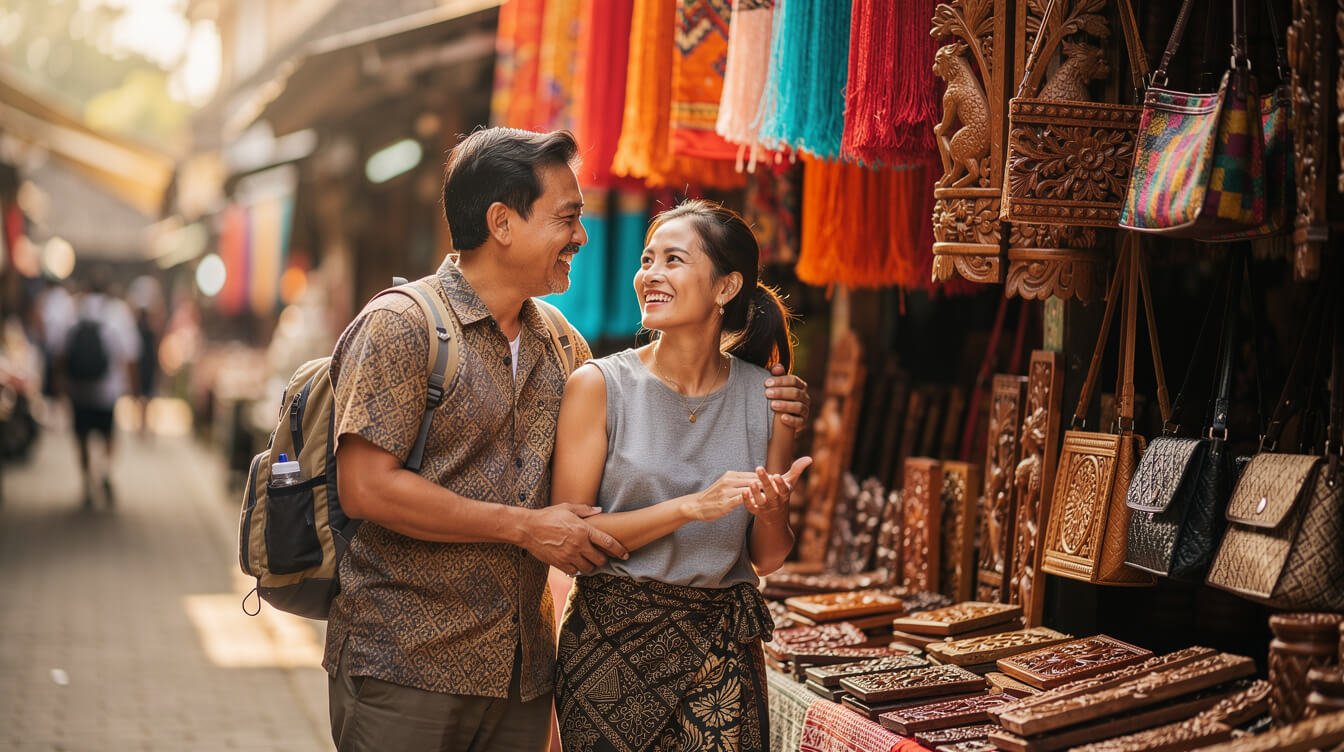
With so many options, it helps to know what Ubud does best. These are the purchases worth making here — items that are genuinely better, more authentic, or more affordable in Ubud than anywhere else in Bali.
- Silver jewelry from Celuk — custom pieces at workshop prices, often 30-50% less than retail shops in Seminyak.
- Handwoven textiles — ikat, songket, and batik tulis from Threads of Life or village workshops. These are heirloom pieces.
- Balinese paintings — buy directly from the painter in Batuan or at the Ubud Art Market for original works at fair prices.
- Woodcarvings from Mas — from a small Ganesh for your desk to a full-size temple door panel. The quality and variety here is unmatched.
- Organic beauty products — Ubud’s wellness scene produces extraordinary coconut oil blends, lemongrass soaps, frangipani perfume oils, and turmeric body scrubs.
- Balinese coffee and spices — single-origin Bali coffee (including the famous kopi luwak), vanilla beans, long pepper, and fresh turmeric are all cheaper and fresher here than at the airport.
- Rattan and woven bags — the Ubud Art Market has the widest selection in Bali. Check for tight weaving, secure clasps, and lined interiors for quality.
One thing to skip: mass-produced “Bali” t-shirts and fridge magnets that are made elsewhere. Ubud’s strength is handmade and artisan — lean into that.

Your Ubud Shopping Base Camp
Three bedrooms. Private pool. Full staff. A 10-minute walk from Ubud Art Market — and a team that knows every workshop in the village.
Practical Tips for Ubud Bali Shopping
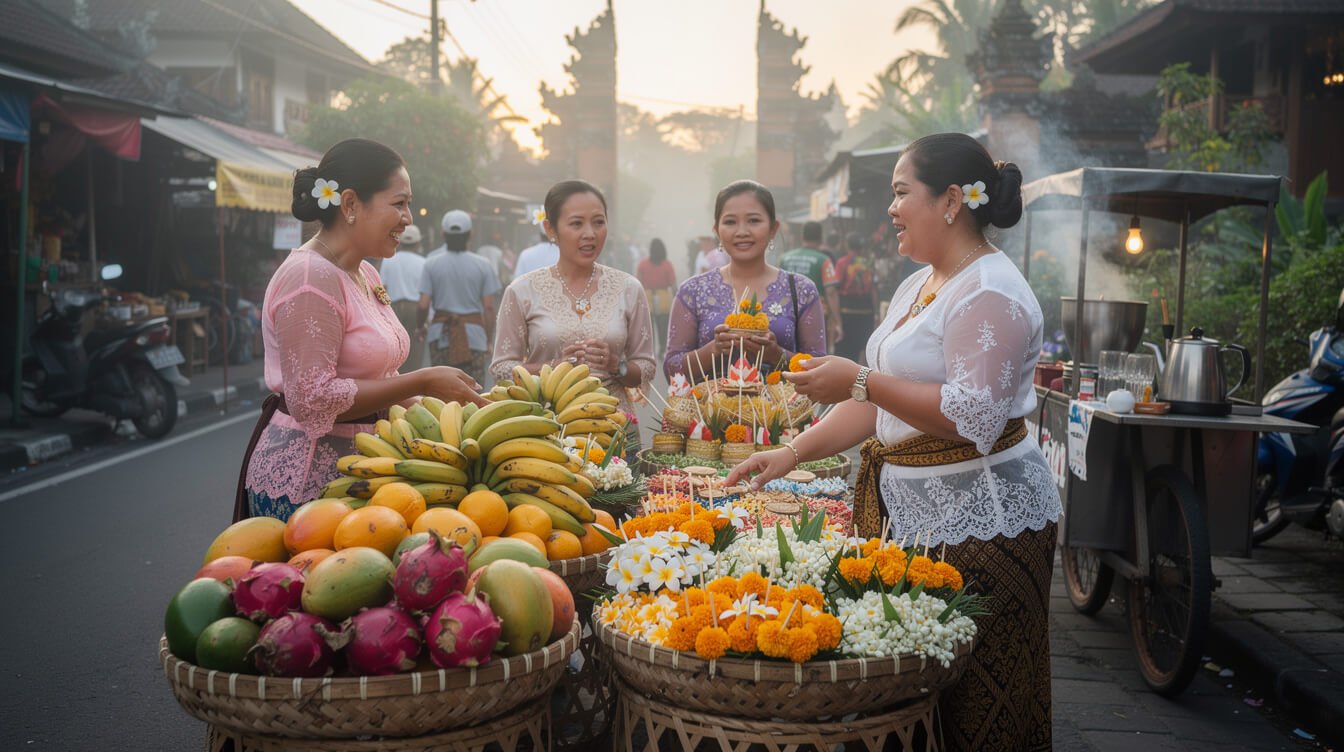
Shopping in Ubud rewards preparation. A few things that make the experience smoother, more enjoyable, and better value.
When to Shop
The art market is best before 10 AM — stalls are freshly set, vendors are less tired, and the heat hasn’t built yet. Boutiques along Jalan Raya Ubud typically open around 9-10 AM and close by 8-9 PM. The artisan villages (Celuk, Mas, Batuan) are best visited mid-morning when workshops are in full swing and artisans are happy to chat.
Cash vs. Cards
Markets and small craft shops are cash-only. Boutiques and galleries generally accept credit cards (sometimes with a small surcharge). ATMs are everywhere in central Ubud — the ones inside convenience stores tend to be more reliable and safer than standalone street machines.
Shipping Large Purchases
Bought a two-meter wooden sculpture or a stack of paintings? Several shipping companies on Jalan Raya Ubud specialize in packing and sending artwork internationally. They handle customs paperwork, crating, and insurance. Expect to pay $50-150 USD for international shipping depending on size and destination. DHL and FedEx also have drop-off points in town.
Customs and Export Rules
Most crafts, textiles, and artworks leave Indonesia without issue. However, antiques over 50 years old may require an export permit from the Ministry of Education and Culture. If a dealer claims something is antique, ask for documentation. Genuine antique dealers know the export process and can help with paperwork.
Getting Around Shopping Areas
Central Ubud (the art market, Jalan Raya, Monkey Forest Road, Jalan Hanoman) is walkable. For the artisan villages, hire a driver for a half-day loop — Celuk, Mas, and Batuan can be covered in 3-4 hours with time to browse and buy. Your villa team can arrange a trusted driver who knows the workshops and won’t steer you to commission-based tourist traps.
If you’re planning your full Bali travel itinerary, block out at least one full morning for shopping in central Ubud and another half-day for the artisan village circuit. These aren’t rush-through experiences — they’re part of why you came.
Frequently Asked Questions About Ubud Bali Shopping
Is Ubud cheaper than Seminyak for shopping?
Generally, yes — especially for handmade crafts, silver jewelry, and traditional artworks. Ubud is closer to the artisan source, which means fewer middlemen and lower markup. Boutique fashion and imported goods are similarly priced across Bali.
What are the best souvenirs from Ubud?
Handwoven rattan bags, silver jewelry from Celuk workshops, original Balinese paintings, hand-stamped batik, organic Bali coffee, and artisan ceramics are all excellent choices that reflect Ubud’s craft culture.
Is bargaining expected in Ubud?
At markets and small craft shops, absolutely — it’s part of the experience. Start around 40-50% of the asking price and negotiate with a smile. Fixed-price boutiques and galleries don’t expect bargaining, and their prices are typically fair for the quality.
What time does Ubud Art Market open?
The traditional morning market opens around 4-5 AM with local produce and offerings. The tourist art market takes over by 9 AM and runs until about 6 PM. Early morning (before 10 AM) is the best time for browsing without crowds.
Can I get custom jewelry made in Ubud?
Yes. Celuk village workshops and several jewelers in central Ubud offer custom work. A simple silver ring can be made while you wait (1-2 hours). More complex gold or gemstone pieces take 2-5 days. Bring reference photos if you have a specific design in mind.
How do I ship large purchases home from Ubud?
Several international shipping companies on Jalan Raya Ubud specialize in art and craft shipments. They handle crating, customs paperwork, and insurance. Most shops that sell large items (furniture, sculpture, paintings) can also arrange shipping directly.
Your Ubud Shopping Day: Bring It All Together
The best Ubud Bali shopping day starts early. Hit the art market before 10 AM while the light is soft and the stalls are fresh. Walk Jalan Raya west, stopping at Ganesha Bookshop and Threads of Life. Break for coffee at one of the cafes overlooking the Campuhan valley.
After lunch, take a driver to the artisan villages — Celuk for silver, Mas for woodcarving. If you’re a textile lover, Batuan’s painters are worth the stop. Return to Ubud in the late afternoon and browse the concept stores along Jalan Hanoman before the evening crowds arrive.
The thing about shopping in Ubud is that it never quite feels like shopping. You’re walking into workshops where families have practiced their craft for generations. You’re handling textiles woven on looms that predate the tourist industry. You’re meeting the hands behind the art. That’s what makes the difference between a souvenir and something you keep forever.
When you’re ready to rest those shopping feet, your private villa is waiting — pool, garden, and a team that can help arrange whatever you discovered today. Whether it’s a commissioned painting or a shipping crate, the Balinese massage at the end of the day makes it all worthwhile.

Join Our Newsletter — Fun, New, Exciting Bali News
Ubud stories, travel tips, and honest recommendations from the team that lives here. No spam, no sales pitch — just Bali, delivered.