Balinese Massage Therapy: Your Complete Guide to Ancient Healing in Ubud
Balinese massage therapy is one of those experiences that rewrites what you thought you knew about massage. It is not a single technique or a fixed routine — it is a living tradition, shaped by centuries of Balinese Hindu ritual, Ayurvedic medicine, and Chinese healing arts. And here in Ubud, where morning mist rolls through rice terraces and the air carries frangipani and incense, you feel the difference the moment warm hands press into your shoulders.
This guide walks you through everything you need to understand before your first Balinese massage therapy session: the techniques, the spiritual philosophy, the essential oils and ingredients, how it compares to other massage styles, and where to find the most authentic treatments during your stay in Ubud. Whether you are a wellness traveler seeking deep healing or simply curious about what makes Balinese bodywork so extraordinary, this is your complete resource.
What Balinese Massage Therapy Actually Is — And What Makes It Different
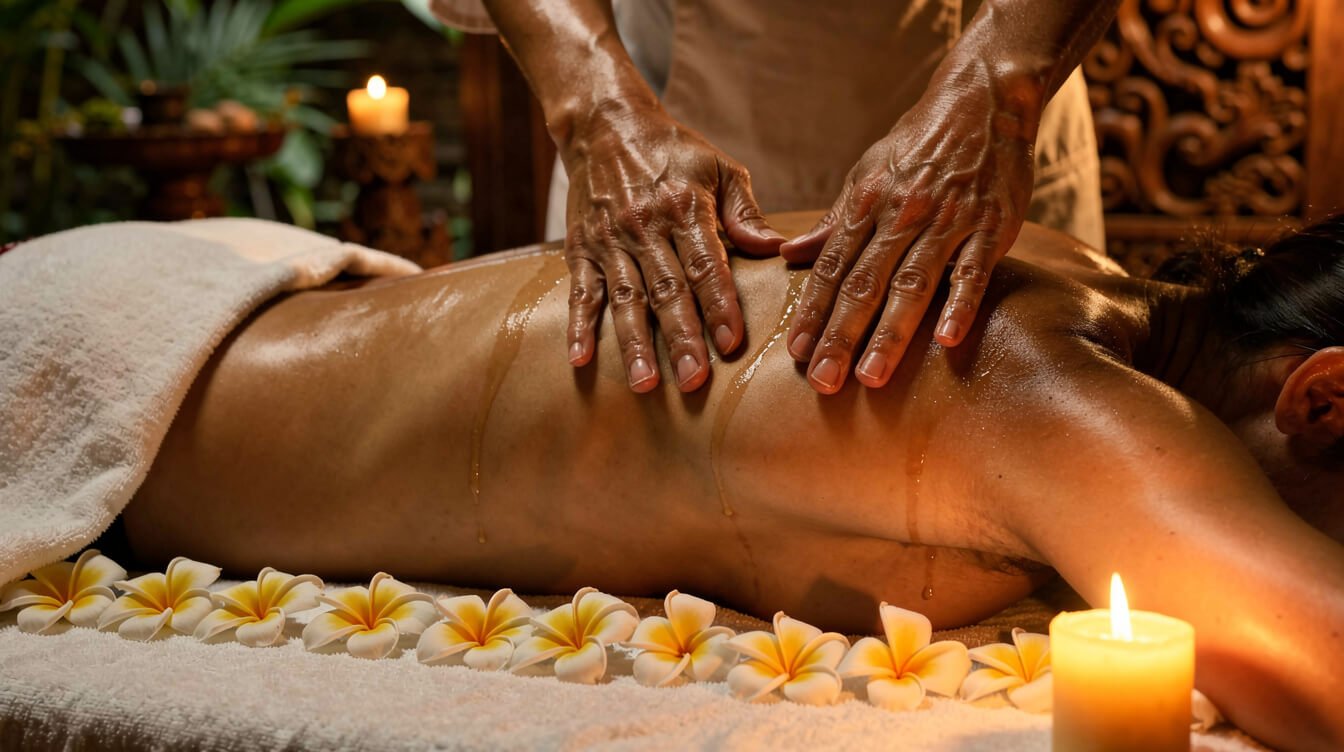
Most massage traditions lean on one primary approach — Swedish uses long gliding strokes, Thai focuses on stretching and compression, Shiatsu works pressure points along meridian lines. Balinese massage therapy is different because it weaves all of these together into a single, flowing session. One moment your therapist is rolling forearms down your back in deep, rhythmic strokes. The next, they are pressing acupressure points along your spine with the precision of someone who learned this work from a grandmother who learned it from hers.
The technical vocabulary includes pijat (kneading), urut (deep-tissue stroking), and tapotement (rhythmic tapping). But the real difference is intention. A well-trained Balinese practitioner is not simply working muscle tissue — they are moving prana, the breath-energy that Balinese healing philosophy believes flows through the body the way water moves through a rice terrace irrigation channel. When energy stagnates, pain follows. When it flows, you feel it as warmth, release, and an almost startling sense of calm.
Treatments typically run 60 to 90 minutes. You lie on a cushioned table — sometimes elevated, sometimes close to the floor in the traditional style — while the therapist works from head to toe. Pressure varies from feather-light to deep. Some practitioners incorporate gentle stretches that draw on Thai technique. Others use knuckle work along the soles of your feet that echoes Chinese reflexology. The blend is never random — it is a personalized response to what your body needs, read through the therapist’s hands.
If you have experienced Swedish massage at a hotel spa and assumed that was the ceiling, Balinese massage therapy will shift your frame of reference. It is more intuitive, more rhythmic, and more attentive to the connection between your physical state and your emotional one.
The Spiritual Roots of Balinese Massage Therapy
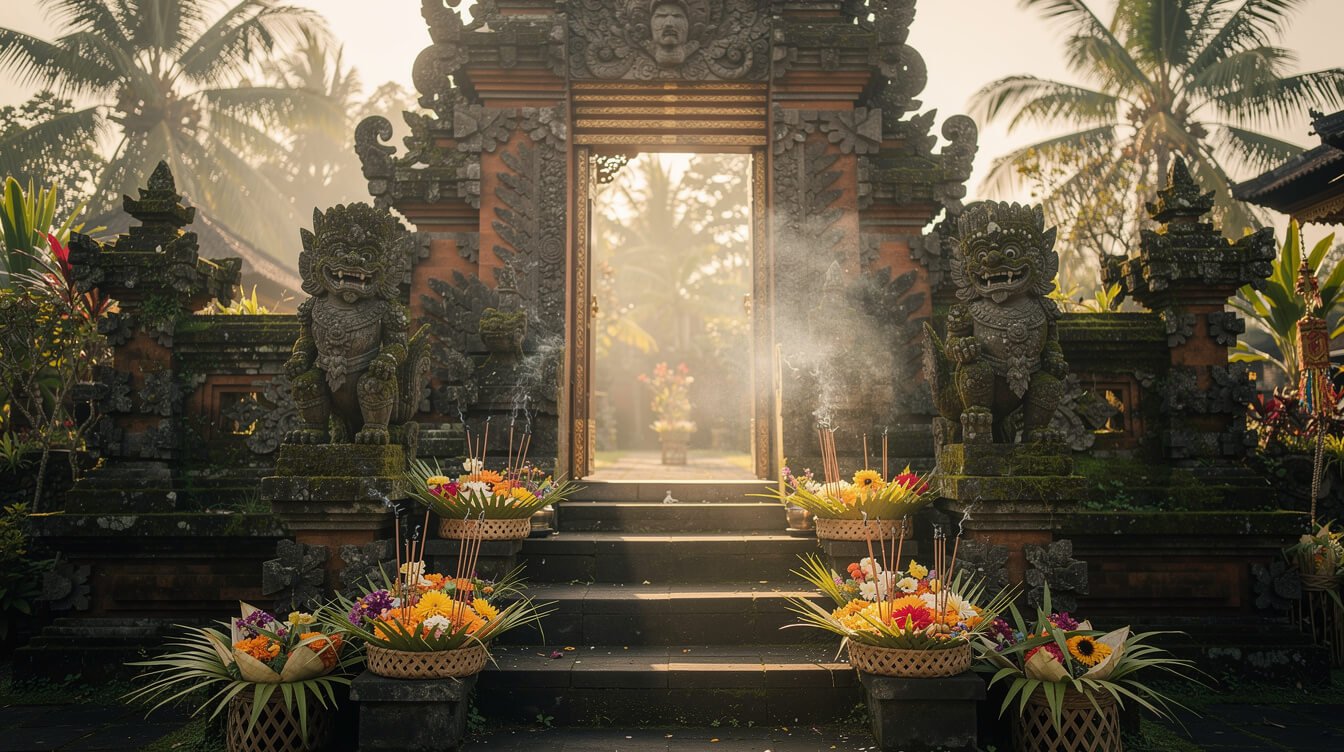
In Bali, healing is not separate from prayer. Balinese massage therapy grew from a tradition where the village healer — the balian — was equal parts herbalist, energy worker, and spiritual counselor. Before touching a patient, a balian might read the body’s condition through pulse diagnosis or even consult the Balinese calendar to determine the right day for treatment. The goal was never just pain relief. It was sekala-niskala — balance between the seen and the unseen.
This spiritual dimension still runs through authentic Balinese massage therapy today. Many Ubud practitioners begin sessions with a brief silent prayer or the placement of a small canang sari offering near the treatment space. The essential oils chosen are not random aromatherapy — frangipani is associated with divine connection, jasmine with emotional clarity, sandalwood with grounding. Even the direction of strokes follows traditional belief: long strokes toward the heart to draw energy inward, or toward the extremities to release what no longer serves.
Understanding this does not require you to share the belief system. It simply means you are receiving something deeper than mechanical bodywork. The best Balinese massage therapists carry a quiet intentionality that is palpable — a quality of attention you might describe as mindfulness, though the Balinese tradition predates that word by centuries.
If you are drawn to the spiritual side of wellness, you might also explore sound healing in Ubud or Bali’s spiritual retreat traditions, both of which share roots with the healing arts that gave birth to Balinese massage.
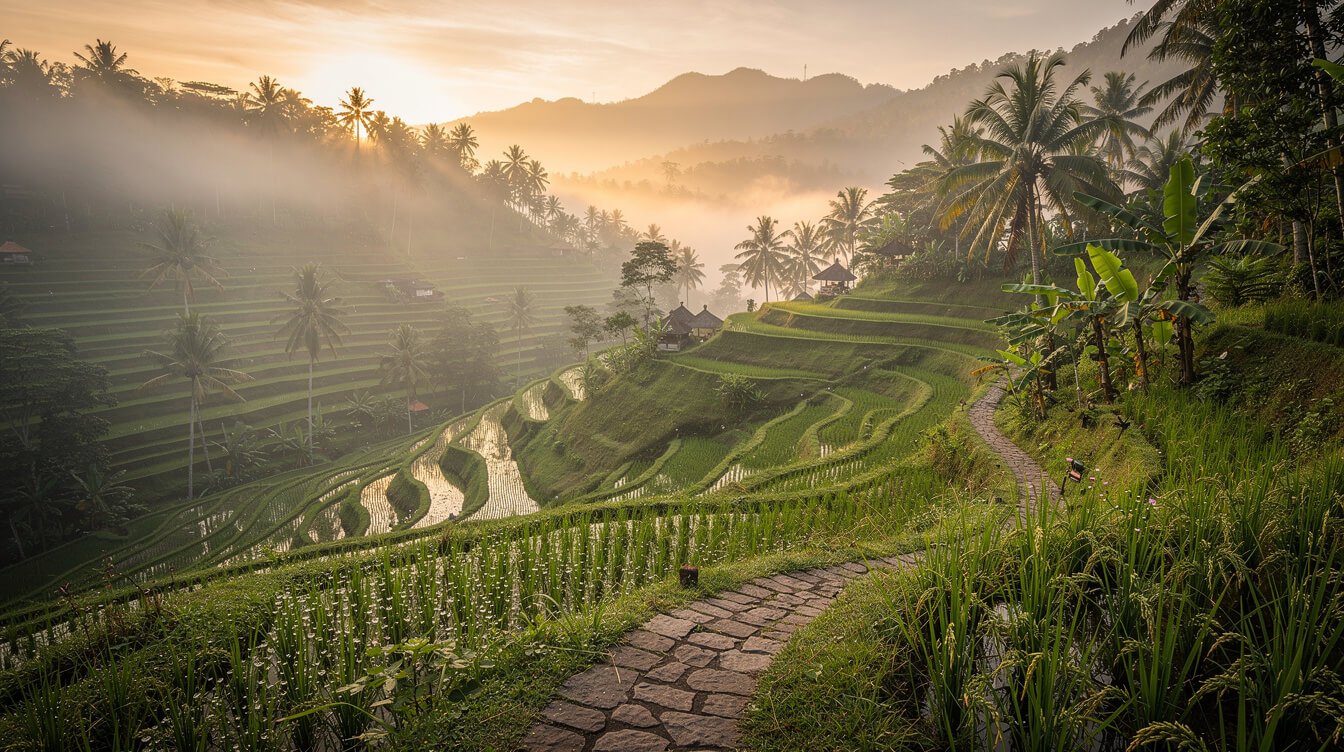
Get a Free 3-Day Sample Itinerary
Massage sessions, rice terrace walks, temple visits, and where to eat — three days of Ubud, planned for you.
Essential Oils and Ingredients in Balinese Massage Therapy
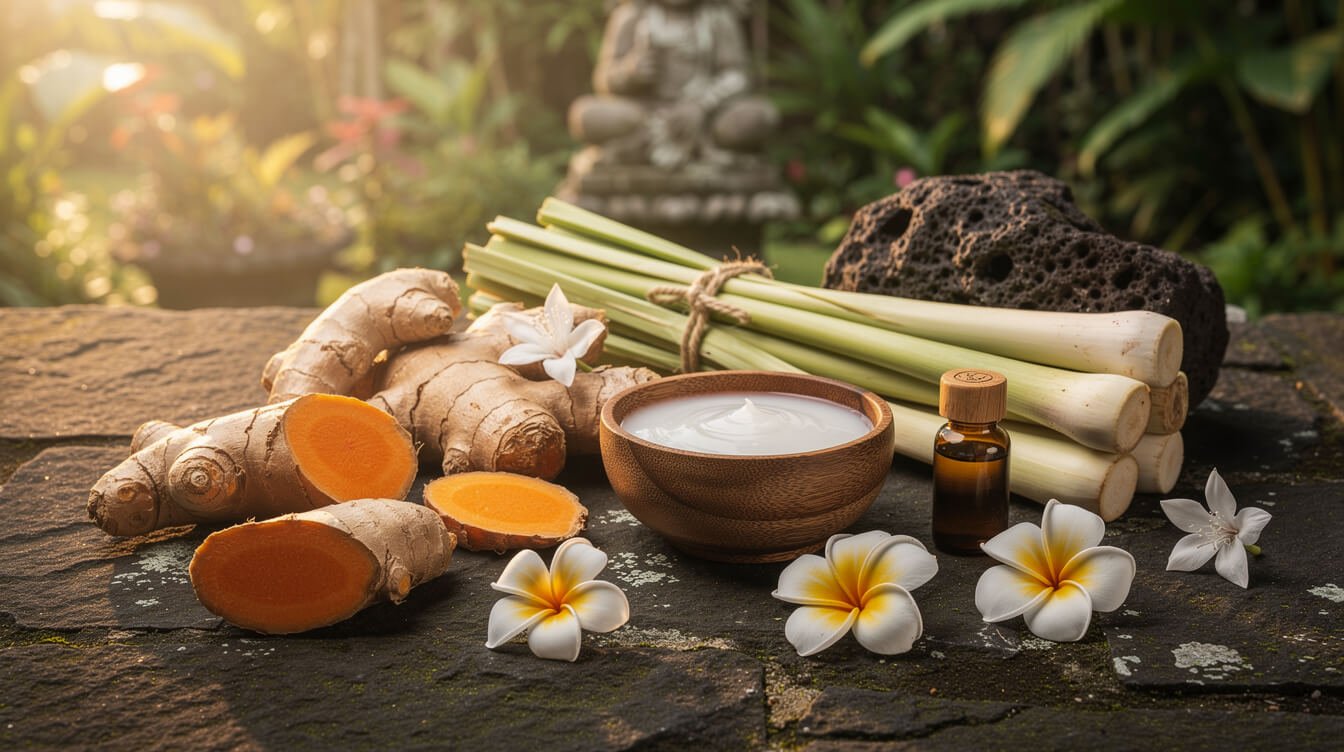
The oils are not decorative. In Balinese massage therapy, what goes onto your skin matters as much as the pressure and technique. Traditional practitioners use minyak kelapa — cold-pressed virgin coconut oil — as the base. It absorbs cleanly, nourishes tropical-climate skin, and carries the essential oil blends that define the experience.
The most common aromatherapy additions include:
- Frangipani — the signature Balinese scent. Sweet, floral, grounding. Associated with Balinese temple offerings and spiritual practice.
- Lemongrass — sharp and bright. Believed to stimulate circulation and clear mental fog. Traditional Balinese households burn lemongrass to ward off insects and negative energy alike.
- Jasmine — delicate, calming. Used for emotional release and to support deep relaxation. Often blended into evening treatments.
- Sandalwood — warm, woody, meditative. A staple in Balinese Hindu ceremonies. Used to ground and center.
- Ginger — warming and anti-inflammatory. Often blended into oils for treating muscle stiffness, especially popular during Bali’s cooler rainy season months.
- Turmeric — bright, earthy. A core Balinese healing ingredient (boreh paste). Anti-inflammatory properties used for joint soreness and skin health.
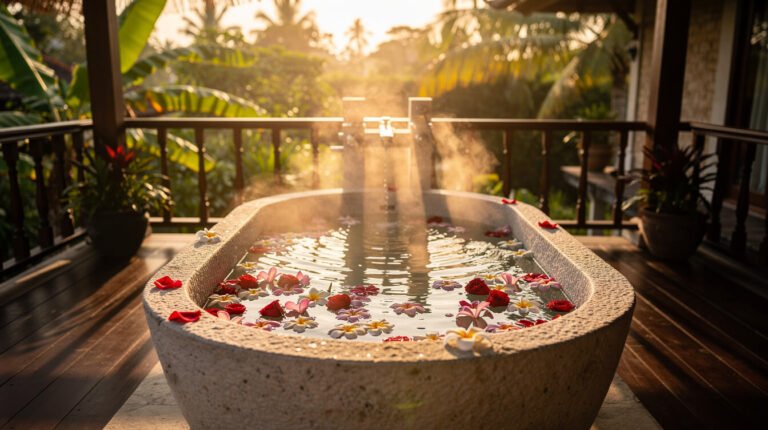
Some spa treatments extend beyond oils into traditional Balinese preparations. A boreh body scrub — a warm paste of ground rice, clove, ginger, and turmeric — might precede or follow your massage. Flower baths with frangipani and rose petals are another traditional complement, designed to cleanse both body and spirit after treatment.
For a broader look at authentic Balinese wellness traditions, our guide to traditional spas in Ubud covers the full range of treatments you will encounter during your stay.
Health Benefits of Balinese Massage Therapy
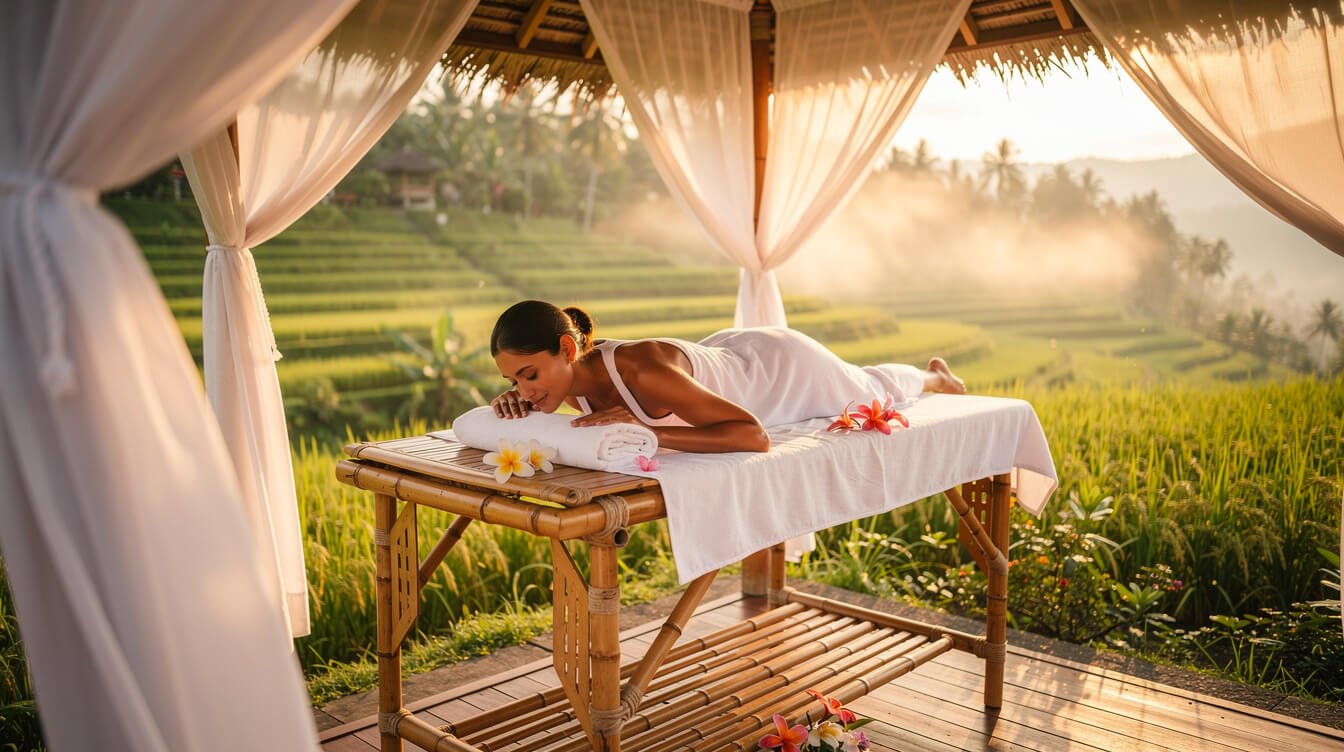
The benefits of Balinese massage therapy operate on multiple levels — physical, emotional, and neurological. This is not just anecdotal. Research published in the Journal of Bodywork and Movement Therapies and related fields supports what Balinese healers have practiced for centuries.
Physical Benefits
- Deep muscle tension release — the combination of kneading, acupressure, and stretching addresses both surface and deep-tissue tightness. Particularly effective for travel-stiff necks and lower back tension from long flights.
- Improved blood circulation — rhythmic stroking and pressure-point work stimulate blood flow, delivering more oxygen to fatigued muscles and speeding recovery.
- Lymphatic drainage — gentle techniques help move lymph fluid, reducing puffiness and supporting your body’s natural detoxification processes.
- Joint flexibility — the stretching elements, drawn from Thai and Ayurvedic traditions, gradually increase your range of motion over multiple sessions.
- Headache relief — acupressure points around the temples, forehead, and base of the skull directly target tension headaches and sinus pressure.
Emotional and Mental Benefits
- Stress and anxiety reduction — the combination of touch, scent, and rhythmic movement activates your parasympathetic nervous system, shifting you out of fight-or-flight mode. Most people feel a tangible emotional shift within the first 20 minutes.
- Better sleep quality — guests consistently report dramatically improved sleep after afternoon Balinese massage sessions. The relaxation response cascades into evening rest.
- Emotional release — it is not uncommon to feel waves of emotion during deep bodywork. Balinese practitioners view this as healthy — stored tension leaving the body as it should.
If you are planning a wellness-focused trip, combining Balinese massage therapy with other Ubud modalities — meditation retreats, yoga studios, or healing retreats — creates a layered experience that compounds benefits over the duration of your stay.
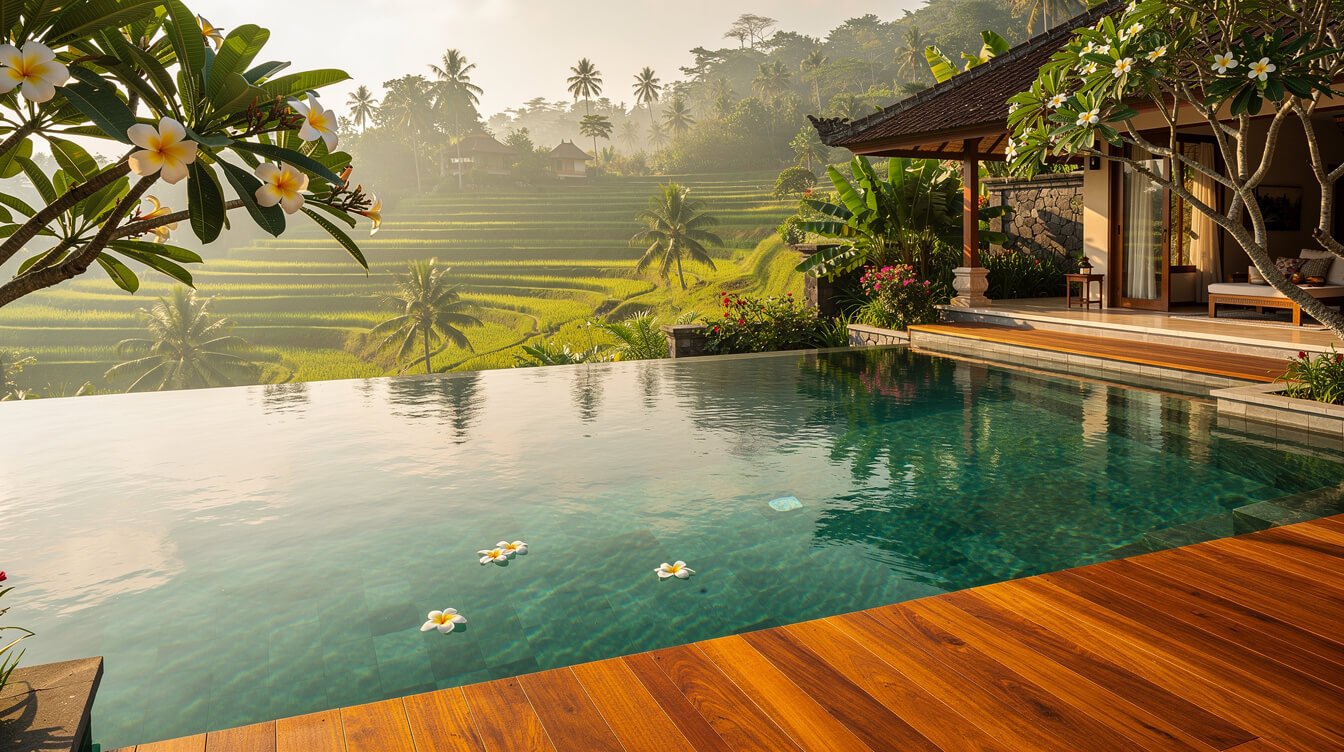
Book Your Ubud Villa Stay
Three bedrooms, private pool, full staff — your home in Ubud while you explore Bali’s healing traditions.
What to Expect During Your Balinese Massage Therapy Session
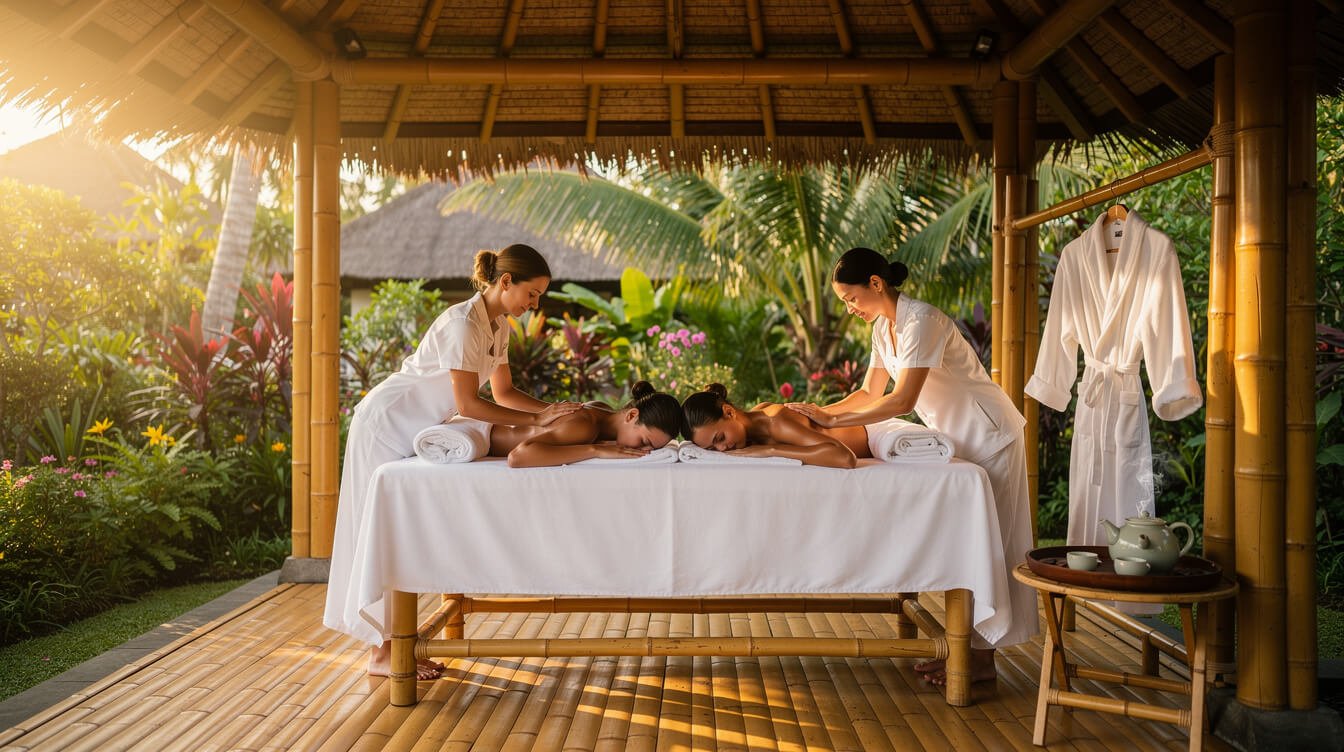
Knowing what happens step by step removes any first-timer uncertainty and helps you relax fully into the experience.
Before the Session
Most Ubud spas begin with a foot wash — warm water with flower petals, sometimes infused with lemongrass or ginger. This is both practical (you have been walking Ubud’s dusty paths) and symbolic — a threshold moment marking the transition from everyday activity to healing space. You will typically be offered a choice of essential oil blend: energizing, relaxing, or balancing.
During the Treatment
You will lie face-down first, draped in a cotton sarong. The therapist works systematically — back, shoulders, arms, legs — before asking you to turn over for the front of the body. Pressure is communicated simply: the therapist checks in, and you guide them. “Stronger” or “softer” is all you need.
Expect a range of sensations. Deep kneading across the trapezius muscles. Thumb-pressure along the spine’s energy meridians. Gentle stretching of shoulders and hips. Knuckle work along the soles of your feet. The transition between techniques is fluid — you will not feel jolted between methods. The practitioner reads your body’s response and adjusts throughout.
After the Session
Most treatments end with gentle head and face massage. You will be offered warm ginger tea — the Balinese tradition for settling the body after deep work — and a few quiet minutes to transition. Move slowly. Drink water. You will likely feel both deeply relaxed and surprisingly clear-headed. Schedule your massage for mid-afternoon if possible — it sets the tone for an evening of slow Ubud rhythms.
Couples looking for a shared experience will find that many Ubud spas offer side-by-side treatments. For more ideas on experiencing Ubud together, see our guide to romantic things to do in Ubud.
Types of Balinese Massage Treatments You Will Encounter
Beyond the classic full-body Balinese massage, Ubud spas offer several specialized variations rooted in the same tradition:
- Balinese Boreh Treatment — a warming body mask of ground rice, clove, ginger, and turmeric applied after massage. Originally a village remedy for cold-weather stiffness and fever, it produces deep warmth in the muscles and leaves your skin remarkably smooth.
- Balinese Hot Stone Massage — volcanic river stones heated and placed along energy meridians. The sustained warmth penetrates deeper than hands alone, and the stones’ mineral composition is believed to draw out toxins. Particularly effective for chronic lower back tension.
- Balinese Cream Bath — a scalp and hair treatment using avocado, aloe vera, or coconut cream massage. Though focused on the head, the acupressure technique across the scalp triggers full-body relaxation. Many visitors find it the unexpected highlight of their spa experience.
- Four-Hands Balinese Massage — two practitioners working in synchronized tandem. The sensation of symmetrical pressure on both sides of your body simultaneously creates a uniquely immersive state of relaxation that a single therapist cannot replicate.
Balinese Massage Therapy vs Other Massage Styles
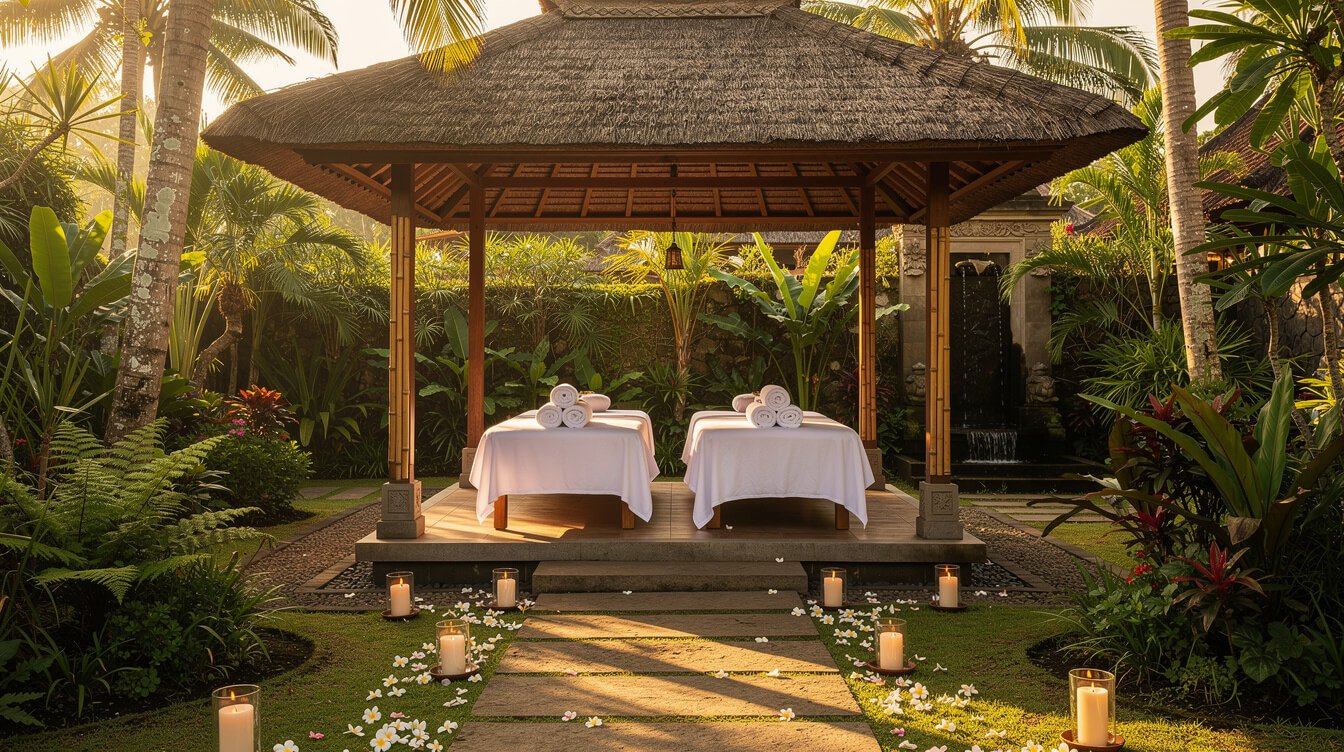
Understanding how Balinese massage therapy compares to other styles helps you choose the right treatment for your body and your goals.
| Feature | Balinese Massage | Swedish Massage | Thai Massage | Deep Tissue |
|---|---|---|---|---|
| Primary technique | Multi-method blend | Long gliding strokes | Stretching + compression | Slow, firm pressure |
| Oil used | Yes — essential oil blends | Yes — neutral oils | No oil (clothed) | Minimal oil |
| Pressure range | Light to deep | Light to moderate | Moderate to deep | Deep |
| Spiritual element | Yes — energy work, intention | No | Buddhist origins | No |
| Aromatherapy | Central to the experience | Optional | Not typical | Not typical |
| Stretching | Gentle, integrated | Minimal | Extensive | None |
| Best for | Full-body relaxation + healing | General relaxation | Flexibility, energy | Chronic muscle pain |
The key difference: Balinese massage therapy does not ask you to choose between relaxation and therapeutic depth. It gives you both in the same session, guided by a practitioner reading your body in real time. Swedish feels lighter. Thai feels more athletic. Deep tissue feels more clinical. Balinese feels like all three traditions had a conversation and agreed on the best parts.
Frequently Asked Questions About Balinese Massage Therapy
Is Balinese massage painful?
Not in the way deep tissue work can be. Balinese massage therapy uses a range of pressure, and the therapist adjusts continuously. You may feel moments of intensity on tight areas — upper back knots, hip flexors, calves — but the transitions between deep pressure and lighter strokes keep the experience from becoming uncomfortable. If something feels too strong, simply say so. Balinese practitioners are attentive and responsive.
How much does a Balinese massage cost in Ubud?
Ubud offers an extraordinary range. A 60-minute treatment at a village spa might run 150,000-250,000 IDR (roughly $9-16 USD). A premium spa experience at an established wellness center runs 500,000-1,200,000 IDR ($32-77 USD). Resort and destination spas charge more. The quality difference often comes down to the individual practitioner’s training and experience rather than the venue’s price point.
How often should I get a Balinese massage during my stay?
For a wellness-focused trip, every other day is ideal — it gives your body time to integrate each session. For a general vacation, two to three treatments across a week-long stay creates a meaningful arc. Many guests at Villa Amrita schedule a massage on arrival day to unwind from travel, one mid-stay, and one on their final full day.
Can I get a Balinese massage if I am pregnant?
Yes, with modifications. Many Ubud therapists are experienced in prenatal massage. Always inform your practitioner, and choose a spa that explicitly offers prenatal services. Side-lying positions and lighter abdominal pressure are standard adaptations. Avoid massage during the first trimester and consult your healthcare provider if you have any concerns.
What should I wear during a Balinese massage?
Most spas provide disposable undergarments or you can wear your own. You will be covered with a cotton sarong throughout the session, with only the area being worked on exposed. Modesty is deeply respected in Balinese culture, and practitioners are trained to drape properly.
Making Balinese Massage Therapy Part of Your Ubud Stay
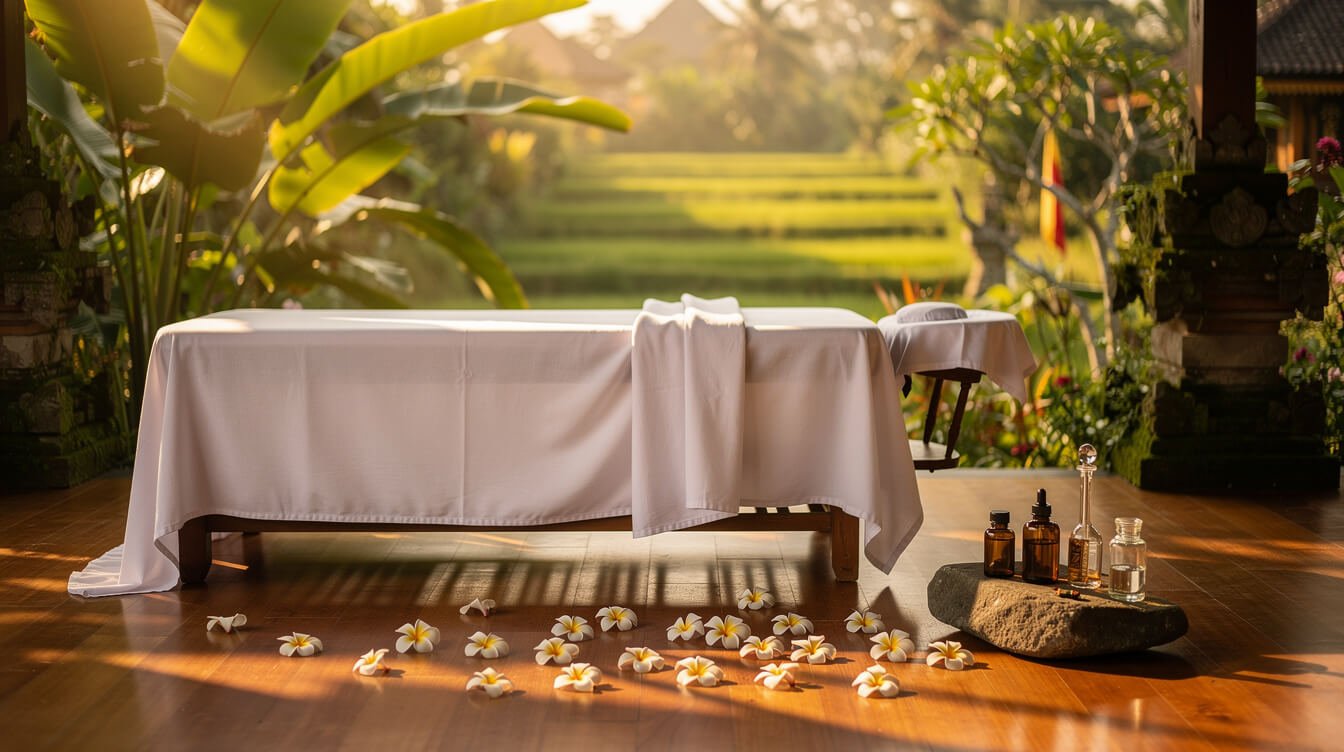
The ideal setting for balinese massage therapy is not a sterile clinical room — it is an open-air pavilion where you can hear birds and feel the breeze from the rice fields while warm hands work along your spine. That is what Ubud offers that no imported spa franchise anywhere else can replicate: the authentic context.
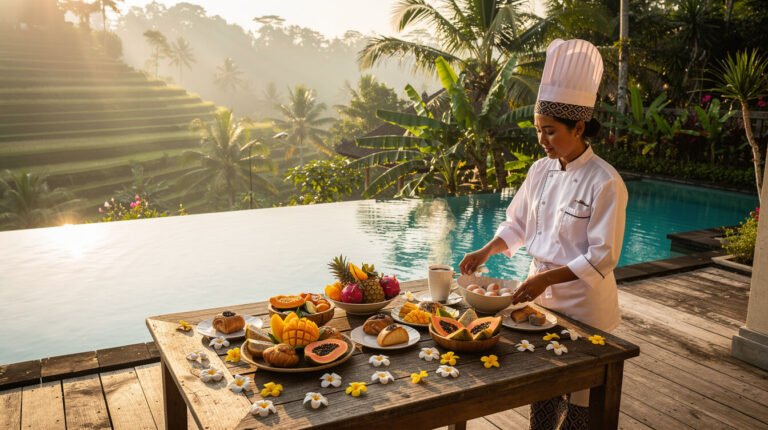
At Villa Amrita, our team can arrange in-villa massage sessions with trusted local practitioners — the same hands-on quality as the best Ubud spas, but in the privacy of your own garden pavilion. Wake up, walk to the pool deck, have breakfast prepared by your chef, then settle into a massage session while morning light filters through the tropical canopy. It is the kind of morning that changes how you think about mornings.
Whether you book through a dedicated spa, arrange a village practitioner, or have your private villa team set it up for you, make Balinese massage therapy a non-negotiable part of your Ubud itinerary. You will arrive thinking it is a nice add-on. You will leave understanding it is the point.
For a complete wellness-focused trip plan, explore our Bali spa and wellness retreat guide — it connects all the modalities Ubud has to offer into a single, considered experience.

Join Our Newsletter
Fun, new, exciting Bali news — Ubud wellness tips, travel planning insights, and quiet inspiration from the rice fields. Delivered to your inbox.