Things to Do in Ubud Bali: Your Complete Insider Guide to the Real Ubud
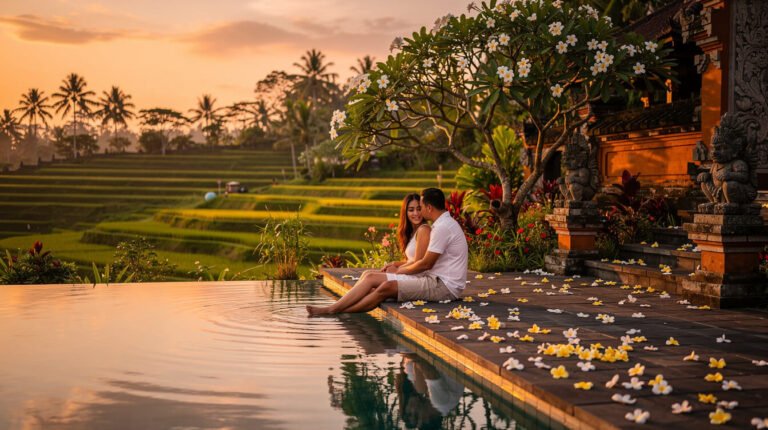
When you arrive in Ubud, the first thing you notice isn’t what you see — it’s what you hear. Roosters at dawn. The tap of a gardener’s machete against a palm frond. A gamelan rehearsal drifting across the valley. The things to do in Ubud Bali aren’t just a list of attractions to tick off. They’re rhythms to step into. Morning market runs, afternoon temple visits, evening walks along rice paddies lit golden by the setting sun.
This guide is different from the standard listicle. It’s written from the perspective of someone who lives here — who knows which waterfall is worth the descent, which temple ceremony you can respectfully observe, and where to find coffee that was roasted this morning. Whether you have three days or three weeks, these are the experiences that make Ubud feel like yours.
Sacred Temples and Spiritual Encounters in Ubud
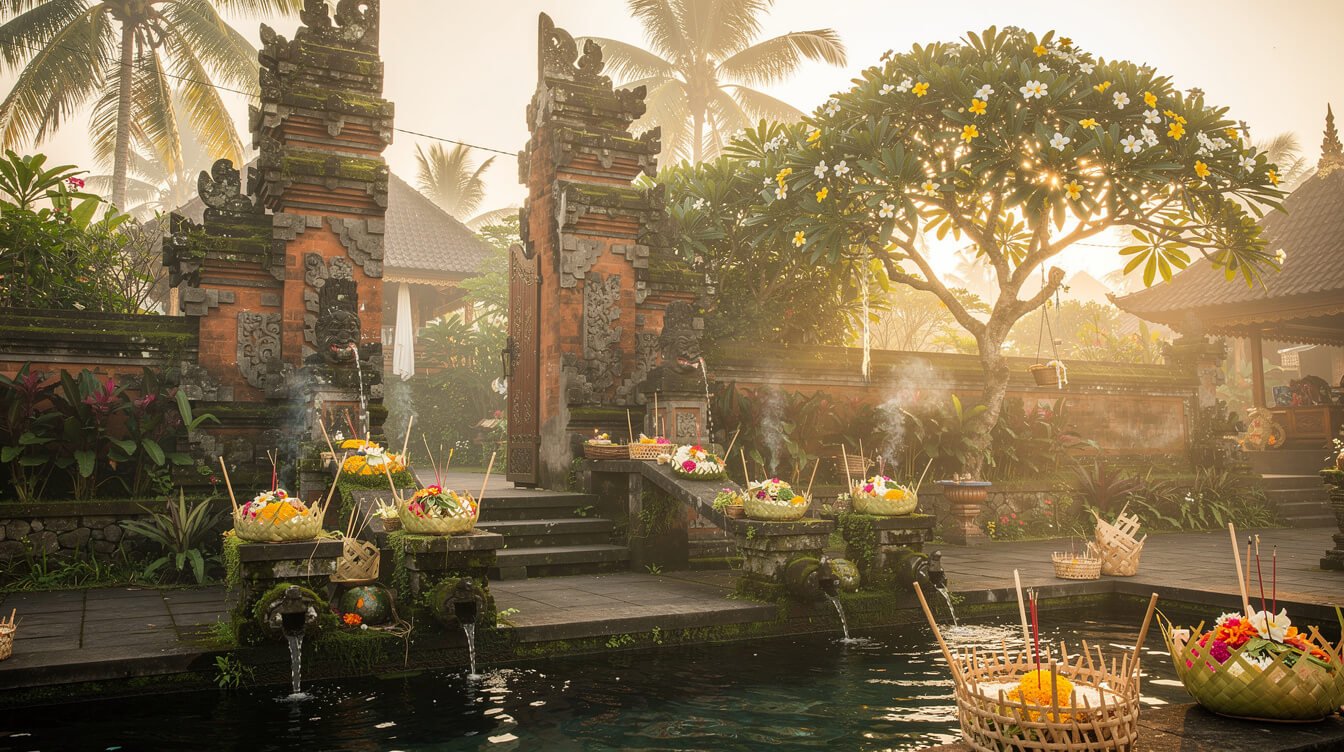
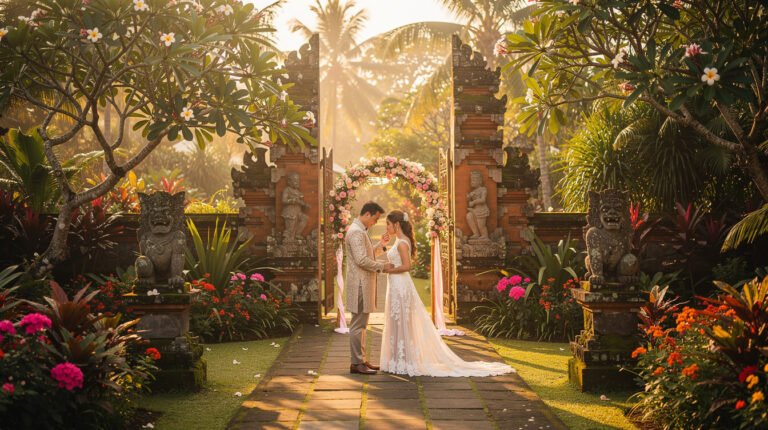
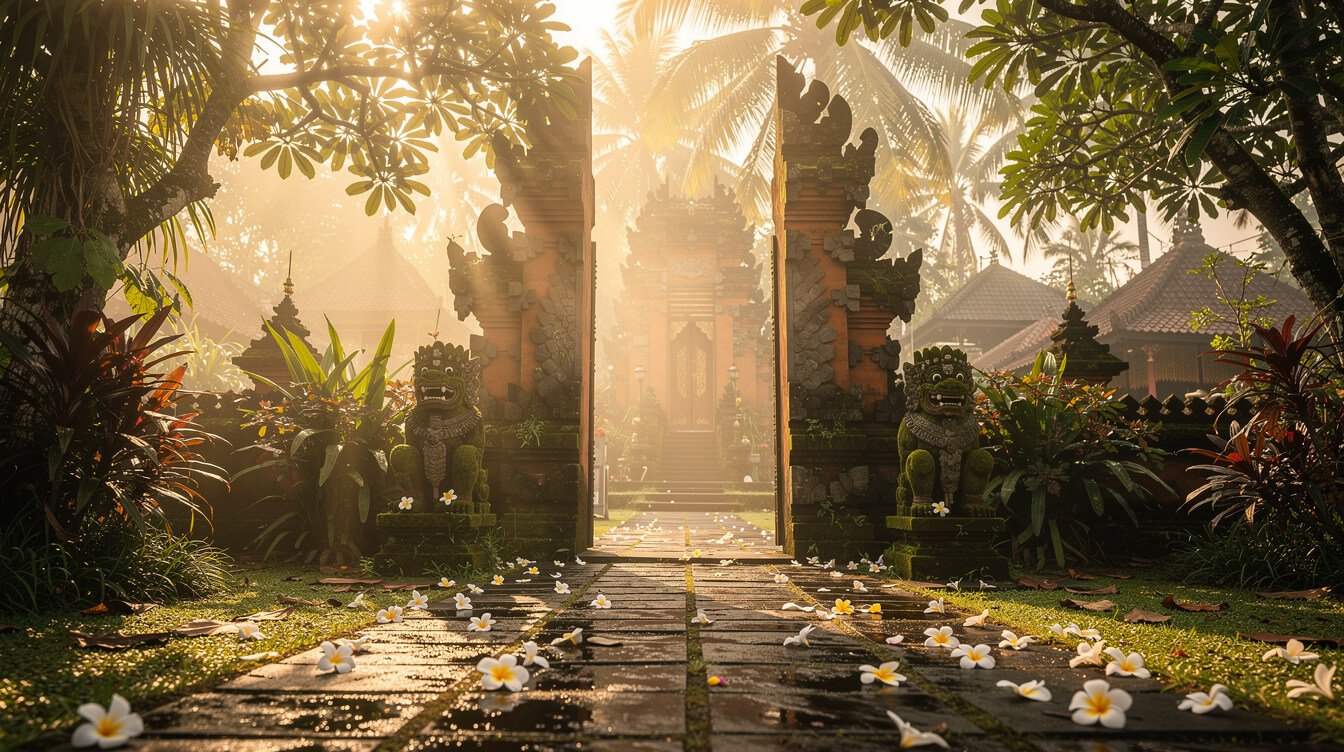
Ubud sits at the spiritual heart of Bali. You’ll find temples around every corner — literally. Each village compound has its own, and ceremony days fill the streets with processions in white and gold. The difference here isn’t just history on display. It’s religion still alive, still practiced daily.
Tirta Empul — The Holy Spring Temple
Twenty minutes north of central Ubud, Tirta Empul is where Balinese Hindus come for ritual purification. You can participate — standing beneath the cold spring water spouts, one by one, as locals do. Wear a sarong (provided at the entrance), arrive before 9 AM to beat the tour buses, and approach with genuine respect. This isn’t a photo opportunity. It’s someone’s church.
Goa Gajah — The Elephant Cave
Older than most European cathedrals, Goa Gajah dates to the 9th century. The carved entrance is dramatic — a demon’s mouth you step through into a small meditation cave. The real beauty is the bathing pools below, where stone water-nymphs still pour spring water into ancient basins. Early morning visits mean you’ll have the site nearly to yourself.
Village Temple Ceremonies
The most extraordinary temple experiences in Ubud aren’t at ticketed sites. They’re the village ceremonies — odalan celebrations that happen on a 210-day Balinese calendar. If you hear gamelan music drifting across the valley, follow it. Balinese communities are generally welcoming of respectful visitors. Ask your villa team — they’ll know what’s happening this week and how to dress appropriately.
Rice Terraces and Nature Walks
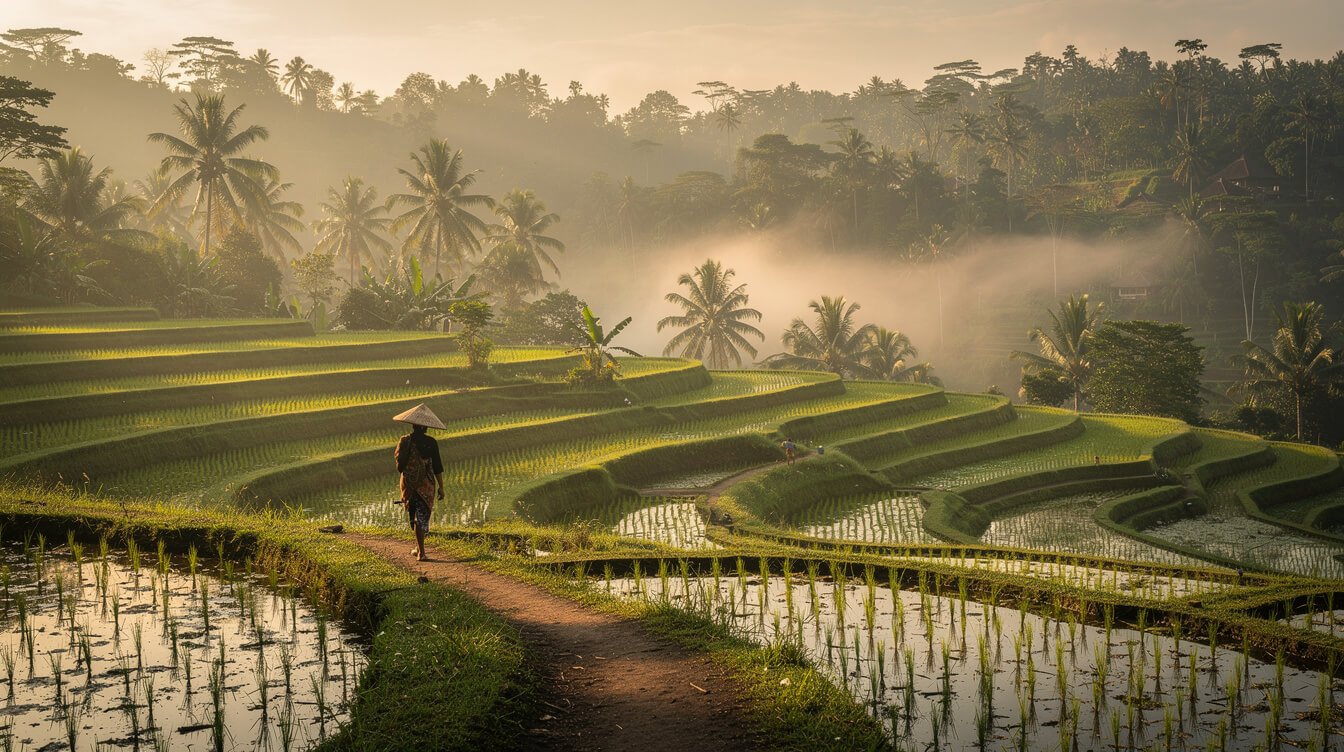
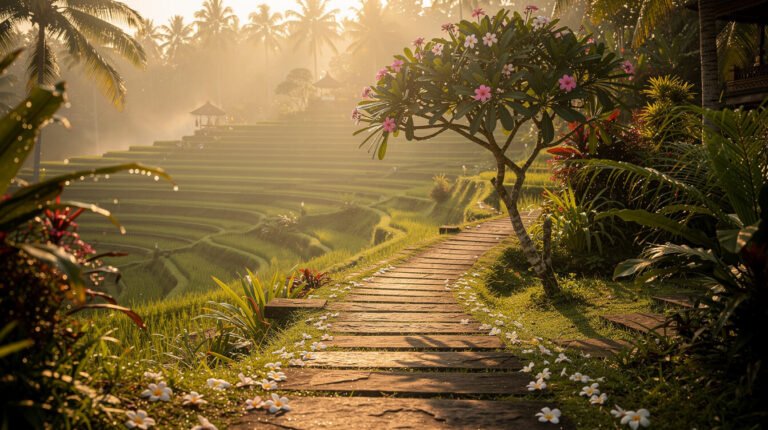
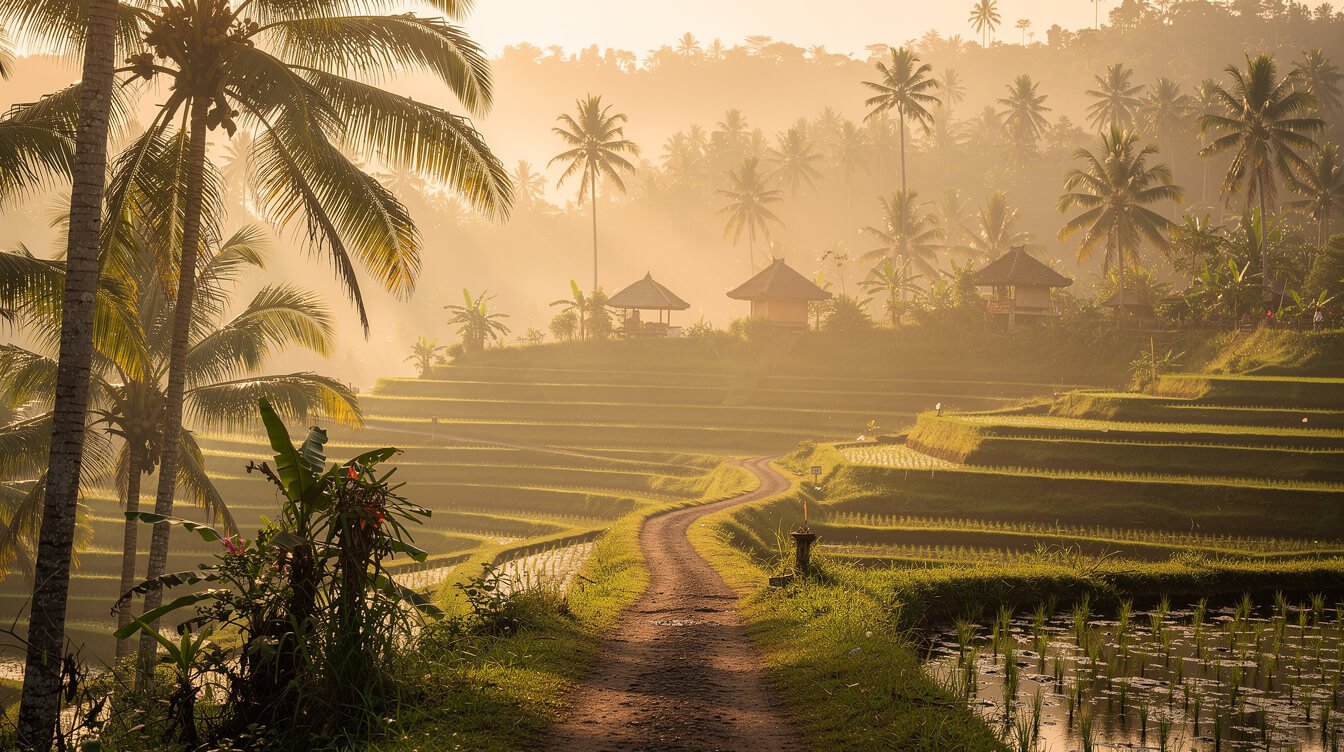
The terraced rice paddies are Ubud’s most photographed landscape — but walking through them is an entirely different experience from viewing them from a cafe. The air changes. It smells like wet earth and growing things. Your feet find a rhythm on the narrow paths between paddies.
Tegallalang Rice Terrace
The most famous, and for good reason. The cascading terraces at Tegallalang are genuinely breathtaking at sunrise, before the midday crowds arrive. Walk the full loop rather than just the viewing platforms — the deeper you go, the quieter it gets. Allow 90 minutes to do it properly.
Campuhan Ridge Walk
The Campuhan Ridge Walk is Ubud’s signature morning stroll. A paved path runs along a narrow ridge between two river valleys, with tall grass swaying on both sides. Start at dawn — by 7 AM the light is golden and the air is still cool. It’s 2 km there and back, flat and easy, and ends near Karsa Kafe where the coffee is strong and the view is long.
Lesser-Known Walks: Penestanan and Sayan
For something quieter, take the stone steps down from Penestanan into the Sayan rice valley. No tourists, no cafes on stilts — just working paddies, irrigation channels, and the occasional farmer carrying freshly cut grass on his head. Your villa staff can point you to the trailhead. These paths aren’t on Google Maps, and that’s the point.
Waterfalls Worth the Walk
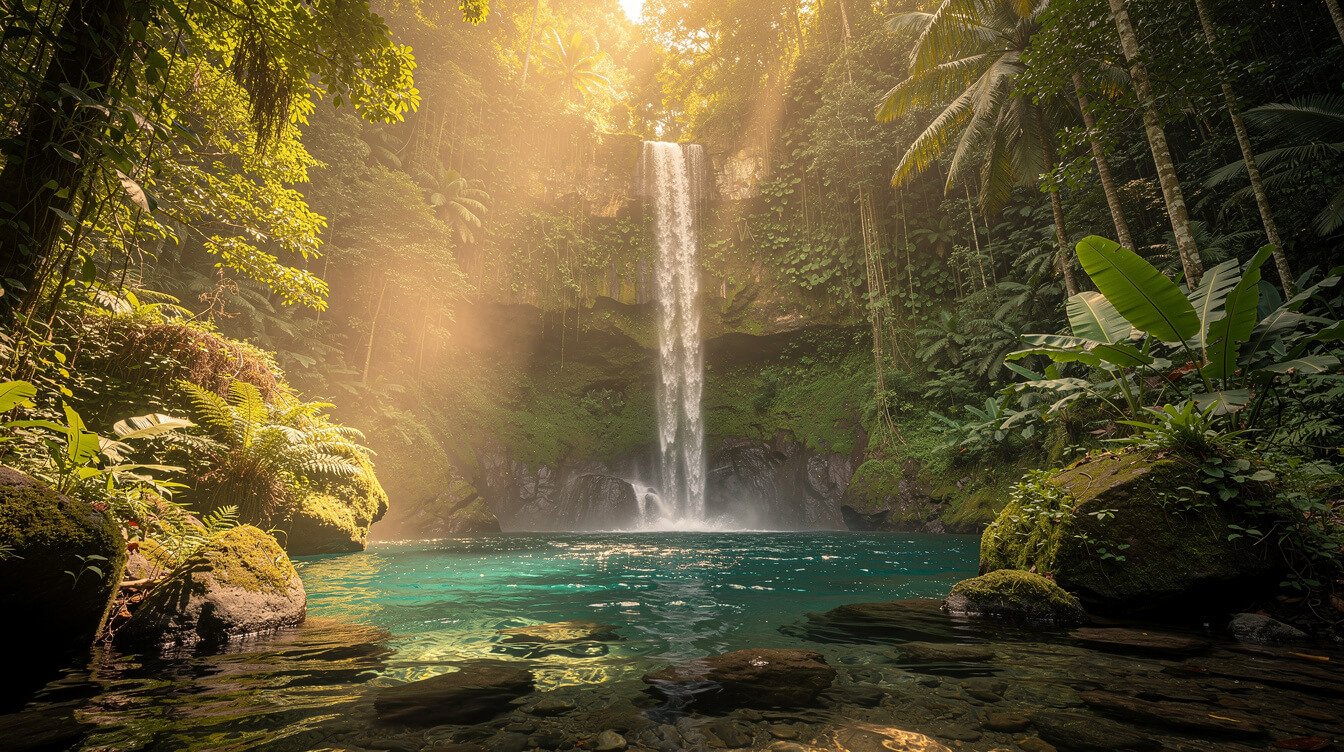
Bali’s interior is carved by rivers dropping off volcanic ridges, which means waterfalls are everywhere around Ubud. Some are major attractions. Others you’ll have to yourself. All require some stairs — sometimes hundreds of them. Bring water shoes and a towel.
Tegenungan Waterfall
The closest major waterfall to central Ubud (about 20 minutes south). Wide, powerful, and absolutely swimmable. The pool at the base is deep and cool. Visit before 10 AM or after 3 PM to avoid peak crowds. There’s a good warung at the bottom serving nasi goreng and cold Bintang.
Kanto Lampo
A hidden cascade where water fans across a wide rock face — perfect for photos, but also genuinely beautiful to sit beneath. The descent is short (five minutes of stairs), and the pool is shallow enough for less confident swimmers. Mornings are magical here when the light hits the spray.
Tibumana Waterfall
A 15-minute walk through jungle brings you to a tall, narrow waterfall pouring into a turquoise pool surrounded by hanging vines. Less crowded than Tegenungan, more accessible than the distant Sekumpul falls up north. Bring your own snacks — there’s nothing at the bottom except the sound of water.
Get a Free 3-Day Sample Itinerary
Temples at golden hour, quiet rice walks, the waterfall nobody knows about — we’ve mapped three perfect days in Ubud for you.
Art Markets, Artisans, and Creative Workshops
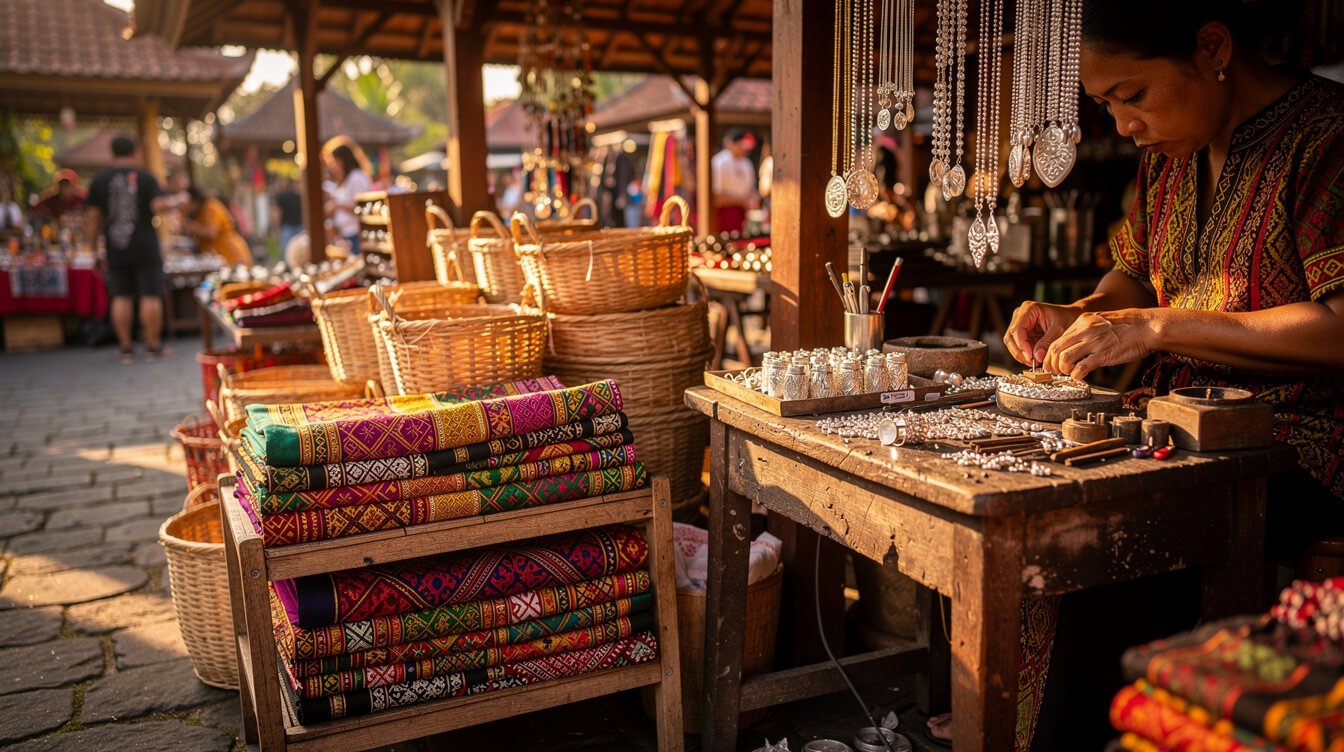
Ubud earned its reputation as Bali’s creative capital. Painting, woodcarving, silverwork, batik — entire villages specialize in a single craft. The commercial art market in central Ubud is worth a visit, but the real discoveries happen in the workshops and studios scattered through the surrounding villages.
Ubud Art Market (Pasar Seni)
Open daily from early morning. The ground floor is mostly mass-produced souvenirs, but the upper levels and back stalls hold genuinely handmade pieces — batik sarongs, woven baskets, carved wooden masks. Bargaining is expected. Start at roughly 60% of the asking price and meet somewhere in the middle with a smile.
Silver Jewelry Workshops
The village of Celuk (20 minutes south) has been producing silver jewelry for generations. Several workshops offer half-day classes where you design and forge your own ring or pendant. Silver jewelry classes near Ubud are a genuine hands-on experience — you’ll leave with something you made yourself in a master craftsman’s studio.
Painting Studios and Galleries
The Neka Art Museum and ARMA (Agung Rai Museum of Art) give excellent context for Balinese art traditions — from classical Kamasan-style paintings to the Young Artists movement of the 1960s. For contemporary work, walk Jalan Hanoman and duck into the small galleries between the cafes. Prices range from $20 for a student piece to several thousand for established artists.
Batik and Textile Workshops
Hands-on batik classes let you learn the wax-resist dyeing technique that’s been practiced in Indonesia for centuries. In a half-day session, you’ll sketch your design, apply hot wax with a canting tool, dye the fabric, and take home a finished piece of wearable art. Several studios in and around Ubud offer this — ask for recommendations at your accommodation. The process is meditative, the results are unique, and it’s one of those things to do in Ubud Bali that you won’t find on most tourist itineraries.
Food, Coffee, and Cooking with a Private Chef
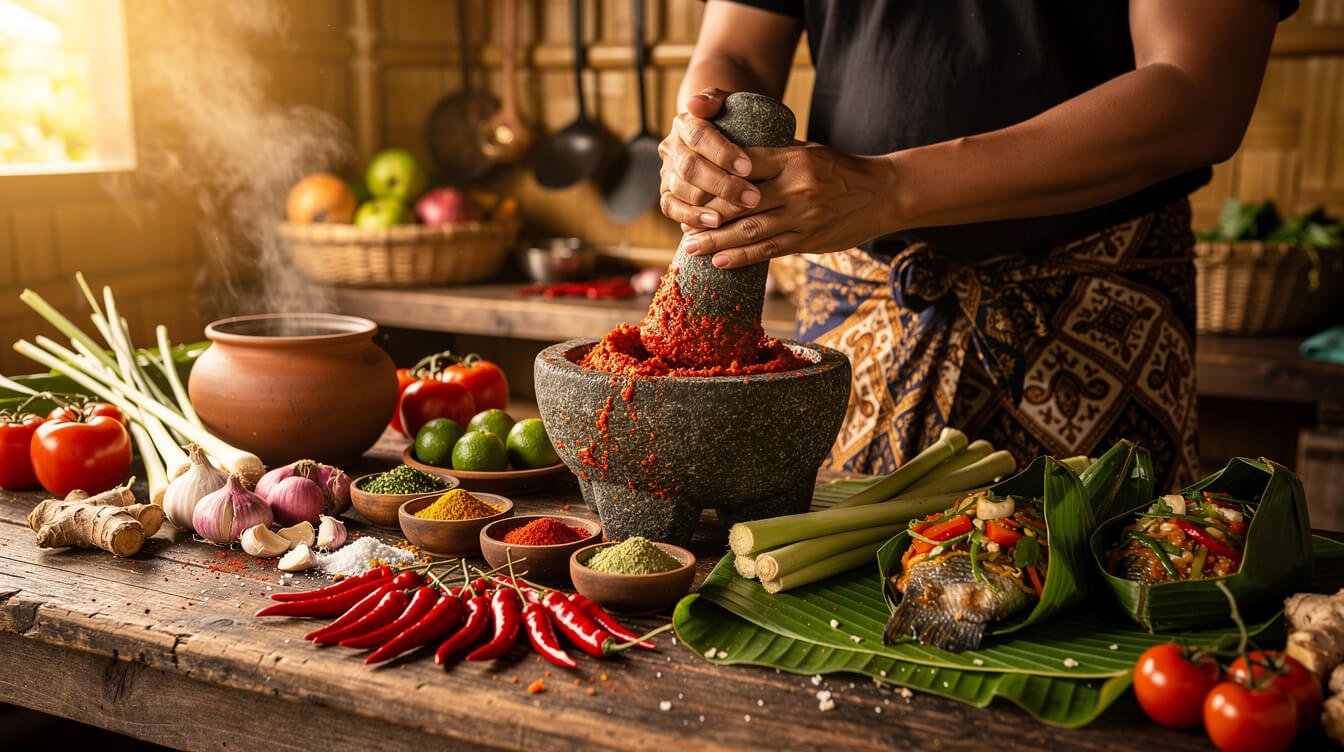
The food scene in Ubud has evolved far beyond nasi goreng (though a good nasi goreng at a local warung is still one of life’s genuine pleasures). You’ll find Indonesian fine dining, raw vegan cafes, wood-fired pizza, and traditional Balinese lawar — all within walking distance.
Morning Market Food
The Ubud Traditional Market (different from the Art Market) opens before dawn. This is where local cooks buy their ingredients — huge bundles of morning glory, pyramids of chili, banana-leaf packets of jaje (Balinese rice cakes). Walk through by 6 AM and you’ll see the real economy of Ubud at work.
Coffee Culture
Bali grows its own coffee in the volcanic highlands north of Ubud. Visit a coffee plantation (Satria and Bali Pulina are popular but genuine) for the full bean-to-cup experience, including Luwak coffee if you’re curious. Back in town, Seniman Coffee Studio roasts single-origin Bali beans — their pour-over is the best in Ubud, no contest.
Cooking Classes and Private Chef Experiences
A Balinese cooking class is one of the most rewarding things to do in Ubud Bali. Most begin at the morning market, selecting ingredients, then move to an outdoor kitchen to prepare 8-10 dishes. For something more intimate, a private chef experience at your villa means personalized menus, no classroom setting, and dinner served on your own terrace overlooking the garden.
Yoga, Wellness, and Healing Experiences
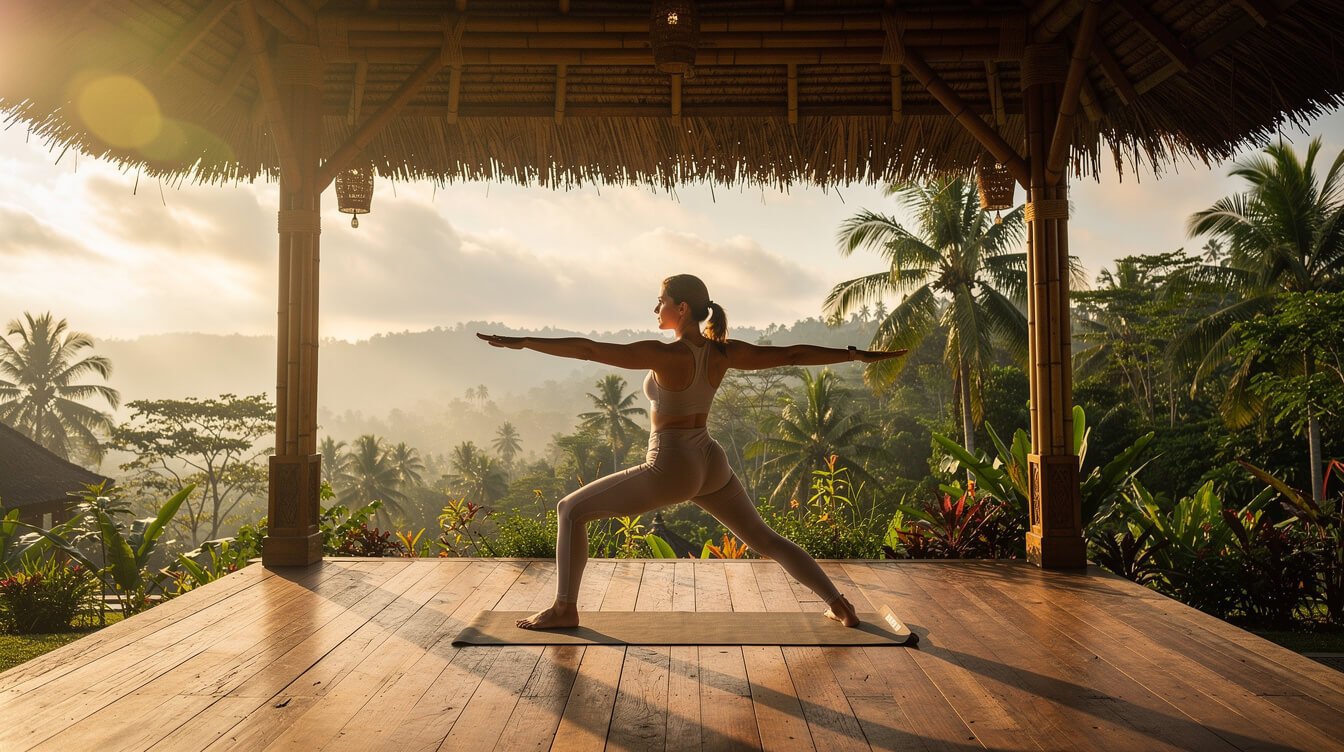
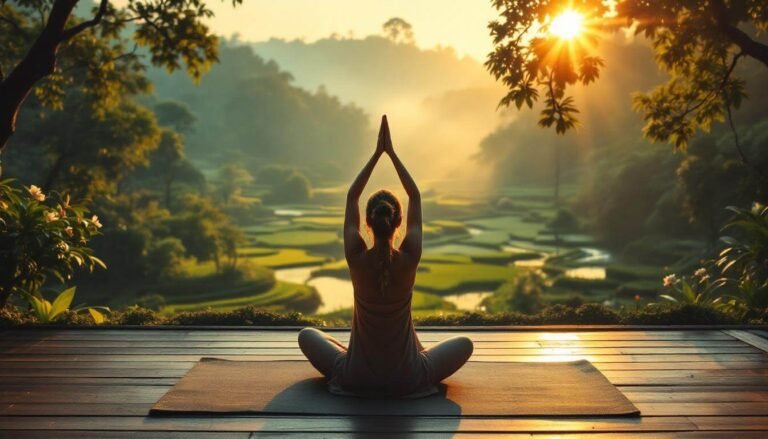
Ubud has been a wellness destination since the 1970s, long before Instagram made it fashionable. The concentration of yoga studios, healers, sound-bath practitioners, and spa therapists here is unlike anywhere else in Southeast Asia. Whether you’re a daily practitioner or yoga-curious, there’s a class for you.
Yoga Studios
The Yoga Barn is the anchor — a multi-studio campus offering 15+ classes daily, from gentle yin to powerful vinyasa. Radiantly Alive on Jalan Jembawan has smaller classes with excellent teachers. Intuitive Flow in Penestanan attracts serious practitioners. Drop-in classes range from 130,000-180,000 IDR (about $8-12). For a deeper exploration, read our complete guide to yoga retreats in Bali.
Spa and Bodywork
Balinese massage is a tradition, not a trend. A 90-minute treatment at a mid-range spa runs about $30-50 — extraordinary value for deep, skilled bodywork. The best spas near Ubud range from open-air riverside settings to sleek modern wellness centers. For something special, book a traditional boreh treatment — a warming spice scrub used by Balinese farmers for centuries.
Traditional Healers (Balian)
Ubud’s traditional healers (balian) practice a form of spiritual and energy healing that predates modern wellness by centuries. This isn’t “Eat Pray Love” tourism — a genuine balian session involves prayer, herbal remedies, and direct communication with the spirit world. Ask locally for recommendations. The tourist-facing “healers” on Jalan Raya are generally not the real thing.
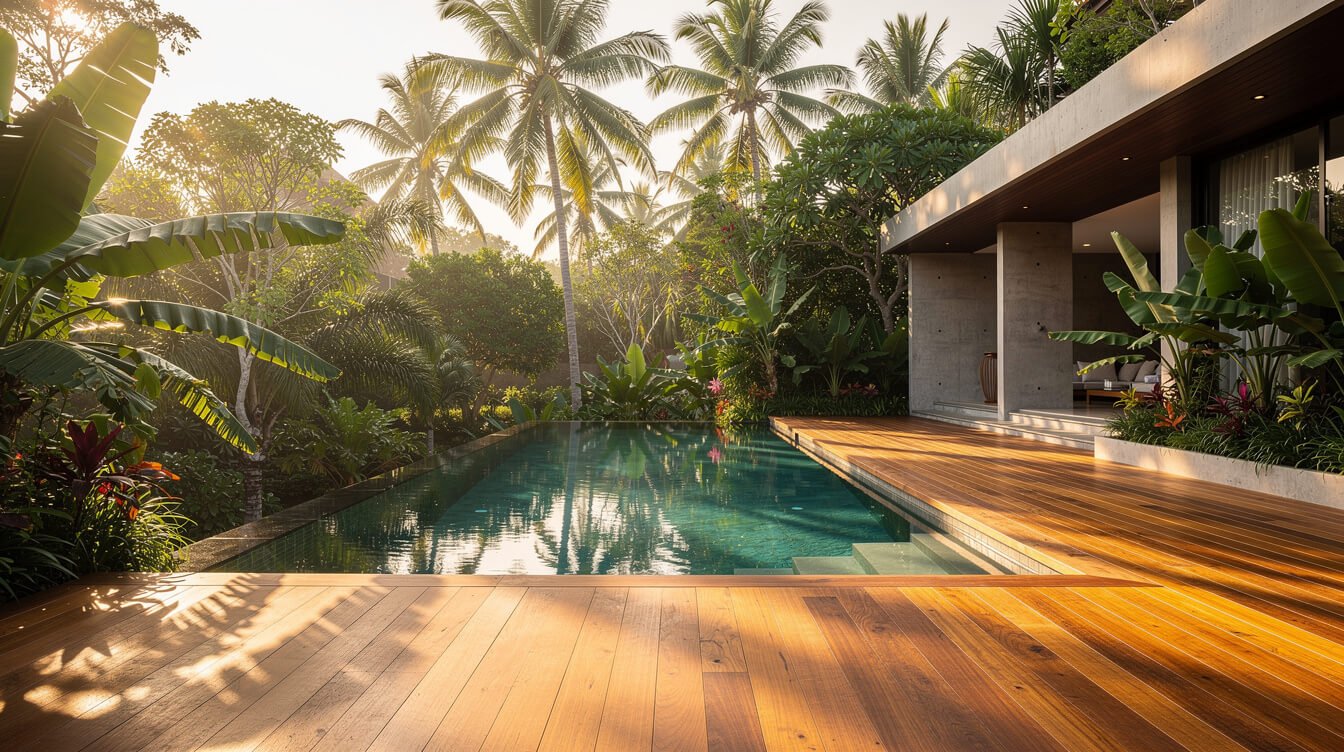
Your Base for All of This
Three bedrooms. Private pool. A chef, a gardener, and a manager who know Ubud like home — because it is. Everything in this guide is within 30 minutes of the villa.
Adventure Activities and Day Trips from Ubud

Ubud isn’t only about quiet contemplation. The surrounding rivers, volcanoes, and coastline offer genuine adventure for those who want to move.
White Water Rafting on the Ayung River
The Ayung River runs through a deep jungle gorge just minutes from central Ubud. Rafting trips are Class II-III — exciting enough to get your heart rate up, safe enough for families with kids over 7. The scenery is the real draw: 50-foot cliff walls draped in ferns, hidden waterfalls pouring in from the sides, and occasional rice terraces perched impossibly above.
Sunrise Trek to Mount Batur
A sunrise trek near Ubud means a 2 AM pickup and a two-hour hike up an active volcano in the dark. The payoff: watching the sun rise above the clouds from 1,700 meters, with Lake Batur shimmering below. The descent takes you through black lava fields. Your legs will know about it the next day — but it’s unforgettable.
Cycling Tours Through the Villages
Guided cycling tours typically start from the highlands near Kintamani and coast downhill through traditional villages, stopping at family compounds, coffee plantations, and rice fields along the way. It’s one of the best ways to cover distance and see rural Bali without being sealed inside a car. Most tours include a traditional lunch at a family home — which is often the most memorable part of the entire day.
Canyoning and Jungle Trekking
For genuine adventure, half-day canyoning trips take you rappelling down waterfalls, sliding through natural rock chutes, and jumping into deep pools in river gorges few tourists ever see. Operators provide all equipment and guide you through the technical descents. It’s exhilarating without being reckless — but you will get wet. Jungle trekking options range from gentle nature walks to full-day treks through remote valleys where you’ll see wild monkeys, massive banyan trees, and river crossings on bamboo bridges.
Beach Day Trips
Ubud is an hour from the coast, and some of Bali’s best beaches are accessible as day trips. Day trips to Bali beaches from Ubud can include the white sand of Padang Padang, the surf breaks of Uluwatu, or the black sand of Keramas for sunset.
Planning Your Ubud Stay — How Long, When to Visit, Where to Base Yourself
Here are the practical questions every visitor asks — answered honestly.
How Many Days Do You Need in Ubud?
A minimum of three full days lets you experience temples, rice terraces, and one adventure activity without rushing. Five days is the sweet spot — enough time to slow down, repeat the walks you loved, and discover your own rhythms. A week or more, and Ubud stops feeling like a destination and starts feeling like temporary home.
When Is the Best Time to Visit?
April through October is dry season — the most comfortable months with clear skies and lower humidity. But Ubud in rainy season (November-March) has its own magic: fewer tourists, greener landscapes, and dramatic afternoon storms that clear as fast as they arrive. Read our complete guide to the best time to visit Ubud for month-by-month detail.
Where Should You Stay?
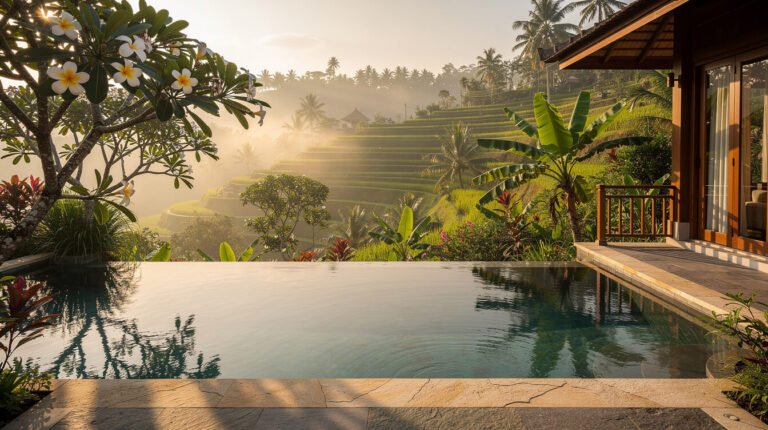
Central Ubud (Jalan Raya, Monkey Forest area) puts you walking distance to restaurants and shops but can feel busy. Penestanan and Sayan offer rice-field views and quiet, with a 10-minute scooter ride to the center. For the full immersion — private pool, personal staff, tropical garden, and genuine peace — a staffed villa gives you a home base where someone else handles the logistics while you focus on the experience.
Getting Around
Rent a scooter if you’re confident on two wheels (35,000-75,000 IDR/day). Otherwise, hire a driver for full-day excursions (600,000-800,000 IDR/day including fuel). Grab and Gojek work in Ubud for shorter trips. For walking, central Ubud is surprisingly compact — most restaurants and shops are within 15 minutes on foot.
What to Pack for Ubud
Light, breathable clothing that covers your shoulders and knees for temple visits. A sarong (or buy one in the Art Market on day one). Comfortable walking shoes for rice terrace paths and waterfall descents. Insect repellent for evenings. A light rain jacket in any season — Ubud sits in the hills, and passing showers arrive without warning. Sunscreen is essential even on overcast days — the equatorial UV is fierce.
Money and Practical Tips
ATMs are plentiful in central Ubud (BCA and Mandiri give the best rates). Many restaurants and shops accept cards, but warungs, markets, and temple entrance fees are cash-only. Carry small bills — breaking a 100,000 IDR note at a roadside coconut stand is awkward for everyone. Tipping isn’t mandatory but 10-15% at restaurants is appreciated. For villa staff, a tip at the end of your stay is customary and deeply valued.
Ubud Stories, Straight to Your Inbox
New Bali finds, quiet restaurant tips, and seasonal village events — the kind of insider knowledge that makes a trip feel personal. No spam, just warmth from Ubud.