Yoga Retreat Bali: Your Complete Guide to Wellness in Ubud
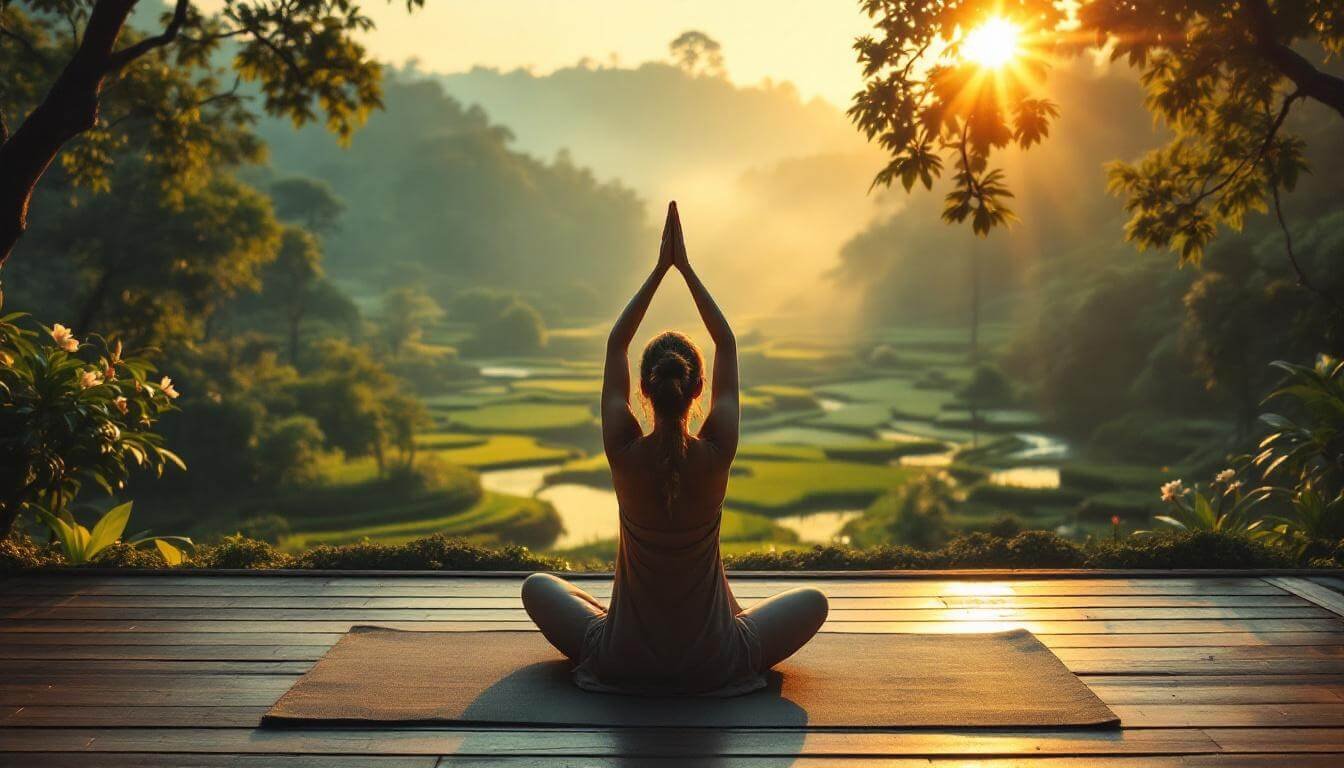
A yoga retreat in Bali changes you in ways you don’t expect. It’s not just the practice on the mat — it’s the warm morning air that greets you before your first sun salutation, the sound of a gamelan rehearsal drifting through rice terraces while you hold warrior pose, the way your body softens when every meal is cooked fresh by someone who genuinely cares about how you feel.
If you’re considering a yoga retreat in Bali, Ubud is where most practitioners end up — and for good reason. This cultural heart of the island has drawn yogis, healers, and seekers for decades. But with hundreds of options available, choosing the right retreat experience can feel overwhelming. This guide walks you through everything: the types of yoga retreats available, what daily life actually looks like, how to decide between a retreat center and a private villa experience, and practical tips that most guides skip entirely.
Why Ubud Is the Yoga Capital of Bali
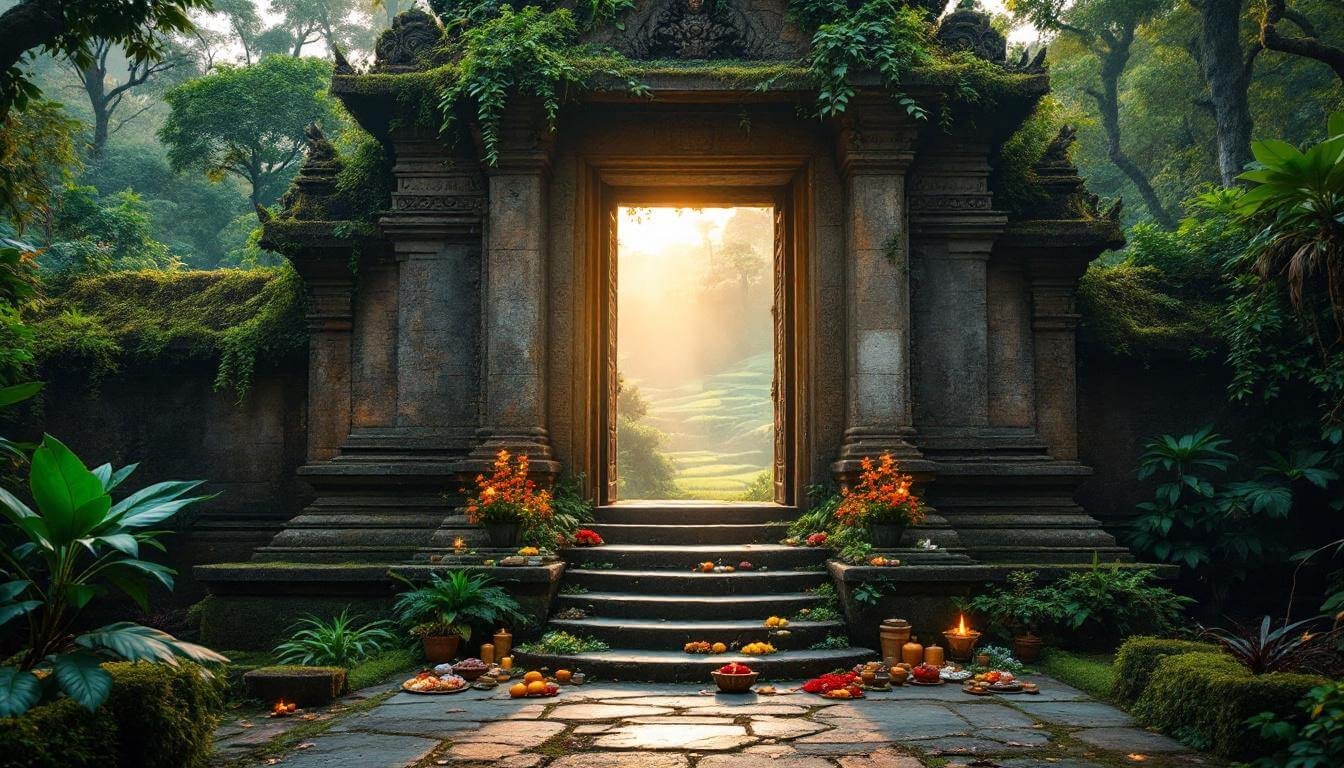
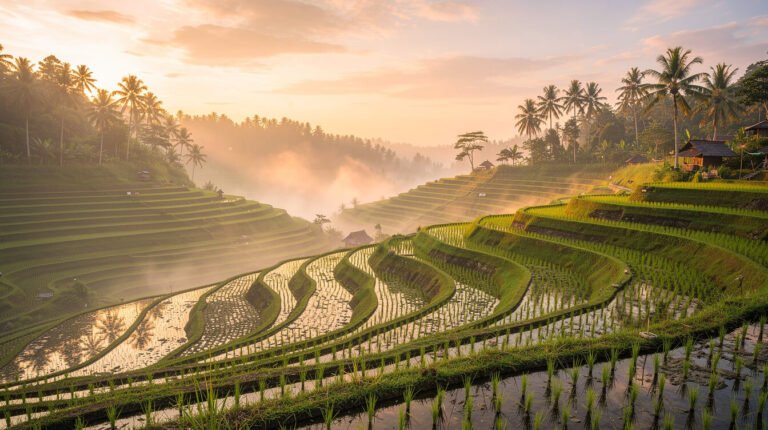
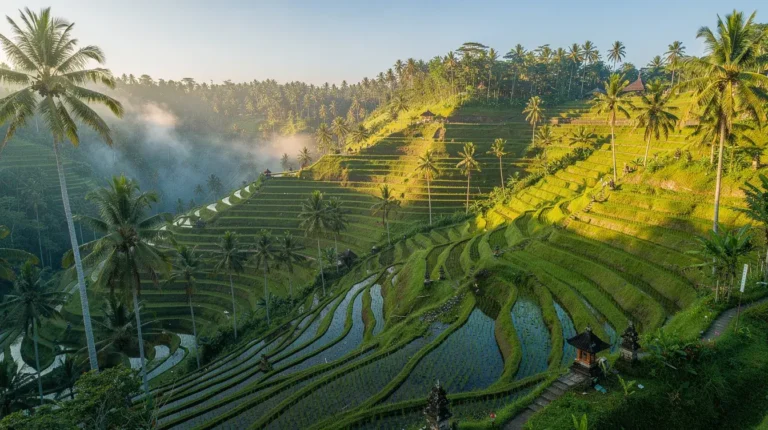
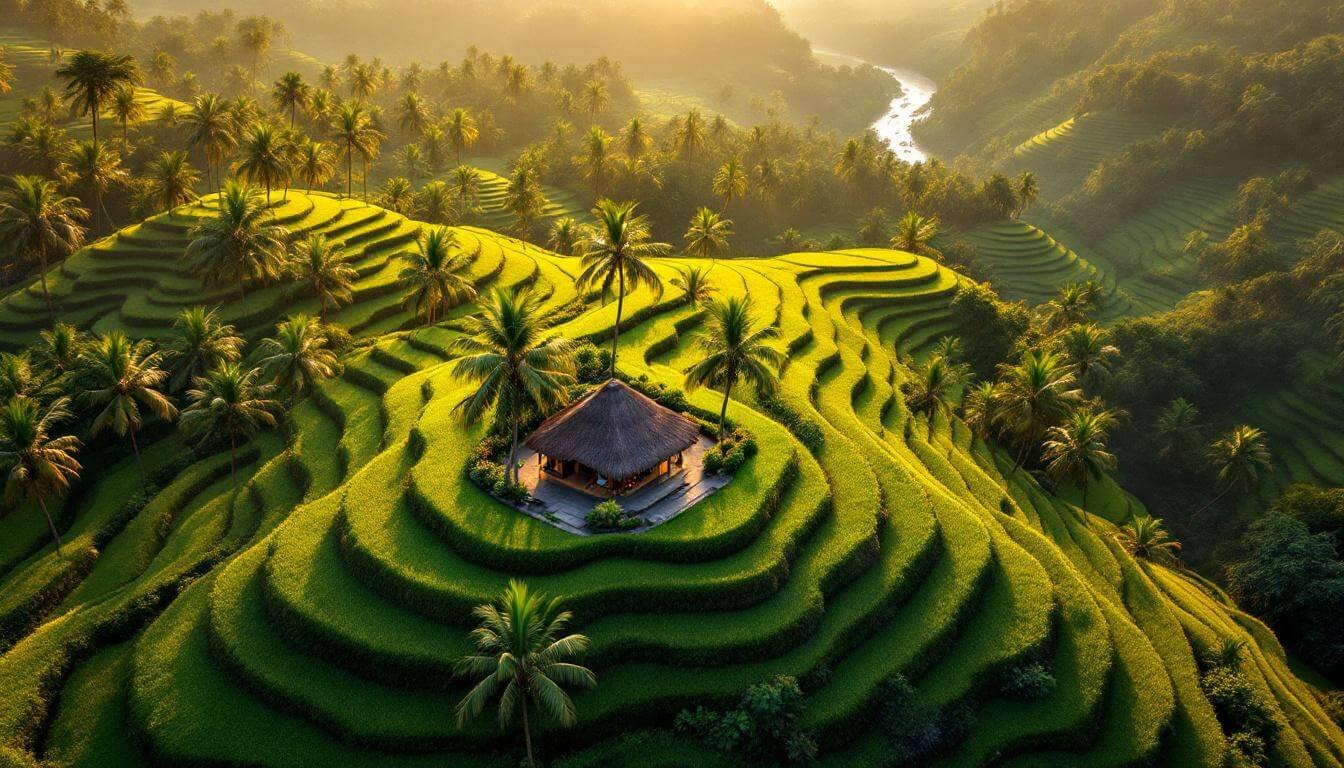
Ubud earned its reputation as a yoga destination organically — not through marketing, but through the convergence of spiritual tradition, physical beauty, and a community that genuinely values inner work. The town sits surrounded by terraced rice fields, ancient temples, and dense tropical forest. The energy here is palpably different from Bali’s beach towns.
Hindu Balinese culture infuses daily life with ritual and mindfulness. Every morning, offerings of flowers and incense appear on doorsteps, at temple gates, on dashboards. Ceremonies happen weekly. The village operates on a rhythm that naturally slows you down — which is exactly what a yoga practice needs to deepen.
Unlike Canggu or Seminyak, where surf culture and nightlife compete for your attention, Ubud removes distraction. The Yoga Barn — one of Asia’s most respected yoga communities — draws hundreds of practitioners daily. Radiantly Alive, Intuitive Flow, and Taksu Yoga offer world-class instruction in intimate settings. But beyond studios, it’s the place itself that holds your practice: walking through rice paddies becomes moving meditation, a temple visit becomes a lesson in devotion, and a meal at a warung becomes an exercise in presence.
For anyone seeking a deeper Bali experience beyond the beach towns, Ubud delivers something that can’t be replicated elsewhere on the island.
Types of Yoga Retreat Experiences in Bali
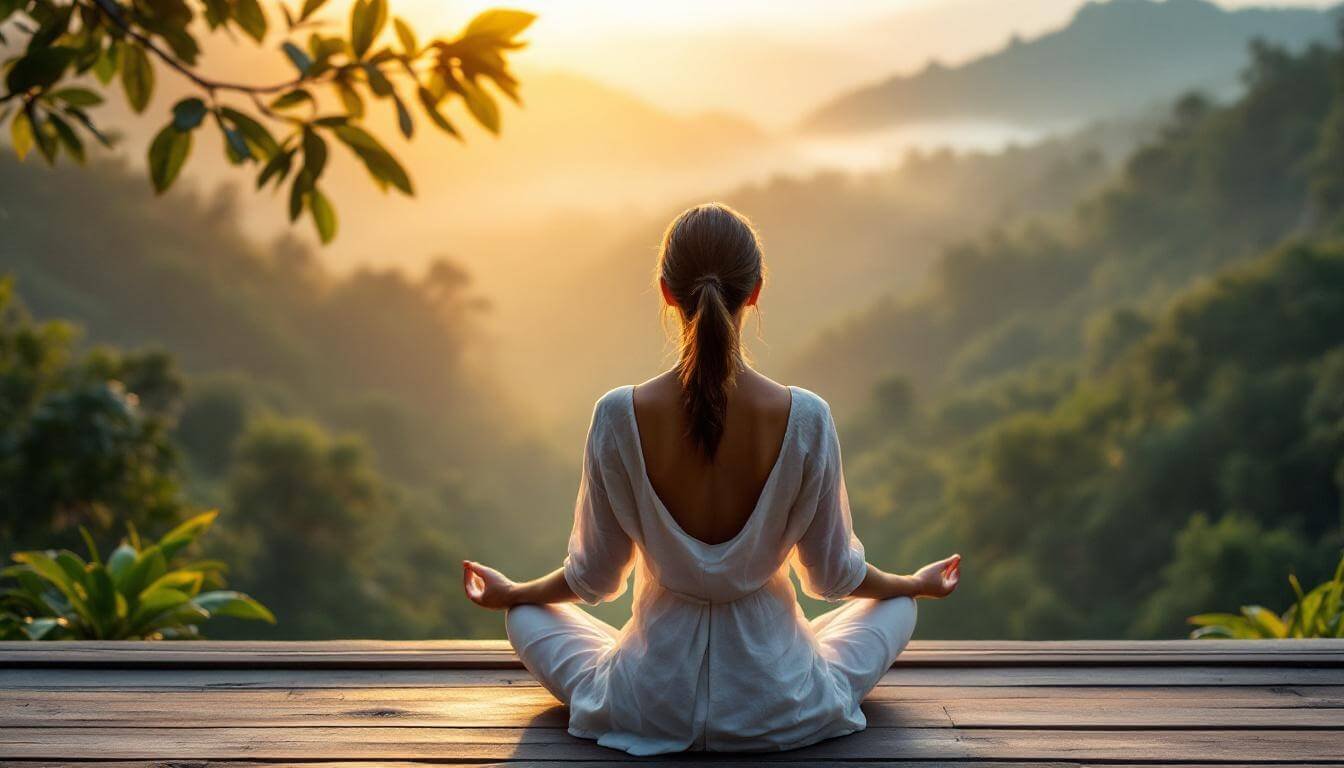
Not all yoga retreats in Bali are the same. Understanding your options helps you choose an experience that matches your intentions — whether that’s deep transformation, gentle rest, skill development, or reconnection with your partner or family.
Retreat Center Programs (Structured)
These are the most common. Centers like Fivelements, Soulshine, and Blooming Lotus offer multi-day packages with fixed schedules: morning meditation, two daily yoga classes, plant-based meals, healing treatments, and evening ceremonies. You’ll share the space with other guests (typically 10-30 people) and follow a group rhythm. Ideal if you want structure, community, and expert-led programming.
Drop-In Studio Immersion (Self-Directed)
Ubud’s studios — The Yoga Barn, Radiantly Alive, Intuitive Flow — offer daily classes you can attend without committing to a full retreat. You stay independently, build your own schedule, and choose practices that call to you each morning. This works beautifully for experienced practitioners who want freedom and variety.
Private Villa Yoga Retreat (Personalized)
This is the option most guides don’t mention — and it’s increasingly what discerning travelers prefer. You stay at a fully staffed private villa, hire a private yoga teacher to come to you, and design each day around your body’s needs. No shared spaces. No group schedule. A personal chef prepares meals tailored to your dietary intentions. A gardener tends the grounds you practice in. A manager coordinates everything so you simply show up to your own mat, in your own time.
The private villa yoga retreat works especially well for couples seeking intimate reconnection, small groups of friends who want to practice together, or solo practitioners who find that silence and privacy deepen their practice more than community does.
Teacher Training Retreats (200hr / 300hr)
For practitioners ready to teach or deepen their understanding, Ubud hosts Yoga Alliance-certified training programs year-round. These are intensive — typically 3-4 weeks, with full-day schedules covering anatomy, philosophy, sequencing, and practice teaching. Bali Yoga School, The Practice Bali, and Radiantly Alive all offer respected programs.
What a Day Looks Like During a Yoga Retreat in Bali
The reality of retreat life is both simpler and more profound than photos suggest. Here’s what you can actually expect during a typical day in Ubud:
5:30 AM — You wake before your alarm. Roosters started at 4:45, but it’s the birdsong that actually reaches you. The air is cool — Ubud sits at 200 meters elevation, so mornings carry a gentle freshness that the coast never has.
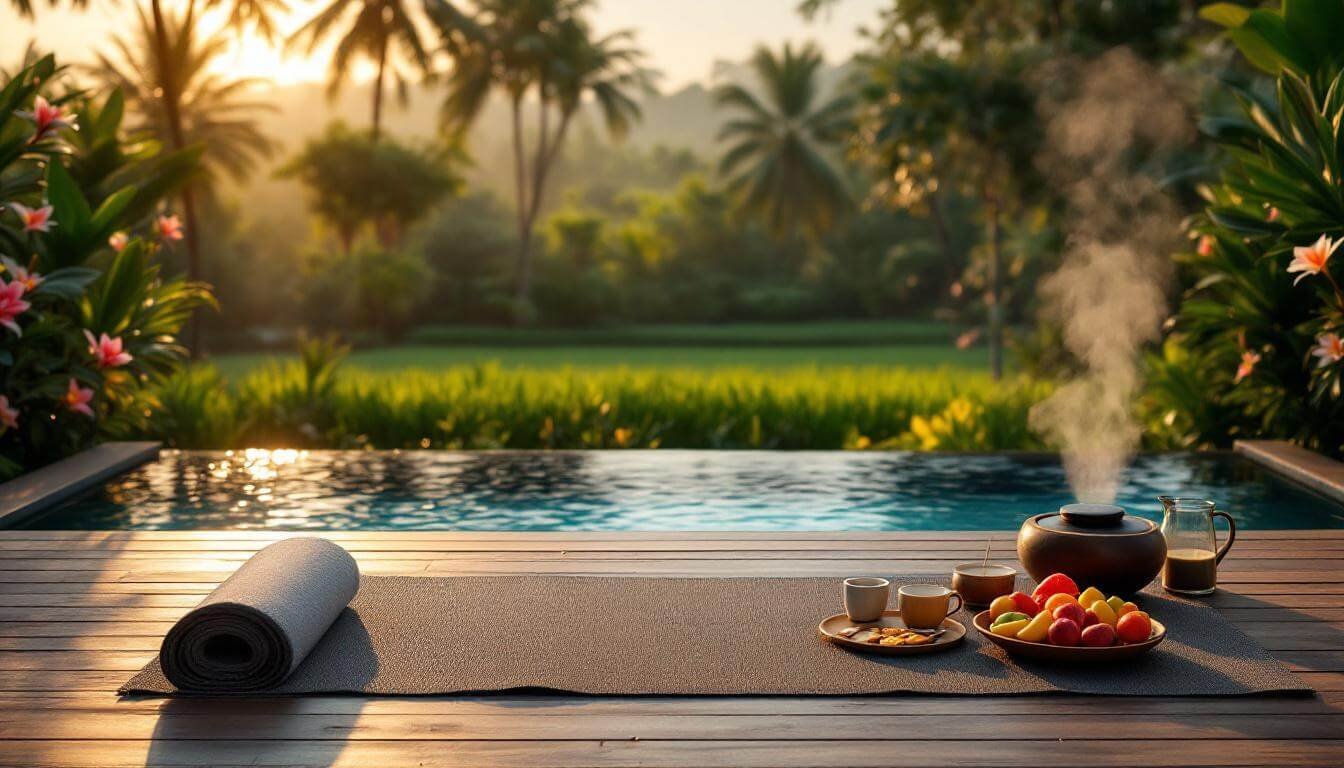
6:00 AM — Morning practice. At a retreat center, this is usually pranayama (breathwork) and meditation. At a private villa, it might be a slow flow on the pool deck while mist lifts off the garden. The dry season mornings in Ubud offer particularly clear, still conditions for outdoor practice.
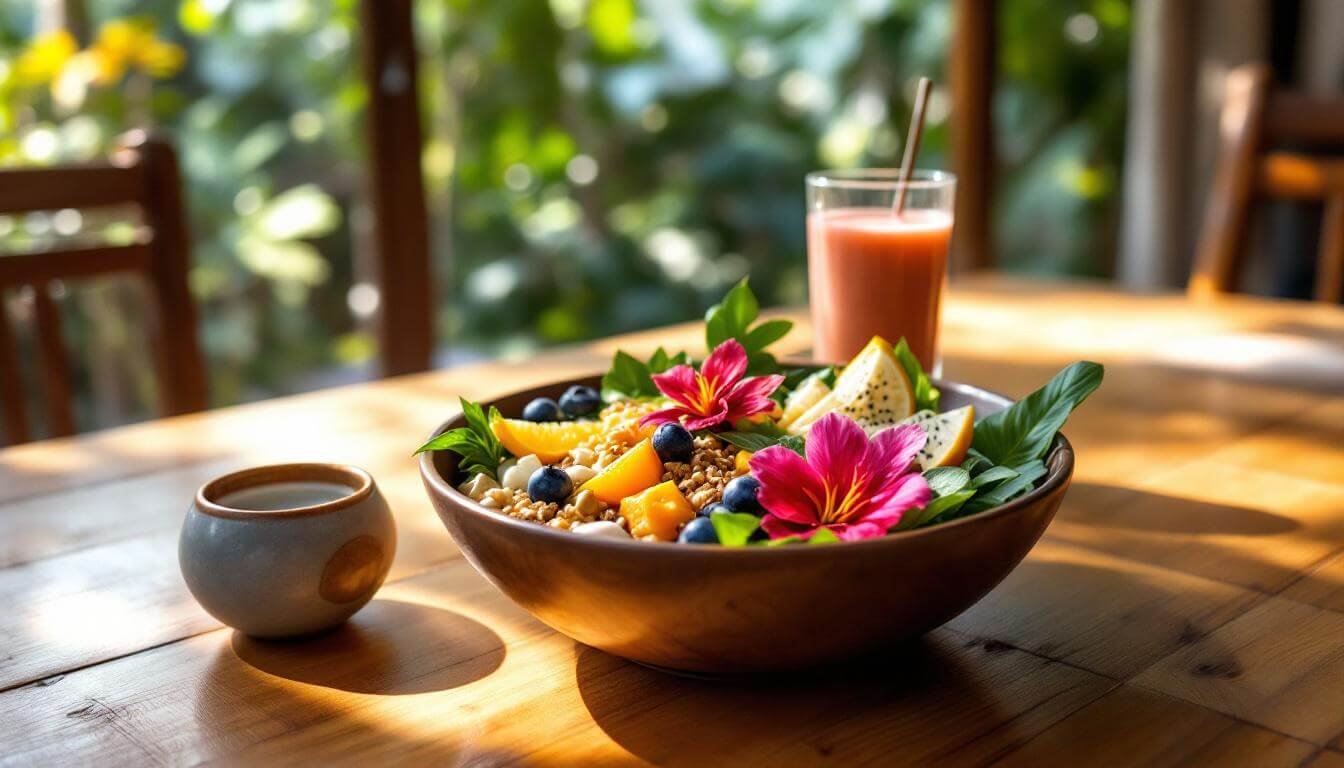
7:30 AM — Breakfast. Fresh tropical fruit — papaya, dragon fruit, mango — alongside something grounding: a smoothie bowl, overnight oats with coconut, or a traditional Balinese bubur (rice porridge). If you have a private chef, breakfast reflects your preferences exactly.
9:00 AM — Main morning class. Vinyasa flow, hatha, or yin depending on the day. This is usually the most physically demanding session.
11:00 AM — Free time. Many practitioners walk the Campuhan Ridge, visit a temple, receive a Balinese massage at a nearby spa, or simply rest in the shade reading.
1:00 PM — Lunch. Whole food, plant-forward. Most retreats serve Indonesian-inspired cuisine: gado-gado, tempeh satay, raw spring rolls, tropical salads, fresh juices.
3:00 PM — Afternoon workshop or restorative session. Yin yoga, sound healing, journaling, breathwork, or a discussion on yoga philosophy.
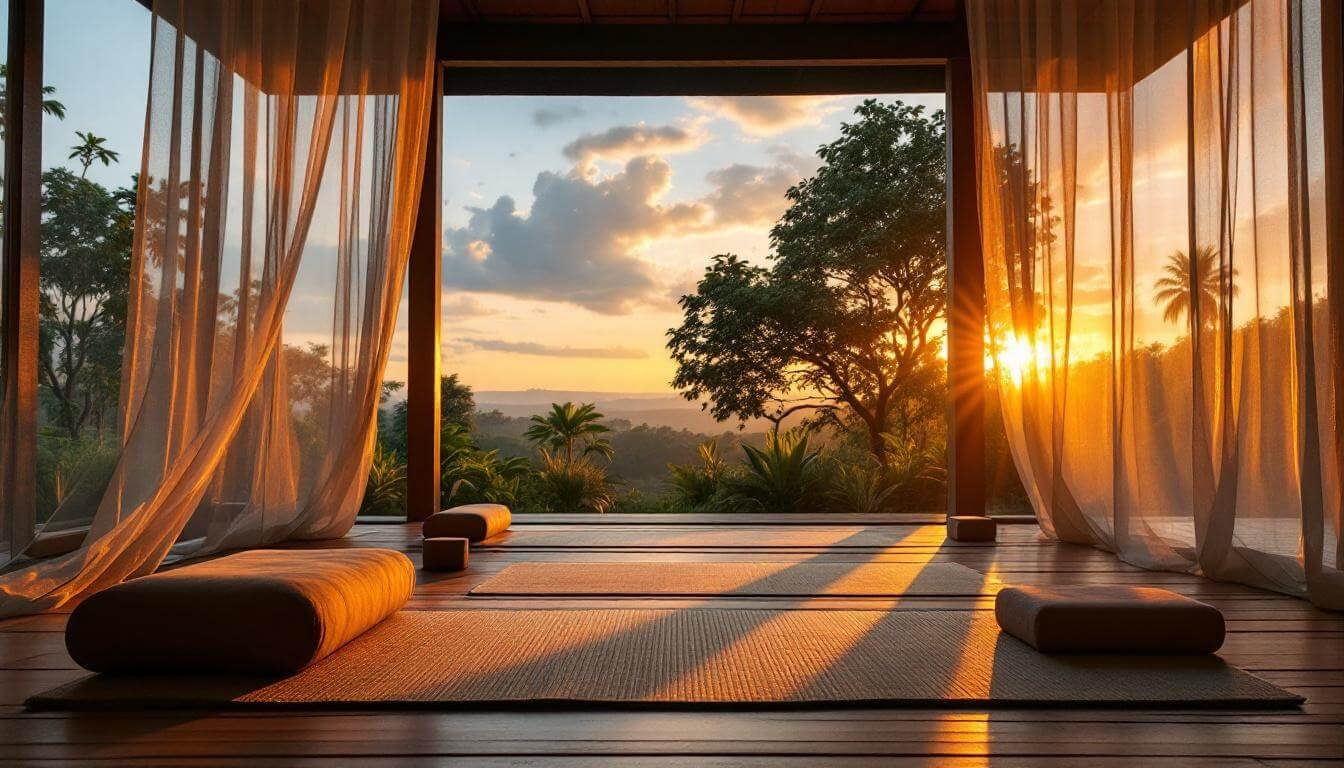
5:30 PM — Sunset practice. Gentler — restorative postures, yoga nidra, or guided meditation. The golden hour light in Ubud filters through coconut palms in a way that makes everything soften.
7:00 PM — Dinner. Lighter than lunch. Conversation with fellow retreatants, or comfortable silence. Early to bed — most guests find themselves asleep by 9 PM without effort.
How to Choose the Right Yoga Retreat in Bali for You
With hundreds of options, choosing comes down to honestly knowing what you need right now. Ask yourself these questions:
Do you want community or solitude? If you thrive in groups and want to meet like-minded people, a retreat center with shared dining and group classes is ideal. If you recharge alone, if silence feeds your practice, a private villa experience will serve you better.
Do you want structure or freedom? Fixed-schedule retreats eliminate decision fatigue — you simply show up. Self-directed approaches (studio drop-ins or private teacher arrangements) require more self-discipline but offer complete flexibility.
What’s your budget reality? Retreat centers range from $50-80/night (basic shared rooms) to $200-500/night (luxury private suites). A staffed villa with private teacher often comes in surprisingly close to mid-range retreat centers when you factor in that meals, accommodation, and personalized attention are all included.
What level of practice are you at? Complete beginners benefit from structured retreat center programs with dedicated instruction. Intermediate and advanced practitioners often prefer the freedom to design their own practice schedule with a teacher who adapts to them personally.
Are you traveling with others? Couples and small groups of friends almost always prefer private villa retreats — you share the experience with people you’ve chosen, not strangers. Couples visiting Ubud for connection find that practicing together in a private setting deepens intimacy in ways that group classes simply can’t.
The Private Villa Yoga Retreat: Why It’s Becoming Bali’s Best-Kept Secret
The yoga retreat landscape in Bali is quietly shifting. More practitioners — especially those returning for their second or third visit — are choosing a different model entirely: the private villa retreat.
Here’s how it works. You book a fully staffed villa in Ubud. A team — manager, chef, housekeeper, gardener — is already there, already caring for the space. You arrange for a private yoga teacher to visit daily (Ubud has dozens of exceptional independent teachers available for private sessions, typically $40-80 per session). Your chef prepares meals aligned with your dietary intentions — whether that’s raw vegan, Ayurvedic, or simply whole-food Balinese cuisine. Your practice happens in the garden, by the pool, or on a terrace overlooking rice fields.
What makes this model genuinely different:
- Complete personalization. Your teacher designs sequences specifically for your body, your goals, your energy that day. No modifications in a group class — the entire class IS your modification.
- The staff as part of your healing. When the people caring for you are genuinely invested in your wellbeing — not rotating through shifts at a resort — the entire atmosphere changes. You feel held. That safety is where the deepest release happens.
- No schedule pressure. Want to sleep until 8 AM because yesterday’s practice opened something emotional? The chef will have breakfast ready whenever you appear. Want to practice at sunset instead of sunrise? Your teacher adjusts.
- Privacy for vulnerability. Deep yoga practice brings up emotions. Having a private space to process — without performing composure for strangers — is invaluable.
- Holistic environment. The garden itself becomes part of your practice. The pool for cool-down. The kitchen aromas as grounding. The sound of water features. Every sensory detail contributes because the entire space is yours.
This model costs less than most people expect. A three-bedroom villa with full staff accommodating 2-4 guests, plus daily private yoga sessions, often works out to $150-250 per person per night — comparable to mid-tier retreat centers, but with an incomparably more personal experience.
Practical Tips for Your Yoga Retreat in Bali
When to Go
Bali’s dry season (April-October) offers the most reliable weather for outdoor practice. Morning humidity is lower, and you’re unlikely to have rain interrupt a sunrise session. June through September brings the steadiest conditions — clear mornings, warm afternoons, cool evenings. However, even the wet season (November-March) has its own beauty — shorter afternoon showers, lush green landscapes, and fewer tourists competing for studio spots. Many experienced practitioners actually prefer the green season: rates drop significantly, studios are less crowded, and the rain creates a natural cocoon effect that deepens introspective practice.
How Long to Stay
A minimum of 5-7 days allows your body to truly settle into retreat mode. Most practitioners report that the first 2-3 days are adjustment — jet lag, mental noise, the body detoxing from stimulation and screen time. The real depth begins around day 4, when your nervous system finally trusts that nothing urgent requires your attention. For genuine transformation, 10-14 days is ideal — long enough to establish new patterns that follow you home. Many guests find that a week in a private villa with daily practice changes their sleep patterns, digestion, and stress response in ways that persist for months after returning.
What to Pack
- Lightweight yoga clothing that breathes (Ubud is warm and humid)
- A travel yoga mat or grip towel (most retreats and studios provide mats, but hygiene preferences vary)
- Mosquito repellent — non-negotiable for outdoor evening practice
- A light shawl or wrap for meditation and temple visits
- Journal and pen — insights come fast during retreat
- Minimal electronics (this is your chance to disconnect)
Health Considerations
Ubud’s elevation means fewer mosquitoes than the coast, but bring repellent regardless. Drink bottled or filtered water always. Most retreat centers and quality villas provide purified water. Ease into the food — Balinese cuisine uses spices your stomach may need a day to adapt to. Start gentle with plain rice and fruit, then expand.
Getting There
Ubud is 90 minutes from Ngurah Rai International Airport (Denpasar). Most quality accommodations arrange airport pickup. The drive itself is part of the transition — watching the landscape shift from coastal bustle to lush inland terraces tells your body that you’re entering a different pace of life.
Frequently Asked Questions About Yoga Retreats in Bali
Do I need to be experienced at yoga to attend a retreat in Bali?
Not at all. Ubud’s retreats cater to every level, from complete beginners to advanced practitioners. Many retreat centers offer multi-level classes. If you choose a private teacher, they’ll design sessions entirely around your current ability and goals.
Is Bali safe for solo female travelers doing a yoga retreat?
Bali is one of the safest destinations in Southeast Asia for solo female travelers, and the yoga community in Ubud is welcoming and supportive. Standard precautions apply — secure your valuables, use reputable transport — but the culture is genuinely respectful and you’ll meet many women traveling alone.
What style of yoga is most common in Bali retreats?
Vinyasa flow dominates, but Ubud offers remarkable variety: Ashtanga, hatha, yin, kundalini, restorative, aerial yoga, AcroYoga, and Balinese-influenced practices incorporating breathwork and meditation. Most multi-day retreats blend several styles.
Can I combine a yoga retreat with other Bali experiences?
Absolutely. Many practitioners weave in Balinese healing sessions, water temple purification ceremonies, cooking classes, rice terrace treks, or visits to sacred sites. A flexible schedule (especially with a private villa setup) makes this seamless.
How much does a yoga retreat in Bali cost?
Budget options start around $40-60 per night (shared room, group classes, basic meals). Mid-range retreat centers run $150-300 per night. Luxury experiences — whether at a resort or a private staffed villa — range from $250-500+ per night. Private teacher sessions add $40-80 per session on top of accommodation.
What’s the difference between a yoga retreat and a yoga teacher training?
A retreat is for personal practice and rest — no certification, no homework, no exams. A teacher training is an intensive educational program (usually 200 or 300 hours over 3-4 weeks) that qualifies you to teach. Both happen in Ubud, but the intentions and commitments are very different.
Your Yoga Retreat in Bali Starts with a Single Decision
Every practitioner who’s done a yoga retreat in Bali says the same thing: they wish they’d done it sooner. The combination of Ubud’s spiritual atmosphere, world-class instruction, nourishing food, and natural beauty creates conditions for transformation that simply don’t exist in a weekend workshop back home.
Whether you choose a structured retreat center, a self-directed studio immersion, or a private villa experience with a dedicated teacher and caring staff — the most important step is deciding that you deserve this time. The island will handle the rest.
Your practice is waiting. The morning light over the rice terraces is waiting. The quiet garden space where your breath finally slows down — it’s waiting for you.
Start by asking what kind of experience calls to you. Research a few options. Then trust your instinct — the retreat that makes your body soften just reading about it is probably the right one. Bali has been welcoming seekers for centuries. It knows how to hold you while you change.