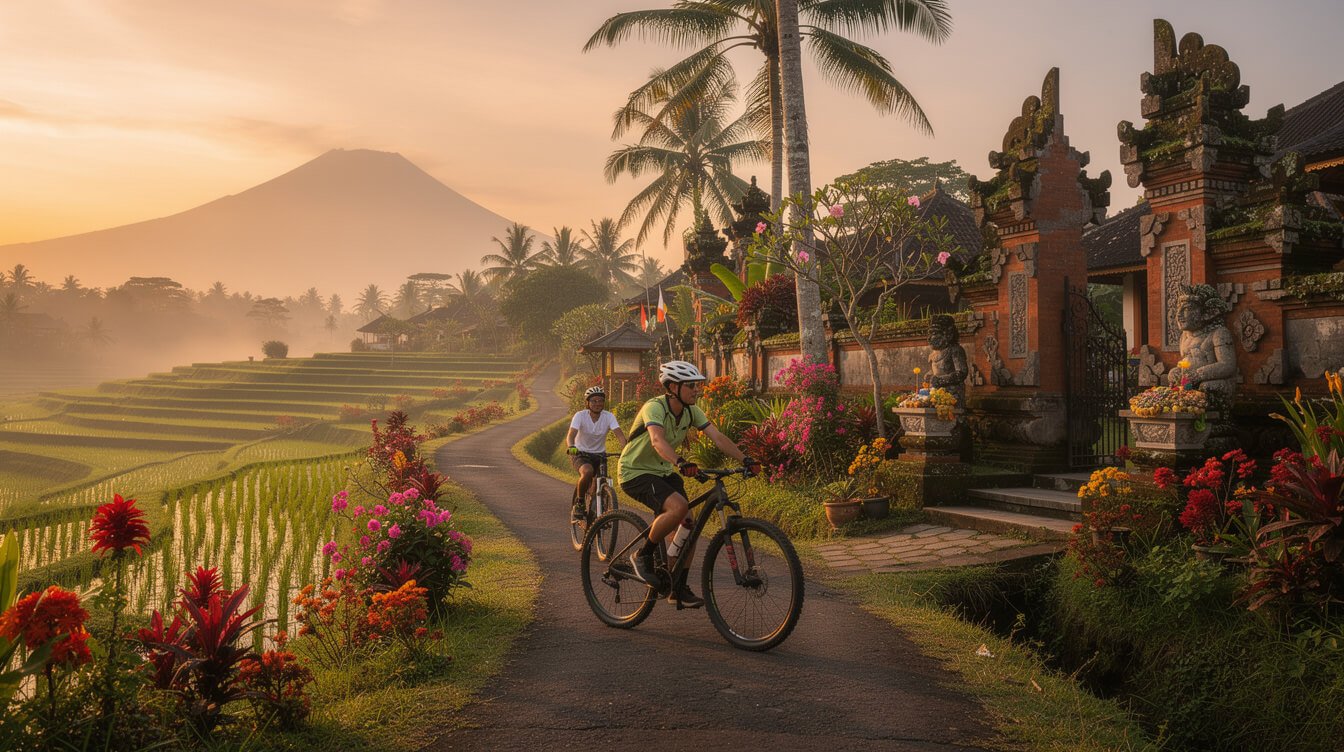
Bali Cycling Tour: Your Complete Guide to the Best Bike Rides Across the Island
A bali cycling tour is one of those experiences that changes how you see the island. Not from behind a car window or through a hotel lobby — but at the pace of a gentle pedal, with the warm morning air carrying the scent of wet earth and frangipani, and the sound of village life unfolding on both sides of a narrow lane. You feel the contour of the land beneath you, the way it rises through terraced rice fields and drops into river valleys carved by centuries of water and devotion.
Whether you choose a guided downhill ride from the volcanic highlands, a self-guided meander through Ubud’s backroads, or a rugged mountain bike trail through jungle canopy, cycling in Bali delivers something no temple tour or beach day can replicate: a slow, intimate encounter with the island’s real rhythm. This guide covers every style of bali cycling tour available, practical tips from a team that arranges rides for guests year-round, and the routes that reward most richly.
Why a Bali Cycling Tour Belongs on Your Itinerary
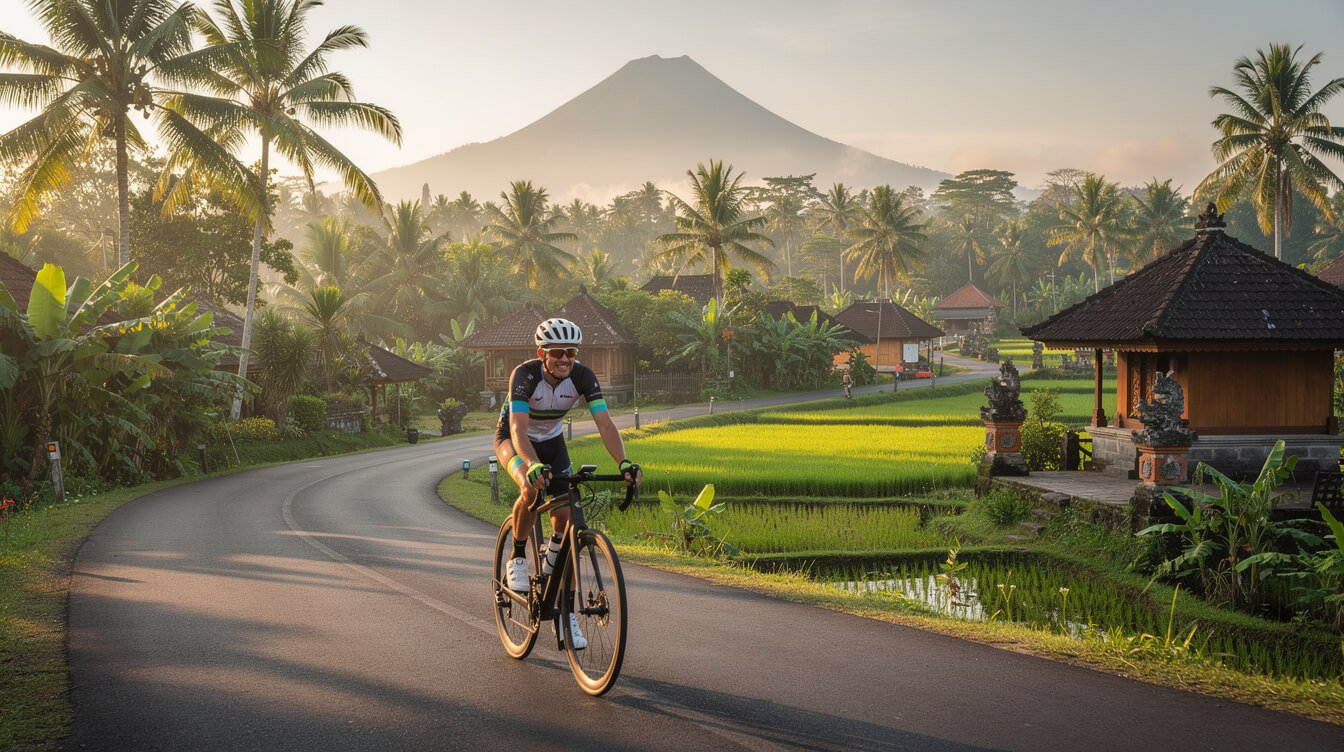
Bali is compact. The distance from the volcanic highlands around Kintamani to the rice-field lowlands of Ubud is only about 30 kilometers — but the altitude drop is dramatic, and the scenery shifts completely along the way. That combination of short distance, varied terrain, and visual richness is exactly why cycling works so well here.
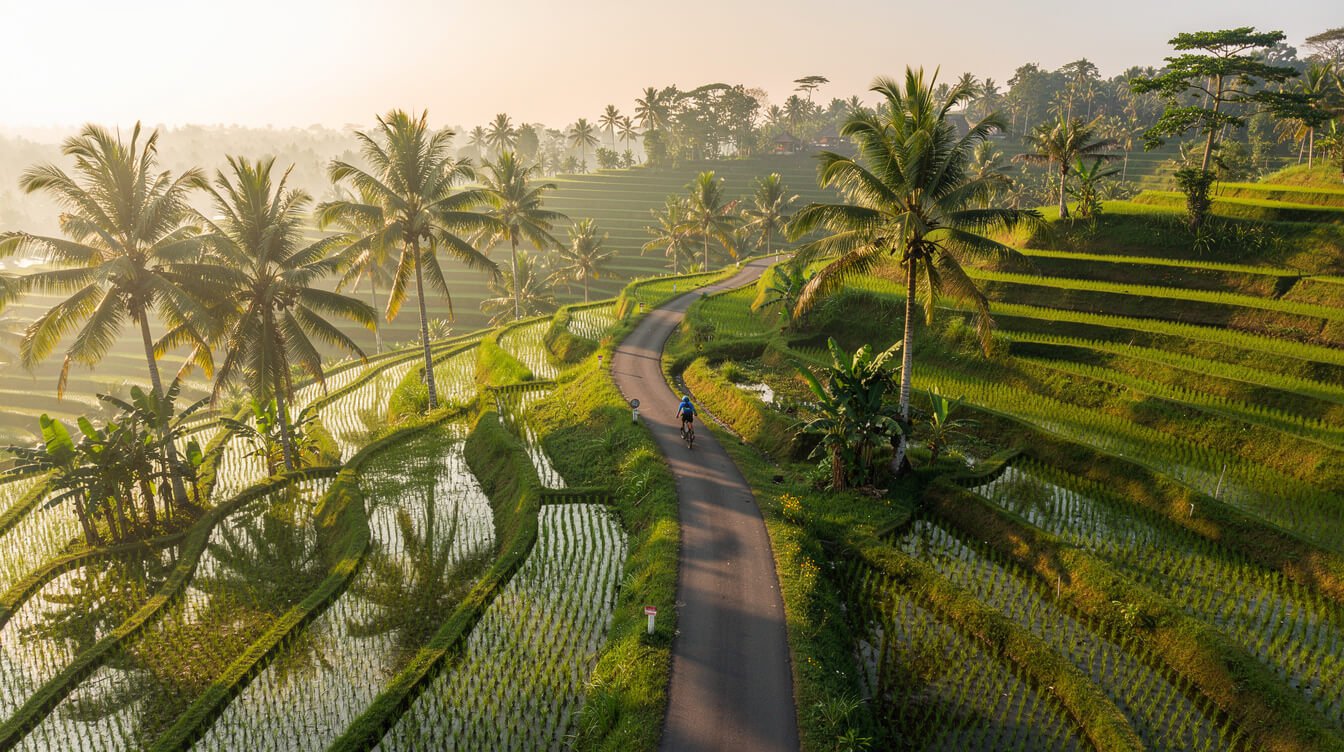
Tour operators figured this out decades ago. The classic Kintamani-to-Ubud downhill route has become one of Bali’s most popular activities, and for good reason: you cover extraordinary ground with minimal effort, rolling through traditional villages, past Hindu temples draped in black-and-white checkered cloth, along the edge of rice terraces where farmers still plant by hand.
But beyond the organized tours, Bali’s network of village lanes — too narrow for tour buses, too quiet for traffic — creates an ideal cycling landscape. The roads between Ubud’s neighboring villages (Penestanan, Sayan, Keliki, Tegallalang) wind through some of the most photogenic countryside in Southeast Asia. You’ll pass stone-carved pura gates, morning offering ceremonies, and fruit stands where someone’s grandmother waves you over to try a rambutan.
What sets a bali cycling tour apart from cycling in most other destinations is the human layer. You’re not riding through empty countryside. You’re riding through someone’s morning — past their kitchen, past the banjar meeting hall, past the temple where they’ll gather tonight for a ceremony. The island’s extraordinary density of culture, spirituality, and daily ritual means every kilometer delivers something worth stopping for.
The Classic Downhill Bali Cycling Tour
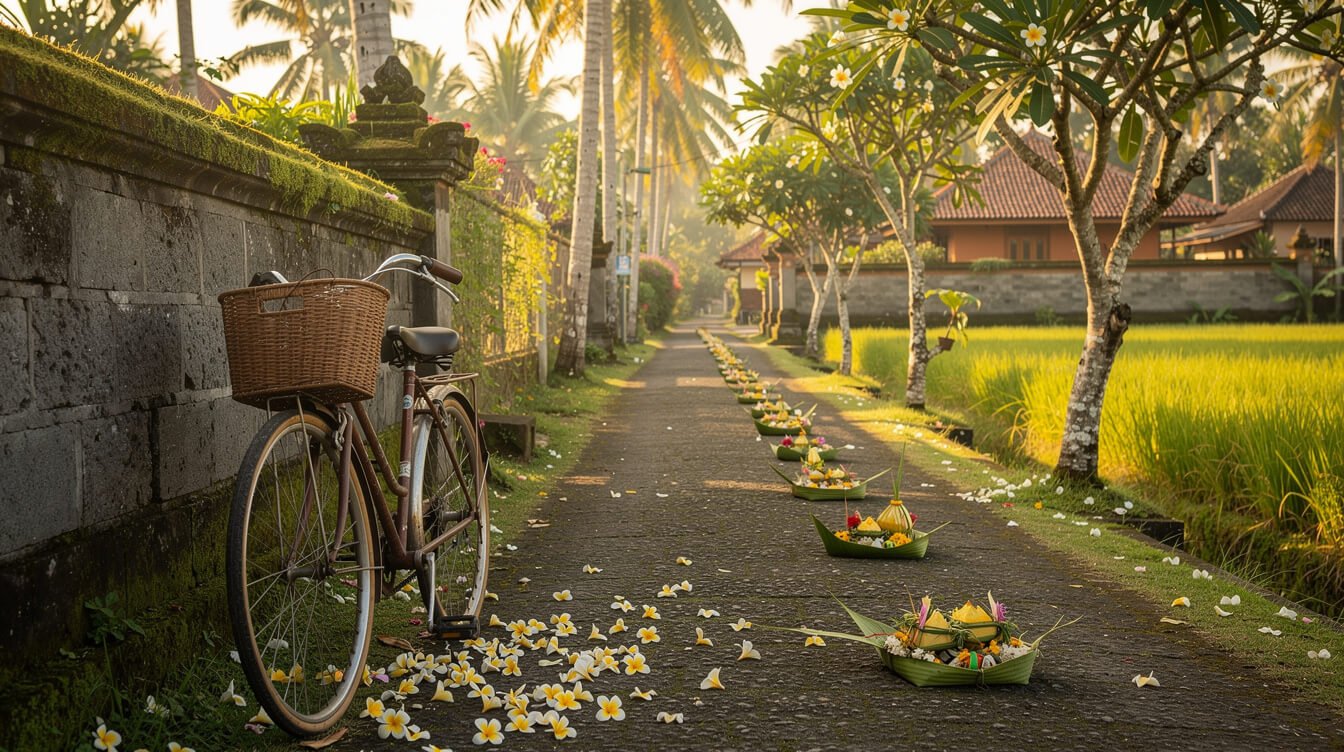
This is the ride most visitors think of when they hear “bali cycling tour,” and it earns its reputation. Here’s how it typically works.
The Route: Kintamani to Ubud
Most operators pick you up early — between 6:30 and 8:00 AM — from your accommodation. A van drives you north through the highlands to Kintamani, where you’ll stop at a viewpoint overlooking Mount Batur and its crescent lake. After breakfast (usually included), you gear up and start riding downhill.
The descent covers roughly 25-35 kilometers depending on the operator’s route, winding through Bangli, Tampaksiring, and the villages between Tegallalang and central Ubud. Elevation drops from around 1,500 meters to about 300 meters — steady, gentle downhill nearly the whole way.
What You’ll See
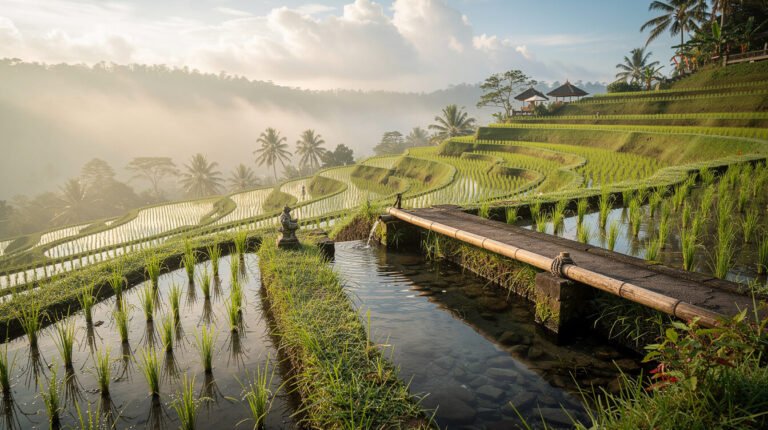
The early sections pass through highland vegetable farms and coffee plantations. As you descend, the landscape transitions to Bali’s iconic rice terraces — the tiered green paddies that define Ubud’s visual identity. You’ll ride past family compounds where roosters patrol the yard and incense smoke drifts from morning offerings. Most tours include stops at a coffee plantation (where you’ll sample Bali’s famous kopi luwak), a Balinese home compound, and a rice field viewpoint.
Who It’s For
Anyone who can ride a bicycle. Seriously — the route is 90% downhill with a few flat stretches. Children as young as 10 can handle it. The bikes are simple single-speed or three-speed cruisers with reliable brakes. No lycra required, no previous cycling experience necessary. Your biggest challenge will be remembering to watch the road instead of the view.
Operators Worth Knowing
The quality gap between operators is real. The best ones — Jegeg Bali Cycling, Bali Bike Baik, Love Bali Bike Tours — run smaller groups (8-12 riders maximum), use well-maintained bikes, and employ guides who actually know the villages they’re riding through. Budget operators pack 20-30 riders per group and rush through stops. Ask about group size before you book.
Village Cycling: Self-Guided Routes Through Ubud’s Backroads
The organized downhill tour gives you the greatest hits. But if you want the deeper experience — the one where you get genuinely lost on a lane between two rice fields and end up drinking coffee with a farmer who speaks three words of English — self-guided cycling around Ubud is where the magic lives.
Renting a Bike
Bicycle rental shops cluster around central Ubud, particularly along Jalan Monkey Forest and Jalan Hanoman. Expect to pay 50,000-80,000 IDR (roughly $3-5 USD) per day for a basic single-speed. Some shops offer geared bikes and even e-bikes for more. If you’re staying at a staffed villa, your manager can usually arrange a rental delivered to the property — one less thing to coordinate on your holiday.
Best Self-Guided Routes
Campuhan Ridge to Penestanan: Start at the Campuhan Ridge Walk, then veer left into the village of Penestanan. The road winds through artist studios, small galleries, and quiet compounds with views over the Wos River valley. Moderate hills but manageable. About 8 kilometers round-trip.
Sayan to Keliki: Head north from Sayan village along the Ayung River valley. The road climbs gently through dense tropical vegetation before opening into the painting village of Keliki, where Balinese miniature painting tradition is still practiced by a handful of families. Less touristed, more intimate. About 12 kilometers round-trip.
Lodtunduh to Mas: South of Ubud, this route passes through the woodcarving village of Mas, where generations of artisans still work teak and crocodile wood into remarkable sculptures. Flatter terrain, wider roads, easier riding. About 10 kilometers round-trip.
For an extended route combining several of these, check out our insider guide to things to do in Ubud — cycling connects beautifully with the temples, markets, and cultural sites you’ll want to visit anyway.
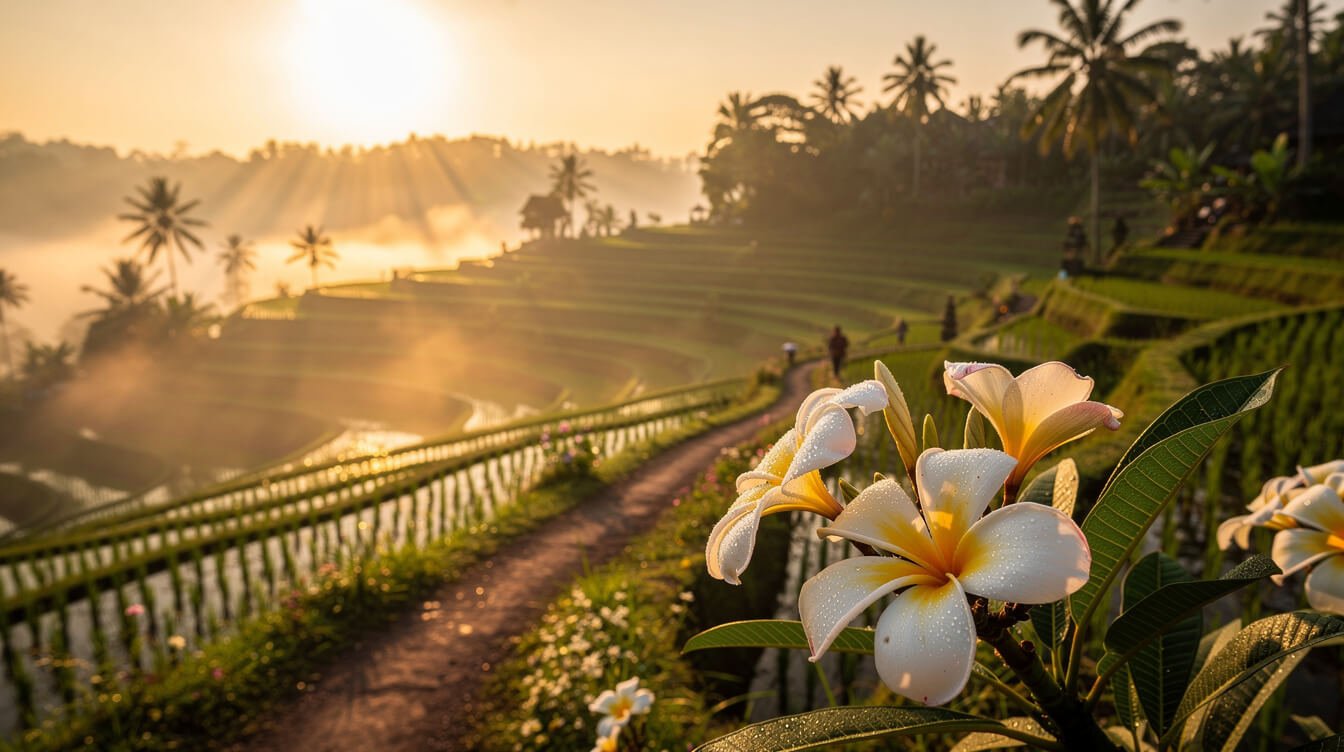
Get a Free 3-Day Sample Itinerary
Planning your Ubud stay? We’ll send you a sample itinerary with our favorite cycling routes, temple visits, and dining picks — designed by the team that lives here.
Mountain Biking in Bali: Trails for the Adventurous
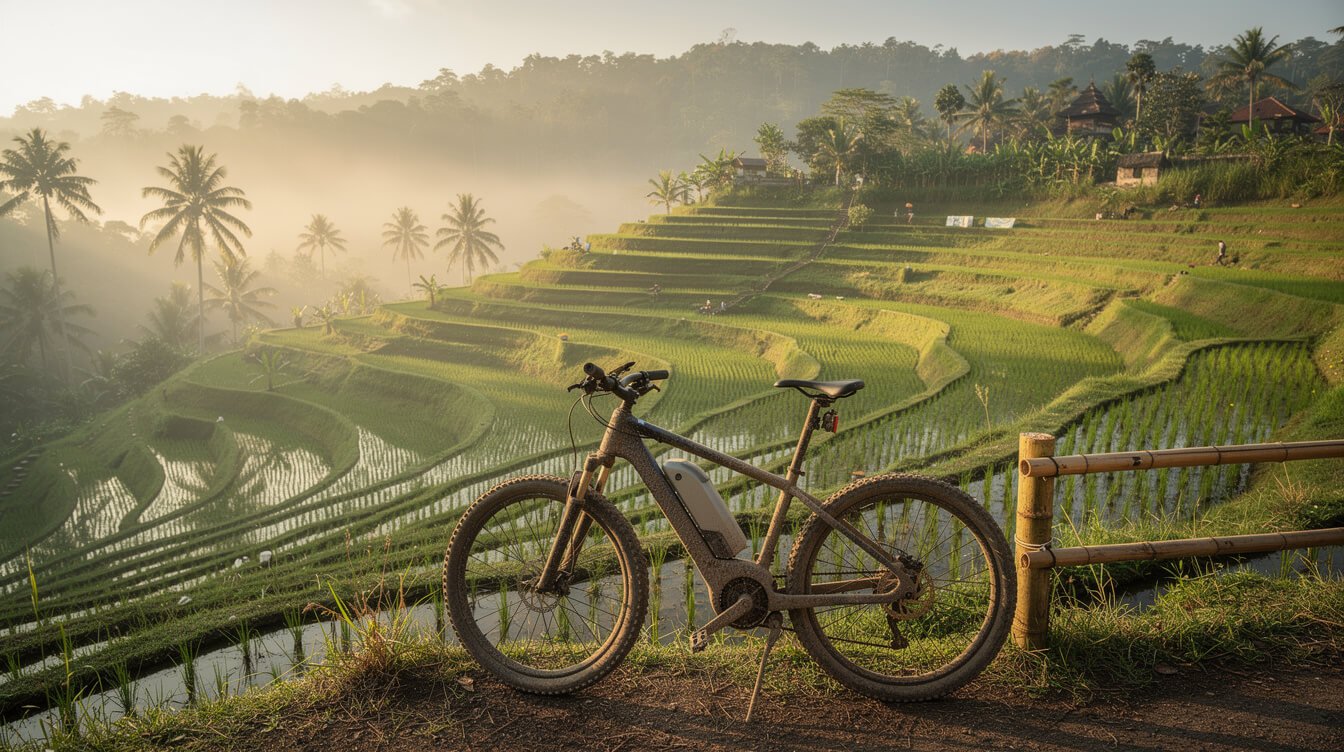
If downhill touring feels too gentle and village cycling too slow, Bali has a growing mountain biking scene that delivers genuine trail riding through some extraordinary terrain.
Where to Ride
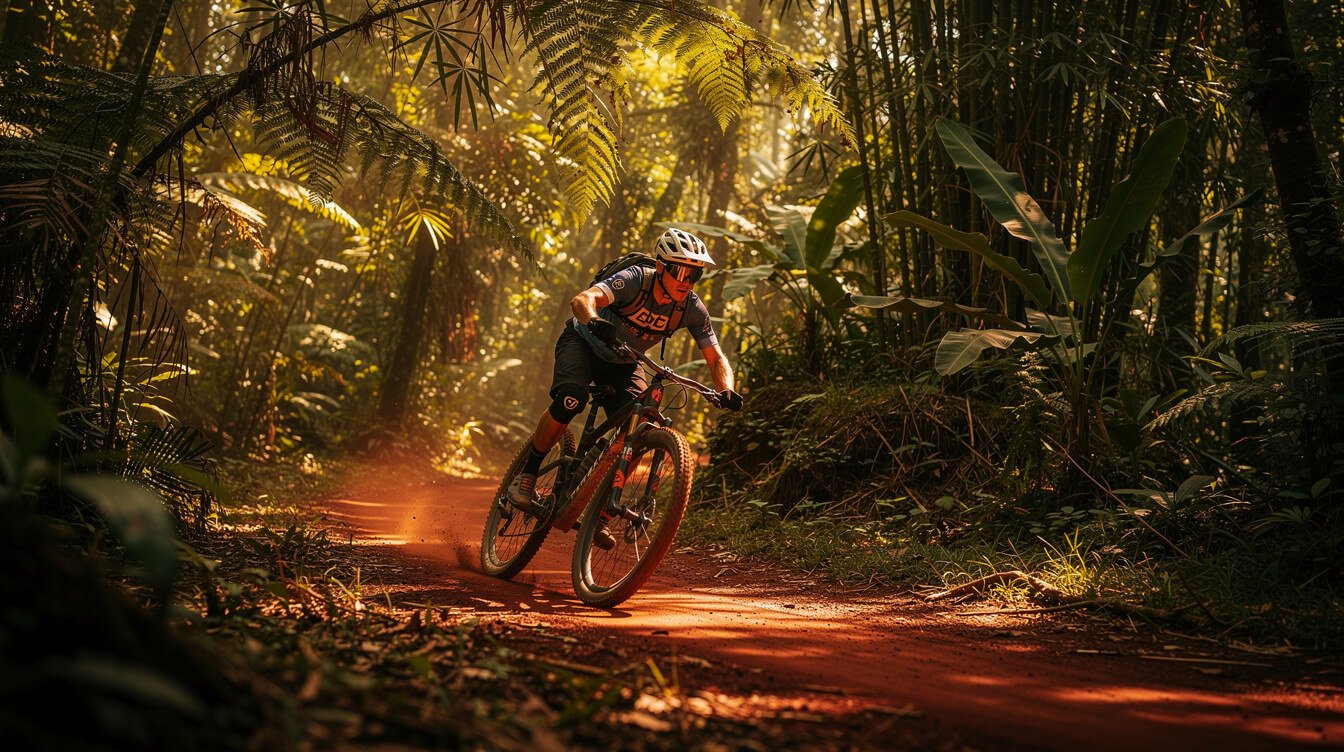
Mount Batur trails: The volcanic landscape around Mount Batur offers single-track trails through black lava fields, bamboo forests, and highland farming communities. Several operators in Kintamani run half-day guided MTB rides that combine technical sections with panoramic volcano views. This is the most dramatic mountain biking landscape in Bali.
Ubud jungle trails: The river valleys around Ubud — particularly along the Ayung and Petanu rivers — have informal single-track paths that local riders have developed over years. These jungle trails wind through dense canopy, cross streams on bamboo bridges, and emerge at hidden temple sites. You’ll need a guide who knows the routes; they’re not on any map.
Jatiluwih plateau: The UNESCO-protected rice terrace landscape of Jatiluwih, about 90 minutes northwest of Ubud, has both paved and unpaved roads winding through some of Bali’s most pristine agricultural countryside. The elevation (around 700 meters) keeps temperatures comfortable, and the views across the stepped terraces to the ocean are worth the drive alone.
Equipment and Operators
Infinity Mountain Biking and SpiceRoads are the two most established mountain biking operators on the island. Both provide quality hardtail bikes, helmets, gloves, and experienced trail guides. Half-day rides run $60-90 USD; full-day adventures with lunch hit $100-150 USD. Bring your own padded shorts if you have them — Bali trails are bumpy.
E-Bike Tours: Bali Cycling for Every Fitness Level
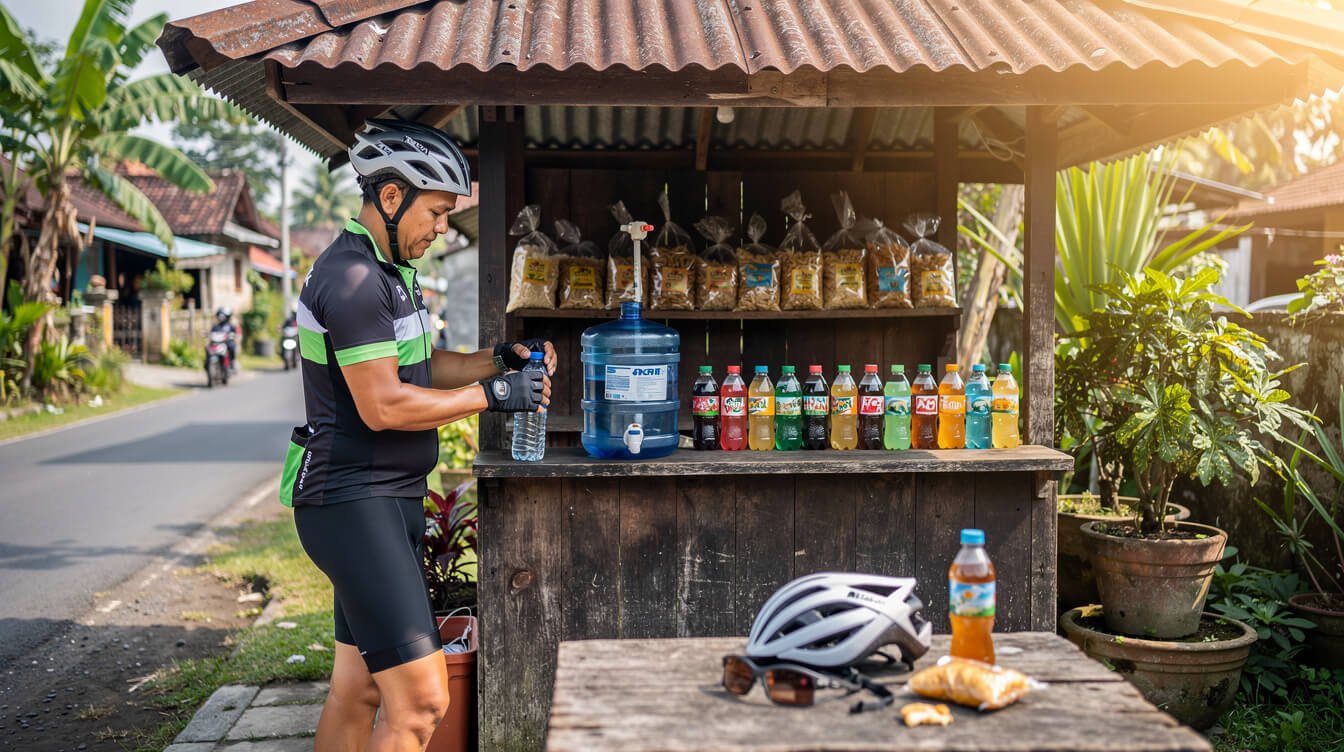
Here’s the practical reality: Bali is hilly. Ubud sits in a river valley surrounded by ridges, and the roads between villages involve climbs that can humble even fit cyclists in tropical heat. E-bikes change the equation entirely.
Several operators now offer electric-assist cycling tours that follow the same scenic routes as traditional tours but remove the fitness barrier. You get the same morning mist over the rice terraces, the same village encounters, the same temple stops — without arriving at each one drenched in sweat and questioning your holiday choices.
E-bike rentals in Ubud are also becoming common. Daily rates run 150,000-250,000 IDR ($10-17 USD), which opens up routes that would be punishing on a regular bike — like the climb from central Ubud up to Tegallalang rice terraces, or the rolling hills between Sayan and Payangan to the north. These are some of the most beautiful cycling roads in Bali, and on a regular bike, most visitors avoid them entirely.
If you’re staying at a staffed villa in Ubud, your manager can arrange e-bike delivery and suggest routes that match your energy level and interests. It’s one of those details that makes the difference between a good day and an extraordinary one — someone who knows the roads mapping your morning before you’ve finished coffee on the pool deck.
For a broader view of Bali’s activity landscape, our complete guide to things to do in Bali covers everything from temple visits to waterfall hikes alongside cycling options.
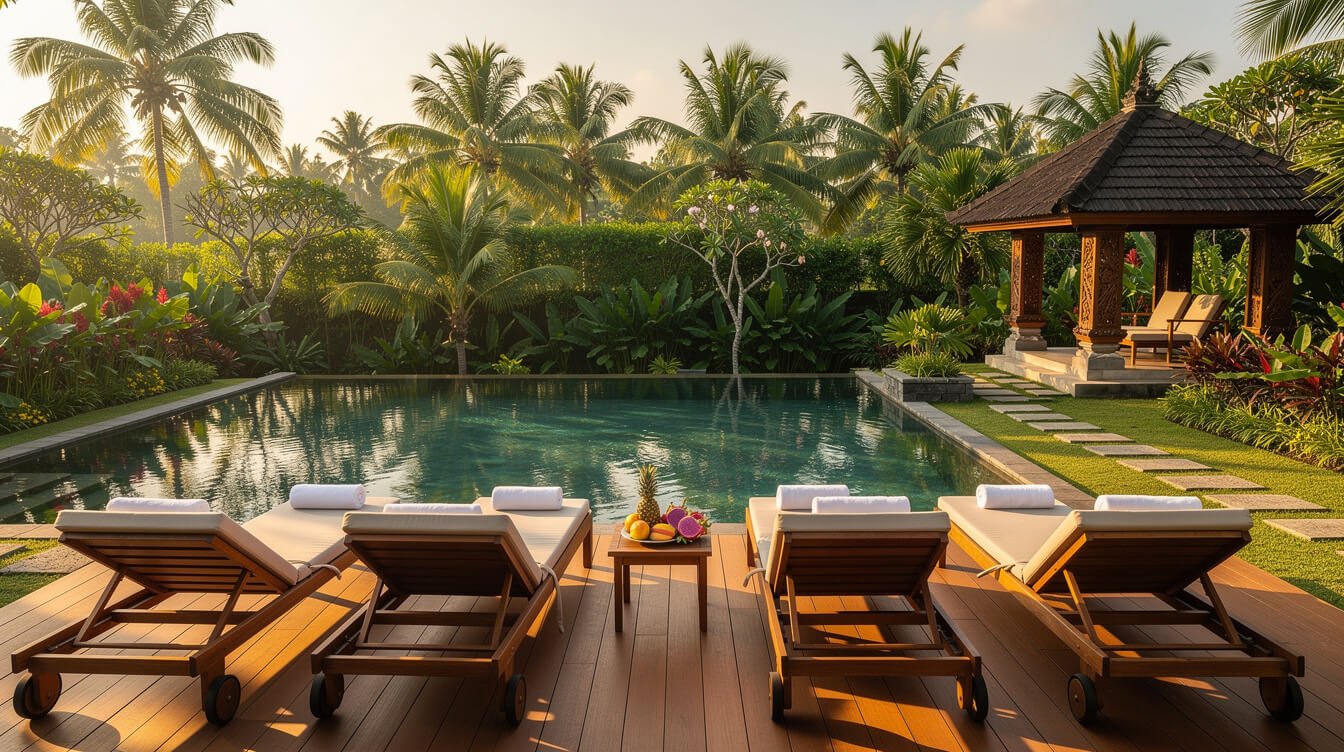
Book the Villa
Come home from your cycling adventure to a private pool, a chef who’s already started dinner, and a team that takes care of every detail. Three bedrooms, full staff, tropical garden — your Ubud home base.
The Best Bali Cycling Tour Routes by Region
Bali isn’t just Ubud. While the Ubud area dominates the cycling scene, several other regions offer distinctive riding experiences.
Central Highlands (Kintamani / Mount Batur)
The starting point for most downhill tours and the base for volcanic mountain biking. Cool temperatures (15-22°C in the morning), dramatic caldera views, and coffee plantations. The ride down from here through Bangli and Tampaksiring to Ubud is the gold-standard bali cycling tour route.
Ubud and Surrounds
The heart of Bali cycling. Village lanes between Penestanan, Sayan, Keliki, Tegallalang, Lodtunduh, and Mas form an informal network of cycling routes through rice terraces, art villages, and traditional compounds. This is where self-guided cycling shines — every turn reveals something worth pausing for.
Jatiluwih / Tabanan
The western highlands around Jatiluwih offer the most pristine rice terrace cycling in Bali. UNESCO-protected, less touristed than Tegallalang, and genuinely peaceful. The subak irrigation system here has been functioning for over a thousand years — you’re cycling through living history. Combine with a visit to Batukaru Temple for a full day.
East Bali (Sidemen Valley)
The Sidemen Valley, about 90 minutes northeast of Ubud, is the quiet alternative. Rice terraces, Mount Agung views, traditional weaving villages, and almost no tourist traffic. The roads are narrow and occasionally rough, but the landscape is extraordinary. This is the route for experienced cyclists who want solitude.
If you’re building a longer Bali trip, our 7-day Bali itinerary includes a cycling day that fits naturally into the week’s rhythm.
What to Know Before Your Bali Cycling Tour
Best Time to Ride
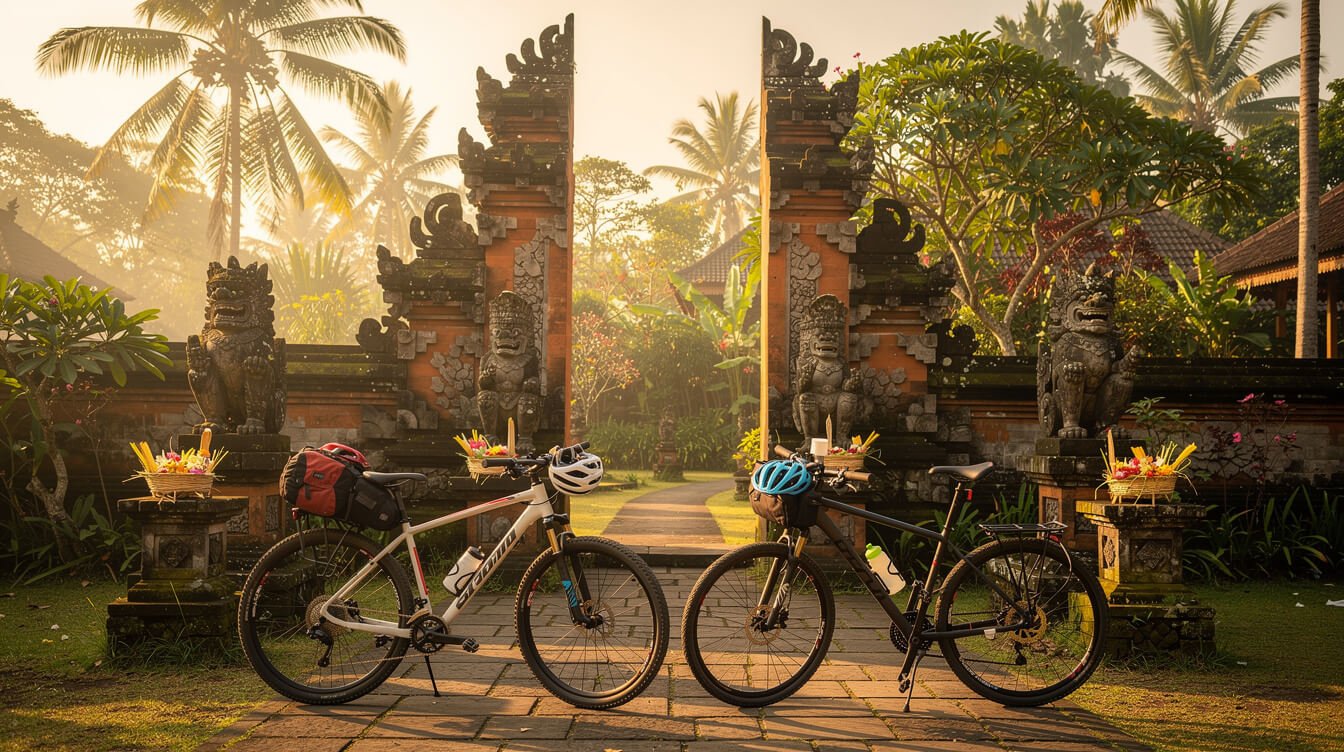
Early morning — always. Start between 6:00 and 7:00 AM to catch the cool air, the golden light, and the villages at their most active (offering ceremonies happen before the sun gets high). By 10:00 AM, the heat becomes a factor, and by noon, tropical humidity makes serious cycling unpleasant. Dry season (April through October) offers the most reliable conditions, but rainy season mornings can be spectacular — the air is cleaner, the green is more vivid, and rain typically holds off until afternoon.
What to Wear and Bring
Light, breathable clothing. Closed-toe shoes (not flip-flops — you need grip on pedals). Sunscreen applied before you start (you won’t want to stop and reapply). A small daypack with water, your phone, and a sarong for temple stops. For our full packing guide, see what to pack for Bali.
Road Safety
Bali’s main roads are busy and chaotic — motorbikes, trucks, tourist vans, ceremonial processions, and the occasional free-roaming dog all share the same space. This is exactly why organized tours and village backroads work so much better than trying to cycle on main highways. Stick to the small lanes, follow your guide’s lead on organized tours, and keep left (Bali drives on the left, British-style).
What to Eat After
Cycling burns through breakfast faster than you’d expect, and Ubud’s dining scene is ready for you. For post-ride fuel, see our complete guide to the best restaurants in Ubud — from 15,000 IDR warungs serving nasi campur to Locavore’s tasting menu, there’s a post-ride meal for every appetite and budget. If you’re staying at a staffed villa, your chef can have something waiting when you roll back through the gate — a late breakfast of banana pancakes, fresh fruit, and Bali coffee on the pool deck, which is honestly the best post-ride meal on the island.
Frequently Asked Questions
How much does a bali cycling tour cost?
Organized downhill tours: $30-60 USD per person (including hotel pickup, breakfast, bike, guide, and lunch). Mountain biking: $60-150 USD. Bike rental for self-guided: $3-5 USD per day. E-bike rental: $10-17 USD per day.
Is a cycling tour in Bali safe for children?
The classic downhill tour is suitable for children aged 10 and up who can ride a bicycle confidently. Several operators offer child-sized bikes. Village cycling on backroads is safe for younger riders too, provided an adult leads. Avoid main roads entirely with children.
Do I need to be fit?
Not for the downhill tour — it’s 90% coasting. Self-guided cycling around Ubud involves some hills that can be challenging in the heat, but e-bikes eliminate that concern entirely. Mountain biking requires moderate fitness and some trail-riding comfort.
Can my villa arrange a cycling tour?
Yes. If you’re staying at a staffed villa, your villa manager can arrange everything — from booking a reputable operator to renting bikes delivered to the property to mapping a custom self-guided route based on your interests and fitness level. It’s one of the genuine advantages of the staffed-villa model: someone who knows the island handling the logistics so you can focus on enjoying the ride.
What’s the best cycling route for photography?
The Tegallalang rice terraces section of the classic downhill tour is the most photogenic. For self-guided riders, the Campuhan Ridge to Penestanan route offers river valley panoramas, and the Keliki road delivers intimate village scenes. Start early for the best light — the golden hour around 6:30-7:30 AM is extraordinary.
For a broader picture of planning your Bali trip, our complete Bali travel guide covers everything from visa logistics to area-by-area where-to-stay recommendations.

Join Our Newsletter
Fun, new, exciting Bali news — straight from Ubud. Cycling routes, village discoveries, food finds, and honest travel stories from the team that lives here.