Bali Healing Retreat: Your Complete Guide to Transformative Wellness in Ubud
A bali healing retreat is not a spa day with a view. It is something older, slower, and more honest than that. In Ubud — the cultural heart of the island — healing has roots that reach back centuries, woven into temple ceremonies, river purification rituals, and the quiet authority of village healers who learned their craft from their grandparents. When you come here for healing, you are not checking into a program. You are stepping into a living tradition that the rest of Bali’s tourism industry has barely touched.
This guide walks you through every dimension of the Bali healing retreat experience — from traditional Balinese healers to modern sound therapy, from structured retreat centers to designing your own private healing stay in Ubud. Whether you are recovering from burnout, navigating a life transition, or simply ready to slow down and listen to your body again, Ubud has a way of meeting you exactly where you are.
What Makes a Bali Healing Retreat Different from Anywhere Else
The difference is not the yoga or the massage tables. Those exist everywhere. What makes a Bali healing retreat genuinely transformative is the island’s spiritual infrastructure — the fact that healing is not an industry here, but a cultural practice embedded in daily life.
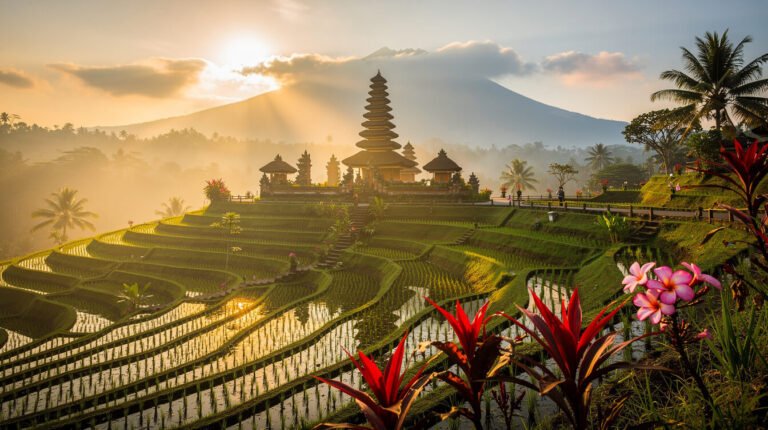
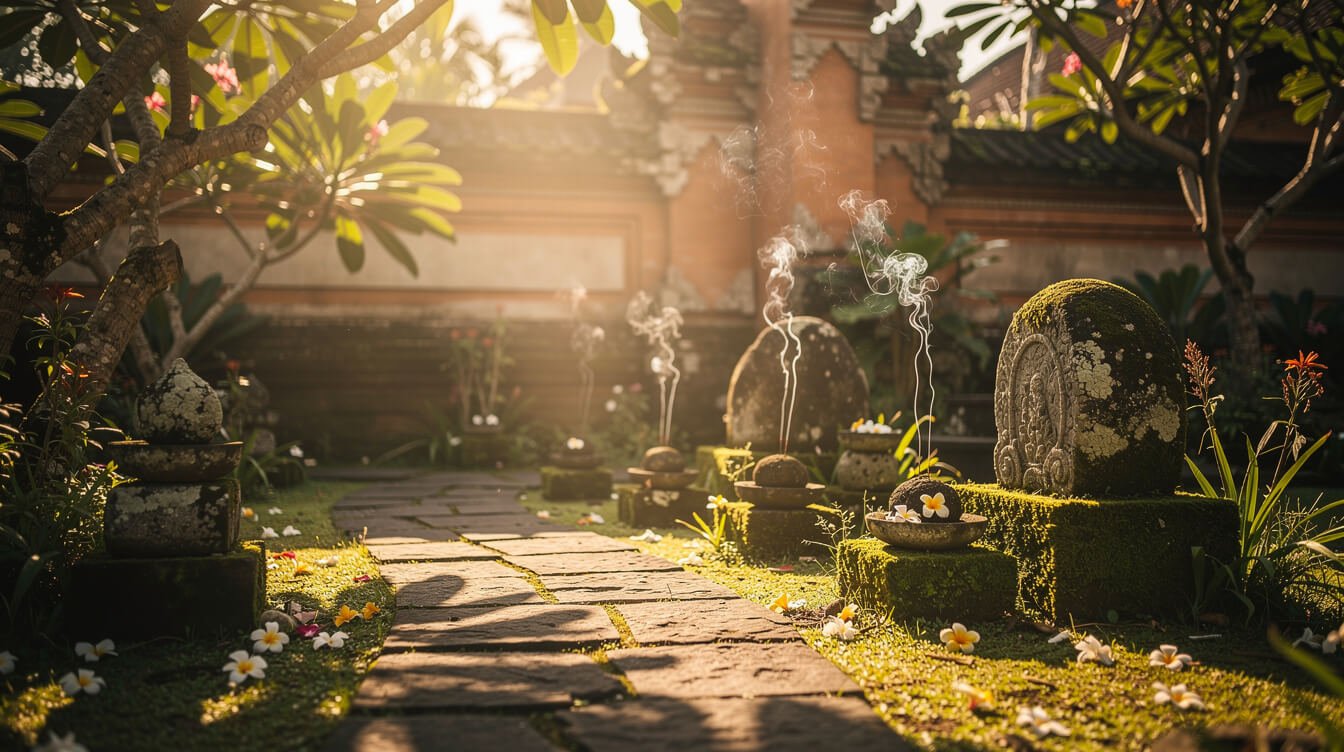
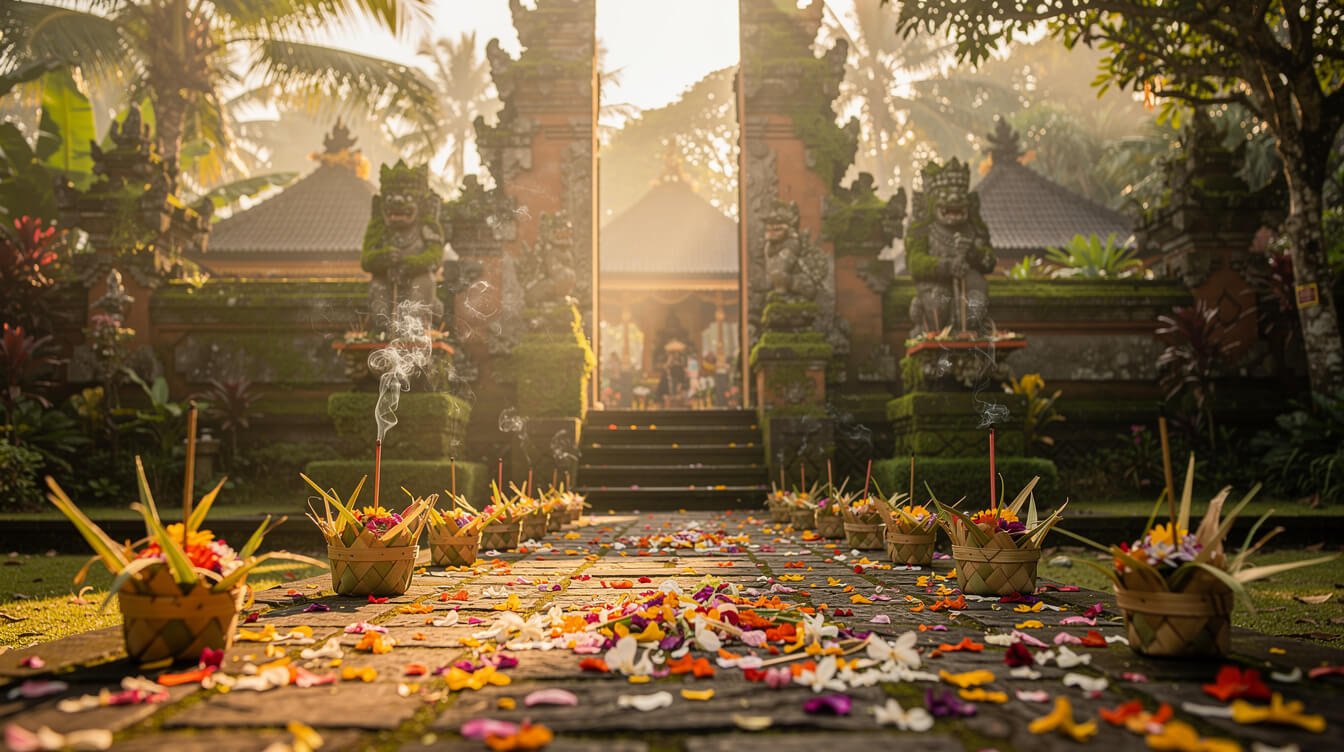
Every morning in Ubud, you wake to the scent of incense and the sight of fresh canang sari offerings placed on doorsteps, altars, and even car dashboards. The Balinese Hindu calendar governs temple ceremonies that happen on a 210-day cycle, and the entire village participates. This is not spiritual performance for tourists — it is how life works here. When you sit in meditation overlooking rice terraces at dawn, you are not escaping the world. You are joining a rhythm that has been running for a thousand years.
The physical landscape amplifies everything. Ubud sits at roughly 200 meters elevation, surrounded by river gorges, volcanic soil, and dense tropical canopy. The air is cooler and softer than the coast. The sound environment is different — village gamelan music, running water, birdsong instead of motorbikes and beach bars. Your nervous system notices before your mind does.
There is also the practical matter of cost. A week-long healing retreat in Ubud — with daily yoga, spa treatments, healthy meals, and healer consultations — costs a fraction of an equivalent program in Sedona, Tulum, or Byron Bay. The value is not diluted by the price. It is simply that Bali’s economy makes deep wellness experiences accessible to a wider range of travelers.
Types of Healing You Will Find in Ubud
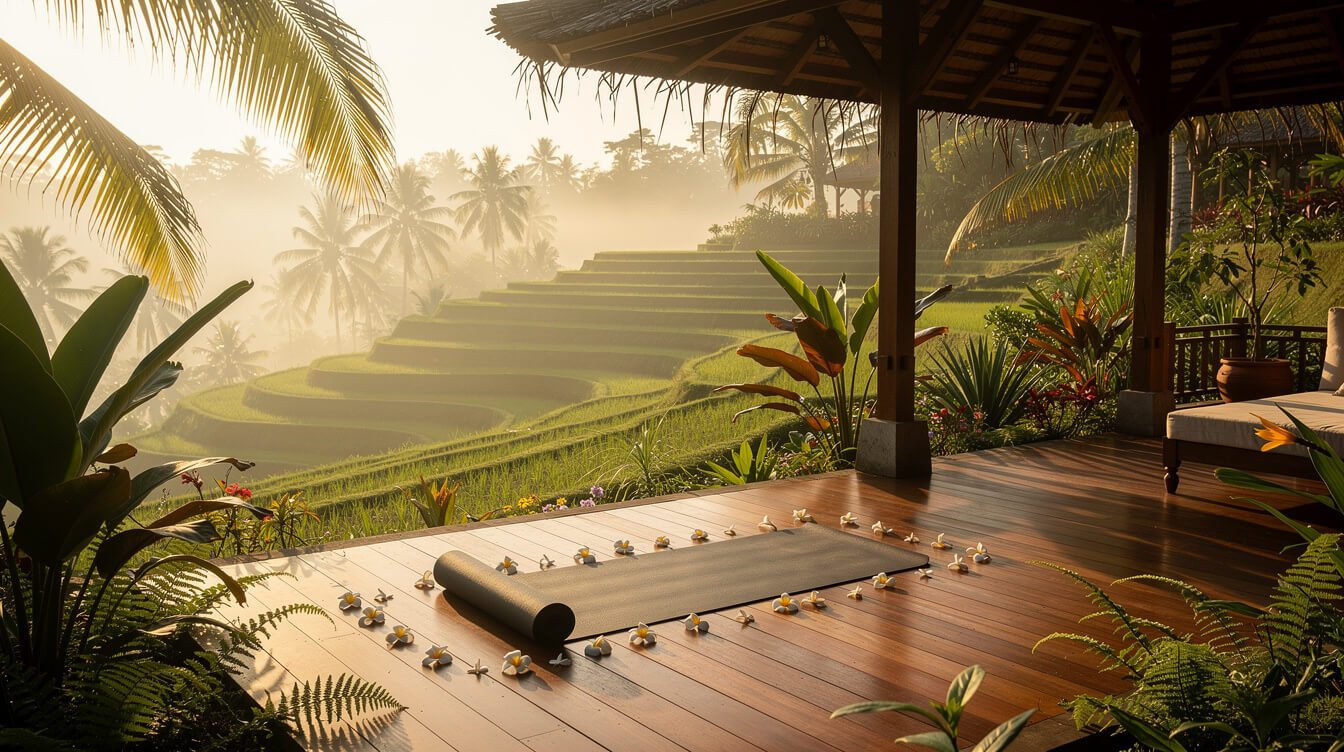
Ubud’s healing landscape is broader and more layered than most visitors expect. Here are the main modalities you can access during your bali healing retreat.
Traditional Balinese Healing (Balian)
The balian is a traditional healer who diagnoses and treats through a combination of intuition, herbal medicine, prayer, and energy work. Some specialize in physical ailments, others in emotional or spiritual conditions. Sessions typically take place in the healer’s family compound and involve palm-reading, pulse diagnosis, and sometimes the application of sacred herbs or holy water. This is the authentic lineage that put Ubud on the healing map.
Yoga and Meditation
Ubud is one of the world’s great yoga destinations. Studios like Yoga Barn and Radiantly Alive offer daily classes across every style — vinyasa, yin, kundalini, restorative, breathwork, and meditation. Many healing retreats build their programs around a structured yoga practice, complemented by meditation sessions at dawn and dusk. For a deeper dive into the yoga scene, see our complete guide to yoga retreats in Bali.
Sound Healing and Energy Work
Sound healing has become one of Ubud’s most popular modalities. Practitioners use Tibetan singing bowls, crystal bowls, gongs, and tuning forks to guide participants into deep relaxation states. Reiki, pranic healing, and other energy work modalities are also widely available, often combined with breathwork or guided visualization.
Spa and Bodywork Therapies
Balinese massage is a tradition in its own right — a blend of acupressure, aromatherapy, and gentle stretching that differs meaningfully from Thai or Swedish techniques. Ubud’s best spa experiences range from luxury resort treatments to small family-run warung spas where a two-hour treatment costs less than a single class at a Western yoga studio.
Water Purification Ceremonies (Melukat)
The melukat ceremony — a water purification ritual conducted at a holy spring temple — is one of the most profound experiences available during a healing retreat in Bali. At temples like Tirta Empul, you move through a series of sacred water spouts, each carrying a specific blessing or cleansing intention. A local guide or pemangku (temple priest) can help you participate respectfully.
Plant Medicine and Herbal Healing
Bali’s volcanic soil produces an extraordinary pharmacopoeia. Traditional herbal remedies (jamu) — turmeric tonics, ginger infusions, lemongrass teas — are part of everyday Balinese life. Several Ubud practitioners specialize in herbal consultations, creating personalized blends based on your constitution and needs. This is gentle, food-based medicine, not psychedelic tourism.
Traditional Balinese Healing — The Balian Tradition
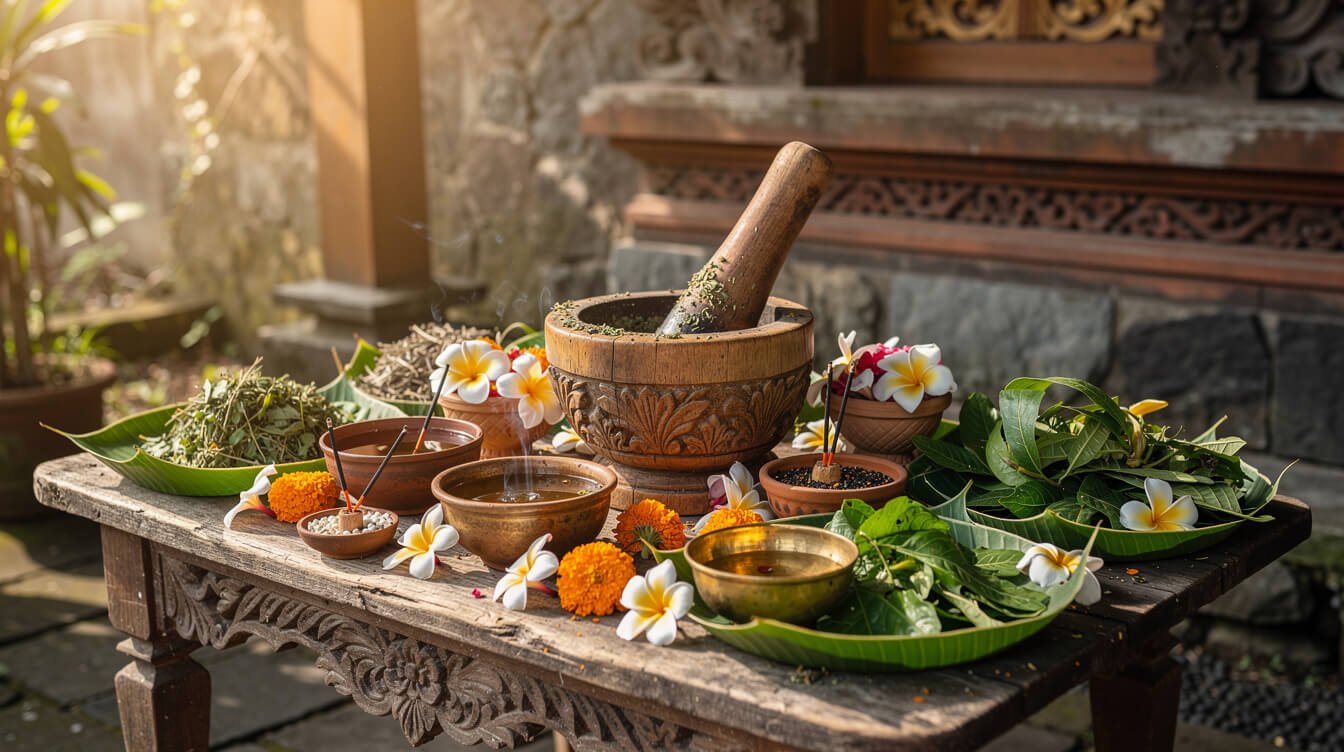
The balian tradition deserves its own section because it is the one thing you truly cannot replicate outside Bali. These healers carry lineages that sometimes stretch back seven or more generations. Some received their calling through illness — they nearly died, recovered, and emerged with healing abilities. Others inherited the gift through family apprenticeship. The balian is not a therapist in the Western clinical sense. They work in a framework where physical illness, emotional distress, and spiritual imbalance are not separate categories.
What a Session Looks Like
You arrive at a family compound — often down a narrow village lane, past rice paddies and barking dogs. The balian sits on a raised platform. There is no intake form. They may read your palm, feel your pulse, look into your eyes, or simply be quiet for a long moment. Diagnosis comes through a combination of physical observation and what the balian describes as spiritual guidance.
Treatment might involve herbal preparations applied to specific body points, holy water sprinkled or poured, prayers chanted in Old Javanese, or energy passed through the hands. Sessions typically last 30 to 60 minutes. The cost is usually a donation — there is no set price in the traditional system, though tourist-facing healers often set a suggested amount (typically 200,000 to 500,000 IDR, roughly $12 to $30 USD).
Finding an Authentic Balian
The most respected balians do not advertise. They are known through local networks and word of mouth. Your best path is through a trusted local contact — a villa manager, a Balinese friend, or a long-term expatriate who has genuine relationships in the community. Be cautious of healers who market heavily on social media or charge premium Western rates. The tradition does not work that way.
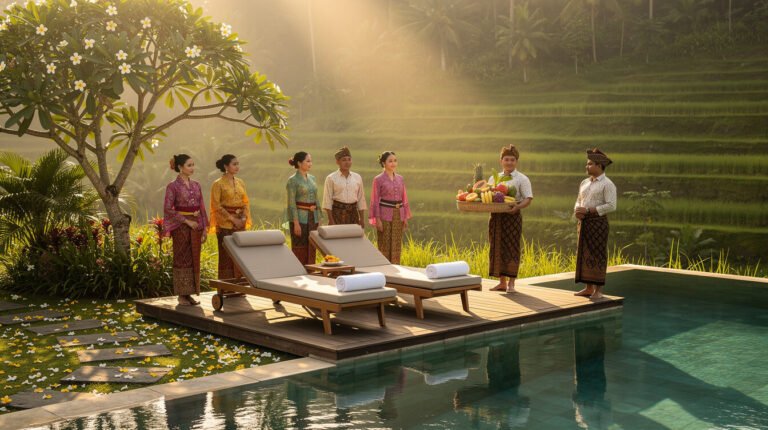
If you are staying at a staffed villa in Ubud, your villa team is often the best resource. The staff live in the community, know the healers personally, and can arrange a visit that respects both your needs and the healer’s protocol. This kind of local facilitation is one of the quiet advantages of choosing a staffed villa over a hotel for your healing retreat.
Get a Free 3-Day Sample Itinerary
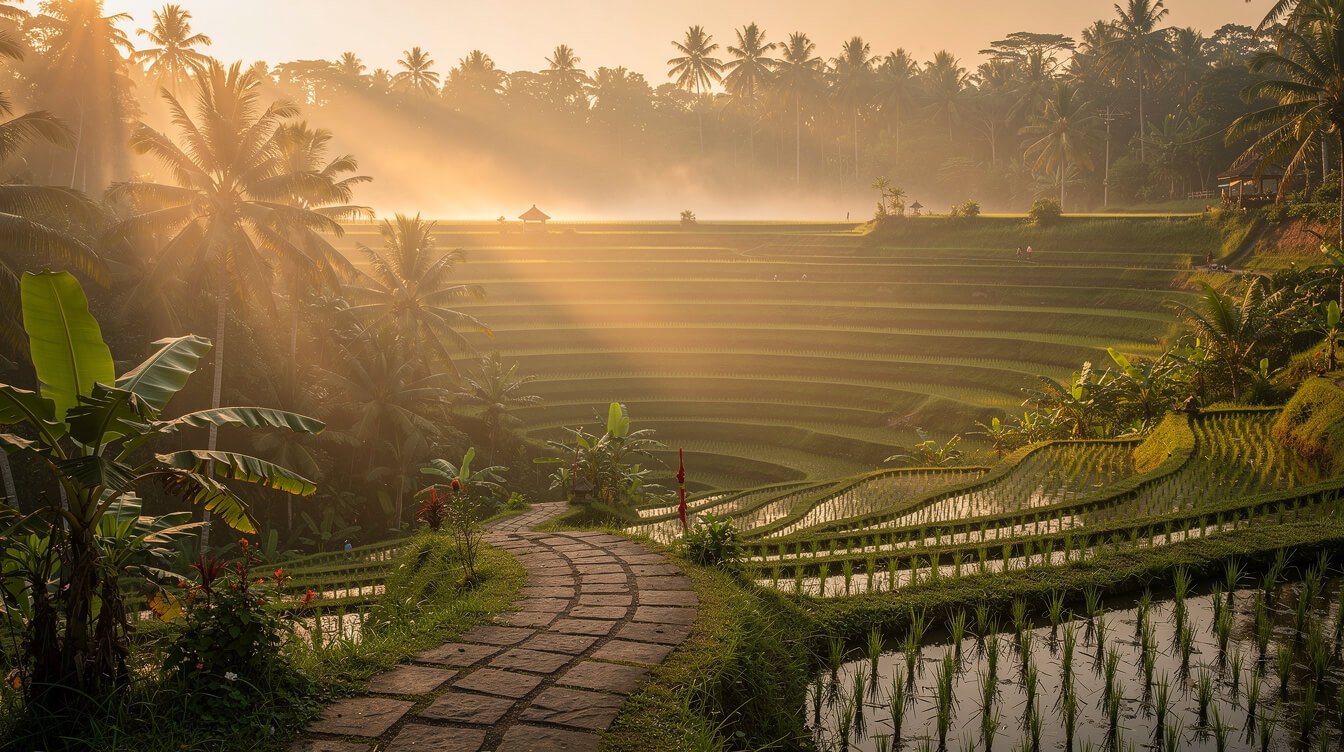
See how a healing retreat unfolds from Villa Amrita — morning rituals, healer visits, spa sessions, and quiet garden time, all held by our team.
Retreat Center vs. Private Villa Healing Experience
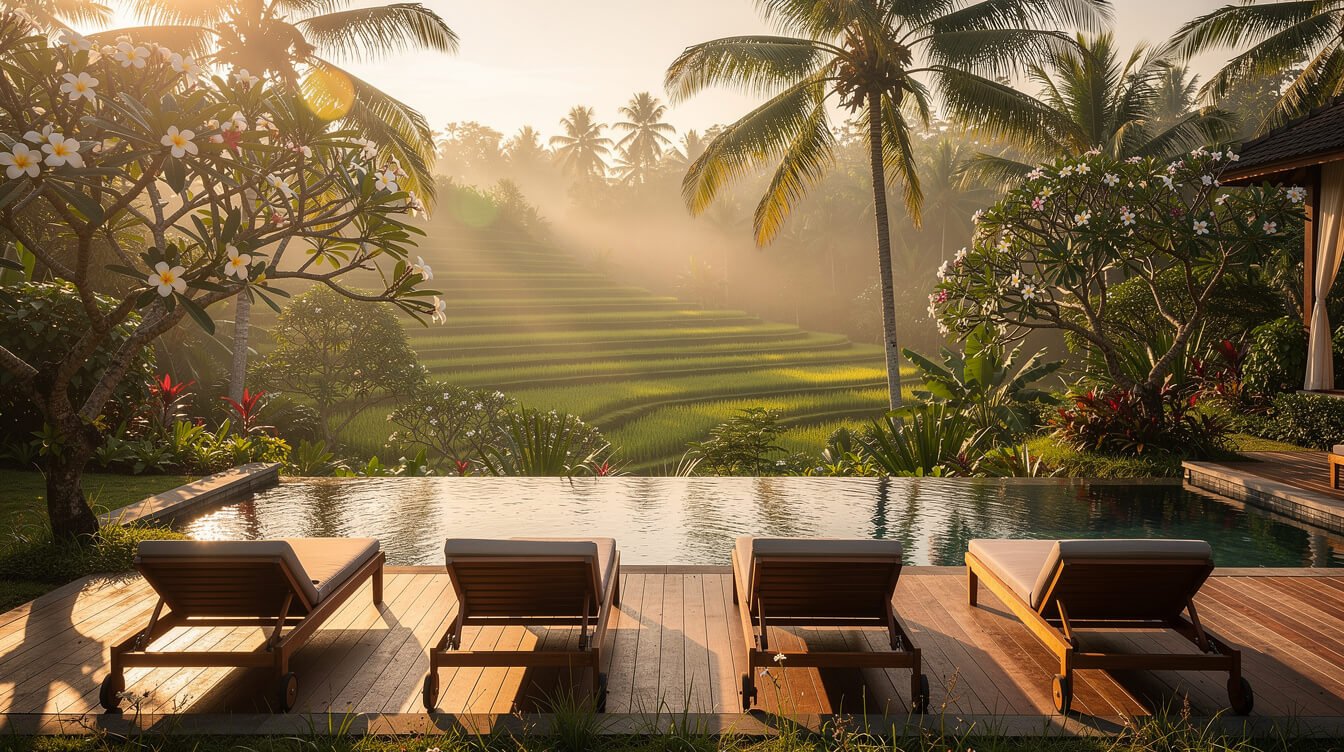
This is the fork in the road that most bali healing retreat guides never address: do you want someone else’s schedule, or your own?
Structured Retreat Centers
Places like Fivelements, Escape Haven, and Goddess Retreats offer all-inclusive healing programs with set itineraries. You wake at a specific time, attend scheduled sessions, eat communal meals, and follow a program designed by the center’s practitioners. This model works well for people who want structure, community, and the comfort of having every detail handled. The trade-off is flexibility — you are on their clock, not yours.
Retreat centers also tend to be more expensive per night than private accommodation, because you are paying for programming, practitioners, and shared facilities. A typical week-long healing retreat at a structured center in Ubud runs $1,500 to $4,000 USD, depending on accommodation tier and program depth.
The Private Villa Healing Retreat
The alternative — and the one that serious wellness travelers are increasingly choosing — is to design your own healing retreat from a private staffed villa. Here is how it works: you book a villa with a team that cares about your experience. Your villa manager helps you arrange healer visits, spa therapists, private yoga instructors, and ceremony participation on your schedule. Your private chef prepares meals aligned with your dietary goals — anti-inflammatory, Ayurvedic, plant-based, whatever you need.
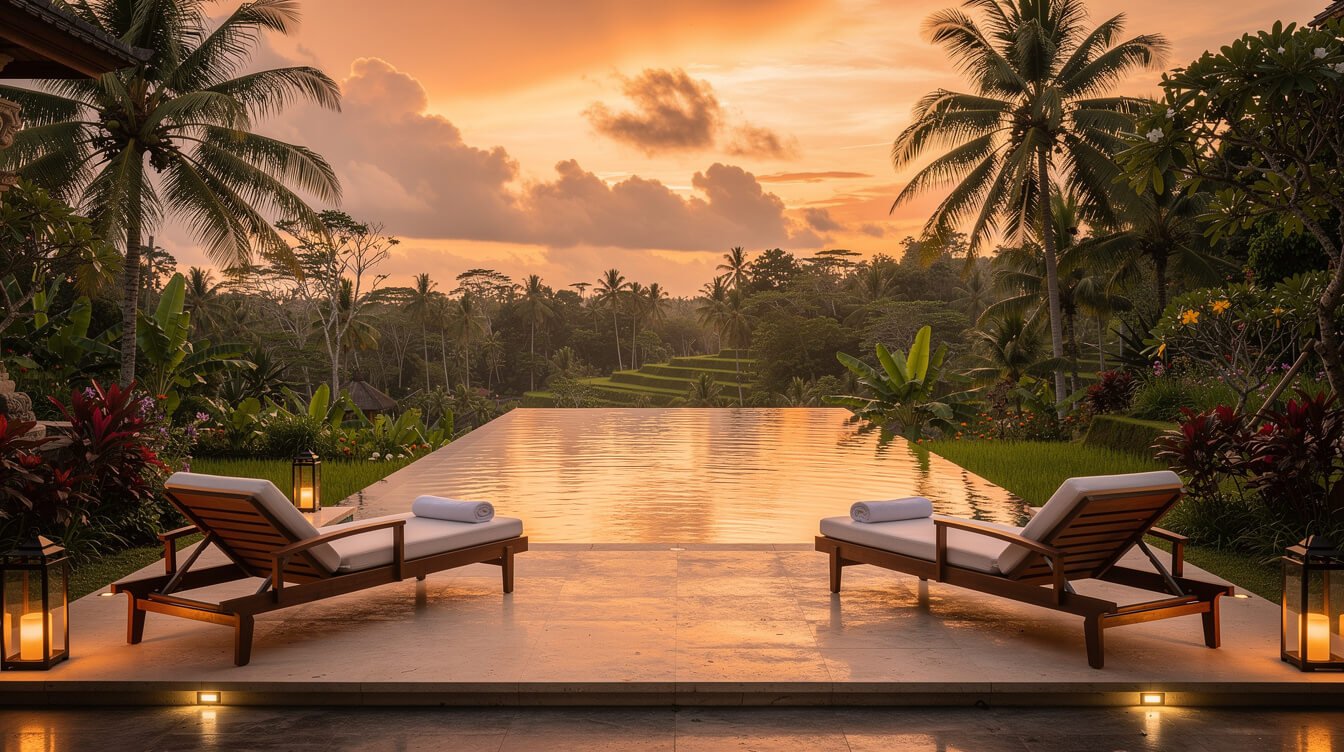
You wake when your body wakes. You practice yoga on the pool deck or in the garden when the mood strikes. You visit a balian when you are emotionally ready, not when the itinerary says. Between sessions, you have a private pool, a tropical garden, and the genuine quiet that a shared retreat center cannot offer. This is healing at your own pace, held by a team that is paying attention.
The cost comparison often surprises people. A three-bedroom villa with full staff — chef, housekeeper, villa manager, gardener — can cost less per person per night than a mid-tier retreat center, especially for couples or small groups. And the experience is incomparably more private and personalized.
How to Design Your Own Healing Retreat in Ubud

If the private villa model appeals to you, here is a practical framework for building your own bali healing retreat — day by day, on your terms.
Step 1: Choose Your Accommodation with Intention
Your base matters more than you think. A healing retreat needs quiet, green space, and a team that understands what you are doing. Look for a villa with a tropical garden (not a rooftop apartment in central Ubud), a pool for morning cold plunges or gentle swimming, and staff who are Balinese — their cultural fluency with healing practices is your greatest asset.
Step 2: Build Your Daily Rhythm
A healing retreat is not a vacation packed with activities. It is a container for transformation, and the container needs space. A strong daily rhythm might look like this:
- 6:00 AM — Wake naturally. Coffee or herbal tea on the terrace. Listen to the garden.
- 7:00 AM — Private yoga or meditation session (book a teacher through your villa team or attend a local studio class)
- 8:30 AM — Breakfast prepared by your chef — fresh tropical fruit, smoothie bowls, or traditional Balinese nasi goreng
- 10:00 AM — Healing session: balian visit, spa treatment, or water purification ceremony
- 12:30 PM — Lunch and rest. Swim. Read. Journal. This unstructured time is where integration happens.
- 3:00 PM — Gentle movement: walk the Campuhan Ridge, explore a temple, or visit the Ubud market
- 5:30 PM — Evening yoga or sound healing session
- 7:00 PM — Dinner — your chef can prepare anti-inflammatory, plant-based, or traditional Balinese meals on request
Step 3: Curate Your Practitioner Team
Ask your villa team to help you connect with:
- A respected balian for 1-2 sessions during your stay
- A private yoga teacher who can tailor sessions to your level and healing goals
- A massage therapist for in-villa treatments (Balinese massage, deep tissue, or aromatherapy)
- A local guide for temple ceremonies and melukat (water purification)
Step 4: Set a Healing Intention
This is the piece that separates a healing retreat from a wellness vacation. Before you arrive, get clear on what you are working through — burnout recovery, grief processing, physical rehabilitation, creative renewal, or simply the desire to reconnect with yourself after years of running on autopilot. Share this intention with your villa team and practitioners. It shapes everything.
Design Your Own Healing Retreat
Three bedrooms, private pool, full staff — chef, manager, housekeeper. Your pace, your practice, your quiet. We hold the rest.
Best Time of Year for a Healing Retreat in Bali
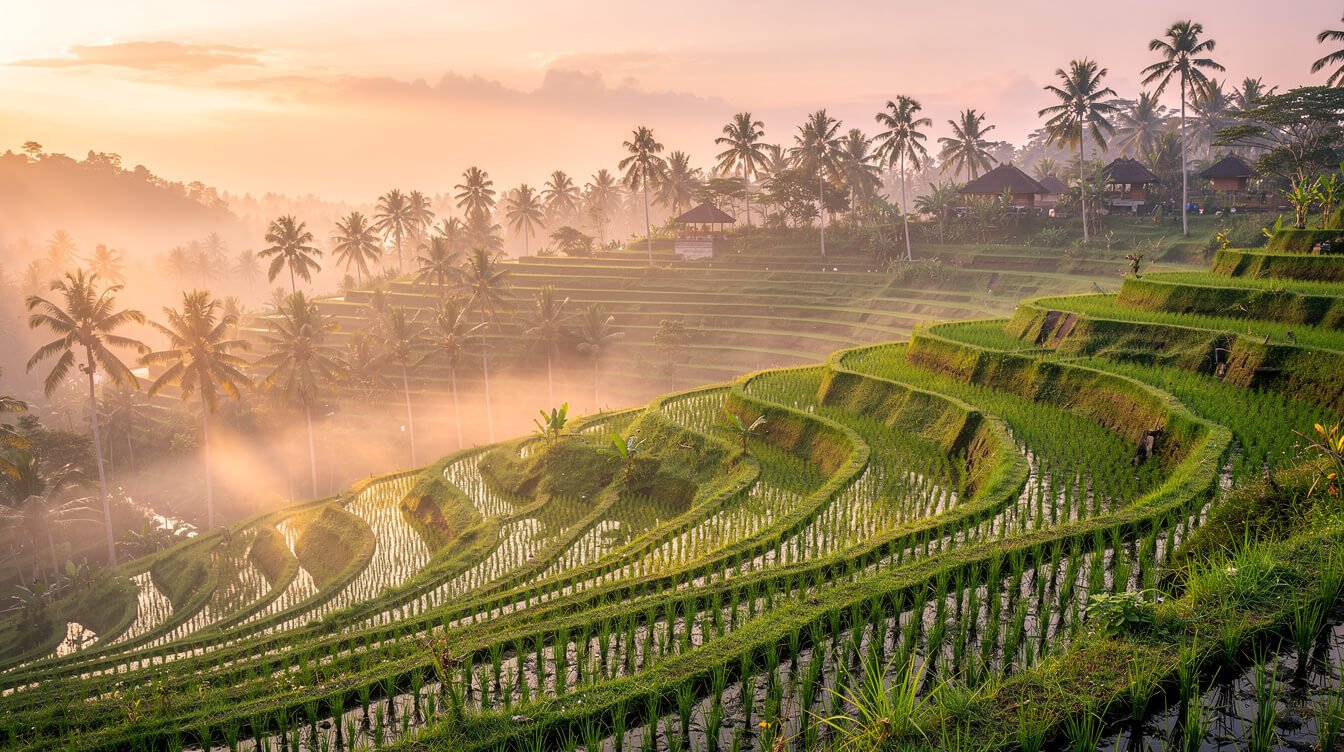
Bali’s tropical climate means healing retreats are possible year-round, but certain seasons offer distinct advantages. For a detailed breakdown, see our season-by-season guide to visiting Ubud.
Dry Season (April to October)
The most popular window. Clear mornings, warm days, and cooler evenings. Outdoor yoga and meditation are uninterrupted by rain. This is peak season for retreat centers, so availability can be tight — a private villa gives you more flexibility. May, June, and September are the sweet spot: dry weather without the July-August tourist crush.
Wet Season (November to March)
Underrated for healing retreats. Rain typically falls in afternoon bursts — mornings are often clear and luminous. The landscape is at its greenest and most alive. Fewer tourists means more intimate access to temples, healers, and cultural experiences. Accommodation prices drop significantly, making an extended healing stay more affordable.
Ceremonial Calendar
Bali’s sacred calendar adds another dimension. Major ceremonies like Nyepi (the Day of Silence) and Galungan offer profound opportunities for spiritual reflection. Attending a temple ceremony during your healing retreat grounds the experience in living culture — it is not something you read about in a book, it is something that happens around you.
Planning Your Bali Healing Retreat — What to Know Before You Go
Practical knowledge makes the difference between a transformative retreat and a frustrating one. Here is what experienced healing travelers know.
How Long Should Your Retreat Be?
A minimum of five nights is recommended for a meaningful bali healing retreat. The first two days are adjustment — jetlag, sensory recalibration, the body unwinding from travel. Days three through five are where the real work begins. If you can afford seven to ten nights, you will reach a depth that shorter stays simply cannot access. Healing is not an event. It is a process that requires time.
What to Pack
- Temple-appropriate clothing — A sarong and sash for temple visits and ceremonies (you can buy these locally for a few dollars, but having your own is more respectful)
- Comfortable practice clothes — For yoga, meditation, and spa sessions
- A journal — Processing happens between sessions. Writing is one of the most effective integration tools
- Minimal electronics — Consider leaving the laptop. Your phone is enough for photos and navigation. Digital detox amplifies everything
- Sun protection and insect repellent — Ubud is tropical. Sunscreen and a good repellent are non-negotiable
Budget Considerations
A well-designed private healing retreat in Ubud can be structured at various price points:
- Accommodation: A private staffed villa for a couple runs roughly $150-300 USD per night, including chef-prepared meals
- Yoga and meditation: Private sessions cost $30-60 USD per session; studio drop-in classes are $10-15 USD
- Balian consultations: $12-30 USD per session (traditional donation-based)
- Spa treatments: Full Balinese massage from $15-40 USD (in-villa or local spa)
- Ceremonies and cultural experiences: Most temple ceremonies are free to attend; guided experiences run $20-50 USD
A seven-night private healing retreat for two, including accommodation, daily yoga, three healer sessions, spa treatments, and all meals, can realistically be built for $2,000-4,000 USD total — comparable to what a single person pays at a structured retreat center.
Respecting the Culture
Healing in Bali is sacred, not transactional. Approach balian visits and temple ceremonies with genuine respect. Dress modestly. Ask permission before photographing. Follow the guidance of local facilitators. Do not bargain with healers. And understand that the Balinese spiritual framework is not yours to adopt wholesale — it is yours to respectfully witness and, where appropriate, to receive. The most authentic experiences in Ubud come when you approach with humility and genuine curiosity.
Getting to Ubud
Ubud is roughly 90 minutes from Ngurah Rai International Airport by car. Most villas and retreat centers offer airport transfers. There is no public transit to speak of — arrange your transport in advance. If your villa has a manager, they will typically coordinate your pickup and make sure you arrive without stress. That first car ride from the coast through the rice terraces, watching the landscape soften and green, is when the healing begins.

Join Our Newsletter
Fun, new, exciting Bali news — healing spots, village ceremonies, chef secrets, and honest Ubud travel intel. No spam, just warmth from the team.