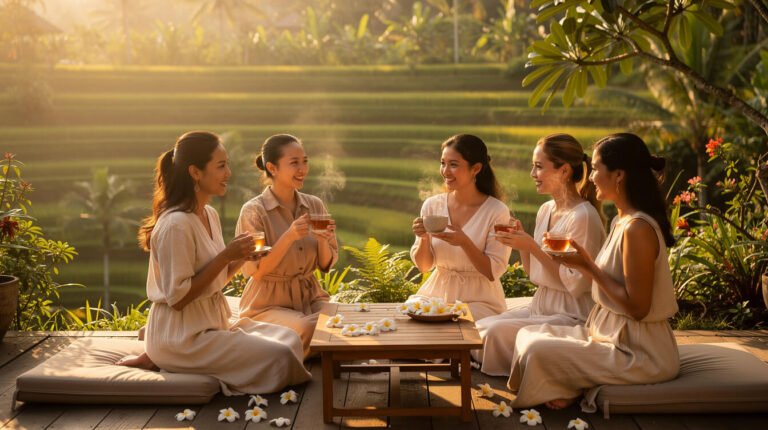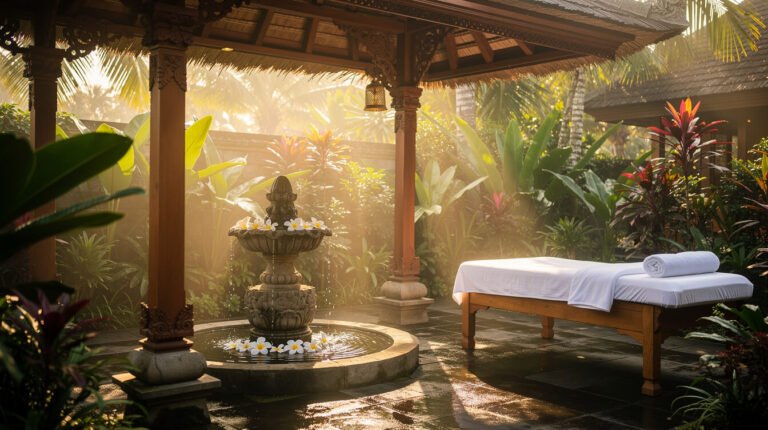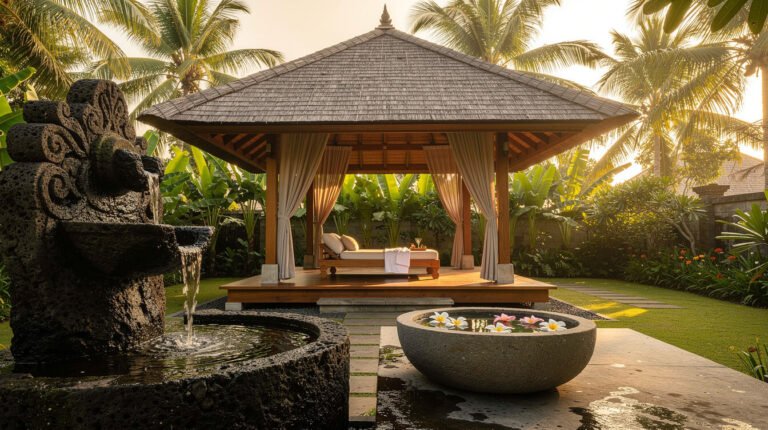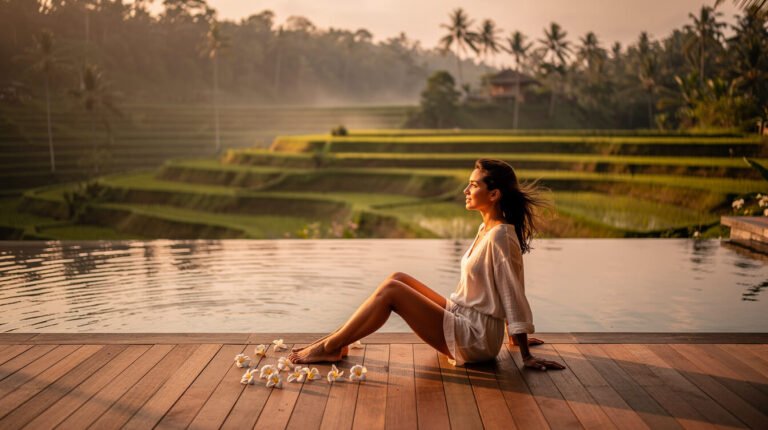
Wellness Retreat Bali: Your Complete Guide to Designing the Perfect Wellness Experience in Ubud
You came to Bali for something more than a vacation. Maybe the pace at home got too loud. Maybe your body started asking for attention you kept postponing. A wellness retreat in Bali offers exactly what that quieter part of you has been requesting — time to slow down, breathe fully, and let someone else hold the logistics while you do the inner work.
But here is what most guides will not tell you: the best wellness retreat in Bali might not be a retreat center at all. The structured group programs have their place. So do the resort spa packages. But there is a third option that experienced wellness travelers increasingly choose — a private staffed villa in Ubud, where you design every detail of the experience around your own body, your own rhythm, your own definition of what healing looks like.
This guide covers all three paths. By the end, you will know exactly which wellness retreat format fits you, what Ubud offers that nowhere else in Bali quite matches, and how to build a wellness stay that actually changes how you feel — not just how your Instagram looks.
Why Bali Draws Wellness Seekers from Around the World
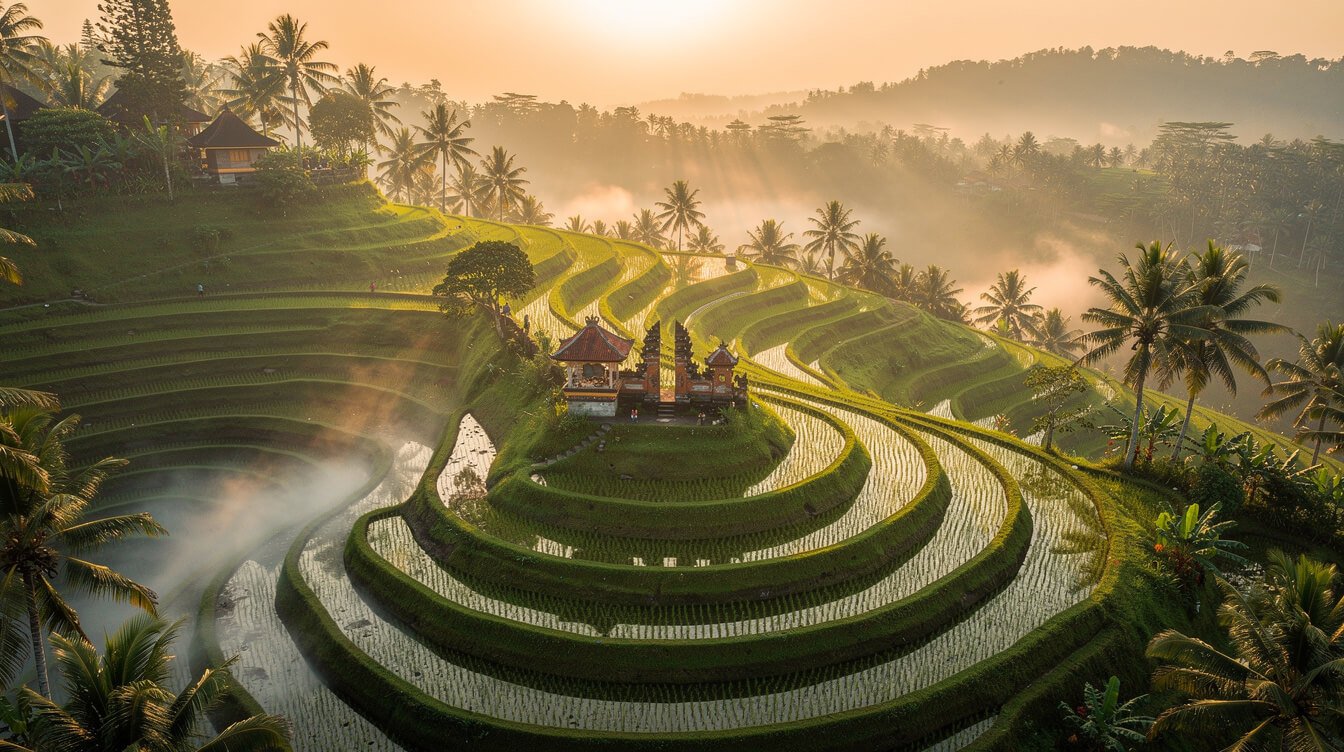
Bali’s pull on wellness travelers is not accidental. The island sits at the intersection of three things that are genuinely hard to find together: an ancient healing culture that is still actively practiced, a natural environment that physically calms the nervous system, and a hospitality infrastructure mature enough to hold sophisticated wellness programming.
The Balinese concept of Tri Hita Karana — harmony between humans, nature, and the spiritual world — is not a marketing tagline. It shapes daily life here. Offerings placed at doorways each morning. Water purification ceremonies at sacred springs. The village healer (balian) who treats ailments the hospital does not name. This is a culture where wellness is woven into the rhythm of ordinary days, not packaged as a weekend escape.
Ubud specifically has become the spiritual and wellness heart of the island. The town sits among rice terraces and river valleys at a gentle elevation that keeps temperatures comfortable year-round. The air is different here — cooler, cleaner, fragrant with frangipani and wet earth after afternoon rain. Your nervous system registers the difference within hours of arriving. If you have read about the best time to visit Ubud, you already know that every season offers something distinct for wellness seekers.
The practical infrastructure matters too. Ubud has more yoga studios per square kilometer than almost anywhere on earth. Organic restaurants serving plant-based, Ayurvedic, and raw food menus line the main roads. Spa experiences in Ubud range from traditional Balinese massage in a village home to clinical-grade hydrotherapy at five-star resorts. Sound healers, breathwork facilitators, craniosacral therapists, and traditional Balinese healers all practice within a twenty-minute drive of the town center.
What makes this different from, say, a wellness retreat in Tulum or Koh Samui? The cost-quality ratio. A world-class massage in Ubud costs a fraction of what you would pay in Mexico or Thailand. A private yoga session with a senior teacher runs $30-50. An hour with a balian healer is often by donation. This means you can afford to build a genuinely comprehensive wellness program without the sticker shock that comes with resort-branded retreat packages.
The Wellness Retreat Landscape in Ubud — What Your Options Actually Are
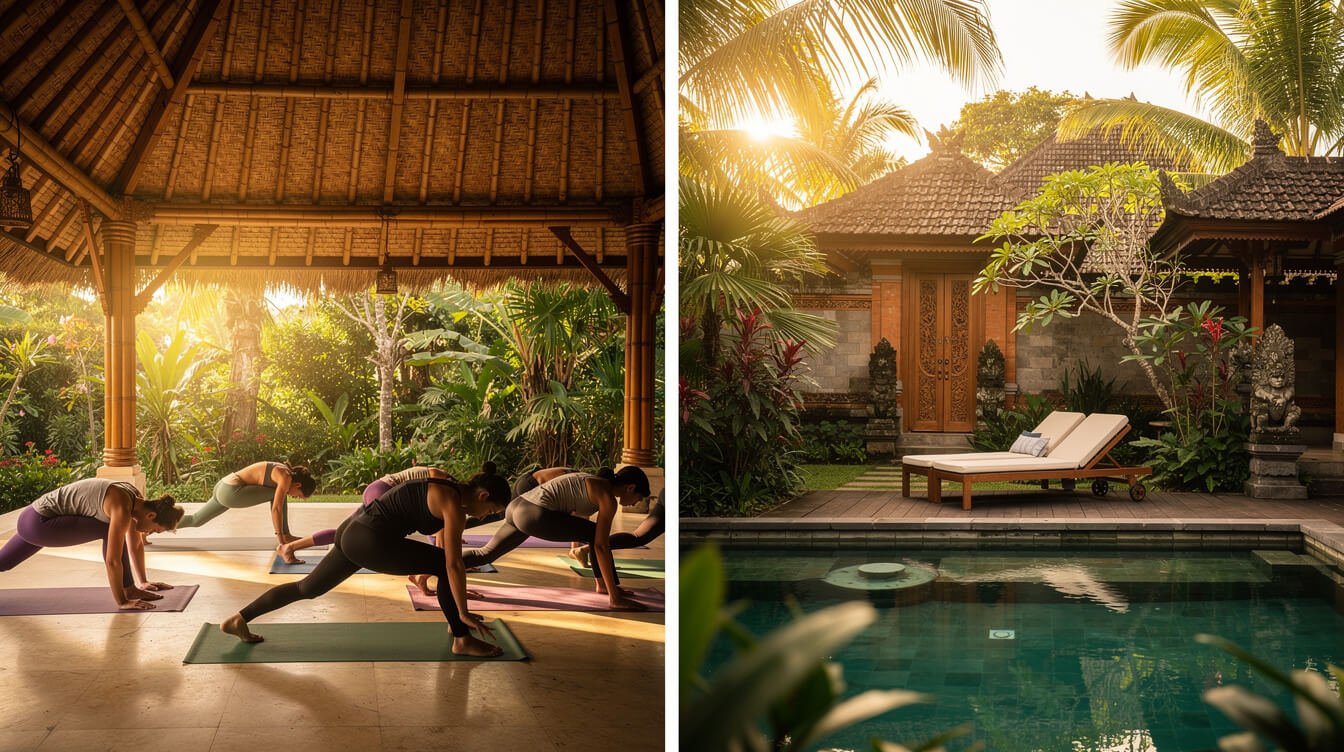
Understanding your options clearly saves you from booking the wrong kind of experience. The wellness retreat landscape in Ubud falls into three distinct categories, each serving different needs.
Structured retreat centers like The Yoga Barn, Fivelements, and Gaia Retreat Center offer fixed-schedule programs — typically 3 to 14 days — with daily yoga, meditation, workshops, and communal meals included. These work well if you want community, enjoy group energy, and prefer having every hour mapped out. The trade-off is flexibility. You eat when they eat. You practice when they schedule. Your roommate snores. If you are an introvert or a solo traveler who values autonomy, this format can feel more exhausting than restorative.
Resort wellness packages at places like COMO Shambhala, Viceroy Bali, or Samsara Ubud layer spa treatments and wellness activities onto a hotel stay. You get professional facilities, beautiful grounds, and room service. The experience is polished. The price reflects it — expect $300-800 per night before you add treatments. These are excellent for a weekend wellness escape but can feel transactional if you are seeking something deeper than a scheduled massage between pool sessions.
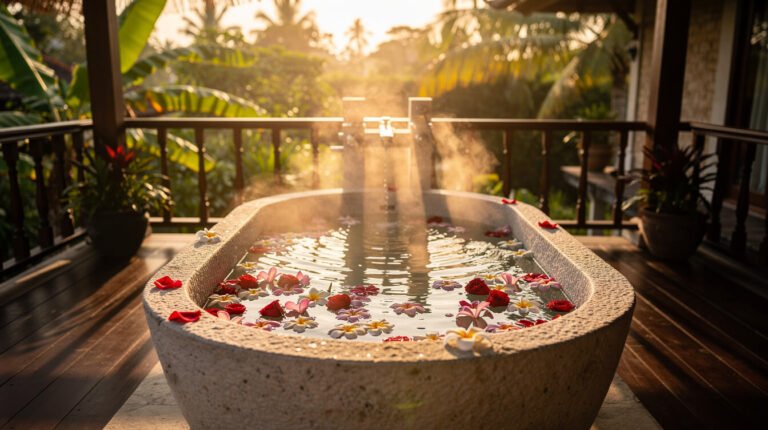
Private villa wellness stays take a different approach entirely. You choose a staffed villa as your base and build a custom wellness program around it. Your private chef prepares meals to your dietary specifications. Your villa manager arranges practitioners — yoga teachers, massage therapists, healers — who come to you. You wake when your body wakes. You practice in your own garden. You eat what nourishes you, not what a retreat kitchen decided to serve everyone.
Each model has its place. But if you have done a group retreat before and found yourself wishing for more privacy, more flexibility, or more control over what goes into your body, the private villa path deserves serious consideration. The complete guide to Bali villa rentals breaks down exactly what to look for.
Why a Private Staffed Villa Changes the Wellness Retreat Experience
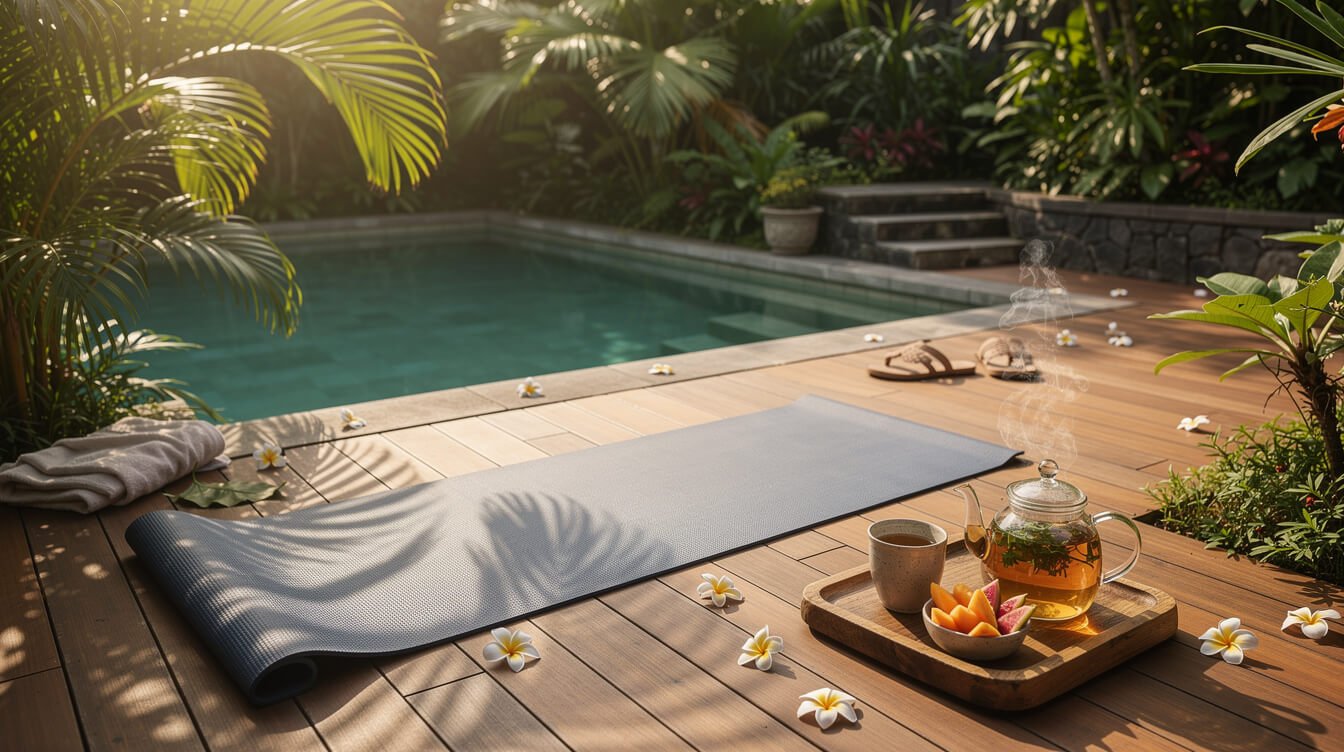
The difference between a staffed villa and an empty rental is the difference between a wellness retreat and a vacation with a yoga mat. Staff changes everything.
When you arrive at a staffed villa in Ubud, someone has already prepared your room. Fresh flowers on the bedside table — not because it is a hotel policy, but because the housekeeper walked through the garden that morning and chose what was blooming. The chef asks about your dietary needs, your preferences, what you want to feel when you eat. Not checking boxes on an allergy form. Actually asking.
This matters for wellness more than most people realize. A wellness retreat works when you are fully held — when the logistics of daily life disappear so completely that your body finally gets permission to stop managing. In a group retreat, you are still navigating social dynamics, shared bathrooms, meal timing, and the ambient energy of strangers processing their own stuff. In a staffed villa, the only energy in your space is yours.
The practical advantages compound quickly. Your private chef can prepare specific wellness protocols — Ayurvedic meals matched to your dosha, anti-inflammatory diets, juice cleanses, raw food programs — without the constraint of feeding thirty people the same thing. The villa manager becomes your personal concierge for wellness: booking a healer for Tuesday, arranging a sunrise trek for Wednesday, organizing a sound healing practitioner to come Thursday evening after dinner.
The garden and pool are yours. Morning meditation happens wherever you feel it — the pool deck, the garden pavilion, the upstairs terrace where the rice field view stretches to the horizon. No scheduling conflicts. No walking past someone else’s emotional processing on your way to breakfast.
For couples and families traveling together, this model is particularly powerful. You each get different things. One person does two hours of yoga while the other sleeps in and gets a massage by the pool. The kids explore the garden with the staff while you sit in genuine silence for the first time in months. A yoga retreat in Bali can be as structured or as free-form as you want when the space is exclusively yours.
Get a Free 3-Day Sample Itinerary
See exactly what a wellness retreat at a private staffed villa in Ubud looks like — day by day, meal by meal, experience by experience.
Design Your Own Wellness Retreat: A Day-by-Day Framework
Building a custom wellness retreat sounds wonderful in theory. In practice, most people stare at a blank calendar and feel overwhelmed. Here is a framework that works — tested by wellness travelers who have chosen the private villa path in Ubud.
Days 1-2: Arrival and unwinding. Do almost nothing intentional. Let the travel fatigue clear. Swim. Sleep. Eat what the chef prepares. Walk through the garden. Your body needs 36-48 hours to shift out of travel mode and into the slower rhythm Ubud operates on. Resist the urge to pack the schedule immediately.
Days 3-4: Movement and exploration. Begin with gentle morning yoga — either in your garden or at a studio in town. Ask your villa manager to book a Balinese massage (in-villa is ideal for the first one, since you can nap afterward). Explore Ubud on foot — the Campuhan Ridge Walk is the perfect morning excursion that combines gentle movement with genuinely beautiful scenery. Let your body tell you what it needs more of.
Days 5-6: Deeper practices. This is where the real work begins. Book a session with a balian healer — your villa manager will know which practitioners are genuine and which cater to tourists. Try a melukat water purification ceremony at one of the sacred springs. Attend a sound healing session. These are the experiences that shift something internally, and they are all available in Ubud. The guide to Bali healing retreats maps out what each modality involves so you can choose with confidence.
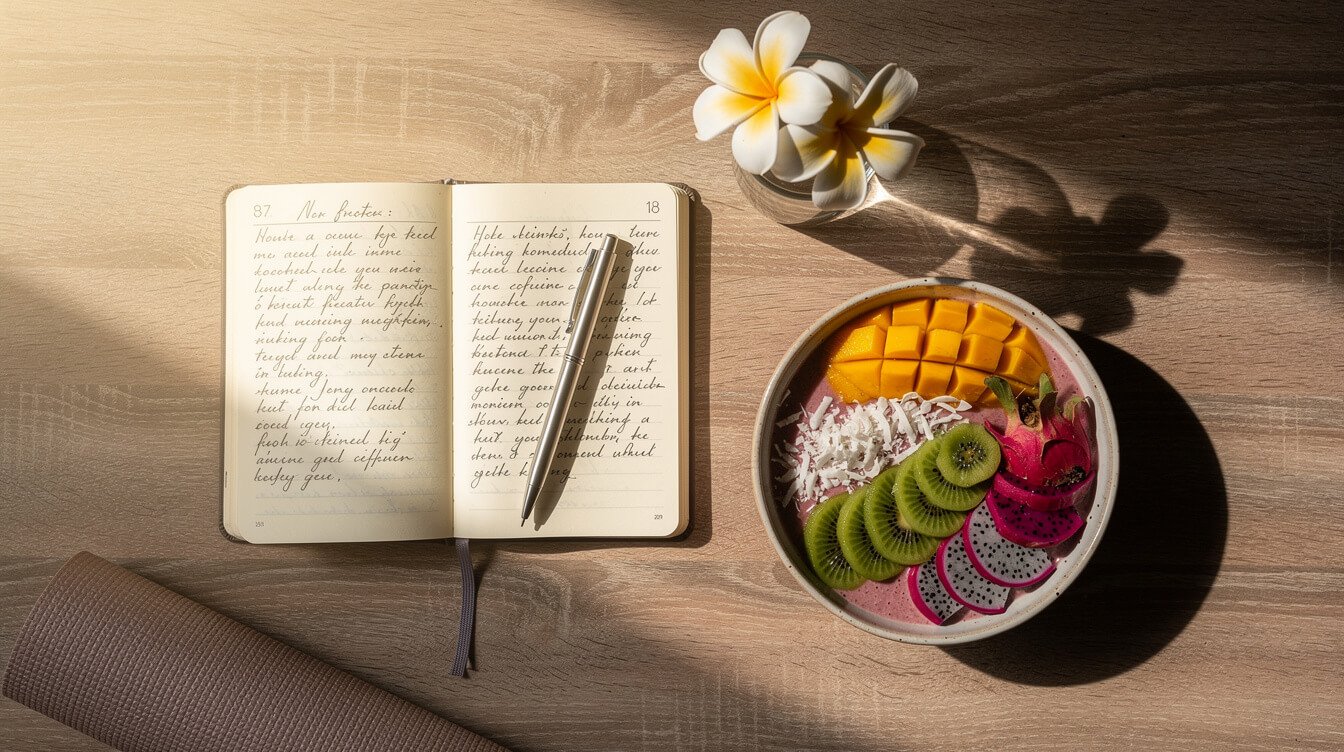
Days 7+: Integration. The last stretch of your stay is for absorbing what you have experienced. Lighter schedules. Journaling. Long swims. Ask the chef to prepare something special — a traditional Balinese feast, or a clean-eating celebration meal. This is when the compounding effect of a full week of wellness becomes visible in how you feel, sleep, and think.
The framework scales to any length. A five-day stay compresses the middle section. A two-week stay allows each phase to breathe more fully. The point is progression — from rest to movement to depth to integration — rather than packing every day with activities.
The Food Side of Wellness — Private Chef, Local Markets, and Clean Eating
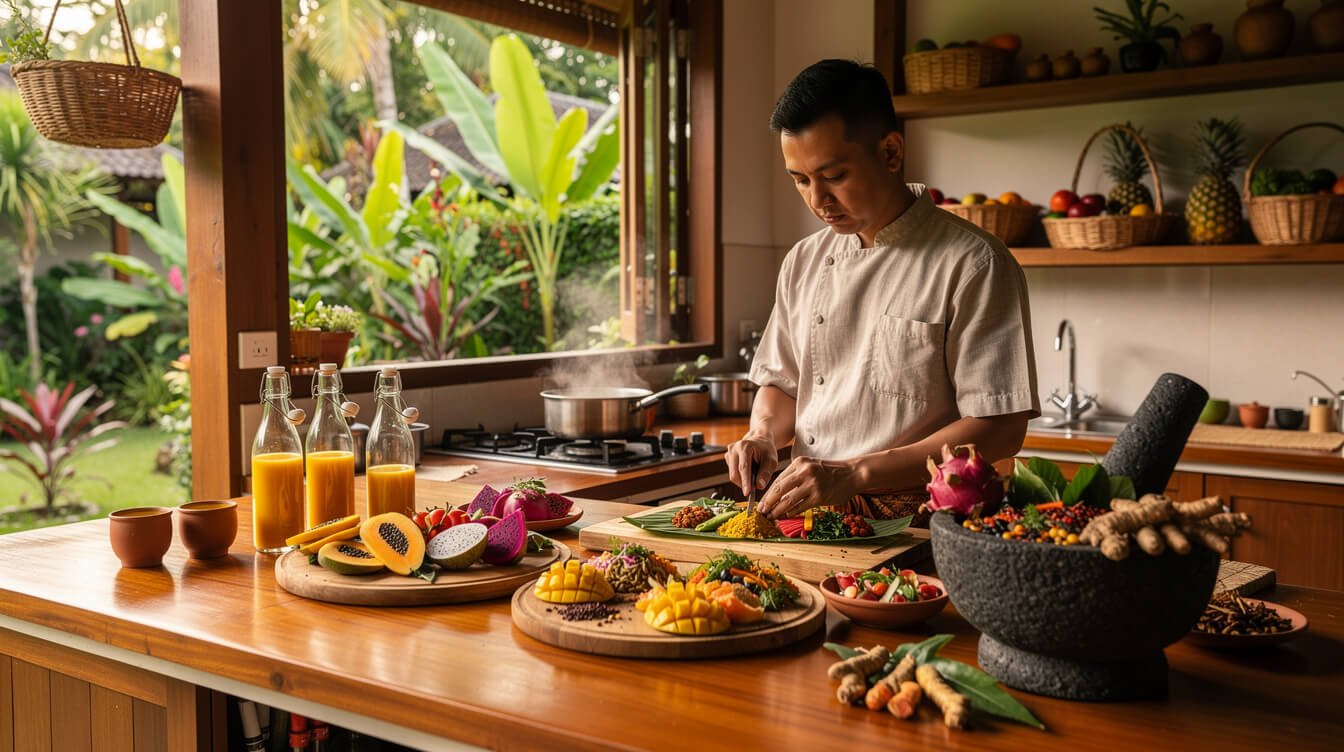
In Bali, food is not separate from wellness. It is the foundation. The island’s food traditions — fresh, plant-forward, turmeric-rich, coconut-based — align naturally with most wellness dietary frameworks. And in Ubud specifically, the farm-to-table movement is not a trend. It is how the markets have always worked.
A private chef in a staffed villa transforms meal preparation into one of the most powerful wellness tools available. Before your arrival, the chef asks what you want to eat and — more importantly — how you want to feel. Anti-inflammatory? Plant-based? Low-sugar? Specific Ayurvedic protocols? They adjust. Every day. Based on what you request and what the local market offers that morning.
Traditional Balinese wellness foods deserve special attention. Jamu — the turmeric-based herbal tonic that Balinese women have prepared for centuries — is anti-inflammatory, digestive, and genuinely delicious when made fresh. Your chef can prepare it each morning alongside tropical fruits you have likely never tasted: salak (snakefruit), rambutan, mangosteen. Each with its own nutritional profile. All of them at peak ripeness because they were picked that day.
The things to do in Ubud include visiting the morning markets with your chef — an experience that connects you to the food system in a way no restaurant menu can. You walk through stalls piled with galangal, lemongrass, fresh turmeric root, morning-caught fish, and vegetables still warm from the field. You point at what interests you. The chef explains what it is and how they would prepare it. Dinner becomes personal in a way that no retreat kitchen can replicate.
For guests with specific wellness dietary goals — whether a structured cleanse, a microbiome reset, or simply eating cleaner for ten days than they do at home — the private chef model eliminates the biggest barrier. You do not need to research restaurants, read ingredient lists, or compromise. Every meal is made for you, from ingredients you can see and trust.
Healing Traditions You Can Access from Ubud
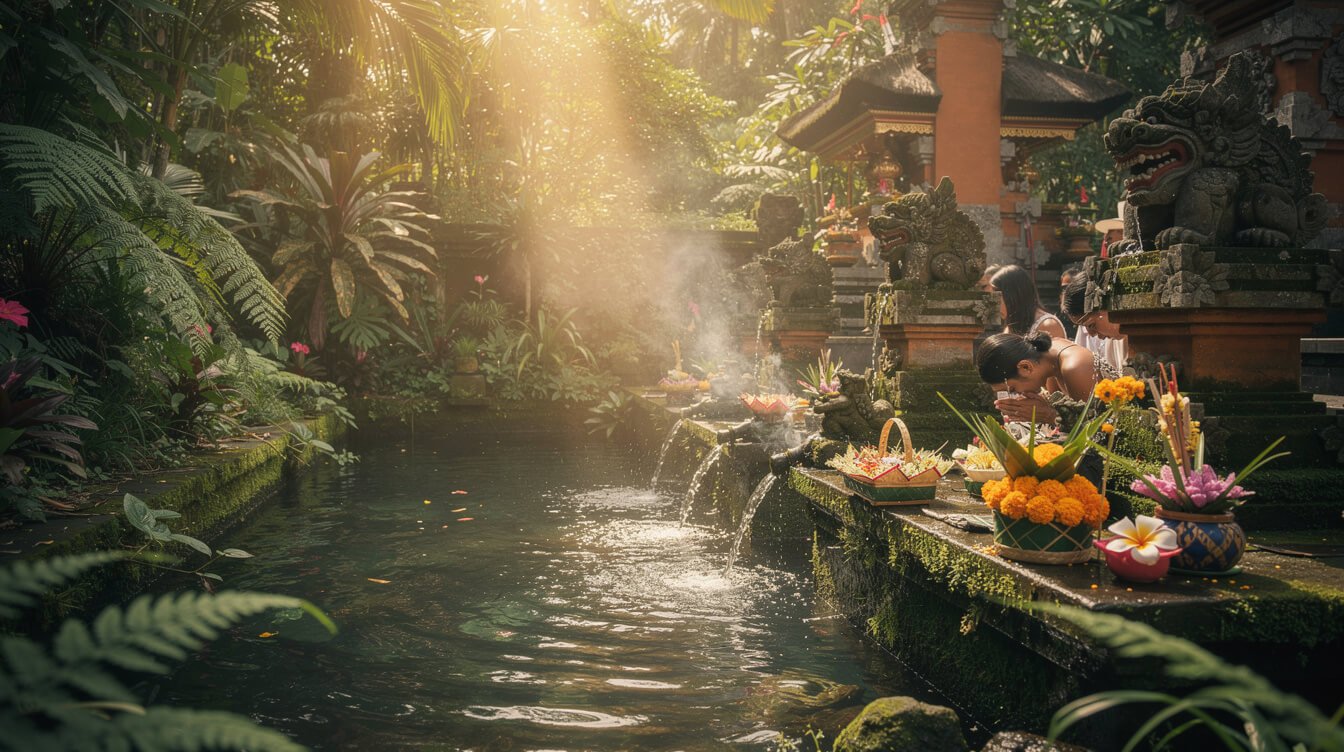
Ubud is one of the few places on earth where genuine traditional healing practices exist alongside modern wellness modalities — and both are easily accessible, affordable, and taken seriously by locals and visitors alike.
Balian healing is the bedrock. A balian is a traditional Balinese healer whose practice combines spiritual diagnosis, energy work, herbal medicine, and sometimes physical manipulation. This is not performative. Balinese families consult balians for everything from chronic illness to life transitions. Visitors are welcome, but the experience demands respect — your villa manager can connect you with a practitioner whose specialty matches what you are working through.
Melukat purification ceremonies at sacred water temples offer one of Bali’s most profound wellness experiences. You stand beneath ancient stone spouts while blessed spring water washes over you, moving through a series of fountains in sequence. The practice is physical, spiritual, and emotionally releasing. Many visitors describe it as the single most transformative moment of their Bali stay. Tirta Empul is the most famous site, but smaller, quieter temples near Ubud offer the same practice with far fewer crowds.
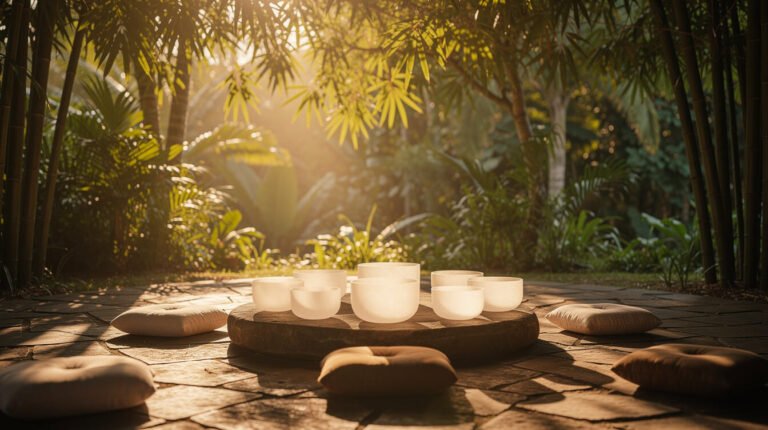
Sound healing has become a signature Ubud modality. Practitioners use crystal bowls, gongs, and traditional Balinese instruments to create frequencies that shift brainwave states. Sessions typically last 60-90 minutes and leave participants in a deep meditative state. Available in studios around town or — better — arranged privately at your villa, where the garden acoustics and personal setting deepen the experience.
Breathwork, craniosacral therapy, and energy work are all widely practiced by qualified international practitioners who have made Ubud their base. The wellness migration of the past decade has concentrated serious talent here. Your villa manager can arrange practitioners to come to you, so the treatment happens in your own space with no travel required afterward.
The Bali healing retreat guide goes deeper into each modality, including what to expect from your first balian visit and how to prepare for a melukat ceremony.
Ready to Design Your Own Wellness Retreat?
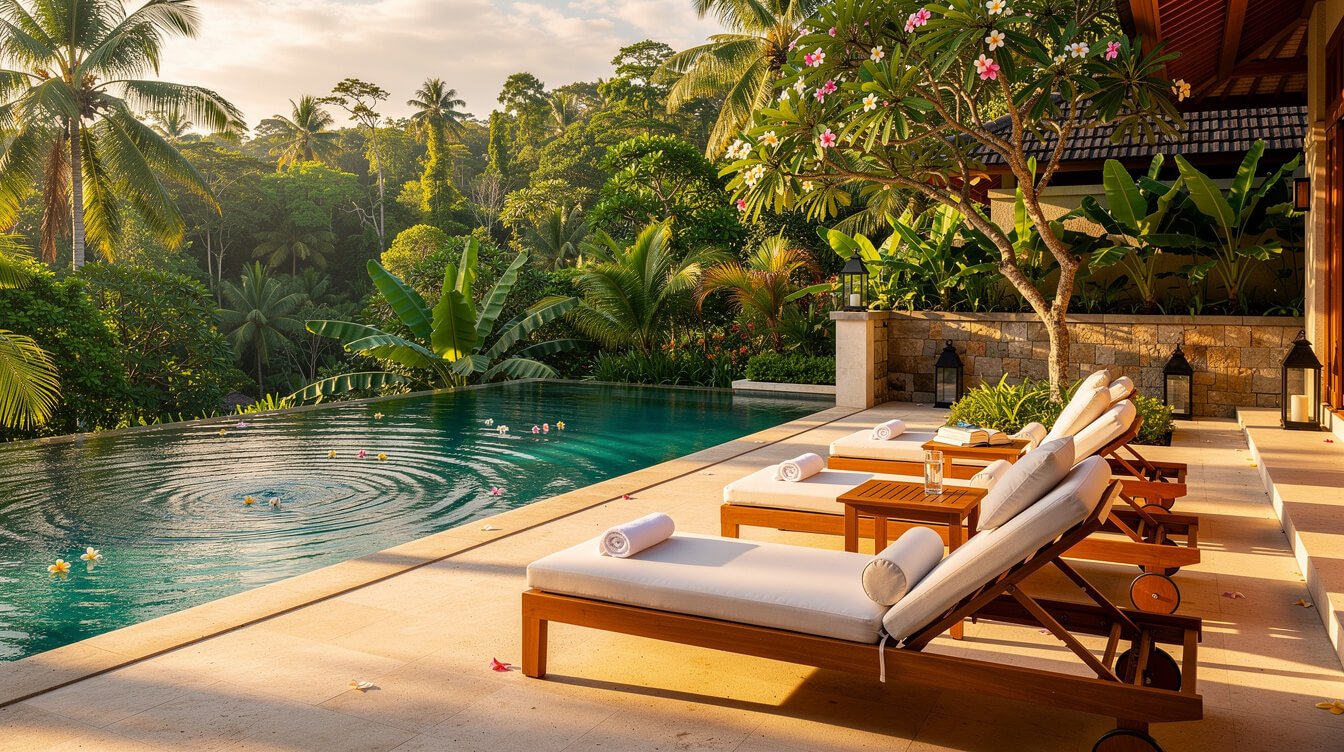
Three bedrooms, full staff, private pool, tropical garden — and a team that will help you build the wellness experience you have been imagining.
Book the VillaMovement and Stillness — Yoga, Meditation, and Morning Walks

Wellness in Ubud moves between two poles: intentional movement and genuine stillness. The town offers extraordinary infrastructure for both, and the private villa model lets you toggle between them on your own schedule.
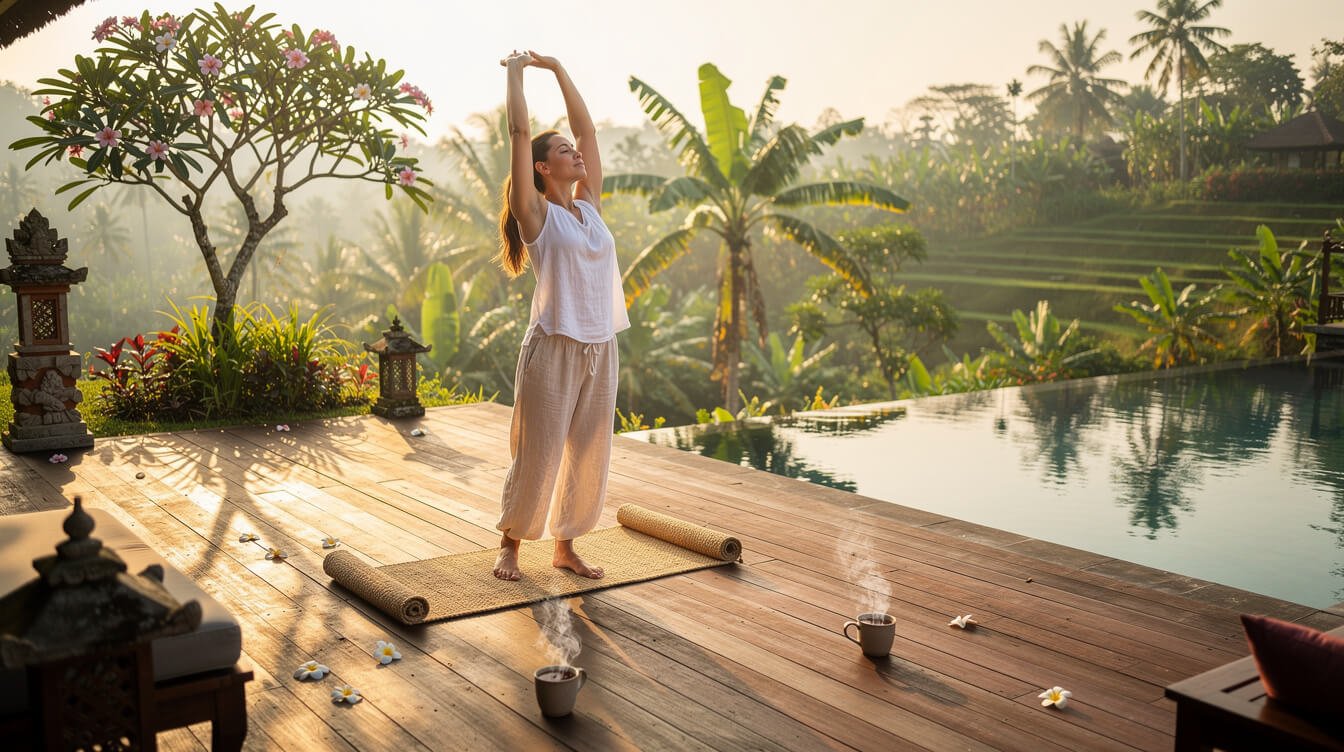
Yoga here comes in every lineage and intensity. The Yoga Barn offers a full daily schedule from 7 AM to 7 PM — Vinyasa, Hatha, Yin, Kundalini, Ashtanga, restorative. Radiantly Alive focuses on alignment-based power yoga. Smaller studios scattered through rice field paths offer intimate classes where the teacher-to-student ratio approaches one-to-one. Private sessions — either at a studio or in your villa garden — are available starting from $30-50 for a full hour.
Meditation in Ubud is not abstract. It is supported by the environment. Morning silence in a rice field garden, with no sound but insects and birdsong, puts you into a meditative state before you have formally begun. Many wellness travelers find that a daily meditation practice they struggled with at home becomes effortless here, simply because the sensory environment supports it. In-villa meditation, on your own terrace or garden pavilion, removes every excuse and every friction point.
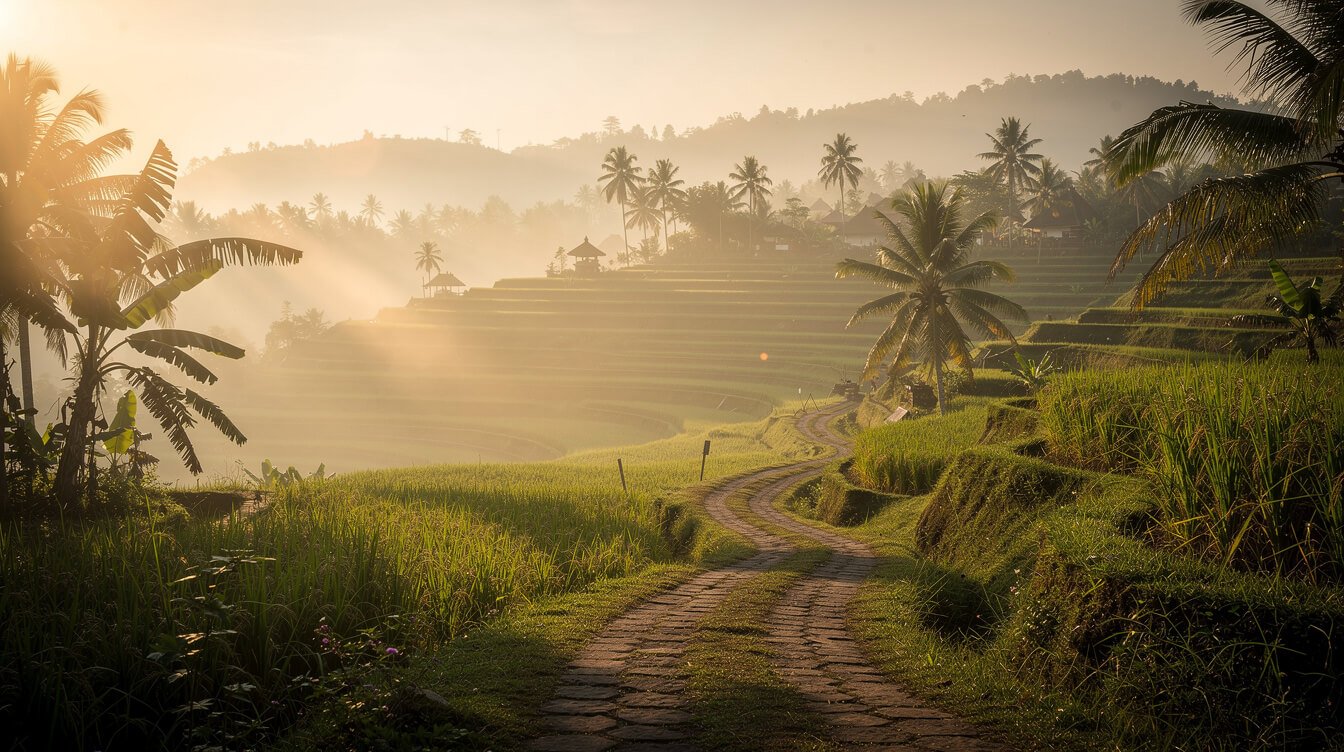
Morning walks might be the most underrated wellness practice available in Ubud. The Campuhan Ridge Walk at sunrise — tall grass glowing gold, the valley dropping away on both sides, morning mist clearing to reveal layers of green — is a moving meditation that requires no instruction. The rice field paths around Jatiluwih offer longer walks through UNESCO-protected landscapes. And the quiet lanes around your villa, where you pass offerings being placed at household shrines, connect you to the living spiritual culture in a way no workshop can.
The combination of intentional movement and environmental stillness is what makes Ubud wellness qualitatively different from retreats in other destinations. You are not trying to create calm inside a noisy world. The world itself is already calm. Your body matches it.
Planning Your Wellness Retreat in Bali — Practical Tips
The difference between a transformative wellness stay and a disappointing one usually comes down to planning. Here is what experienced wellness travelers wish they had known before their first trip.
Duration matters more than density. A seven-day wellness retreat delivers exponentially more than a three-day one — not linearly. Days 1-2 are transition. Days 3-4 are exploration. The real shifts happen from day 5 onward. If you can manage ten days, do it. Your body and mind need the first few days just to believe they are actually allowed to stop.
Season affects your experience. April through October (dry season) offers the most predictable outdoor conditions for yoga, walking, and pool time. But the rainy season (November through March) has its own wellness character — afternoon storms create a dramatic backdrop for indoor meditation, the air is cooler, and Ubud is quieter. Read the best time to visit Ubud guide for a full seasonal breakdown.
Book your villa before your practitioners. The accommodation determines everything else. A staffed villa in a rice field setting gives you garden space for yoga, kitchen capacity for wellness meals, and staff who function as your concierge. Once your dates and villa are confirmed, your villa manager can arrange practitioners, healers, and excursions around your preferences.
Budget realistically. A structured group retreat in Ubud runs $100-300 per night all-inclusive. A resort wellness package runs $300-800 per night. A private staffed villa with custom wellness programming runs $150-400 per night for the villa, plus $30-80 per day for treatments and sessions booked à la carte. The villa model often delivers more for less — particularly for couples or small groups who split the villa cost.
Pack light, pack intentional. Comfortable yoga clothing (cotton breathes better than synthetic in Bali’s humidity). A journal. A sarong for temple visits. Sunscreen and insect repellent. Leave the resort wear — Ubud dresses down. Your villa provides pool towels, toiletries, and robes.
Arrive a day early. Give yourself a buffer between international travel and the start of your wellness programming. That first day of jet-lagged pool floating, slow eating, and unpacking is not wasted time. It is the foundation your body needs before deeper work begins.
Your wellness retreat in Bali can be the most restorative experience of your year — or it can be another beautiful vacation that does not quite reach the places you needed it to reach. The difference is almost always about format, intention, and having the right support around you. Choose the structure that matches your actual needs, not the one with the best photography. And let Ubud do what it has been doing for centuries: hold you while you remember how to hold yourself.

Join Our Newsletter — Fun, New, Exciting Bali News
Real stories from Ubud, wellness tips you can actually use, and the occasional insider secret — delivered to your inbox with warmth.