Is Ubud Worth Visiting? An Honest Guide to Bali’s Cultural Heart
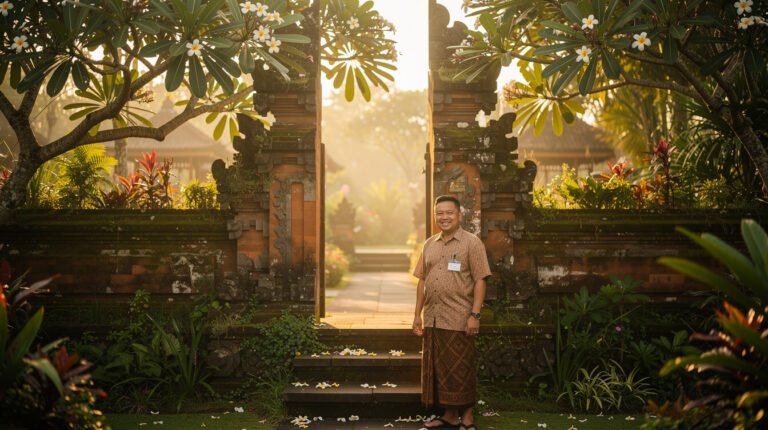
Is Ubud worth visiting? If you’re asking that question, you’re probably weighing Ubud against the beach clubs of Seminyak, the surf breaks of Canggu, or the cliff-top glamour of Uluwatu. Here’s the honest answer from people who live and work in Ubud every day: yes — but not for the reasons most travel blogs will tell you. Ubud earns its place on your Bali itinerary not because it’s famous, but because it’s genuine. The rice terraces are real. The temple ceremonies happen whether tourists are watching or not. The air smells different here — frangipani and wet earth and incense smoke from the morning offerings.
This guide walks you through everything you need to know before you go: what makes Ubud different, who it’s best suited for, what you’ll actually do there, and how to plan a stay that feels less like a vacation and more like arriving somewhere you didn’t know you needed.
Is Ubud Worth Visiting? Here’s What Makes It Different
Most travelers arrive in Bali expecting beaches. Ubud gives you something else entirely. This is Bali’s cultural heart — a town built around rice paddies, Hindu temples, and a creative community that has been drawing artists, dancers, and writers since the 1930s. The streets hum with a different frequency than the coastal towns. There are no beach clubs here. The nightlife ends early. What you get instead is depth.
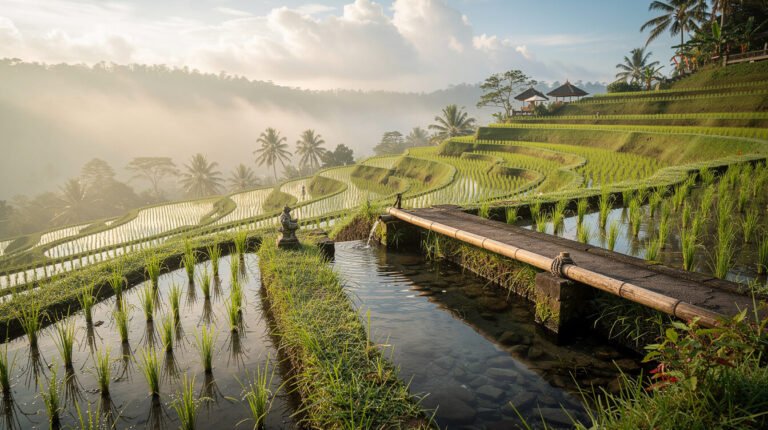
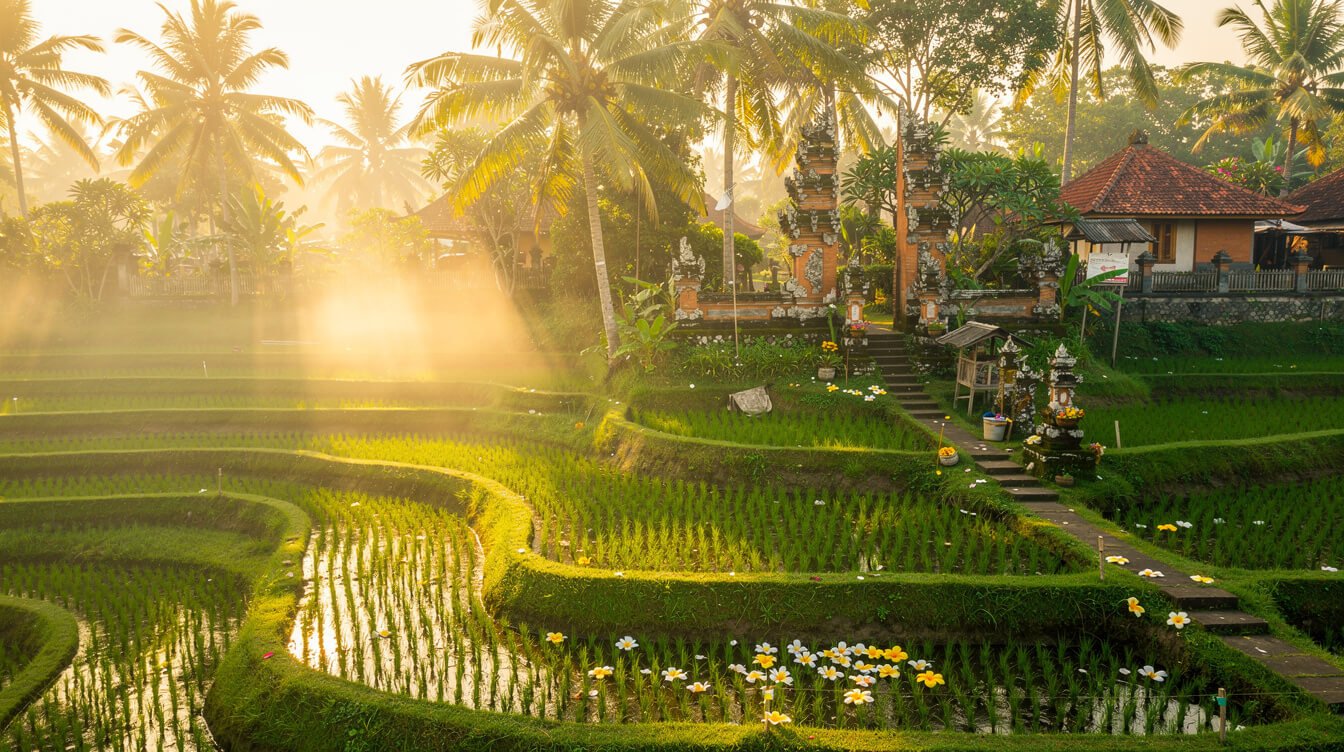
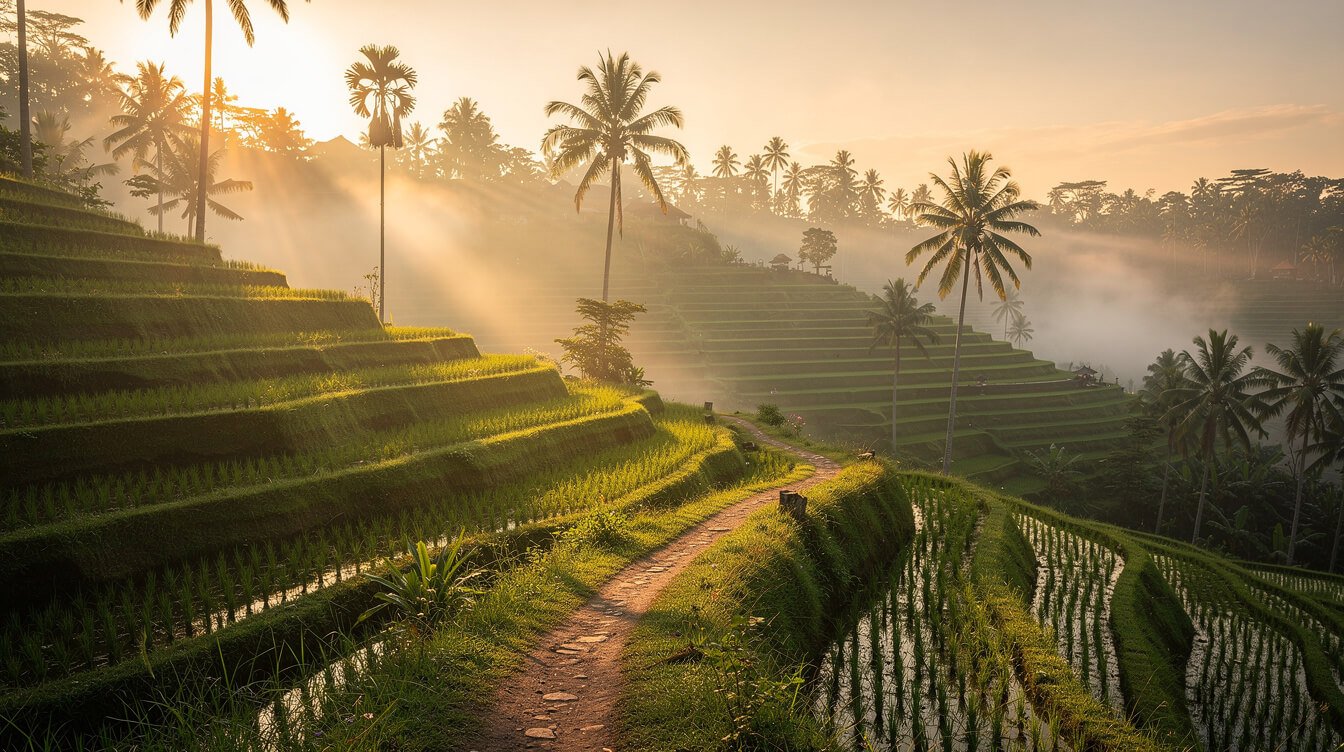
Walk five minutes from the central market and you’re on a footpath between flooded rice terraces, the only sound the water moving through irrigation channels that are older than most countries. The Balinese call this system subak — a cooperative water-management tradition recognized by UNESCO. It’s not a tourist attraction. It’s how the village feeds itself.
This is the fundamental difference. Ubud is not a resort destination dressed up for visitors. It’s a living, working village that happens to be extraordinary. The ceremonies at Ubud’s temples — and there are temples on nearly every corner — happen on their own schedule. The gamelan rehearsals you hear drifting from the community hall at dusk are for the village, not for you. You’re welcome to watch, to listen, to participate. But you’re stepping into someone’s daily life, not a curated experience.
For travelers who want to understand a place rather than just photograph it, that distinction makes Ubud worth visiting more than almost anywhere else in Southeast Asia.
The Culture and Spirituality You Won’t Find Anywhere Else in Bali
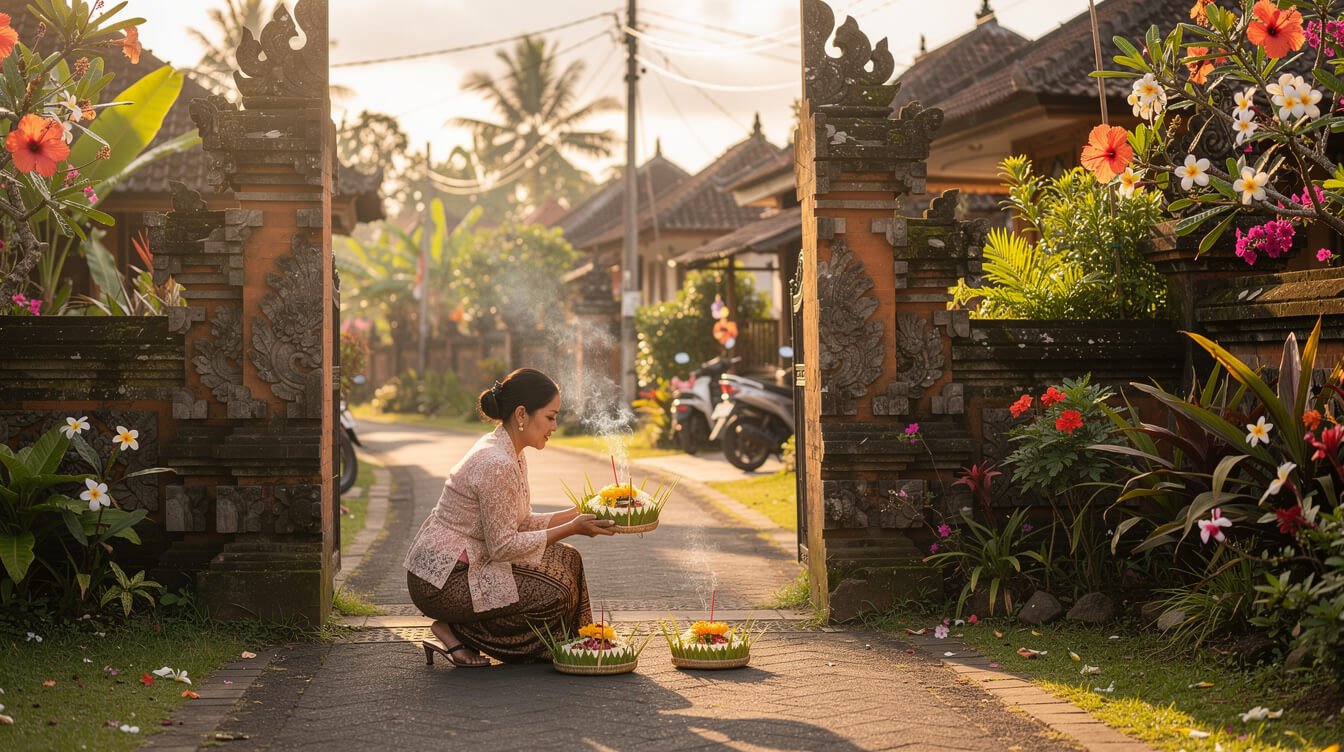
Ubud’s spiritual life is not a marketing angle. It’s the texture of every morning. Before dawn, the women of the village are already weaving small palm-leaf baskets — canang sari — filled with flowers, rice, and incense. They place these offerings at doorways, on motorbike dashboards, at the base of trees. By the time you step outside, the air already carries the sweet smoke of the first offerings.
If you’re interested in Balinese Hinduism, Ubud is the place to experience it firsthand. The Tirta Empul water purification ceremony is one of the most meaningful things you can do in Bali — standing in the cool spring water, moving from spout to spout, following a tradition that stretches back to the 10th century. It’s humbling in a way that no yoga class can replicate.
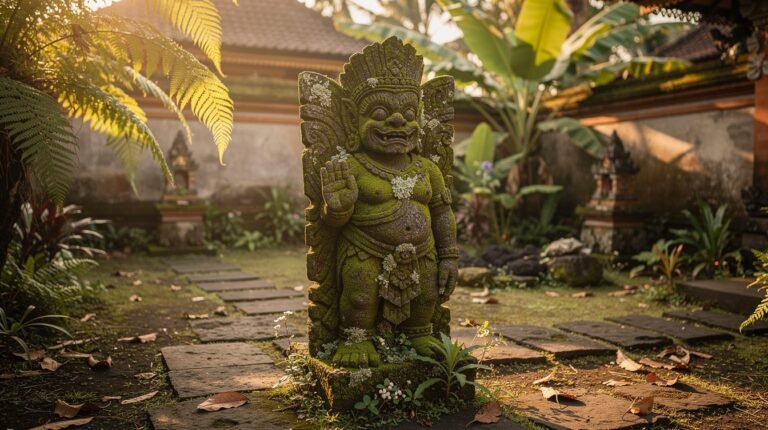
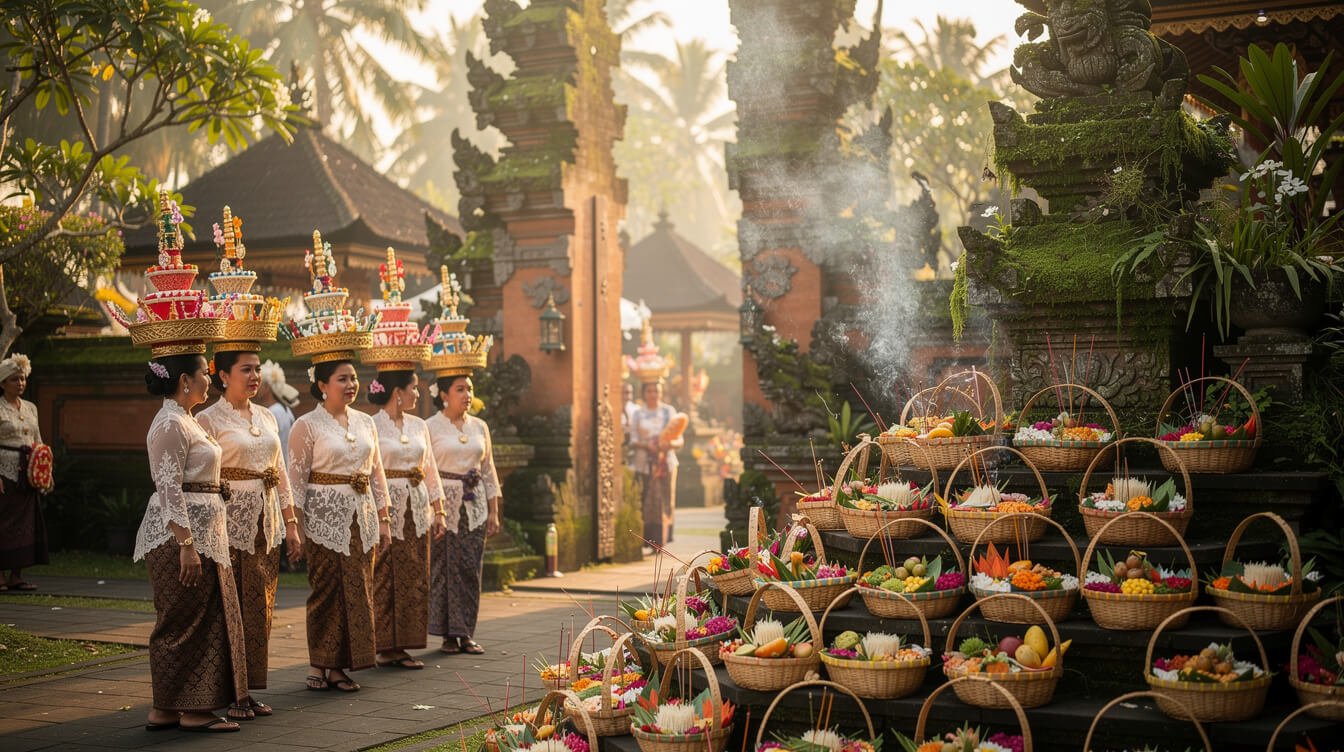
The temples themselves are worth slow exploration. Goa Gajah (the Elephant Cave), carved into rock in the 9th century, still holds its mystery. Gunung Kawi, a 30-minute drive from central Ubud, reveals ancient rock-cut shrines tucked into a river valley — the kind of place that silences a crowd. And smaller neighborhood temples (pura desa, pura puseh, pura dalem) host ceremonies almost weekly, with processions of women carrying towering fruit offerings on their heads, accompanied by gamelan orchestras playing music that makes your chest vibrate.
Then there’s the wellness dimension. Ubud earned its reputation as a yoga and meditation hub honestly. The Yoga Barn runs dozens of classes daily across multiple studios. Sound healing sessions, breathwork circles, and cacao ceremonies happen at smaller spaces throughout town. Whether you’re a dedicated practitioner or just curious, the quality and variety here is unmatched in Bali.
Get a Free 3-Day Sample Itinerary
Wondering how to fill your days in Ubud? We’ve mapped out three mornings, afternoons, and evenings — from rice terrace walks to the best sunset dinner spots.
The Experiences That Make Ubud Unforgettable
Ubud’s appeal goes far beyond temples and rice terraces — though those alone would justify the visit. The town has developed an ecosystem of experiences that connect you to Balinese culture in ways that feel participatory, not passive.
Cooking Classes That Change How You Eat
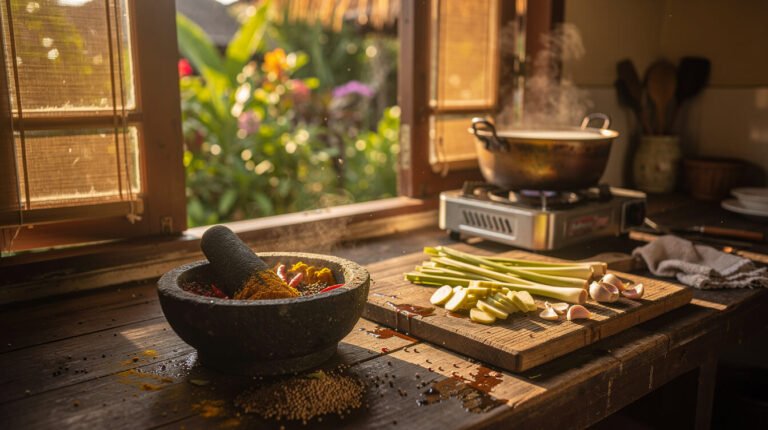
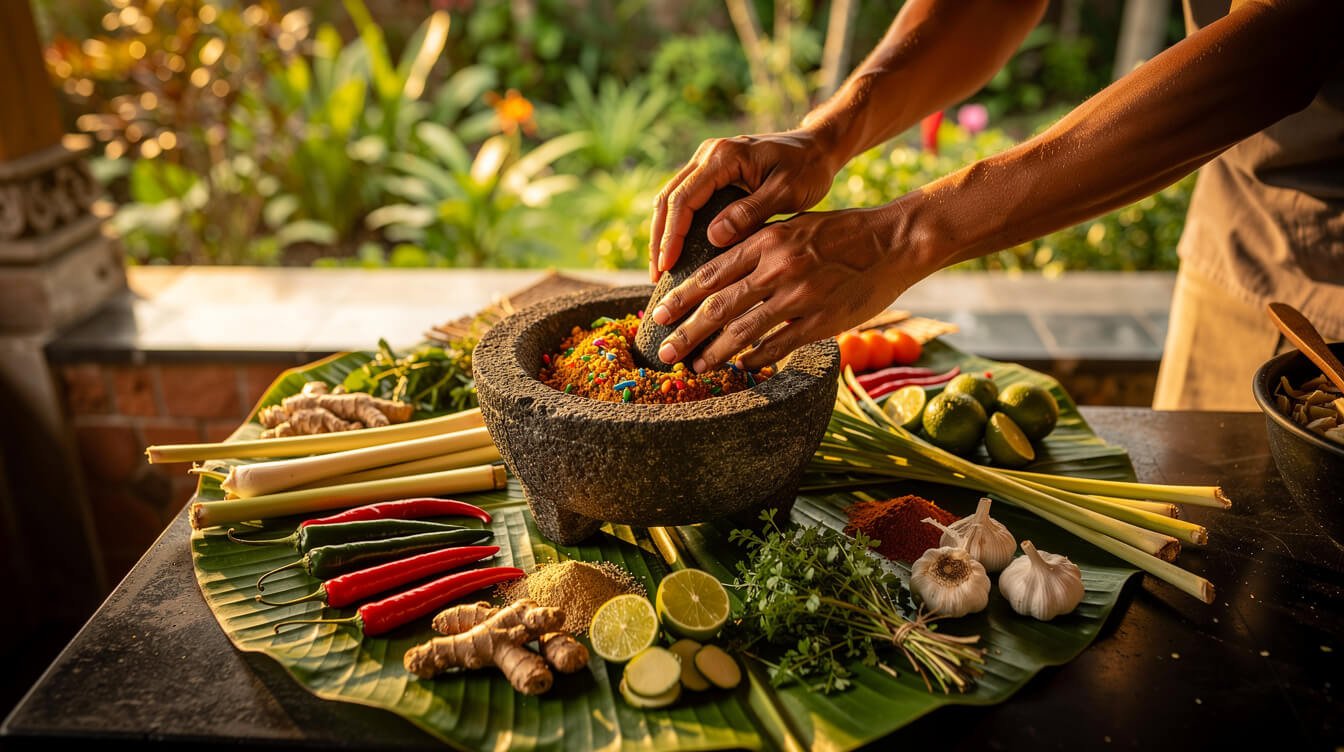
A Balinese cooking class in Ubud typically starts at the morning market, where your instructor — often a home cook who learned from their grandmother — walks you through stalls piled with galangal, lemongrass, shallots, and chilies you’ve never seen before. You grind your own spice paste in a stone mortar. You learn that base genep (the Balinese spice base) is the foundation of everything. By noon, you’re eating what you’ve made — and it’s better than most restaurant food.
Rice Terrace Walks That Recalibrate Your Sense of Time
The Tegallalang Rice Terraces are the famous ones — dramatic, photogenic, and often crowded. But the quieter walks through Jatiluwih (a UNESCO World Heritage site) or the paths behind Campuhan Ridge at sunrise offer something the Instagram spots can’t: solitude. The Campuhan Ridge Walk is especially beautiful at dawn, when the mist sits in the valley below and the only other people on the path are Balinese joggers.
The Food Scene
Ubud’s food scene has matured beyond the raw-vegan-smoothie-bowl cliché. Yes, there are health cafés. But there are also extraordinary warungs (local restaurants) serving babi guling (suckling pig), bebek betutu (slow-cooked duck), and lawar (a ceremonial mix of vegetables, coconut, and spices). Locavore, one of Asia’s most celebrated restaurants, is here. So is Room4Dessert, a dessert-forward tasting-menu experience that’s genuinely one of a kind.
The range is the point. You can eat a $2 plate of nasi campur for lunch and a $100 tasting menu for dinner, and both will be memorable.
Waterfalls, Rafting, and the Ayung River
Within a 30-minute drive of Ubud, you’ll find half a dozen waterfalls worth visiting. Tegenungan is the most accessible. Kanto Lampo, with its cascading curtain-wall of water, is the most photogenic. And depending on the season, the hike to Tibumana Waterfall gives you a jungle trail and a swimming hole practically to yourself.
The Ayung River offers white-water rafting through a gorge carved with ancient stone carvings — a strange and wonderful combination of adventure sport and archaeological site.
Who Should Visit Ubud — And Who Might Want to Go Elsewhere
Ubud is extraordinary, but it’s not for everyone. Being honest about that actually helps you plan a better trip.
Ubud Is Perfect For:
- Culture seekers — if temples, ceremonies, traditional dance performances, and village life interest you, Ubud delivers in a way nowhere else in Bali can.
- Wellness travelers — yoga, meditation, sound healing, spa culture, clean eating. Ubud wrote the playbook.
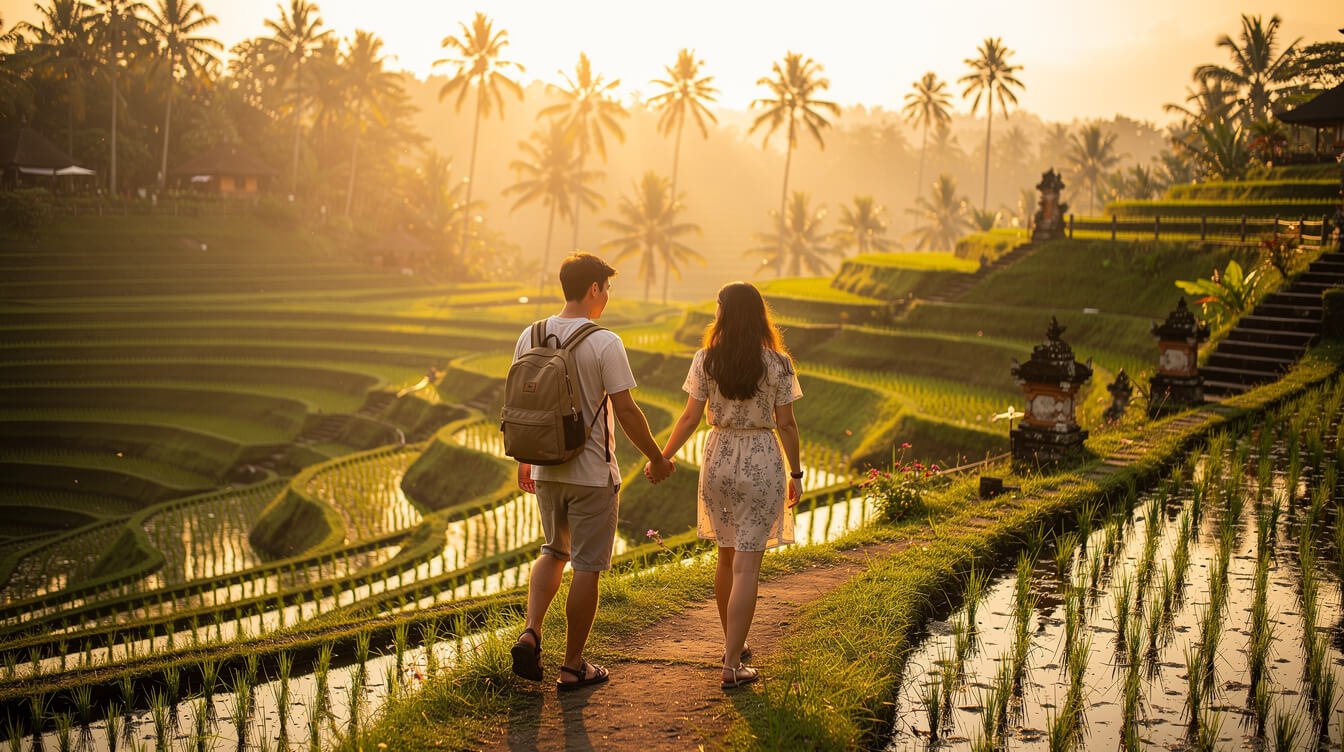
- Couples and honeymooners — the romance here is quiet and genuine. Sunset dinners overlooking rice paddies. Morning swims in a private pool villa. No crowds, no noise.
- Families — children love the Monkey Forest, the cooking classes, the waterfall hikes. And a villa with full staff means someone else handles the logistics while you enjoy the experience.
- Digital nomads and slow travelers — reliable WiFi, great cafés, and a pace of life that doesn’t burn you out.
- Foodies — from $2 warungs to world-class tasting menus, Ubud’s food range is unmatched in Bali.
Ubud Might Not Be Right If:
- You want beach time — Ubud is inland, about an hour from the nearest coast. If your ideal Bali trip is sand and surf, base yourself in Canggu, Seminyak, or Uluwatu instead.
- You want nightlife — Ubud shuts down early. If you’re looking for late-night clubs and beach parties, this isn’t the place.
- You dislike humidity — Ubud sits at a slightly higher elevation than the coast, which helps, but it’s still tropical. Mornings can be misty and warm; afternoons can be genuinely hot.
- You’re on a tight 2-day schedule — Ubud reveals itself slowly. Two days is enough to see highlights, but the real magic comes on day three and beyond, when you stop touring and start living.
The best Bali itineraries often split time between Ubud (3-5 days for culture, wellness, and inland exploration) and a coastal town (3-5 days for beaches, surfing, and ocean sunsets). That way you experience both sides of the island.
Book Your Ubud Villa Stay
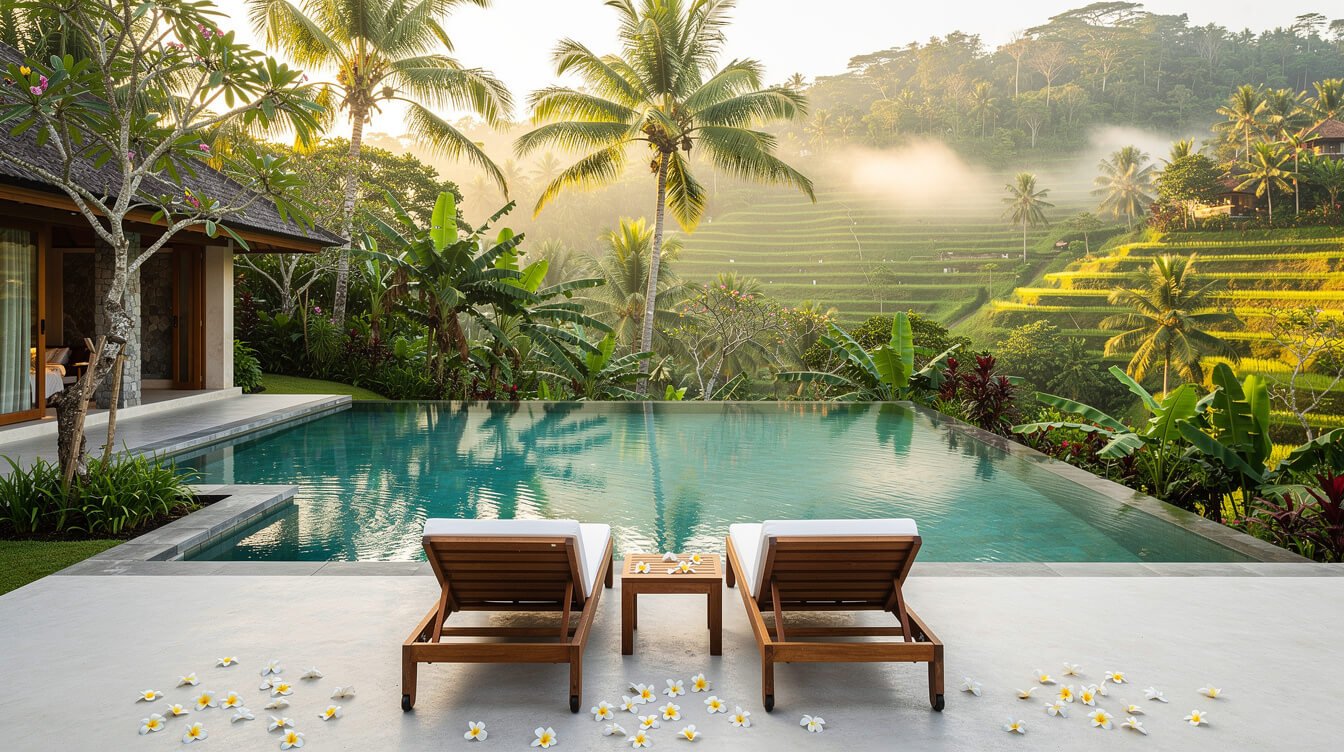
Three bedrooms, private pool, full staff — chef, housekeeper, villa manager. Your Ubud mornings start with fresh fruit on the pool deck before you’ve even asked.
How to Plan Your Ubud Stay
Getting There
Ubud is about 90 minutes from Ngurah Rai International Airport by car, depending on traffic. There’s no public transport to speak of, so your options are a pre-arranged private transfer (the most comfortable), a ride-hailing app like Grab or Gojek, or a taxi. If you’re staying at a staffed villa, your team will typically arrange airport pickup — one less thing to think about.
When to Visit
The best time to visit Ubud depends on what you’re after. The dry season (April through October) brings clear skies and lower humidity — ideal for rice terrace walks and outdoor exploration. The wet season (November through March) brings afternoon downpours, but the landscape turns impossibly green, the waterfalls run full, and prices drop significantly. Both seasons have their magic.
How Many Days in Ubud
Three days is the minimum to feel like you’ve actually experienced Ubud rather than rushed through it. Five to seven days lets you settle in — discover your favorite café, learn the rhythm of the village, take a cooking class, do a day trip to Tirta Empul or Gunung Kawi. If you’re combining Ubud with beach time elsewhere in Bali, four days is the sweet spot.
Where to Stay
Ubud accommodation ranges from $15-a-night guesthouses to $1,000-a-night resort suites. For families, groups, and couples who want genuine privacy, a private villa with a cook offers something no hotel can: a home. You wake to fresh coffee on the pool deck. The chef shops at the morning market and cooks whatever you’re in the mood for. The gardener clips frangipani for the bedside vases before you’ve even opened your eyes. It’s hospitality in the truest sense — not a service transaction, but genuine care.
Getting Around
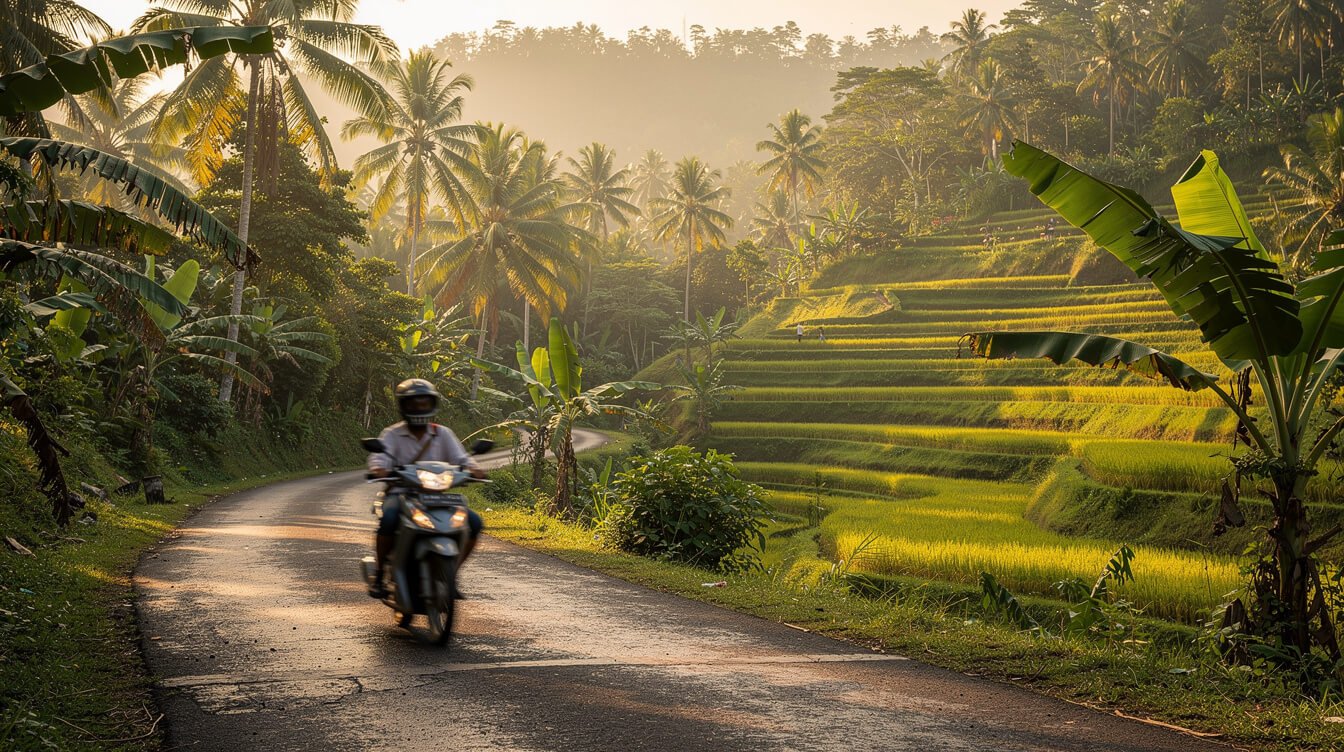
Central Ubud is walkable, but attractions outside town require wheels. Renting a scooter is the local way to get around (an international license is technically required). Alternatively, hire a driver for the day — $35-50 gets you a car and a guide who knows every back road, hidden waterfall, and warung that doesn’t appear on Google Maps.
Is Ubud Worth Visiting for Families, Couples, and Solo Travelers?

For Families
Ubud is genuinely family-friendly in a way that many Bali destinations aren’t. The pace is calmer. The roads are quieter. And the experiences — the Monkey Forest, cooking classes, waterfall hikes, cycling through rice paddies — work for all ages. Staying in a villa with full staff means someone else handles breakfast, laundry, and logistics while you focus on being together. Kids love it. Parents love it even more.
For Couples
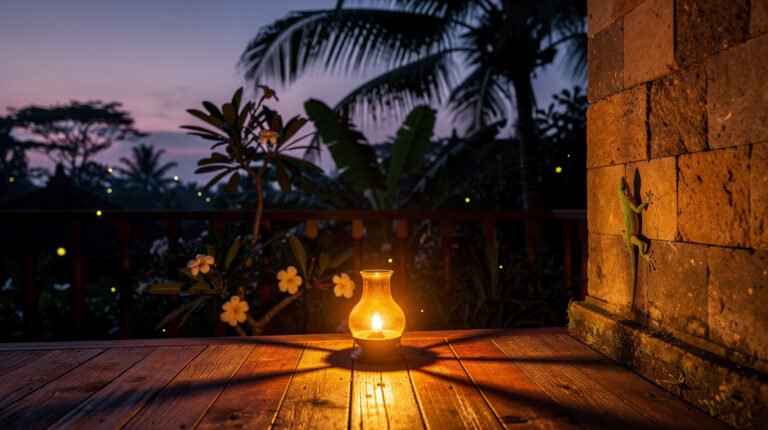
If your idea of romance is quiet mornings, candlelit dinners overlooking a river gorge, and a private pool you don’t share with strangers, Ubud is the answer. The energy here is intimate without being isolating. You can take a couples’ spa treatment at one of Ubud’s world-class wellness centers, watch a traditional Kecak fire dance at sunset, or simply sit on your terrace while the garden goes dark and the fireflies come out.
For Solo Travelers
Ubud has one of Bali’s most welcoming solo-travel cultures. The café scene (Seniman Coffee Studio, Kopi, Anomali) attracts remote workers and creatives. Yoga studios are natural meeting points. And the overall safety and walkability of central Ubud make it comfortable for solo exploration at any hour. Many solo travelers arrive planning two days and extend to two weeks.
Frequently Asked Questions About Visiting Ubud
Is Ubud safe for tourists?
Yes. Ubud is one of the safest areas in Bali. The biggest “risks” are sunburn, motorbike traffic, and eating so much nasi campur that you never want to leave. Standard travel precautions apply — watch your belongings in crowded markets, use common sense at night — but violent crime is extremely rare.
Is Ubud too touristy?
Central Ubud — particularly Jalan Monkey Forest and the main market — can feel busy, especially between 10 AM and 4 PM. But walk ten minutes in any direction and you’re in rice fields with no one around. The “tourist trap” reputation is overstated. Ubud has depth that rewards anyone willing to explore beyond the main strip.
How much does Ubud cost per day?
Budget travelers can get by on $30-50/day (basic accommodation, warung meals, walking). Mid-range travelers spend $80-150/day (nice hotel, mix of local and international dining, a day trip or activity). For a premium villa stay with full staff, private experiences, and fine dining, plan $200-500/day depending on your villa and activity level.
Is Ubud better than Seminyak or Canggu?
They’re different experiences, not competitors. Seminyak and Canggu offer beaches, surfing, nightlife, and a more international social scene. Ubud offers culture, nature, wellness, and quiet. The best Bali trips include both. If you only have time for one, ask yourself: do I want beach energy or village energy? That’s your answer.
Can I do Ubud as a day trip from the coast?
Technically yes, but it’s a disservice to the place. A day trip gives you the Monkey Forest, one rice terrace photo, and a rushed lunch. It doesn’t give you the morning mist, the evening gamelan, the second-day feeling when Ubud stops being a destination and starts being somewhere you’re staying. If at all possible, sleep at least two nights.
What should I pack for Ubud?
Light, breathable clothing. A sarong (required for temple visits — you can also buy one locally for $3-5). Comfortable walking shoes for rice terrace paths. Sunscreen and insect repellent. A light rain jacket if visiting during wet season. And an open mind — that’s the most important thing you can bring.

Join Our Newsletter
Fun, new, exciting Bali news — delivered to your inbox. Travel tips, Ubud stories, and updates from the villa team.