Floating Breakfast in Bali: Your Complete Guide to the Ultimate Pool-Side Morning
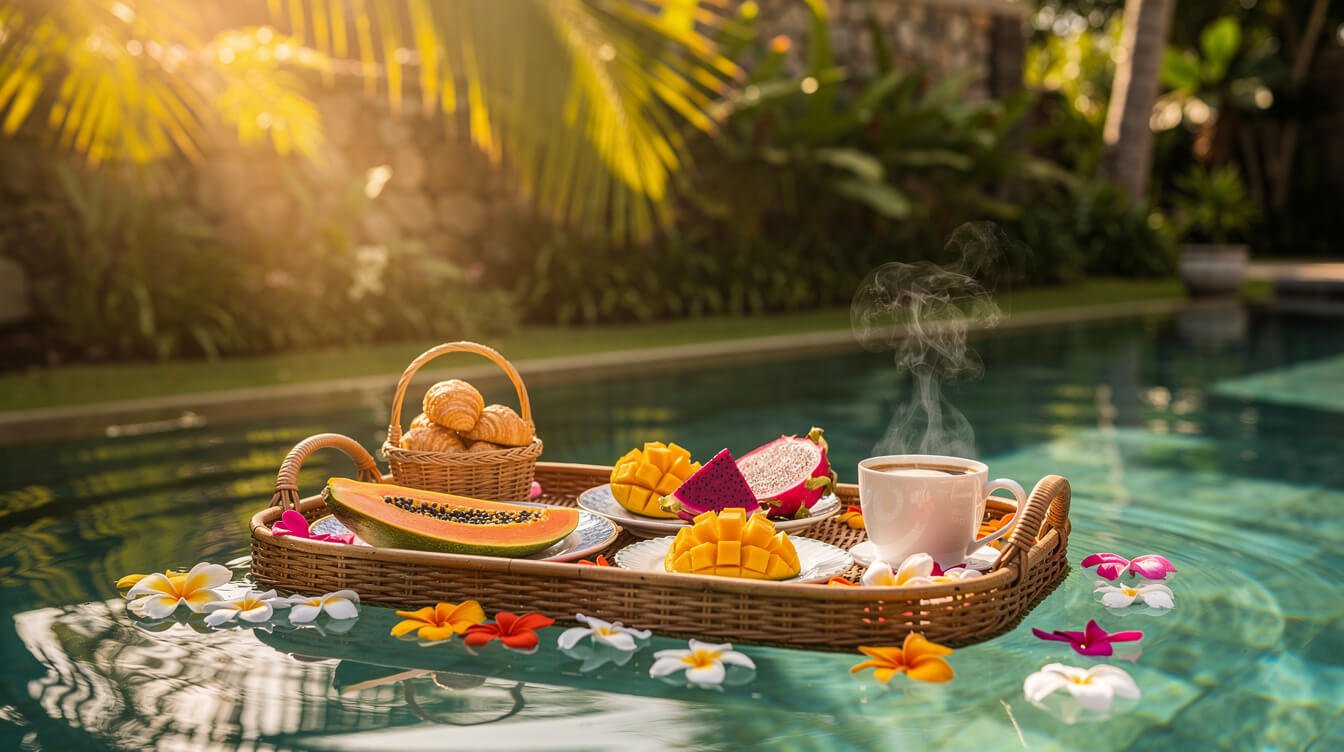
A floating breakfast in Bali is one of those mornings you remember for years. A woven tray of tropical fruit, steaming coffee, and fresh Indonesian dishes drifting on turquoise water — with nothing on your schedule but the slow warmth of a Balinese morning. It has become one of the most sought-after experiences on the island, and for good reason. The combination of extraordinary food, warm sunlight, and the gentle sound of water is something no hotel dining room can replicate.
Whether you’re celebrating a honeymoon, marking a milestone, or just want a morning that feels genuinely different, this guide covers everything you need to know about the floating breakfast experience in Bali — from what’s on the tray to where to have one, and why a private villa changes the whole equation.
What Is a Floating Breakfast in Bali?
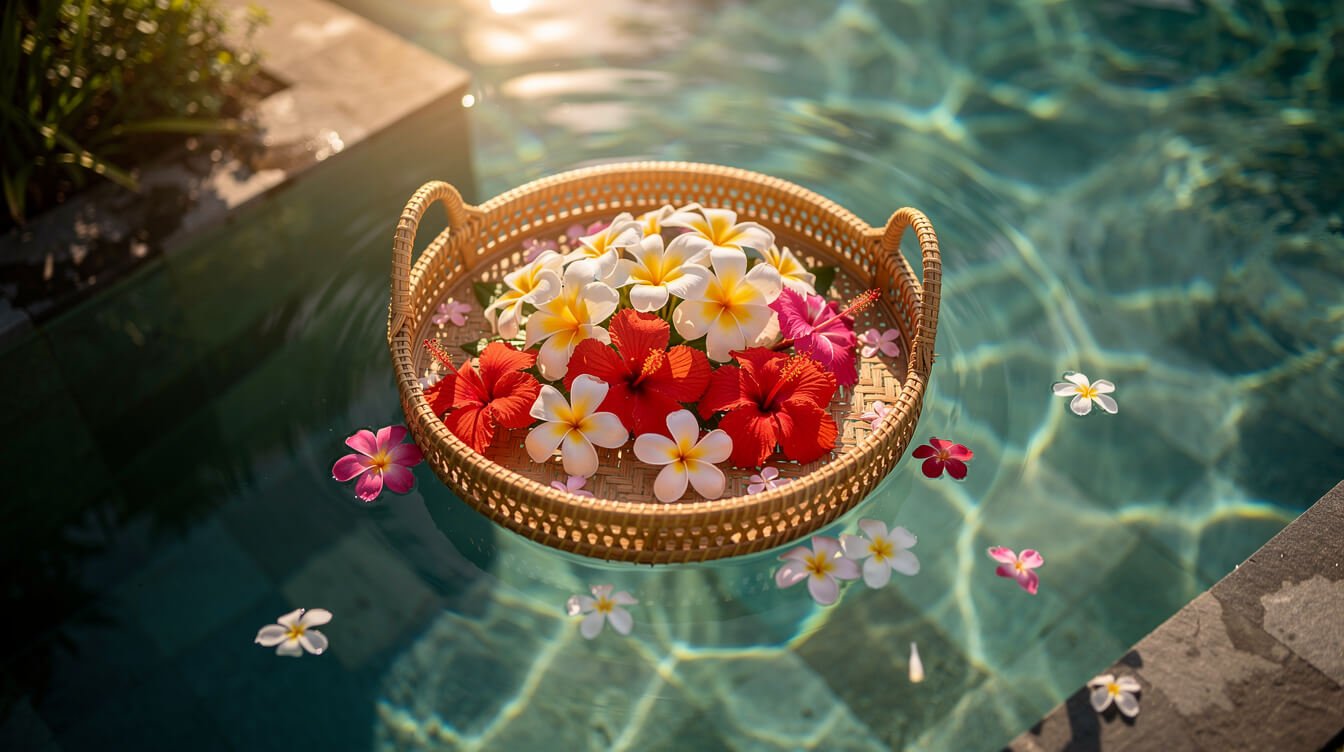
A floating breakfast is exactly what it sounds like: a full breakfast served on a decorated tray that floats in a swimming pool. The tradition started at Bali’s boutique hotels and private villas around 2015 and quickly became one of the island’s signature experiences. Today, it’s as iconic to Bali as rice terraces and temple ceremonies.
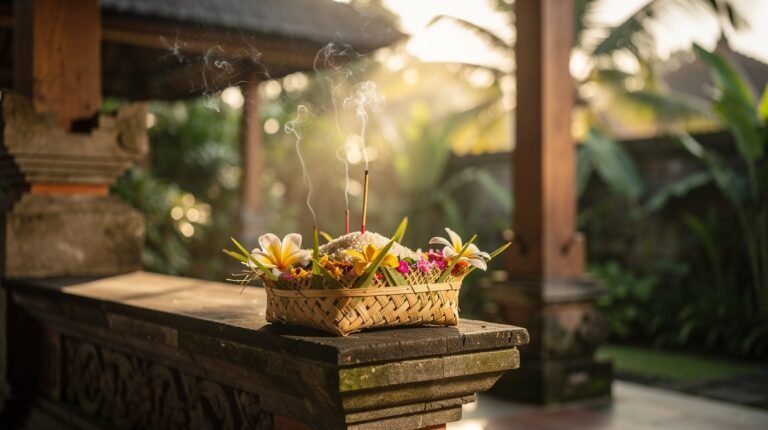
The tray itself is typically made from woven rattan or lightweight wood, designed to sit on the water’s surface without tipping. It’s loaded with fresh tropical fruits — papaya, dragon fruit, mango, passion fruit — alongside Indonesian staples like nasi goreng, fresh-baked pastries, eggs your way, and Balinese coffee or fresh-squeezed juices. Many places scatter frangipani petals and tropical flowers across the water for that extra sensory touch.
What makes it special isn’t the food alone (though the food is genuinely good). It’s the setting. You’re in the water, warm morning sun on your shoulders, with a breakfast spread that looks like a still life painting drifting in front of you. The pace is completely different from sitting at a table. You eat slower. You notice more. The garden sounds louder, the coffee tastes better, and the morning feels like it belongs to you.
A Brief History
The concept originated in Bali’s villa culture, where private pool villas offered guests something hotels couldn’t: total privacy with personal service. A villa chef would prepare breakfast and serve it directly in the guest’s pool — no shared buffet, no restaurant wait times, just your morning and your water. As the photos spread across social media, resorts adopted the concept, and now you’ll find floating breakfasts everywhere from Ubud to Seminyak to Uluwatu.
Why a Floating Breakfast Belongs on Your Bali Trip List
Bali is full of extraordinary experiences — yoga sessions in open-air studios, sunrise hikes up volcanic ridges, temple ceremonies that stop traffic. A floating breakfast might seem like a simpler pleasure, but that’s what makes it memorable. It’s intimate. There’s no crowd, no rush, no queue. Just you and whoever you’re sharing the morning with.
Here’s why travelers rank it among their favorite Bali moments:
- It resets your internal clock. Something about eating breakfast in warm water, surrounded by tropical greenery, tells your body and mind that this is genuinely a holiday. The stress of travel melts faster than the ice in your juice glass.
- It’s an experience for every type of traveler. Couples use it for romantic mornings. Families with older children love the novelty. Solo travelers find it meditative — a slow morning ritual that feels like a personal ceremony.
- The food is extraordinary. This isn’t continental breakfast in a foil wrapper. Bali’s floating breakfasts showcase the island’s best produce: tree-ripened tropical fruits, fresh coconut, sambal made that morning, eggs from the village market. If you’re comparing this to your usual hotel breakfast, you’re in for a surprise.
- It photographs beautifully — but it’s better lived. Yes, the photos are stunning. But the real magic is the feeling of warm water, a warm breeze, and the first bite of ripe mango at 7 AM with nowhere to be.
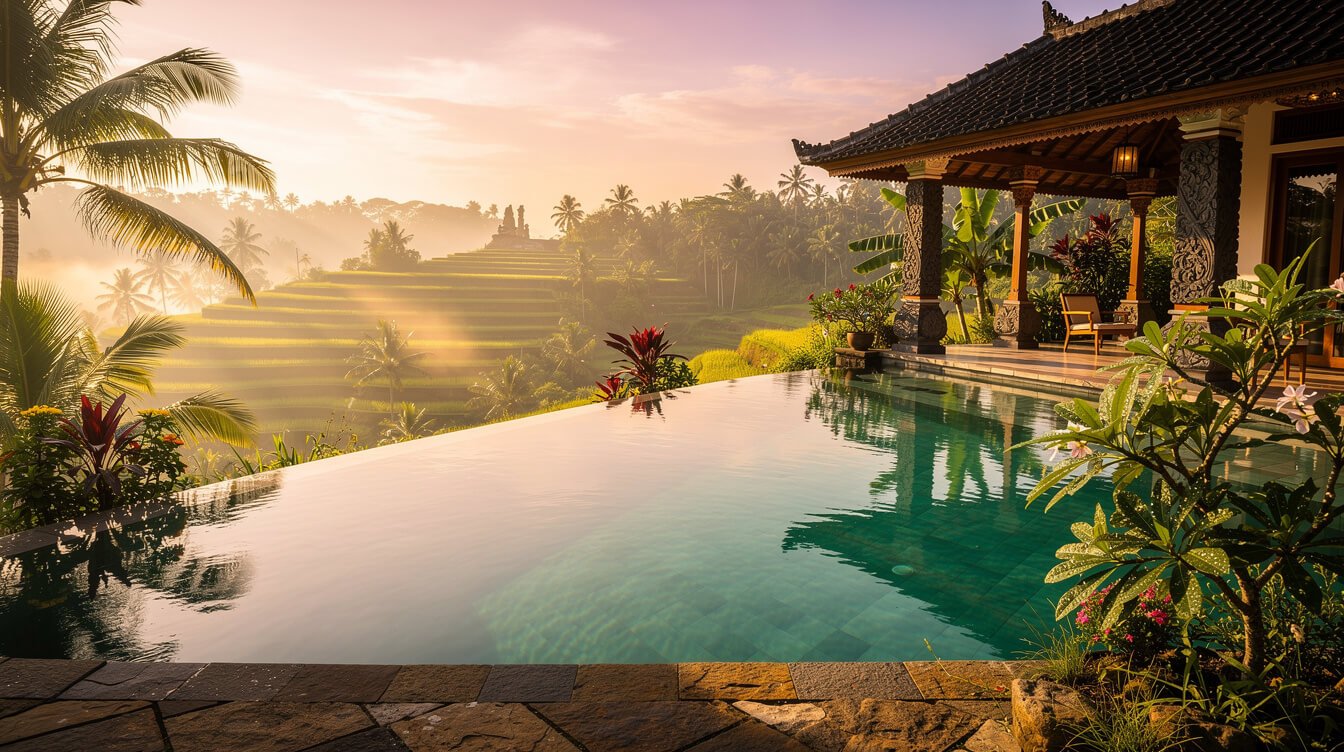
If you’re deciding between Ubud and Seminyak for your stay, Ubud’s jungle-surrounded pools make the floating breakfast experience feel even more immersive. There’s something about eating above water while looking out over rice terraces that Seminyak’s beach clubs can’t quite match.
What’s on a Floating Breakfast Tray in Bali
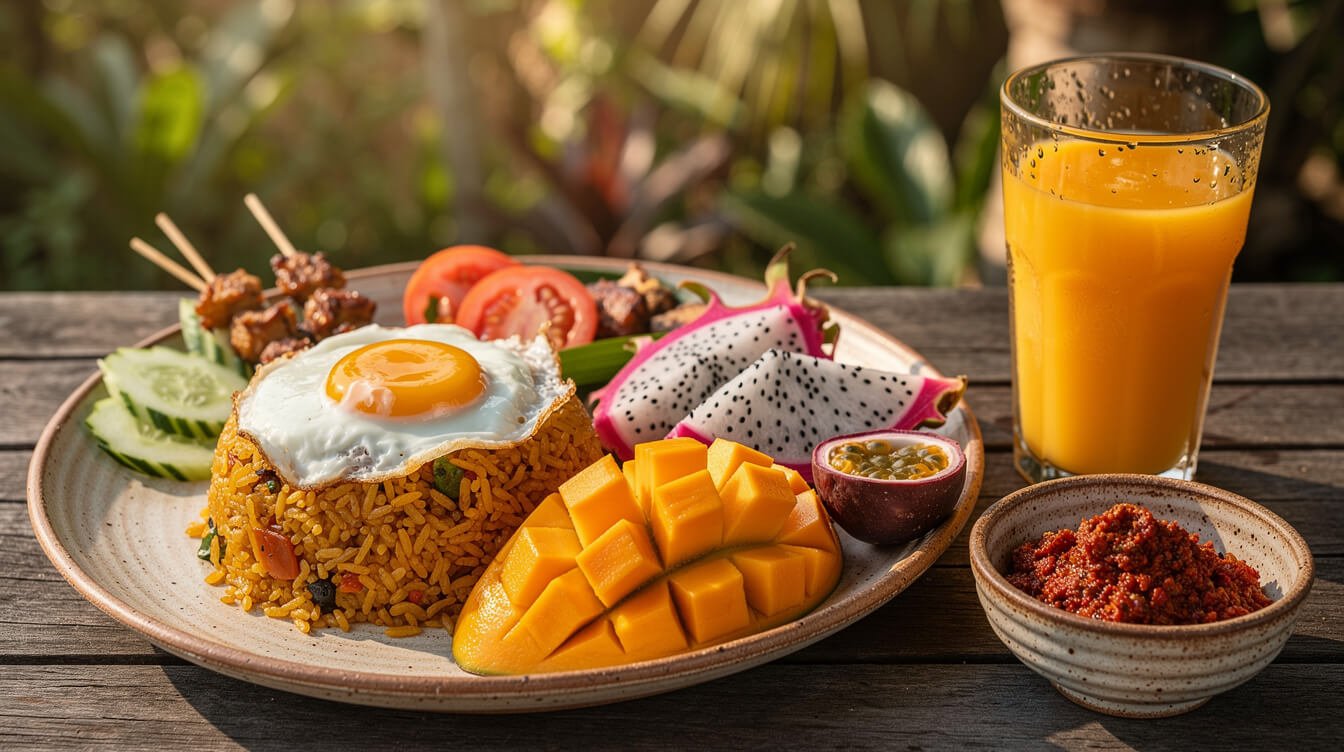
Every place puts its own spin on the floating breakfast menu, but most trays follow a similar generous structure. Here’s what you can typically expect:
The Fruit Platter
This is where Bali shines. The tropical fruit here is unlike anything you’ll find at home — ripened on the tree, picked that morning, and served at the perfect temperature. Look for:
- Papaya — soft, sweet, served with a squeeze of lime
- Dragon fruit — both white and vivid pink varieties
- Mango — Balinese mangoes are smaller and sweeter than what you’re used to
- Passion fruit — tart, fragrant, perfect scooped straight from the shell
- Snake fruit (salak) — a Bali signature with its brown scaly skin and crisp, sweet flesh
The Indonesian Spread
This is where most floating breakfasts go beyond the typical Western hotel offering:
- Nasi goreng — Bali’s beloved fried rice, typically topped with a fried egg and prawn crackers
- Mie goreng — fried noodles, often spicier than the rice version
- Balinese sambal — fresh chili relish made with shallots, garlic, and shrimp paste
- Banana pancakes — a Bali breakfast staple, often served with palm sugar syrup and coconut
The Western Touches
Most trays also include eggs (scrambled, fried, or poached — your choice), fresh-baked croissants or toast, butter and jam, and sometimes smoked salmon or avocado depending on the venue.
Drinks
Expect fresh-squeezed tropical juices (watermelon, pineapple, or mixed), Balinese coffee (strong and smooth), tea, and often a glass of sparkling wine. Some places — notably the Four Seasons in Jimbaran Bay — include champagne as part of the package.
At a private villa with a personal chef, you can customize every element. Want extra sambal? Done. Allergies? Handled. A full vegan spread? Just say the word the evening before. The chef is cooking for you — not for a restaurant full of strangers.

Get a Free 3-Day Sample Itinerary
Floating breakfasts, rice terrace walks, temple visits, and the best local eats — all mapped out for you. Drop your email and we’ll send it over.
Where to Have a Floating Breakfast in Bali

You have two main options: resort pools (shared or semi-private) and private villa pools. The experience differs dramatically between the two.
Resort and Hotel Floating Breakfasts
Many of Bali’s best-known hotels now offer floating breakfast packages. Some standouts:
- Padma Resort Ubud — floating breakfast overlooking the Ayung River valley. Dramatic jungle setting with mist rising through the trees. Open to in-house guests; advance booking recommended.
- Kamandalu Ubud — available in both private villa pools and the resort’s main pool. Includes a full bottle of sparkling wine. The jungle views are exceptional at sunrise.
- Four Seasons Jimbaran Bay — the upscale benchmark. Served in private villa plunge pools with champagne included. Expect the full white-glove treatment with 24-hour advance notice required.
- The Udaya Ubud — available for pool suite and pool villa guests. Known for generous portions and excellent presentation. Their flower bath add-on makes for a complete morning experience.
- Kayon Jungle Resort — a two-tier infinity pool with premium jungle vantage points. Open to non-guests at the pool bar — one of the few places where you don’t need to be staying to enjoy it.
Pricing at Resorts
Budget for roughly $20-30 USD at 3-4 star hotels and $40-50 USD or more at 5-star properties. Some resorts include the floating breakfast with your room booking — always worth asking when you reserve. At the Four Seasons, the experience includes champagne but carries a premium price plus 21% tax and service.
The Private Villa Option
Here’s where the floating breakfast truly transforms from a photo opportunity into a genuine morning ritual. At a private villa with a personal chef, the entire pool is yours. No other guests, no time limit, no restaurant service window. Your chef prepares exactly what you want, sets the tray when you’re ready, and the morning unfolds at your pace.
The difference isn’t subtle. At a resort, you’re working within a service schedule — the tray arrives at a set time, you eat within a window, and the pool may be shared. At a private villa, you wake up naturally, walk out to your own pool, and breakfast appears when you’re ready. Some mornings that’s 6:30 AM. Some mornings it’s 9. The chef doesn’t mind.
The Private Villa Difference — Your Pool, Your Chef, Your Morning
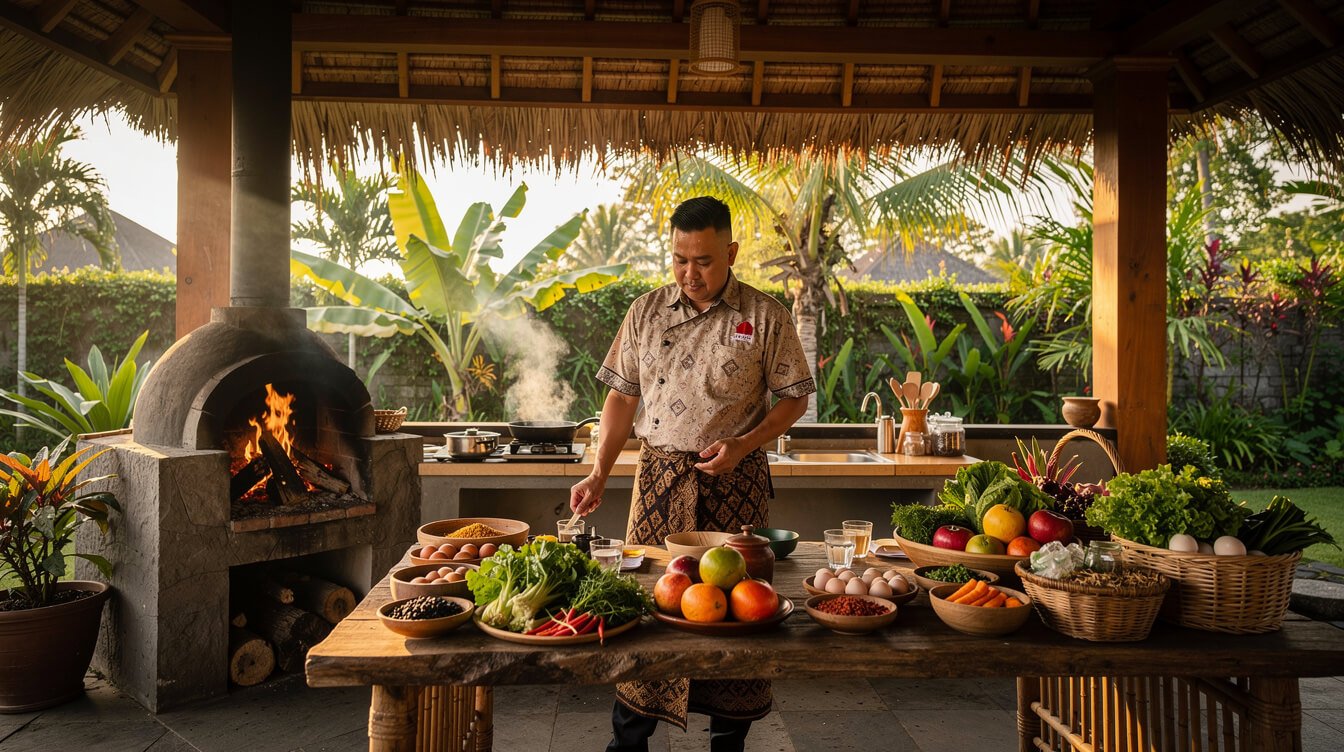
If a floating breakfast in Bali sounds like your kind of morning, the question becomes: where do you want to have it?
A hotel gives you the experience. A private staffed villa gives you the experience on your terms — and that difference changes everything.
What a Staffed Villa Brings to the Table (Literally)
- A chef who knows your preferences. By day two, your villa chef knows you take your eggs scrambled, your coffee strong, and your sambal extra spicy. At a hotel restaurant, you’re starting from scratch every morning.
- Complete menu flexibility. Vegan? Gluten-free? Want a traditional Balinese lawar instead of Western eggs? A private chef customizes every detail. Try requesting that at a resort buffet.
- Your pool, completely private. No neighboring guests competing for the same Instagram angle. No swimwear anxiety. No time pressure. Just your pool, your tray, your people.
- Morning-to-evening hosting. The floating breakfast becomes part of a full day of being looked after — your villa manager handles your day trips, your housekeeper refreshes everything while you’re out, and your gardener keeps frangipani in your bedside vases.
Why Ubud Is the Best Setting for a Floating Breakfast
Ubud’s villas sit among rice terraces, jungle ridges, and traditional Balinese villages. When you float in a pool here, you’re not looking at a hotel corridor or a parking lot — you’re looking at the morning mist rising through coconut palms and banana trees. The air smells like wet earth and frangipani. Gamelan music drifts from a nearby temple. It’s a sensory experience that goes far beyond the food on the tray.
Compare that to beach-area floating breakfasts in Seminyak or Canggu, which are lovely but surrounded by development. Ubud’s natural setting makes the floating breakfast feel less like a resort amenity and more like a morning meditation.
If you’re planning your Bali itinerary, schedule the floating breakfast for a morning when you have nothing else planned. Don’t rush it for a 9 AM temple visit. Give the morning room to breathe.
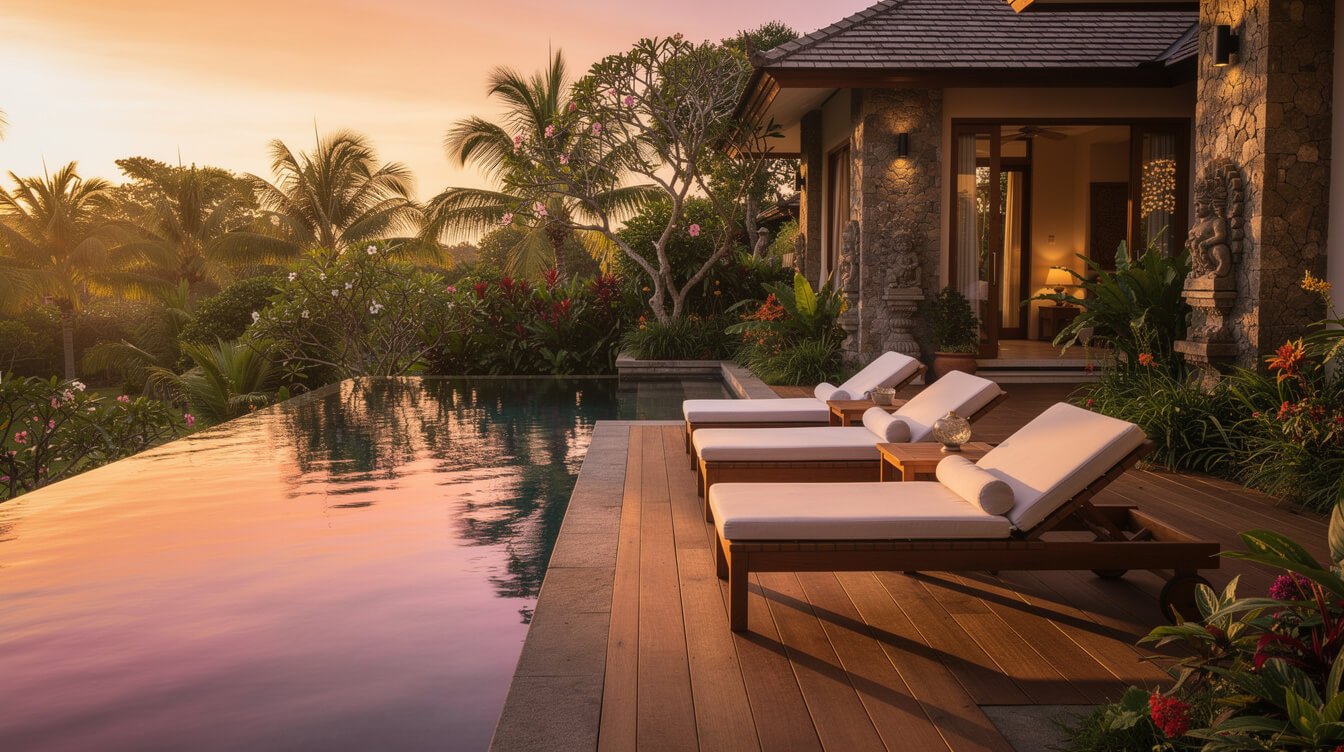
Wake Up to This Every Morning
Private pool. Personal chef. Floating breakfast whenever you’re ready. Villa Amrita is a 3-bedroom staffed villa in the heart of Ubud — held for you.
How to Get the Perfect Floating Breakfast Photo
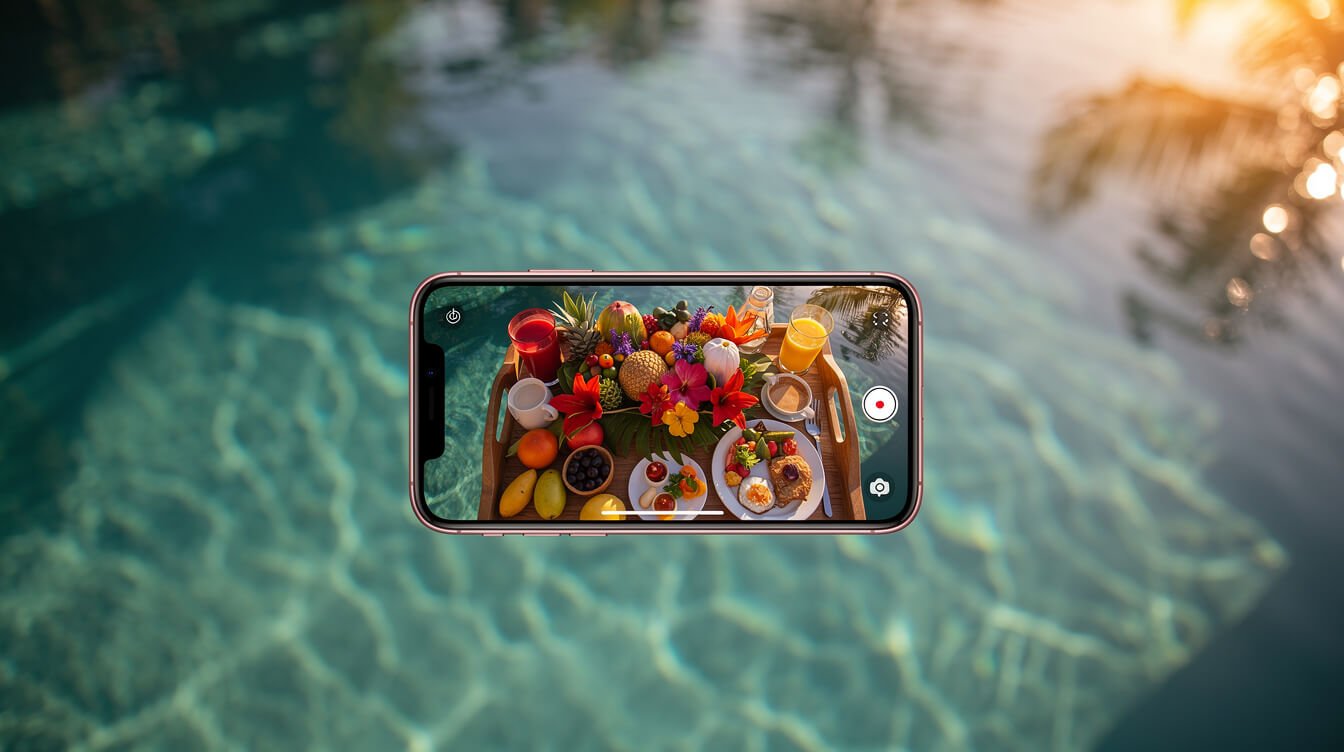
Let’s be honest — part of the appeal is the photo. A floating breakfast is one of the most visually striking things you can capture in Bali. But here’s the thing: prioritize eating the food over photographing it. The best floating breakfast photos take five minutes. Then put the phone down and enjoy your morning.
Timing
Early morning light (6:30-8:00 AM) gives you the warmest, most flattering glow. The sun is low, the shadows are soft, and the pool water catches golden reflections. By 10 AM, overhead sun creates harsh shadows and washes out the colors.
Angles That Work
- Overhead (top-down): The classic shot. Stand at the pool edge or on a chair, shoot straight down onto the tray. This captures the full spread and the water around it.
- Pool-level: Get in the water and shoot from eye level across the tray. This creates a beautiful shallow depth of field with the garden blurred behind the food.
- The candid: Have someone photograph you reaching for a piece of fruit or lifting a coffee cup. These tell a story better than posed shots.
Practical Tips
- Scatter flower petals before shooting — they add color and fill the empty water around the tray
- Remove clutter — move towels, sunscreen, and phone cases out of frame
- Shoot in portrait mode for stories, landscape for feed posts
- Use natural light only — flash on water looks terrible
- The food won’t wait for you. Sun heats it, wind moves the tray, ice melts. Take your photos in the first five minutes, then eat. The memory of the taste lasts longer than the photo does.
Floating Breakfast in Bali — Frequently Asked Questions
Here are the questions travelers ask most about the floating breakfast experience:
How much does a floating breakfast in Bali cost?
At hotels and resorts, expect $20-30 USD at mid-range properties and $40-50+ at high-end resorts. At a private villa, the breakfast is typically included in your stay — your personal chef prepares it as part of daily meal service, and the only extra cost is the ingredients (which the villa manager handles at the local market). Compared to resort pricing, the private villa floating breakfast is significantly better value.
Do I need to book a floating breakfast in advance?
At resorts, yes — most require at least 24 hours’ notice. Popular spots like the Four Seasons require it. At a private villa, just tell your chef the evening before. No formal booking needed. They’re cooking for you anyway.
Is the food actually good, or is it just for photos?
At good venues, the food is genuinely excellent. Bali’s tropical produce is outstanding, and the Indonesian dishes — nasi goreng, sambal, banana pancakes — are the real thing. The photo-first reputation is a bit unfair. That said, choose your venue carefully. Some budget-oriented “floating breakfast” setups prioritize presentation over flavor. A private chef eliminates that gamble entirely.
Can I have a floating breakfast with kids?
Absolutely. Families do this all the time. At a private villa, the chef can prepare kid-friendly options alongside the adult spread. Just keep younger children supervised around the pool — the tray can tip if grabbed enthusiastically. At resorts, some restrict the experience to adults-only pools, so check when booking.
What if it rains?
Bali mornings are usually clear, even in the rainy season (November-March). Rain tends to arrive in the afternoon. If it does rain at breakfast, a private villa offers covered pool areas or the option to simply move to the terrace. At a resort, you’re more dependent on the weather. Pro tip: even a light rain on a warm Bali morning can make the floating breakfast feel even more atmospheric.
What should I wear?
Swimwear. You’re eating in a pool. At a private villa, you can wear whatever you want — there’s no one else around. At a resort, standard pool attire applies. Some travelers wear a cover-up and enter the water gradually, which makes for good photos.
Is a floating breakfast in Bali worth it?
If you enjoy food, slow mornings, and Bali’s extraordinary dining culture, then absolutely yes. It’s one of those experiences that sounds Instagram-driven but actually feels genuinely special when you’re in it. At a private villa especially, it becomes the defining morning ritual of your trip — the thing you talk about when friends ask “what was the best part?”

Fun, New, Exciting Bali News — Delivered
Join our newsletter for insider Ubud tips, seasonal travel guides, and the kind of Bali stories you won’t find in the guidebooks.