Ubud vs Canggu: Which Part of Bali Is Right for You?
If you’re planning a trip to Bali and caught between Ubud vs Canggu, you’re facing the island’s most honest fork in the road. One pulls you inland — into rice terraces, temple ceremonies, and mornings so quiet you can hear the gardener’s shears two compounds over. The other pulls you coastward — toward surf breaks, beachfront cafes, and a social scene that doesn’t wind down until well after midnight.
Both are extraordinary. Both draw repeat visitors who swear their choice is the only right one. But they deliver completely different versions of Bali, and the one that’s right for you depends on what you actually want from your stay — not what looks best on someone else’s travel grid. This guide walks through vibe, food, wellness, activities, accommodation, and social life — section by section — so you can choose with confidence, not guesswork.
Ubud vs Canggu: The Vibe and Atmosphere

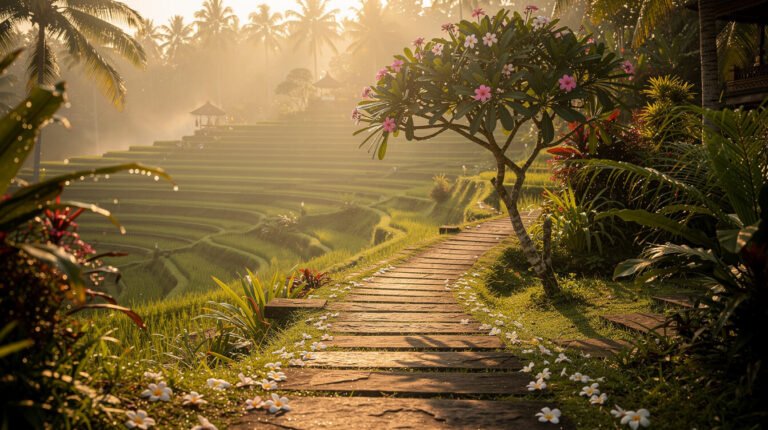
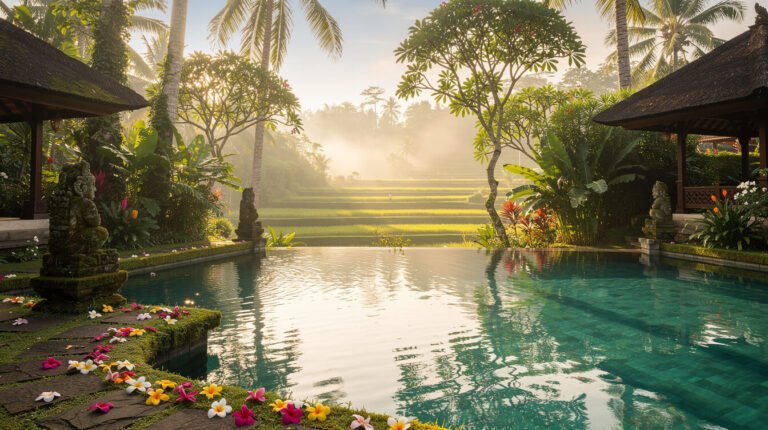
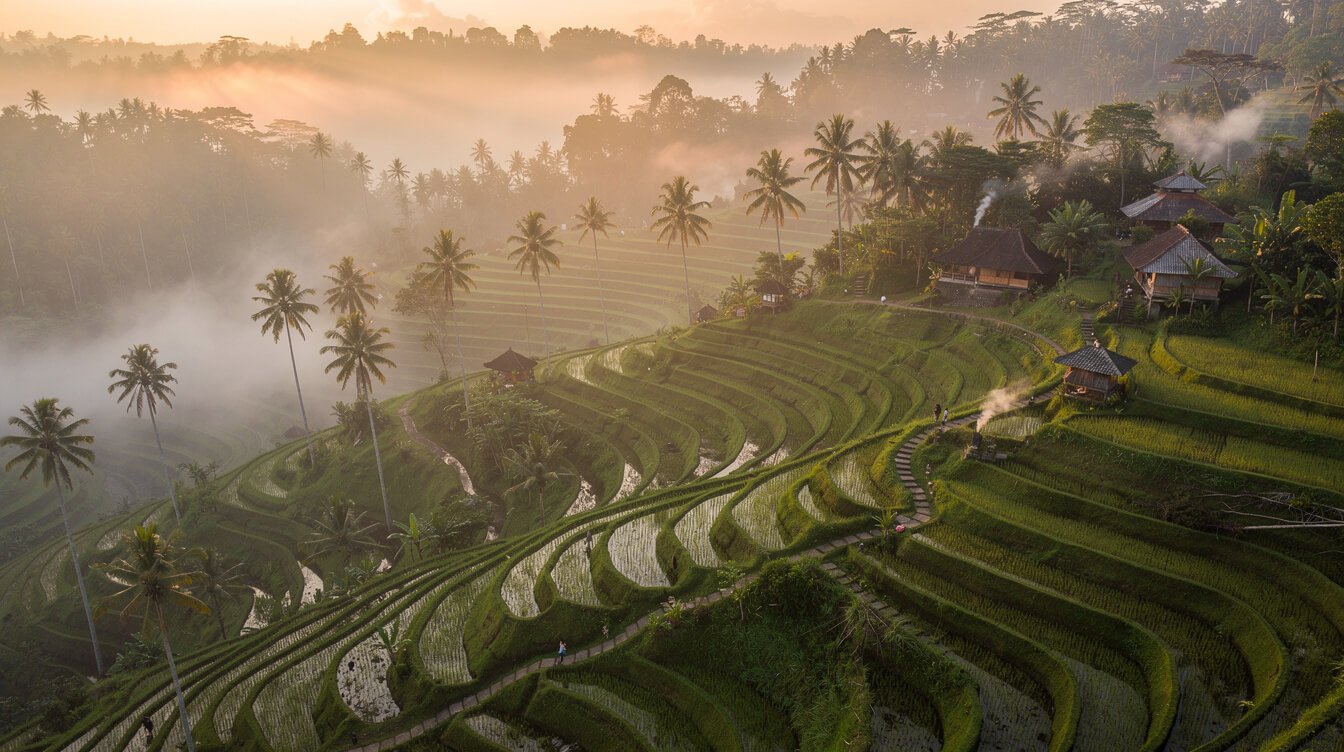
The difference hits you the moment you arrive. In Ubud, the air is cooler — you’re 200 meters above sea level, surrounded by jungle valleys and terraced rice fields that have been worked for centuries. The pace is slower. Village ceremonies move through the streets with gamelan orchestras and offerings of flowers and fruit. Mornings start with birdsong and the scent of incense from neighborhood temples. Even the traffic moves differently here — you’ll wait for a procession of women in ceremonial dress carrying fruit towers on their heads, and somehow that feels right rather than inconvenient.
Canggu is coastal energy at full volume. The salt air, the sound of waves, the hum of motorbikes on Batu Bolong Road. Surf culture sets the rhythm here — early sessions at Echo Beach, smoothie bowls at noon, sunset drinks at a rooftop bar. It’s younger, louder, and more international. The demographic skews toward twentysomething digital nomads and first-time Bali visitors. If Ubud is a deep breath, Canggu is a head-rush.
Who vibes with Ubud
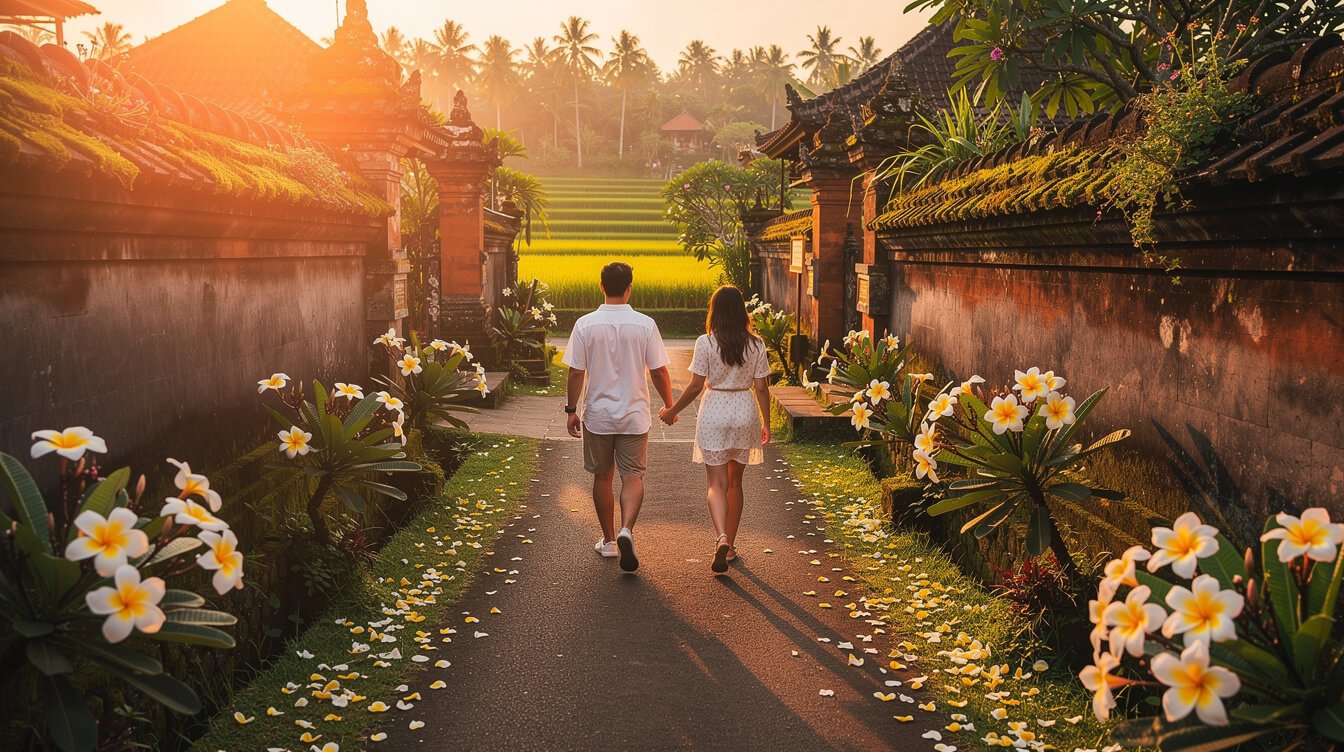
Couples looking for romance, families who want a quiet base, wellness seekers, and anyone who came to Bali to slow down. If you dream of walking through rice fields at sunrise with no agenda and no deadline, Ubud is your answer. The town rewards staying put and going deeper rather than checking off a highlight reel.
Who vibes with Canggu
Surfers, digital nomads, solo travelers looking for a social scene, and anyone who wants beach access with their morning coffee. If your ideal day ends at a beach club with a DJ set and new friends from four different countries, Canggu delivers that consistently.
Food and Dining: Ubud vs Canggu Compared
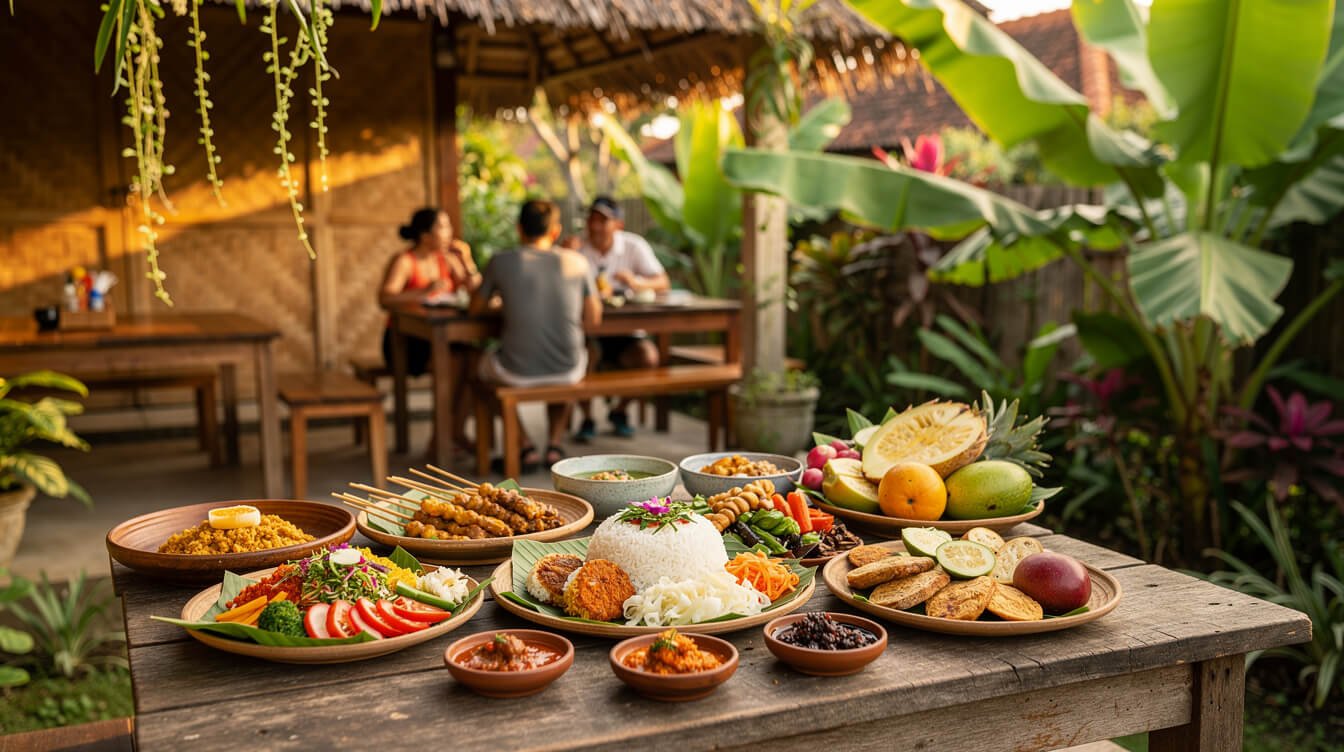
Both towns have exploded as food destinations, but the experience diverges sharply. Ubud’s dining scene runs from traditional Balinese cooking — think nasi campur at a village warung where the sambal recipe is three generations old — to internationally recognized restaurants like Locavore, which builds every dish around locally sourced Indonesian ingredients. Room4Dessert turns a tasting menu into edible art. Mozaic delivers French-Balinese fusion on a candlelit garden terrace.
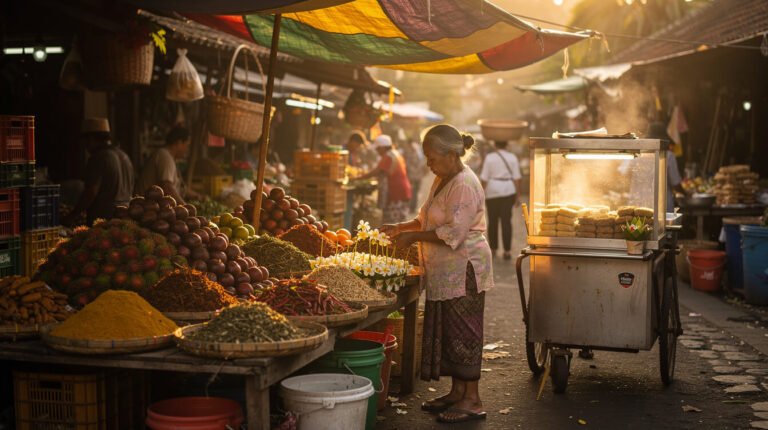
The food here feels rooted. Morning markets overflow with tropical fruit at dawn — rambutan, salak, mangosteen stacked in pyramids. Warungs dish out babi guling (suckling pig) and lawar that you simply won’t find outside Bali. And because Ubud attracts health-conscious travelers, the raw food, plant-based, and organic cafe scene is genuinely strong — not performative, but ingredient-driven. Places like Alchemy and Sage serve food that competes with the best plant-based restaurants in any global city.
Canggu’s food scene is more cosmopolitan. You’ll find excellent Mexican, Japanese, Mediterranean, and Australian-style brunch spots within a few blocks. The cafe culture is among the best in Southeast Asia — think single-origin pour-overs and avocado toast that actually competes with Melbourne and Sydney. Beach clubs serve grazing plates at sunset. The Instagram-ready bowl trend may have peaked, but the underlying quality of Canggu’s international kitchens is real.
The honest difference: Canggu feeds your cravings for familiarity. Ubud feeds your curiosity about a place. If you want to understand Balinese food — to sit in a family compound and eat what the village eats, or take a cooking class that starts at the market — Ubud is where that happens.
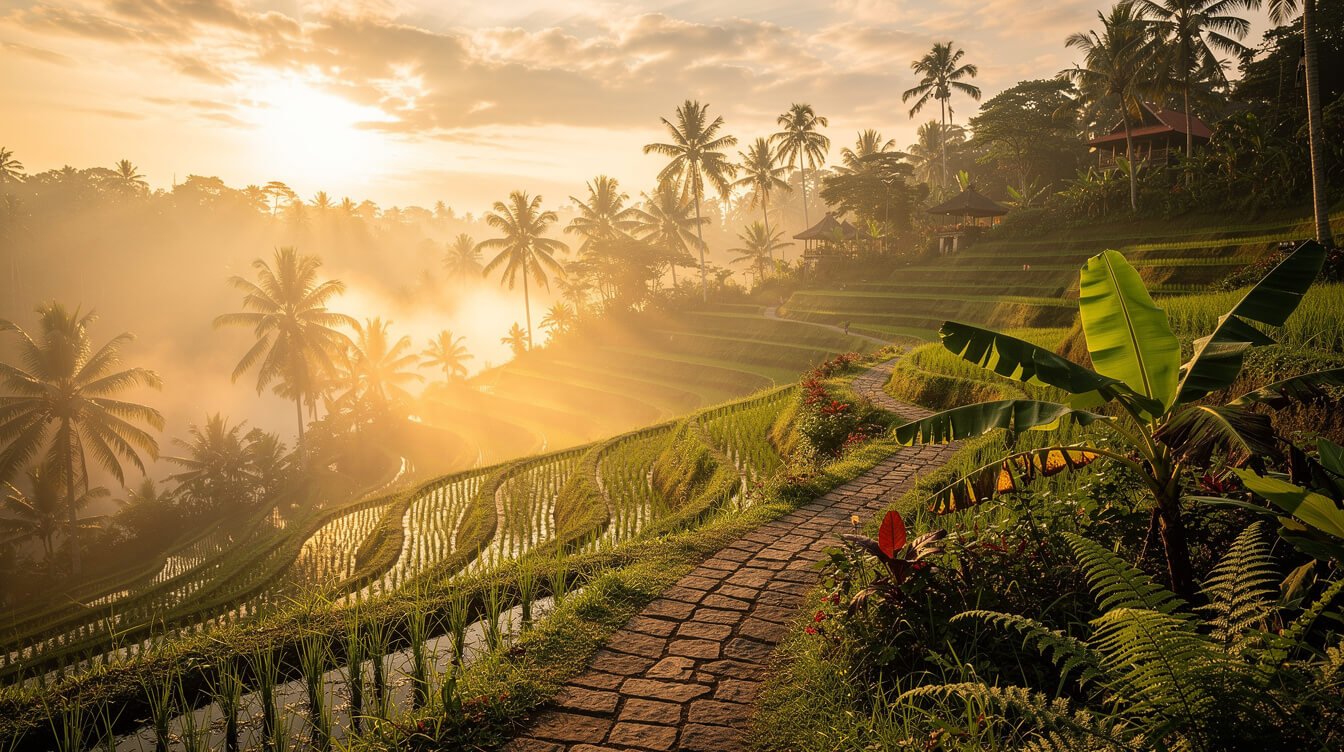
Get a Free 3-Day Sample Itinerary
Planning your Ubud days? We’ve mapped out the perfect balance of temples, rice fields, markets, and quiet mornings — delivered straight to your inbox.
Wellness and Yoga: Where Ubud vs Canggu Differs Most
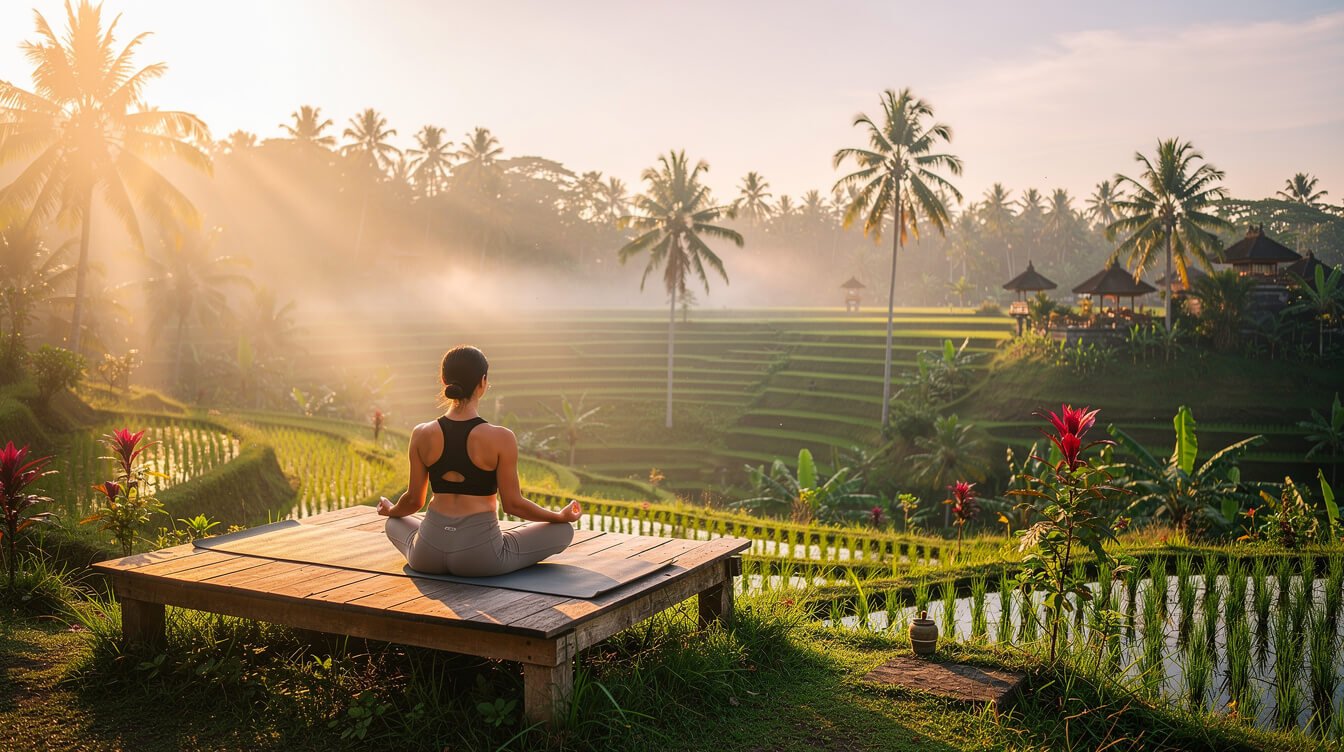
This is where Ubud pulls away decisively. The town has been a global wellness destination for decades — long before wellness tourism became a category. The Yoga Barn, Radiantly Alive, Intuitive Flow: these aren’t airport-spa franchises but working studios with resident teachers from around the world who relocated here for a reason. Drop-in classes run from sunrise vinyasa to evening yin, and the quality of instruction rivals any major city.
Traditional Balinese spa treatments — boreh wraps, lulur scrubs, flower baths, and Balinese massage — are available at every price point, from village healers who learned from their grandmothers to five-star resort spas. Many visitors report that a traditional Balinese massage in Ubud is unlike anything they’ve experienced elsewhere — the combination of technique, setting, and intention creates something deeper than a standard spa visit.
Sound healing ceremonies happen nightly in open-air bamboo shalas. Breathwork circles meet at dawn. Cacao ceremonies, ecstatic dance, meditation retreats, and detox programs fill the weekly calendar. Ubud’s wellness ecosystem reads like a full-time curriculum, and it’s all set against a backdrop of living temples and rice terraces — which makes the experience feel grounded rather than manufactured.
Canggu has wellness too — solid yoga studios, ice bath recovery centers, and fitness facilities catering to the active crowd. But it’s more commercial and less immersive. The beach-club-to-yoga-studio pipeline can feel like another Canggu activity to check off rather than a genuine shift in pace. If wellness is a priority — and especially if you’re considering a retreat experience in Bali — Ubud is the clear choice. The infrastructure runs deeper, the teachers are more experienced, and the environment amplifies the practice instead of competing with it.
Activities and Day Trips: Ubud vs Canggu
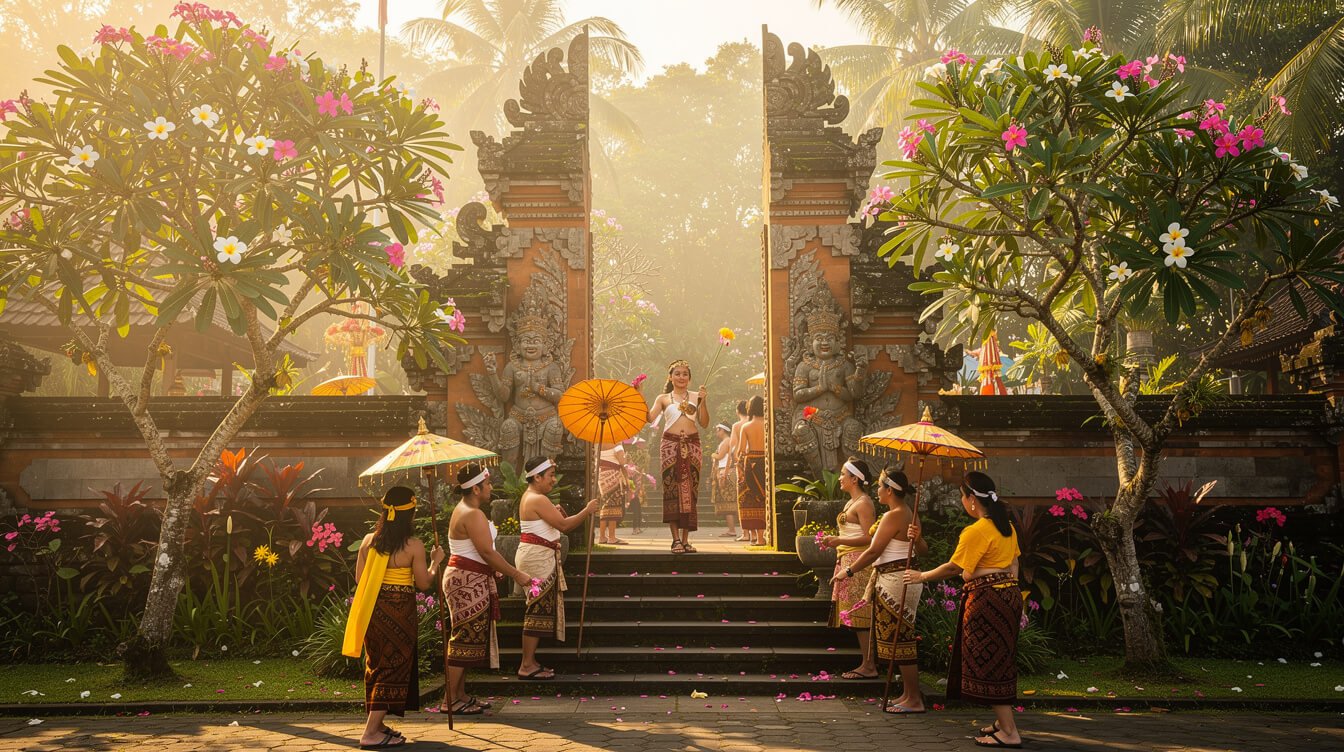
Both towns serve as strong bases for exploring Bali, but they unlock different parts of the island and reward different kinds of curiosity.
From Ubud
You’re already in the cultural heartland. Sacred temples like Tirta Empul and Gunung Kawi are within 30 minutes — no full-day expedition required. The Ayung River offers white-water rafting through a jungle gorge so beautiful you’ll forget you’re doing something athletic. Tegallalang rice terraces, the Campuhan Ridge Walk, traditional Legong and Kecak dance performances at the Royal Palace, silversmith workshops in Celuk, batik studios in Batubulan — the cultural density is unmatched anywhere else on the island.
Ubud is also the better base for multi-day exploration. Day trips to the sunrise at Mount Batur, the mother temple of Besakih, and the east coast water palaces (Tirta Gangga, Taman Ujung, Lempuyang’s Gates of Heaven) are all significantly shorter from Ubud than from the southern coast. You spend less time in traffic and more time actually experiencing the places you came to see.
From Canggu
Surf is the headline activity. Echo Beach, Batu Bolong, and Berawa offer breaks for every level, from learn-to-surf whitewash to more serious reef breaks when the swell is right. Tanah Lot temple — one of Bali’s most photographed landmarks — is a short ride north. Seminyak’s shopping and dining strip is 15 minutes south. And you have easy access to the Bukit Peninsula (Uluwatu, Padang Padang, Balangan) for serious surf sessions or cliff-top sunset cocktails.
The day-trip tradeoff is real though. Getting to Ubud from Canggu takes 60–90 minutes in traffic — and Bali traffic is not the kind where you sit back and enjoy the scenery. Getting to the east coast temples from Canggu adds another hour on top of that. If your goal is to see the cultural and interior Bali — the rice terraces, the temples, the village ceremonies — starting in Canggu means a significant portion of your holiday spent in transit.
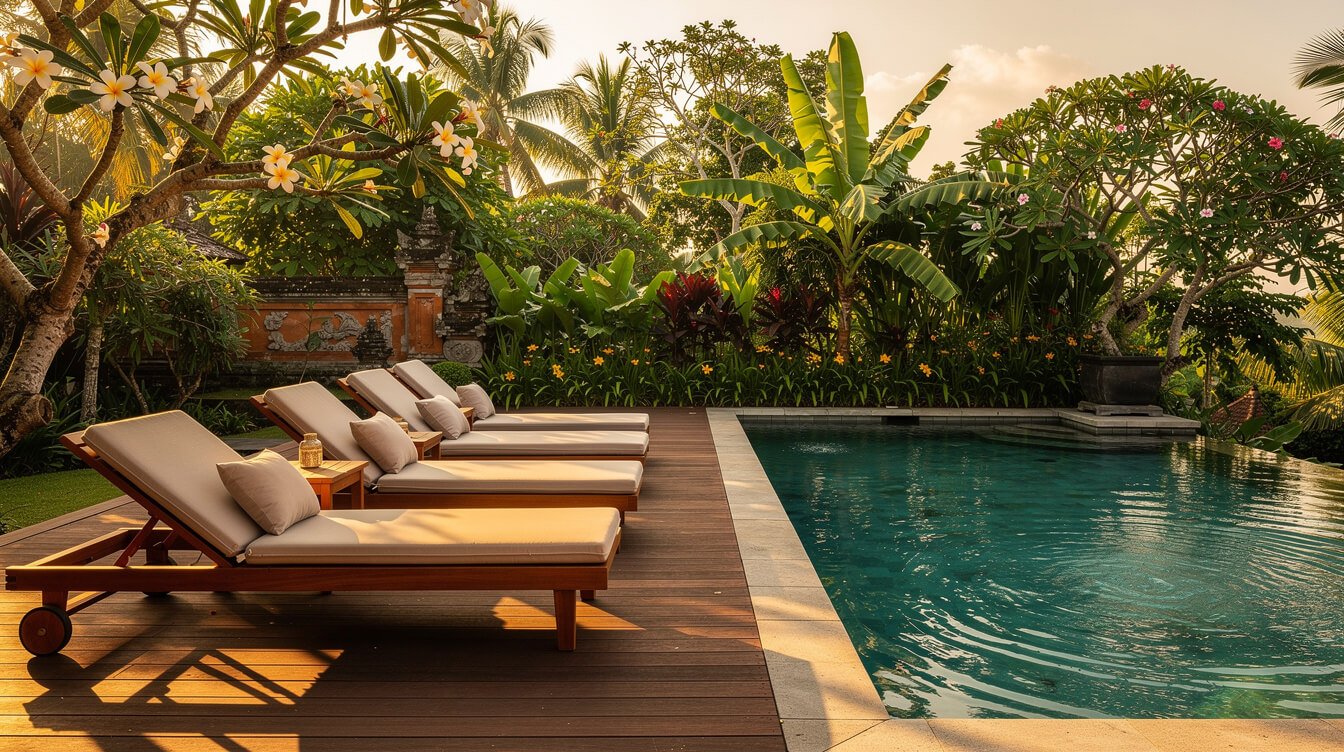
Stay in Ubud With a Full Team Behind You
Villa Amrita is a 3-bedroom staffed pool villa in Ubud — private chef, housekeeper, gardener, and villa manager included. Your Bali stay, fully held.
Accommodation: Where to Stay in Ubud vs Canggu
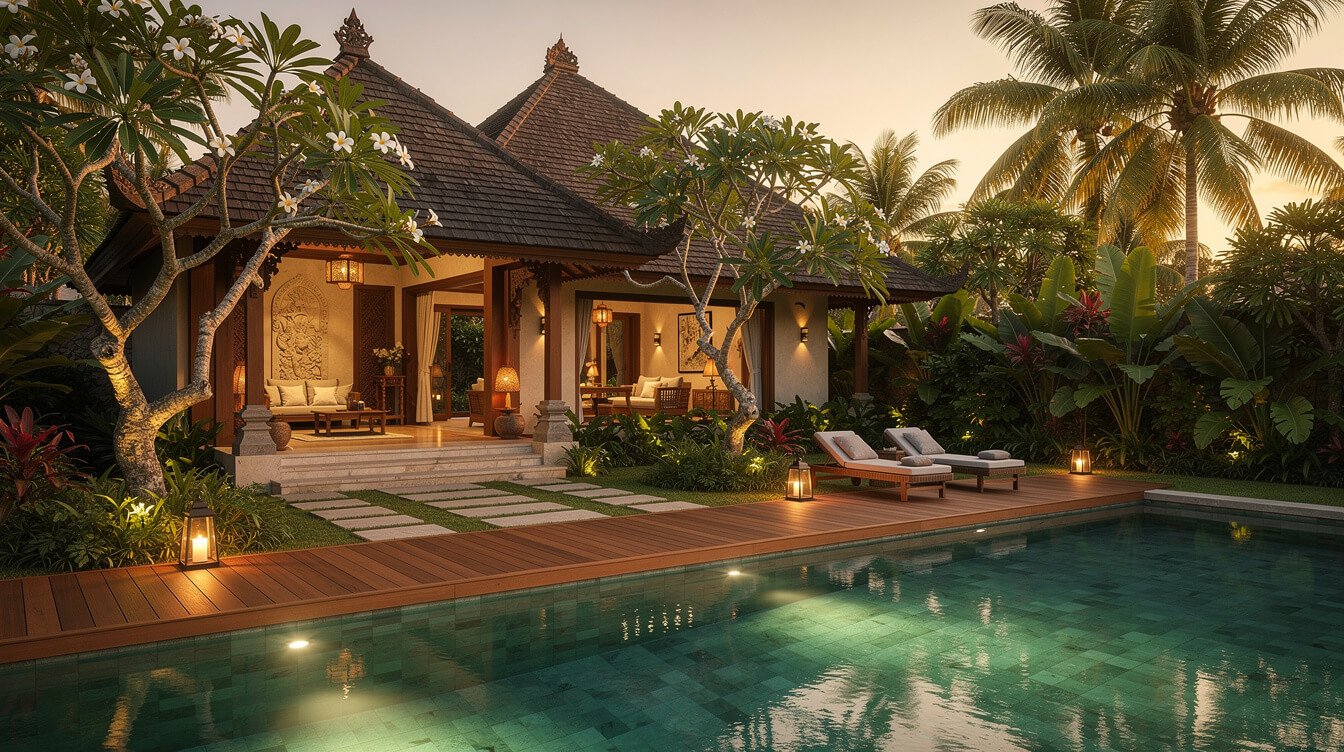
Canggu’s accommodation scene runs heavily toward trendy guesthouses, co-living spaces, and mid-range boutique hotels clustered around the main surf breaks. You’ll find decent Airbnbs, but the private villa scene caters mostly to the social crowd — shared pools, communal spaces, party energy on the rooftop. For families or couples seeking genuine privacy and space, the selection is thinner and pricier than you’d expect for Bali.
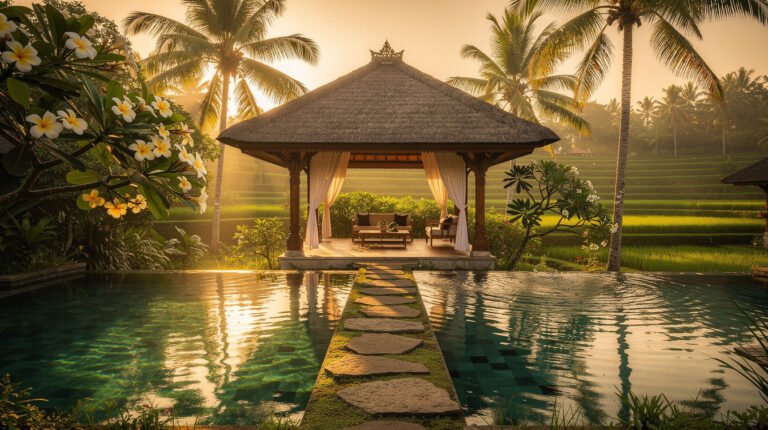
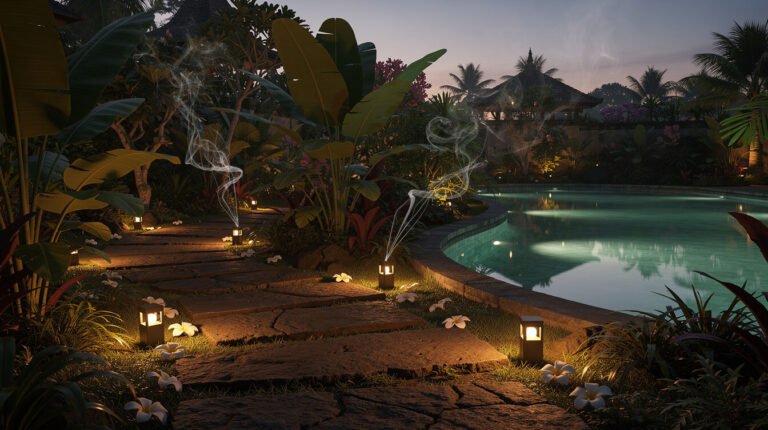
Ubud is where the private villa experience truly comes into its own. The landscape allows for something Canggu’s coastal density simply can’t replicate: seclusion without remoteness. A private pool villa in Ubud might sit among rice terraces or on a jungle ridge, surrounded by tropical garden and the sound of flowing water, yet be ten minutes from the center of town with all its restaurants and galleries.
The difference that matters most is staff. In Ubud, full-staff villas are more common and more affordable than anywhere else on the island. That means a private chef who shops the morning market and cooks Balinese and Western dishes from ingredients she selected herself that morning. A housekeeper who turns down your room and sets out fresh towels while you’re at dinner. A gardener who clips frangipani for the bedside vases before dawn, so the scent greets you when you open your eyes. A villa manager who knows which temple ceremony is happening today and whether the rafting company has availability tomorrow.
This is the accommodation gap most Ubud vs Canggu comparisons miss entirely. A staffed villa doesn’t just give you more square footage. It gives you a fundamentally different experience — one where the daily logistics of a Bali holiday (cooking, cleaning, transfers, local recommendations) are quietly handled by people who already know how to take care of you. You don’t manage your vacation. You live it.
Nightlife and Social Scene: Ubud vs Canggu
If nightlife is high on your priority list, Canggu wins this one decisively. Beach clubs like Finns, The Lawn, and Atlas serve drinks until late and regularly host international DJs. Saturday nights on Batu Bolong Road hum with live music, rooftop cocktail bars, and the kind of walk-in-anywhere energy that makes solo travelers feel instantly welcomed. The scene is international, young, casual, and almost impossible to have a boring night in.
Ubud’s evening energy is different — and deliberately so. Dinner at a candlelit restaurant overlooking the valley, with nothing but crickets and distant gamelan for a soundtrack. A traditional Kecak fire dance at the Royal Palace — performers chanting in concentric circles as flames leap between them. A jazz night at a garden bar. Sound healing in a bamboo shala. The social scene exists, but it’s slower, more intimate, and wraps up earlier. Most visitors in Ubud are genuinely happy to be in bed by ten, because they know the morning is going to be extraordinary.
This isn’t a shortcoming — it’s a design choice by the travelers who come here. Ubud attracts people who picked it precisely because the nightlife isn’t the point. The quiet evenings are why the mornings feel so clear. The early bedtime is what makes the sunrise over the rice terraces hit differently. If your measure of a good night is how alive you feel the next morning, Ubud wins on its own terms.
Who Should Choose Ubud vs Canggu: Your Decision Guide
Choose Ubud if you want:
- Culture, ceremony, and genuine spiritual depth
- World-class wellness and yoga retreats with experienced teachers
- A private staffed villa with chef, housekeeper, and garden
- Rice terraces, sacred temples, and jungle gorges on your doorstep
- A slower pace where the quiet is the main attraction
- A romantic base for couples or family-friendly accommodation with full staff support
- The best base for exploring the cultural heart of Bali without spending hours in traffic
Choose Canggu if you want:
- Surf, sand, and daily beach access within walking distance
- A buzzing social scene and nightlife that runs late
- Co-working spaces and a ready-made digital nomad community
- International cafe culture and world-class brunch spots
- Easy access to Seminyak shopping and the Bukit Peninsula surf breaks
- A younger, more energetic atmosphere built for meeting people
Can you do both?
Absolutely — and many experienced Bali travelers recommend exactly that. A common itinerary splits 4–5 nights in Ubud with 2–3 nights in Canggu (or Seminyak, or Uluwatu). Start in Ubud to decompress after your flight, explore the interior, and settle into the pace of the island before the FOMO sets in. Then head south for a few beach days and surf sessions before flying home tanned and tired in the right way. The transfer from the airport to Ubud takes about 90 minutes, and the drive from Ubud to Canggu is roughly an hour — both are straightforward and scenic.
Frequently Asked Questions: Ubud vs Canggu
Is Ubud or Canggu better for families?
Ubud is generally better for families, especially those with young children. The pace is calmer, traffic is less intense than Canggu’s congested main roads, and private villas with staff make daily logistics (meals, childcare support, laundry) effortless. Canggu’s beach scene can work for families with older kids who surf, but the nightlife-oriented culture and heavier motorbike traffic make it less ideal for younger children.
Is Ubud or Canggu cheaper?
Ubud offers better value overall. Local warungs serve full meals for $2–4 USD, and accommodation — including private villas with full staff — tends to be 20–30% less expensive than equivalent options in Canggu. Canggu’s premium cafe scene (where a smoothie bowl runs $8–12) and beach club entry fees push daily spending noticeably higher, though budget options exist in both towns for savvy travelers.
Is Ubud or Canggu better for digital nomads?
Canggu has more co-working spaces and a bigger nomad community, making it the default choice for remote workers who prioritize social networking and after-work surf sessions. But Ubud has excellent co-working options too — Outpost and Hubud both offer fast wifi, comfortable workspaces, and a slightly quieter community. If productivity matters more than networking, Ubud may suit you better.
How far is Ubud from Canggu?
About 35 kilometers — roughly 60–90 minutes by car depending on traffic and time of day. The drive passes through central Bali on reasonably good roads. Many visitors split their trip between both areas, and private drivers make the transfer easy to arrange from either end.
Is Ubud or Canggu better for a honeymoon?
Ubud, without question. The intimacy, the rice-field settings, the candlelit dinners, the private villa experience with dedicated staff — everything about Ubud is built for couples who want to feel held rather than entertained. Canggu is social by nature, which works against the privacy and romance most honeymooners are after.
Is Ubud worth visiting if you love the beach?
Yes — with a caveat. Ubud itself has no beaches, but the east coast (Amed, Candidasa, Padangbai) and south coast (Sanur, Nusa Dua) are all day-trip distance — about 60–90 minutes each way. Many Ubud visitors spend a day at the beach and return to their villa by evening, satisfied. If you need the ocean every single morning though, start in Canggu and day-trip to Ubud instead.
Choosing between Ubud vs Canggu isn’t about which is objectively “better” — both deliver extraordinary versions of Bali that keep visitors coming back year after year. It’s about what kind of experience you’re genuinely drawn to. Ubud offers depth, quiet, culture, and the kind of full-staff villa stay where every detail is held for you by people who love what they do. Canggu offers surf, energy, international flavor, and a social scene that doesn’t quit. Know what you want from your Bali trip, and the right choice becomes obvious.
If Ubud is calling — and you want a stay where the chef, gardener, housekeeper, and villa manager are already waiting — check availability at Villa Amrita and see what a staffed villa stay actually feels like.

Join Our Newsletter — Fun, New, Exciting Bali News
Village rhythms, hidden trails, what the chef is cooking this week — the kind of Bali intel you won’t find on TripAdvisor. Delivered with warmth from Ubud.