The First Cup of Balinese Coffee
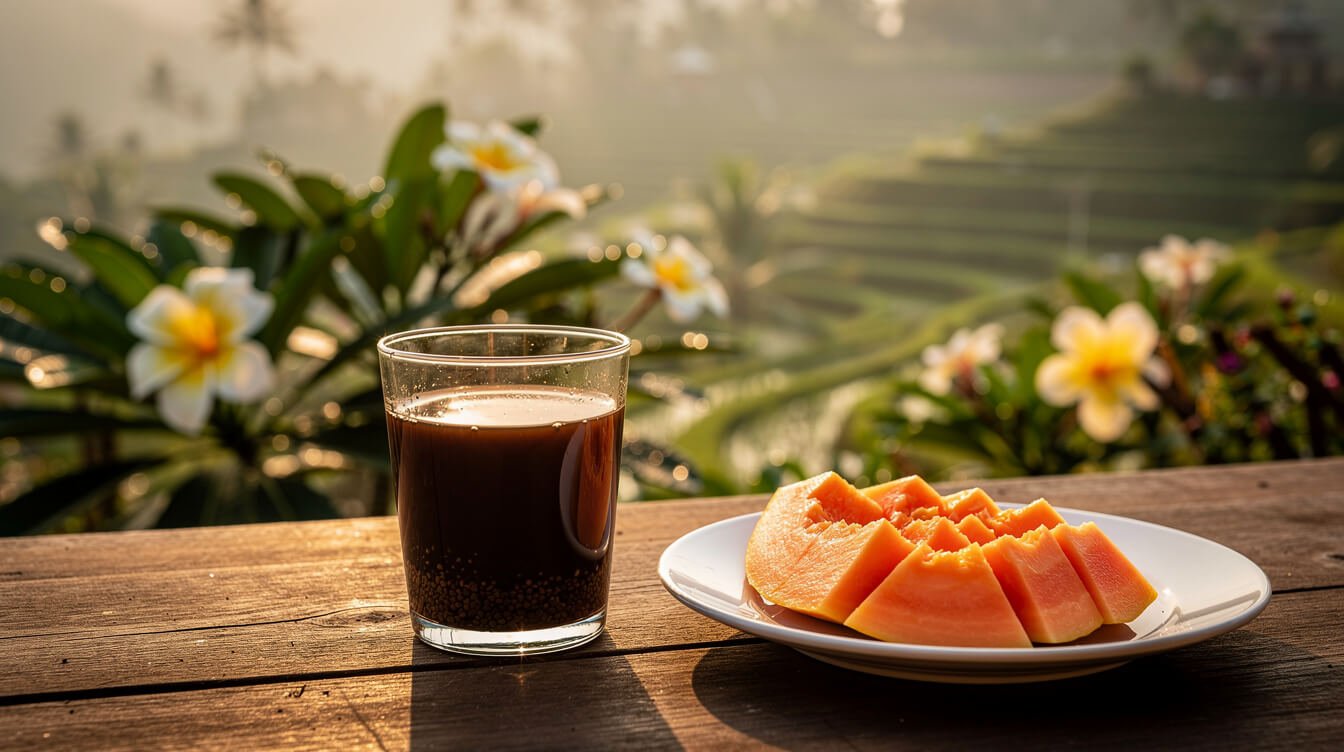
The grounds sit at the bottom of the glass. You learn this on your first morning.
Balinese coffee — kopi Bali — is not filtered. There is no paper, no metal screen, no machine humming on a counter. The grounds are spooned into the glass, hot water poured over them, and time does the rest. You wait. The grounds settle. The coffee rises dark and slow to meet you.
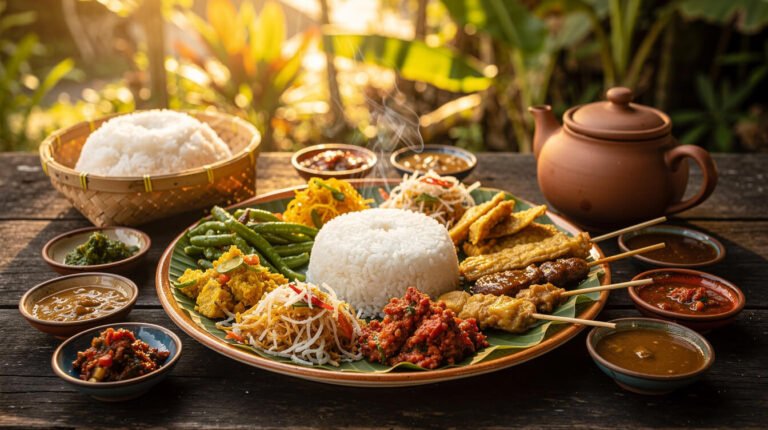
At six in the morning, the villa kitchen is already warm. Made, your chef, has been here since before the roosters. She sets the glass on the terrace table next to a plate of sliced papaya so orange it looks artificial. It is not. It was picked yesterday from the garden behind the pool.
You sit. You lift the glass. The first thing you notice is not the taste — it is the scent. Earthy, almost chocolate, with a weight to it that instant coffee has never held. Balinese coffee is roasted dark, often with a little sugar mixed right into the roast. The sweetness is part of the bean itself.
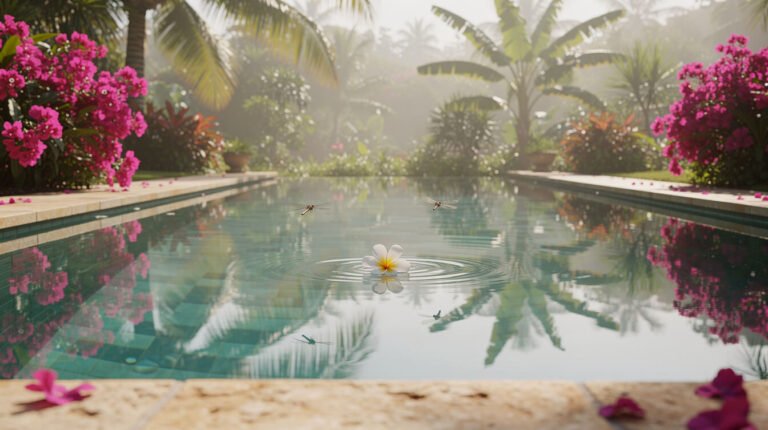
The first sip is thick. Full. Not bitter the way you expected, but grounding — something that pulls you into the chair and into the morning. The rice terraces across the valley are still catching the last of the mist. A dragonfly taps the pool surface and lifts off again. Somewhere in the village, a rooster who missed his cue crows twice and gives up.
You do not check your phone. Not because someone told you not to, but because the coffee has asked you, gently, to stay.
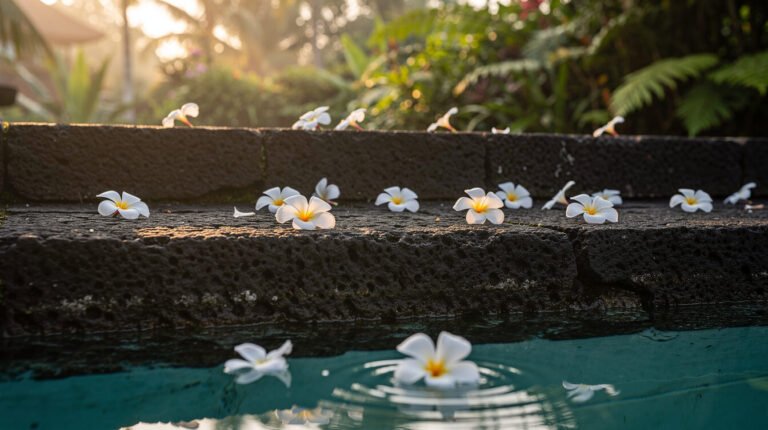
This is what mornings at a villa in Bali feel like. Not rushed. Not performative. Not a curated breakfast spread photographed for a feed. Just a glass of coffee made the way it has been made here for generations, drunk on a terrace where the frangipani drops its flowers every night and every morning they are swept away and every morning new ones fall.
By the second cup, the mist has burned off. Made asks if you would like eggs. The day has not started — it has arrived, the way the afternoon rain arrives: without announcement, without hurry, as though it was always going to.
You finish the glass. The grounds stay at the bottom. You leave them there. That is the tradition.