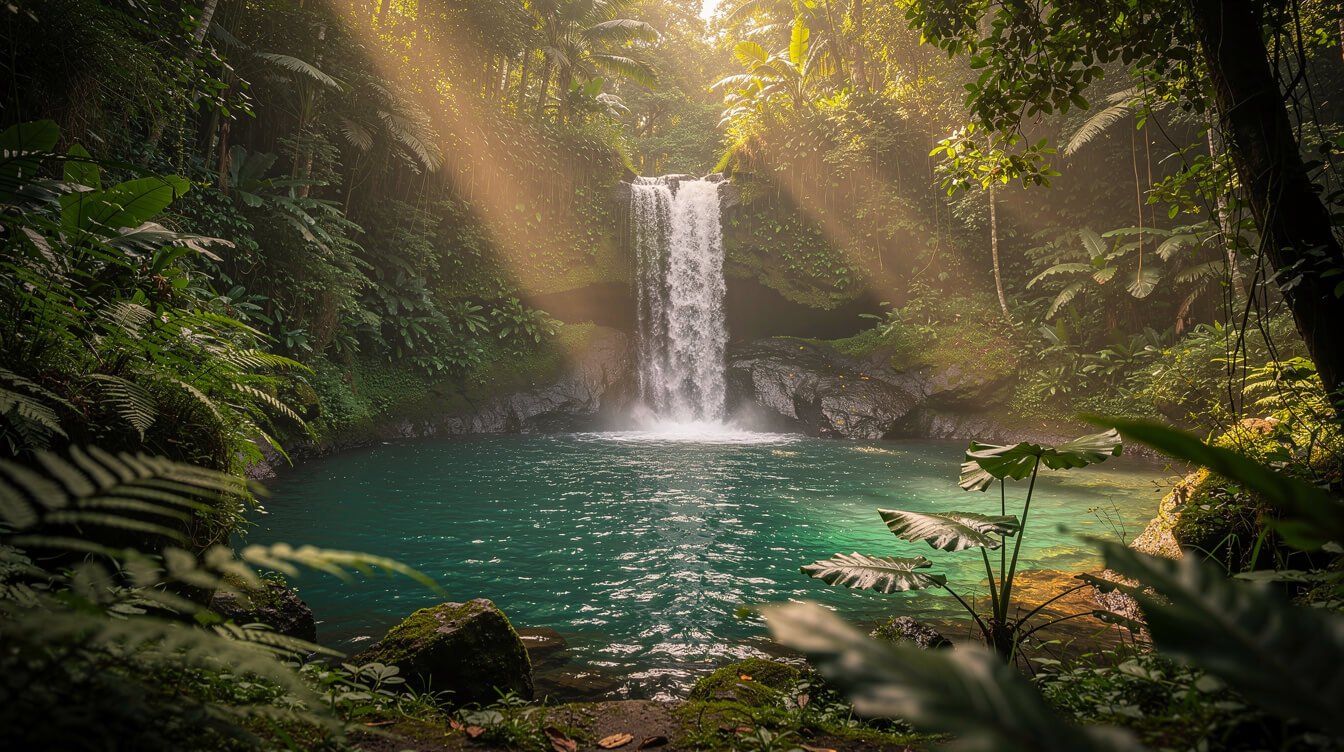
Ubud Waterfall: Your Complete Guide to the Best Waterfalls Near Ubud Bali
There’s a particular sound an Ubud waterfall makes — not the tourist-familiar roar of a resort water feature, but something rawer. It starts as a rumble through the rainforest, growing louder as you descend stone steps worn smooth by humidity and barefoot locals. Then you see it: water finding its way down volcanic rock, surrounded by ferns the size of small cars, and you understand why people keep coming back to this corner of Bali.
Ubud sits at the center of a waterfall circuit unlike anywhere else on the island. Within 30 to 60 minutes of the town center, there are more than a dozen falls — some famous, some barely marked on maps. Each one has a different personality: dramatic cliff drops, intimate jungle cascades, cathedral-like caves where light pours in from above. This guide covers the best of them, organized by distance and energy, so you can match the right waterfall to your mood.
The Best Ubud Waterfall Destinations Within 30 Minutes
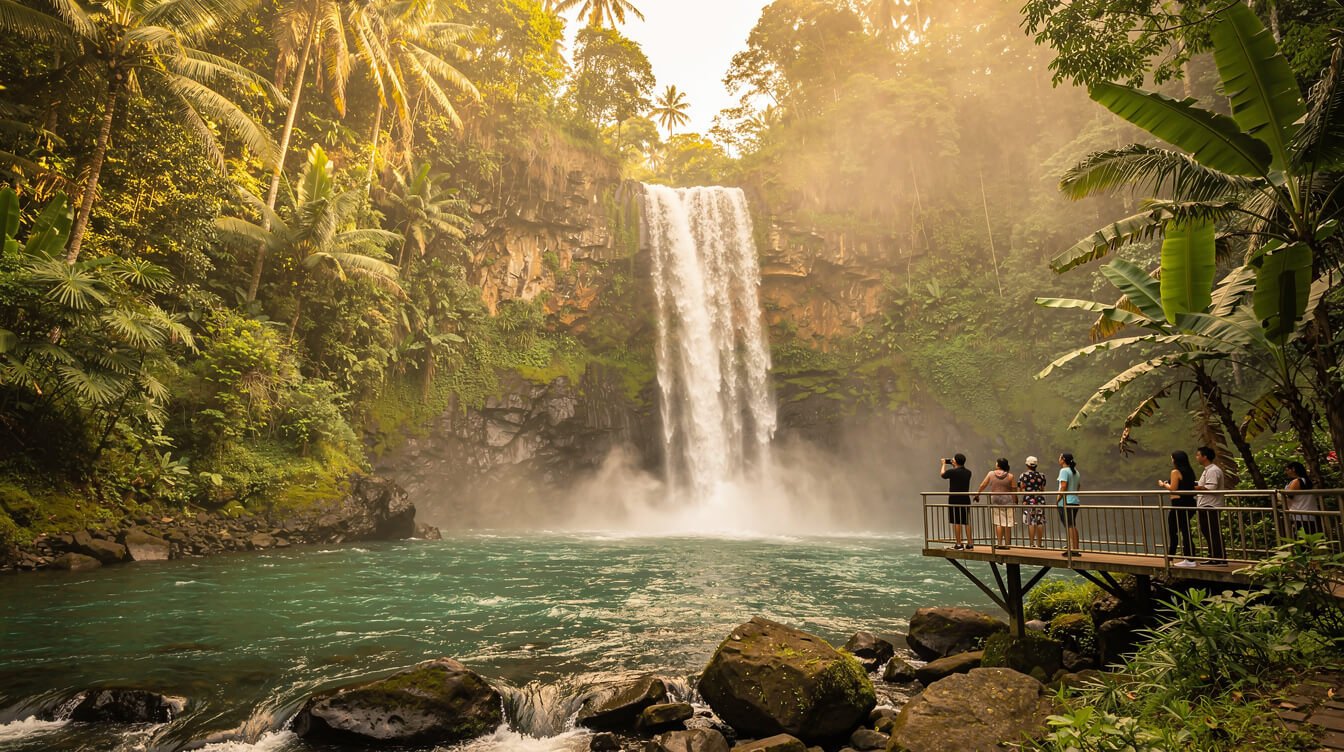
The waterfalls closest to Ubud are the ones you can weave into a morning — no grand expedition required. Leave after breakfast, swim, and be back for lunch at the villa.
Tegenungan Waterfall
The most accessible and the one you’ll see on every Instagram feed. Tegenungan is a 15-minute drive south of Ubud center, and for good reason: the 20-meter cascade is genuinely impressive, framed by jungle on both sides with a wide pool at its base. The drawback is crowds — arrive before 8:30 AM or after 3 PM for relative quiet. A paved path with stairs leads down, making it accessible to most visitors. Entry is around 20,000 IDR.
Kanto Lampo Waterfall
Just 20 minutes east of Ubud, Kanto Lampo looks nothing like a typical waterfall. Water cascades over terraced volcanic rock that resembles the layered form of Bali’s rice paddies — a natural sculpture. It’s become a popular photo spot (local photographers will guide you to the best angles for tips), but the queue moves fast. The experience is more about standing in the staircase of flowing water than swimming. Best visited in the morning when light hits the rock face.
Tibumana Waterfall
Quieter than the two above and arguably more beautiful for it. Tibumana is a 25-minute drive from central Ubud — a twin cascade dropping into a clear, calm pool surrounded by dense jungle. The walk down is peaceful: through a bamboo forest, over a small bridge, with the sound building gradually. Excellent for swimming. The pool is deep enough to jump into from a low rock ledge. If you want the feeling of a private waterfall without driving an hour, this is the one.
Sumampan Waterfall
A local favorite that most guides skip. Sumampan is just 20 minutes south of Ubud — a gentle, wide cascade into a shallow pool set in a quiet valley. There’s rarely more than a handful of visitors. It’s less dramatic than Tegenungan but infinitely more peaceful, and the surrounding village feels genuinely untouched by tourism. If you’re traveling with young children or simply want somewhere to sit and listen, Sumampan delivers.
Ubud Waterfall Adventures: 30 to 60 Minutes Away
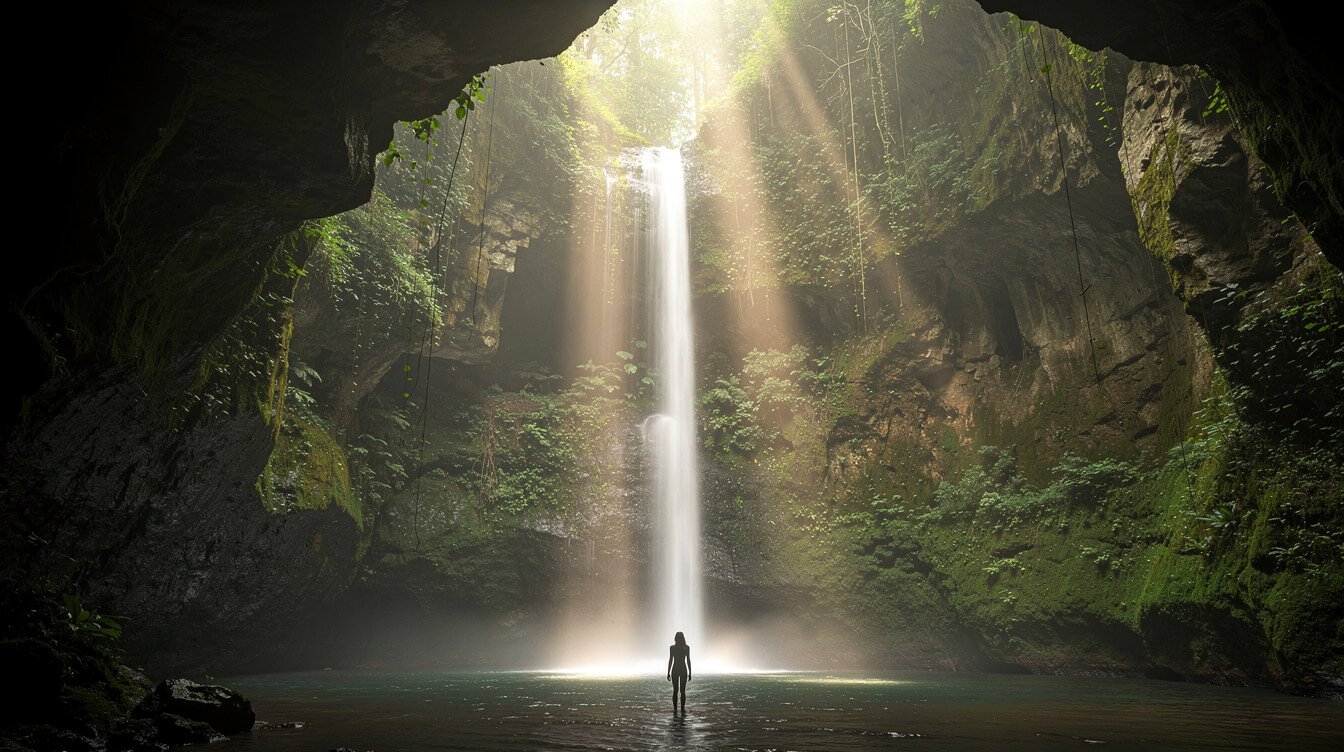
Drive a little further and the waterfalls become more dramatic — and less crowded. These are the ones worth building a half-day around, especially if you combine two in one route.
Tukad Cepung Waterfall
This is the one people call spiritual. Tukad Cepung isn’t a traditional waterfall — it’s a narrow stream of water falling through a crack in a cave ceiling, creating pillars of light that shift as the sun moves. You walk through ankle-deep water in a canyon to reach it, the rock walls closing in until you emerge into the cave chamber. Between 9 and 11 AM, when sunlight angles directly through the opening above, the effect is extraordinary. It’s 40 minutes northeast of Ubud, toward Bangli regency. Bring a waterproof phone case.
Leke Leke Waterfall
A 35-minute drive northwest of Ubud, Leke Leke is a thin, elegant cascade dropping from a high cliff into a narrow pool, completely enclosed by rainforest. The trail down passes through dense tropical jungle with hanging vines that make the whole approach feel cinematic. It’s less crowded than most despite its beauty — possibly because it’s slightly off the standard circuit. The pool at the base is small but swimmable, and the vertical cliff creates a natural amphitheater of sound.
Blangsinga (Tegenungan’s Quieter Neighbor)
Literally a five-minute drive from Tegenungan but somehow missed by 90% of visitors. Blangsinga is a wider, shorter cascade with a large natural swimming pool and far fewer people. The approach is through a more traditional Balinese compound, and the infrastructure is simpler — which is part of the charm. If you’re visiting Tegenungan and find it overcrowded, Blangsinga is the immediate alternative.
Gembleng Waterfall
About 50 minutes northeast of Ubud on the road toward Kintamani, Gembleng is a double cascade with a bamboo bridge crossing between the two falls. It’s photogenic, relatively undiscovered, and the drive itself passes through some of Bali’s most beautiful volcano-framed rice terraces. Combine it with a sunrise trek near Ubud for a full morning of natural beauty.
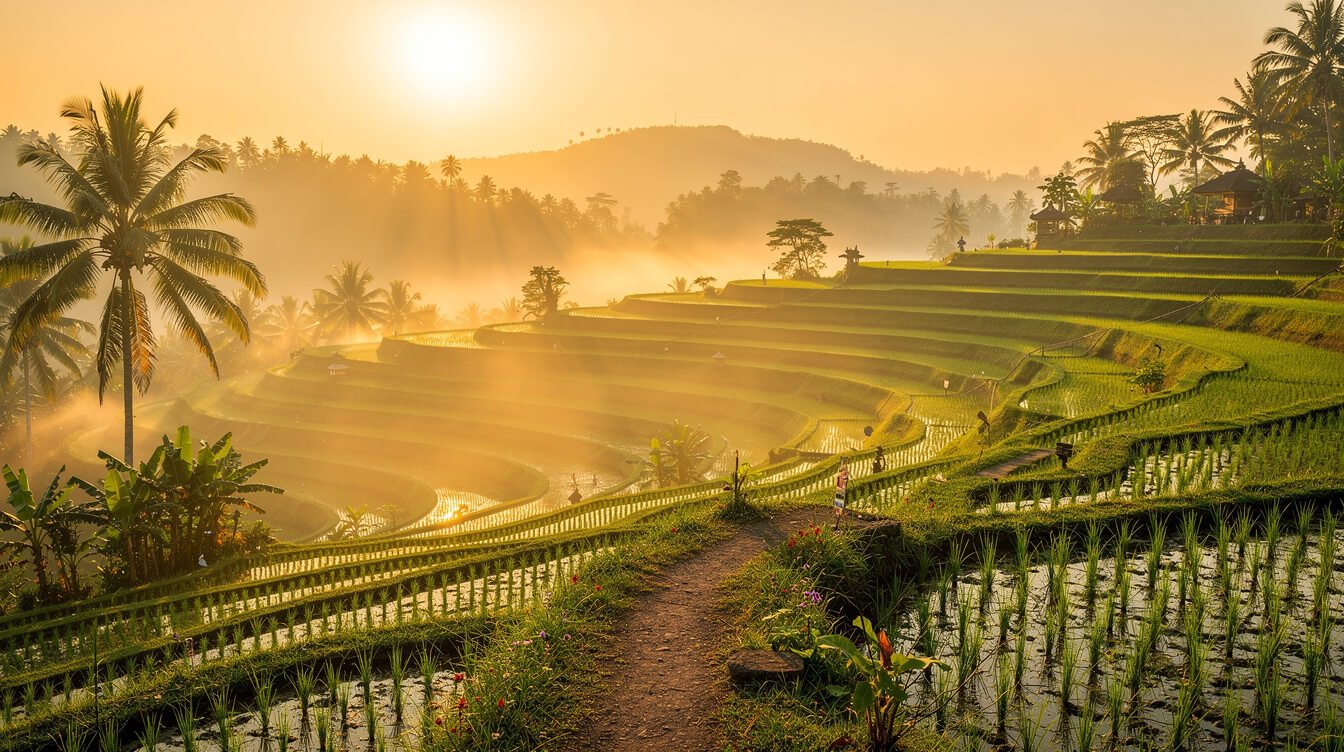
Get a Free 3-Day Sample Itinerary
Waterfalls, rice terraces, sunrise treks, and the best local warungs — all mapped out for you. Our team knows these routes by heart.
How to Plan Your Ubud Waterfall Day Trip
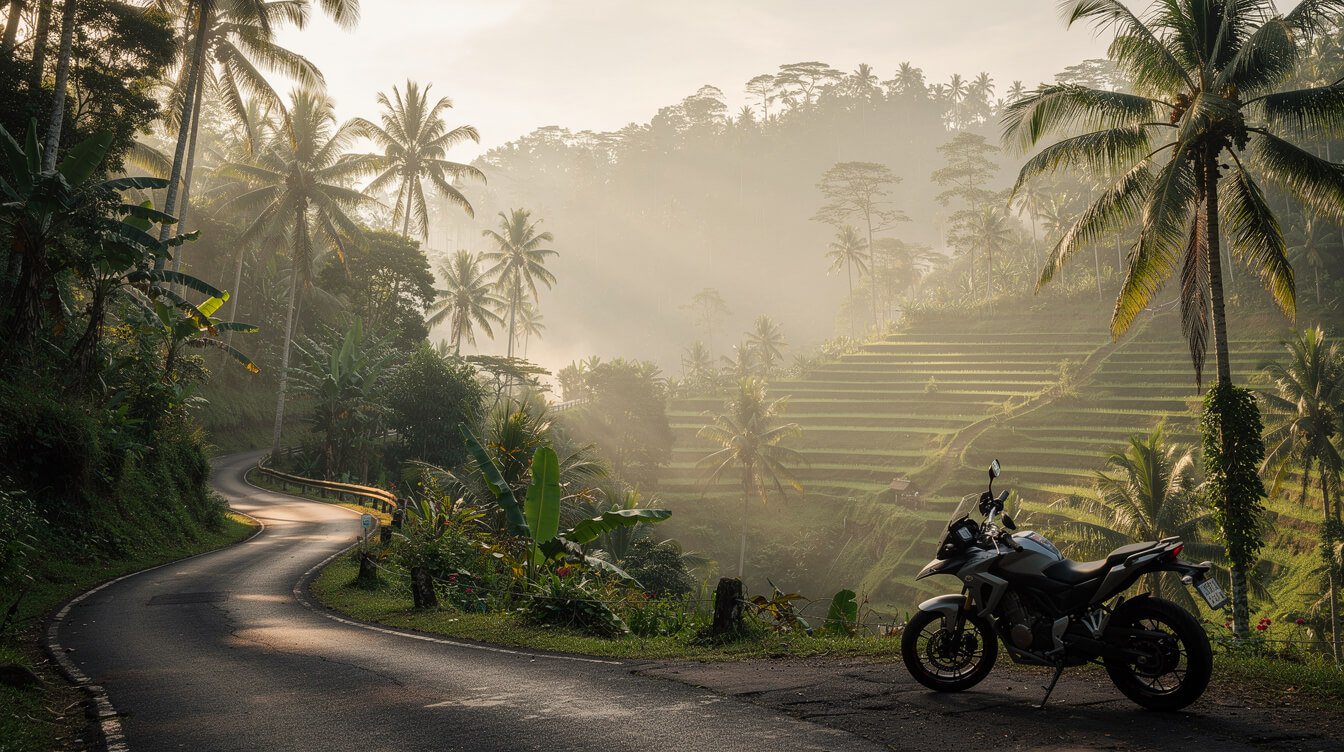
The waterfalls around Ubud aren’t remote wilderness — they’re woven into the landscape of villages, rice paddies, and winding jungle roads. Getting to them is part of the experience. Here’s how to make the most of it.
Hire a Driver or Ride a Scooter?
Both work, and the choice depends on your comfort level. A private driver for a full day costs 500,000–700,000 IDR (roughly $30–45 USD) and means you can relax, not worry about parking, and cover more ground. If you’re staying at a staffed villa, your team can arrange this with someone they trust — someone who knows which roads flood in rainy season and where to park without the tourist surcharge.
Scooter rental is about 75,000 IDR per day and gives you freedom, but the roads to some waterfalls (especially Tukad Cepung and Gembleng) are steep and narrow. If you’re an experienced rider comfortable with Bali traffic, go for it. If not, a driver is genuinely the better choice.
What Time to Go
Leave early. The golden window is 7:30–9:00 AM arrival at your first waterfall. The popular ones fill up by mid-morning, and afternoon rains (especially November through March) can make trails slippery and water levels unpredictable. Morning light is also dramatically better for photography — especially at Tukad Cepung, where the light-beam effect disappears after 11 AM.
What to Bring
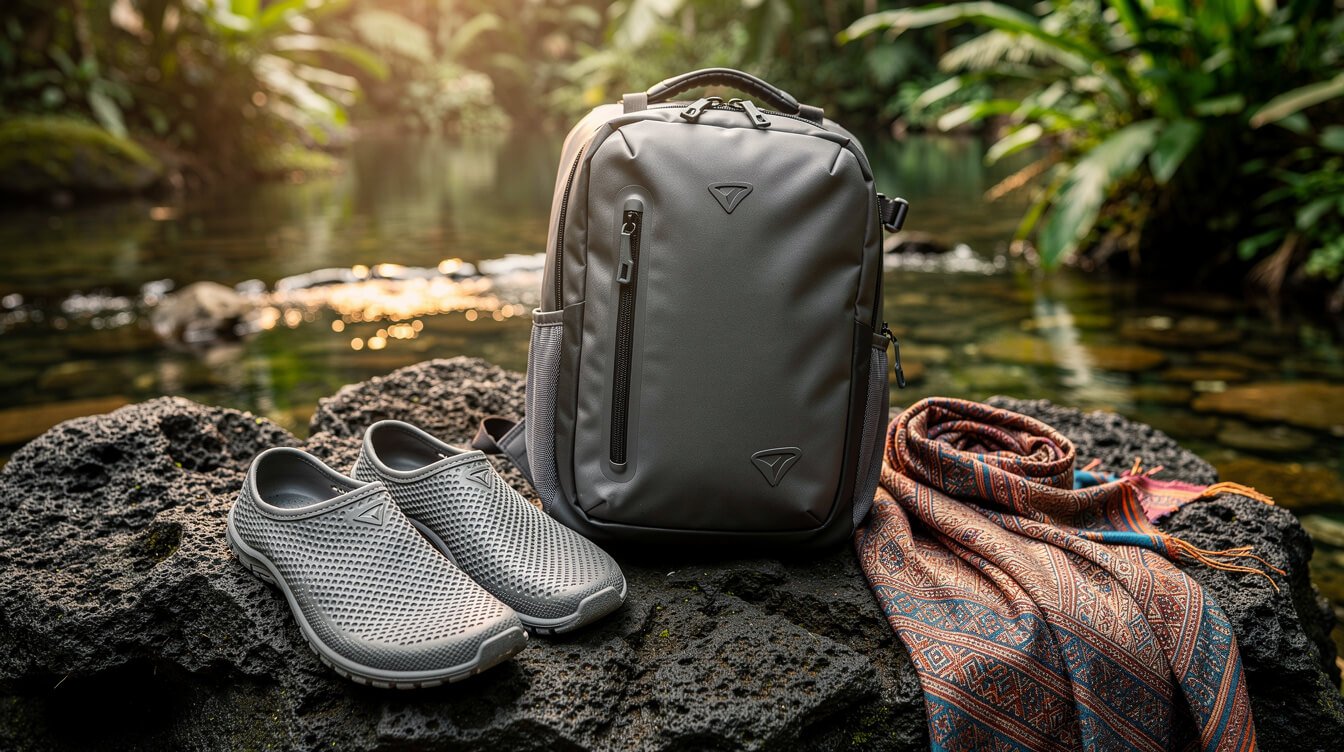
- Water shoes or sport sandals — volcanic rock is slippery; flip-flops aren’t safe
- Dry bag or waterproof phone case — mist carries far, especially at Tegenungan
- Sarong — required at some waterfalls near temples (Tibumana, Tukad Cepung)
- Change of clothes — you will get wet
- Cash — entrance fees and parking are cash-only at most sites (10,000–50,000 IDR)
- Sunscreen and water — the humidity is deceptive; you’ll dehydrate faster than you expect
Combining Waterfalls in a Single Route
The most efficient routes group waterfalls by direction from Ubud:
- Southern loop (half day): Tegenungan → Blangsinga → Kanto Lampo — all within 15 minutes of each other
- Eastern loop (half day): Tibumana → Tukad Cepung — beautiful quiet morning
- Northern circuit (full day): Leke Leke → Gembleng → optional Tegallalang Rice Terrace stop on the way back
Our villa team regularly maps these routes for guests — distances, parking spots, the warung where the driver always stops for his own lunch (always a good sign). It’s the kind of local knowledge that turns a waterfall checklist into an actual adventure. If you’re interested in how we put together a stay, you can read more about things to do in Ubud Bali from our complete insider guide.
Quiet vs. Popular: Matching Your Energy to the Right Ubud Waterfall
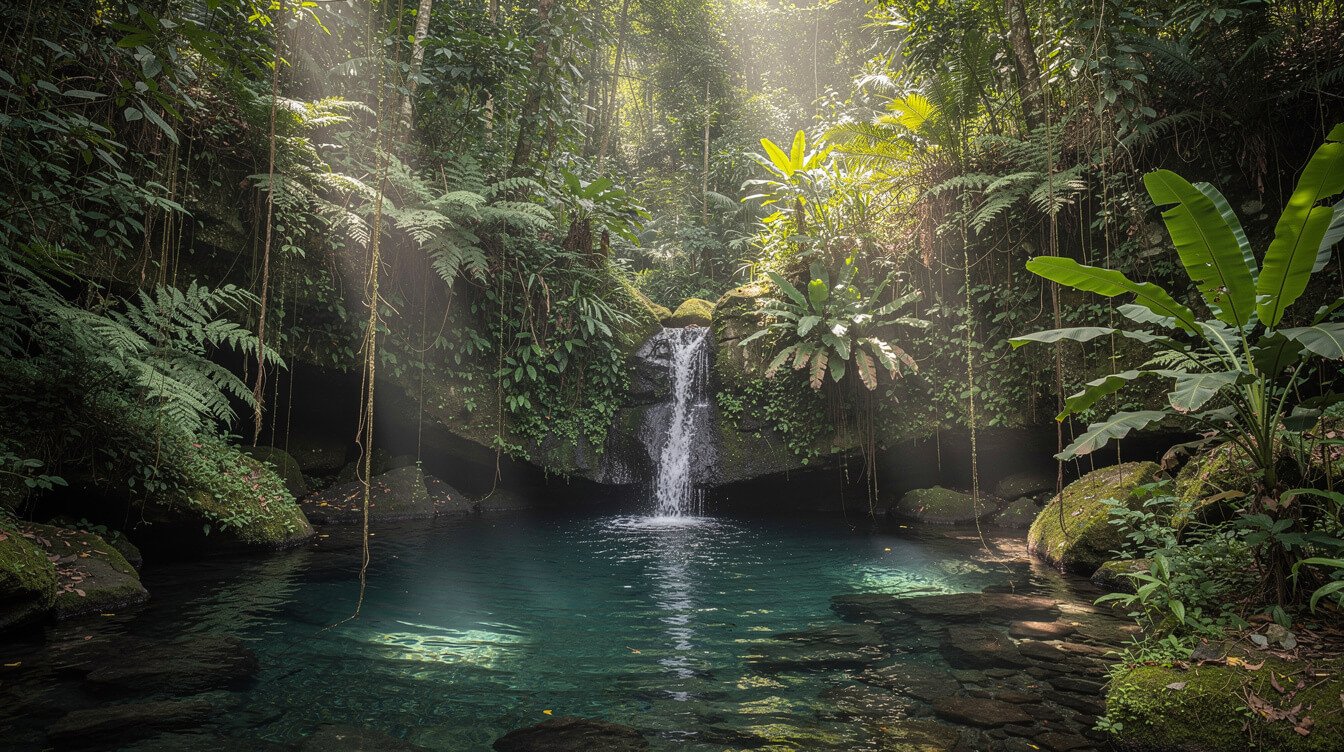
Not every waterfall day needs to be an adventure. Some mornings you want the drama of Tegenungan’s roaring cliff drop. Other days you want to sit on a mossy rock beside Sumampan and listen to nothing but water and birds. Here’s a quick energy guide:
For the Photograph (High Energy)
Kanto Lampo — the terraced rock face is unlike anything else in Bali. You’ll stand in the flowing water, a local photographer will guide your pose, and you’ll walk away with a genuinely unique shot. Best for couples and anyone who wants the “moment.”
For the Swimmer (Active)
Tibumana — the deep, clear pool is Ubud’s best natural swimming hole. Jump from the rock ledge, float under the twin cascade, dry off on the bamboo platform. It’s what you imagined when you pictured Bali waterfalls.
For the Seeker (Contemplative)
Tukad Cepung — the cave, the light beams, the ankle-deep river walk to reach it. This isn’t a waterfall you swim at — it’s one you stand inside, looking up. People describe it as spiritual, and that’s not overselling it. If you’ve been doing yoga or meditation during your stay, this is the natural continuation. Read our yoga retreat Bali guide for more on the wellness side of Ubud.
For the Family (Gentle)
Sumampan — shallow enough for small children to play in, quiet enough that you won’t feel rushed, and close enough to Ubud that it doesn’t eat the whole day. The locals swimming here are families too — it’s the neighborhood pool energy, Bali-style.
For the Explorer (Off-Trail)
Leke Leke — the rainforest approach, the hanging vines, the sense that you’ve found something. It’s not technically hidden, but it feels that way. Best for couples and solo travelers who want to feel like they’ve earned the view.
What to Do After Your Ubud Waterfall Morning
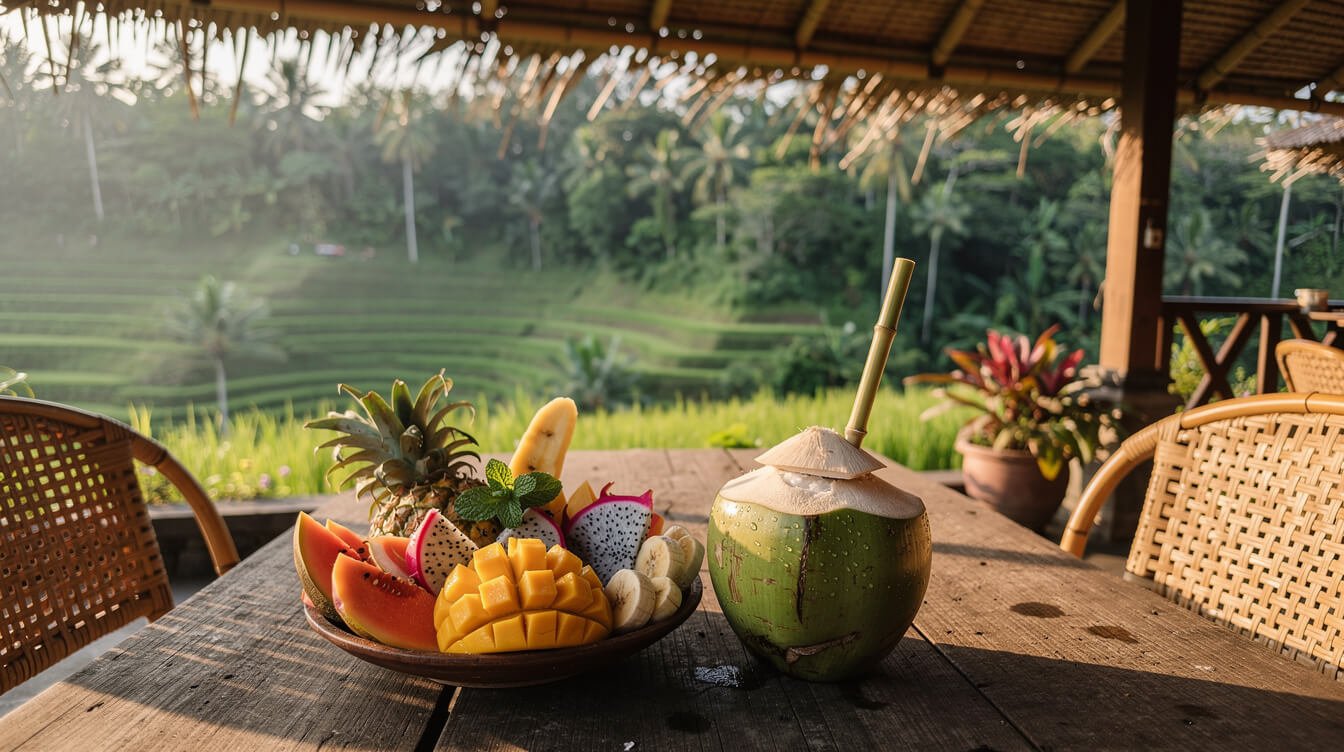
You’re wet, slightly sunburned, genuinely happy, and starving. Here’s how the rest of the day unfolds — because a waterfall morning is really just the opening act.
Lunch at a Roadside Warung
Don’t rush back to Ubud center. The roads between waterfalls pass through villages with small warungs serving some of Bali’s best food — nasi campur piled high for 25,000 IDR, fresh coconuts cracked open at the table, and views your restaurant back home could never match. Ask your driver for their personal recommendation (they always have one).
Afternoon at the Villa
This is where the staffed-villa experience transforms a waterfall day. Come back to the villa and Made has already prepared a fruit plate by the pool. The garden’s been watered. There’s fresh coffee on the deck. You don’t transition from adventure to relaxation — you slide between them. It’s the difference between returning to a hotel lobby versus returning home to people who knew you’d be hungry.
If the adventure left you with sore legs, the team can arrange a spa treatment near the villa — or an in-villa massage that evening. The rhythm of the day keeps going.
Sunset Options
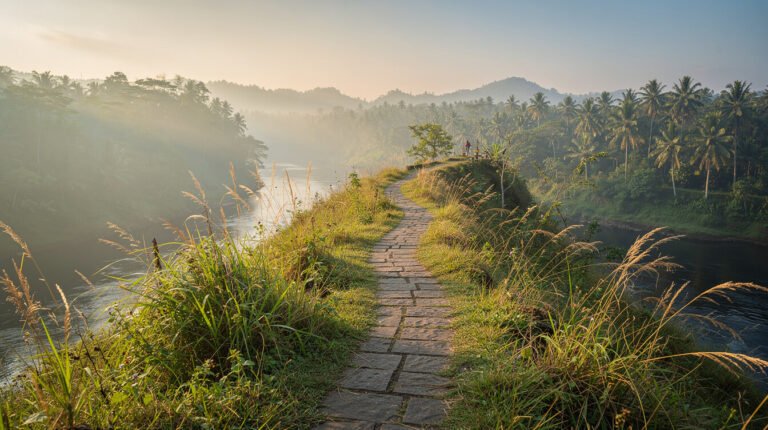
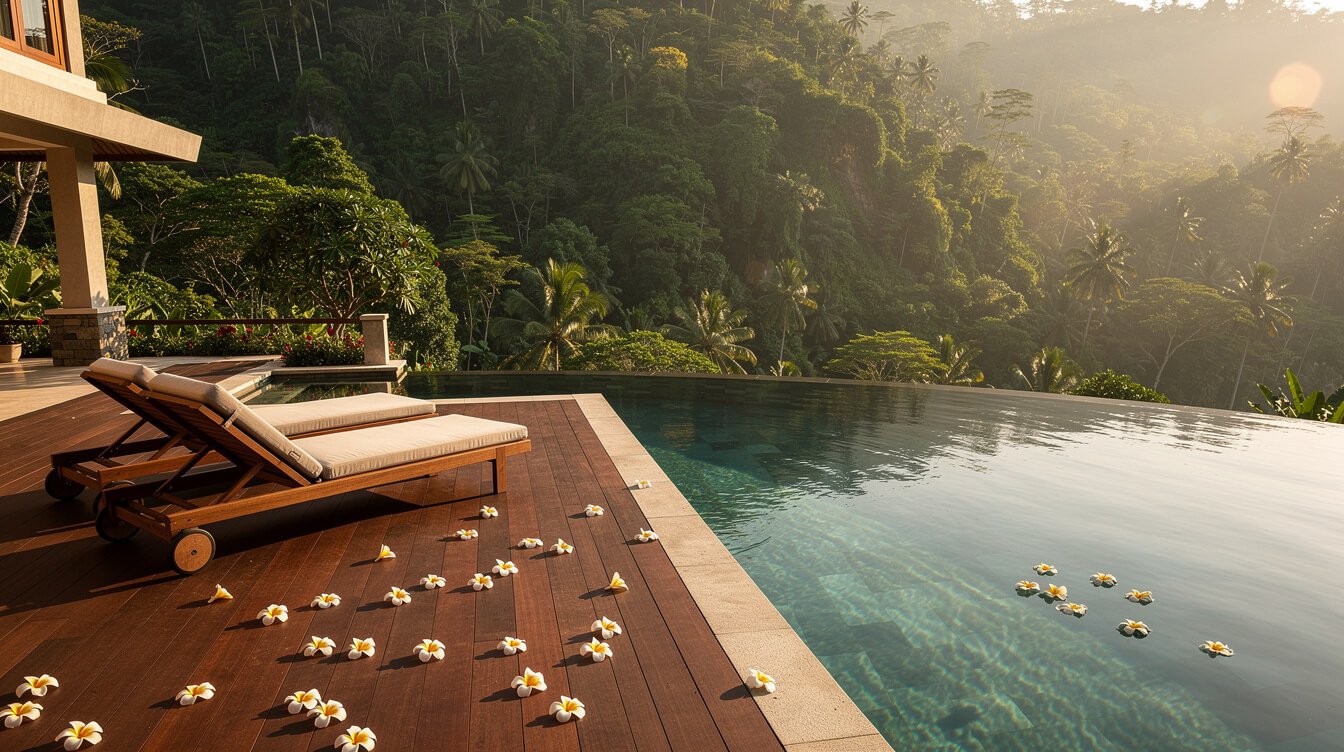
If you still have energy: the Campuhan Ridge Walk at golden hour is the perfect wind-down — no stairs, no effort, just a grass path between two valleys as the sky turns amber. Or stay at the villa, because the pool deck at 5:30 PM, with the garden lit by that last warm light, is honestly hard to leave.
Book the Villa
Three bedrooms, full staff, private pool — and a team that maps your waterfall routes, arranges drivers, and has fresh fruit waiting when you return.
Ubud Waterfall FAQ: Everything Else You Need to Know
Are Ubud waterfalls safe to swim in?
Most are, yes. Tibumana, Tegenungan, and Blangsinga all have established swimming areas. However, water levels rise significantly during rainy season (November–March), and some waterfalls close temporarily during heavy rain. Always check current conditions — if the water looks brown or the current seems stronger than usual, don’t swim. Your driver or villa team will know the day’s conditions before you leave.
What’s the best time of year for Ubud waterfalls?
April through October (dry season) offers the safest conditions, clearest water, and most reliable trail access. That said, rainy season waterfalls are more dramatic — fuller, louder, more powerful. The trade-off is muddier trails and higher water levels. For the best balance of access and flow, the shoulder months of April and October are ideal.
Do I need a guide for Ubud waterfalls?
Not for the main ones — Tegenungan, Kanto Lampo, Tibumana, and Tukad Cepung all have clear paths and entrance kiosks. For more remote falls (some aren’t named on Google Maps), a local guide or a driver who knows the area is genuinely helpful. Your villa staff can connect you with someone trustworthy.
How much do Ubud waterfall entrance fees cost?
Between 10,000 and 50,000 IDR per person ($0.60–$3 USD). Most include basic facilities (toilet, changing area, parking). Tegenungan is the most expensive at around 50,000 IDR, while smaller falls like Sumampan charge 10,000–15,000 IDR. Always carry small bills — change isn’t always available.
Can I visit multiple waterfalls in one day?
Absolutely. Two to three waterfalls in a morning is comfortable without rushing. Any more than that and you’ll start to feel the stairs in your legs. The southern loop (Tegenungan + Blangsinga + Kanto Lampo) is the most efficient multi-waterfall route. Budget 1.5–2 hours per waterfall including travel, photos, and swimming time.
What about the rainy season?
Waterfalls don’t close for rain, but trails can become slippery and flash flooding is a real risk in narrow gorges (like Tukad Cepung’s canyon approach). During heavy rain days, stick to waterfalls with well-maintained concrete steps — Tegenungan and Kanto Lampo are your safest bets. Avoid narrow canyon waterfalls on days with active rain.
Your Waterfall Day Starts Here
Ubud’s waterfalls aren’t a checklist to race through. They’re individual places, each with their own mood, and the best waterfall day is one where you pick the right one for how you’re feeling that morning. Maybe it’s the contemplative light of Tukad Cepung. Maybe it’s the joyful splash of Tibumana. Maybe it’s Sumampan’s gentle quiet while your kids play in the shallows.
The constant is this: you come back different. A little more present. A little more connected to the landscape that makes Ubud extraordinary. And if you’re staying at a villa with a team that understands this rhythm — that knows which waterfall matches which mood, that has the driver on speed dial, that has cold coconut water waiting when you walk through the door — then the whole day flows without effort.
That’s what we do. Not as a tour operator, but as a team that lives here and genuinely wants you to have the kind of morning that stays with you long after you’ve left Bali.

Join Our Newsletter — Fun, New, Exciting Bali News
Ubud insider tips, seasonal travel windows, and the kind of local knowledge that only comes from living here. One email per week, zero spam.