Ubud Market: Your Complete Guide to the Best Markets in Ubud Bali
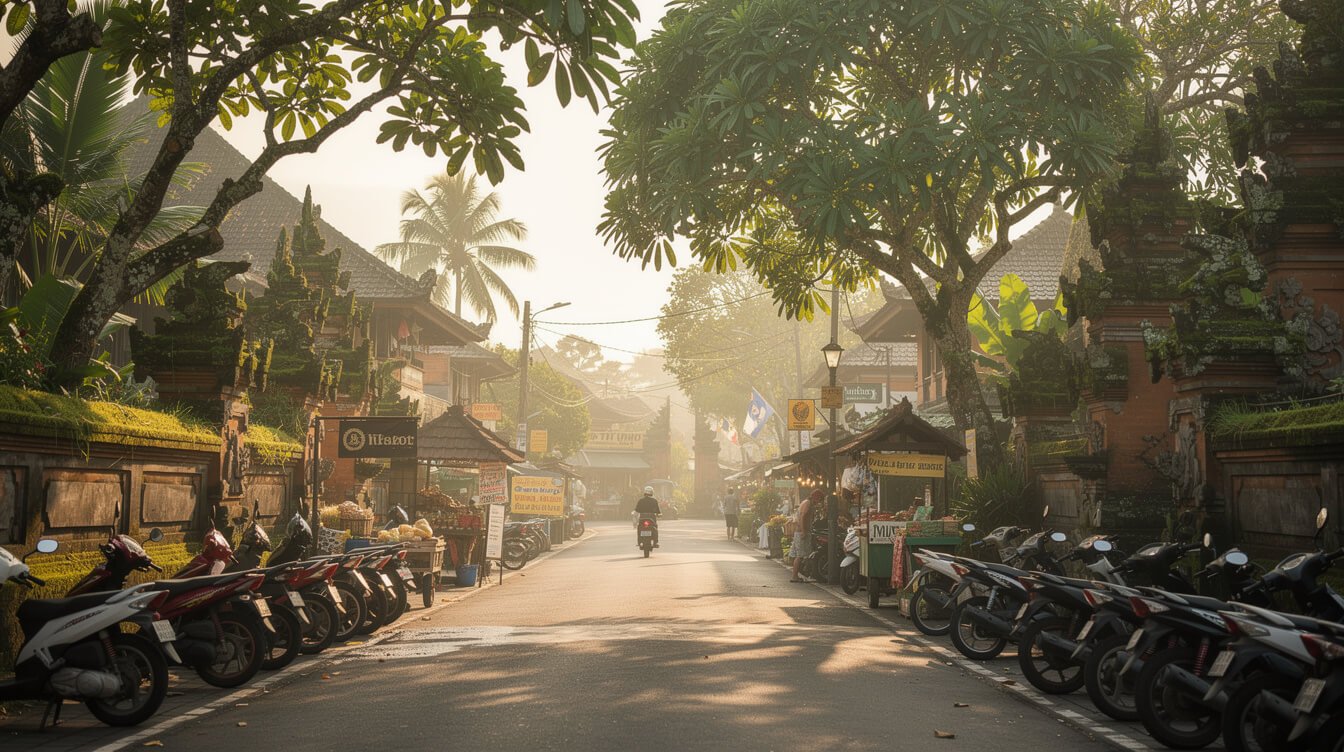
The smell hits you first. Clove cigarettes and ripe mangosteen, temple incense and fresh galangal, all tangled in warm morning air that hasn’t quite decided to let the mist go. This is what the Ubud market feels like at dawn — before the tour buses, before the noon heat, before your coffee has cooled on the pool deck back at the villa.
Whether you’re after hand-carved wooden masks, the ripest dragon fruit in Gianyar, or just the kind of morning that makes you forget what day it is, the markets of Ubud deliver something no shopping mall ever could. This guide walks you through every market worth your time — what to buy, when to go, and the local knowledge that turns a quick browse into one of those mornings you’ll replay for years.
The Ubud Art Market: What You’ll Actually Find at Pasar Seni
Pasar Seni Ubud — the Ubud Art Market — sits right across from the Puri Saren Royal Palace on Jalan Raya Ubud. It’s open every day from roughly 6 AM to 6 PM, though the character of the market shifts dramatically depending on when you arrive.
The stalls spill over two levels and out onto the sidewalk, packed with goods made in the surrounding villages of Pengosekan, Tegallalang, Payangan, and Peliatan. This isn’t factory-line souvenir territory. Many of the crafts here are made by families who’ve been carving, weaving, and painting for generations.
What the stalls are selling
Here’s what catches your eye as you move through the rows:
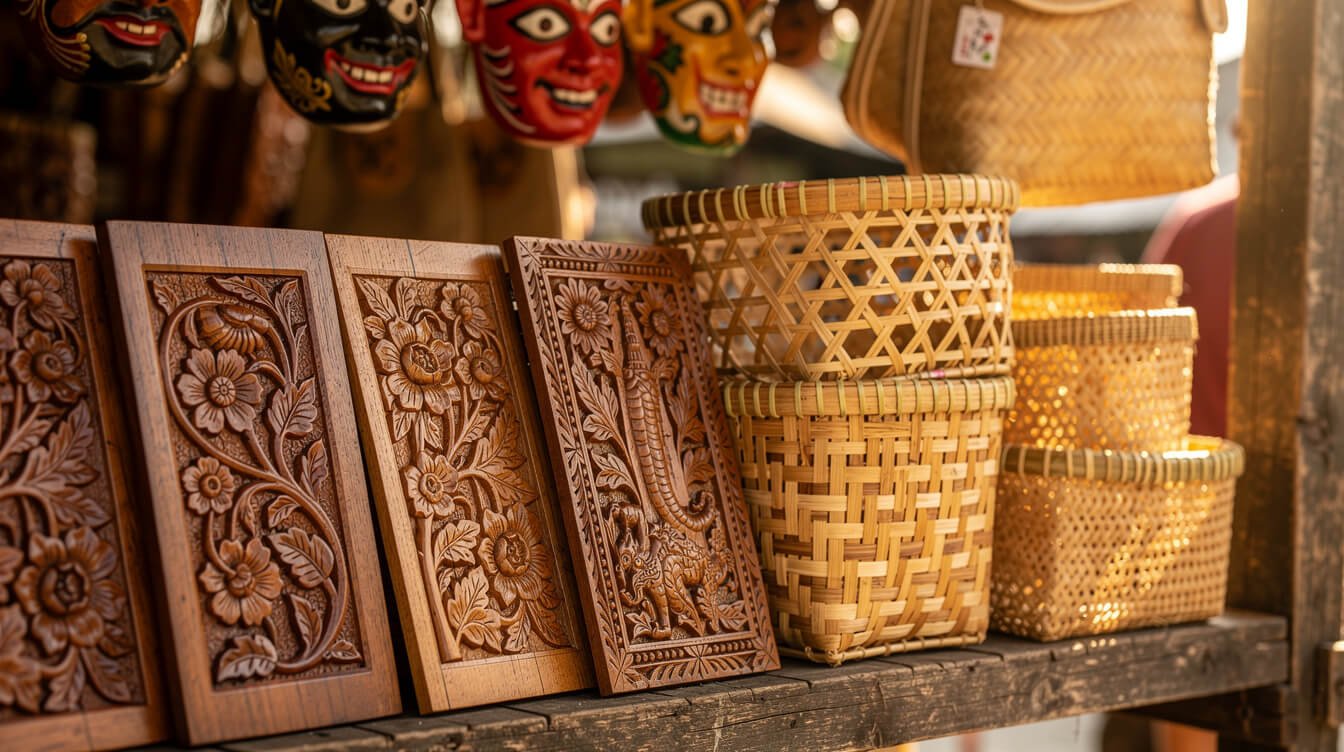
- Wood carvings — from small Garuda figures to intricate wall panels. The quality ranges wildly, so look closely at the grain and finish. Heavier pieces tend to be better wood.
- Woven rattan bags and baskets — the round Ata grass bags have become iconic Bali souvenirs, but the real treasures are the smoked-grass baskets made by the indigenous Bali Aga people of Tenganan.
- Hand-painted boxes and home furnishings — decorated with traditional Balinese motifs, often using gold leaf.
- Traditional masks — Barong and Rangda masks for display, plus smaller decorative pieces that travel well in a suitcase.
- Batik and ikat textiles — sarongs, table runners, wall hangings. The hand-dyed pieces take longer to find but are worth the search.
- Silver jewelry — simple rings and earrings for single-digit dollar amounts, plus more elaborate pieces from Celuk village silversmiths.
- Paintings — original works in traditional Balinese styles (Kamasan, Young Artists, Batuan) alongside contemporary pieces.
If you’re staying at a private villa in Bali, the home furnishings section is worth a longer look — carved wooden bowls, painted trays, and woven placemats that bring a piece of Ubud home with you.
The Ubud Morning Market: Where the Locals Go Before Sunrise
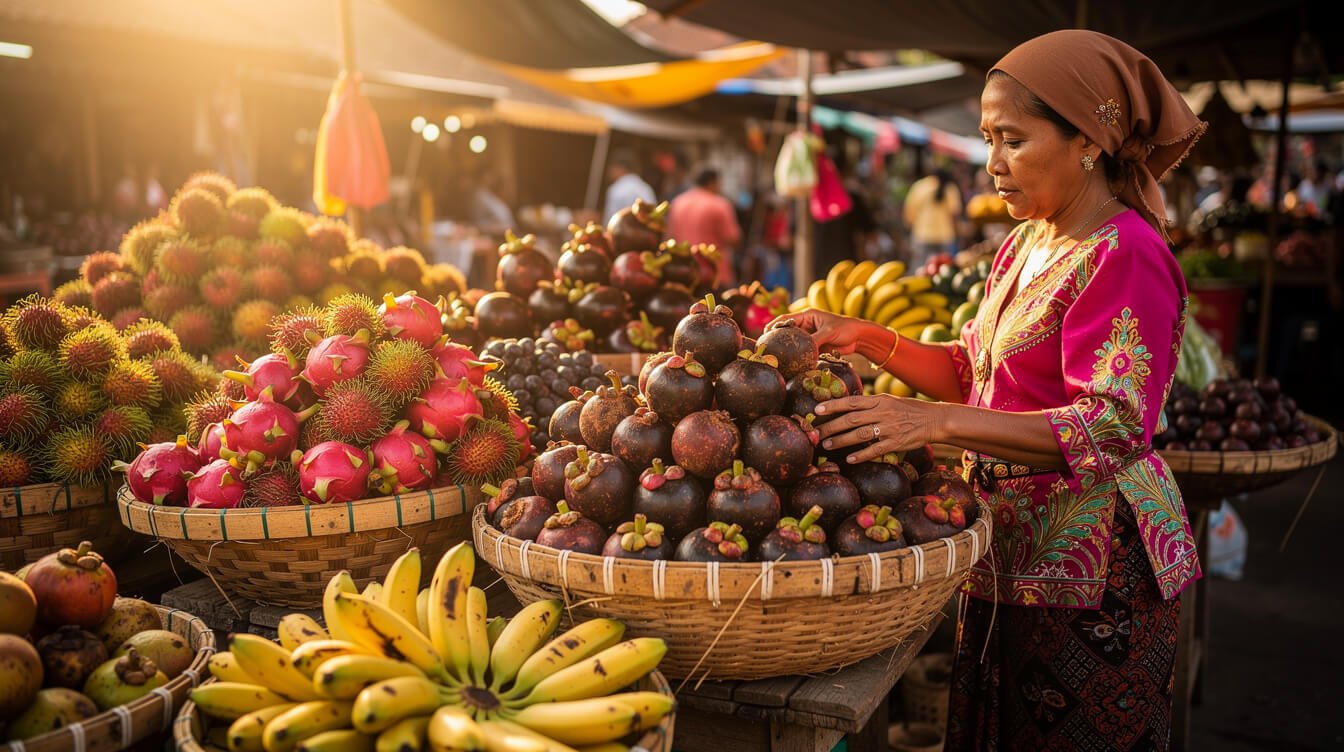
The Ubud Art Market gets the guidebook attention, but the real pulse of Ubud’s market culture beats on the eastern side of the same building — and it starts before the sun comes up.
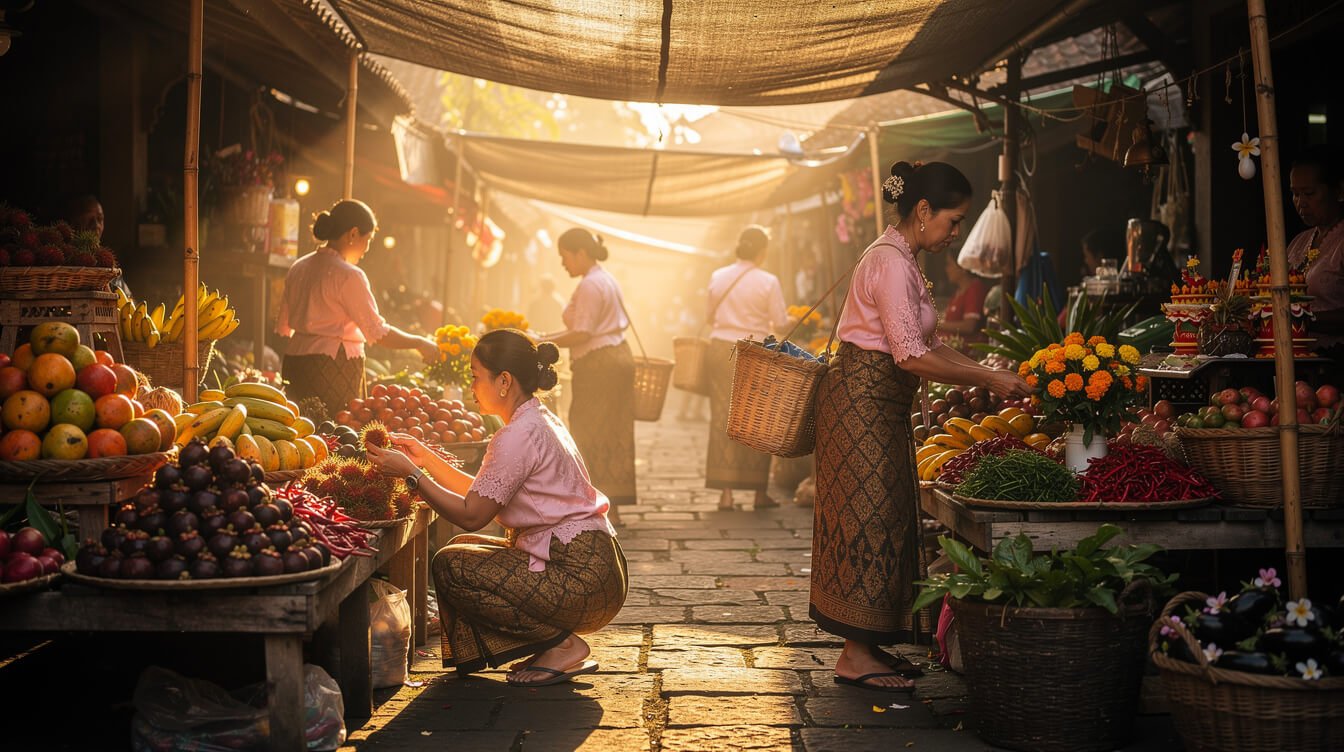
From around 4 AM, the Ubud morning market (Pasar Pagi Ubud) comes alive with local vendors selling fresh produce, spices, temple offerings, and prepared Balinese foods. This is where Ubud’s restaurant owners, warungs, and villa chefs come to stock their kitchens for the day.
What you’ll find in the morning market
- Tropical fruit — mangosteens, salak (snake fruit), rambutan, dragon fruit, and bananas in varieties you’ve never seen. The mangosteen here is extraordinary during season (November through March).
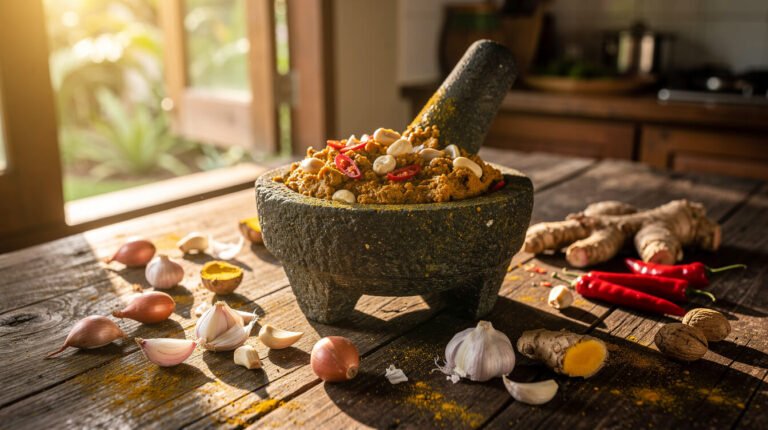
- Fresh spices — turmeric root, galangal, lemongrass, pandan leaves, and fresh chili in colors that pop against the woven baskets they’re displayed in.
- Canang sari offerings — small palm-leaf trays filled with flowers, incense, and rice. Every Balinese home and business places these daily, and the market is where many families buy them ready-made.
- Jajan Bali — traditional Balinese cakes and snacks. Try the klepon (green rice-flour balls filled with palm sugar) or dadar gulung (coconut-filled crepes).
- Prepared foods — nasi jinggo (small portions of rice with side dishes), lawar (mixed vegetables with grated coconut), and babi guling supplies for family ceremonies.
By 8 or 9 AM, the morning market starts packing up. The best produce goes fast — our chef at Villa Amrita heads there well before 6 AM to get first pick. If your day includes eating at Ubud’s restaurants, you’re likely tasting ingredients that were sold in these stalls just hours earlier.

Get a Free 3-Day Sample Itinerary
Morning markets, rice terrace walks, sunset temples — we’ll plan three extraordinary days in Ubud for you. Free, no strings.
How to Bargain at the Ubud Market Without Feeling Awkward
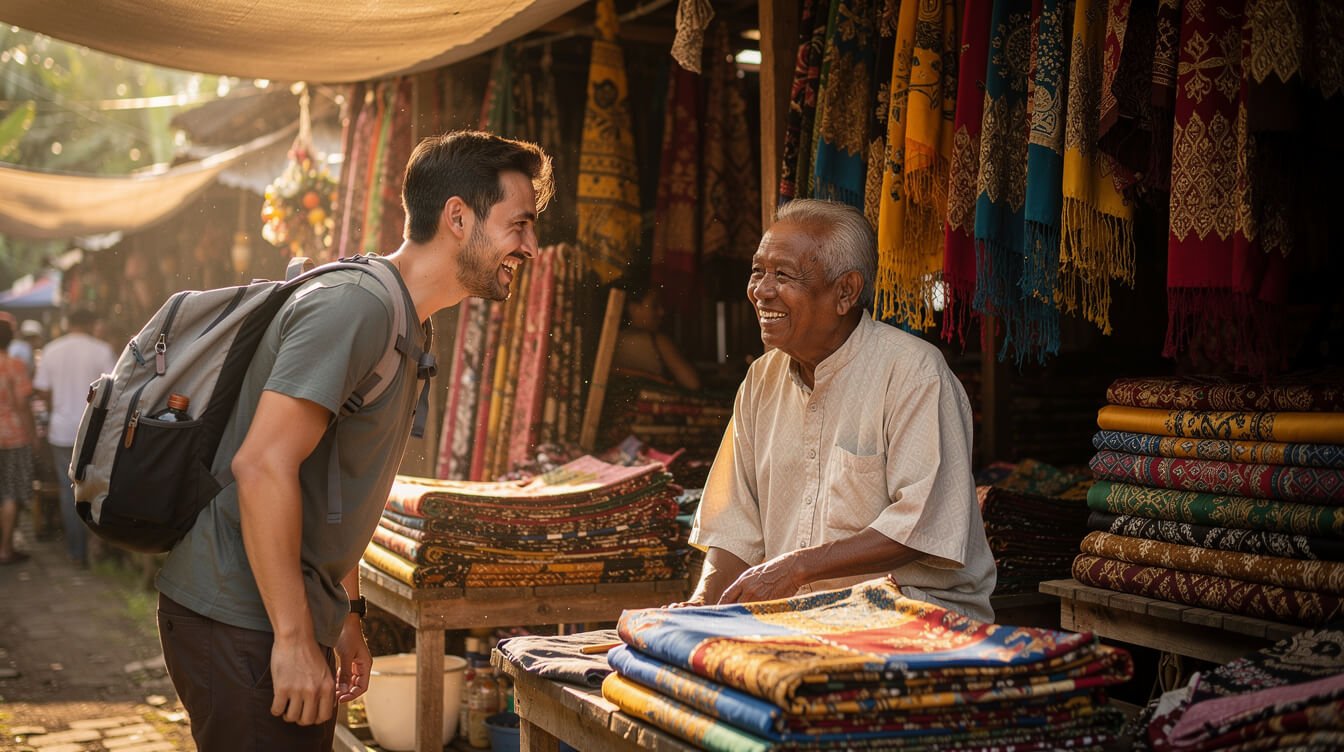
Bargaining is expected at the Ubud Art Market. It’s part of the culture, and vendors enjoy the back-and-forth as much as (sometimes more than) the sale. Here’s how to do it well, without the stress.
The gentle art of the Ubud market bargain
- Start at 30-50% of the quoted price. This is standard, not insulting. The vendor’s opening price includes bargaining room — they’d be surprised if you didn’t negotiate.
- Use “Mahal sekali” — it means “too expensive” in Bahasa Indonesia, and it’s your most useful phrase. Say it with a smile.
- Ask for “harga pagi” (morning price). The first sale of the day is considered good luck, and vendors will often accept a lower price to start the day well. Go early.
- Buy more than one item from the same vendor. Bundle pricing works everywhere. Three scarves from one stall will get you a better per-item price than one at a time.
- Walk away gently. If you can’t agree on a price, smile, say “terima kasih” (thank you), and start to leave. If the vendor calls you back, you’ll know their real floor. If they don’t, the price was already fair.
- Don’t bargain too hard on food. In the morning market, produce prices are already local-level. A few thousand rupiah means more to the vendor than it does to you.
A helpful perspective: bargaining isn’t about “winning.” It’s a social interaction. The vendors are skilled, warm, and usually funny. Let the conversation happen. You might walk away with a new friend and a story along with your purchase.
If you’re visiting Ubud for the first time, our guide to the best things to do in Bali covers the broader rhythm of exploring the island — the markets are just the beginning.
Textiles and Batik: Ubud Market’s Finest Handmade Treasures
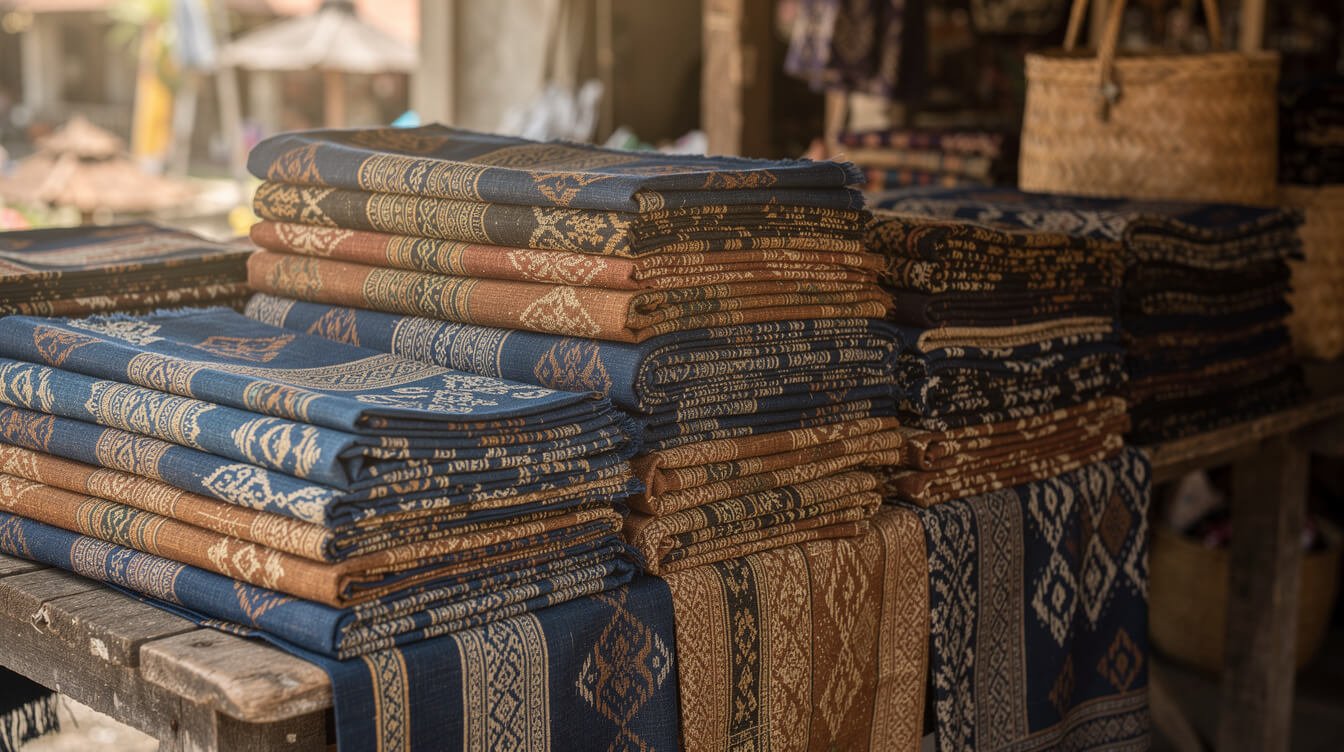
If you have time for only one deep dive at the Ubud market, make it textiles. The hand-dyed, hand-woven fabrics here connect you to one of Bali’s oldest living art forms — and the best pieces are genuinely extraordinary.
Understanding what you’re looking at
Ikat is the traditional technique where threads are dyed before weaving, creating patterns with soft, feathered edges. The double-ikat cloth of Tenganan village (geringsing) is one of only three places on earth this technique survives. A genuine geringsing cloth takes months to make and is considered sacred.
Batik uses wax-resist dyeing to create patterns on finished fabric. Javanese batik is the most famous, but Balinese artisans have developed their own style, often featuring temple motifs, rice terrace scenes, and mythological figures.
How to tell handmade from machine-made
- Flip it over. Hand-dyed batik looks nearly identical on both sides. Printed batik will have a faded or blank reverse.
- Look at the edges. Handwoven ikat has slightly irregular edges and subtle color variations — those “imperfections” are the proof of handwork.
- Ask about the village. Vendors who can tell you where the cloth was made — Tenganan, Sidemen, Gelgel — are more likely selling the genuine article.
- Feel the weight. Hand-spun cotton and natural dyes produce a fabric with a different hand-feel than synthetic prints. Heavier is usually better.
Expect to pay $5-15 for a printed cotton sarong, $20-50 for a hand-dyed batik piece, and $100+ for authentic ikat or geringsing cloth. The real ones are worth every rupiah.
Beyond the Art Market: Other Ubud Markets Worth Visiting
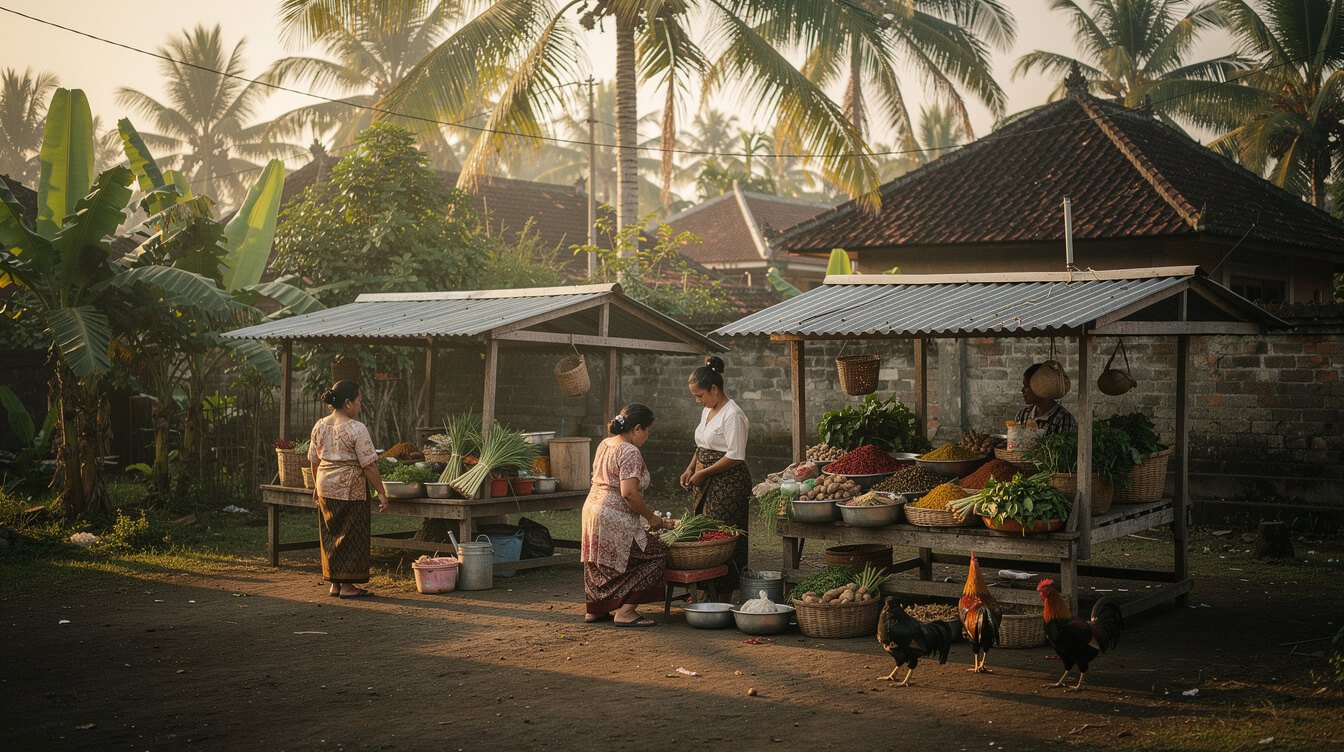
The main Ubud Art Market and morning market get most of the attention, but the Ubud area is home to several other markets that offer a different pace — and often better prices.
Sukawati Art Market (20 minutes south)
Sukawati is where many of the Ubud Art Market vendors source their own inventory. Prices are lower, selection is broader, and the atmosphere is more local. It’s open daily but Saturday mornings see the biggest crowds. If you’re buying in bulk — gifts for friends, multiple sarongs, decorative items — Sukawati is the smart choice.
Tegallalang Market (15 minutes north)
On the road to the famous Bali rice terraces, Tegallalang village has its own cluster of craft workshops and market stalls. The specialty here is woodworking — the carvers of Tegallalang have been producing ornate sculptures, furniture, and homeware for decades. Watching artisans work in their open-air workshops is part of the experience.
Gianyar Night Market (30 minutes southeast)
If your appetite outweighs your shopping instinct, the Gianyar Night Market (Pasar Senggol) is the best food market in the greater Ubud area. Open from around 5 PM, it specializes in authentic Bali food: babi guling (suckling pig), sate lilit (minced satay), and nasi campur. Come hungry, leave happy, spend very little.
Mas Village (10 minutes south)
Mas is Ubud’s woodcarving capital. The village’s galleries and workshops produce everything from small souvenir carvings to museum-quality sculptures. The work here is a step above what you’ll find at market stalls — as are the prices — but for a serious woodcarving purchase, Mas is the place.

Come Home to the Villa After a Market Morning
Three bedrooms, a private pool, a chef who knows every vendor by name — and a garden that smells like frangipani. Check your dates.
Ubud Market FAQ: Everything Else You Need to Know
When is the best time to visit the Ubud market?
For the art market: arrive by 7 AM. The stalls are fully stocked, vendors are fresh, and the “harga pagi” (morning price) tradition means you’ll get the best deals. By 10 AM, the tour buses start arriving and prices climb.
For the morning market: 5 AM to 7 AM. This is early, yes. But it’s also one of the most genuinely immersive experiences you’ll have in Ubud. The light, the energy, the scent of spices and temple flowers — it’s worth setting one alarm.
Is the Ubud market open every day?
Yes. Both the art market and the morning produce market operate daily. The art market runs roughly 6 AM to 6 PM (though some stalls close by mid-afternoon). The morning market operates from about 4 AM to 8-9 AM.
How do I get to the Ubud market?
The market is in the center of Ubud on Jalan Raya Ubud, directly across from the Puri Saren Royal Palace. If you’re staying in central Ubud, it’s walkable. From a villa outside the center, a scooter ride or a quick drive with your villa’s driver gets you there in minutes. Motorcycle parking is available underground in the market basement for 2,000 IDR.
What should I bring to the Ubud market?
- Cash — Indonesian rupiah in smaller denominations (10,000 and 20,000 notes). Most stalls don’t accept cards.
- A reusable bag — for carrying purchases and reducing plastic waste.
- Comfortable shoes — the aisles are narrow and sometimes uneven.
- Your camera — but ask before photographing vendors or their stalls. A smile and a gesture go a long way.
Is it worth visiting the Ubud market with kids?
Absolutely. Kids love the colors and the novelty. The morning fruit market is especially good for families — trying unfamiliar tropical fruits together makes for great memories. Just keep little ones close in the narrower aisles of the art market, where fragile items are everywhere.
How much money should I budget?
You can have a full morning at the market spending anywhere from $10 to $200, depending on what catches your eye. Budget travelers can pick up cotton tees, simple jewelry, and fruit for very little. If a hand-carved wooden panel or an authentic ikat textile calls to you, the upper range climbs accordingly.
Making the Most of Your Ubud Market Morning
Here’s our recommendation for a perfect market morning, the way we’d do it if you asked us at the villa over breakfast:
- 5:30 AM — Head to the morning market. Walk slowly through the produce section. Buy a mangosteen and eat it on the spot. Watch the canang sari makers work.
- 6:30 AM — Cross to the art market as the stalls open. Browse the textile section first (freshest selection, calmest atmosphere). Use the bargaining tips above.
- 8:00 AM — Take a coffee break at one of the warungs near the Royal Palace. Watch Ubud’s morning unfold from a terrace seat.
- 8:30 AM — Return for a second pass through the art market. You’ll notice things you missed. This is when you make your purchases.
- 9:30 AM — Head back to the villa before the heat and crowds arrive. The pool will be waiting.
The Ubud market isn’t just a shopping stop — it’s one of the most direct connections you’ll have to the daily rhythm of Balinese life. The village culture that makes Ubud extraordinary lives in these stalls, in the hands of the people who weave and carve and arrange offerings before dawn. Take it slow. Let the morning happen around you.
And when you’re ready to experience Ubud from a place that feels like home — with a chef who knows every vendor in that morning market by name, a garden that smells like frangipani, and a team that holds your entire stay — explore where to stay in Ubud or reach out to our team directly.

Join Our Newsletter
Fun, new, exciting Bali news — delivered to your inbox. Local tips, seasonal highlights, and the kind of Ubud stories that make you want to book a flight.