Yoga Studio Ubud Bali: Your Complete Guide to the Best Yoga Studios in Ubud
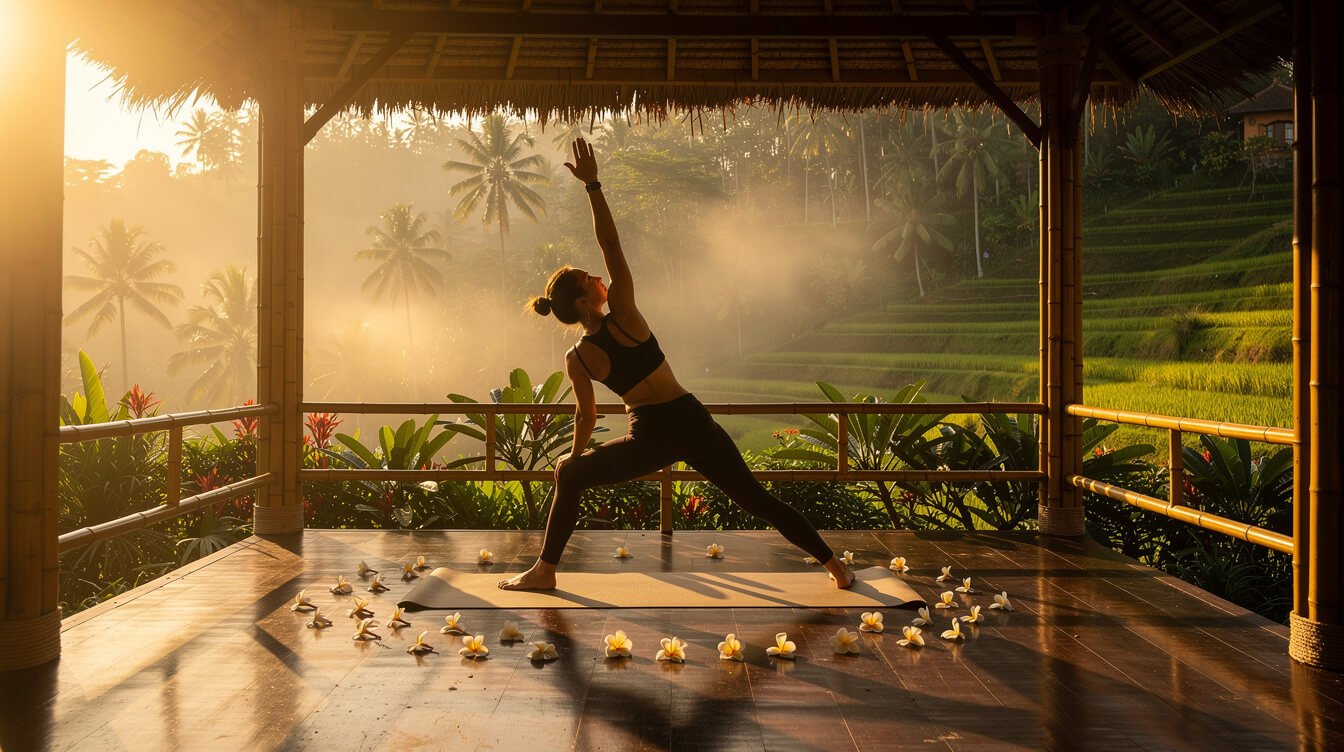
There is a moment — usually your first morning in Ubud — when the air itself seems to invite you to slow down. The roosters have finished. The gamelan from last night’s ceremony has faded. And somewhere nearby, in a bamboo shala overlooking a river valley or a quiet courtyard shaded by frangipani, a yoga studio in Ubud Bali is welcoming its first students of the day. This is where the island’s spiritual heartbeat lives — not in any single building, but in the collective energy of a town that has made conscious movement and stillness a way of life.
Whether you practice daily Ashtanga or you have never unrolled a mat, Ubud has a yoga studio that will meet you exactly where you are. This guide covers the studios our team knows personally — the ones we recommend to guests who step off the pool deck and want to feel Ubud from the inside out. We will walk through the major yoga studios, the smaller hidden ones, the styles you will find, what a yoga-centered day in Ubud actually looks like, and how to make the most of your practice while you are here.
Why Ubud Is the Yoga Capital of Bali
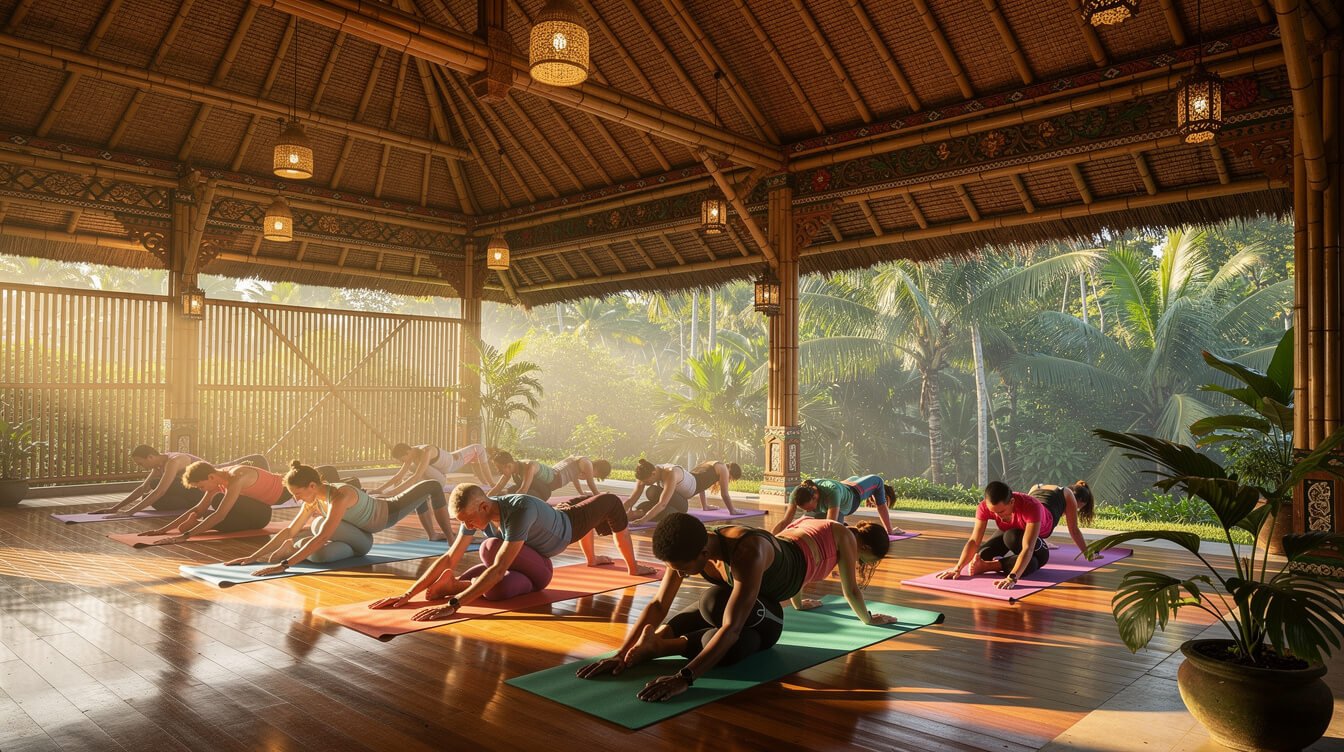
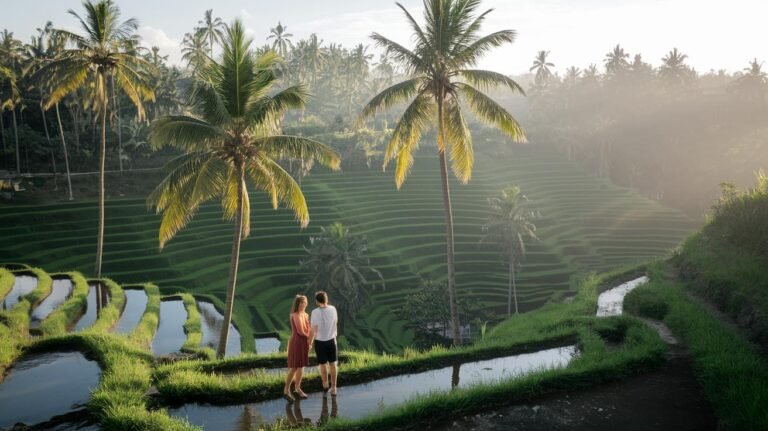
Ubud did not set out to become a yoga destination. It happened organically — the same way the rice terraces shaped themselves around the contour of the land. The town sits in a river valley surrounded by jungle and rice paddies, a geography that naturally slows you down. Balinese Hinduism fills the air with daily offerings, temple ceremonies, and a rhythmic attentiveness to the spiritual world that makes mindfulness feel less like a practice and more like the local atmosphere.
The first wave of yoga teachers arrived in the early 2000s, drawn by the same energy that Elizabeth Gilbert would later describe in Eat Pray Love. They found affordable spaces, a receptive community, and a climate that made open-air practice possible year-round. What started as a handful of visiting teachers holding classes in guesthouses grew into a global yoga hub with dozens of dedicated studios, teacher training programs, and a wellness ecosystem that now includes everything from sound healing to breathwork to traditional Balinese energy work.
Today, Ubud offers more yoga classes per square kilometer than almost any other place on earth. On any given morning, you can choose from 30 or more classes across town — full yoga retreats, drop-in vinyasa flows, silent meditation sits, acrobatic arm-balance workshops, and gentle restorative sessions lit by candles. The variety is extraordinary. And the setting — warm tropical air, birdsong instead of traffic, the scent of incense from the temple next door — makes every class feel like something more than exercise.
The Major Yoga Studios in Ubud You Should Know
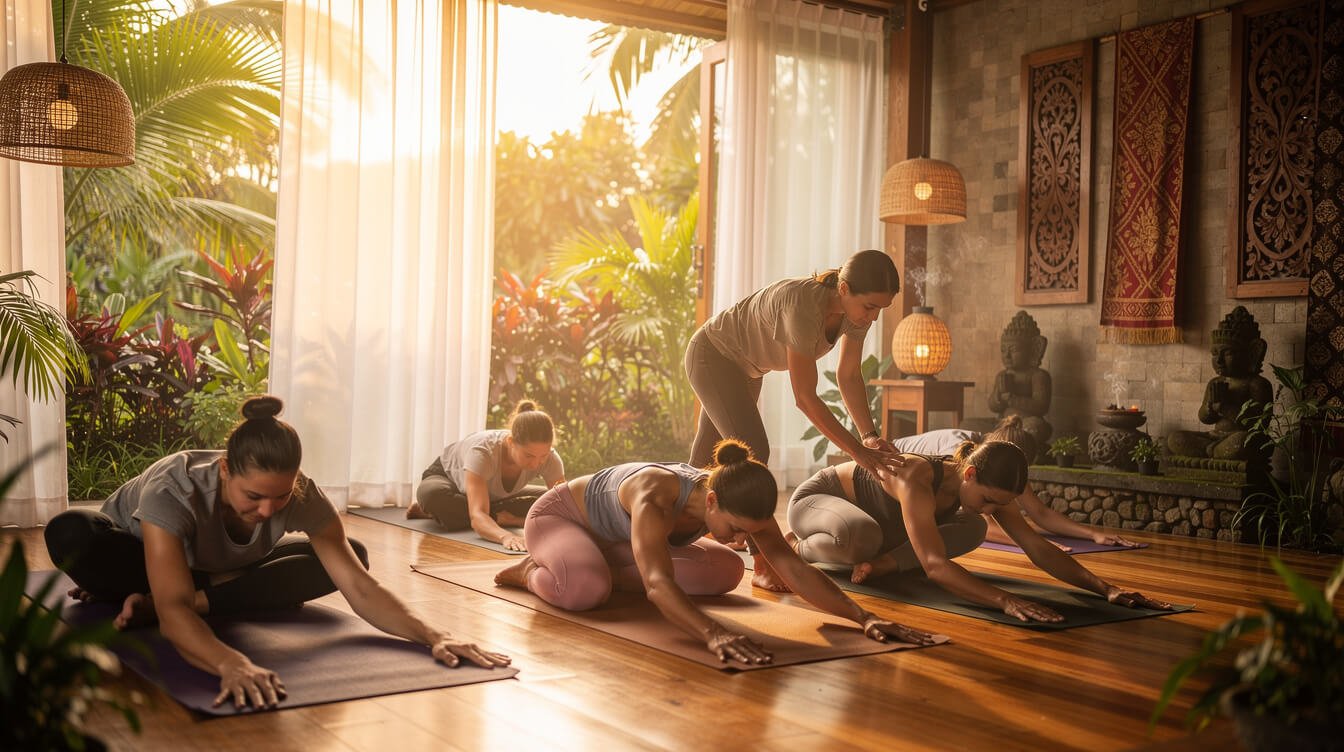
These are the established studios with daily schedules, multiple teachers, and the infrastructure to welcome drop-in students any day of the week.
The Yoga Barn
The Yoga Barn is Ubud’s anchor. Seven practice spaces spread across a terraced hillside garden, with up to 20 classes a day covering everything from sunrise Ashtanga to evening sound healing. The main shala is enormous — a bamboo cathedral that can hold 100+ students — but there are smaller rooms for more intimate practices. The on-site restaurant (Garden Kafe) serves excellent plant-based food, and there is accommodation if you want to stay on the grounds. Class prices range from 150,000 to 180,000 IDR for drop-ins, with multi-class passes bringing the per-session cost down significantly. The Yoga Barn works well for experienced practitioners who want variety and a buzzing community, but beginners might feel overwhelmed by the class size in the bigger shalas.
Radiantly Alive
Located on Jalan Jembawan in the heart of Ubud, Radiantly Alive has a devoted following for its Ra Vinyasa style — a flowing, dynamic practice developed in-house. Three practice rooms host 1-5 classes daily, with offerings that also include yin yoga, kundalini, and sound healing. The teaching quality is consistently high, class sizes are smaller than The Yoga Barn, and the studio has a warm, community-driven feel. Drop-in classes run around 150,000 IDR. If you are drawn to strong, creative vinyasa sequencing and want to connect with a tight-knit yoga community, this is your studio.
Intuitive Flow
Tucked away in the quiet hillside village of Penestanan, Intuitive Flow feels like practicing in someone’s beautiful home. The studio offers 2-4 classes daily in a peaceful setting surrounded by tropical gardens. The pace here is more contemplative — hatha, yin, and gentle flow dominate the schedule. What makes Intuitive Flow special is the sense of intimacy. Classes rarely exceed 15 students, and teachers give individual attention that gets lost in bigger spaces. Pricing starts at around 110,000 IDR, making it one of the most affordable quality studios in Ubud. Cash only.
Taksu Yoga
Part of the Taksu spa complex, this studio sits amid lush gardens and offers small, focused classes — hatha, restorative, tantra-inspired practices, and Thai massage yoga. With only 3-4 classes per day and intimate group sizes, Taksu is for practitioners who value quality instruction over variety. The spa is right there if you want to follow your practice with a Balinese massage. Prices start around 120,000 IDR per class.
Get a Free 3-Day Sample Itinerary
Yoga, culture, and quiet mornings — we have mapped out a perfect introduction to Ubud. Delivered straight to your inbox.
Smaller Yoga Studios and Hidden Gems in Ubud
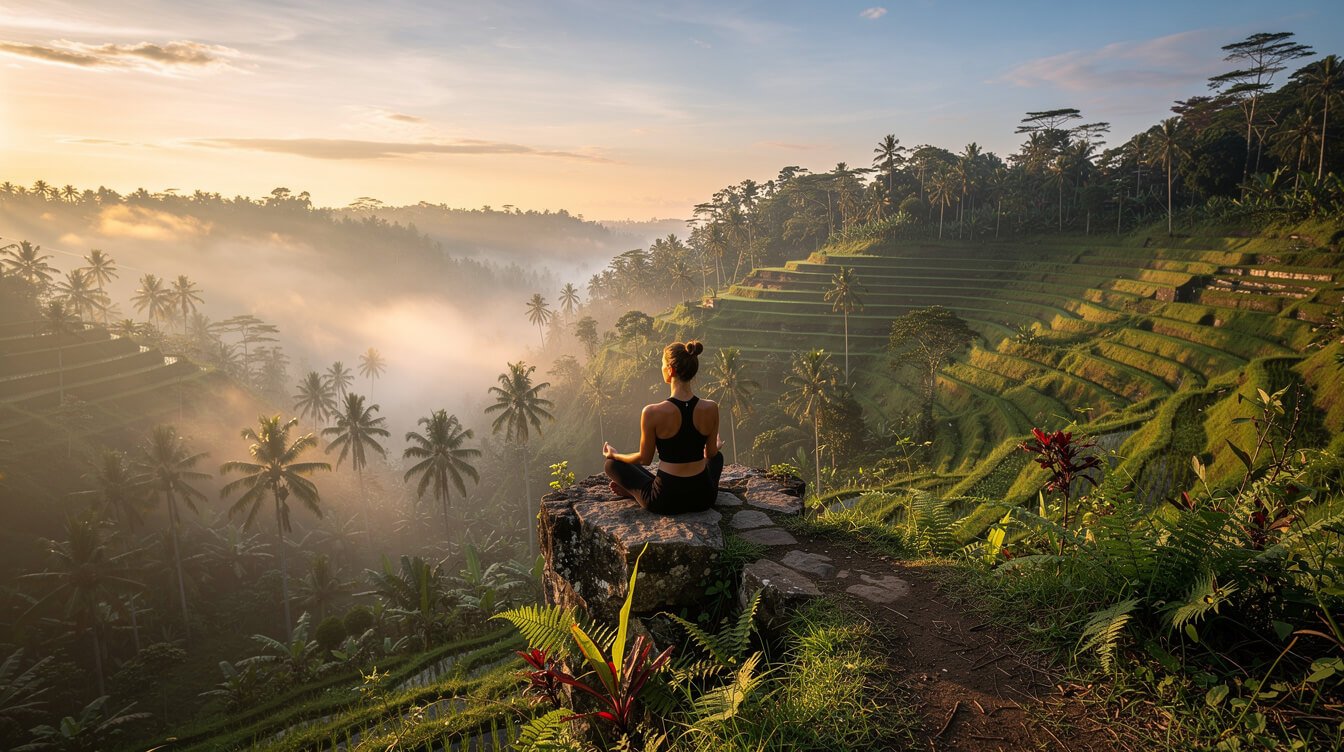
Beyond the well-known studios, Ubud is full of smaller spaces that offer something the bigger venues cannot — true intimacy, unique styles, and the feeling of practicing alongside locals rather than tourists.
Ubud Yoga House
A small, soulful studio with stunning rice field views and a maximum of 23 students per class. The 75-minute sessions are thoughtfully structured, and the teachers tend to stay for extended periods rather than cycling through. At 150,000 IDR per drop-in, this is the studio our guests most often return to after their first visit. If you want a yoga studio in Ubud Bali that feels personal rather than performative, start here.
Ubud Yoga Centre
One of the few places in Ubud offering hot yoga in a dedicated heated room. They also run hatha and vinyasa classes in a beautiful open-air setting. If your home practice centers on Bikram or hot flow and you do not want to give it up while traveling, this is your spot.
Yoga Barn’s Alchemy
A separate but connected wellness space within The Yoga Barn campus, Alchemy focuses on raw food and holistic healing alongside yoga. The bamboo shala here is smaller and more intimate than the main Yoga Barn spaces. Their schedule includes specialized workshops — crystal healing, Tibetan bowl meditation, ecstatic dance — that go beyond conventional studio offerings.
Ashram Munivara
Located in the Tegallalang area north of central Ubud, this ashram offers authentic, donation-based yoga and meditation in a traditional setting. Classes are small, the pace is contemplative, and the focus is on inner practice rather than physical performance. At around 50,000 IDR (suggested donation), it is the most affordable option in the area — and one of the most genuine.
FireFly Yoga
An Ashtanga Mysore specialist with a dedicated raw vegan cafe attached. The Mysore-style classes (where students practice independently at their own pace while a teacher assists) attract serious practitioners who want disciplined, self-directed practice. Early morning start times (typically 6:30 or 7:00 AM) set the tone for the day.
Yoga Styles You Will Find in Ubud
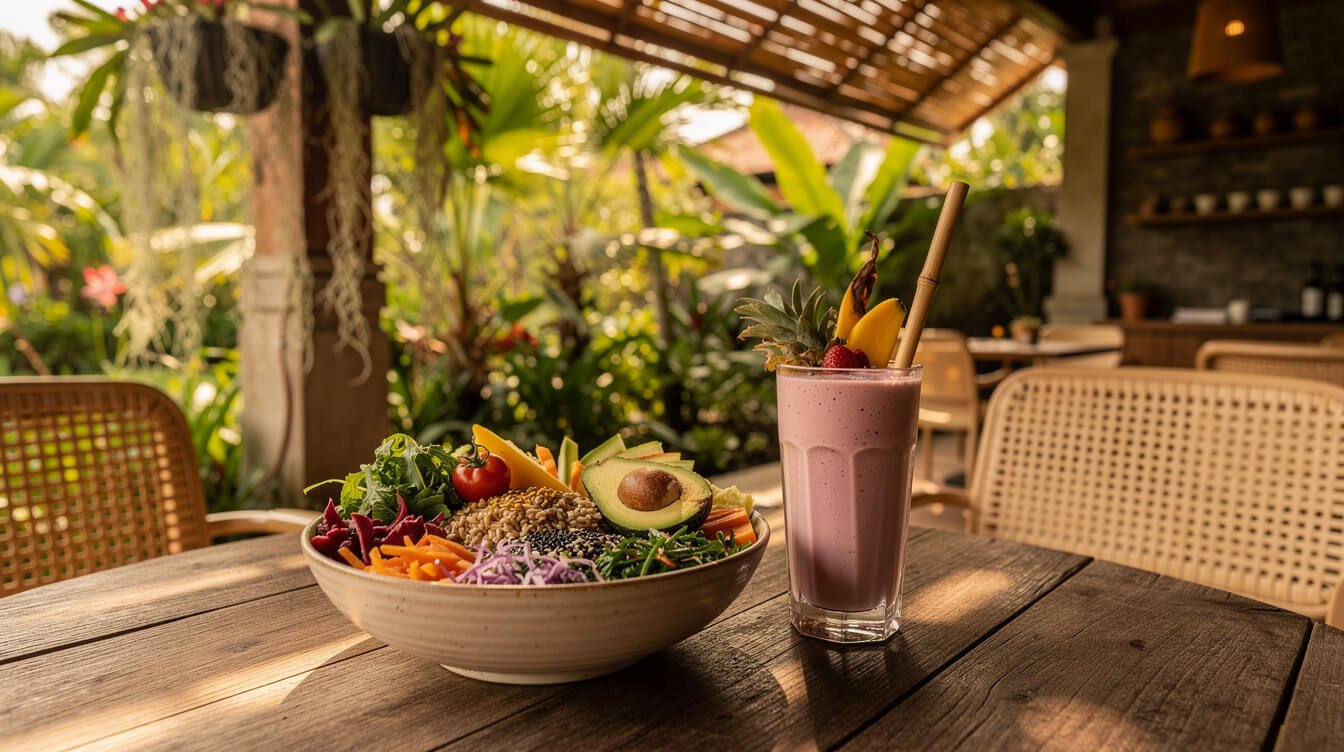
Part of what makes Ubud extraordinary for yoga is the sheer diversity of styles available. In most cities, you pick a studio and commit to its style. In Ubud, you can explore a different tradition every day.
Vinyasa Flow — the most widely available style in Ubud. Dynamic, breath-linked movement through creative sequences. Available at virtually every studio, from vigorous power flow to slow, meditative vinyasa. Radiantly Alive and The Yoga Barn both excel here.
Hatha — slower, alignment-focused practice with longer holds. Ideal for beginners or practitioners who want to deepen their understanding of individual poses. Intuitive Flow and Taksu both offer excellent hatha classes.
Ashtanga Mysore — the traditional self-practice format where students memorize a set sequence and work through it independently. FireFly Yoga and Ashtanga Yoga Research Centre are the go-to spots. Early mornings only — Ashtanga practitioners rise before the roosters.
Yin Yoga — long, passive holds targeting deep connective tissue. A perfect complement to active tropical days of exploring Ubud’s temples, rice terraces, and waterfalls. Most studios offer at least one yin class daily, often in the late afternoon or evening.
Kundalini — breathwork, chanting, and movement designed to awaken energy. Less common in Ubud but available at Radiantly Alive and through visiting teachers at The Yoga Barn. The experience can be intense and deeply moving.
Sound Healing and Meditation — not strictly yoga, but deeply woven into Ubud’s practice landscape. Tibetan singing bowls, gongs, crystal bowls — evening sound healing sessions fill studios across town. For deeper contemplative work, our guide to meditation retreats in Bali covers dedicated options.
Restorative and Therapeutic — prop-supported, deeply relaxing practices designed for recovery and nervous system regulation. Taksu and The Yoga Barn both run dedicated restorative sessions, often by candlelight. After a day of Ubud’s extraordinary spa treatments, a restorative class is the perfect ending.
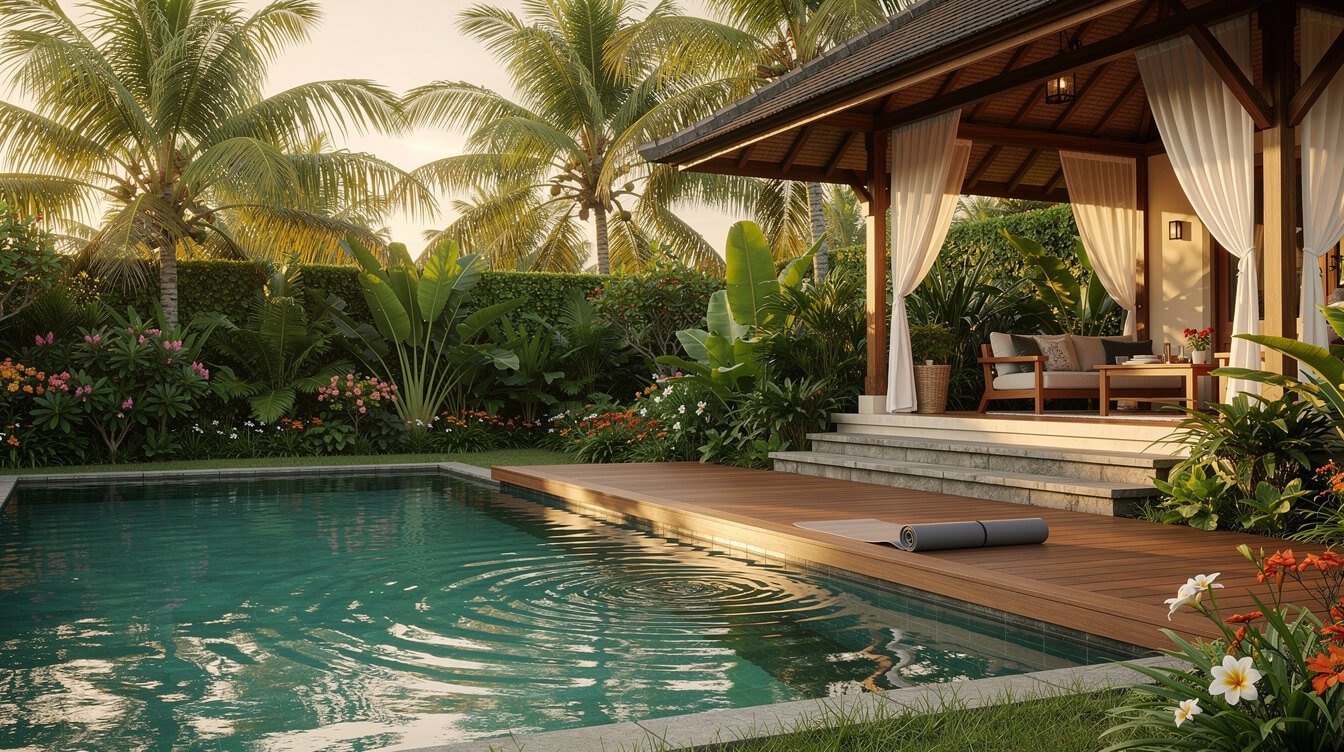
Your Ubud Yoga Base Is Ready
A private staffed villa with pool, garden, and chef — the perfect home between studio sessions. Practice on the deck at sunrise, refuel with Made’s cooking, and do it all again tomorrow.
What a Yoga Day in Ubud Actually Looks Like
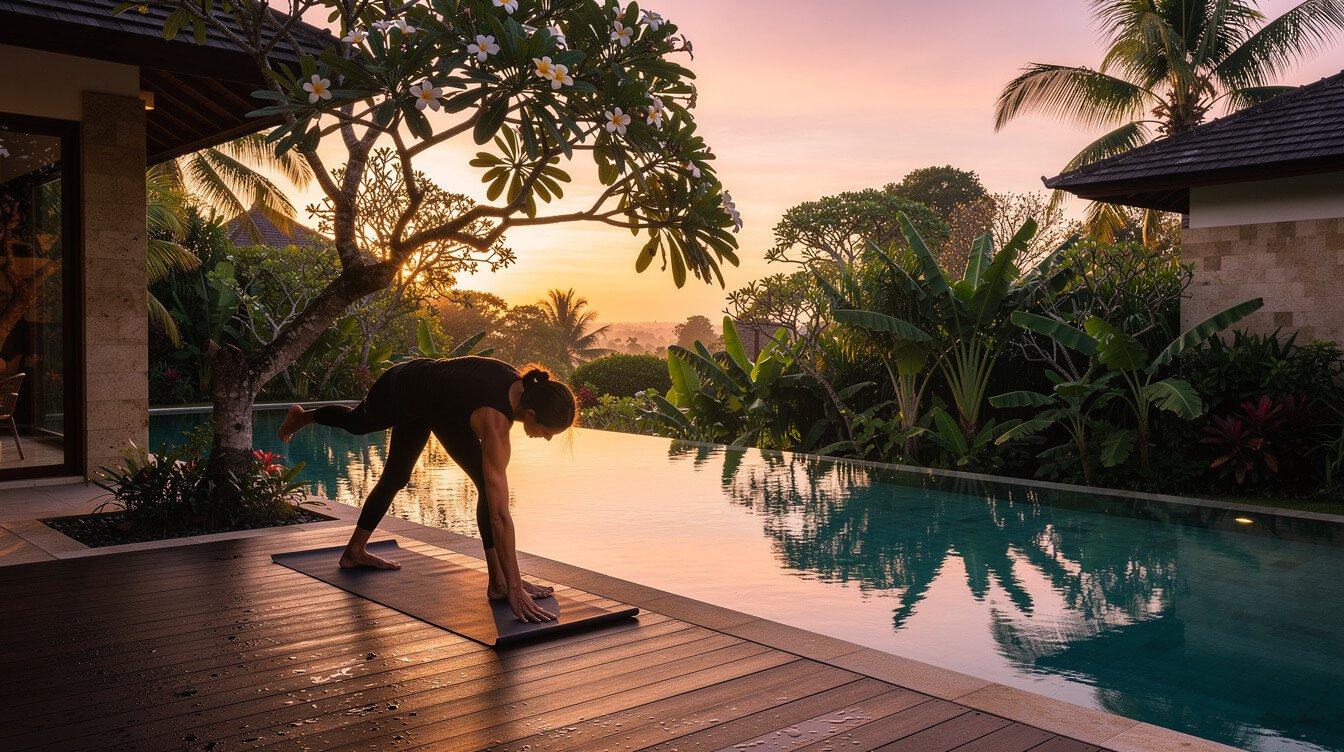
Understanding how a yoga-focused day flows in Ubud helps you plan better — and shows why staying in a private villa with a full team makes the experience feel effortless rather than logistical.
5:30-6:00 AM — The alarm is optional. Roosters and temple bells handle it. If you are doing Ashtanga Mysore, you are already walking to the studio. For everyone else, this is the hour your villa’s pool deck belongs entirely to you — a private sun salutation as the mist lifts off the valley.
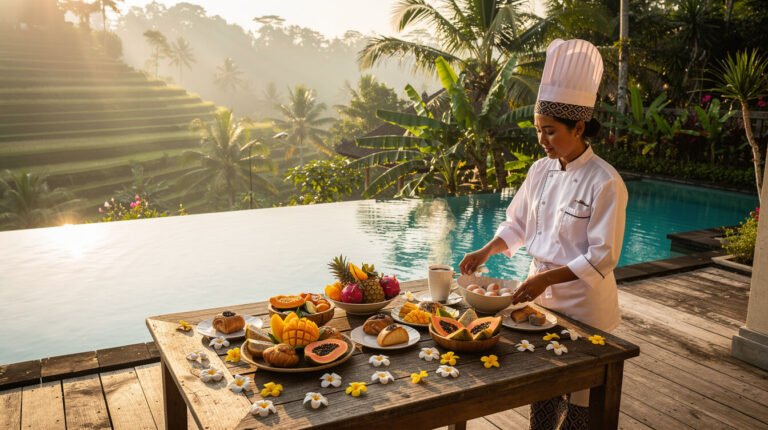
7:00-9:00 AM — Most studios run their first vinyasa, hatha, and pranayama classes in this window. The air is still cool, the light is golden, and the studios are at their quietest. Breakfast at the studio cafe or back at the villa — our chef will have something ready whenever you return.
10:00 AM-12:00 PM — The mid-morning block fills with specialized workshops, arm-balance clinics, and alignment classes. This is also a natural window for exploring — Ubud’s morning markets and warungs are at their best before noon.
2:00-4:00 PM — The hottest hours. Restorative, yin, and gentle flow classes run in the afternoon when active practice would be uncomfortable. Or spend this time at the villa pool — reading, floating, letting the chef prepare something for when the afternoon heat breaks.
5:00-7:00 PM — The golden hour. Sunset-timed vinyasa classes, ecstatic dance sessions, and the sound healing ceremonies that have become an Ubud institution. The Yoga Barn’s Friday evening ecstatic dance draws 200+ people and is a must-experience at least once.
After 7:00 PM — Dinner. Ubud’s yoga and wellness community gathers at the organic cafes and raw food restaurants clustered around Jalan Hanoman and Jalan Dewi Sita. Or skip the crowds entirely — back at the villa, your chef has already prepared something beautiful, and the evening garden sounds are all the ambiance you need.
The Private Villa Advantage for Yoga Practitioners
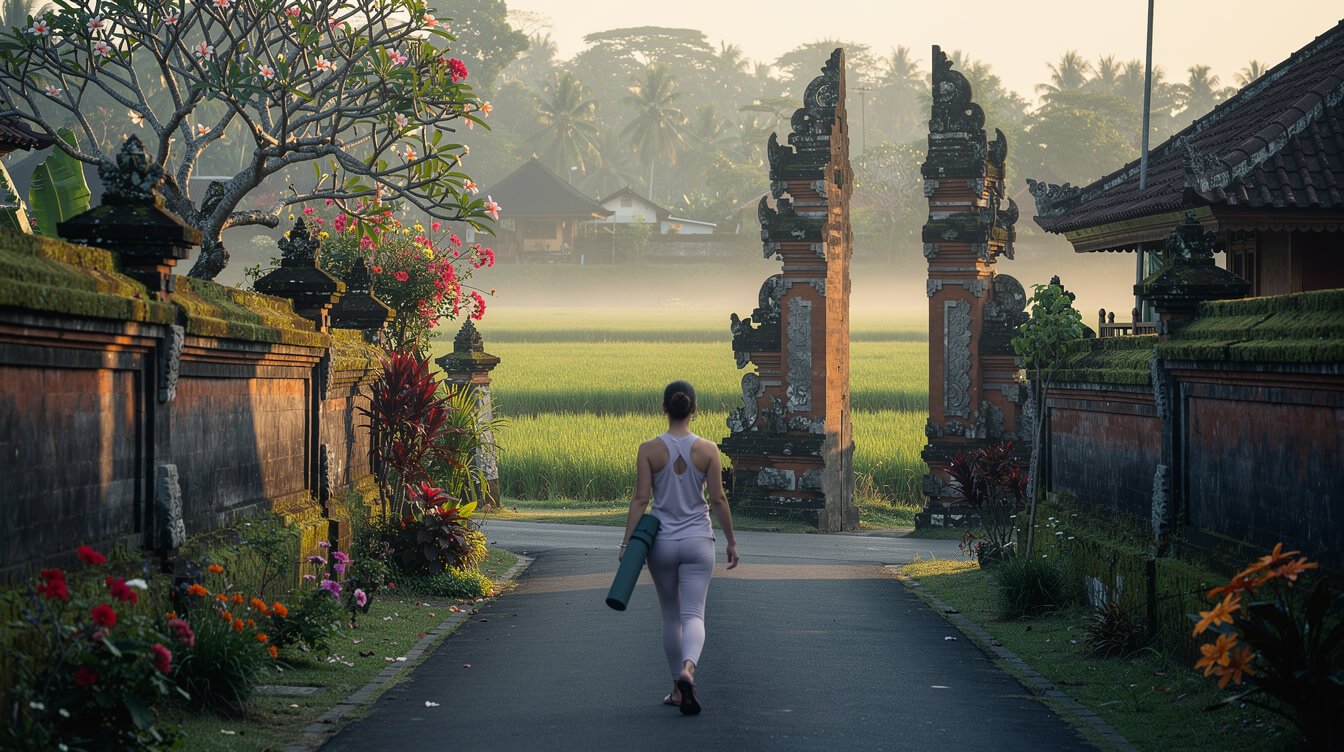
Most yoga guides point you toward guesthouses near the studios or accommodation on the studio grounds. That makes logistical sense — until you realize that what makes a yoga trip to Ubud genuinely transformative is not proximity to a shala, but the quality of your rest between sessions.
A private staffed villa changes the equation entirely. Instead of a hotel room or a shared dorm, you return to a garden, a pool, a kitchen where a chef who knows what your body needs after practice prepares meals tuned to your requests — anti-inflammatory turmeric bowls, fresh tropical smoothies, clean protein, or a full Balinese feast when you want to celebrate.
The villa manager arranges your transport to and from studios (most are a 5-15 minute drive from Penestanan or Sayan), books private yoga teachers for sessions on the pool deck if you want a rest day without leaving home, and coordinates spa treatments, excursions to quieter parts of Ubud, or a traditional Balinese healer visit.
For groups — a yoga teacher bringing students, a family where some members practice and others do not, or friends on a wellness trip — the three-bedroom villa with private chef model means everyone gets what they need. The practitioners go to class. Everyone else has the pool, the garden, and a full staff taking care of everything. You reconvene for dinner. Nobody compromises.
Practical Tips for Practicing Yoga in Ubud
Booking and drop-ins. Most studios welcome drop-in students — no advance booking needed for regular classes. Workshops and special events often require registration. Check studio Instagram pages or websites for current schedules; they change seasonally.
What to bring. Studios provide mats, but bringing your own mat or mat towel is common for hygiene. A light cover-up for the walk to and from class (Ubud mornings can feel cool at altitude). A water bottle. Leave the fancy yoga gear at home — Ubud is barefoot, relaxed, and unpretentious. For a full packing rundown, our Bali packing guide covers everything.
Pricing. Drop-in classes typically run 110,000-180,000 IDR ($7-12 USD). Multi-class passes (5 or 10 sessions) bring the cost down 30-50%. Private sessions range from 500,000 to 1,000,000 IDR depending on the teacher and studio. By global standards, yoga in Ubud is remarkably affordable for the quality of instruction.
Best time of year. Ubud’s yoga scene runs year-round. The dry season (April-October) means less humidity and more comfortable walks between studios. The wet season (November-March) brings afternoon rain showers that make indoor restorative classes feel cozy and the rice terraces glow emerald. There is no bad time — just different moods.
Getting around. Central Ubud is walkable if you are staying near Jalan Raya Ubud or Jalan Monkey Forest. For studios in Penestanan, Sayan, or Tegallalang, you will need a scooter or a driver. Your villa manager can arrange daily transport — most guests find a regular driver who learns their schedule.
Respect the culture. Ubud’s yoga community exists within a deeply spiritual Balinese Hindu village. When walking to class, you will pass canang sari offerings on the sidewalk — step around them, never over them. Cover your shoulders when passing a temple. And if a ceremony closes a road or a studio adjusts its schedule for a Balinese holy day, receive it as part of the experience. The spiritual life of this village is the reason yoga feels different here.
Frequently Asked Questions About Yoga Studios in Ubud Bali
Which yoga studio in Ubud is best for beginners?
Ubud Yoga House and Intuitive Flow are both excellent for beginners. Small class sizes mean teachers can offer individual attention and modifications. Hatha and gentle flow classes at either studio will build confidence without overwhelming you. The Yoga Barn also runs beginner-specific classes, though the large class sizes can feel less personal.
How much does a yoga class cost in Ubud?
Drop-in classes range from 110,000 to 180,000 IDR ($7-12 USD). Multi-class passes (5 or 10 sessions) reduce the cost by 30-50%. Private one-on-one sessions cost 500,000-1,000,000 IDR. Donation-based options like Ashram Munivara start at around 50,000 IDR.
Do I need to bring my own yoga mat?
No — all studios provide mats. Many regular practitioners bring their own for hygiene reasons or bring a mat towel to lay over the studio mat. If you want to buy one locally, shops around Ubud Yoga Barn and the Ubud Market sell decent travel mats.
Can I do a yoga teacher training in Ubud?
Yes. The Yoga Barn, Radiantly Alive, and several independent schools offer Yoga Alliance-certified 200-hour and 300-hour teacher training programs. Most run as intensive 3-4 week residential courses. A private villa stay during teacher training gives you recovery space that shared retreat accommodation cannot match.
What is the best time of day for yoga in Ubud?
Early morning (7:00-9:00 AM) for active practices — the air is cool, the light is soft, and the studios are least crowded. Late afternoon (4:00-6:00 PM) for yin, restorative, and sound healing. Evening sessions (6:00-7:30 PM) for community events like ecstatic dance.
Is Ubud safe for solo female yoga travelers?
Extremely. Ubud has one of the most welcoming and safety-conscious yoga communities in Southeast Asia. Studios are well-lit, well-staffed, and frequented by a diverse international crowd. Solo female travelers make up a significant portion of Ubud’s yoga community. Walking home after evening classes is comfortable in central areas.
Stay Close to Ubud
Fun, new, exciting Bali news — delivered to your inbox. No spam, just the things that make you want to book a flight.